
Paul's Closest Fellow Workers
Paul's two most trusted protégés and apostolic delegates, entrusted to organize and shepherd his churches.
The roster of Paul's Closest Fellow Workers identifies the specific individuals chosen by the apostle to serve as his primary apostolic delegates and administrative representatives. These men appear throughout the New Testament as trusted companions who traveled with Paul and were eventually stationed in specific regions to oversee local church governance. The text identifies these figures in the Book of Acts and across several epistles, documenting their roles as mediators and leaders during the expansion of the early Christian movement.
The organization of this group is defined by their specific geographic assignments and their personal relationship with the apostle. Timothy is described as a fellow worker who accompanied Paul through Macedonia and was later instructed to remain in Ephesus to command certain men not to teach false doctrines (1 Timothy 1:3). The text notes that Timothy had a reputation for faithfulness and was treated by Paul as a son in the faith (1 Corinthians 4:17). Titus is identified as a partner and fellow helper who was left in Crete to set in order the things that were wanting and to ordain elders in every city (Titus 1:5). While Timothy dealt with the complexities of the Ephesian church, Titus is recorded as having successfully mediated a difficult situation with the believers in Corinth (2 Corinthians 7:6–7).
The scriptural record emphasizes the authority these men held by virtue of their association with Paul. Timothy was specifically warned not to let anyone despise his youth while he managed the affairs of the church (1 Timothy 4:12). Titus was described as a brother who shared in the same spirit and walked in the same steps as the apostle (2 Corinthians 12:18). The text does not say how long these assignments lasted or provide a chronological end to their ministries, but it records their presence during Paul’s final imprisonment.
These names are preserved in the biblical narrative to document the transition from the initial missionary journeys to the establishment of permanent church structures. By recording the specific instructions given to Timothy and Titus, the text provides the criteria for selecting bishops and deacons and for maintaining order within the community (1 Timothy 3:1–13). Their inclusion in the canon serves to validate the continuity of apostolic teaching as it was passed from the original travelers to the next generation of resident leaders. The presence of these fellow workers ensures that the instructions for church conduct were delivered through recognized and authorized representatives.
Everyone in this list
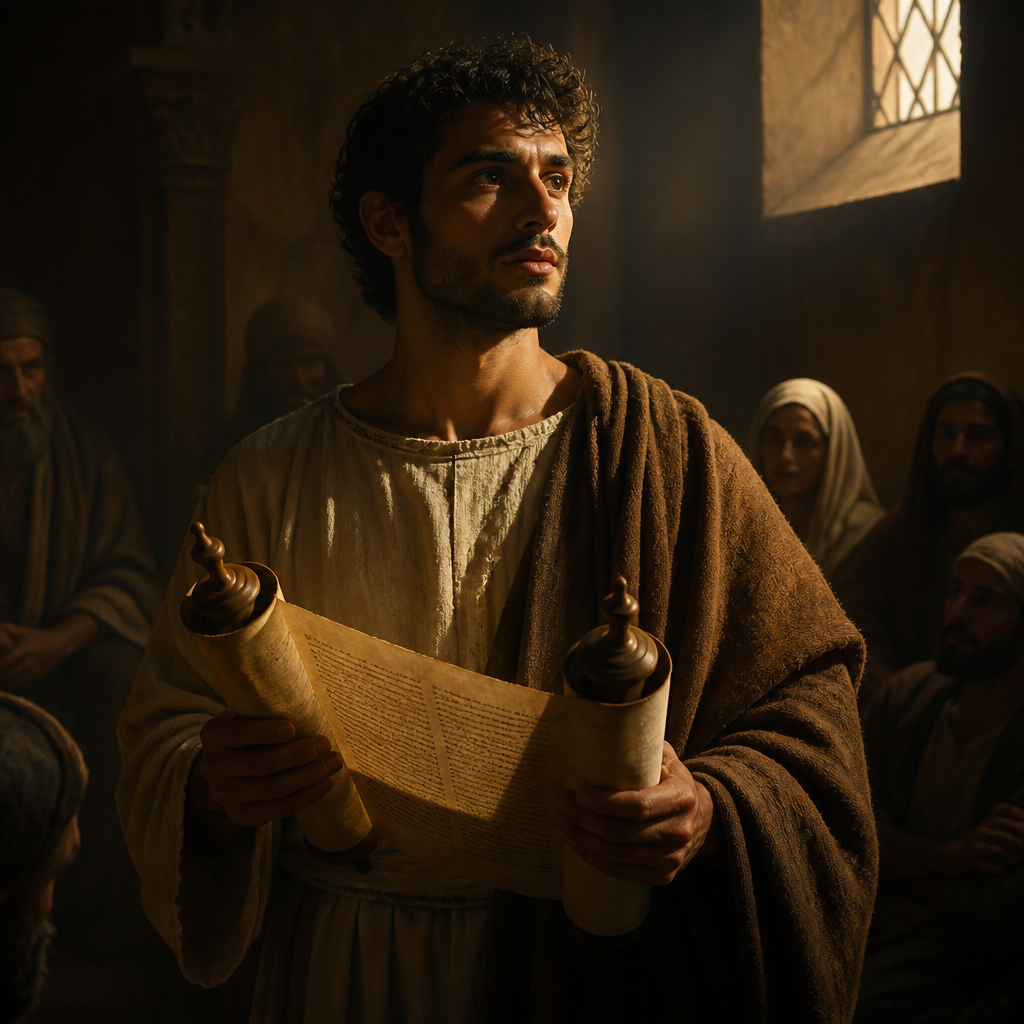
Timothy
Protégé of the Apostle Paul and recipient of the two Pastoral Epistles whom Paul stationed at Ephesus
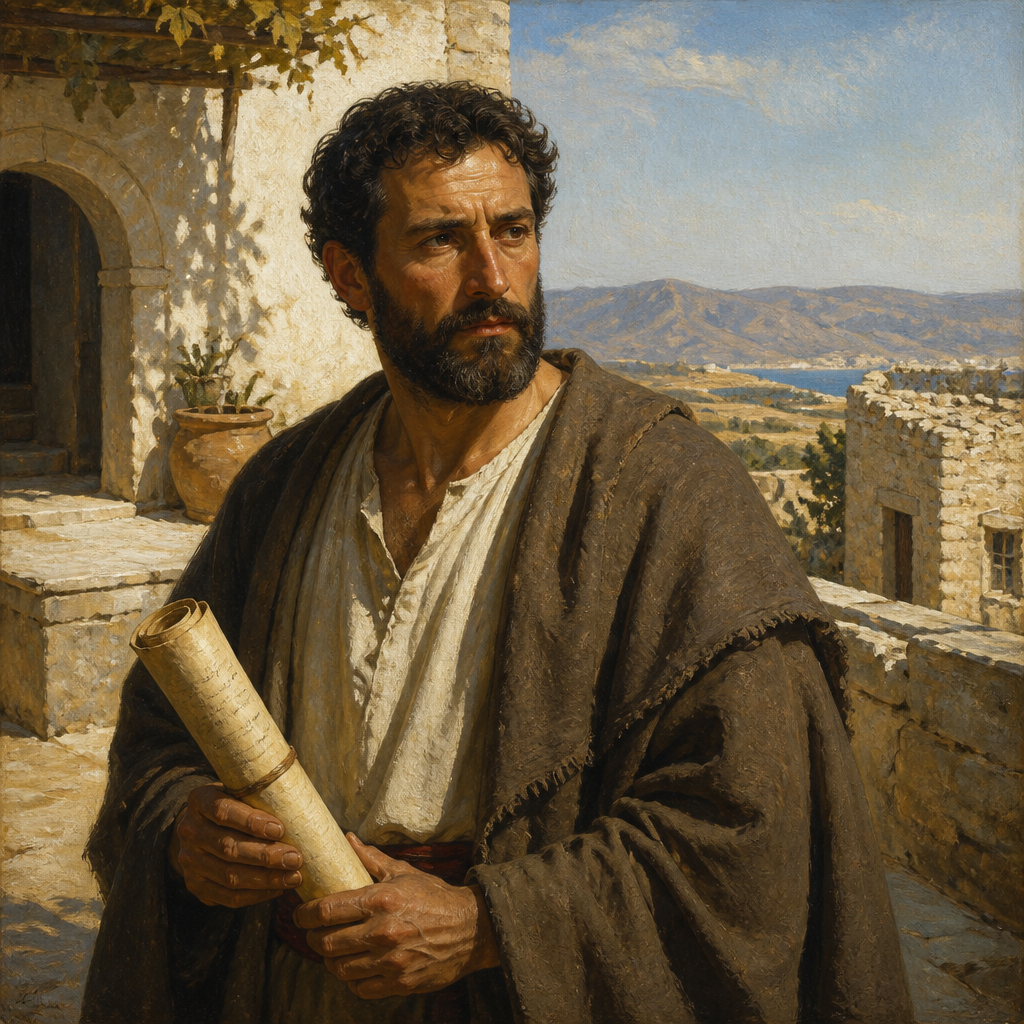
Titus
Greek companion of Paul who organized the church in Crete and mediated the Corinthian crisis