
The Seven Chosen to Serve
A group of seven Greek-speaking men appointed by the Apostles to oversee the distribution of food and promote unity in the early church.
As the number of the disciples was increasing, a complaint arose from the Hellenists against the Hebrews "because their widows were being neglected in the daily distribution" (Acts 6:1). The twelve summoned the full number of the disciples and said it was not right that they should give up preaching the word of God to serve tables, and told them to pick out from among themselves seven men "of good repute, full of the Spirit and of wisdom," whom they would appoint to this duty, while the apostles devoted themselves to prayer and to the ministry of the word (Acts 6:2–4).
What they said pleased the whole gathering, and they chose Stephen, "a man full of faith and of the Holy Spirit," and Philip the Evangelist, and Prochorus, and Nicanor, and Timon, and Parmenas, and Nicolaus, a proselyte of Antioch (Acts 6:5). They set them before the apostles, who prayed and laid their hands on them (Acts 6:6). The result is stated plainly: the word of God continued to increase, the number of disciples multiplied greatly in Jerusalem, "and a great many of the priests became obedient to the faith" (Acts 6:7).
Two of the seven appear again. Stephen full of grace and power, did great wonders and signs among the people, and when men from the synagogue of the Freedmen could not withstand the wisdom and the Spirit with which he was speaking, they stirred up false witnesses against him (Acts 6:8–14). He answered the council with the long account of Abraham, Joseph, Moses, and Solomon charged them with resisting the Holy Spirit, and was stoned outside the city while Saul of Tarsus stood by approving (Acts 7:1–60; Acts 8:1). Philip the Evangelist went down to a city of Samaria and proclaimed Christ there, then met the Ethiopian eunuch on the road toward Gaza and baptized him (Acts 8:5–6, 26–39); years later Paul stayed in his house at Caesarea, where he had four unmarried daughters who prophesied (Acts 21:8–9).
The office itself became a pattern. Later Paul wrote to Timothy of deacons who must be dignified, not double-tongued, not greedy for dishonest gain, "holding the mystery of the faith with a clear conscience," and tested first (1 Timothy 3:8–10). The Jerusalem seven were the first men set apart so that practical care of the poor and the preaching of the word could both go forward without either being neglected.
Everyone in this list
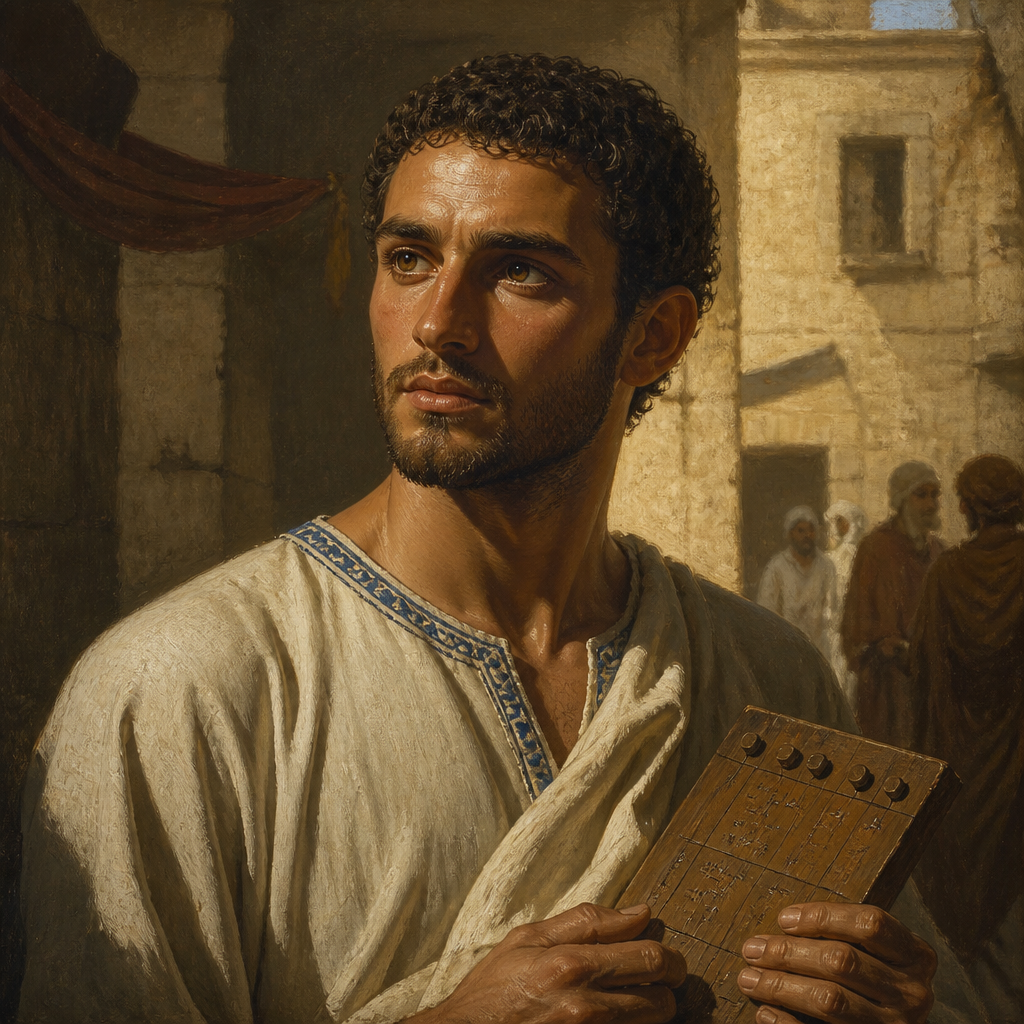
Nicanor
Member of the Seven Chosen to serve the Hellenistic widows in the early Church
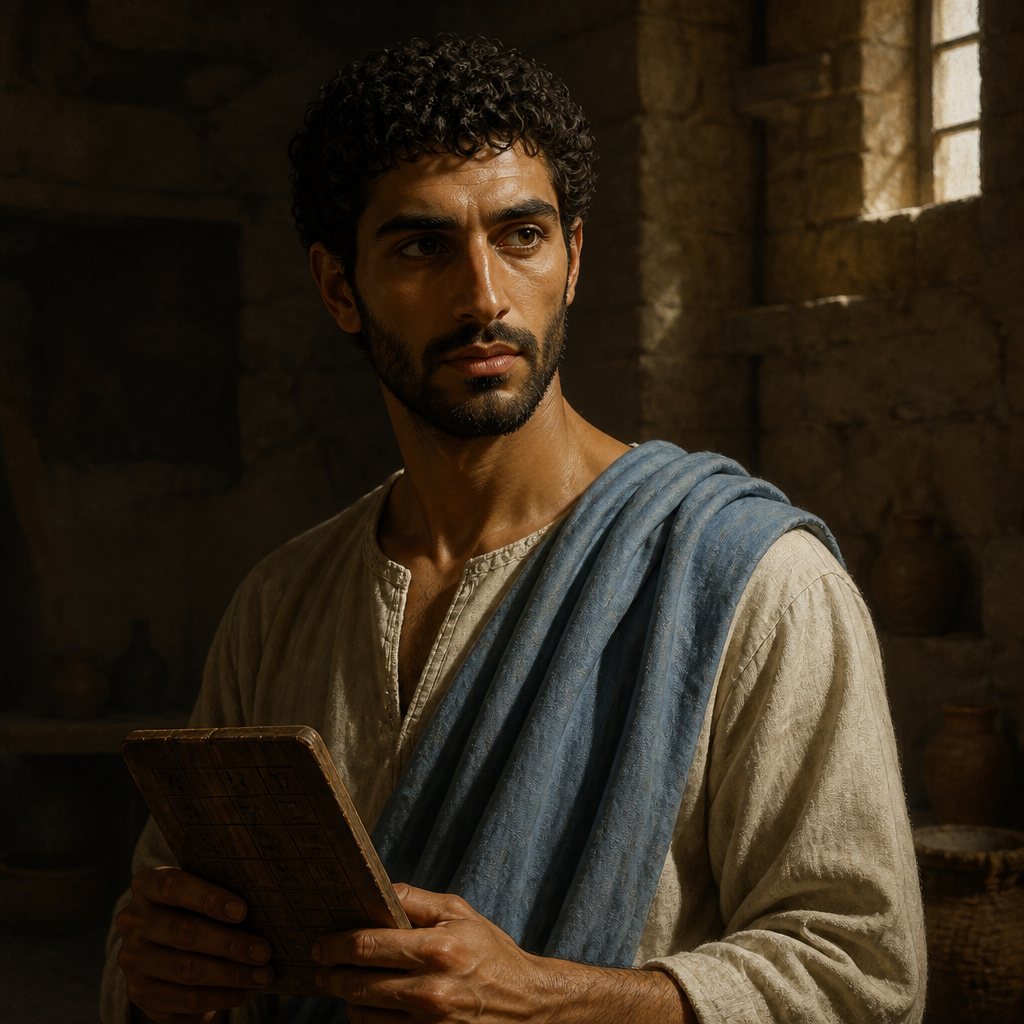
Nicolas
Proselyte from Antioch chosen as one of the Seven to oversee the distribution of food
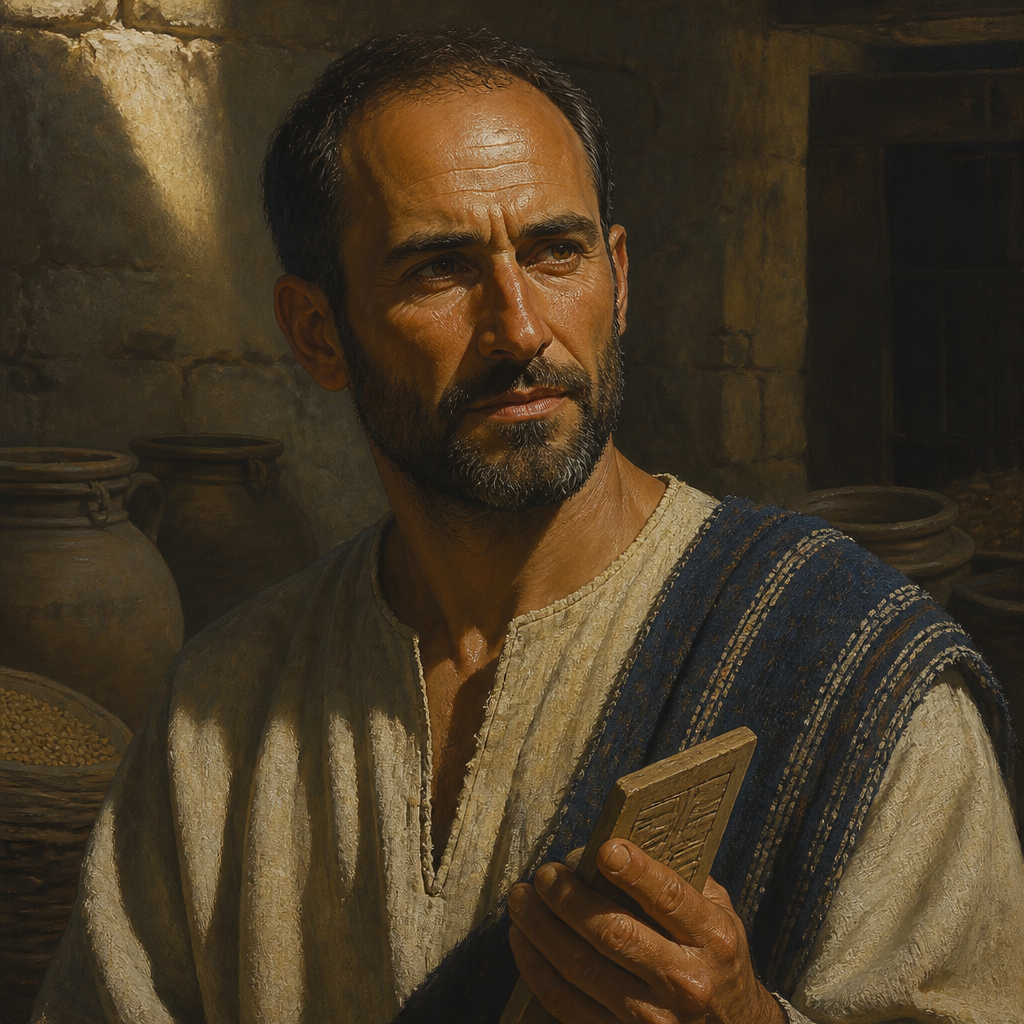
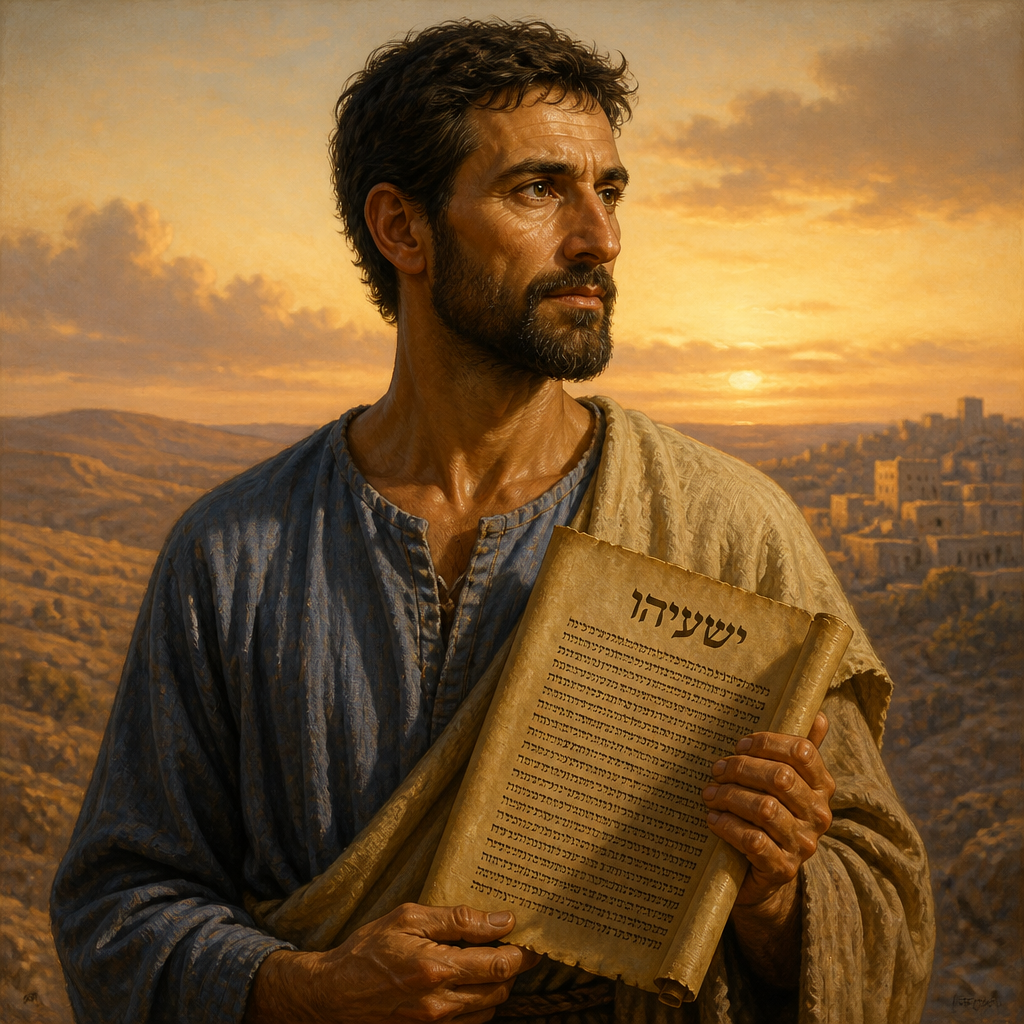
Philip the Evangelist
Evangelist who baptized the Ethiopian eunuch and preached in Samaria
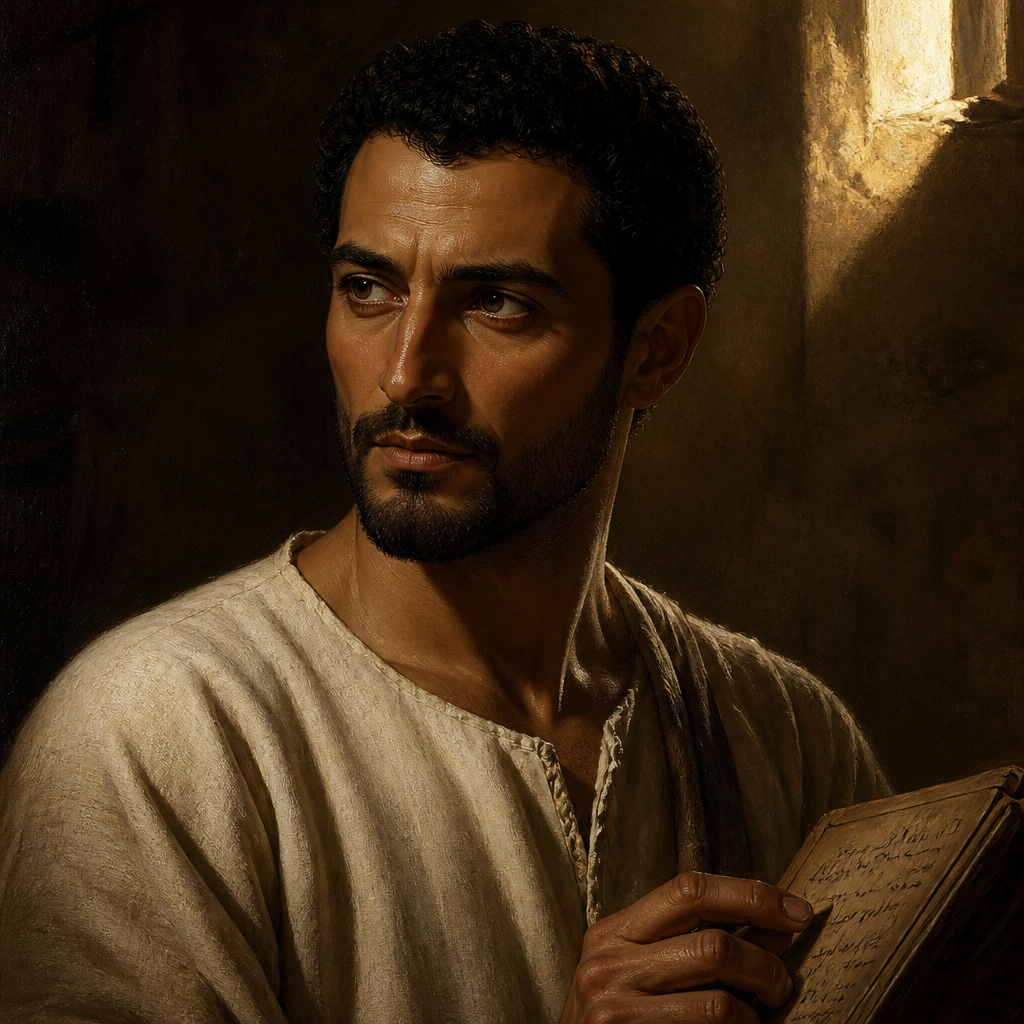
Prochorus
Member of the seven men chosen by the Apostles to serve the Hellenistic widows in the early Jerusalem church
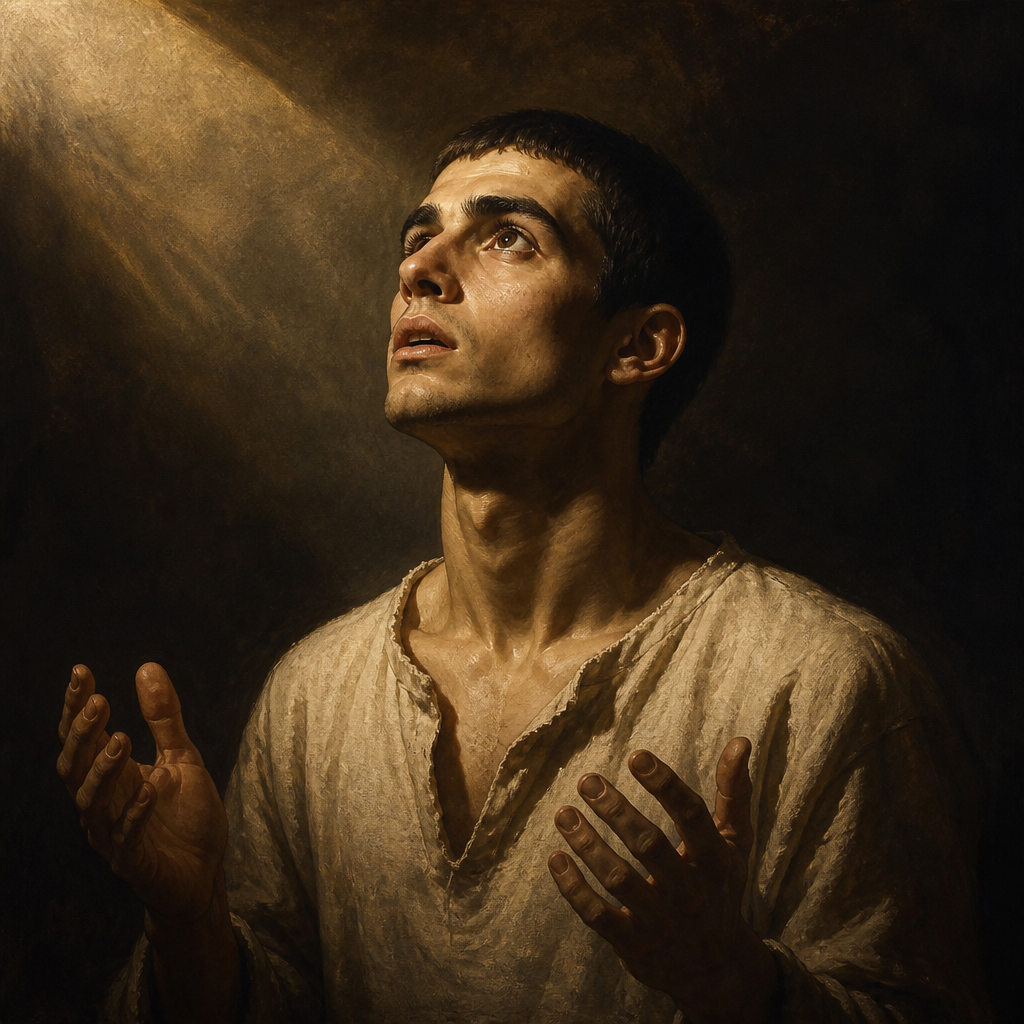
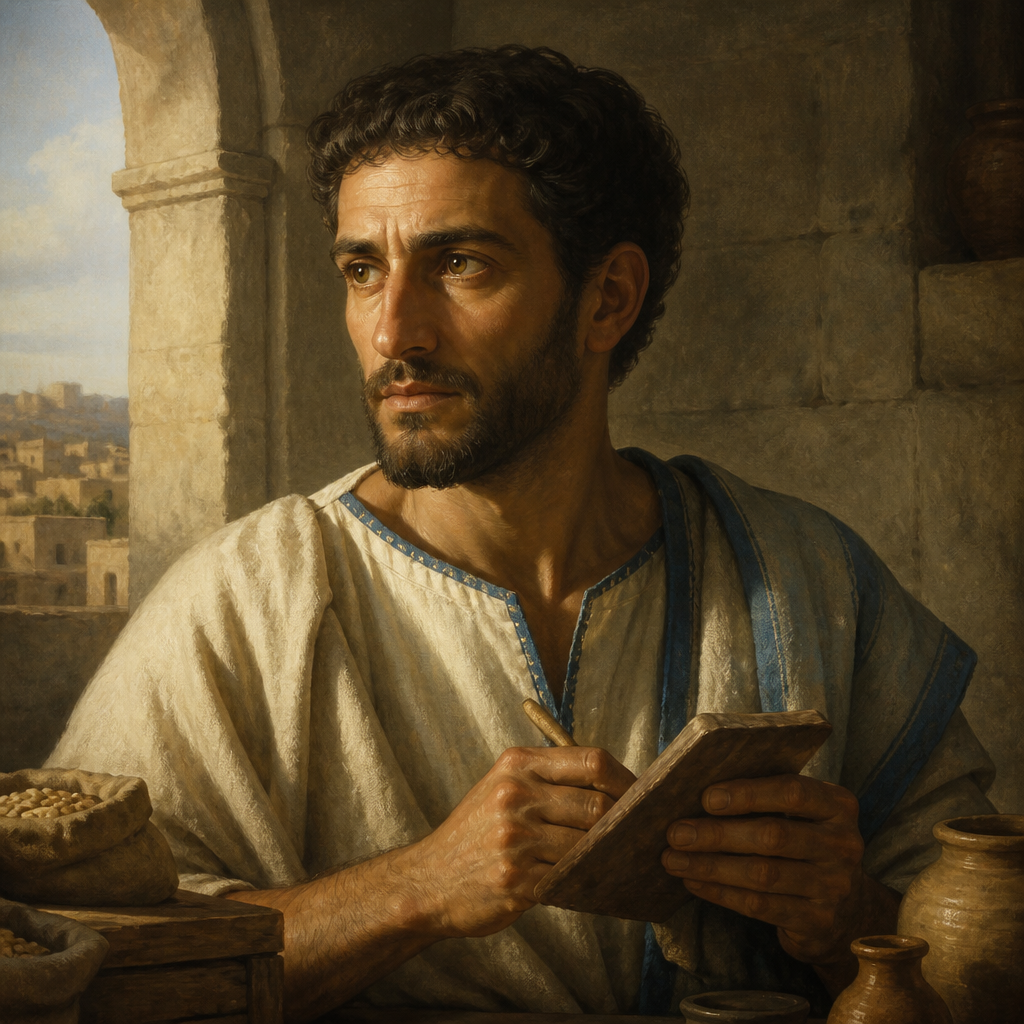
Timon
Member of the Seven Chosen to Serve who managed the distribution of food to Hellenistic widows