
The Twelve Apostles
The apostles Jesus chose and sent out. Thirteen names appear here: the Twelve of the Gospel lists, plus Matthias, chosen to take Judas Iscariot's place after the betrayal (Acts 1:26).
The twelve apostles of Jesus are named in four places in the New Testament, and the 12 disciples He chose are the same men in every list, with only Judas replaced after the resurrection. Jesus went up on a mountain and called to Him those whom He desired, and they came to Him; He appointed twelve, "so that they might be with Him and He might send them out to preach and have authority to cast out demons" (Mark 3:13–15). Luke adds that He spent the whole night in prayer to God before He called His disciples and chose from them twelve, whom He named apostles (Luke 6:12–13). The lists in the Gospels agree on the men: Simon, whom He named Peter, and Andrew his brother; James son of Zebedee and John the Apostle his brother, whom He surnamed Boanerges, Sons of Thunder; Philip the Apostle and Bartholomew; Matthew the tax collector and Thomas; James son of Alphaeus and Judas son of James; Simon the Zealot; and Judas Iscariot, "who became a traitor" (Mark 3:16–19; Matthew 10:2–4; Luke 6:14–16).
They were sent out two by two with instructions to take nothing for the journey except a staff, and to proclaim that the kingdom of heaven was at hand (Mark 6:7–9; Matthew 10:7). They were also slow learners. Peter confessed, "You are the Christ, the Son of the living God" (Matthew 16:16), and shortly after was rebuked for setting his mind on the things of man (Matthew 16:23). James and John asked to sit at Jesus' right and left in His glory, and the ten were indignant with them (Mark 10:35–41). On the night He was betrayed they argued about which of them was to be regarded as the greatest (Luke 22:24), and then all of them left Him and fled (Mark 14:50).
Judas Iscariot, who kept the moneybag (John 12:6), went to the chief priests and agreed to betray Him for thirty pieces of silver (Matthew 26:14–16). After the resurrection Peter stood up among the brothers and said the Scripture had to be fulfilled, and the remaining eleven put forward two men and prayed, and the lot fell to Matthias, who was numbered with the eleven apostles (Acts 1:15–26). Their qualification was firsthand: a man who had accompanied them all the time the Lord Jesus went in and out among them, beginning from the baptism of John, to become "a witness to His resurrection" (Acts 1:21–22).
Thomas is remembered for saying he would not believe unless he put his finger into the mark of the nails, and then for calling Him "My Lord and my God" (John 20:25–28). Andrew is the one who first found his own brother Simon and brought him to Jesus (John 1:41–42). Philip brought Nathanael, and later told the Lord that two hundred denarii of bread would not be enough for the crowd (John 1:45; John 6:7). Matthew rose from the tax booth and followed (Matthew 9:9). After Pentecost these same men stood in Jerusalem and testified with great power, and when the council saw the boldness of Peter and John and perceived that they were uneducated, common men, "they recognized that they had been with Jesus" (Acts 4:13).
Everyone in this list
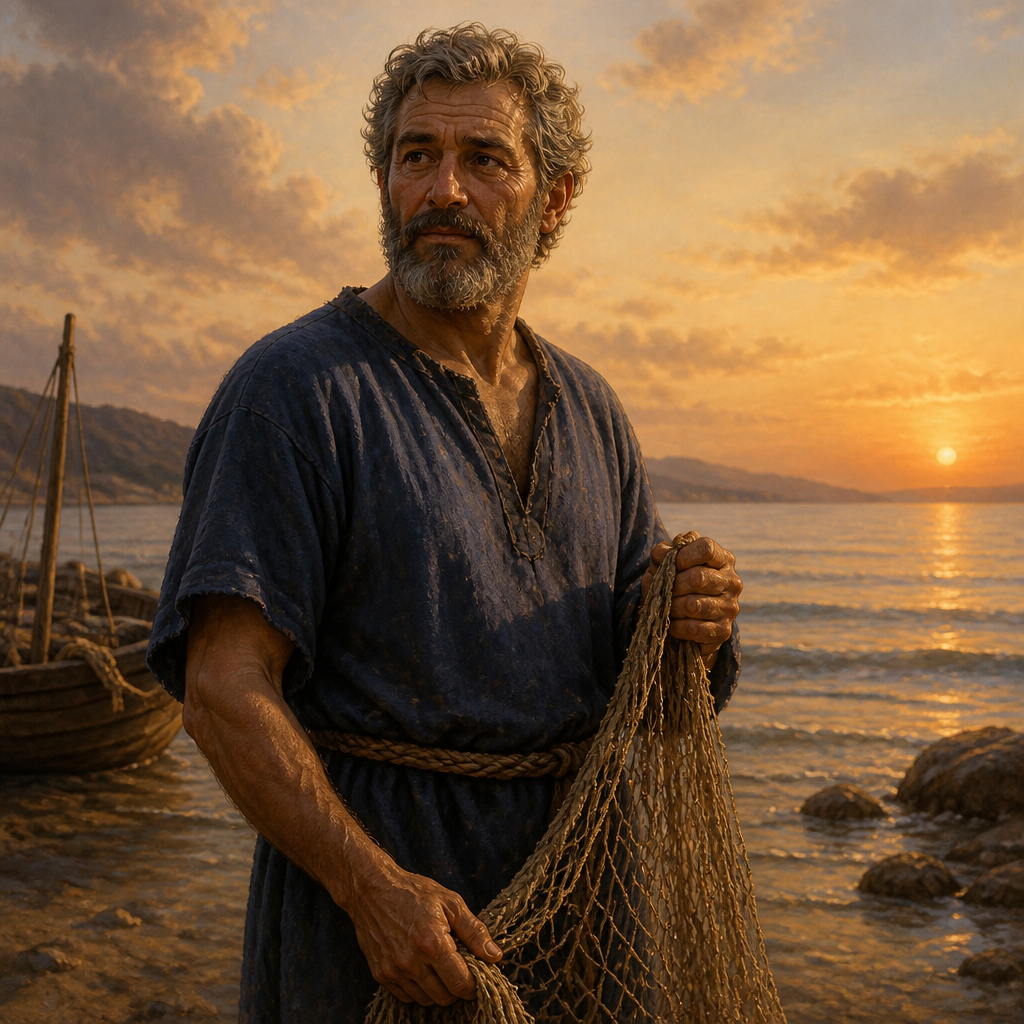
Andrew
Apostle of Jesus and the brother of Simon Peter who was the first to be called by Christ
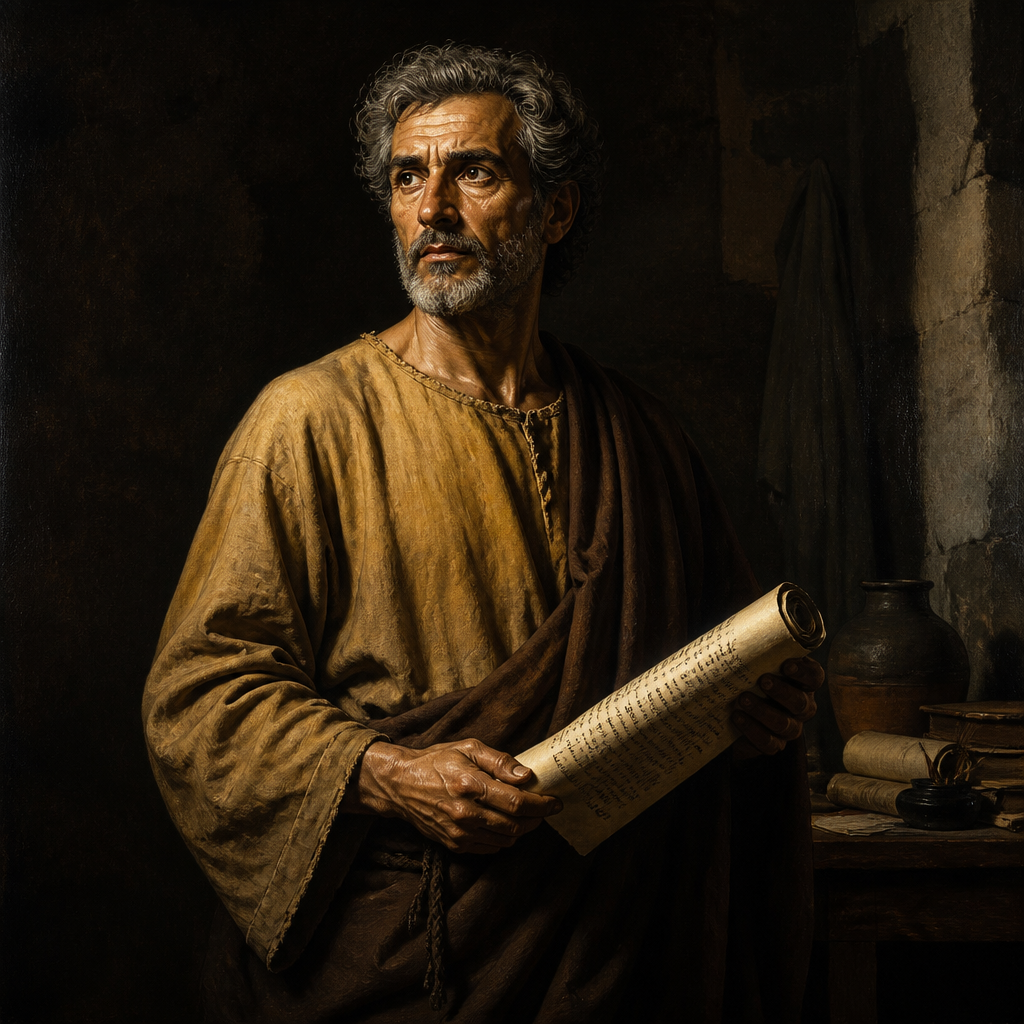
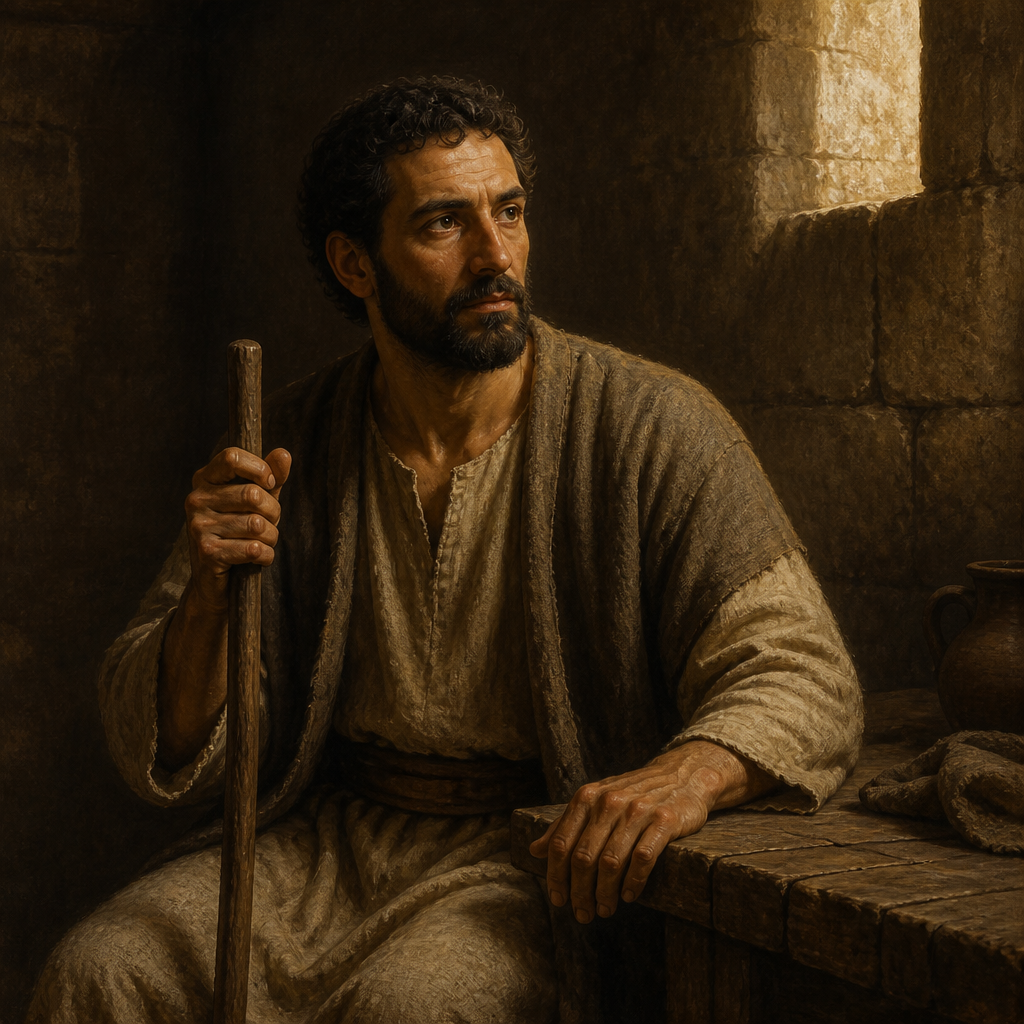
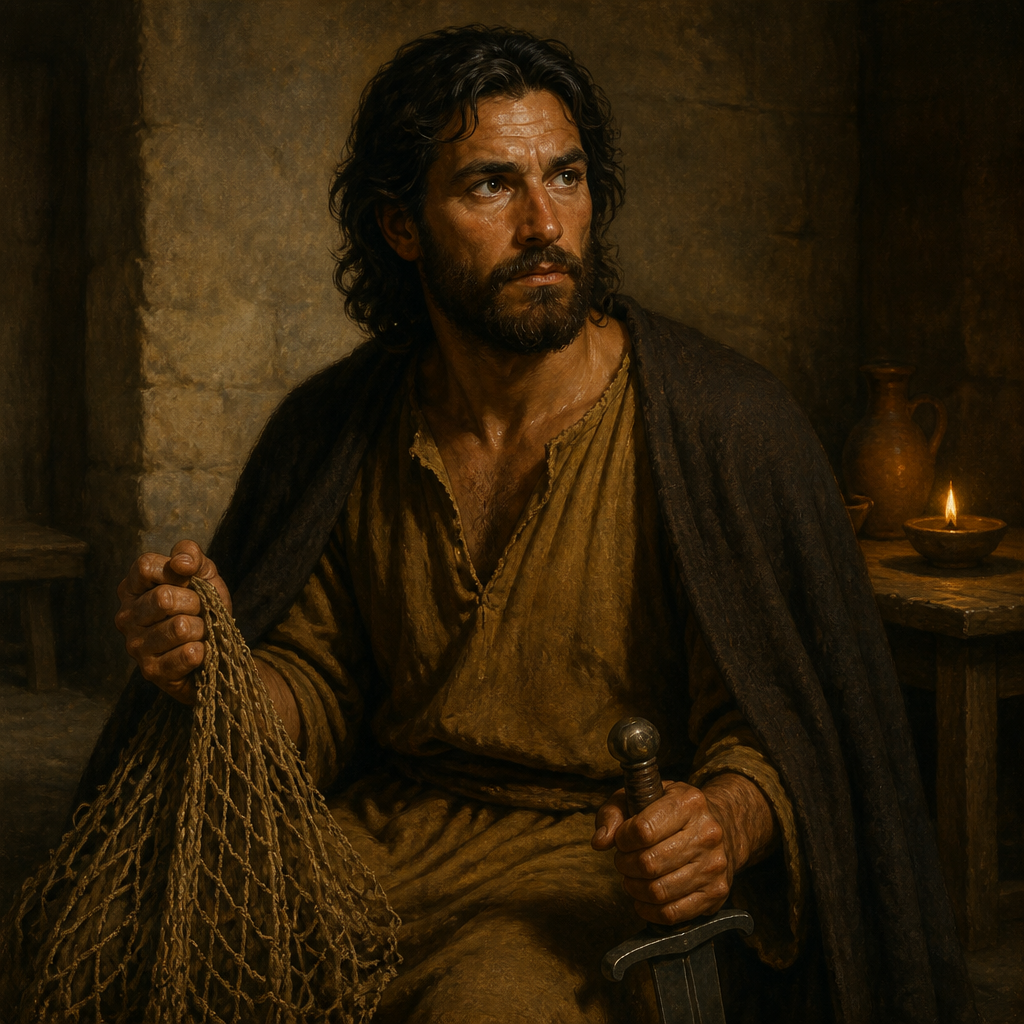
James son of Zebedee
Apostle and brother of John who was the first of the Twelve to be martyred
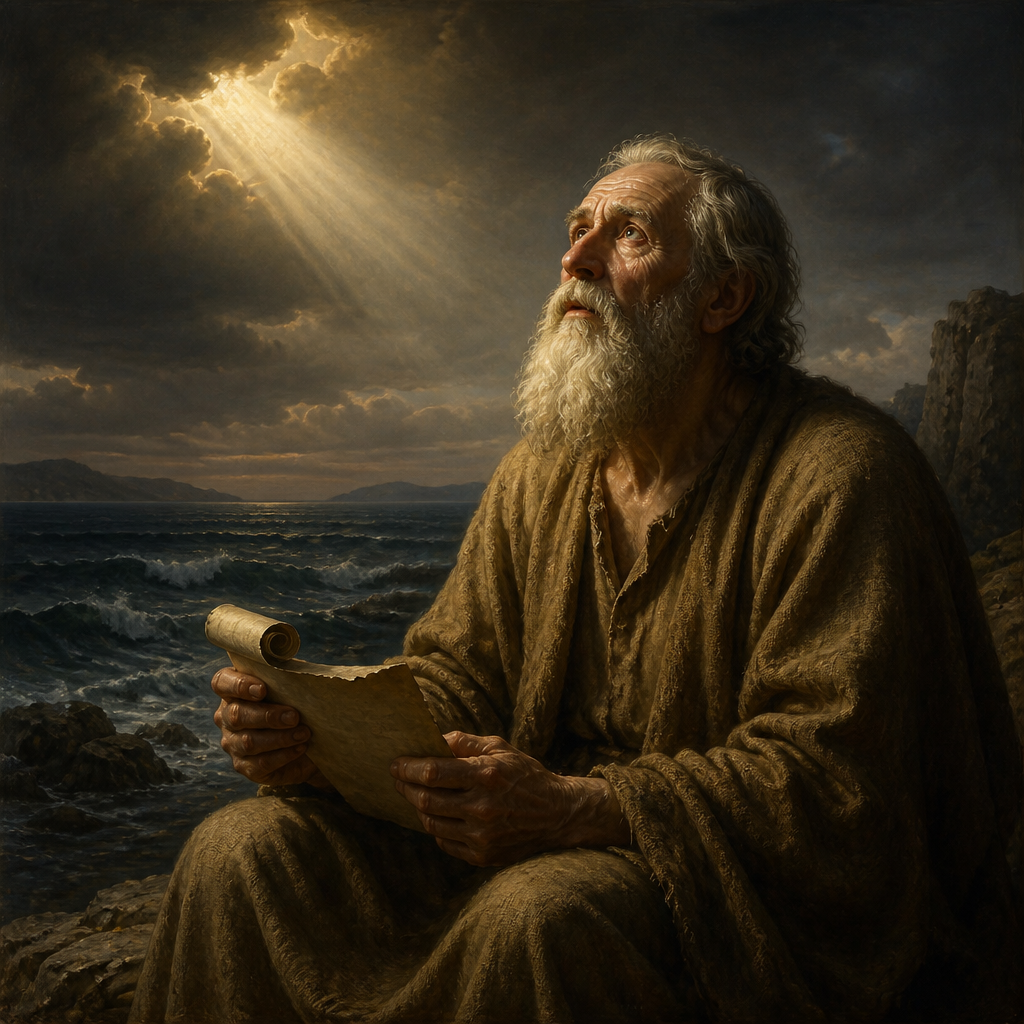
John the Apostle
Apostle and brother of James who received the visions of Revelation
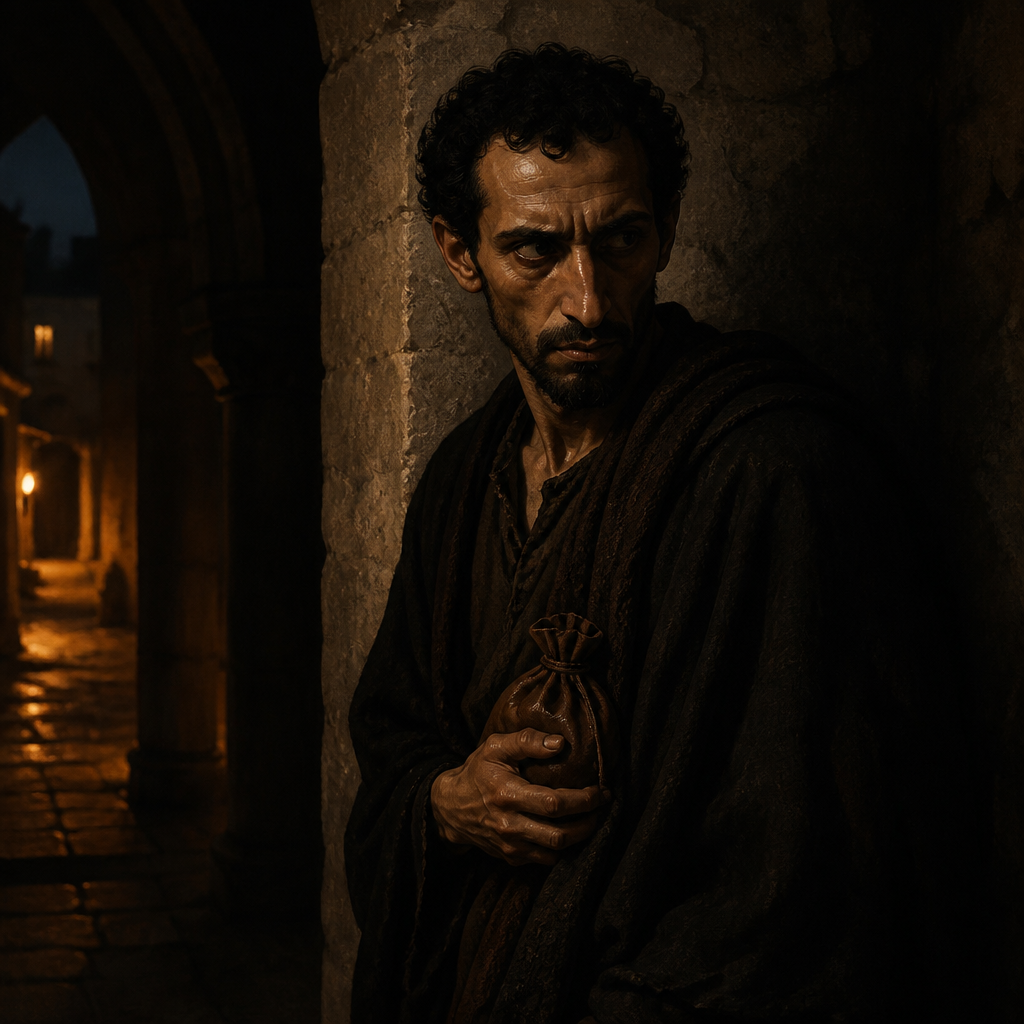
Judas Iscariot, Betrayer of Jesus
Apostle who betrayed Jesus for thirty pieces of silver
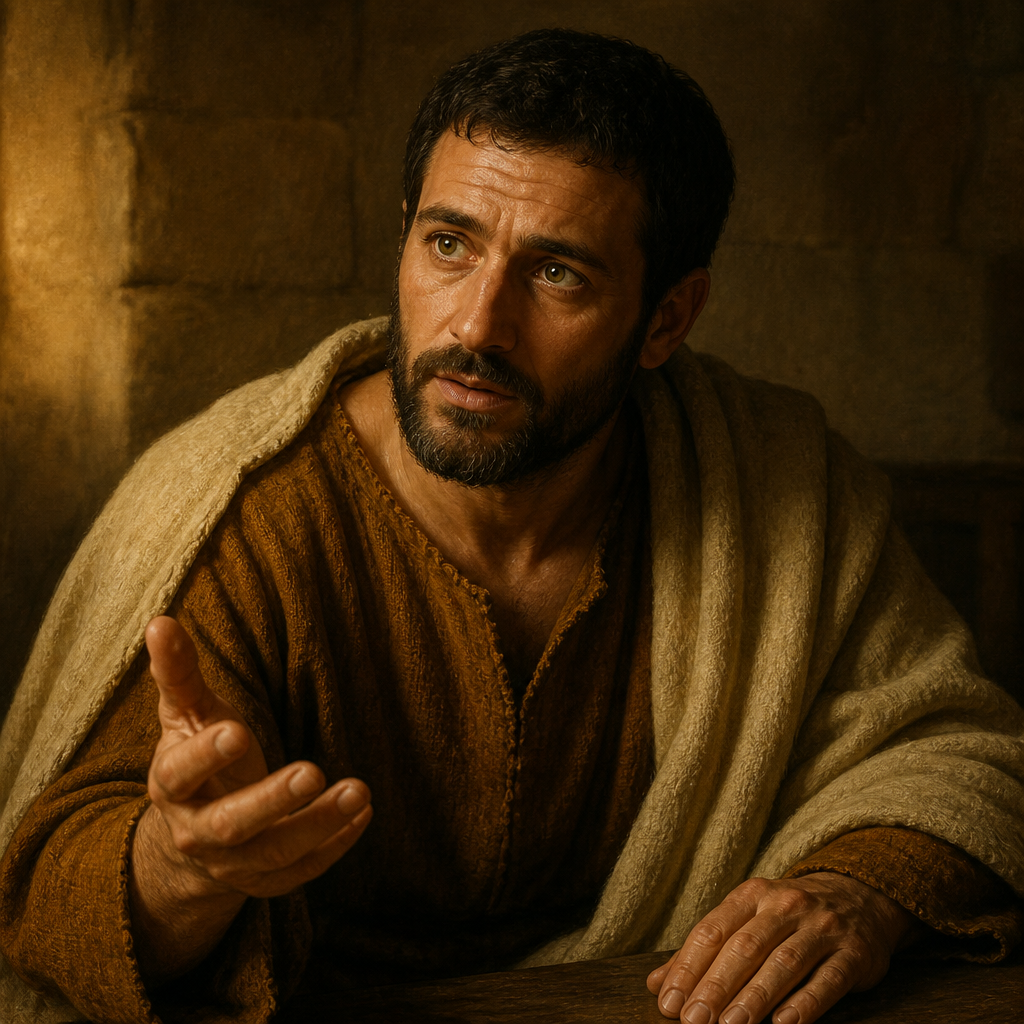
Judas son of James
Apostle of Jesus Christ also known as Thaddaeus who questioned Jesus during the Last Supper
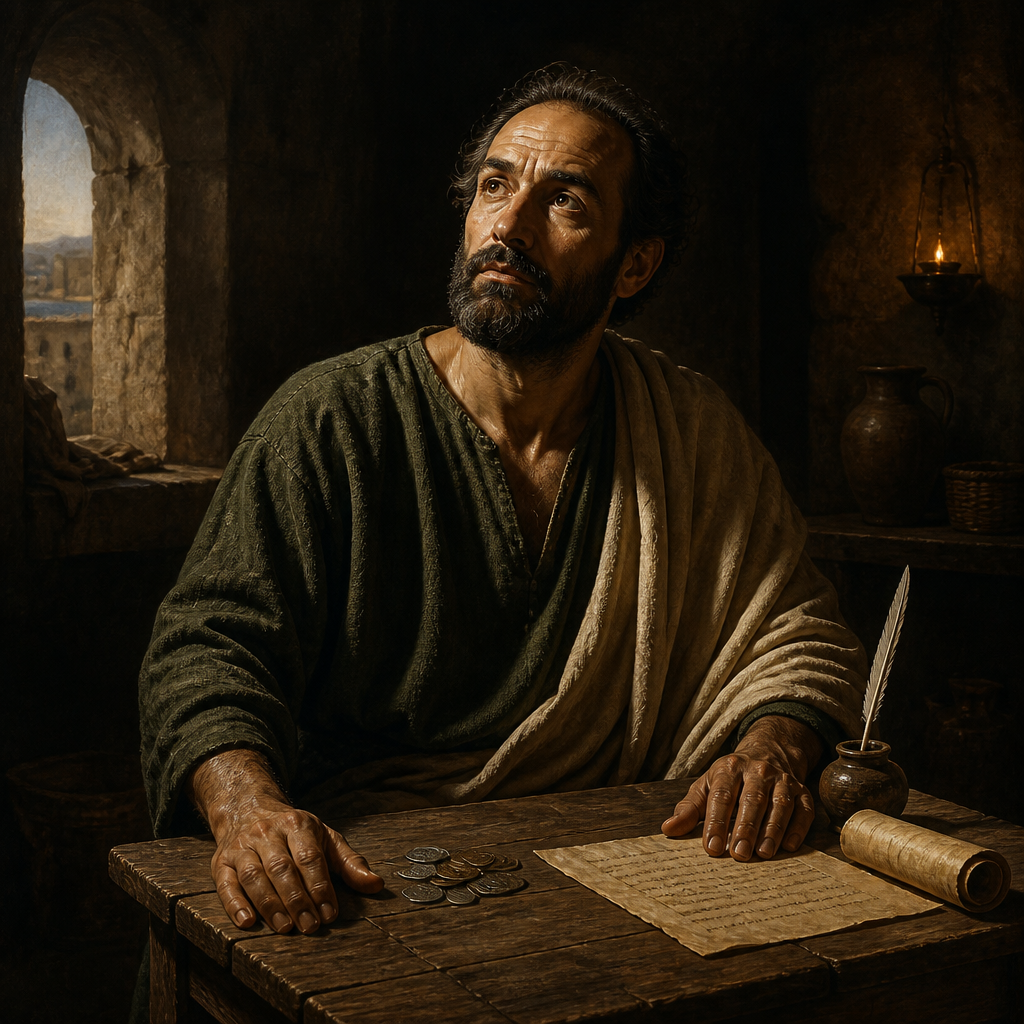
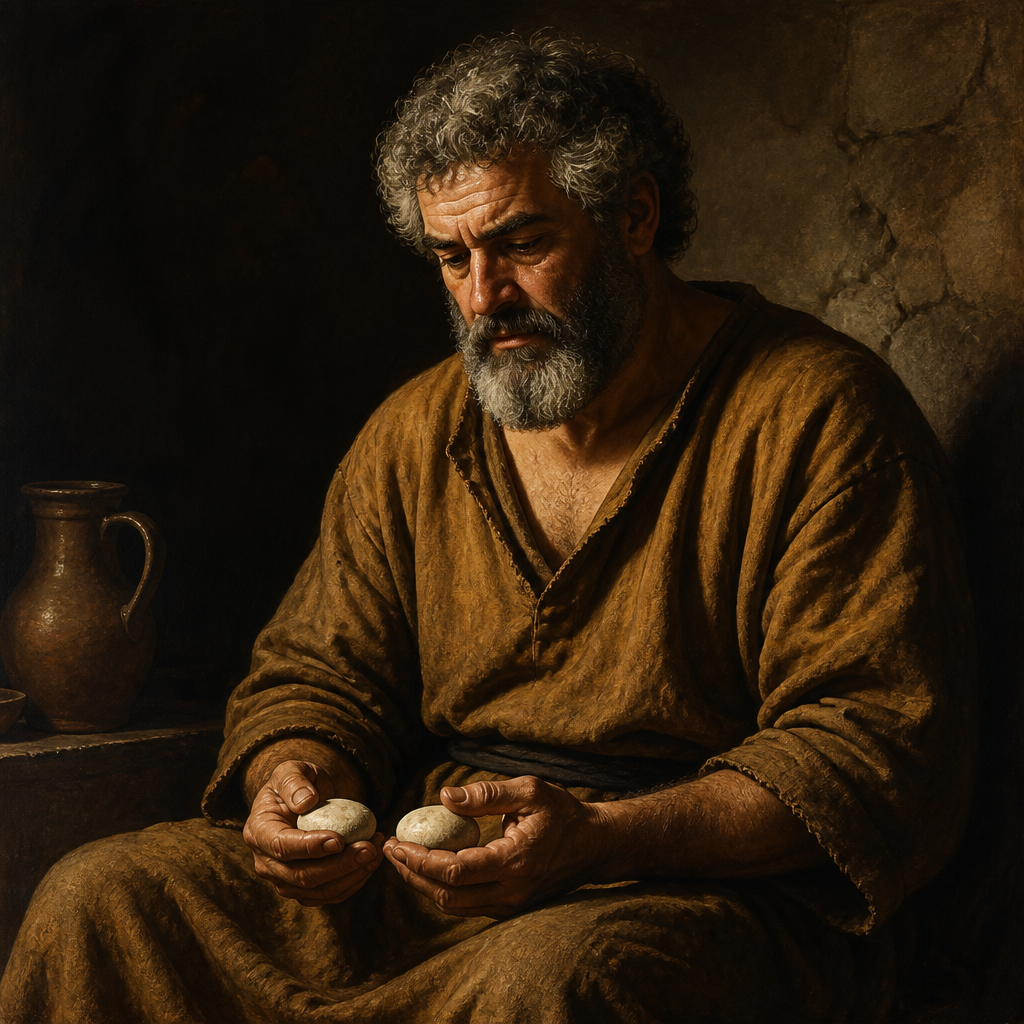
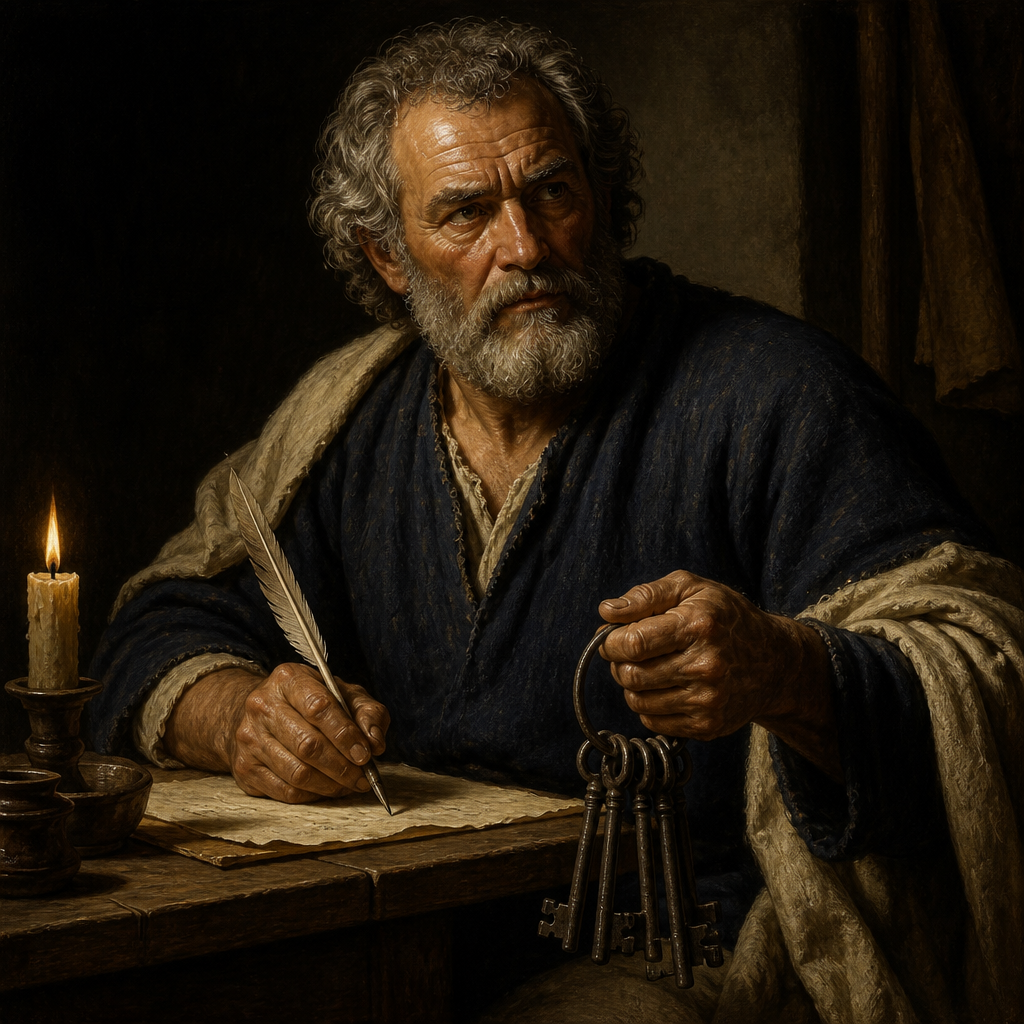
Peter
Apostle who served as the spokesman for the Twelve and the leader of the early Church in Jerusalem
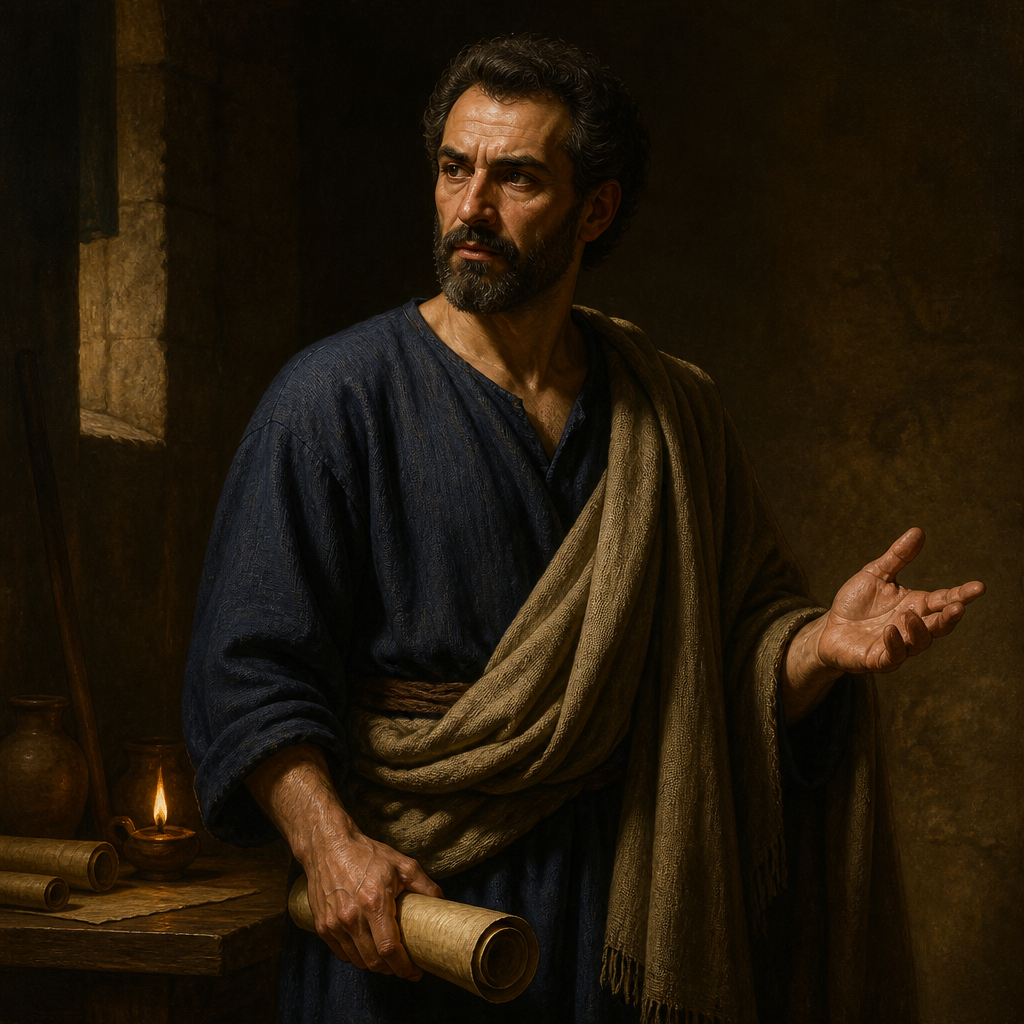
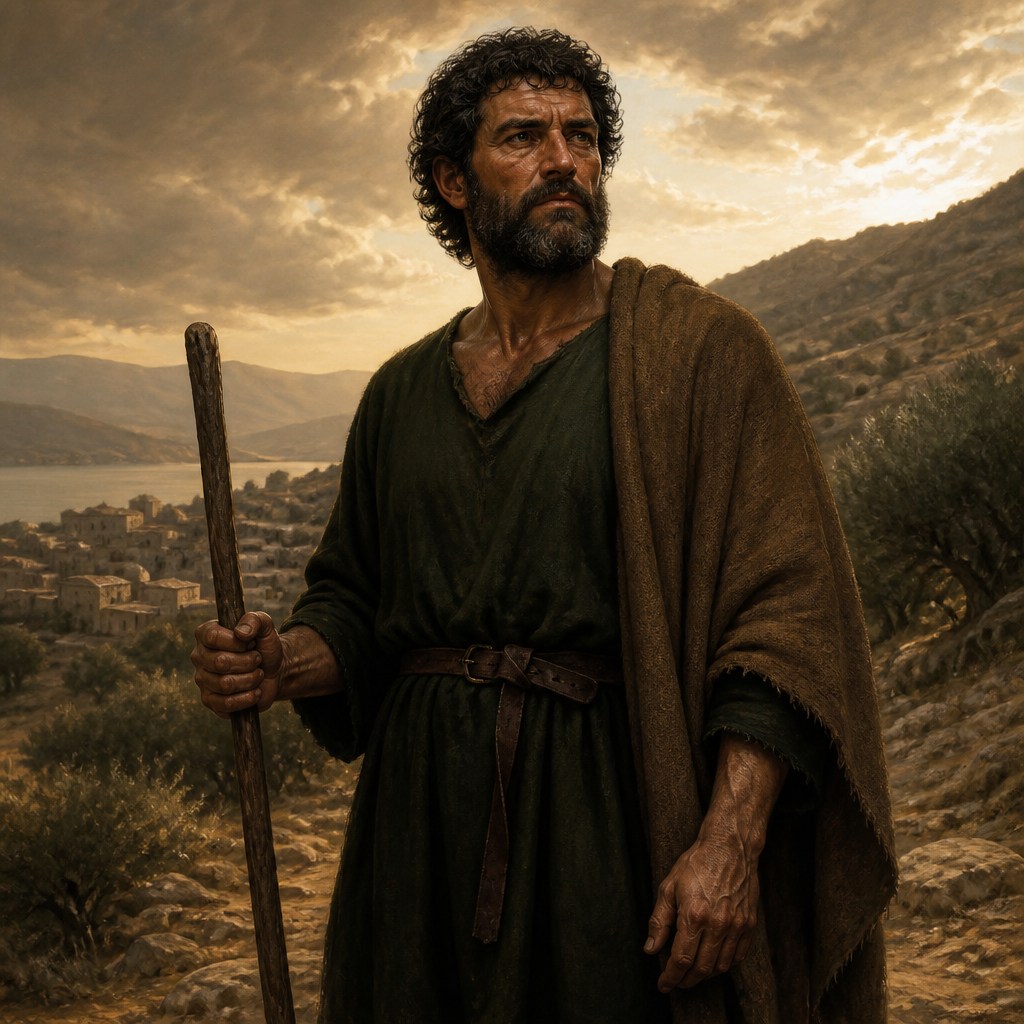
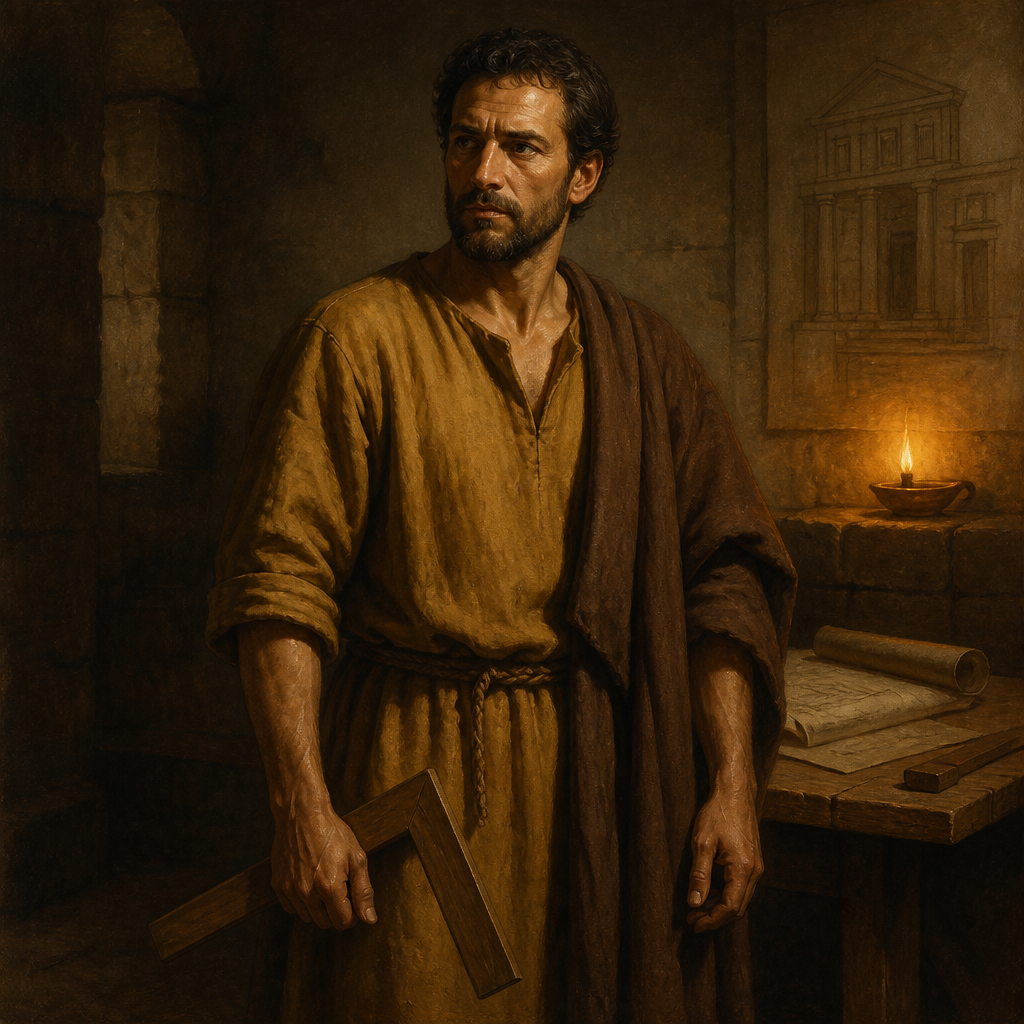
Thomas
Apostle who required physical proof of Jesus' Resurrection before believing