
Groups & Peoples
Every person in the Bible tagged Groups & Peoples on Everybody in the Bible.
The biblical narrative frequently identifies specific Groups & Peoples who function as collective characters to fulfill administrative, military, or prophetic roles. These groups are often defined by a shared task or spiritual status rather than by individual names. In the Old Testament, these collectives often serve as institutional bodies, such as The Seventy Elders of Israel who were selected to share the burden of leadership with Moses and were granted a portion of his spirit (Numbers 11:16–25). Similarly, The Sons of the Prophets functioned as a formal guild under the leadership of Elisha participating in the religious life of the northern kingdom (2 Kings 2:3–5).
The organization of these groups varies according to the requirements of their specific office. Gideon's Three Hundred were chosen through a specific water-drinking test to demonstrate that victory belonged to God rather than human strength (Judges 7:4–7). In contrast, The Magicians of Egypt served a permanent courtly role, attempting to replicate the signs performed by Moses through their secret arts (Exodus 7:11). The Sailors on Jonah's Ship were professional mariners who initially sought to save their vessel through their own gods before eventually offering sacrifices to the LORD (Jonah 1:5–16). The Two Spies at Jericho acted as covert military agents whose survival depended on a covenant made with a local woman (Joshua 2:1–14). The Prophets of Baal represented a large religious establishment that engaged in a public contest of fire against Elijah on Mount Carmel (1 Kings 18:19–40). The Satraps Who Accused Daniel were high-ranking government officials who utilized their legal authority to entrap a colleague (Daniel 6:3–9).
In the New Testament, collective groups often illustrate responses to the ministry of Jesus and the early church. The Two Disciples on the Road to Emmaus represent followers who encountered the risen Christ while traveling (Luke 24:13–32). The Guards at Jesus' Tomb were soldiers assigned to secure a burial site who later accepted bribes to spread a false report (Matthew 27:65–66). The Silversmiths of Ephesus functioned as a trade guild that organized a riot to protect their economic interests against the preaching of Paul (Acts 19:23–29). The Islanders of Malta provided hospitality to shipwrecked travelers, demonstrating kindness to strangers (Acts 28:1–2). These groups demonstrate how communities interact with divine revelation. Whether they are the Twenty-Four Elders who lead heavenly worship (Revelation 4:4) or The Four Lepers of Samaria who discovered an abandoned camp (2 Kings 7:3–10), their collective actions drive the narrative.
Everyone in this list
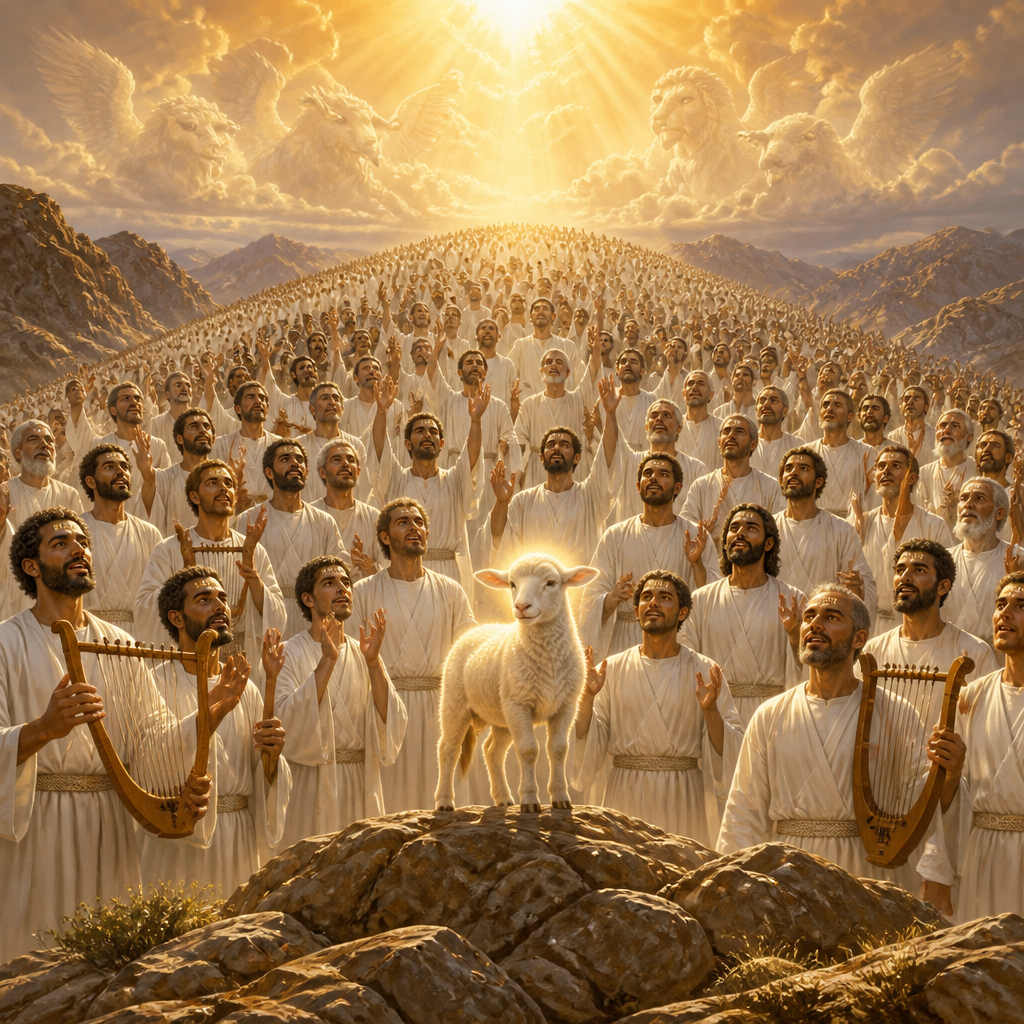
The 144,000
Group of 144,000 sealed Israelites who follow the Lamb on Mount Zion
Appaim
Son of Nadab whose lineage continued the family line after his brother died childless
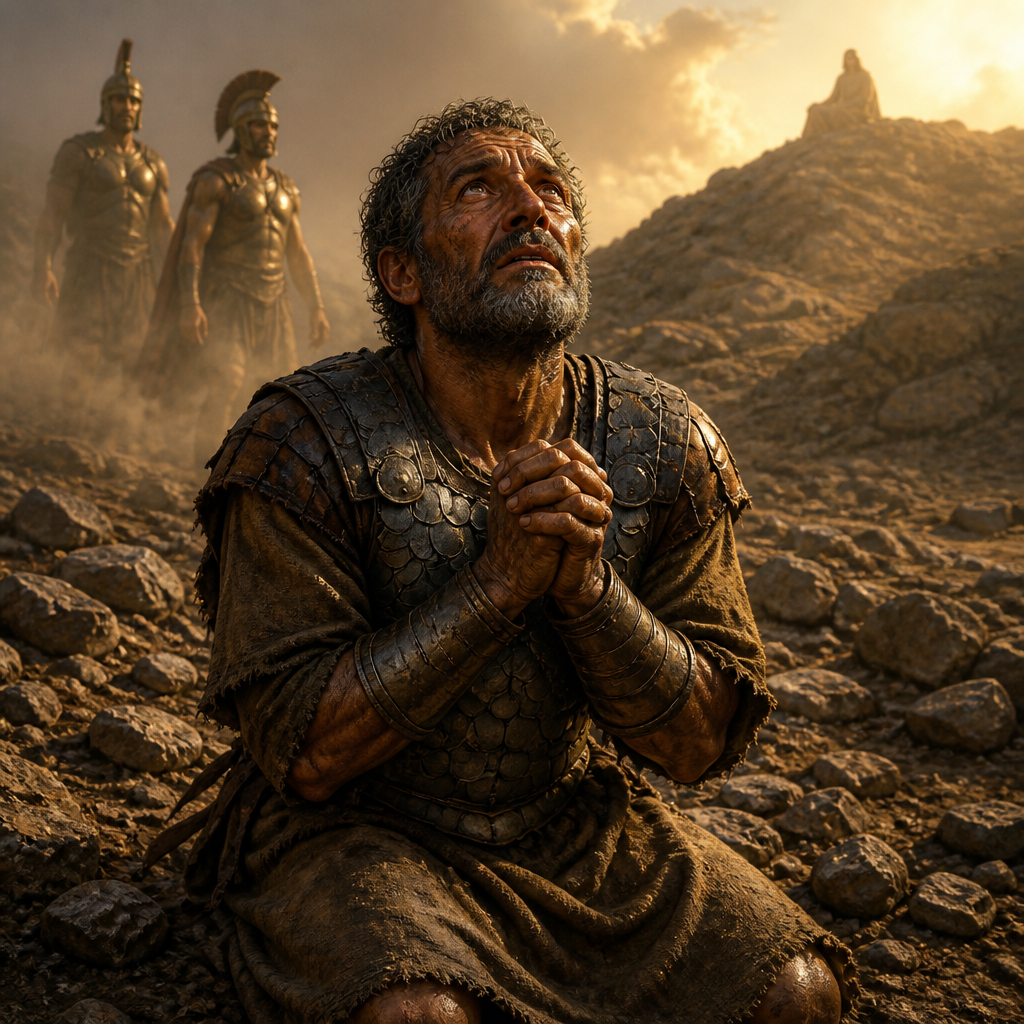
The Captains of Fifty Sent to Elijah
Military officers who were confronted by Elijah and fire from heaven
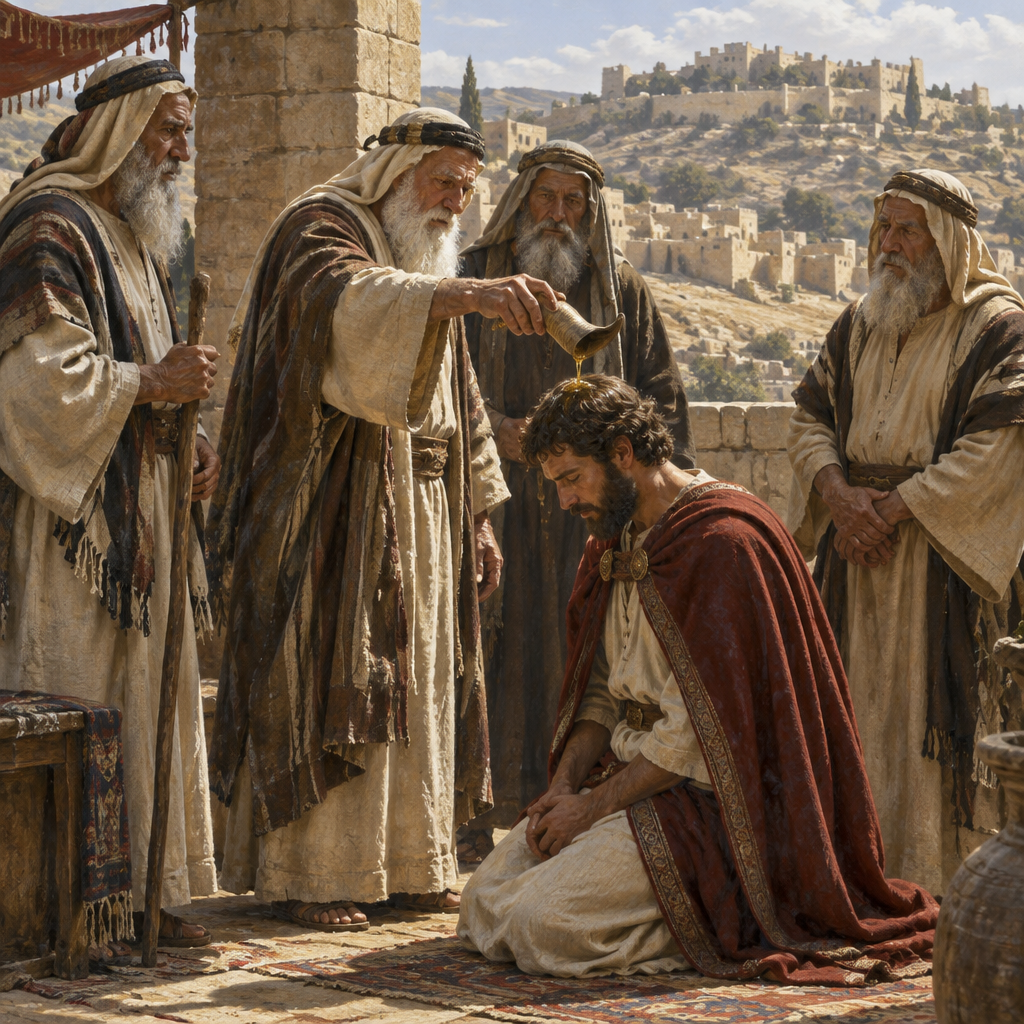
The Elders of Israel at Hebron
Anointed David king over all Israel at Hebron
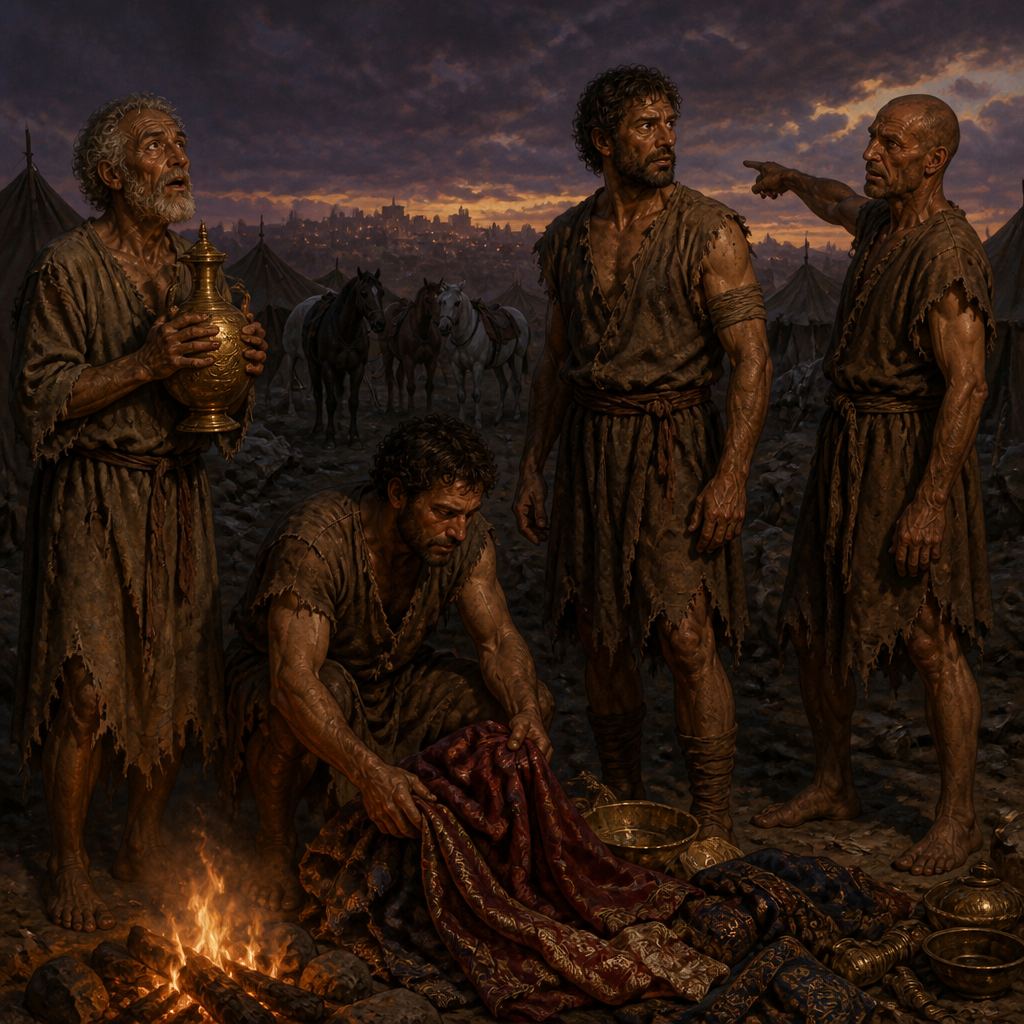
The Four Lepers of Samaria
Outcasts who discovered the abandoned Aramean camp and brought news of deliverance to Samaria
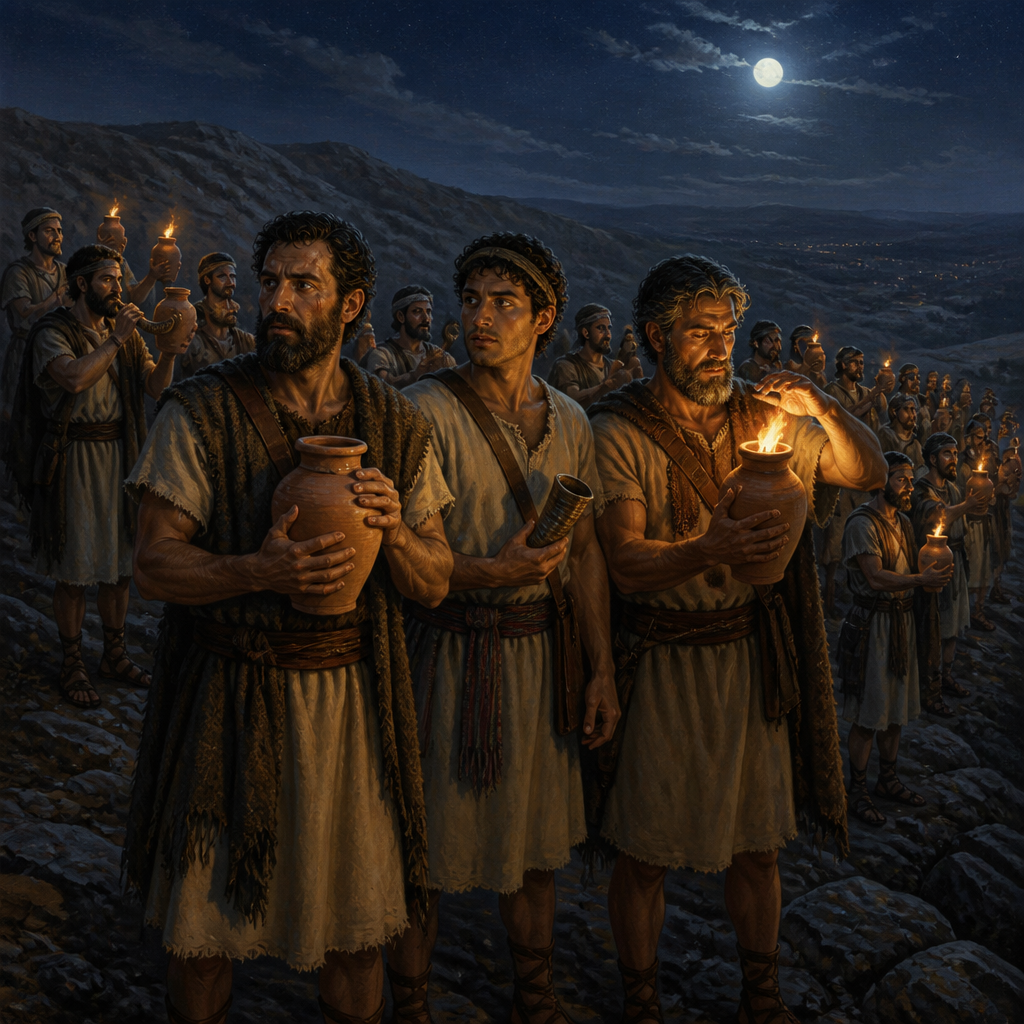
Gideon's Three Hundred
Elite group of warriors who defeated the Midianite army using torches and trumpets
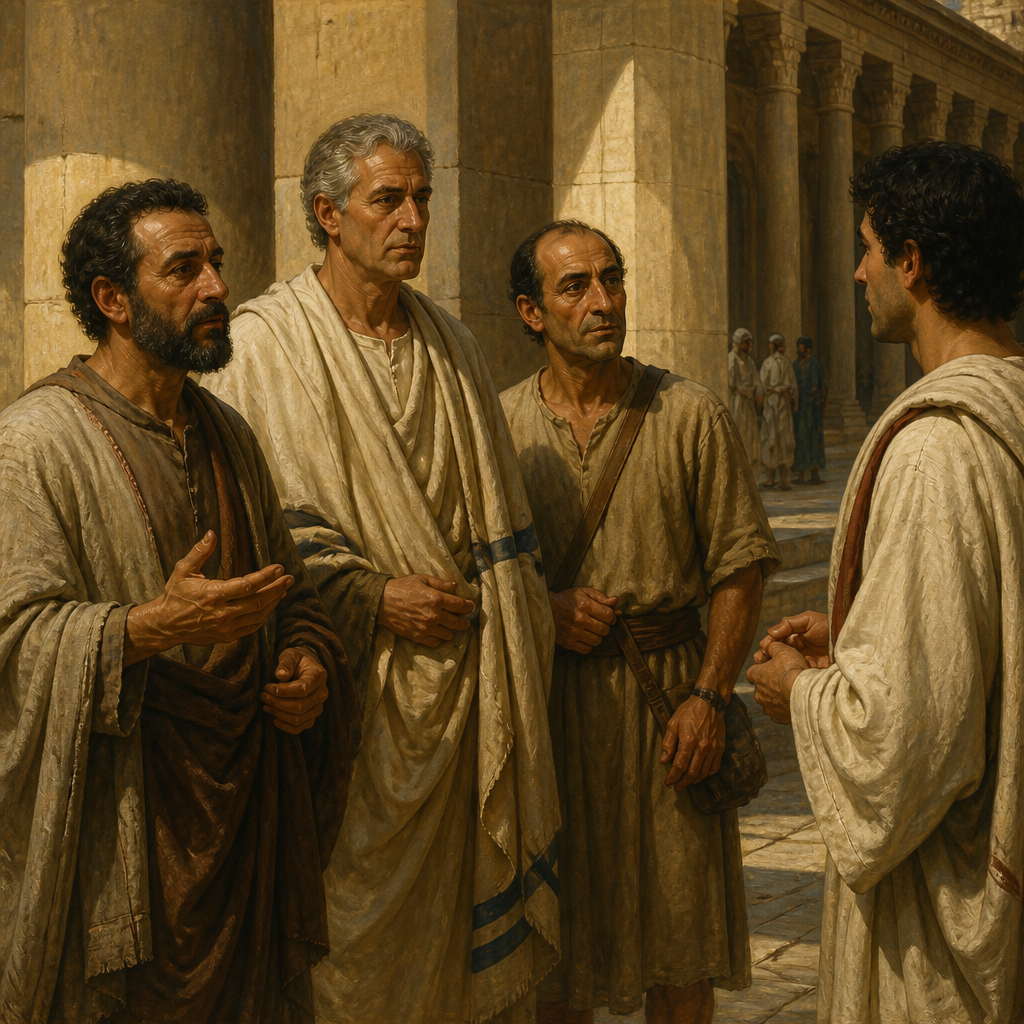
The Greeks Who Wanted to See Jesus
Gentile pilgrims who requested an audience with Jesus during Passover
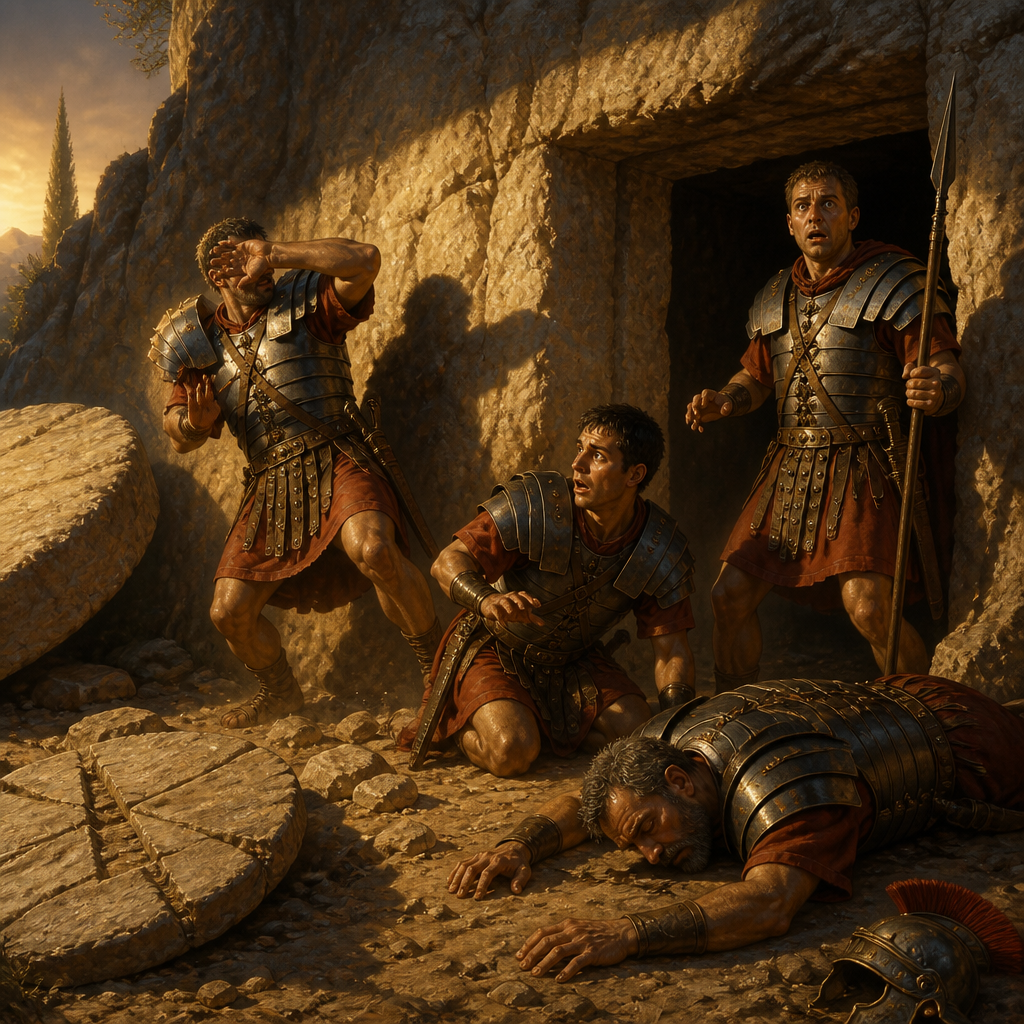
The Guards at Jesus' Tomb
Soldiers who witnessed the angel at Jesus' tomb and were bribed to say the body was stolen
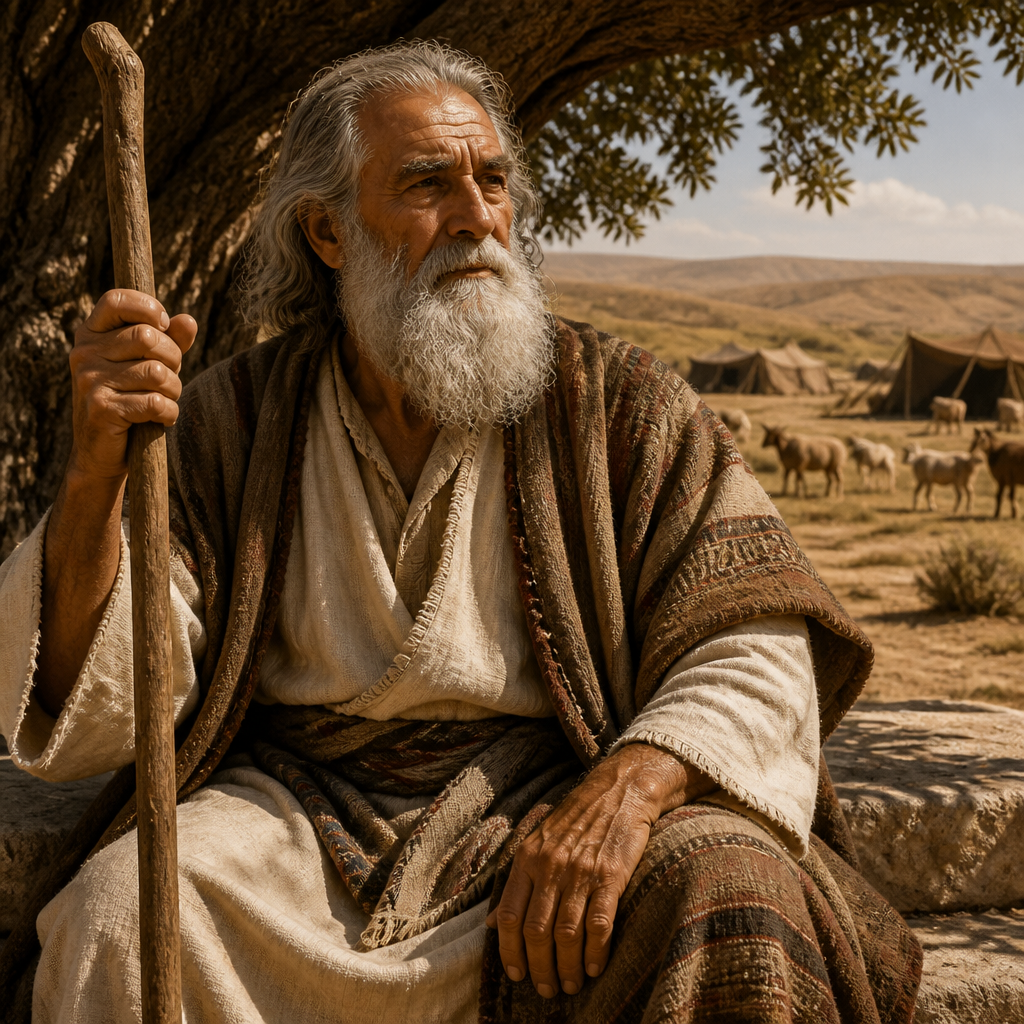
Hachmoni, Father of Jashobeam
Patriarch of the lineage that produced King David's chief mighty man
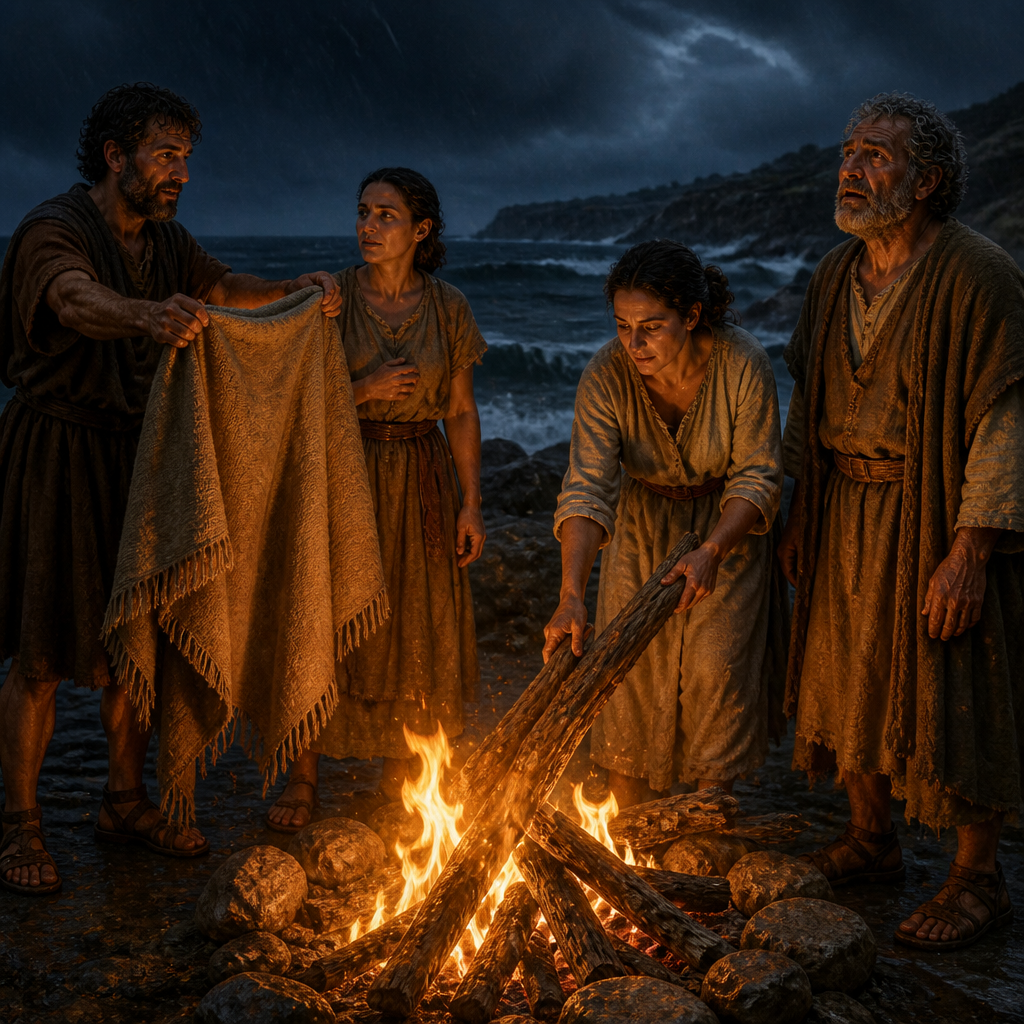
The Islanders of Malta
Islanders who showed extraordinary kindness and hospitality to the Apostle Paul after his shipwreck
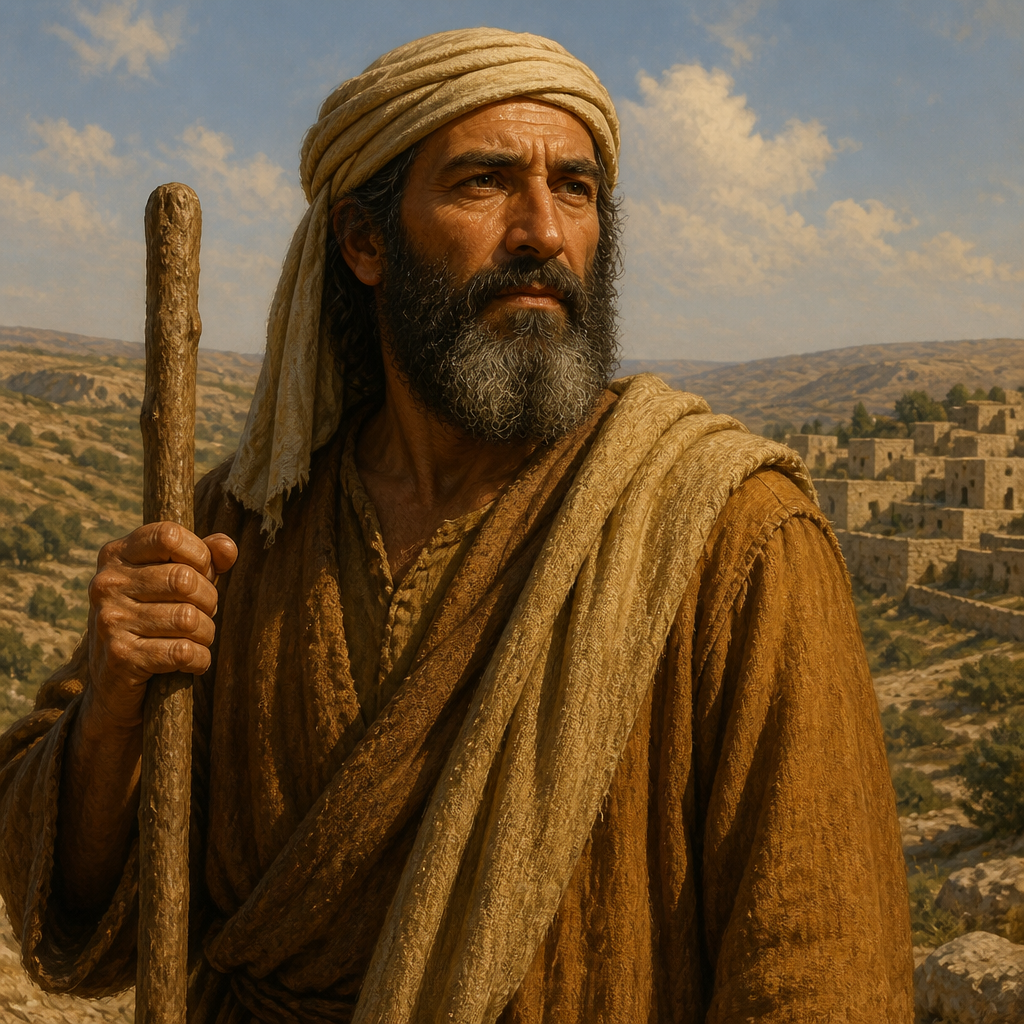
Keilah the Garmite
Patriarch of the tribe of Judah mentioned in the genealogies of the Chronicler
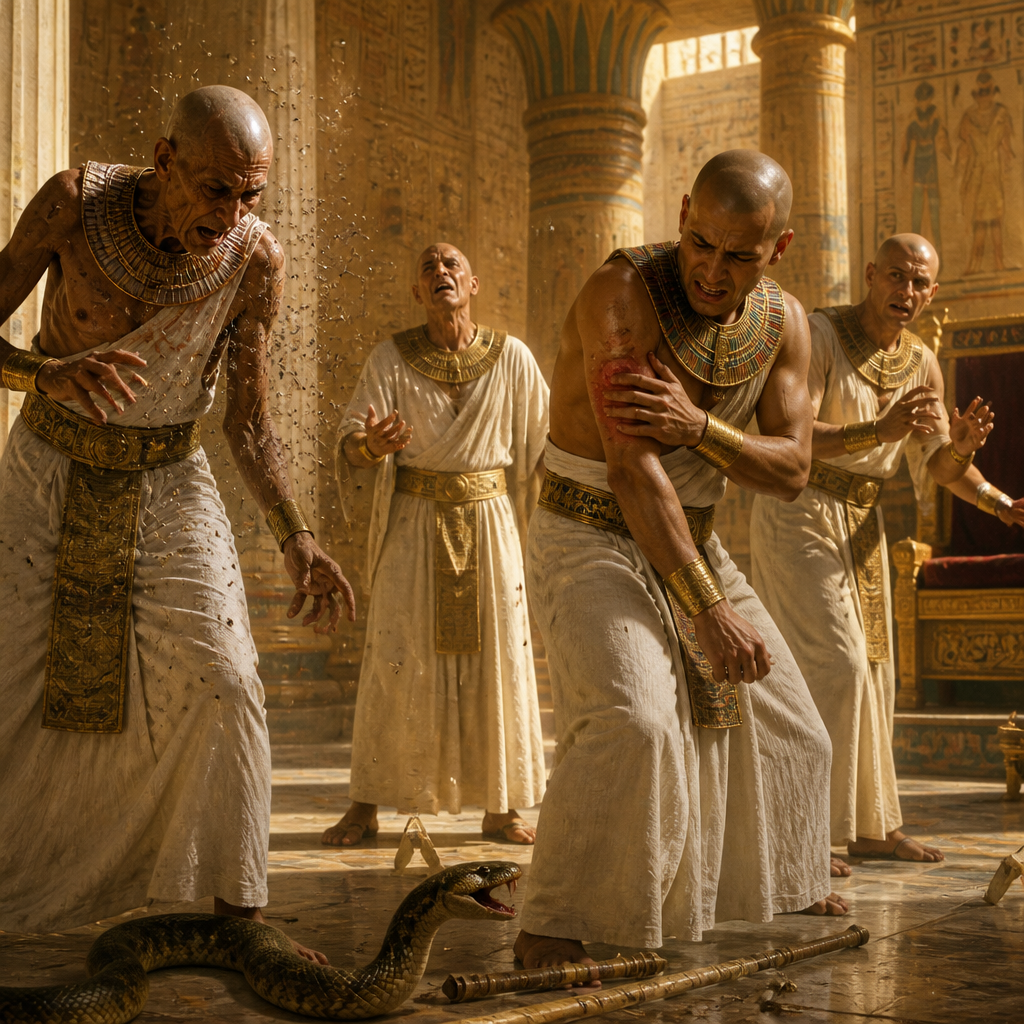
The Magicians of Egypt
Royal sorcerers who unsuccessfully challenged Moses during the Ten Plagues
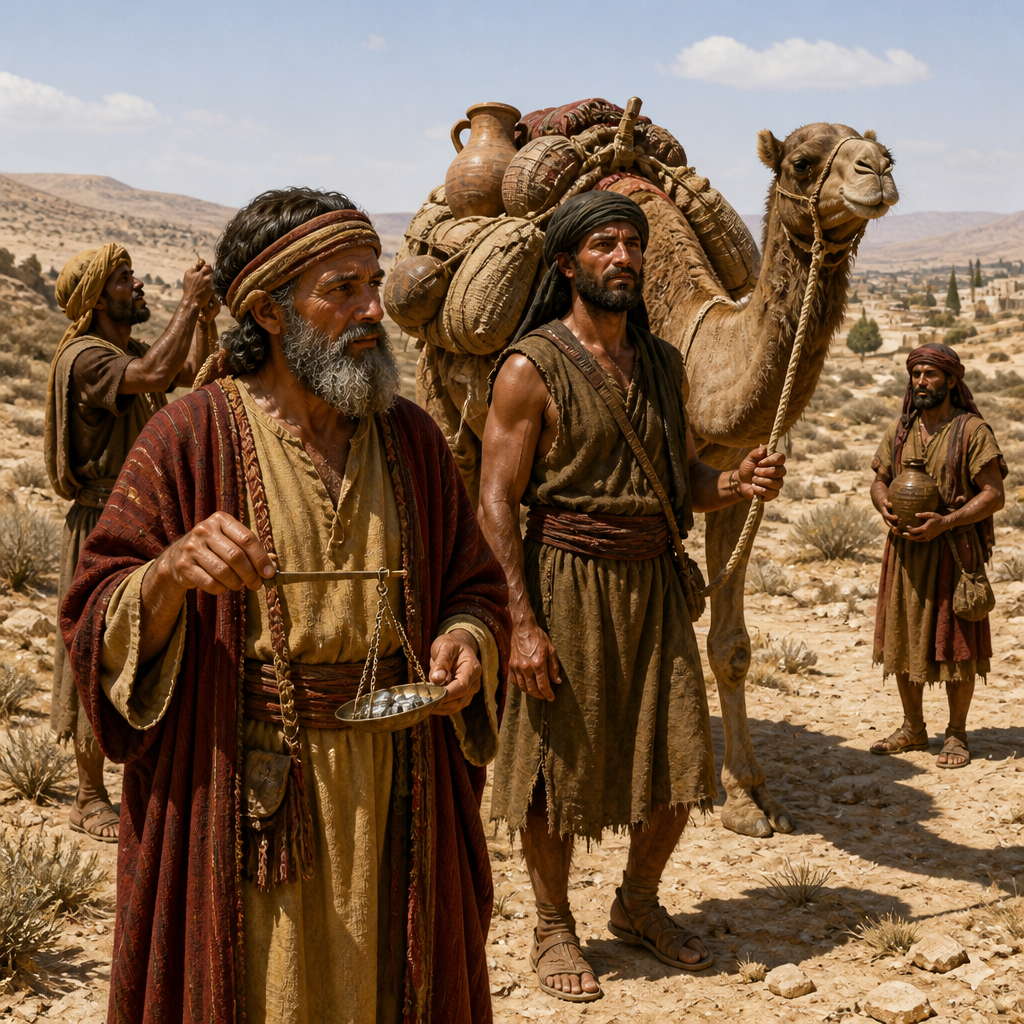
The Midianite Traders
Merchants who purchased Joseph and sold him into slavery in Egypt
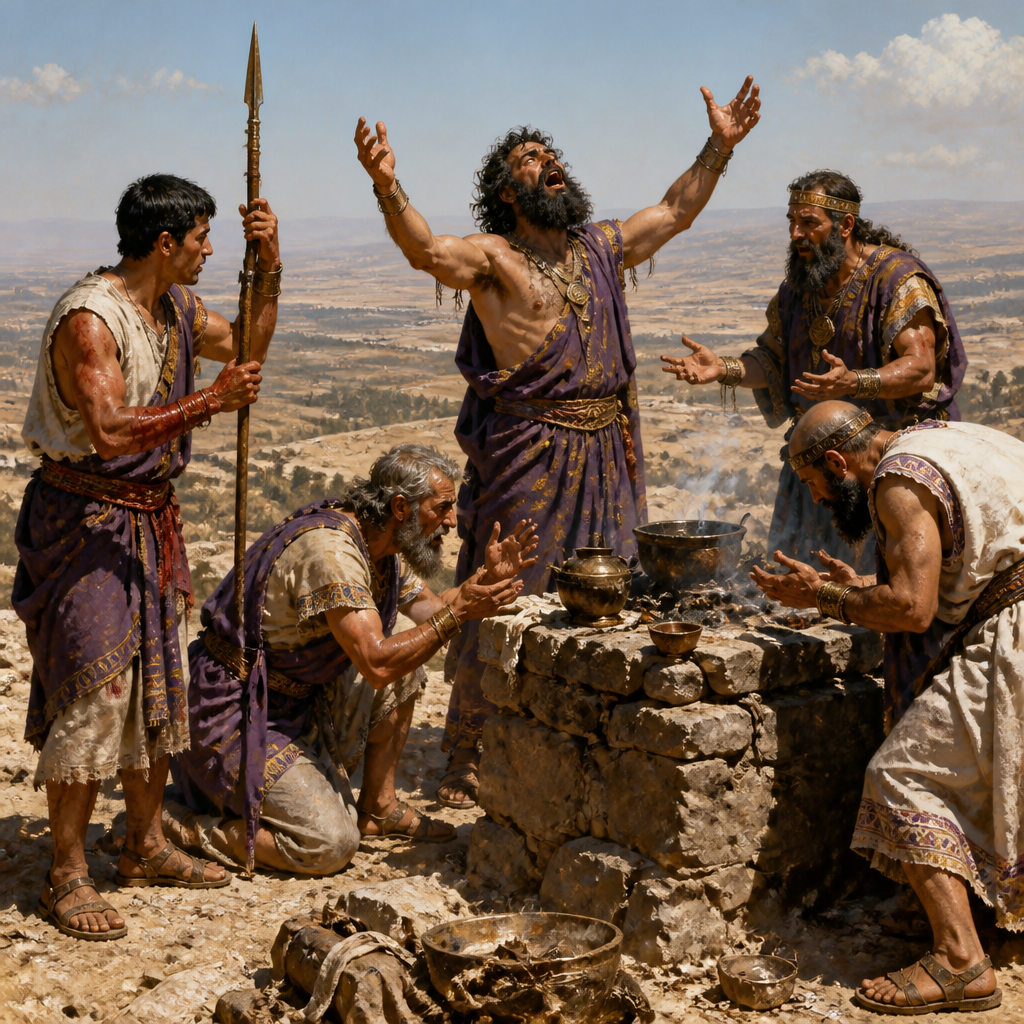
The Prophets of Baal
Prophets who failed the challenge against Elijah on Mount Carmel
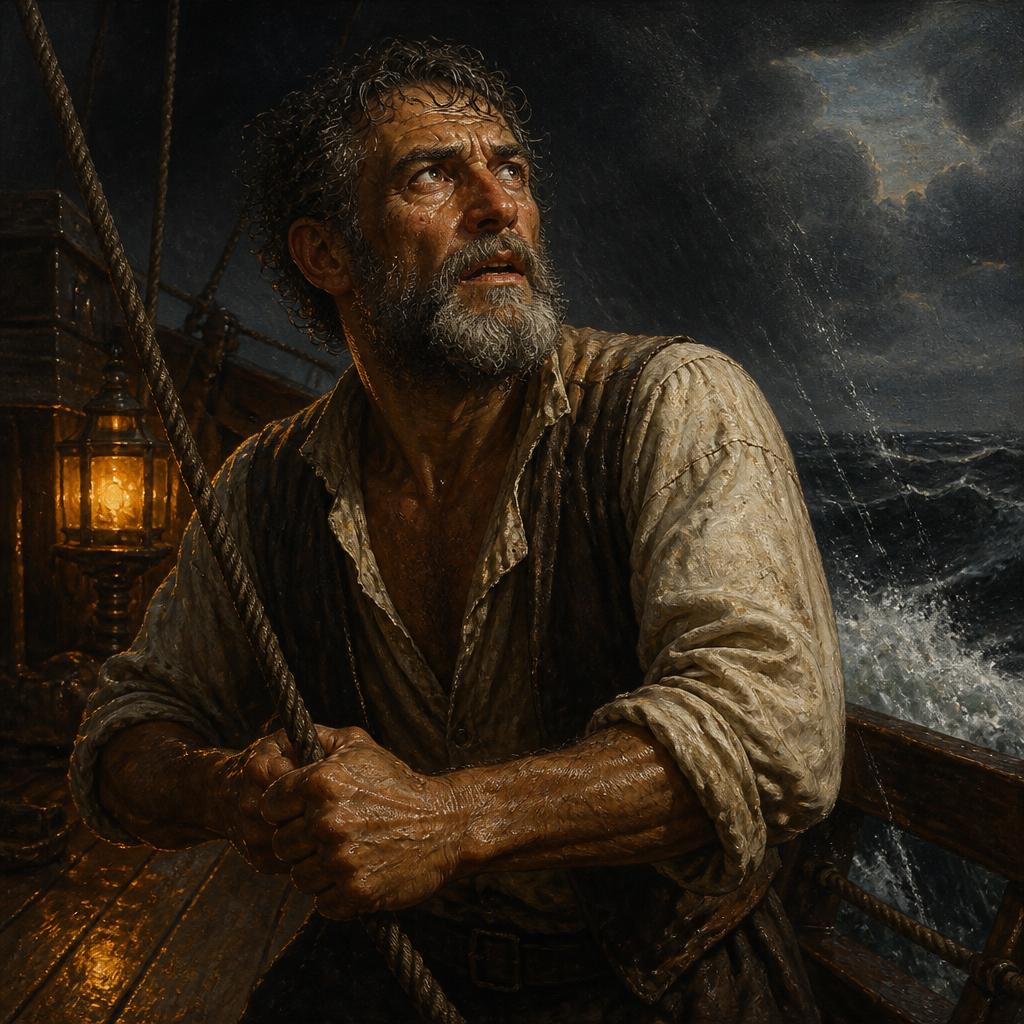
The Sailors on Jonah's Ship
Sailors who cast Jonah into the sea and subsequently converted to the worship of the LORD
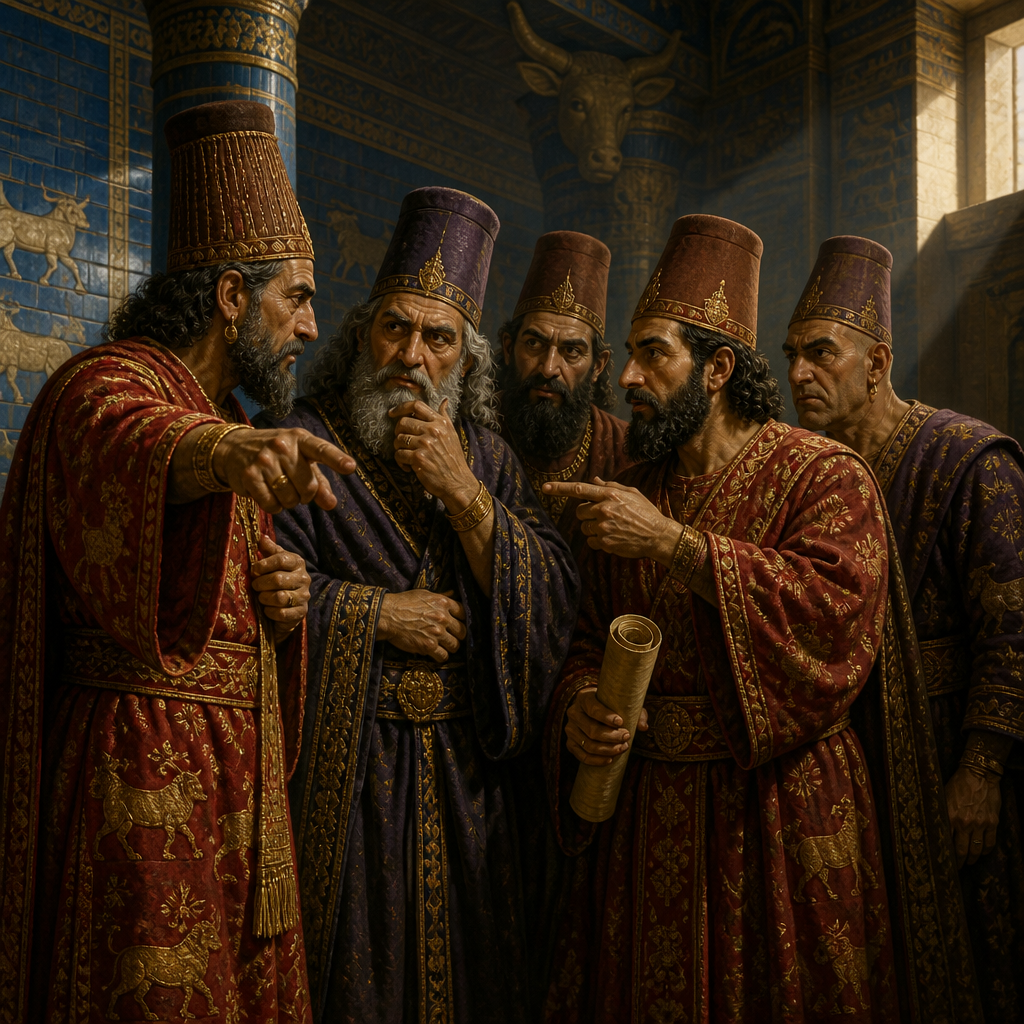
The Satraps Who Accused Daniel
Officials who conspired to have Daniel thrown into the lions' den
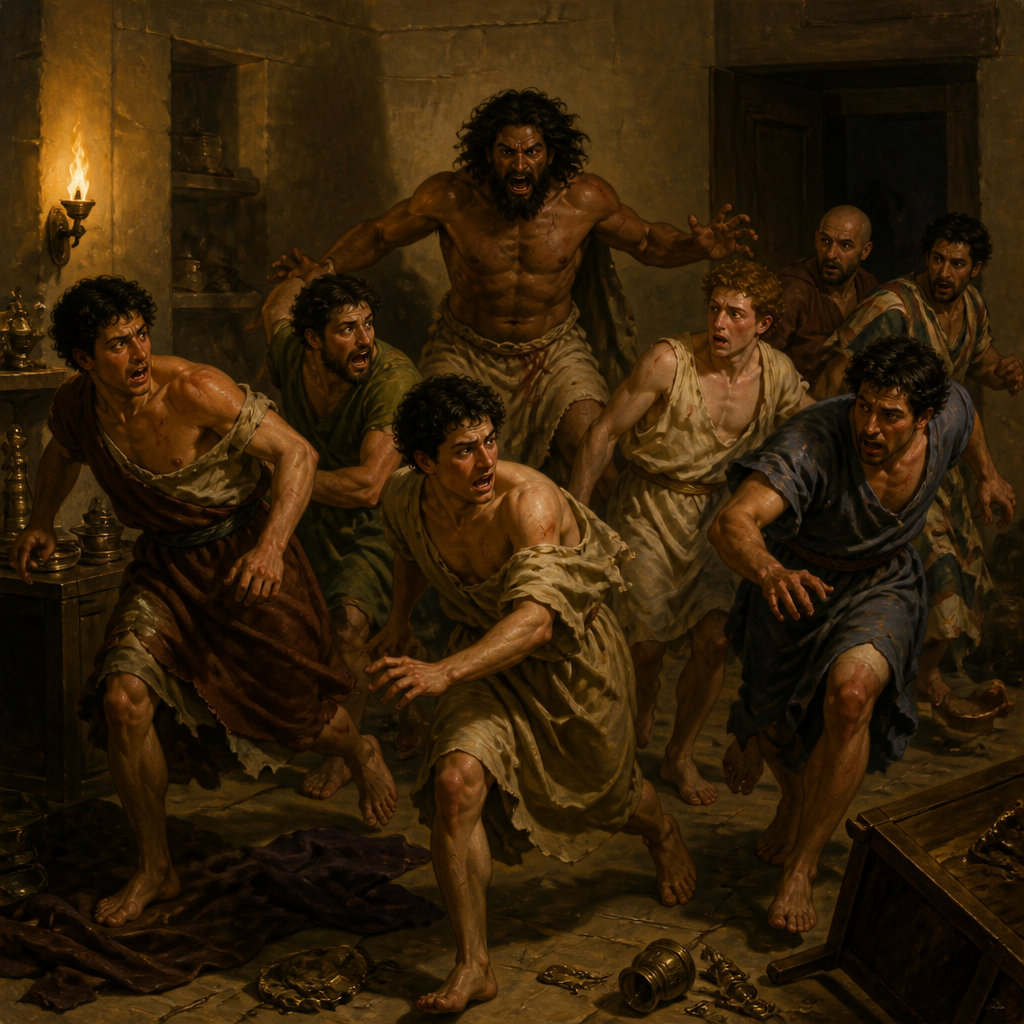
The Seven Sons of Sceva
Seven brothers who were attacked by a demon after trying to use the name of Jesus without faith
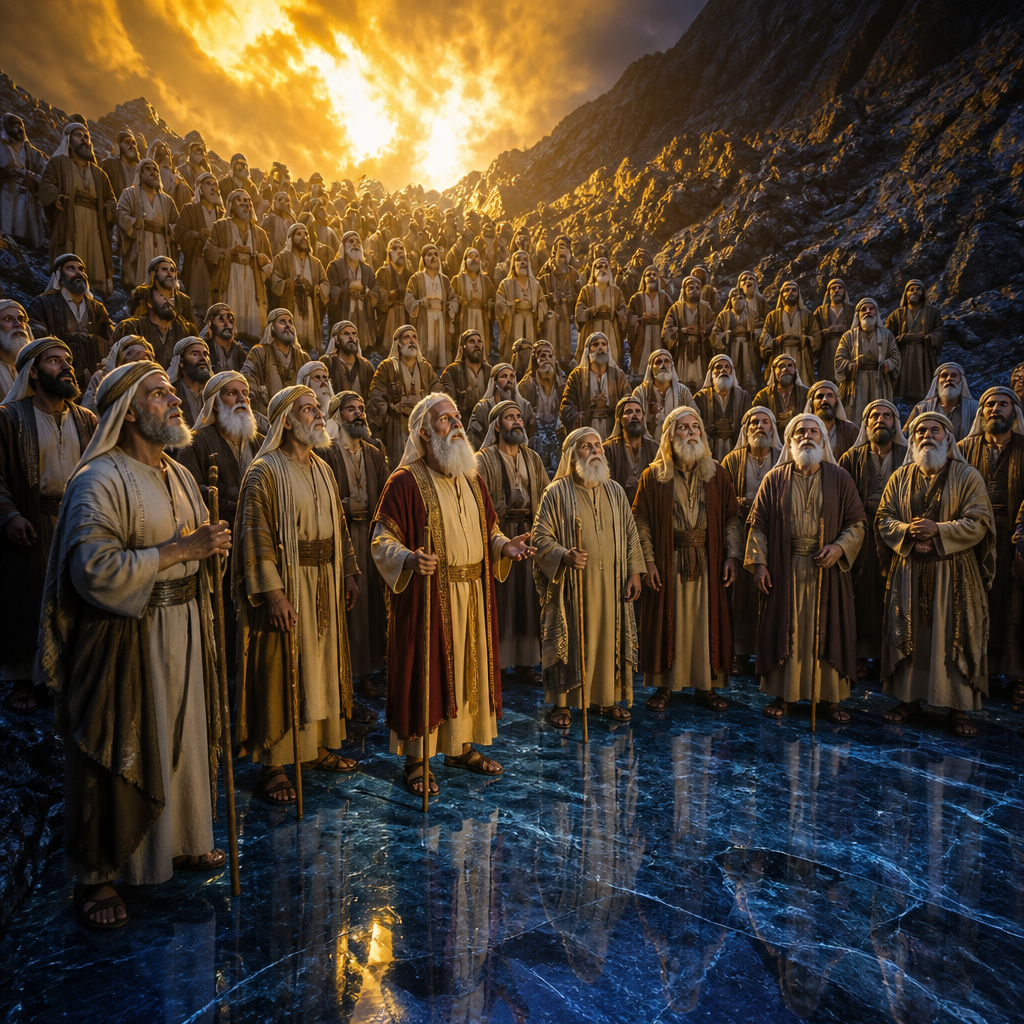
The Seventy Elders of Israel
Group of leaders who saw God on Mount Sinai and were filled with the Holy Spirit to assist Moses
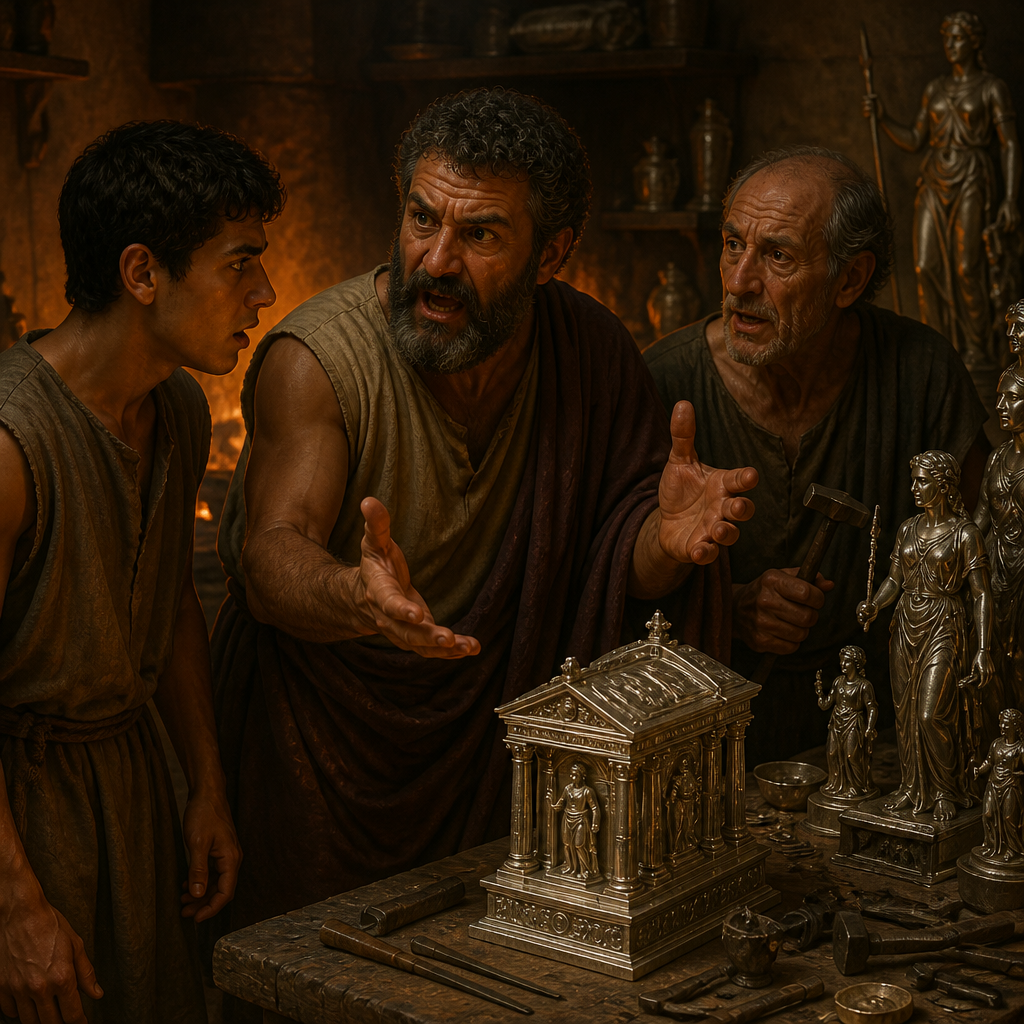
The Silversmiths of Ephesus
Guild of craftsmen who incited a riot against the Apostle Paul in Ephesus
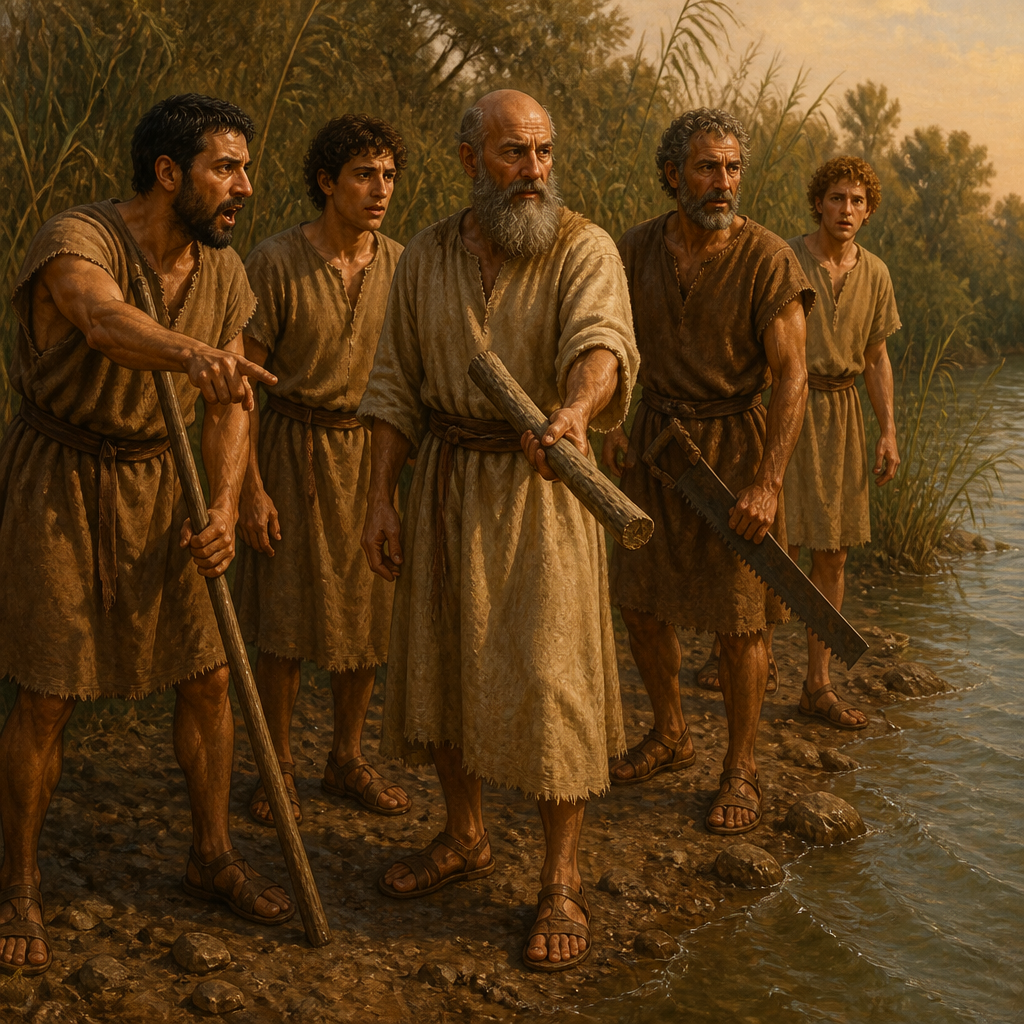
The Sons of the Prophets
Prophetic guild that served under Elisha and witnessed his miracles
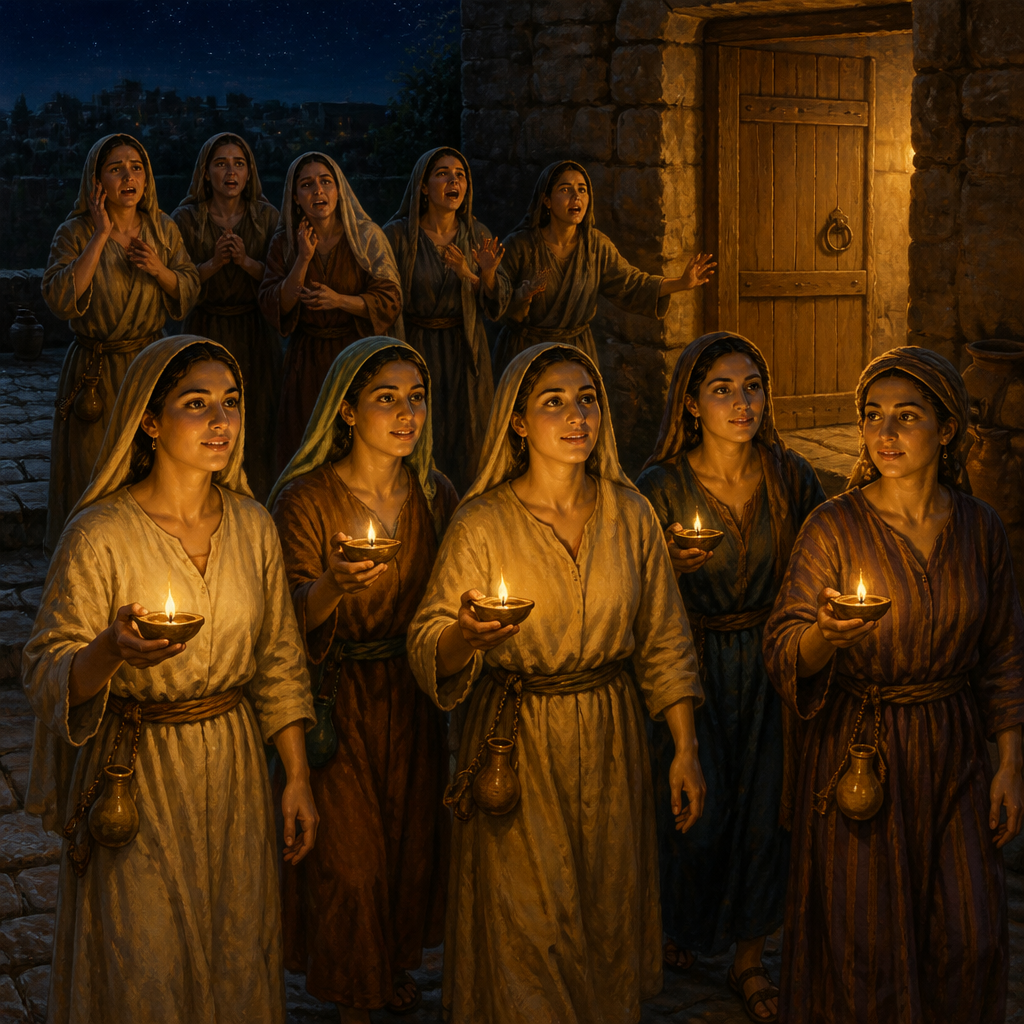
The Ten Virgins
Group of women in a parable who represent spiritual readiness or negligence
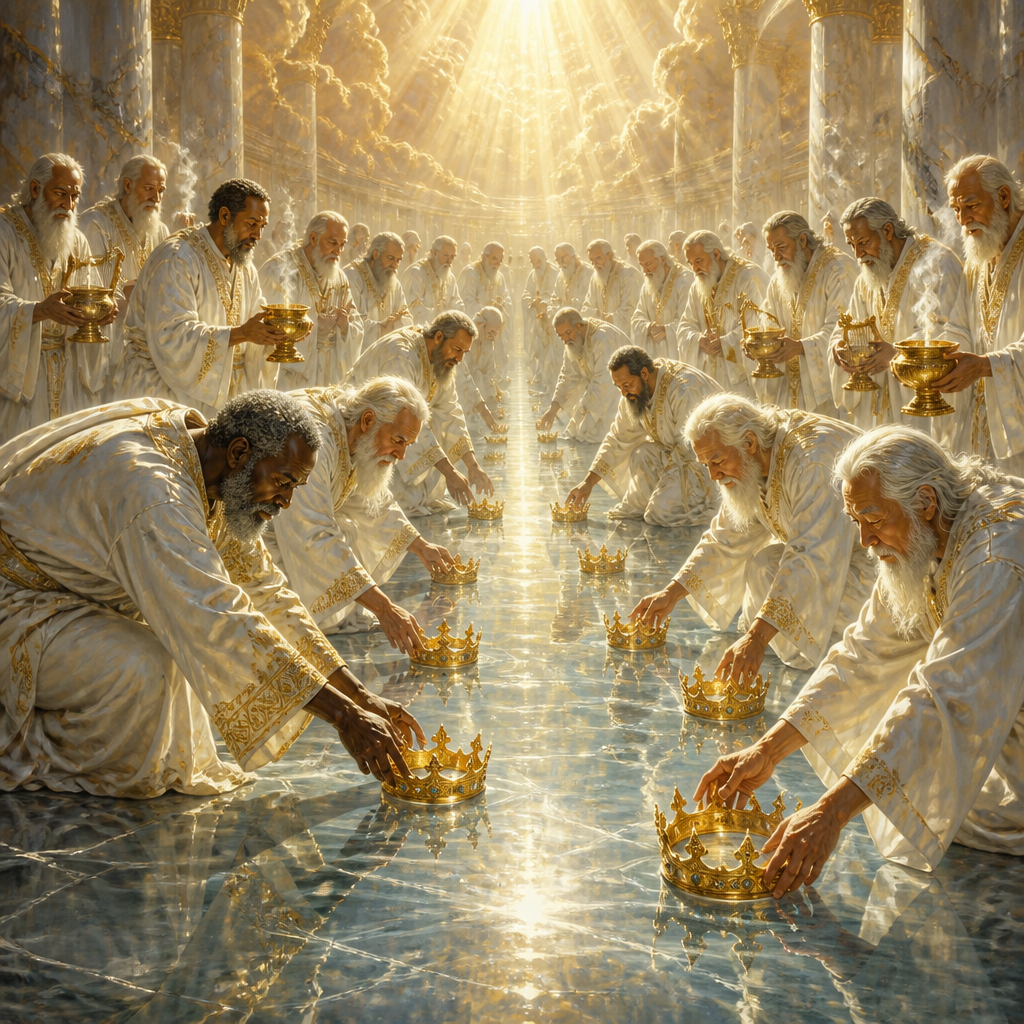
The Twenty-Four Elders
Twenty-four heavenly figures who worship God and hold the prayers of the saints in golden bowls
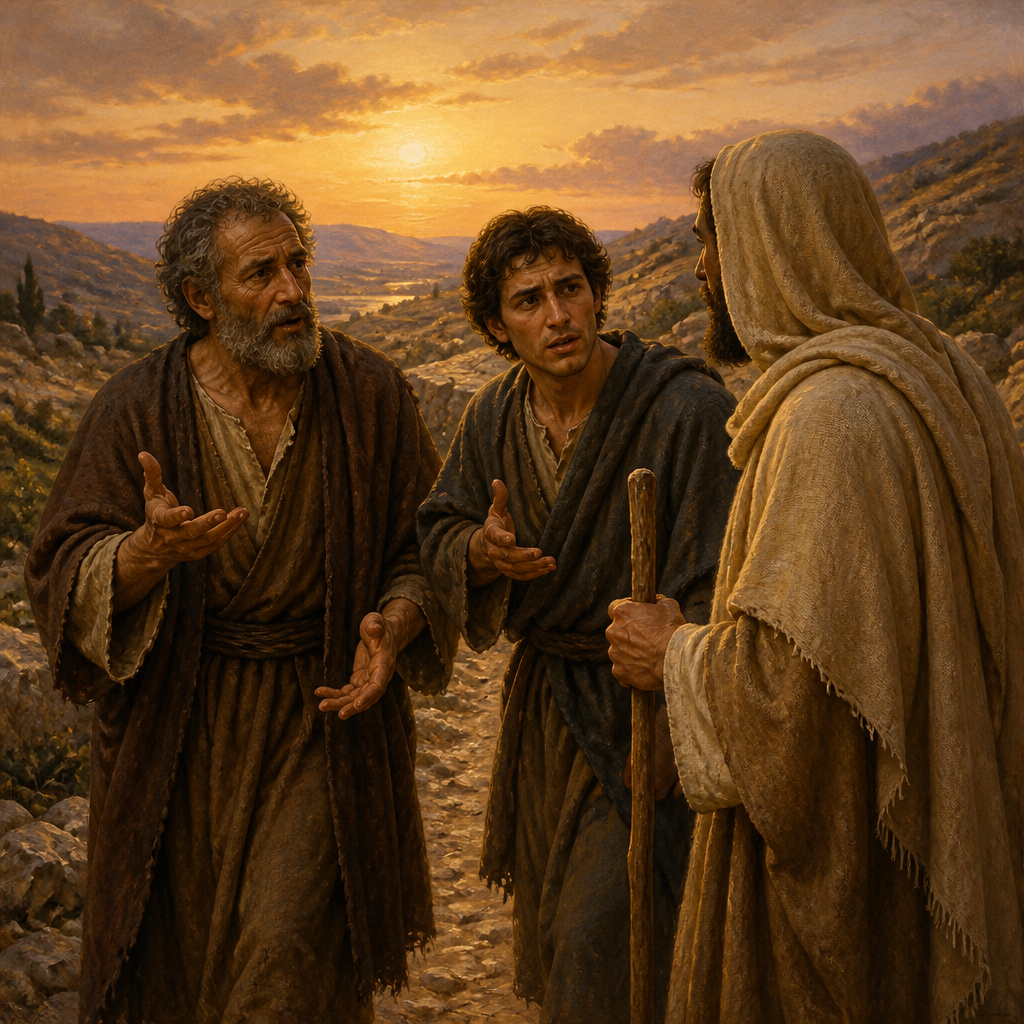
The Two Disciples on the Road to Emmaus
Disciples who walked and talked with the resurrected Jesus without recognizing Him until He broke bread
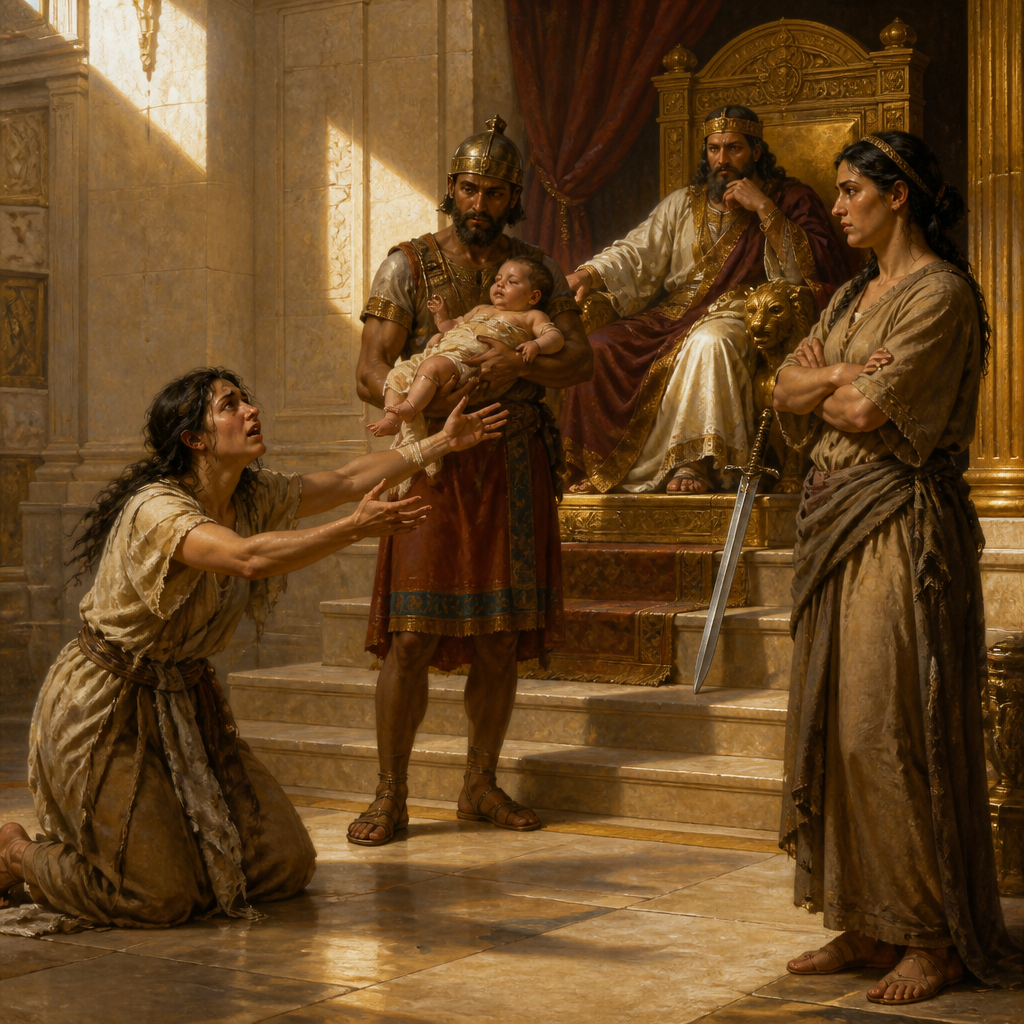
The Two Mothers Before Solomon
Two women who brought a dispute over a living child to King Solomon
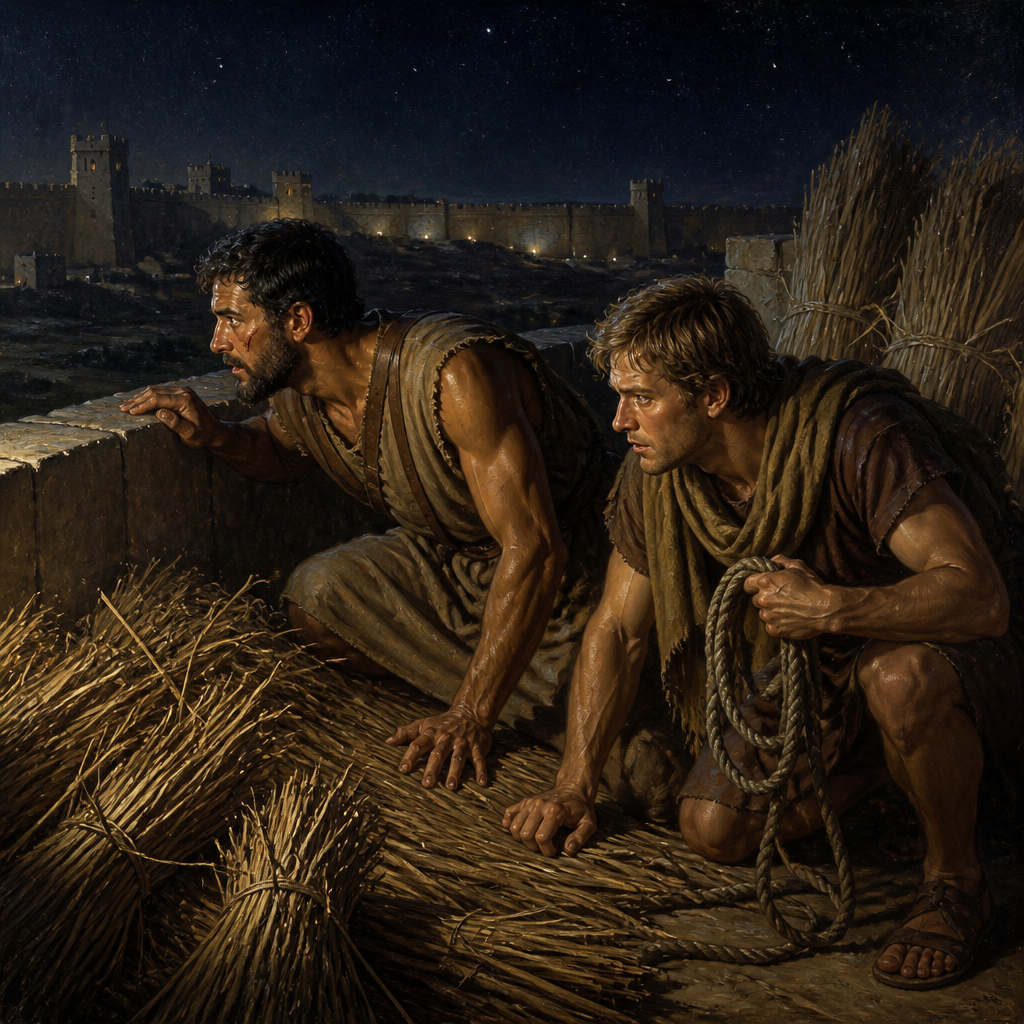
The Two Spies at Jericho
Israelite agents who made a covenant with Rahab before the fall of Jericho
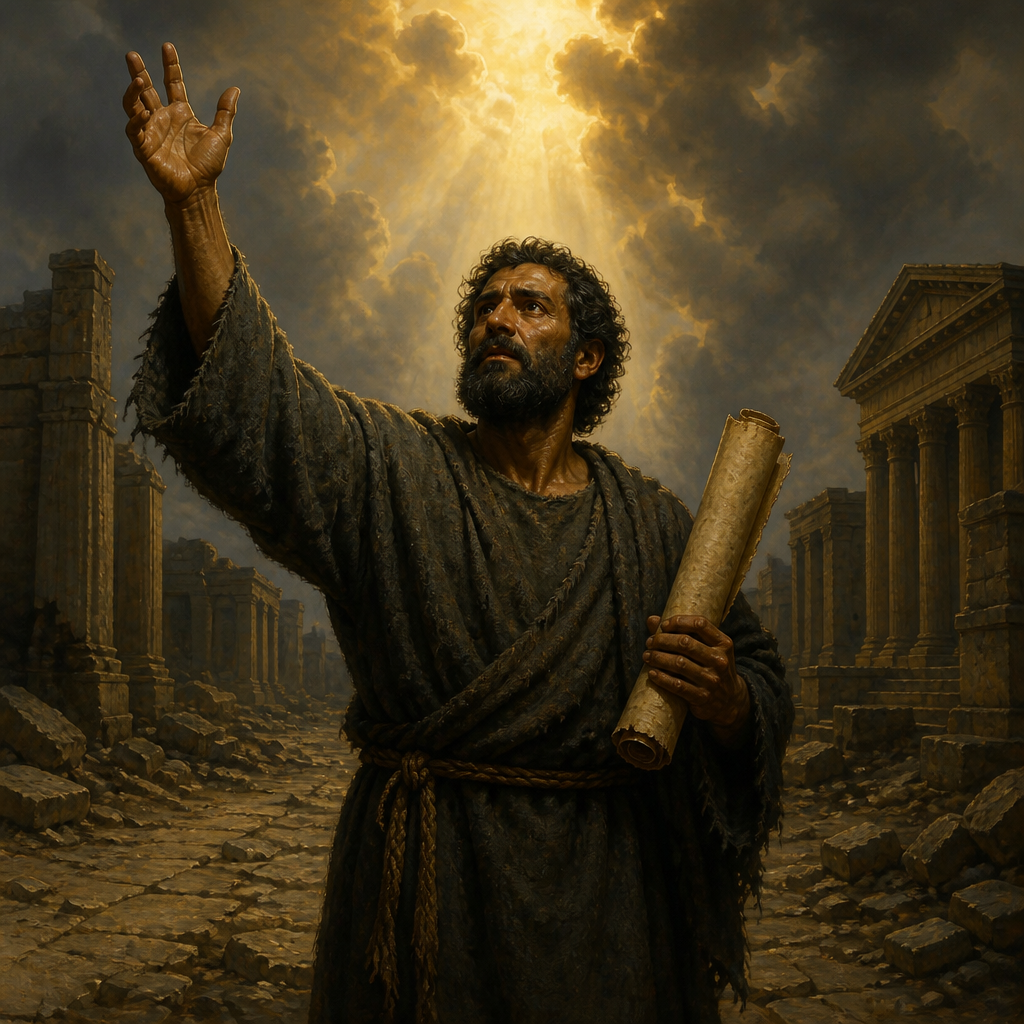
The Two Witnesses
Prophetic ministry in Revelation characterized by miracles, martyrdom, and resurrection
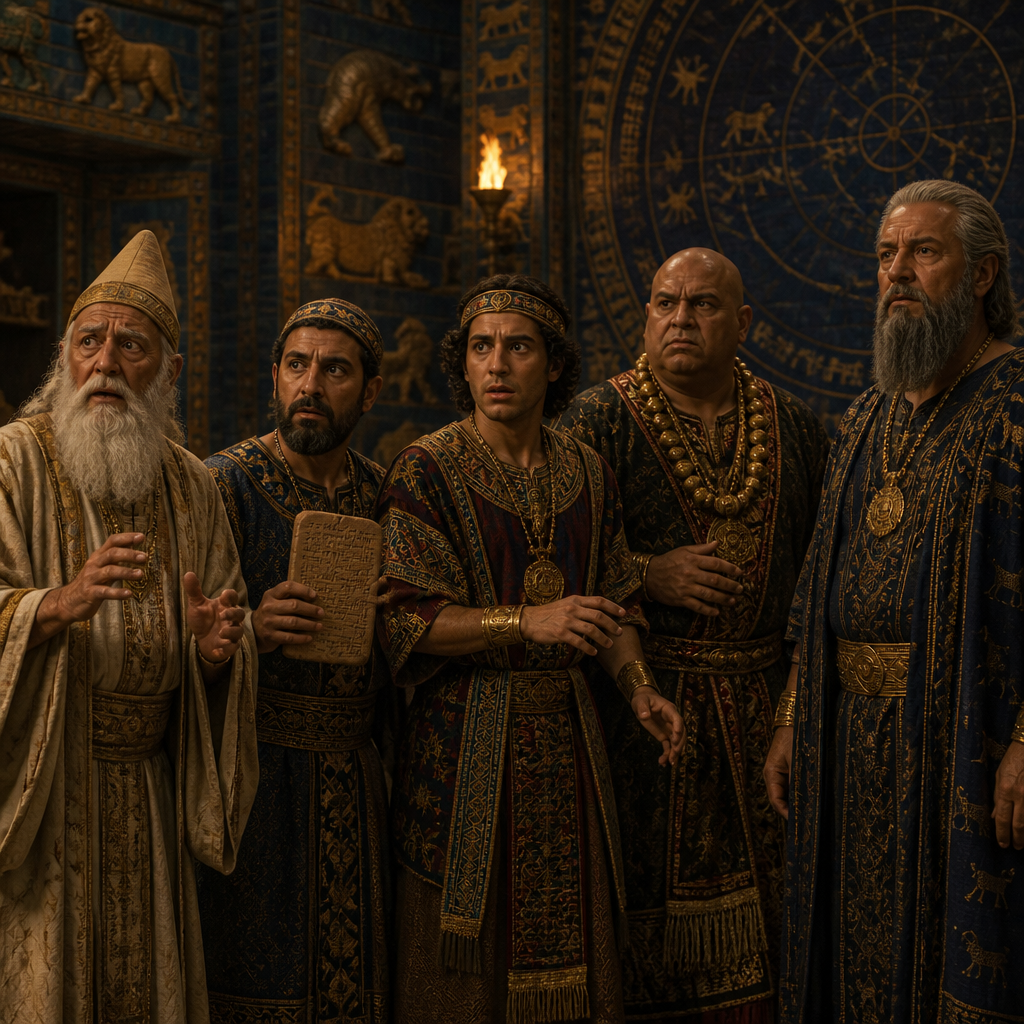
The Wise Men of Babylon
Royal advisors who failed to interpret Nebuchadnezzar's dream
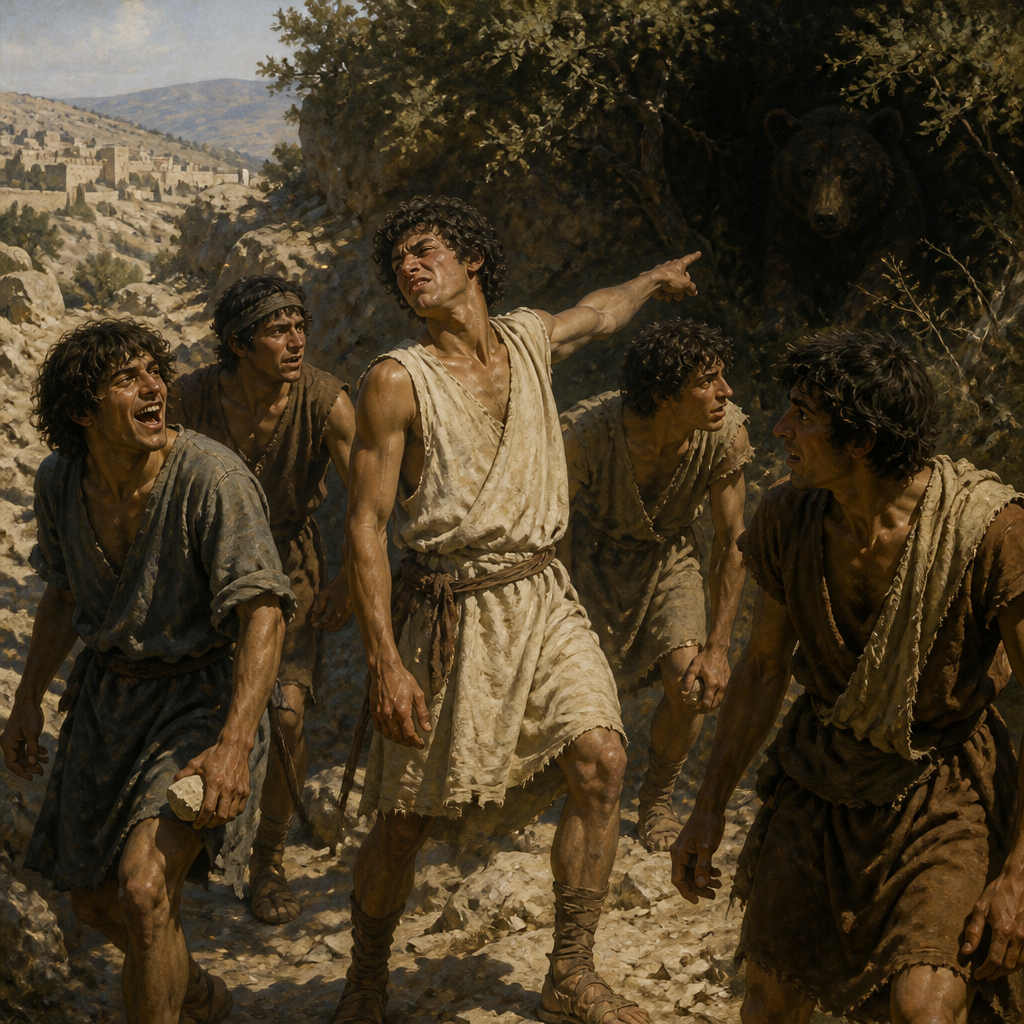
The Youths Who Mocked Elisha
Youths who were mauled by bears after jeering at the prophet Elisha