Merab
Who was Merab in the Bible?
Merab was the eldest daughter of King Saul, originally promised to David as a wife but ultimately married to Adriel of Meholah.
Merab was a princess of the United Monarchy of Israel during the 11th century BC. As the firstborn daughter of King Saul, the first monarch of Israel, she occupied a position of significant political importance within the Benjamite dynasty. Her life is primarily documented through the lens of the rising tension between her father and the young warrior David, who would eventually succeed Saul as king.
Though she was legally promised to David as a reward for his military service against the Philistines, the marriage was never consummated. Instead, the biblical record focuses on her father's manipulative use of her hand in marriage as a political tool. Her narrative serves as a bridge between the reign of Saul and the eventual tragic resolution involving her descendants in the early years of David's kingdom.
Background and Family
Merab was born into the Tribe of Benjamin as the eldest daughter of King Saul and his wife Ahinoam. The biblical record in 1 Samuel 14:49 establishes her seniority over her sister Michal. She grew up within a large royal household that included her brothers Jonathan, Ishvi (also known as Ish-bosheth), and Malchishua. Her family environment was defined by the early years of the Israelite monarchy and the constant threat of Philistine incursions.
Major Life Events
The Broken Promise
After David's victory over Goliath and his subsequent rise in military fame, King Saul found himself increasingly paranoid regarding David’s popularity. In 1 Samuel 18, Saul attempted to use Merab as a snare for David. He offered her to David in marriage on the condition that David serve as a valiant warrior and continue to fight the "Lord's battles." The text explicitly notes Saul’s internal motive: he hoped David would fall in battle against the Philistines so that he would not have to kill the young man himself.
David, however, responded with humility, questioning his own status and the worthiness of his family to be joined to the royal house. Despite the arrangement, when the time for the marriage arrived, the promise was rescinded. The Bible states in 1 Samuel 18:19 that Merab was instead given in marriage to Adriel of Meholah. The text provides no specific reason for Saul's change of mind, though the subsequent verses indicate that Saul’s younger daughter, Michal, had fallen in love with David, prompting a new set of conditions.
Marriage and Descendants
Merab’s life continued with Adriel the Meholathite, with whom she had five sons. Her life following this transition is largely absent from the narrative until the reign of King David. In 2 Samuel 21, the Gibeonites demanded justice for the crimes Saul had committed against them. To appease them and end a three-year famine, David handed over seven of Saul’s descendants to be executed. Among these were the five sons of Merab (some translations and manuscripts mention Michal here, but contextual evidence and Hebrew traditions often identify these as the children of Merab whom Michal may have helped raise, or simply the biological children of Merab and Adriel).
Relationship to Other Biblical Figures
Merab’s primary relationships were defined by the men in her life. As the daughter of Saul and sister of Jonathan, she was central to the Benjamite nobility. Her relationship with David was one of missed connection and political maneuvering. While her sister Michal is noted for her affection for David, the scriptures are silent regarding Merab’s personal feelings toward either David or her husband, Adriel.
Spiritual Significance
Merab’s story illustrates the complexities of life within the early Israelite court and the ways in which individuals could be used as pawns in larger political and spiritual conflicts. Her presence in the narrative highlights the erratic and manipulative nature of Saul’s later reign as he departed from the will of God. Furthermore, the tragedy involving her sons in 2 Samuel 21 serves as a grim reminder of the generational consequences of Saul’s broken covenants and the weight of justice in the Old Testament period.
Merab’s significance lies in her role as a foil to her sister Michal and a victim of her father's political instability. Her narrative demonstrates the transition of the kingdom from the house of Saul to the house of David, emphasizing that the royal succession was governed by divine appointment rather than traditional primogeniture.
Additionally, her sons' involvement in the resolution of the Gibeonite blood-feud underscores the biblical theme of corporate responsibility and the necessity of rectifying past injustices to restore the land's spiritual and physical health.
Frequently Asked Questions
Why didn't Merab marry David as promised?
The Bible does not give a specific reason for the change, only noting that when the time for the marriage came, she was given to Adriel instead. Saul likely changed his mind to further test David or because of Michal's interest in him.
Who was Merab's husband?
She was married to Adriel of Meholah, a son of Barzillai.
How many children did Merab have?
The biblical text in 2 Samuel 21:8 records that she bore five sons to Adriel.
What happened to Merab's sons?
They were executed by the Gibeonites as a form of restitution for the crimes King Saul had committed against their people.
Was Merab older than Michal?
Yes, 1 Samuel 14:49 explicitly identifies Merab as Saul's firstborn daughter and Michal as the younger.
Family & Relationships
Parents
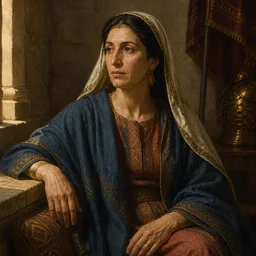 Ahinoam, Wife of SaulMother1 Samuel 14:50
Inferred
Reconstructed through Saul: 1 Samuel 18:19 ties Merab to Saul; 1 Samuel 14:50 ties Saul to Ahinoam. No verse states the mother link between Merab and Ahinoam directly.Evidence: 1 Samuel 14:50; 1 Samuel 18:19; 2 Samuel 21:8
 SaulFather1 Samuel 18:19Stated
 AdrielHusband1 Samuel 18:19Stated
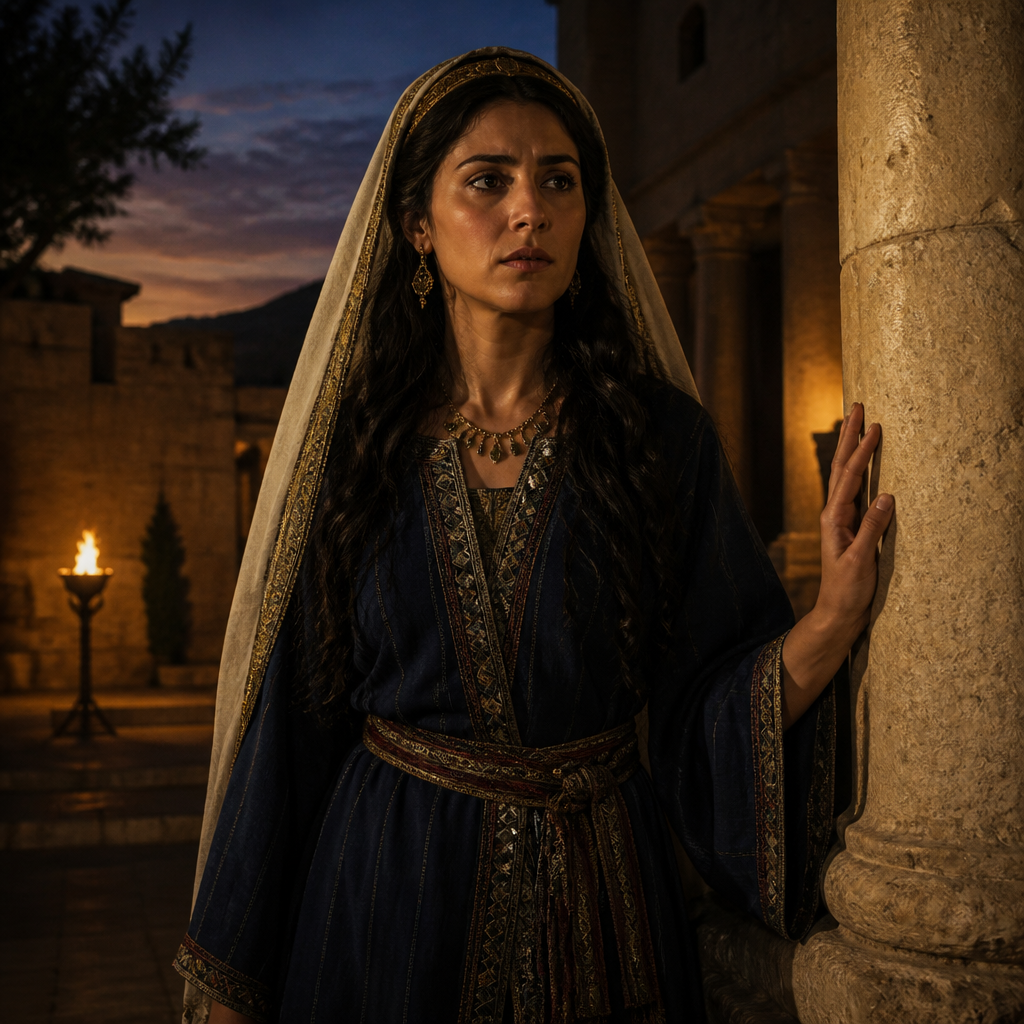 MerabThis page
 Abinadab, Son of King SaulBrother1 Samuel 18:19
Inferred
Reconstructed through Saul: 1 Chronicles 8:33 ties Abinadab to Saul; 1 Samuel 18:19 ties Saul to Merab. No verse states the sister link between Abinadab and Merab directly.Evidence: 1 Samuel 18:19; 1 Chronicles 8:33
 Jonathan, Son of King SaulBrother1 Samuel 14:49Stated
 MalchishuaBrother1 Samuel 14:49Stated
 MichalSister1 Samuel 14:49Stated
 ArmoniHalf-Brother1 Samuel 14:49
Inferred
Reconstructed through Saul: 2 Samuel 21:8 ties Armoni to Saul; 1 Samuel 18:19 ties Saul to Merab. No verse states the half-sister link between Armoni and Merab directly.Evidence: 1 Samuel 14:49
 Ish-boshethBrother1 Samuel 14:49Stated
 Mephibosheth, Son of Saul and RizpahHalf-brother1 Samuel 18:19Stated
Extended family
 Barzillai the MeholathiteFather-in-law2 Samuel 21:8
Inferred
2 Samuel 21:8 names Barzillai and Merab in the same verse but does not state a daughter-in-law tie between them; the link rests on the surrounding narrative.Evidence: 2 Samuel 21:8
Connected Figures
Family
Mother · 1 Samuel 14:50
Ahinoam was the daughter of Ahimaaz and the queen consort of Saul, the first king of Israel.
United MonarchyFirst: 1 Samuel 14:5010 versesQueen of Israel
Father · 1 Samuel 18:19
Saul was the first king of Israel, anointed by Samuel from the tribe of Benjamin to lead the United Monarchy against the Philistine threat.
United MonarchyFirst: 1 Samuel 9:2339 versesFirst King of IsraelBenjamin
Husband · 1 Samuel 18:19
Adriel of Meholah was the husband of Merab, King Saul’s eldest daughter, and the father of five sons whose lives ended in a political execution during the reign of King David.
United MonarchyFirst: 1 Samuel 18:192 versesLandowner or Nobleman
Brother · 1 Samuel 18:19
A prince of the tribe of Benjamin and son of King Saul who died alongside his father and brothers during the Battle of Mount Gilboa.
United MonarchyFirst: 1 Samuel 14:4911 versesPrince of Israel / SoldierBenjamin
Brother · 1 Samuel 14:49
A prince of Israel and renowned warrior of the Tribe of Benjamin, famous for his profound covenantal friendship with David and his loyalty to God over his own royal succession.
United MonarchyFirst: 1 Samuel 13:284 versesPrince and Military CommanderBenjamin
Brother · 1 Samuel 14:49
A prince of the United Monarchy and son of King Saul who died alongside his father and brothers during the Battle of Mount Gilboa.
United MonarchyFirst: 1 Samuel 14:498 versesPrince of IsraelBenjamin
Sister · 1 Samuel 14:49
The daughter of King Saul and the first wife of King David, Michal is a complex figure who navigated the political and personal tensions of Israel's early monarchy.
United MonarchyFirst: 1 Samuel 14:4921 versesPrincess of Israel, Queen ConsortBenjamin
Half-Brother · 1 Samuel 14:49
Armoni was a son of King Saul and his concubine Rizpah, who was surrendered to the Gibeonites for execution during the United Monarchy.
United MonarchyFirst: 2 Samuel 21:84 versesPrince of IsraelBenjamin
Brother · 1 Samuel 14:49
The youngest son of King Saul who reigned as the second king over Israel for two years during a period of civil war with the house of David.
United MonarchyFirst: 2 Samuel 2:816 versesKing of IsraelBenjamin
Half-brother · 1 Samuel 18:19
A son of King Saul and his concubine Rizpah who was executed by the Gibeonites during the reign of King David.
United MonarchyFirst: 2 Samuel 21:87 versesPrince of IsraelBenjamin
Father-in-law · 2 Samuel 21:8
A man from Abel-meholah and the father of Adriel, whose sons were executed by the Gibeonites during the reign of King David.
United MonarchyFirst: 2 Samuel 21:81 versesLandowner or local patriarch
Categories
Mentions by Book
- 1 Samuel4
- 2 Samuel2
- 1 Chronicles1
Scripture References
All 7 indexed verses, in canonical order, from the Berean Standard Bible.
1 Samuel · 4
- 1 Samuel 14:49
Now the sons of Saul were Jonathan, Ishvi, and Malchishua. His two daughters were named Merab (his firstborn) and Michal (his younger daughter).
- 1 Samuel 14:50Partial
His wife’s name was Ahinoam daughter of Ahimaaz. The name of the commander of his army was Abner, the son of Saul’s uncle Ner.
Cited as evidence on a family card; added so References, Key Verses and Mentions by Book share one index.
- 1 Samuel 18:17
Then Saul said to David, “Here is my older daughter Merab. I will give her to you in marriage. Only be valiant for me and fight the LORD’s battles.” But Saul was thinking, “I need not raise my hand against him; let the hand of the Philistines be against him.”
- 1 Samuel 18:19
So when it was time to give Saul’s daughter Merab to David, she was given in marriage to Adriel of Meholah.
2 Samuel · 2
- 2 Samuel 9:6Partial
And when Mephibosheth son of Jonathan, the son of Saul, came to David, he fell facedown in reverence. Then David said, “Mephibosheth!” “I am your servant,” he replied.
Cited as evidence on a family card; added so References, Key Verses and Mentions by Book share one index.
- 2 Samuel 21:8
But the king took Armoni and Mephibosheth, the two sons whom Rizpah daughter of Aiah had borne to Saul, as well as the five sons whom Merab daughter of Saul had borne to Adriel son of Barzillai the Meholathite.
1 Chronicles · 1
- 1 Chronicles 8:33Partial
Ner was the father of Kish, Kish was the father of Saul, and Saul was the father of Jonathan, Malchishua, Abinadab, and Esh-baal.
Cited as evidence on a family card; added so References, Key Verses and Mentions by Book share one index.