
People of 1 Samuel
Every person who appears in the book of 1 Samuel, ordered by how often they are mentioned there.
The People of 1 Samuel appear during a pivotal transition in the history of Israel, as the nation shifts from the leadership of regional judges to a centralized monarchy. The narrative begins with Hannah, a woman who prays for a son and eventually dedicates the child to the service of the LORD (1 Samuel 1:10–28). Her son, Samuel grows up in the tabernacle under the mentorship of Eli, a high priest whose own sons, Hophni and Phinehas bring judgment upon their family through their corruption and eventual deaths in battle (1 Samuel 2:12–34, 4:11). As Samuel matures into a prophet and judge, the people demand a king to lead them, leading to the selection of the first monarch.
The rise and fall of the first king, Saul dominates the middle of the book. Saul is the son of Kish, a man from the tribe of Benjamin (1 Samuel 9:1–2). While Saul initially finds military success against enemies like Agag, the king of the Amalekites, his failure to follow divine instructions leads to his rejection by God (1 Samuel 15:9–26). During this period, David, the son of Jesse emerges as a young hero after he kills the Philistine giant Goliath (1 Samuel 17:48–51). David’s popularity creates a rift in the royal house; while Saul’s son Jonathan forms a deep bond of loyalty with David, Saul’s daughter Michal helps David escape her father’s murderous jealousy (1 Samuel 18:1–4, 19:11–17).
As David lives as a fugitive, he interacts with various figures across the landscape of Judah and beyond. He receives help from Ahimelech, the high priest of Nob, an act that results in the priest’s execution by Saul’s official, Doeg (1 Samuel 22:9–19). David also encounters Nabal, a wealthy man who refuses him hospitality, and subsequently marries Nabal’s widow, Abigail, after she intervenes to prevent bloodshed (1 Samuel 25:2–42). Even in exile, David finds temporary protection under Achish, the king of Gath, while Saul’s desperation leads him to seek counsel from the Medium of Endor (1 Samuel 27:1–3, 28:7–8).
The book concludes with the collapse of Saul’s dynasty and the preparation for David’s reign. In a final battle against the Philistines on Mount Gilboa, Saul, Jonathan, and Saul's Armor-Bearer all perish, marking the end of the first administration (1 Samuel 31:1–6). This transition is significant because it fulfills the prophetic warnings of Samuel and establishes the lineage of David. The text traces how the internal character and obedience of these leaders determine the political and spiritual fate of the tribes of Israel (1 Samuel 15:22–23).
Everyone in this list
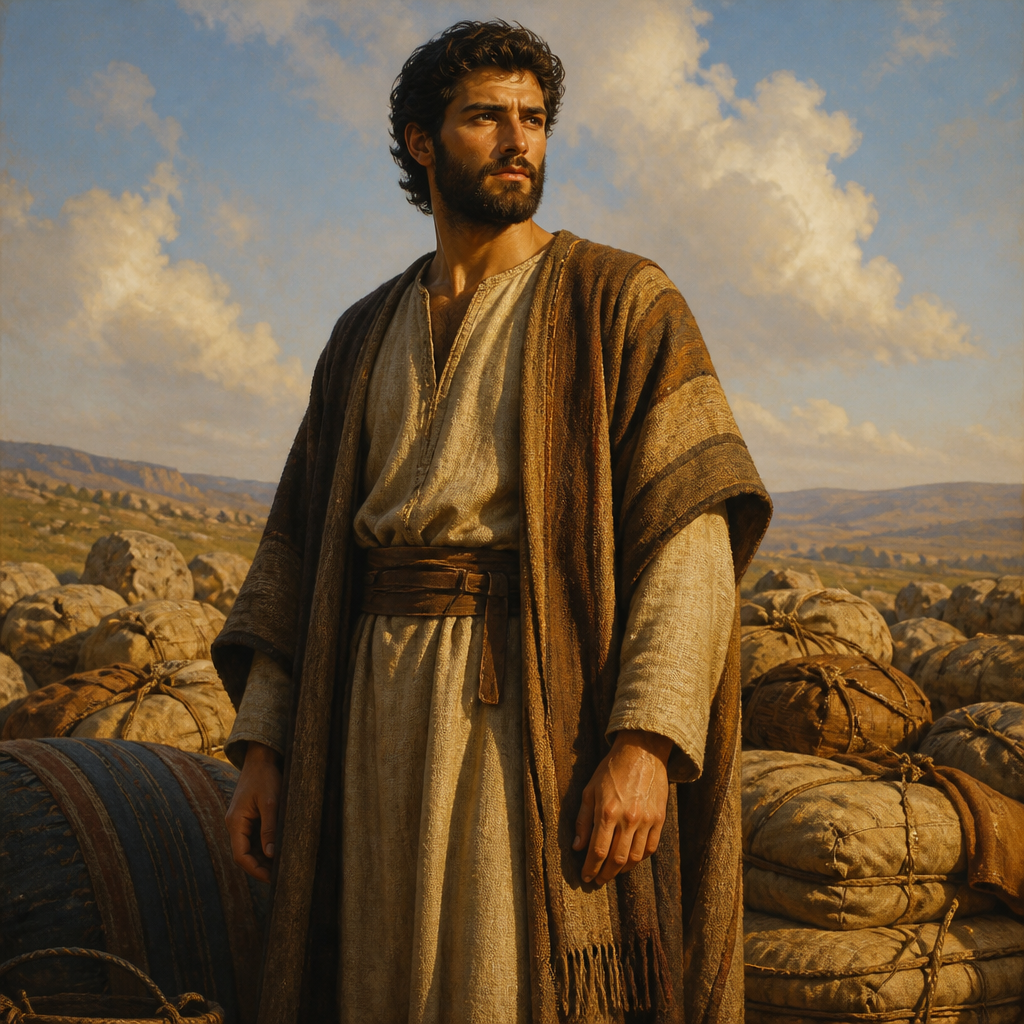
Saul
King of Israel who was the first to rule the United Monarchy before being rejected by God
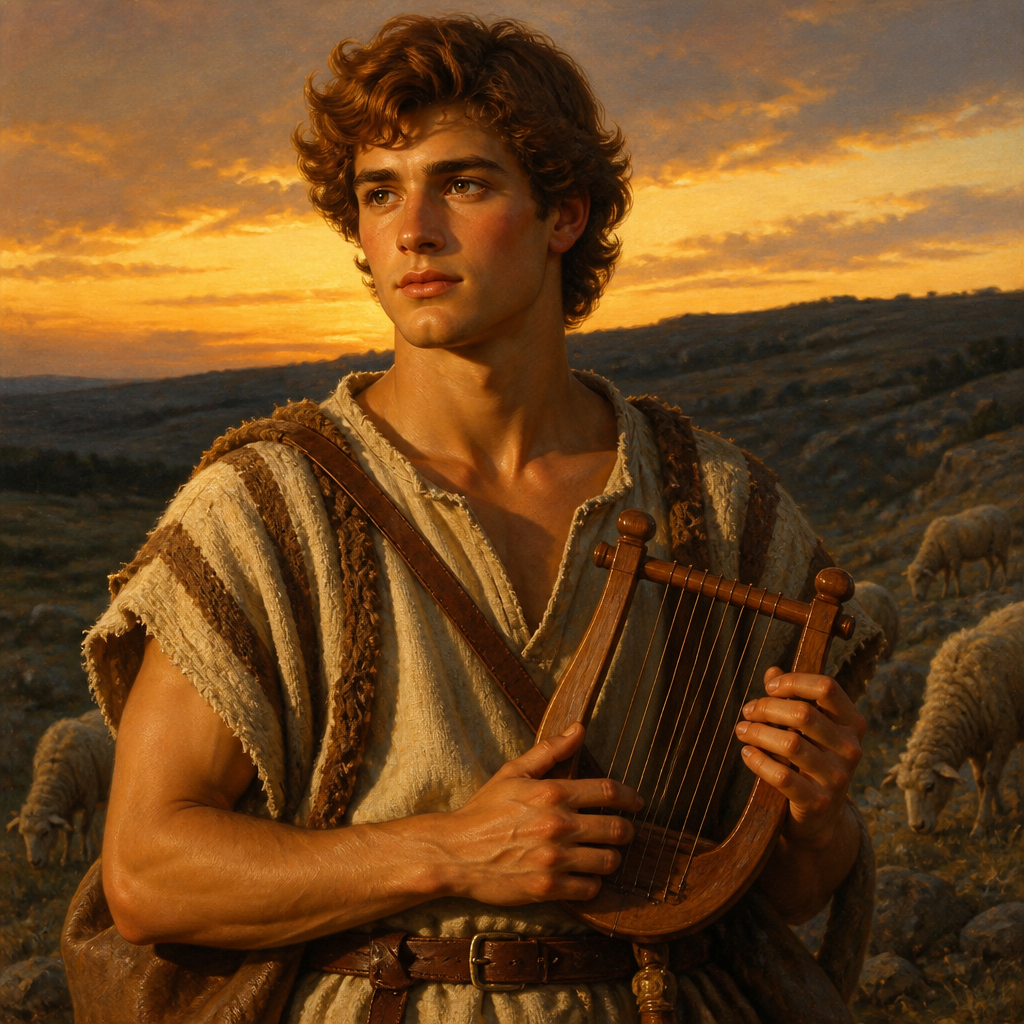
David
King of Israel who defeated Goliath and established the Davidic dynasty
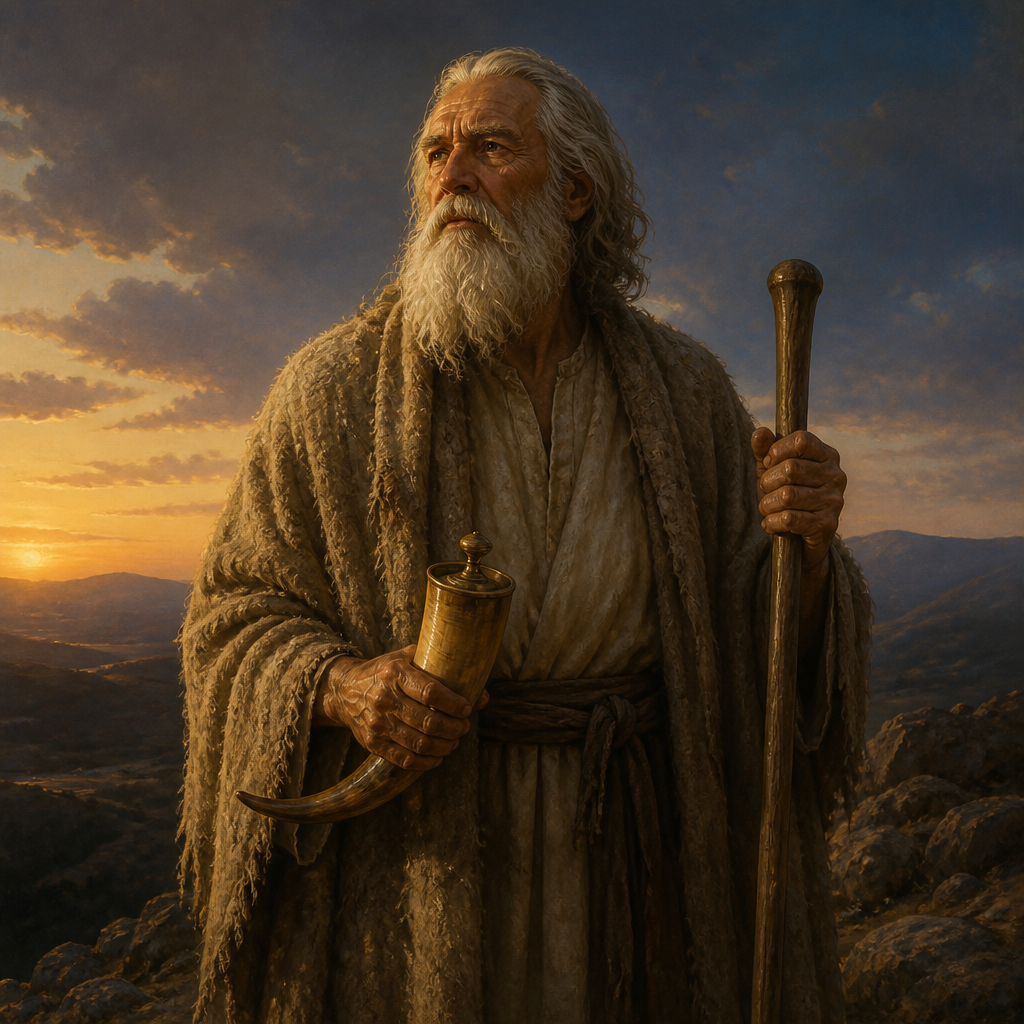
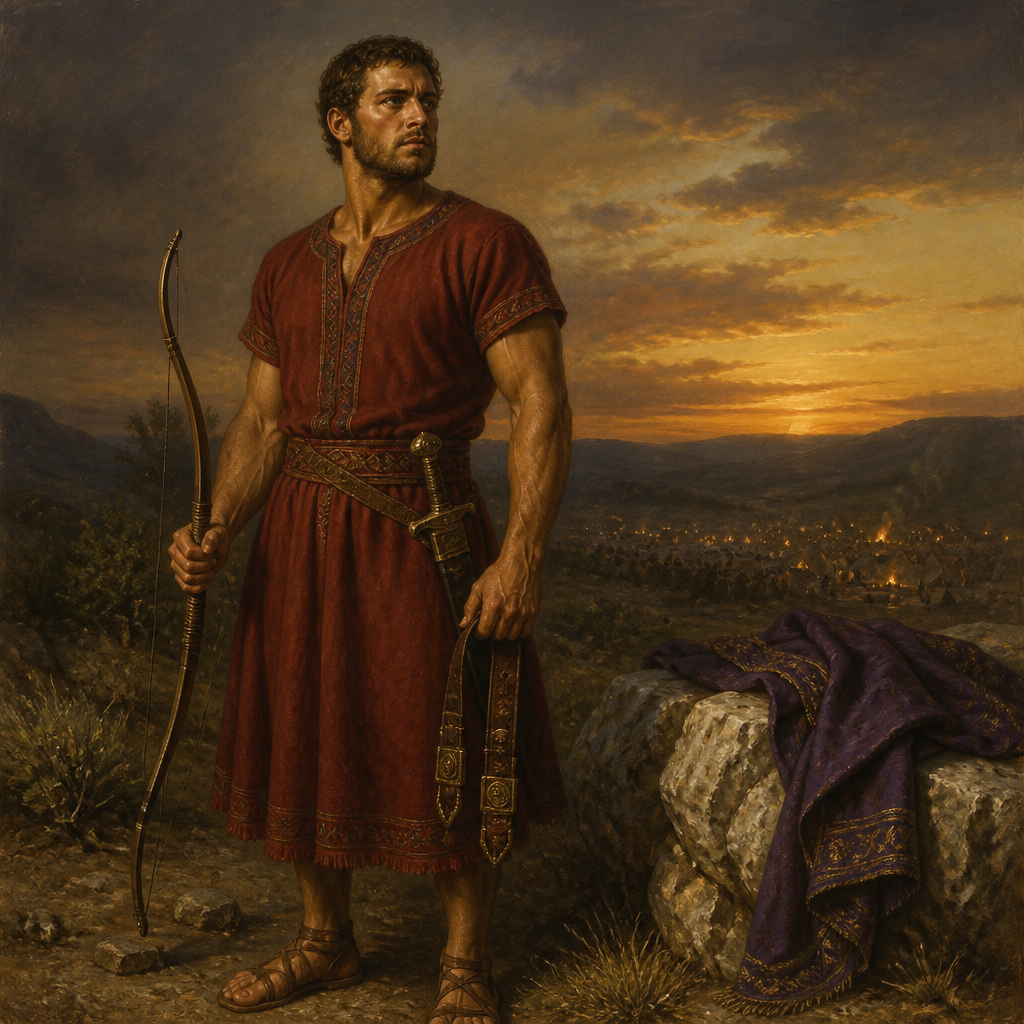
Jonathan, Son of King Saul
Prince of Israel and loyal friend of David who died at Mount Gilboa
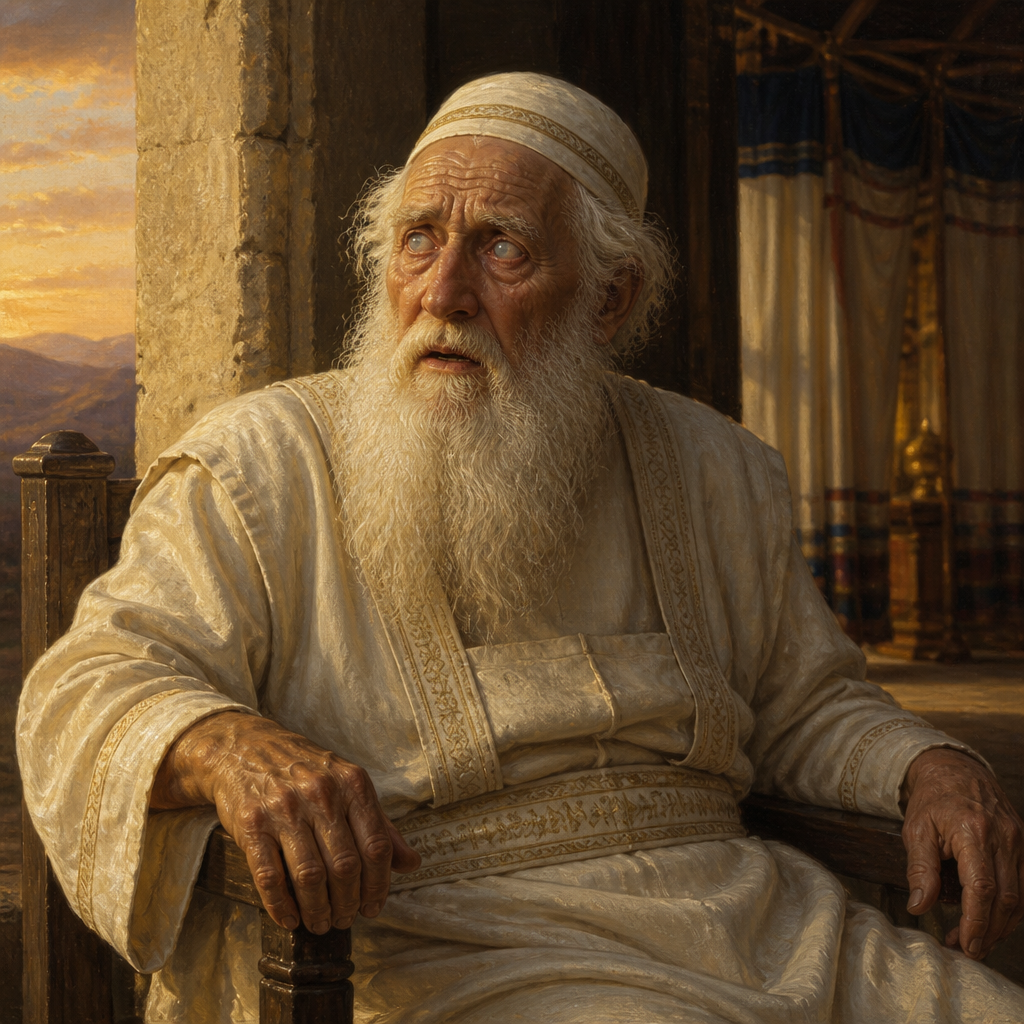
Eli
High Priest at Shiloh who mentored the prophet Samuel and suffered the loss of the Ark of the Covenant
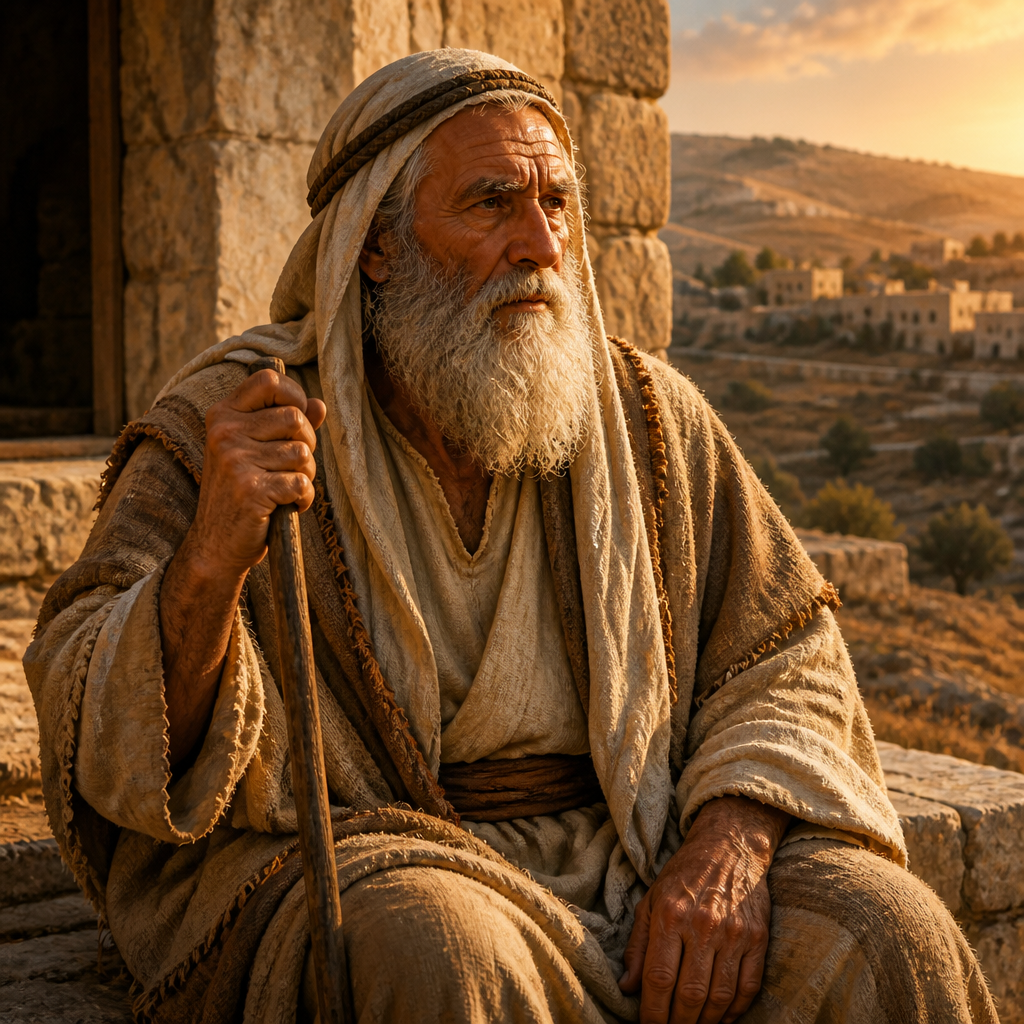
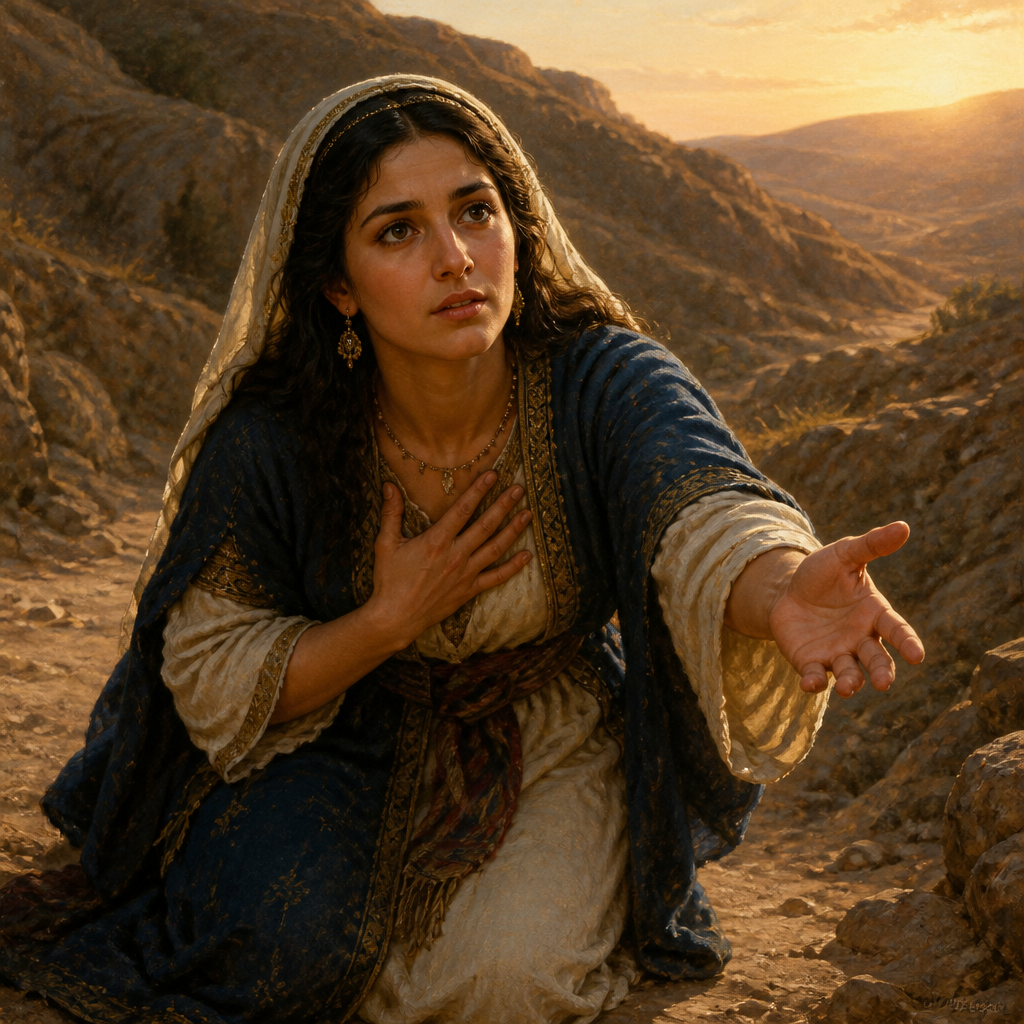
Abigail, Wife of David
Wise and beautiful wife of David who prevented him from slaughtering Nabal's household
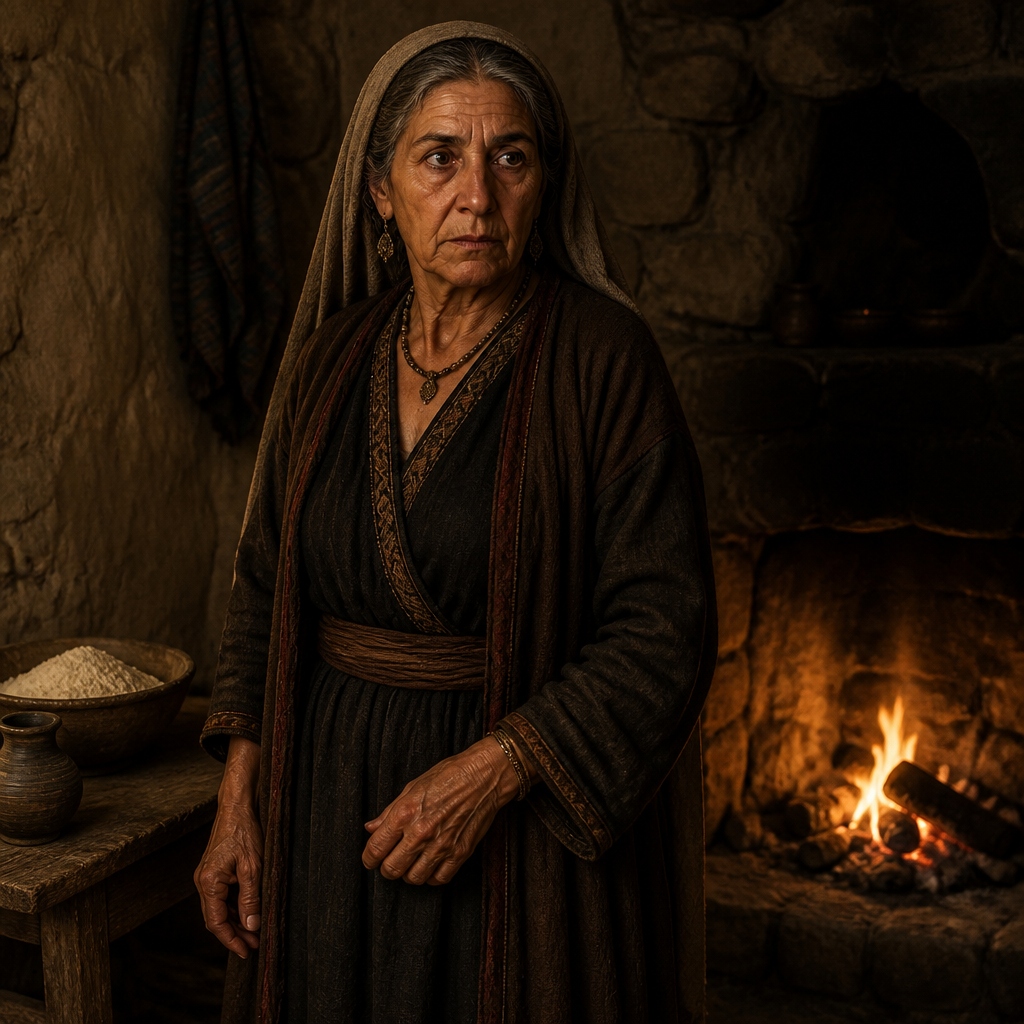
The Medium of Endor
Medium who summoned the spirit of Samuel for King Saul
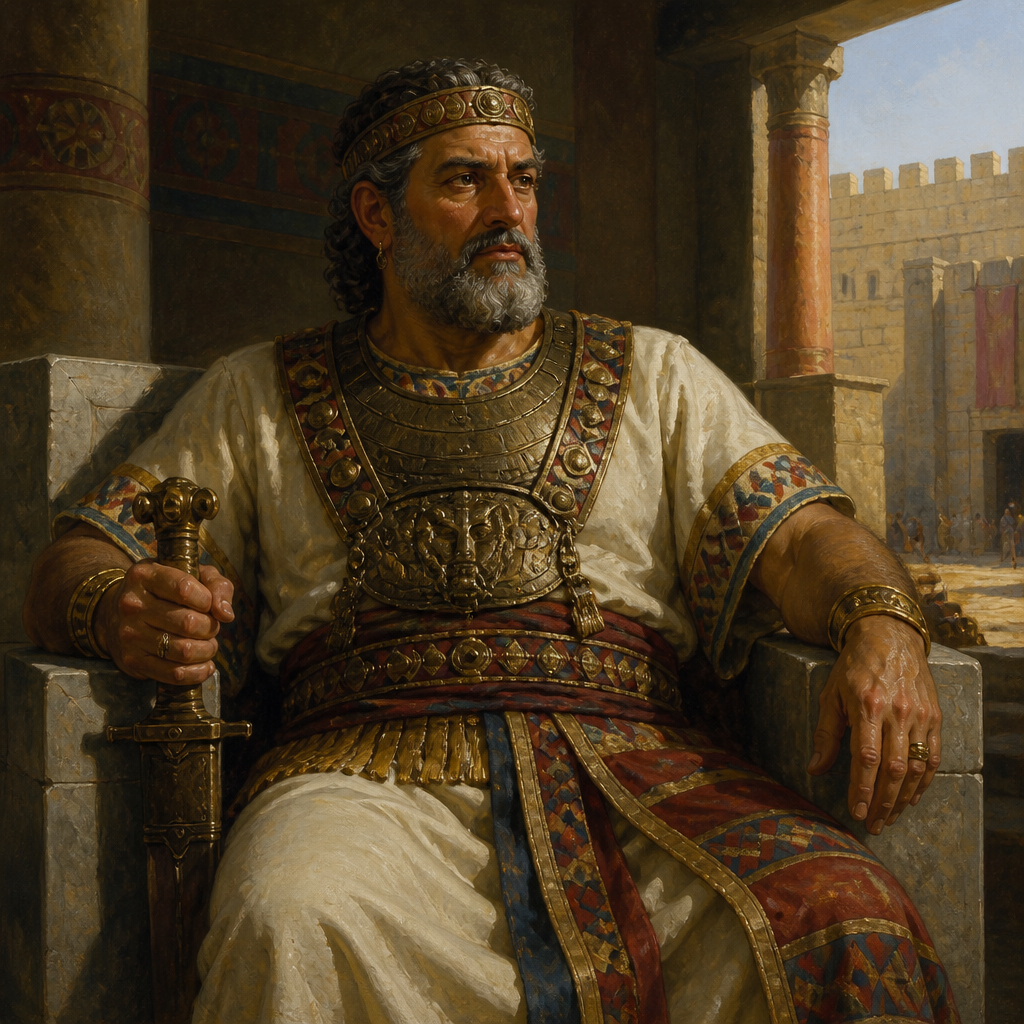
Achish
King of Gath who protected David from Saul and gave him the city of Ziklag

Nabal
Wealthy Calebite whose refusal of hospitality to David led to his divine judgment
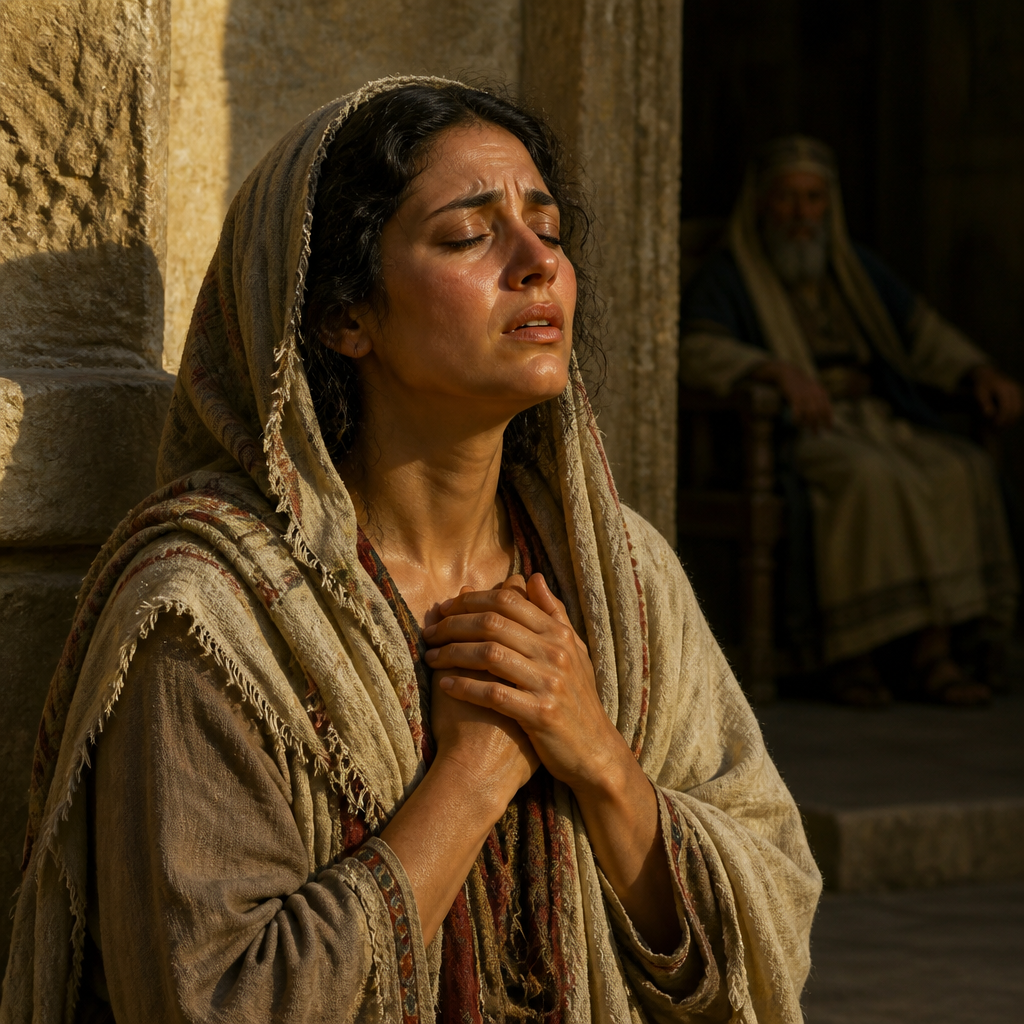

Ahimelech, High Priest of Nob
High Priest who was executed by Saul for assisting David at Nob
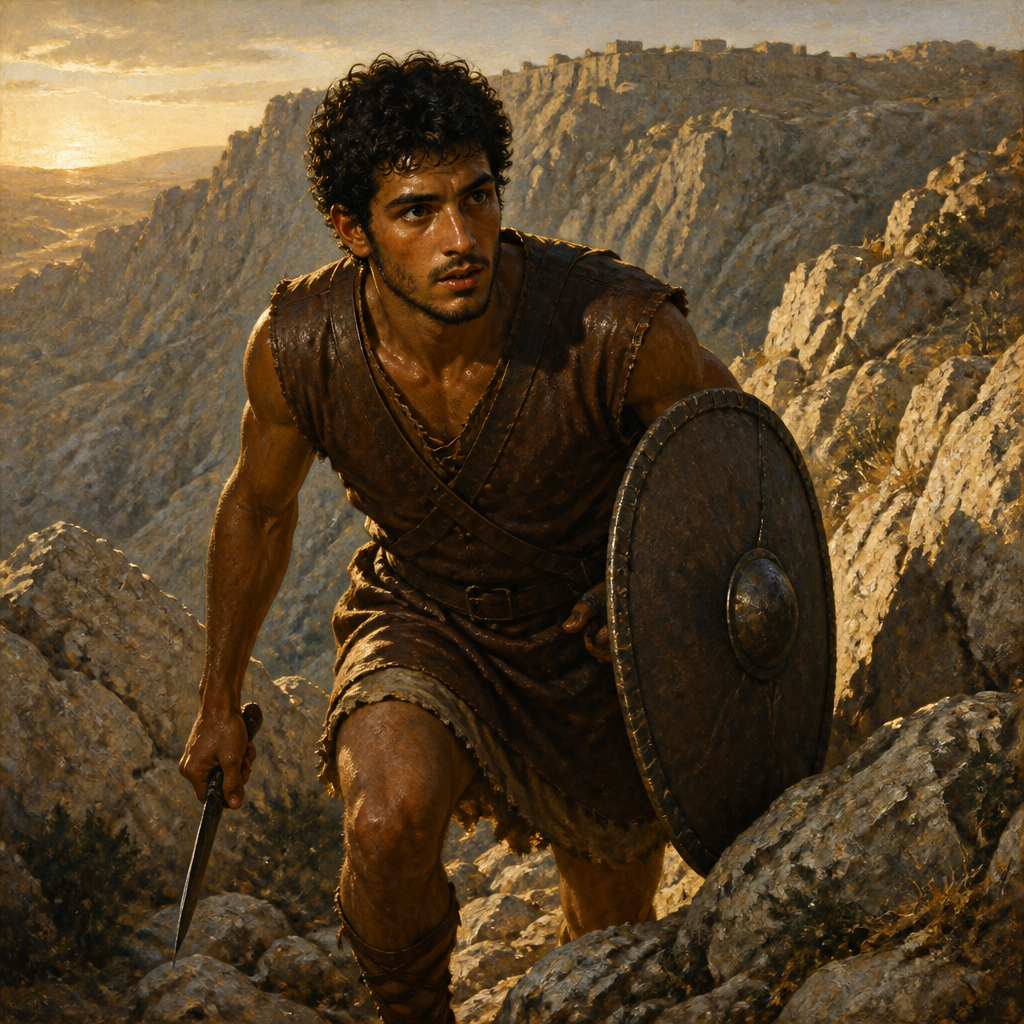
Jonathan's Armor-Bearer
Young warrior who accompanied Jonathan in the daring two-man assault on the Philistine outpost at Michmash
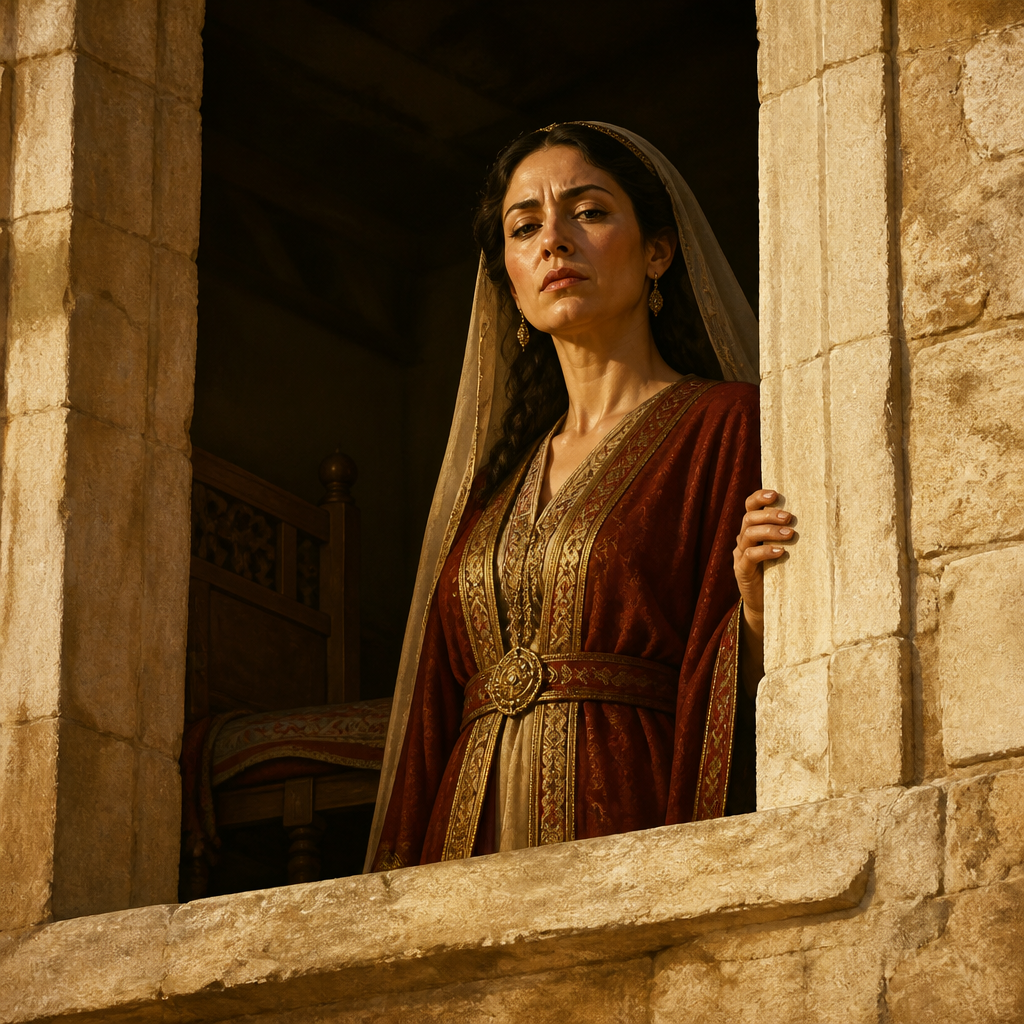
Michal
Daughter of Saul who loved David and saved his life but later despised his worship

Abner
Commander of Saul's army who eventually sought to unite Israel under David
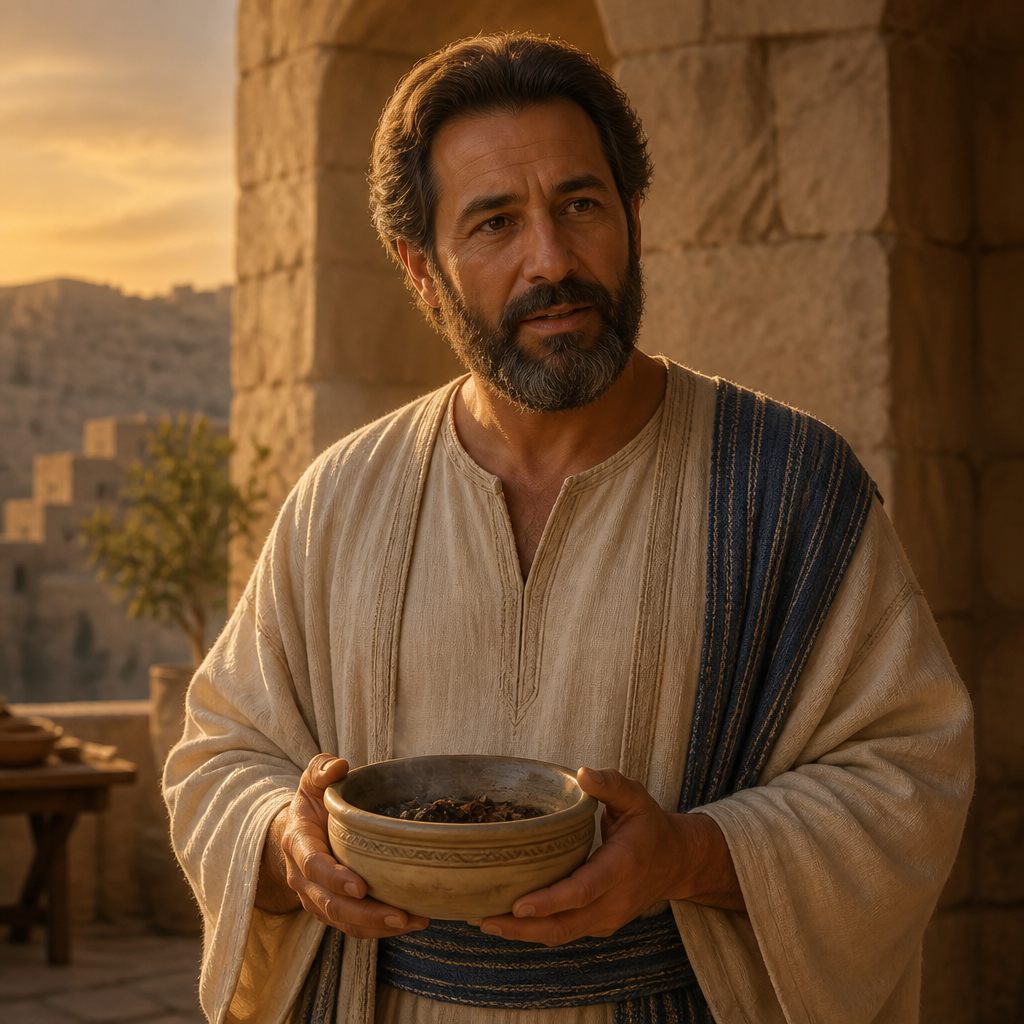
Elkanah, Father of Samuel
Father of the prophet Samuel who lived during the era of the conquest and the judges
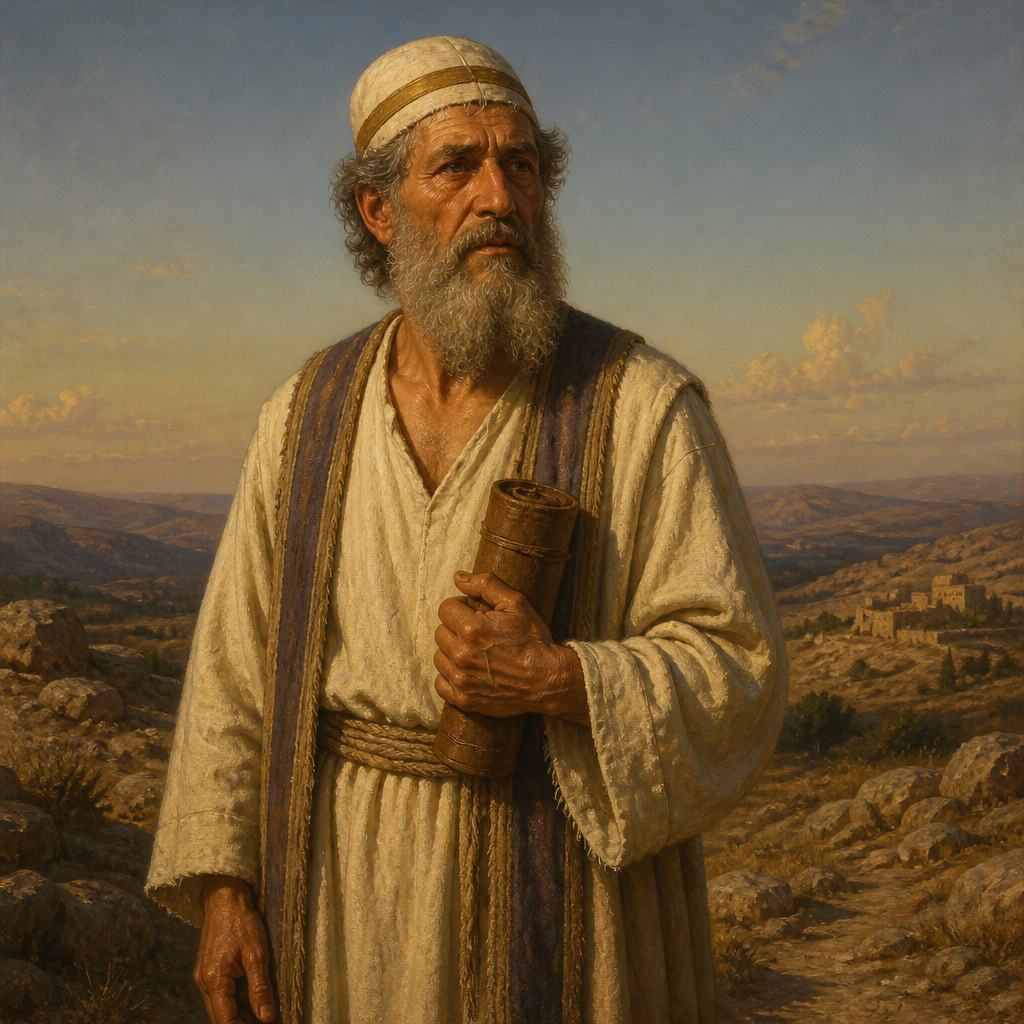
Abiathar
High priest who escaped the massacre at Nob and supported King David
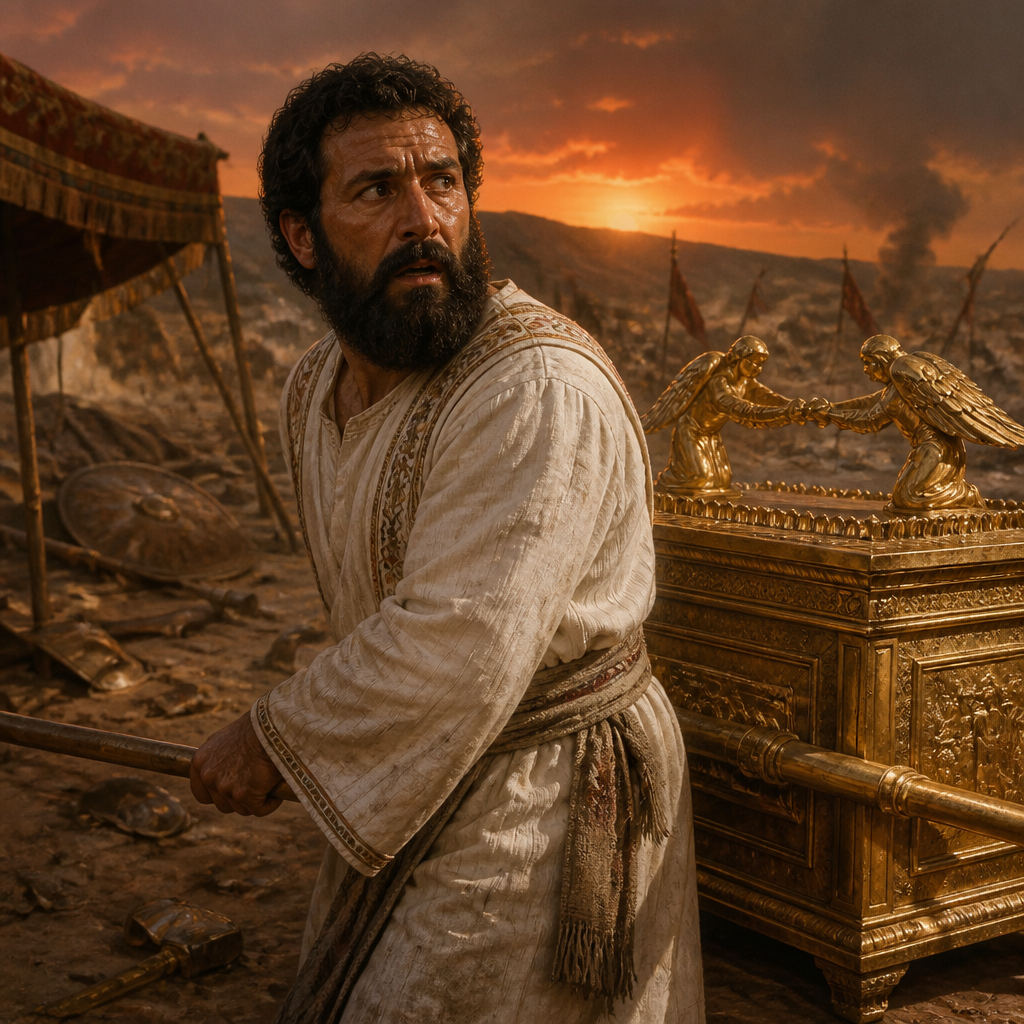
Phinehas, Son of Eli
Priest of Shiloh whose death fulfilled a prophecy of judgment against the house of Eli
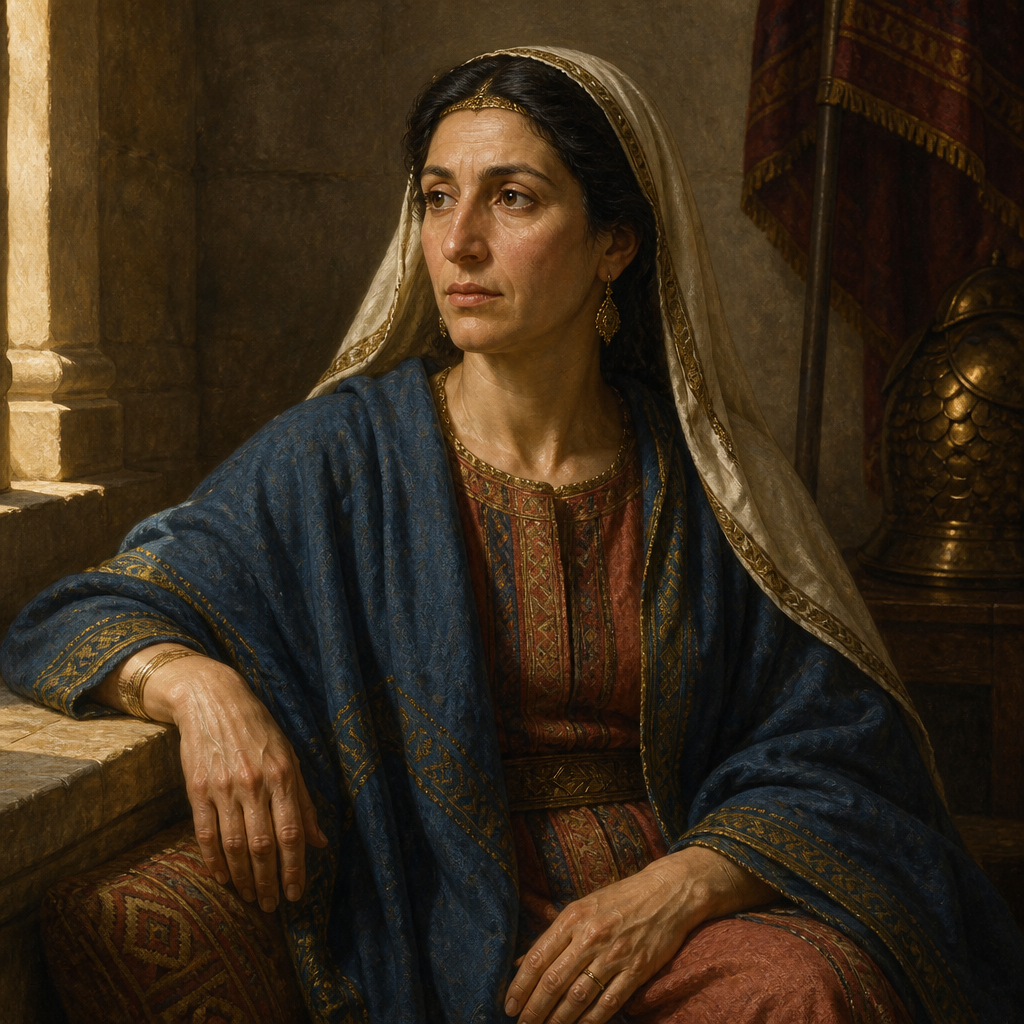
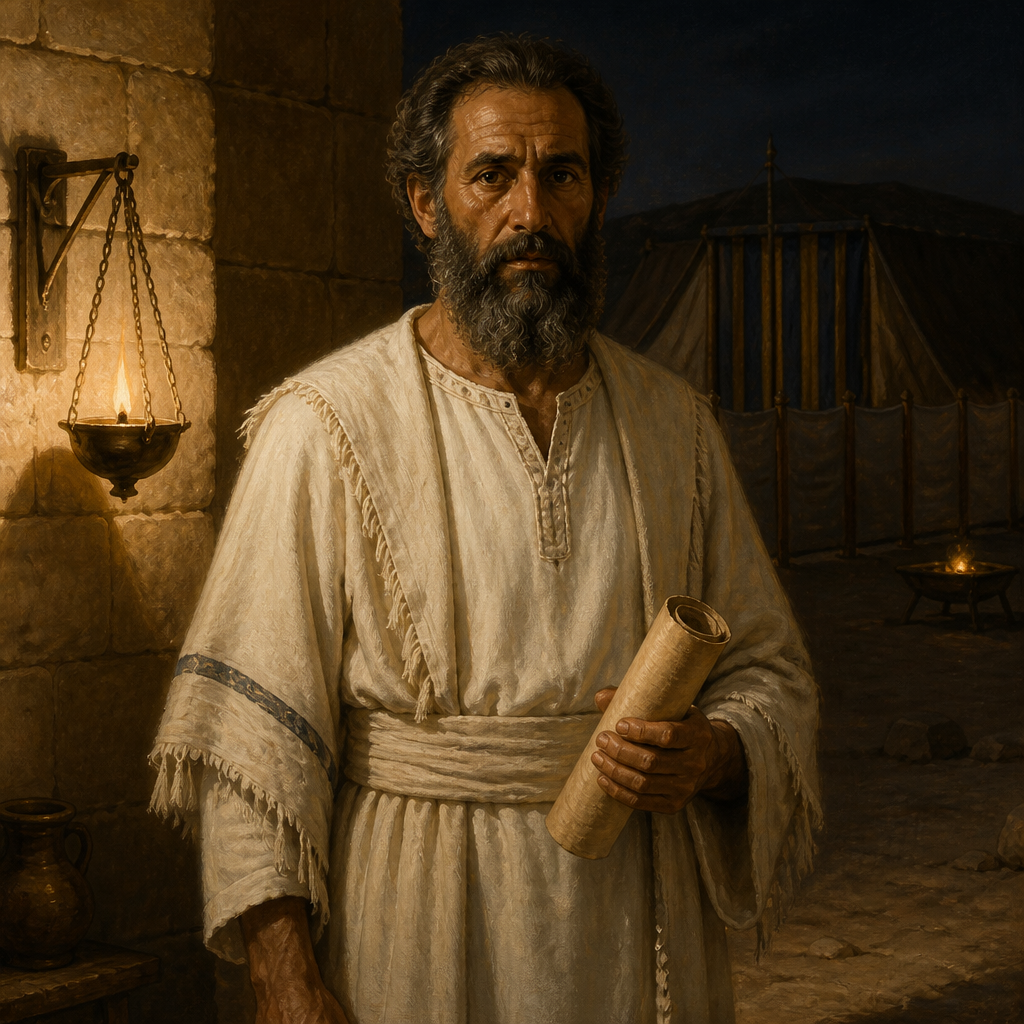
Ahitub, Son of Phinehas
Grandson of Eli and father of Ahimelech the High Priest of Nob
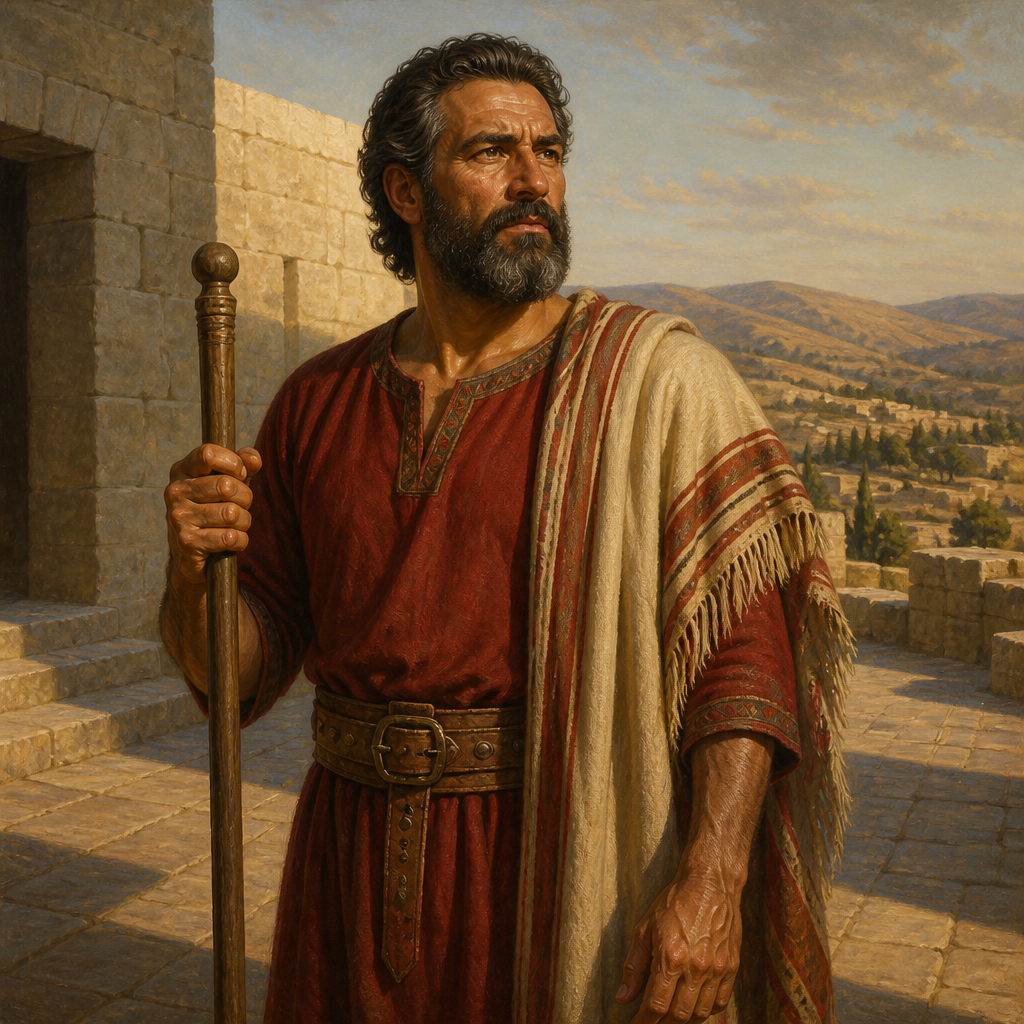
Baal, Benjaminite of the United Monarchy
Benjaminite son of Jeiel and uncle of King Saul
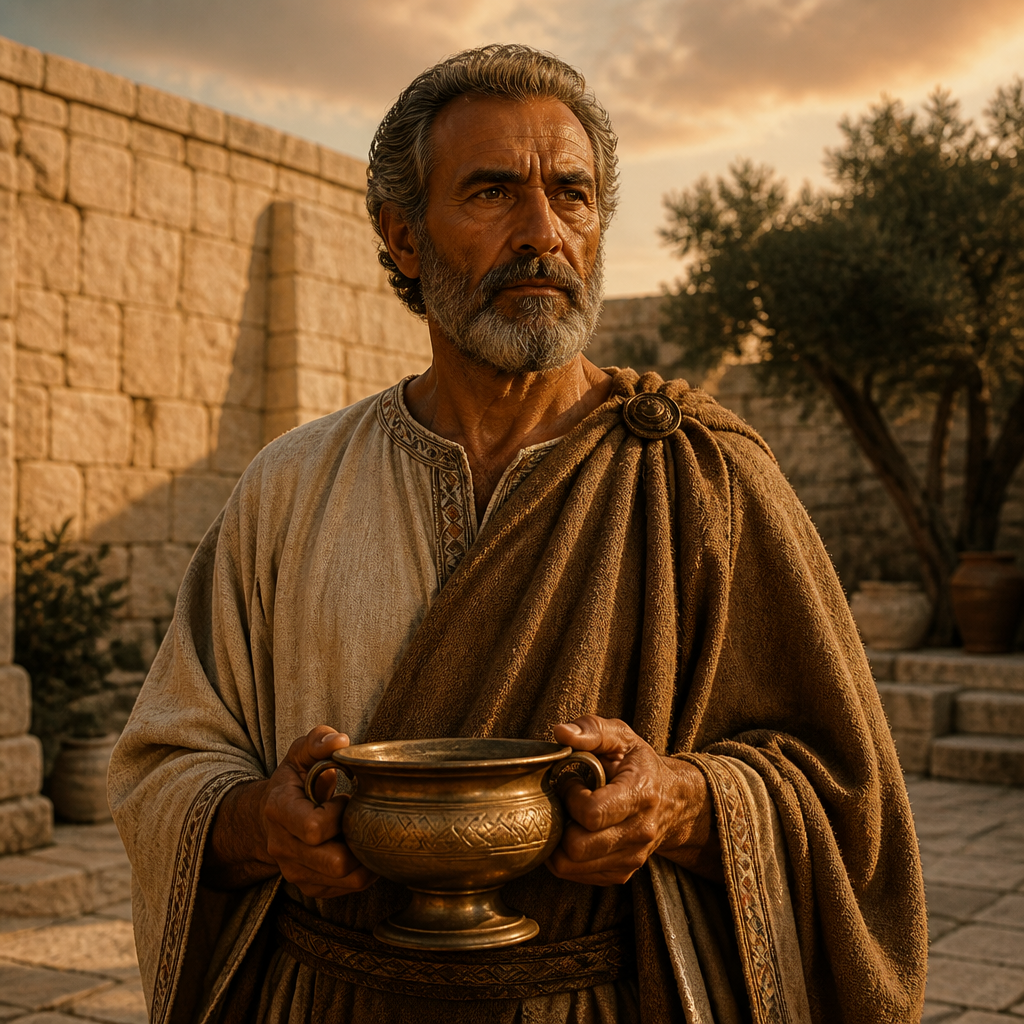
Ner
Father of Abner and uncle of King Saul who dedicated spoils to the house of God
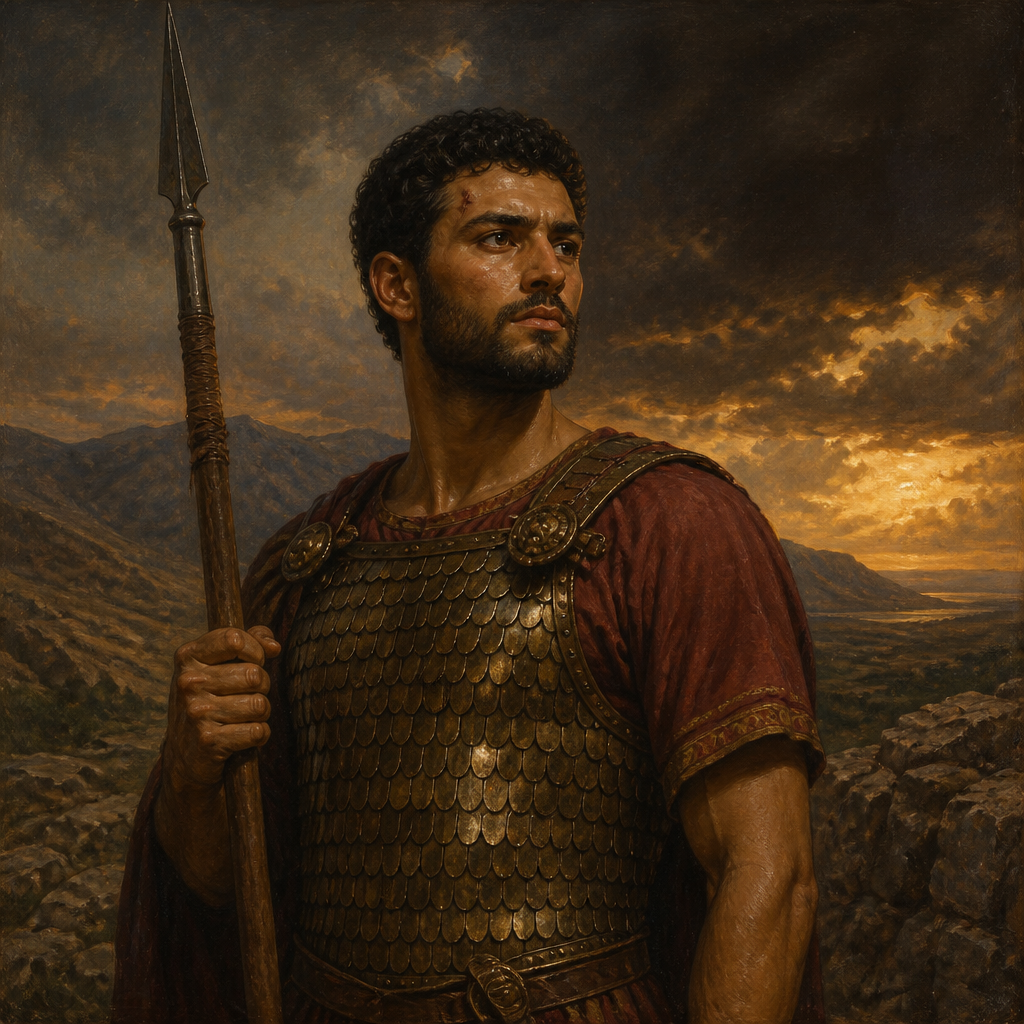
Abinadab, Son of King Saul
Son of King Saul who died at the Battle of Mount Gilboa
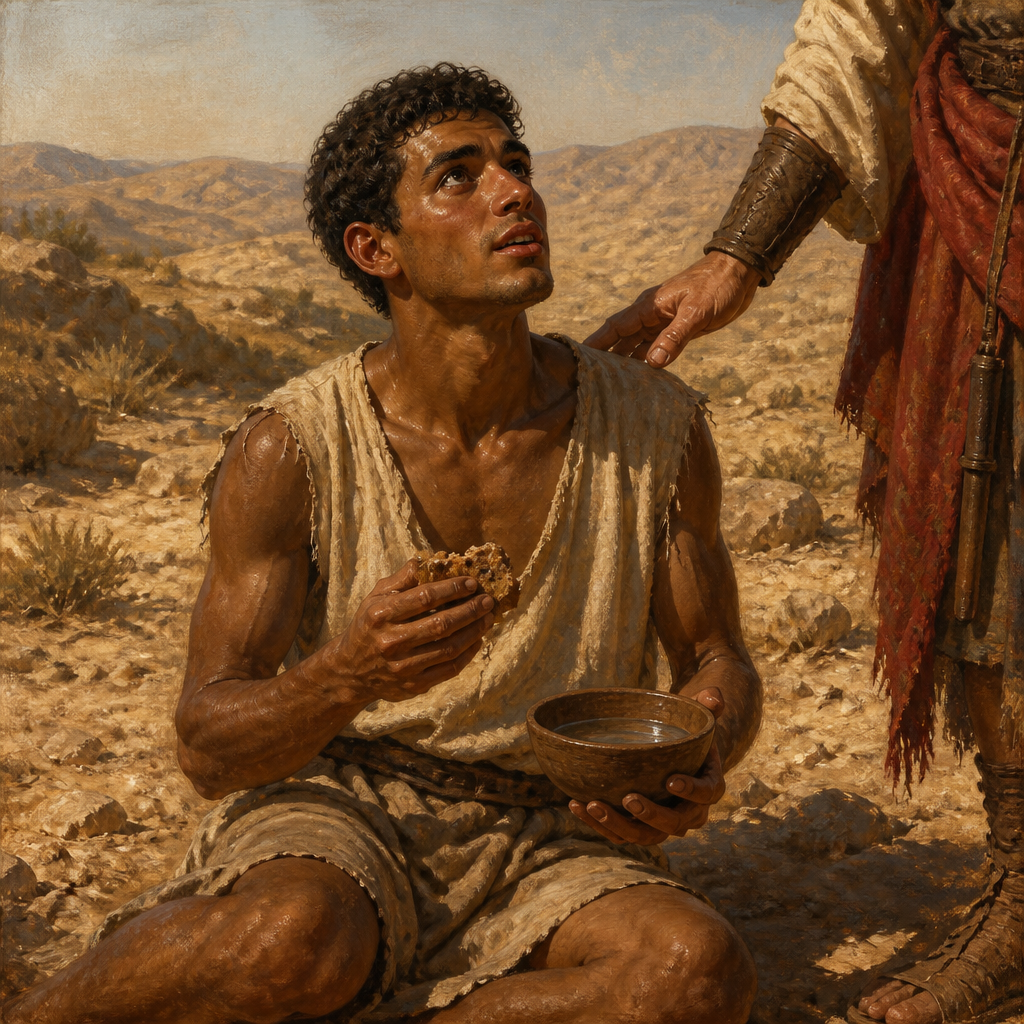
The Egyptian Servant in the Amalekite Camp
Egyptian slave who led David to the Amalekite camp after being abandoned by his master

Eliab, Brother of David
Eldest brother of King David who was passed over for the kingship despite his height and appearance

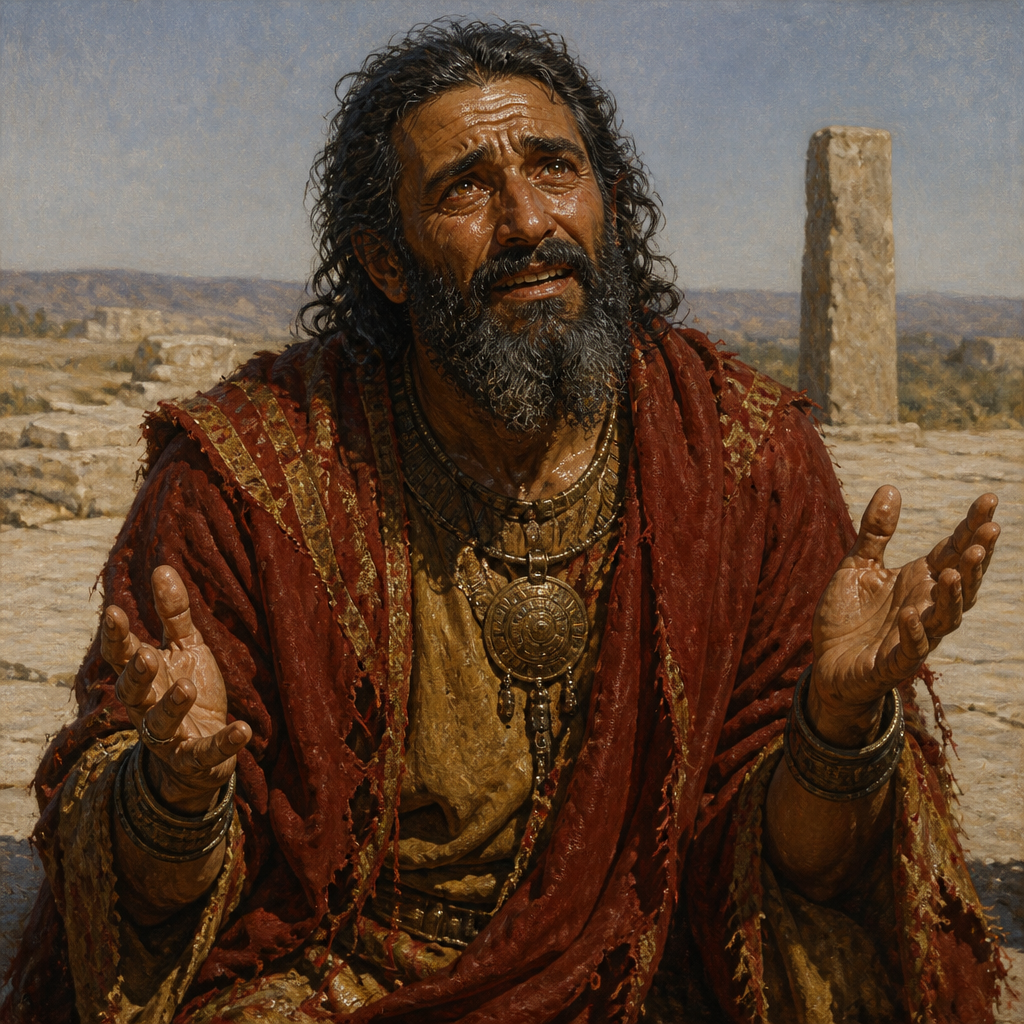
Agag, King of the Amalekites
King of the Amalekites whose life was spared by Saul but ended by the prophet Samuel

Shimeah, Brother of David
Third son of Jesse and brother of King David who served in Saul's army
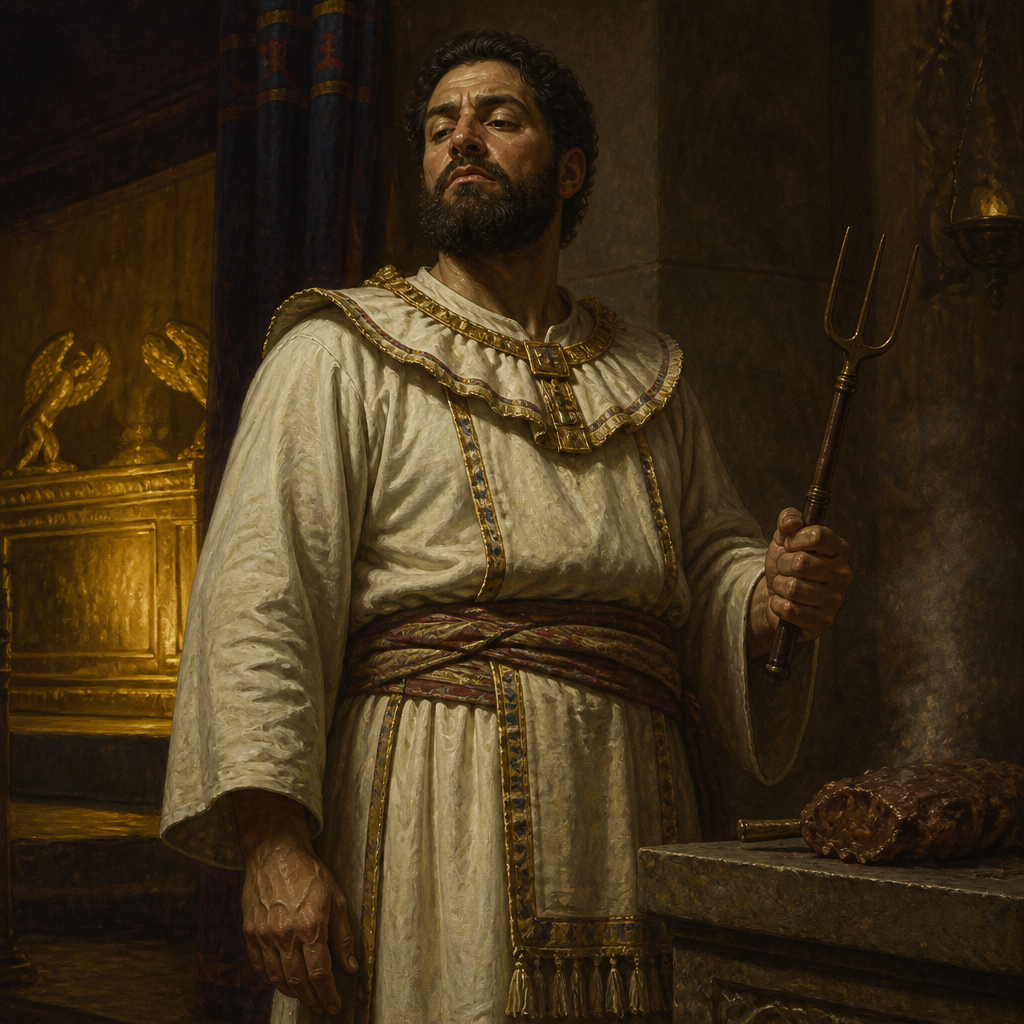
Hophni
Priest of Shiloh whose corruption led to his death and the capture of the Ark
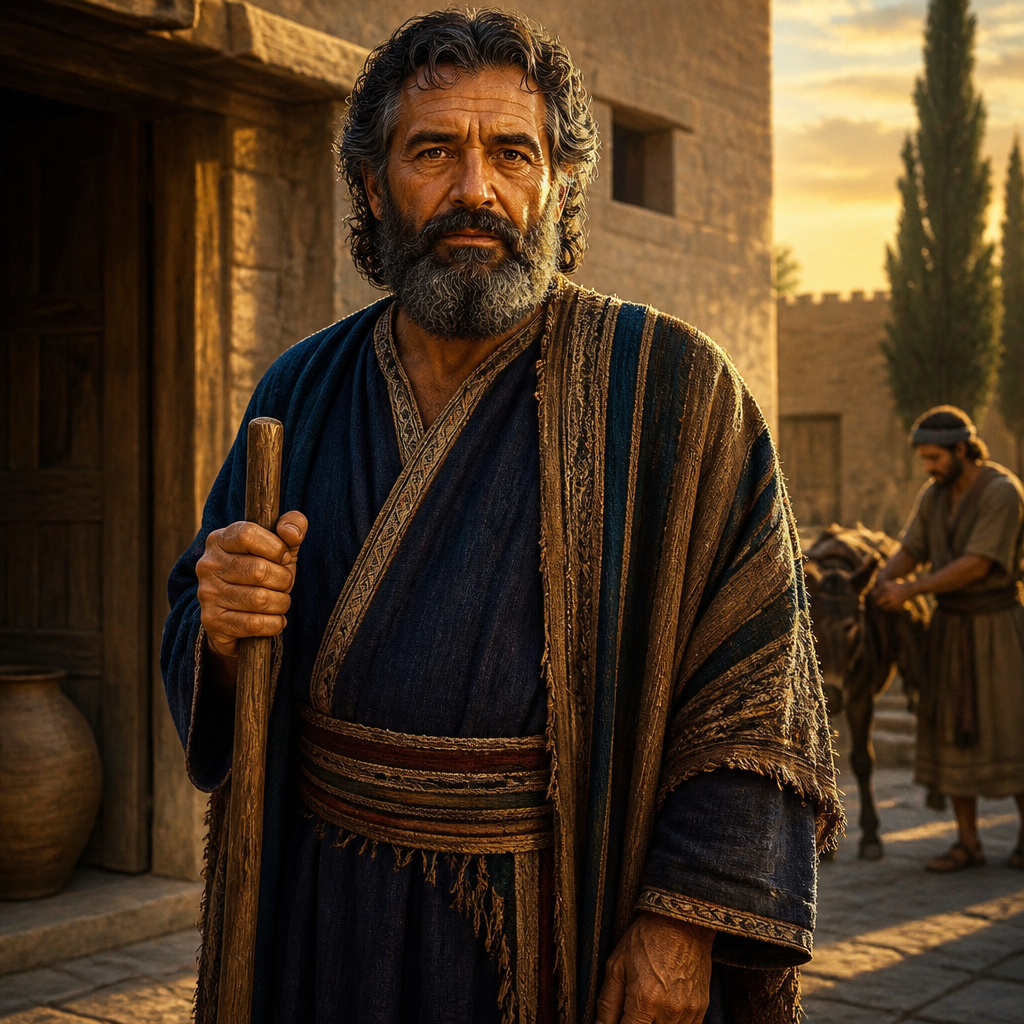
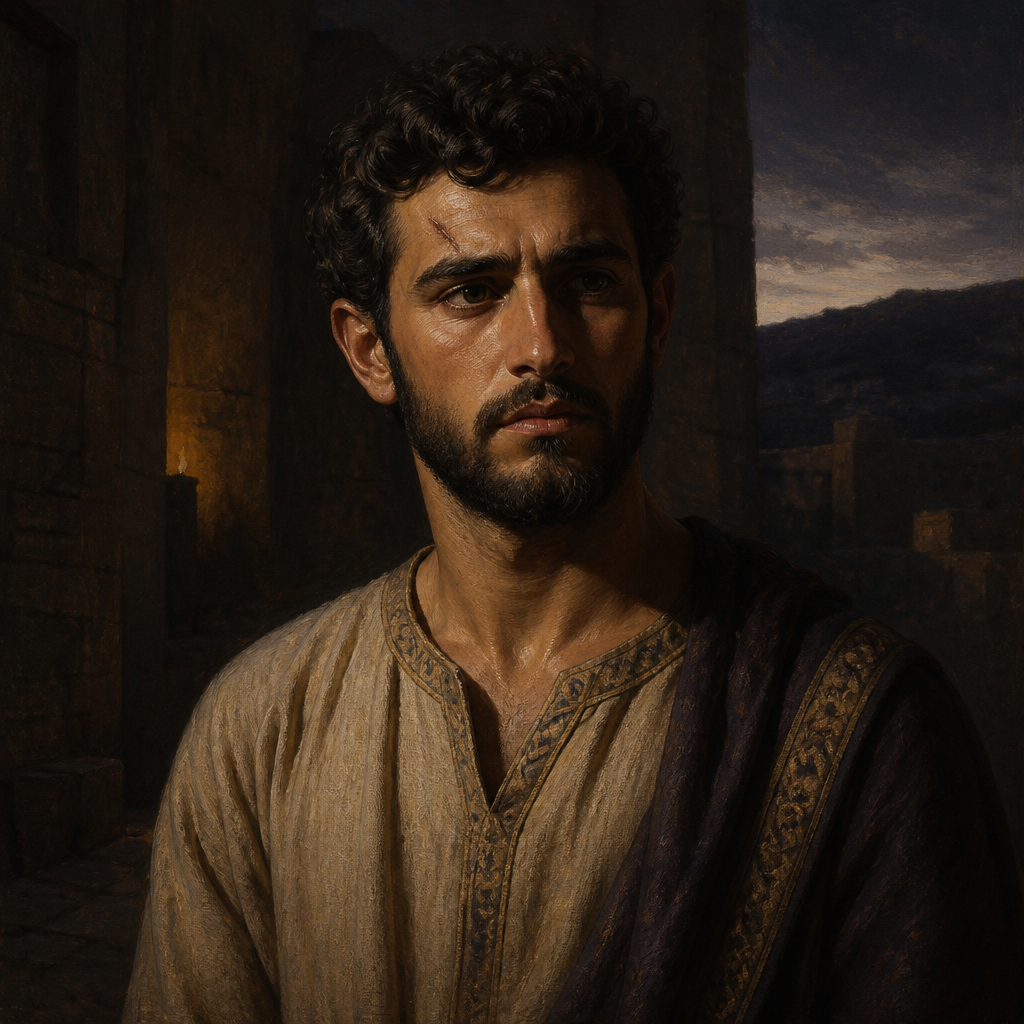
Mephibosheth, Son of Saul and Rizpah
Son of Saul and Rizpah executed to atone for Saul's crimes against the Gibeonites
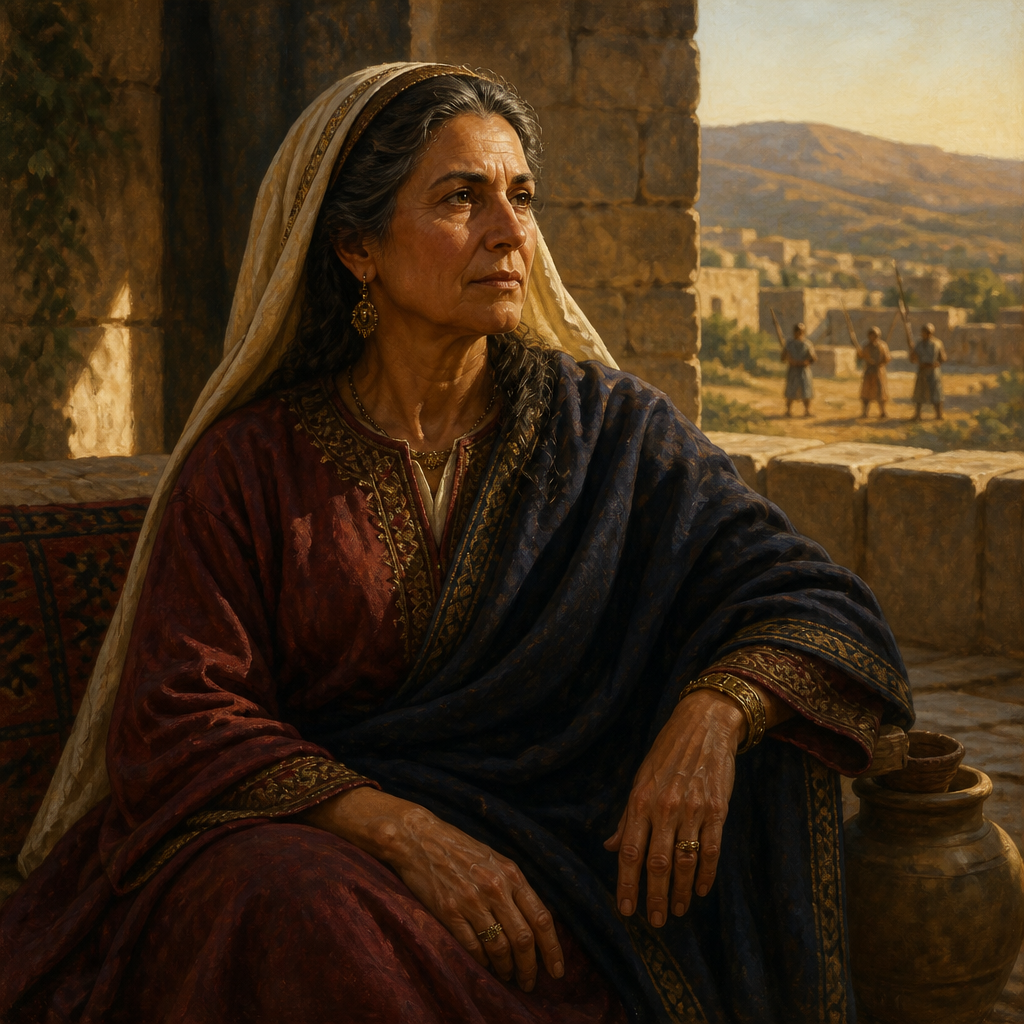
Zeruiah
Mother of Joab and sister of King David whose sons were the primary military leaders of Israel
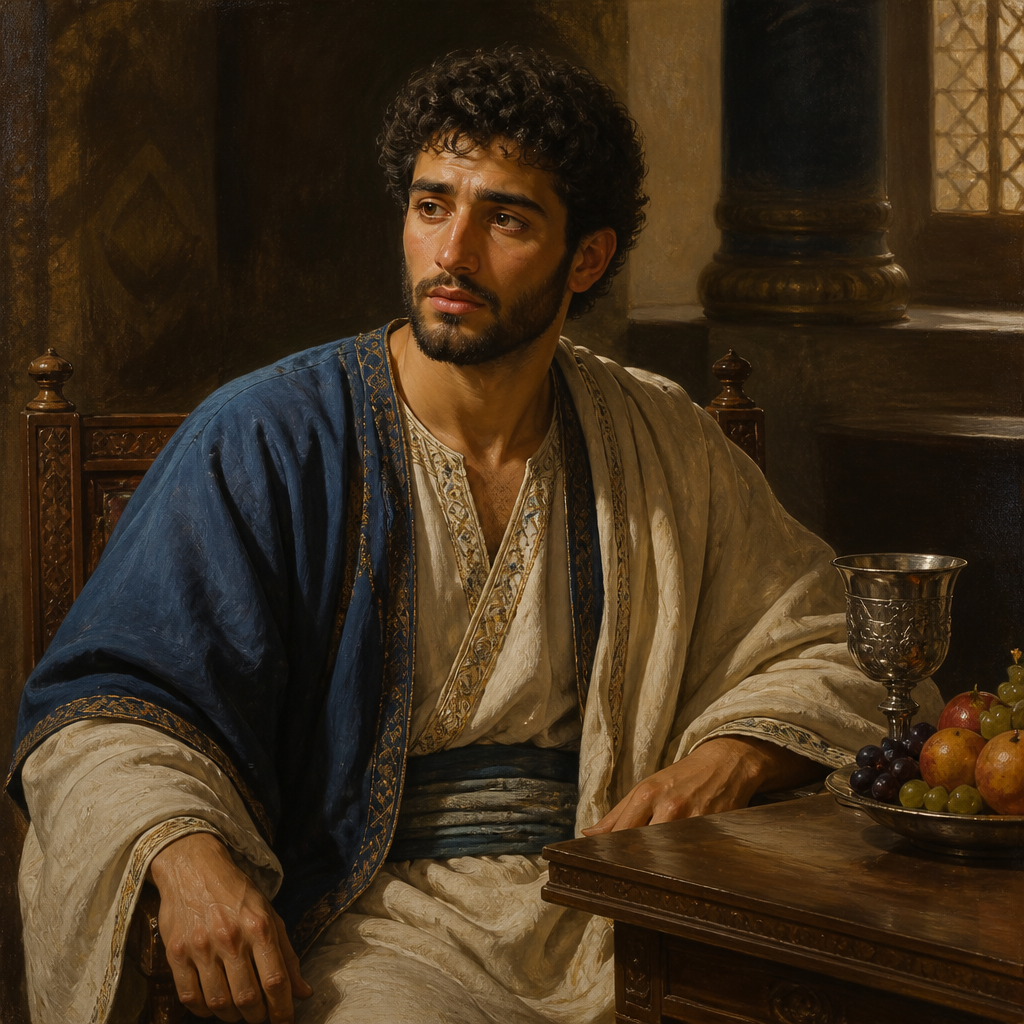
Mephibosheth, Son of Jonathan
Son of Jonathan who was granted a place at King David's table despite being from the house of Saul

Elihu, Brother of David
brother of King David and tribal leader of Judah


Abishai
Military commander and nephew of David who served as chief of the Three and killed three hundred men in one battle

Merab
Eldest daughter of King Saul who was promised to David but married to Adriel
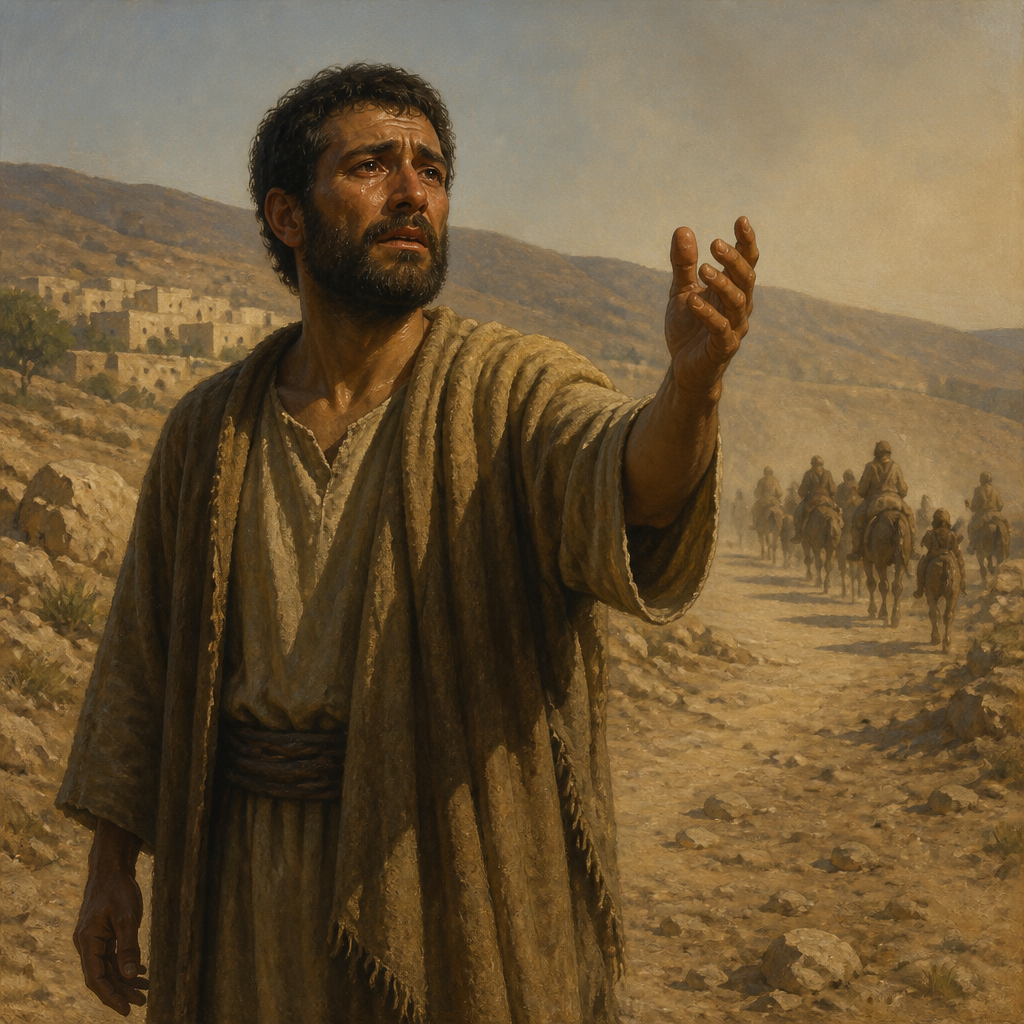
Palti, Husband of Michal
Husband given King Saul's daughter Michal after David fled into exile

Zur, Son of Jeiel of Gibeon
Benjaminite son of Jeiel and uncle of King Saul who resided in Gibeon


Abinadab, Son of Jesse
second son of Jesse who was passed over for kingship in favor of David
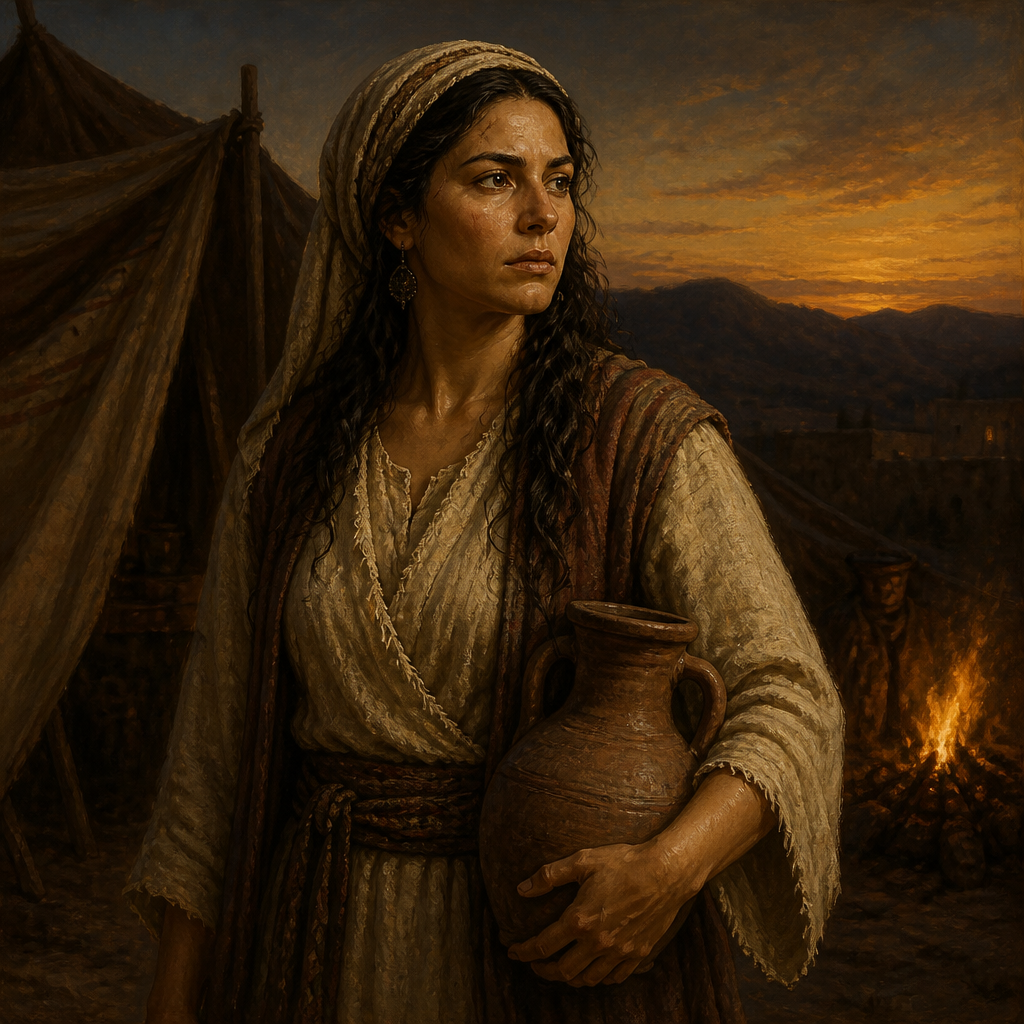
Ahinoam of Jezreel, Wife of David
Wife of King David and mother of his firstborn son Amnon

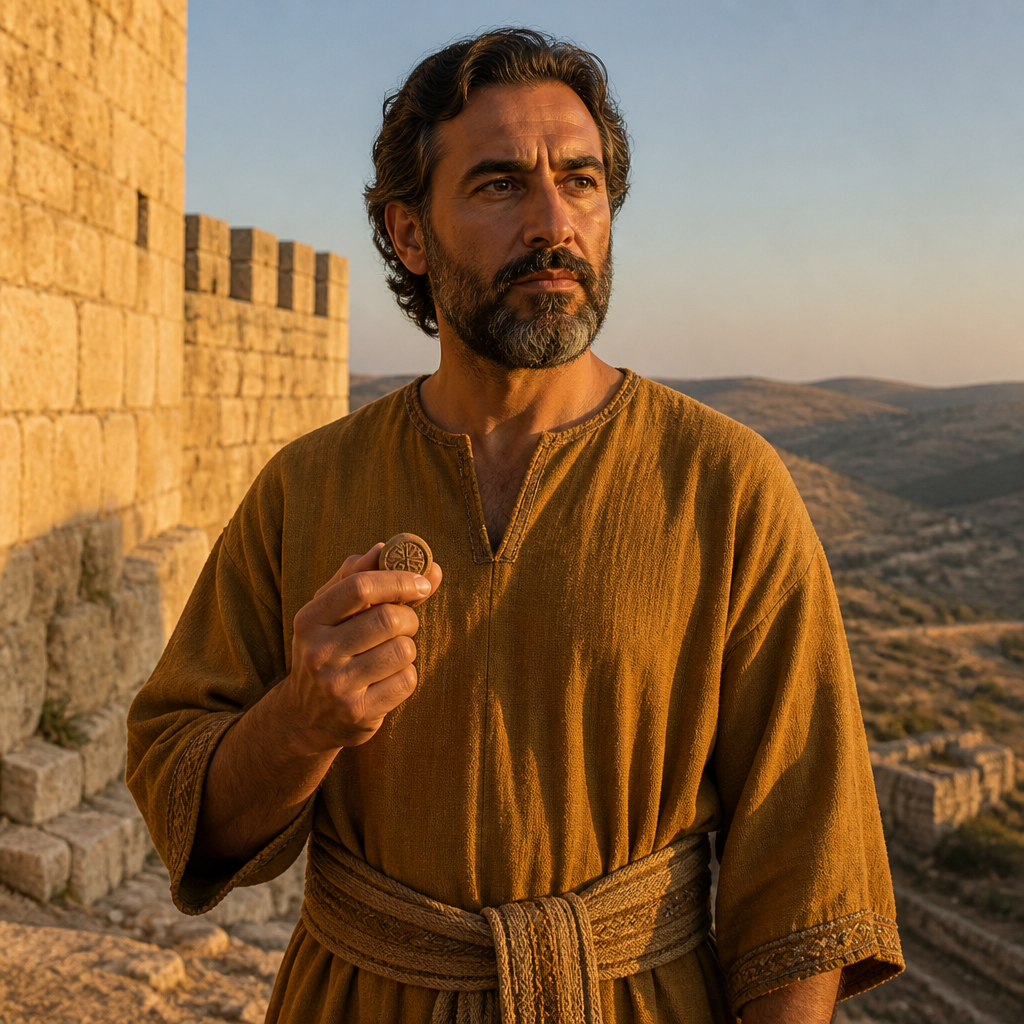
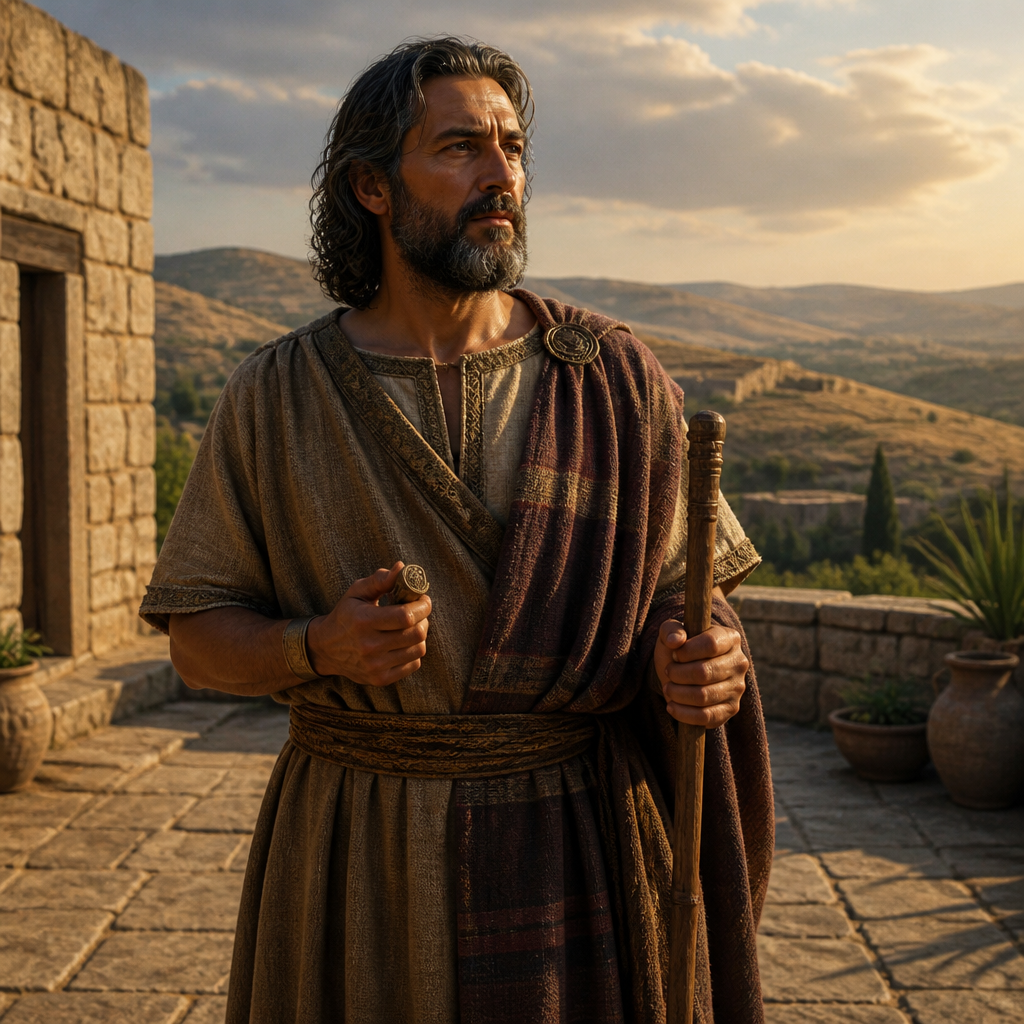
Ahio, Son of Abiel
Benjaminite of the United Monarchy and uncle of King Saul
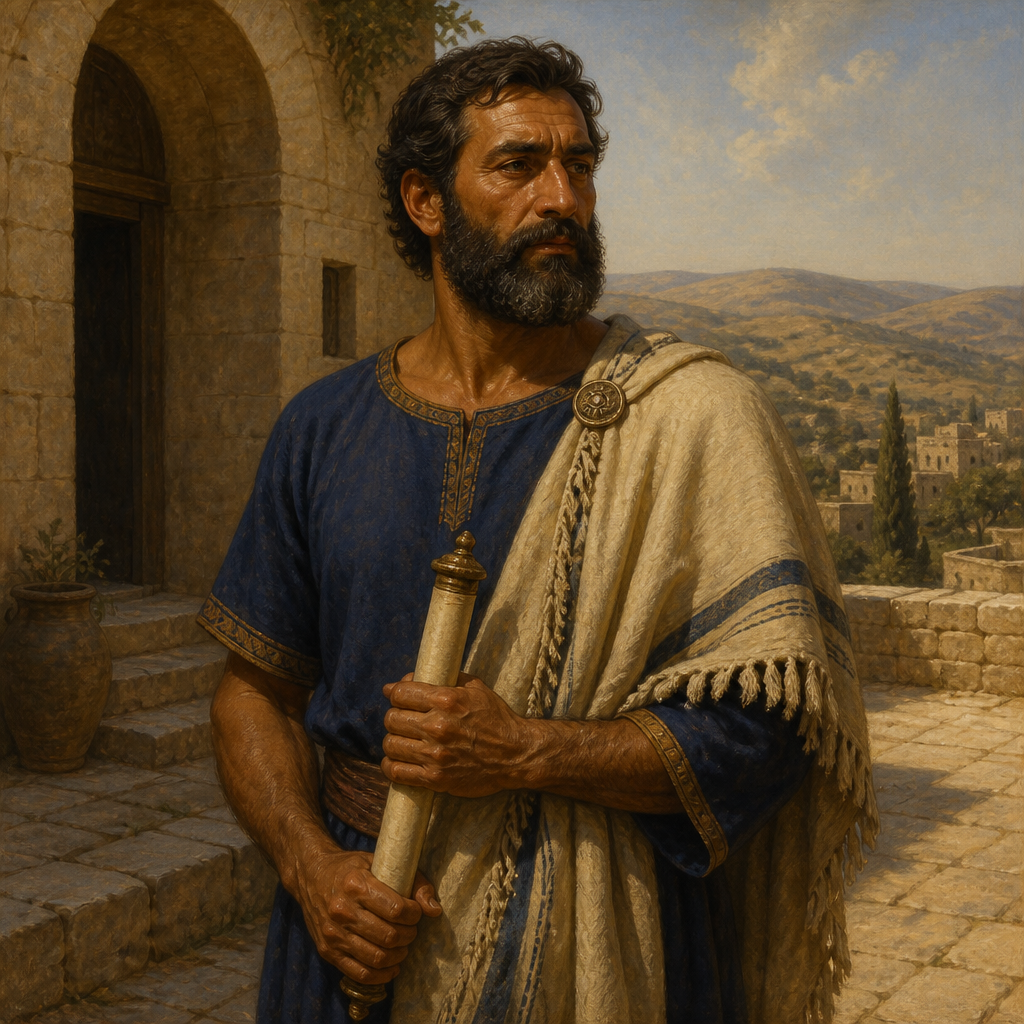
Nadab, Son of Abiel
Uncle of King Saul and member of the Benjaminite nobility in Gibeon
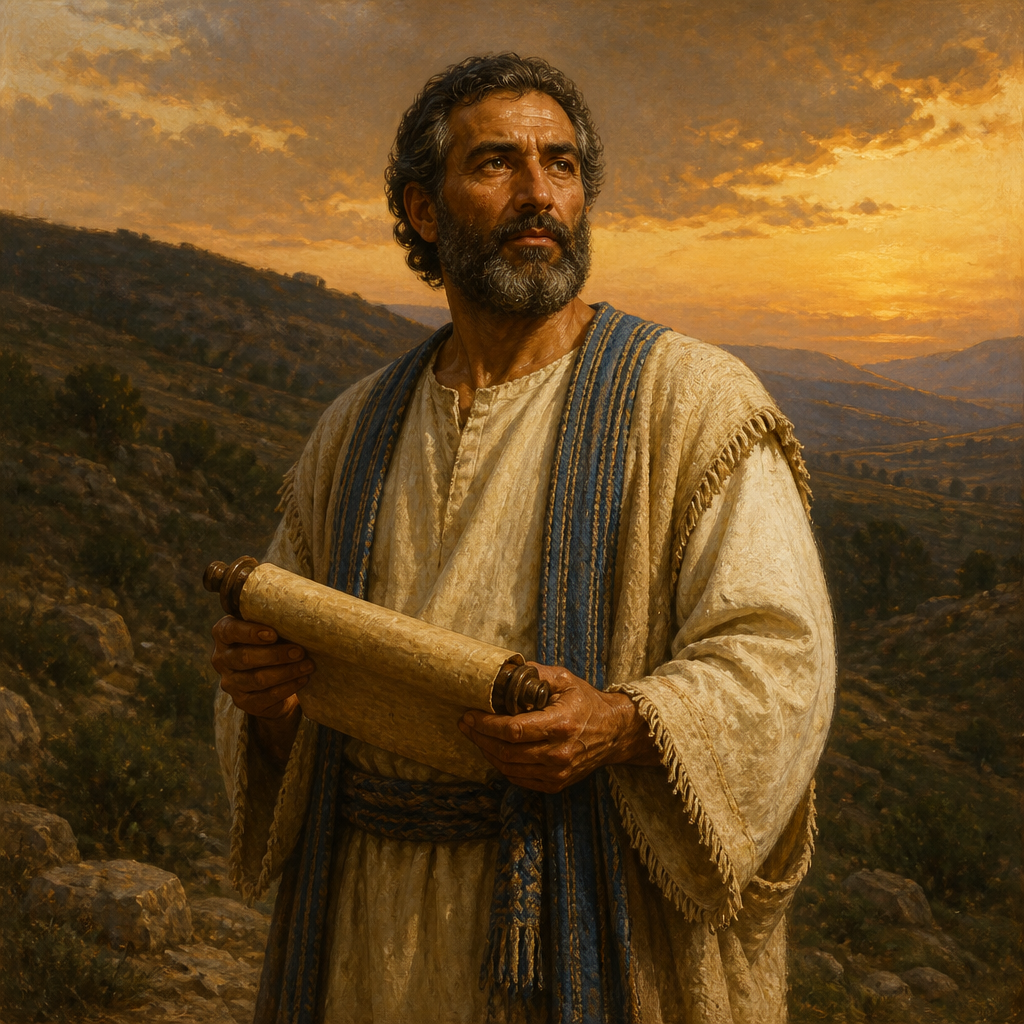
Jeroham, Grandfather of Samuel
Levite ancestor of the prophet Samuel and father of Elkanah
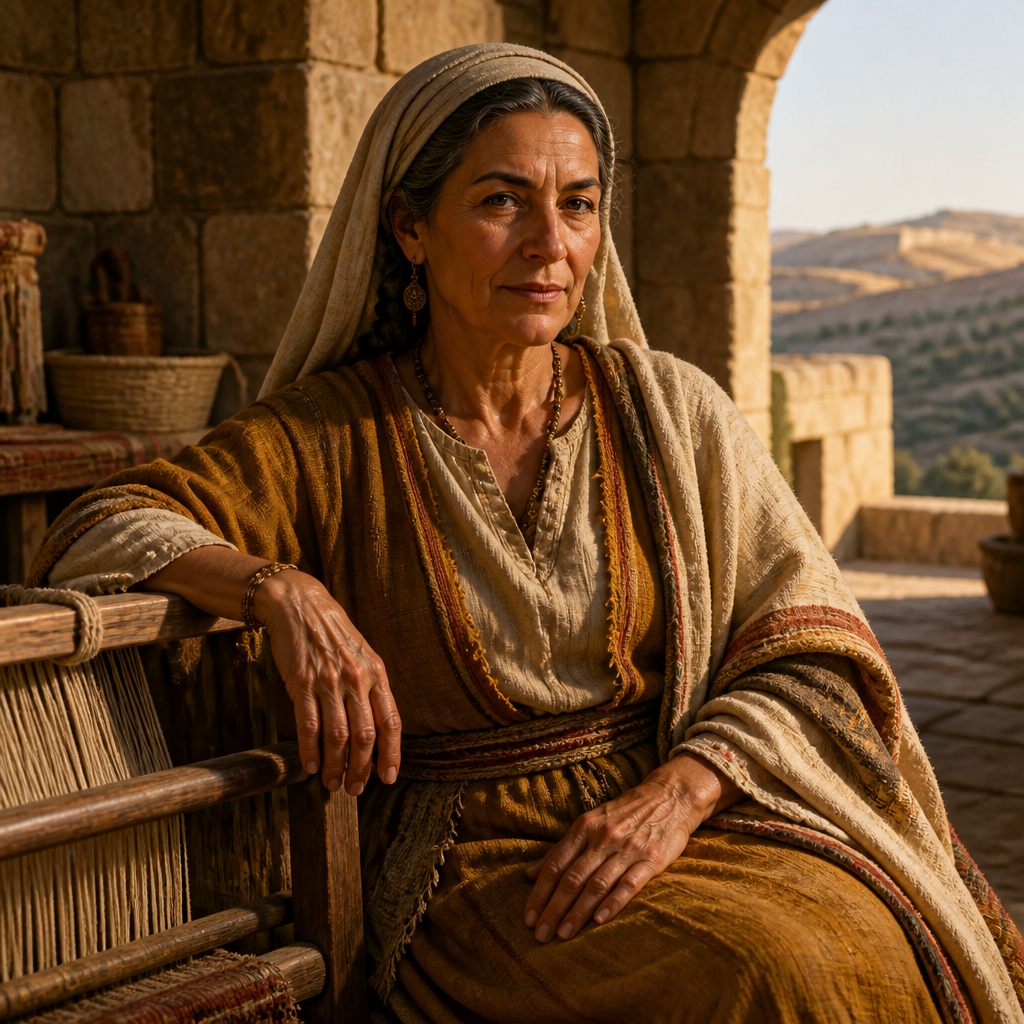
Maacah, Wife of Jeiel
Matriarch of the house of Saul and wife of Jeiel of Gibeon
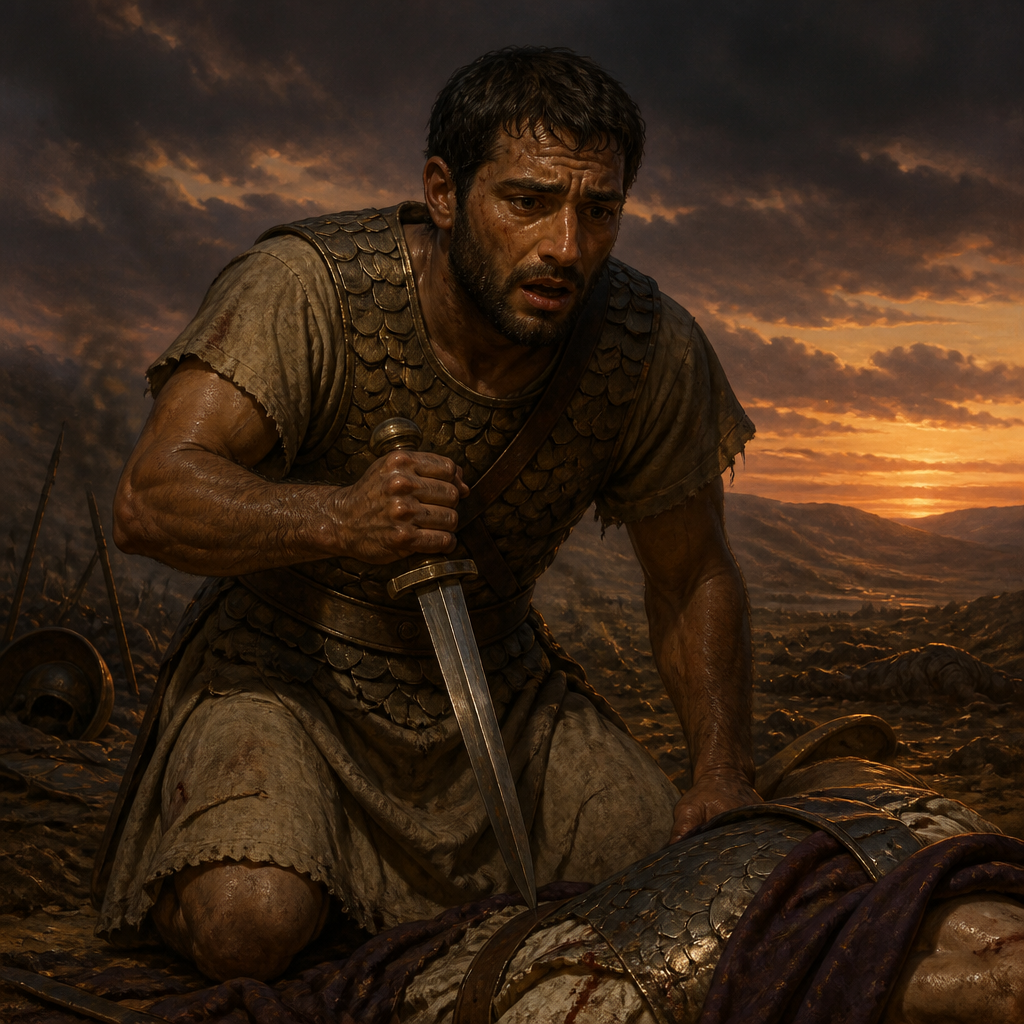
Saul's Armor-Bearer
Official who died by suicide alongside King Saul at the Battle of Mount Gilboa
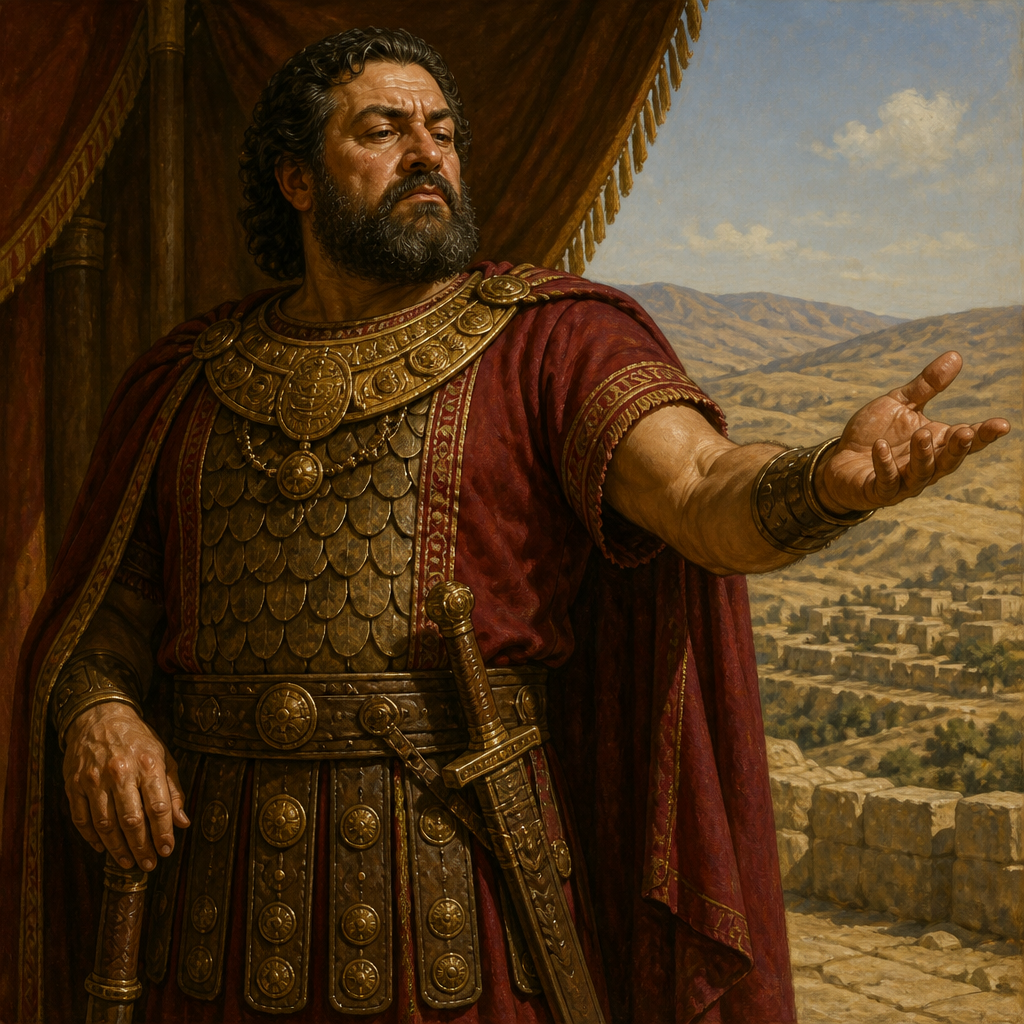
Nahash the Ammonite (1 Samuel 11)
King of the Ammonites who besieged Jabesh-gilead and demanded the right eyes of its inhabitants
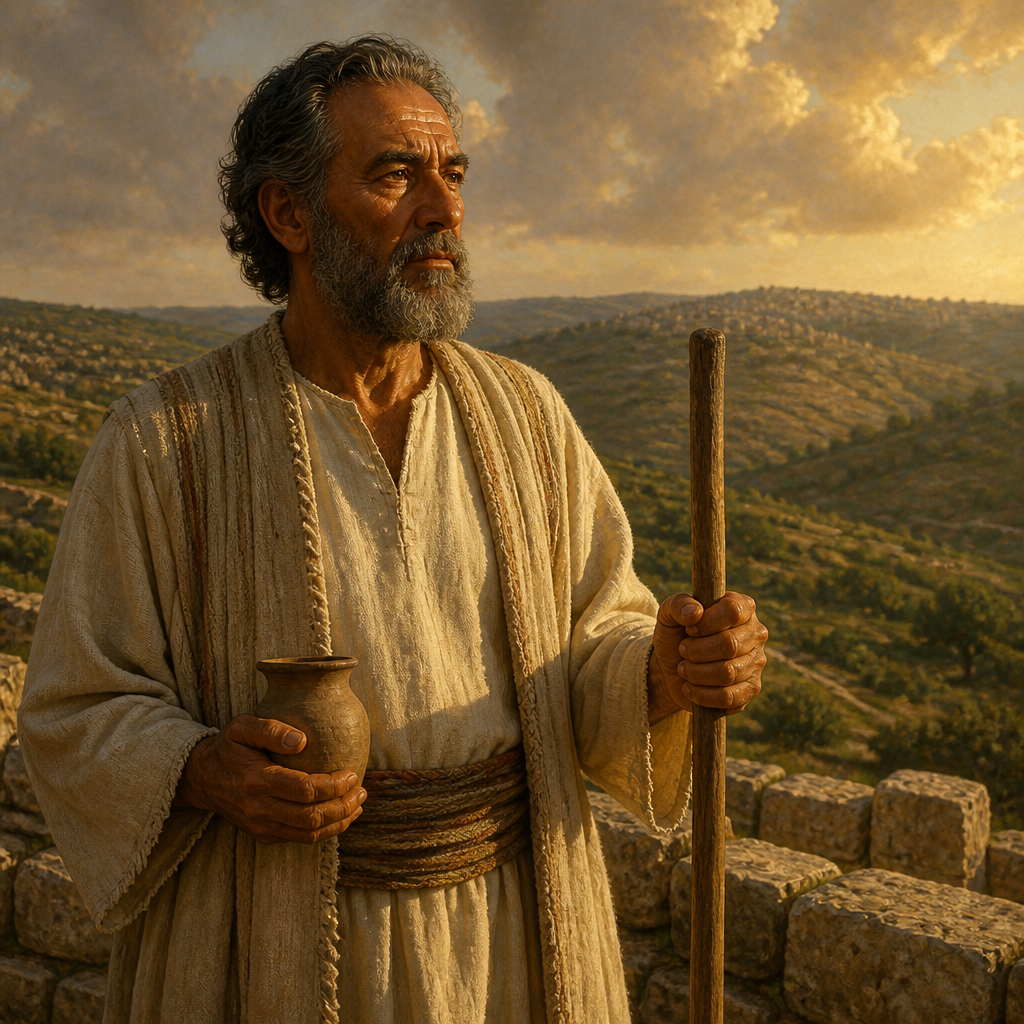
Elihu, Great-grandfather of Samuel
Levite ancestor of the prophet Samuel residing in the hill country of Ephraim
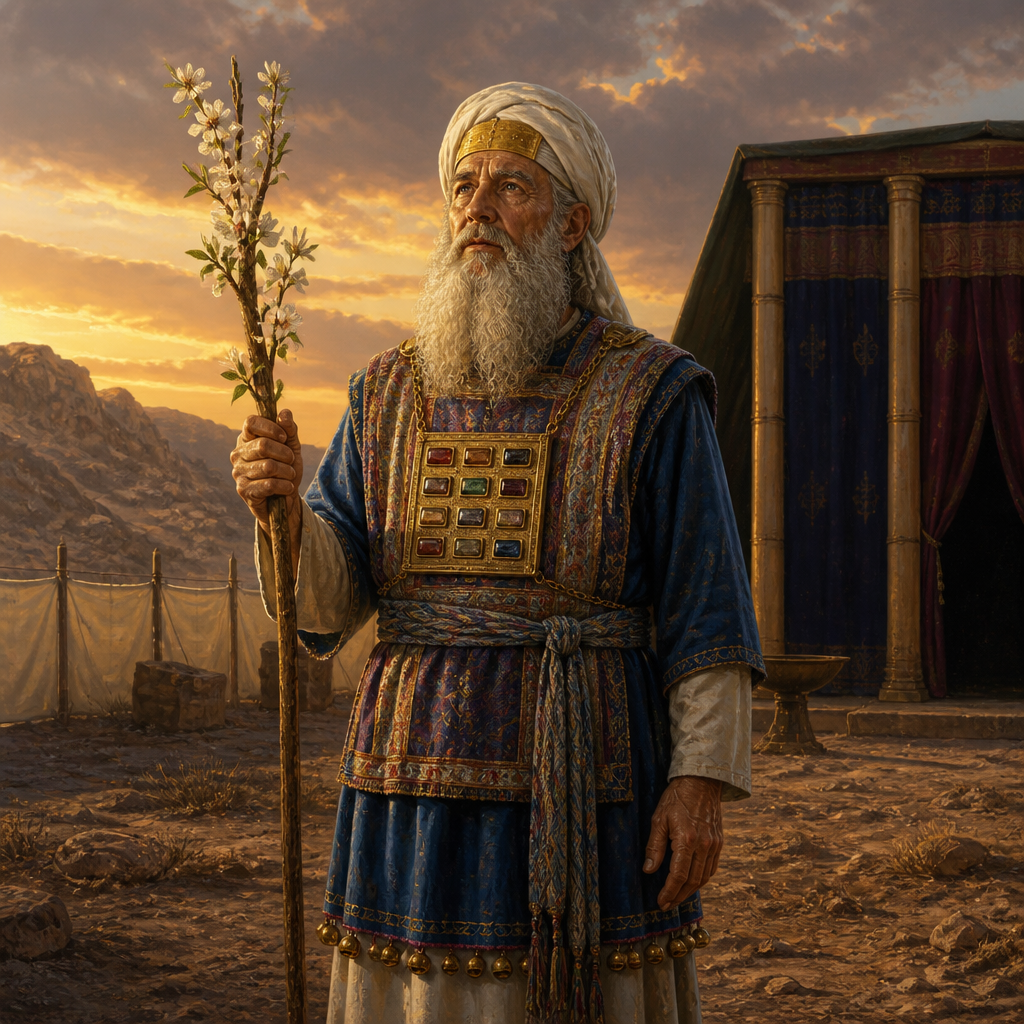
Aaron
First High Priest of Israel who served as the spokesman for Moses during the Exodus
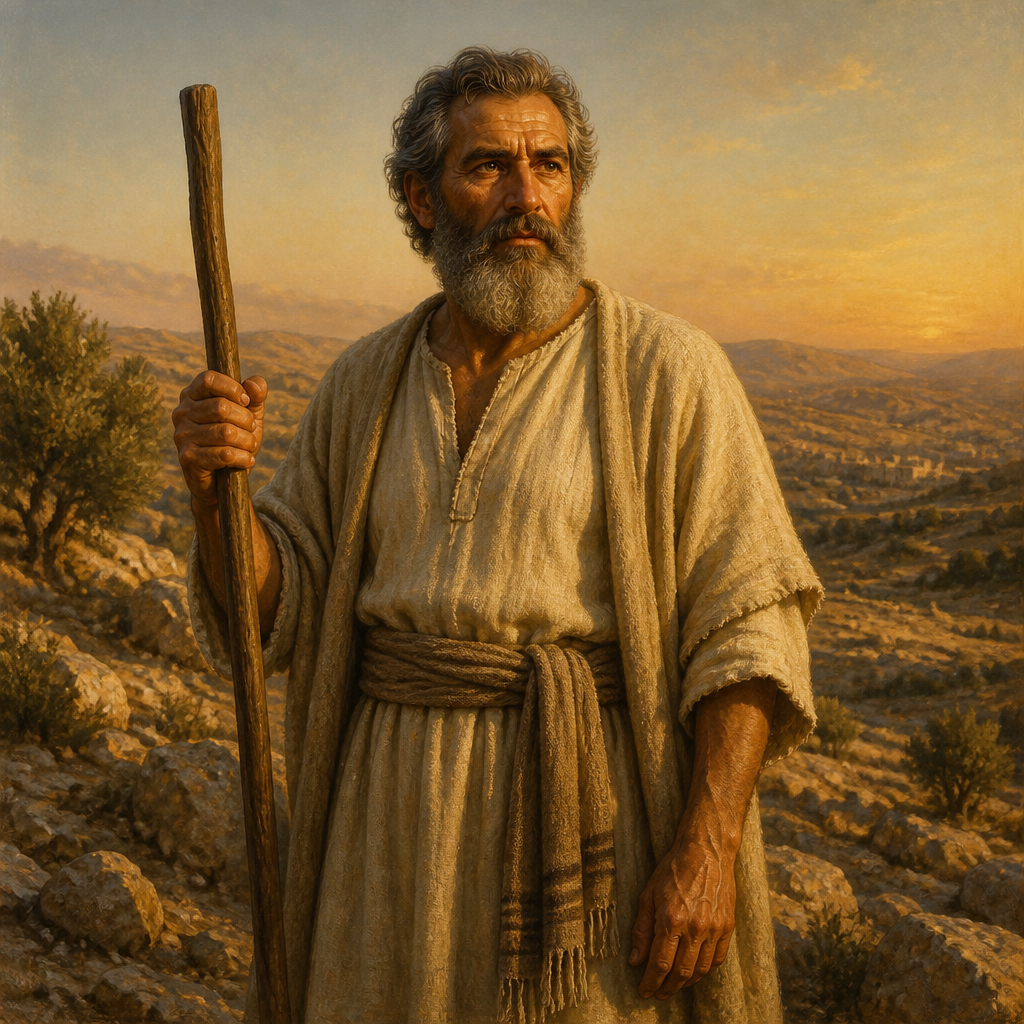
Zeror
Great-grandfather of King Saul who appears in the royal genealogy of the tribe of Benjamin
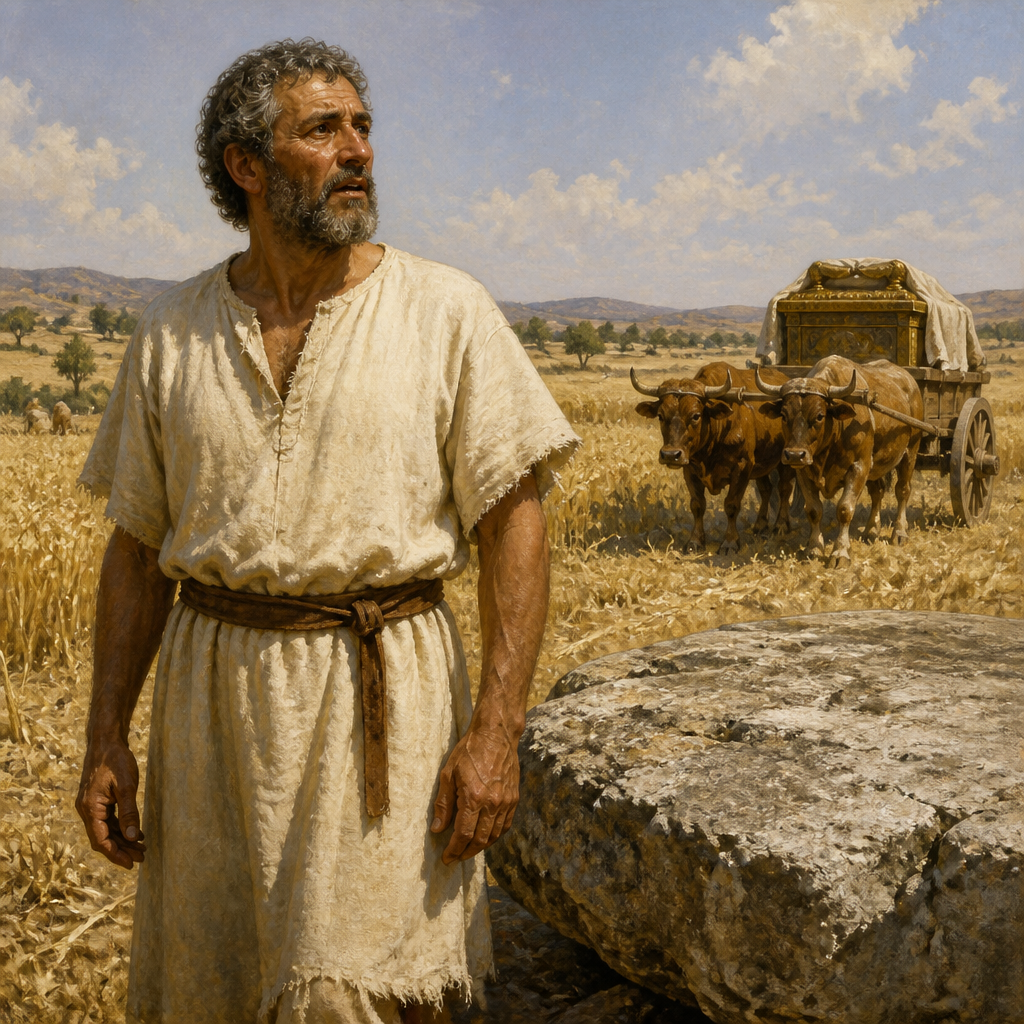
Joshua of Beth-shemesh
Landowner whose field received the Ark of the Covenant from the Philistines
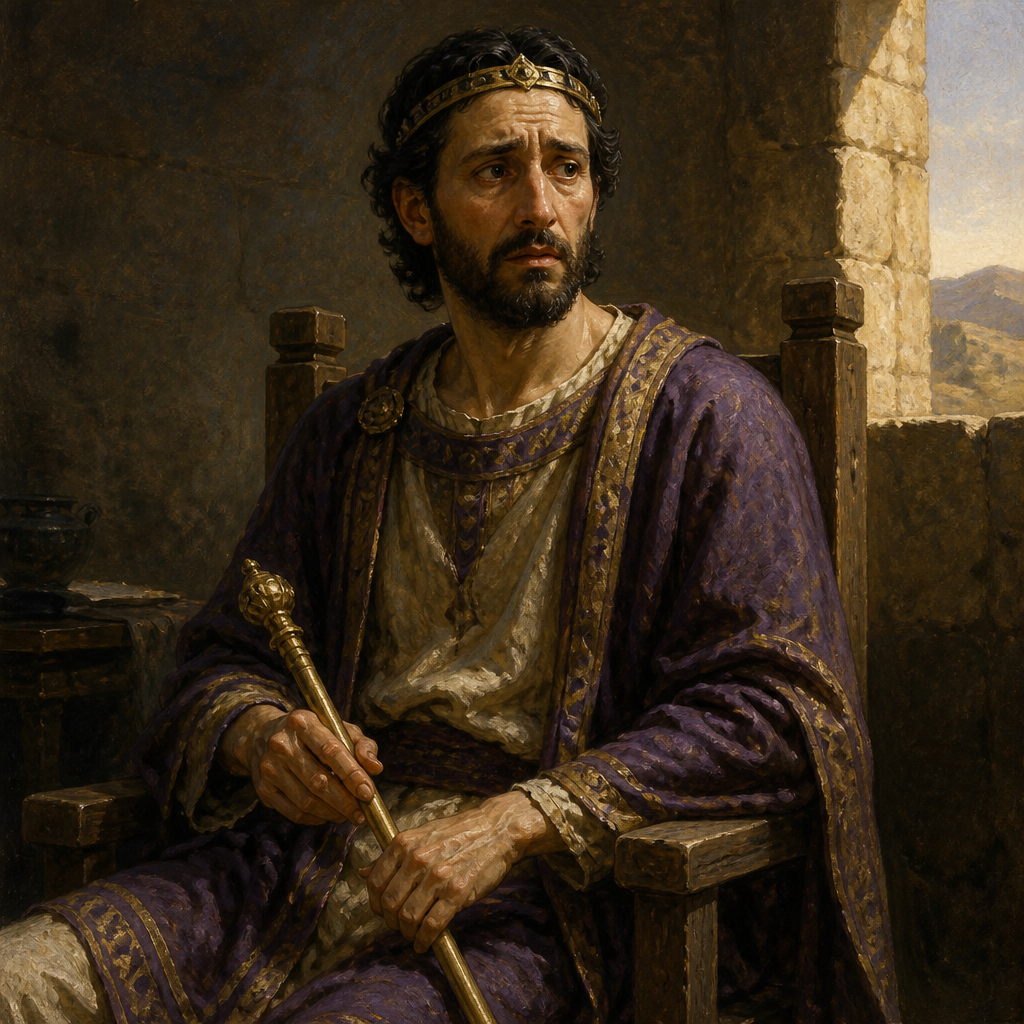
Ish-bosheth
King of Israel who succeeded Saul and fought a civil war against David
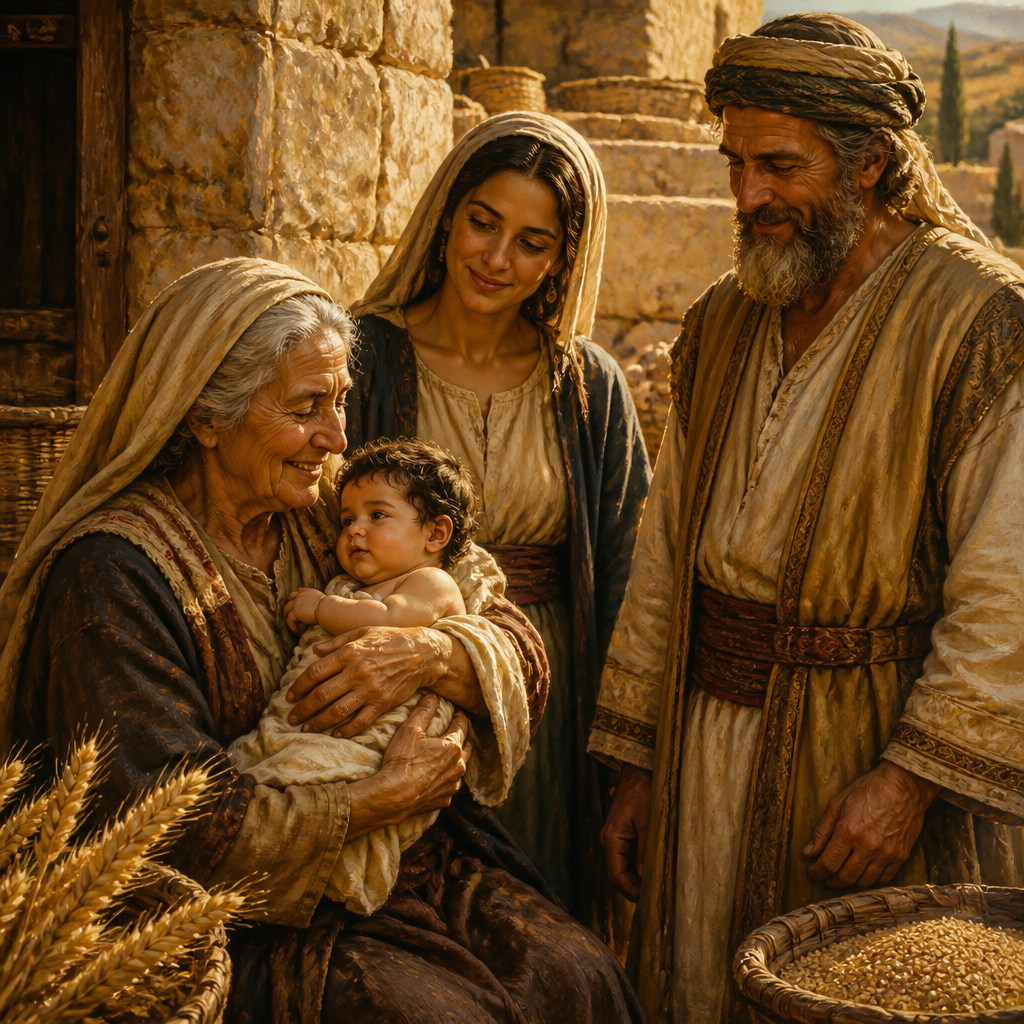
Obed, Son of Boaz and Ruth
Grandfather of King David and son of Boaz and Ruth
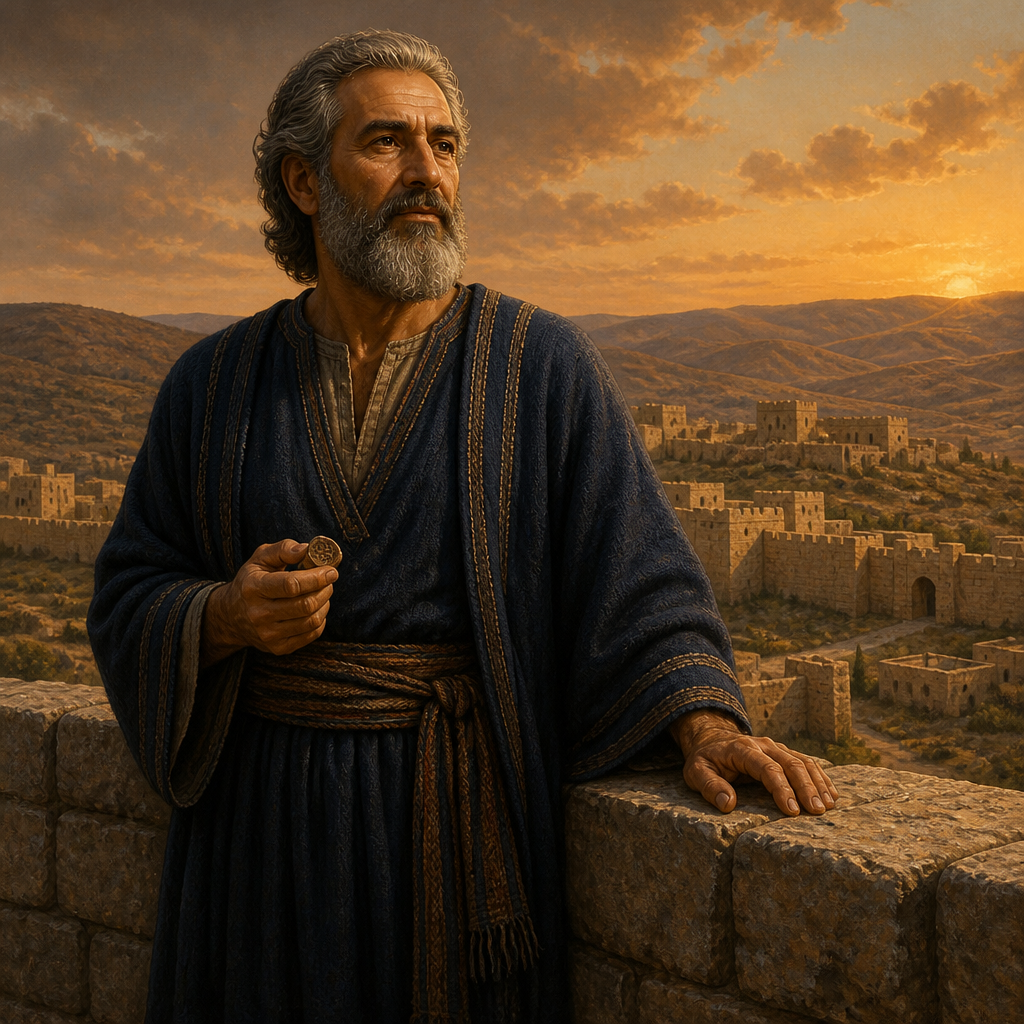
Mikloth, Benjaminite of the United Monarchy
Uncle of King Saul and Benjaminite resident of Jerusalem
Zuph
Levite ancestor of the prophet Samuel who settled in the hill country of Ephraim
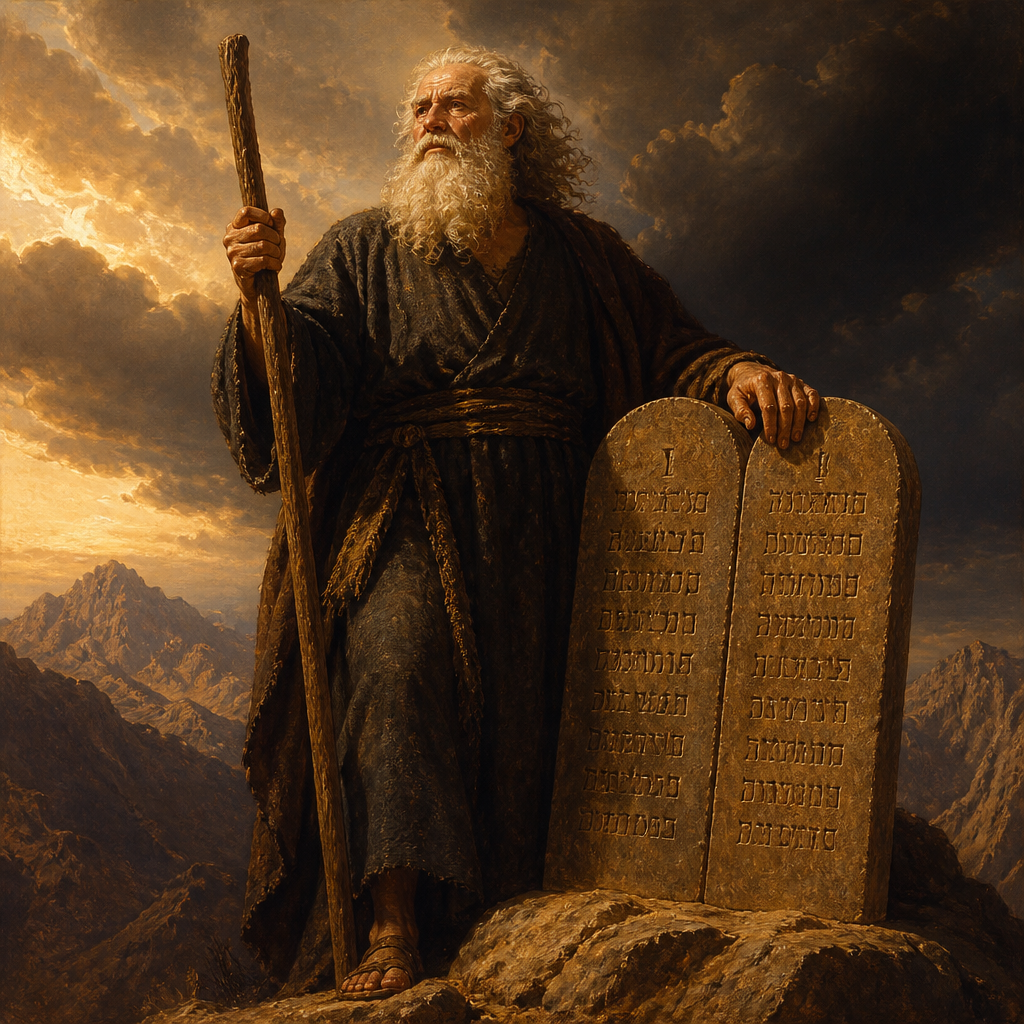
Moses
Prophet who led the Israelites out of Egypt and received the Ten Commandments
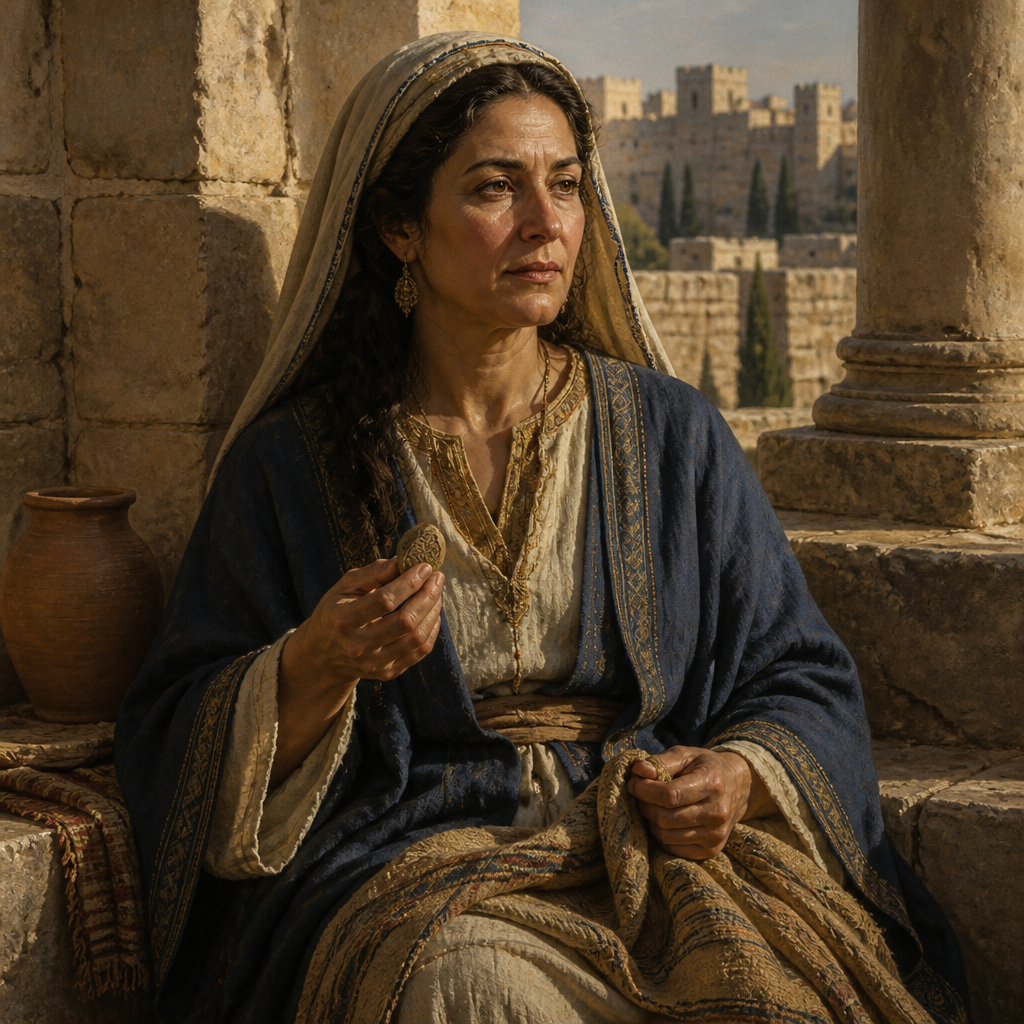
Abihail, Daughter of Eliab
Mother of Mahalath and daughter of Eliab
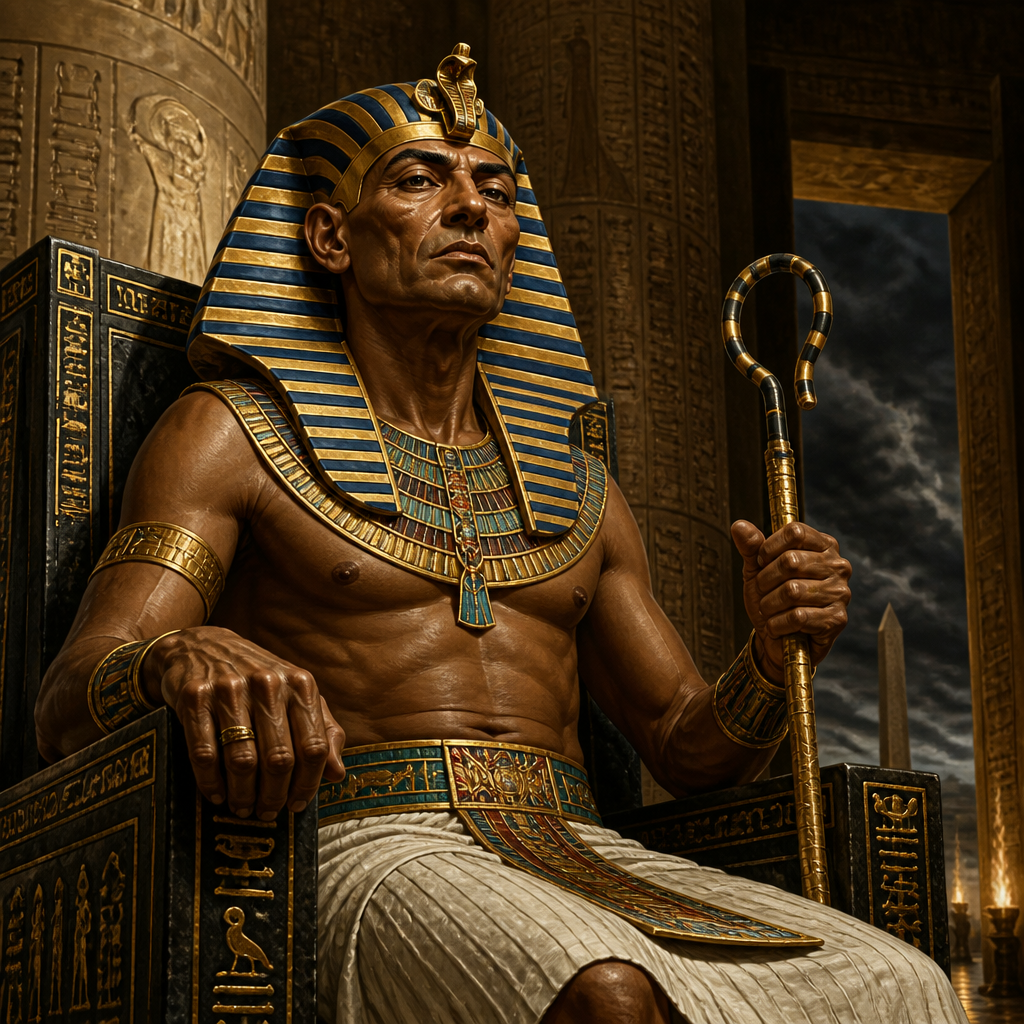
Pharaoh, King of the Exodus
Egyptian king who opposed Moses and was defeated at the Red Sea
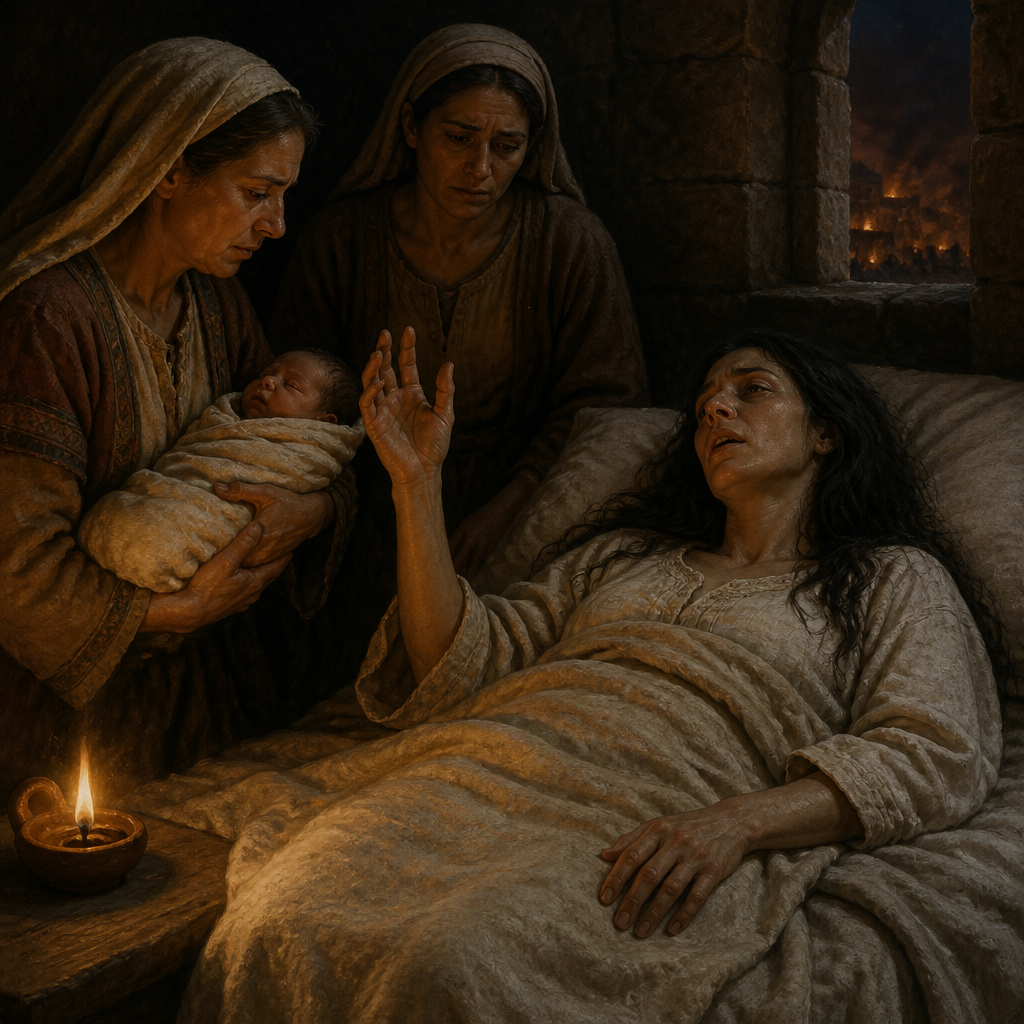
Ichabod
Son of Phinehas whose name symbolized the departure of God's glory from Israel
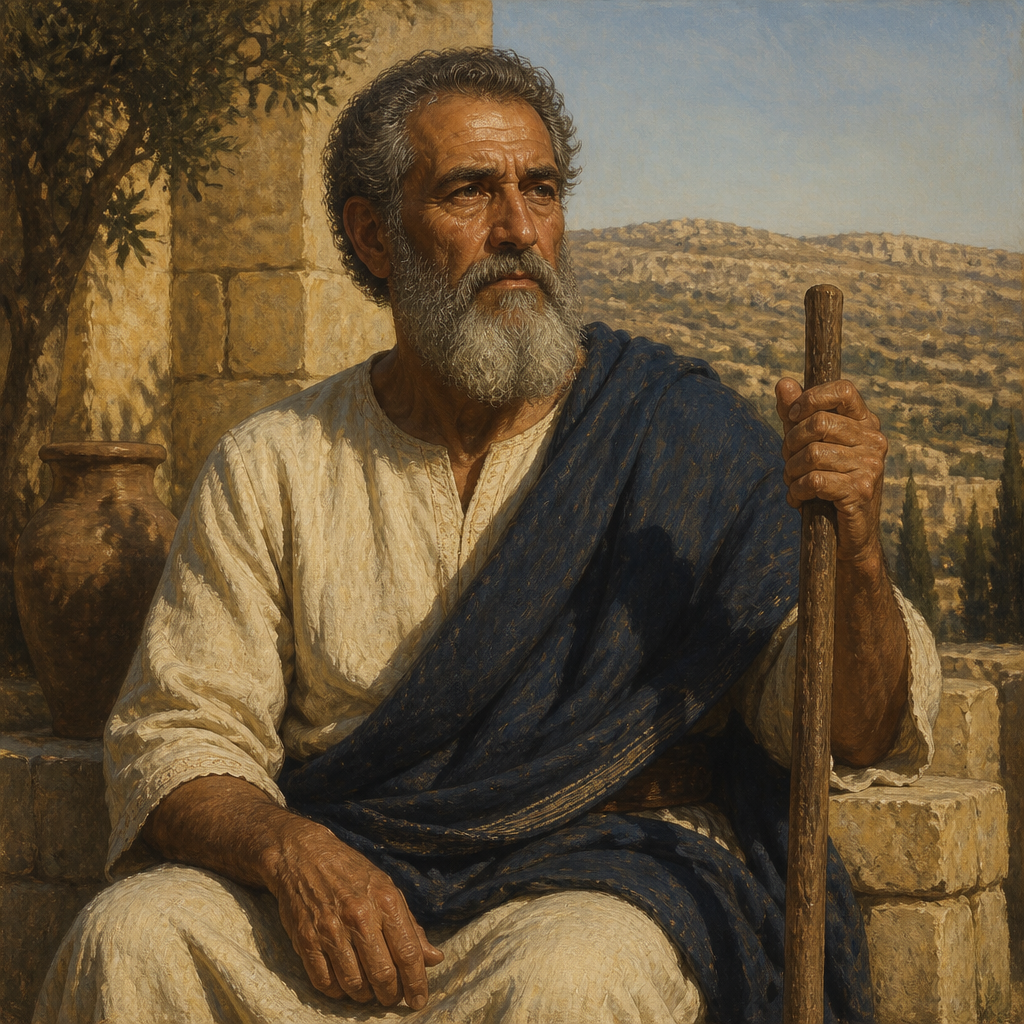
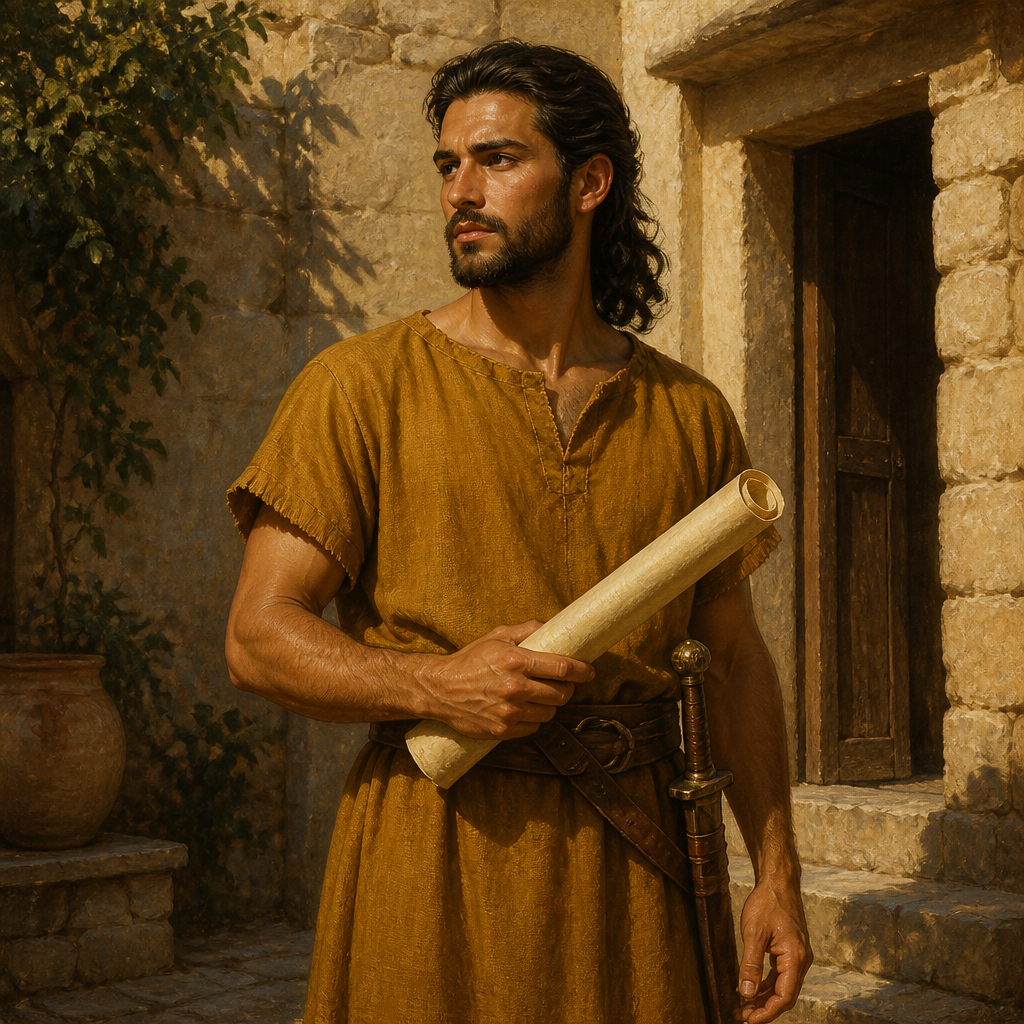
Jeush, Son of Eshek
Benjamite descendant of King Saul and son of Eshek listed in the genealogies of Chronicles

Barak
Commander who led Israel's ten thousand against Sisera and routed him in the Kishon valley (Judges 4:14-15)
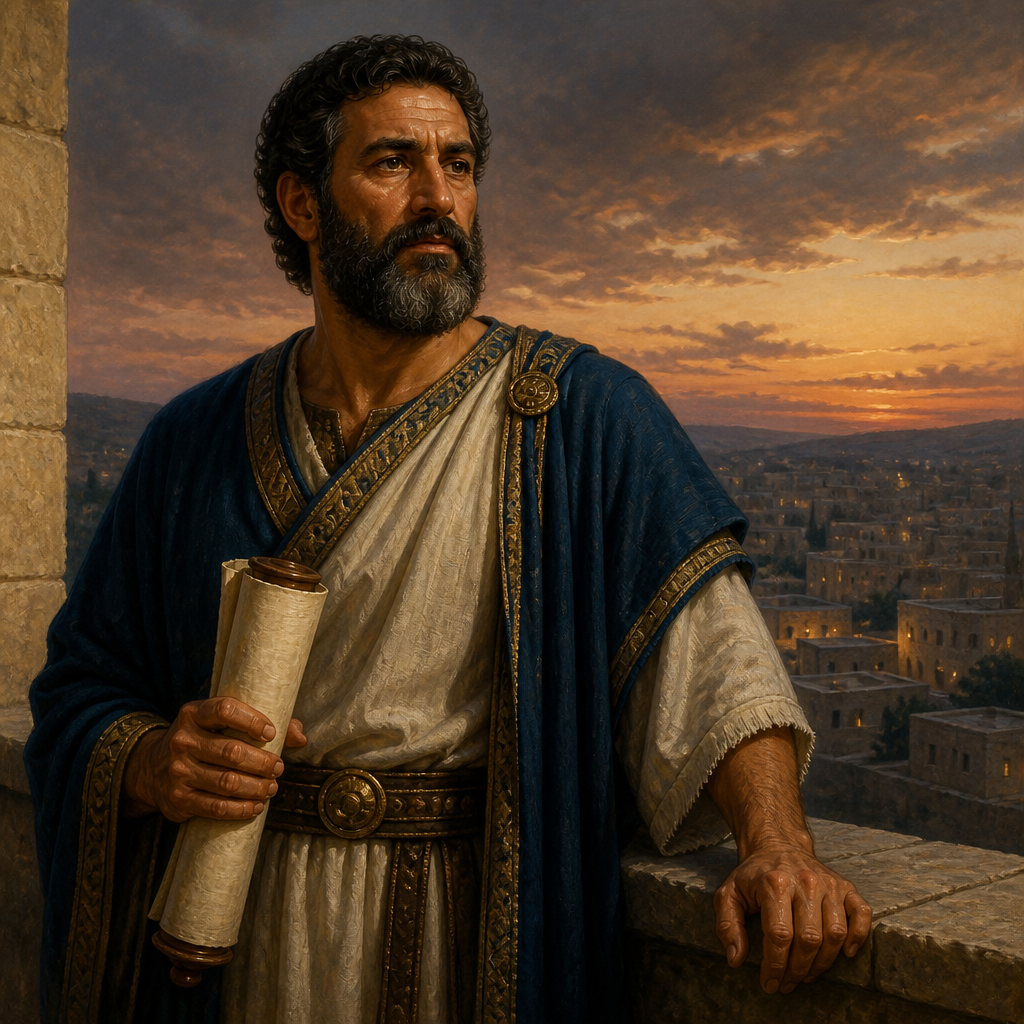


Huge Man of Gath
Giant warrior of Gath with six fingers on each hand and six toes on each foot
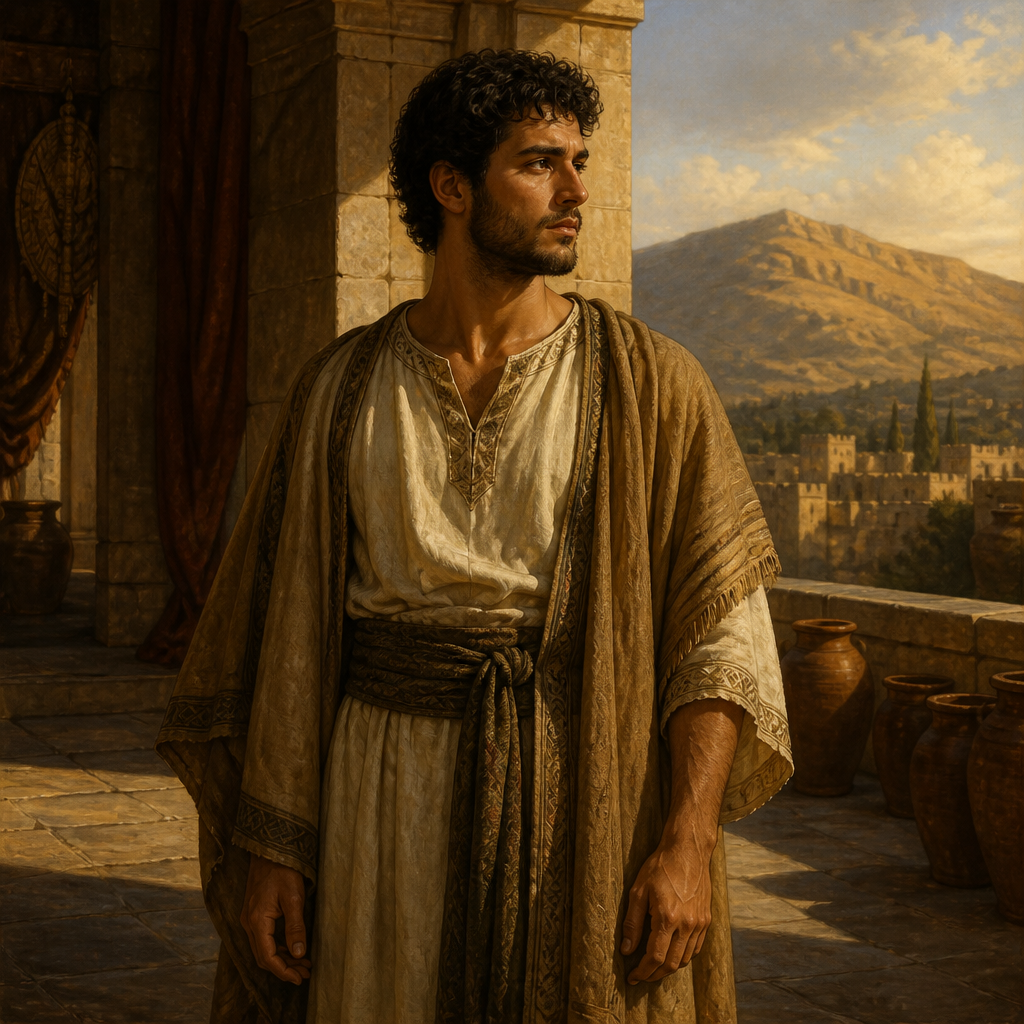
Armoni
Son of Saul who was executed to atone for his father's sins against the Gibeonites
Raphah
Benjaminite descendant of King Saul mentioned in the genealogies of Chronicles
Judah, Son of Joseph
Ancestor of Jesus Christ mentioned in the Gospel of Luke
Jephthah
Judge of Israel who defeated the Ammonites and made a tragic vow involving his daughter
Joel, Son of Samuel
Son of Samuel whose corruption as a judge led Israel to demand a king
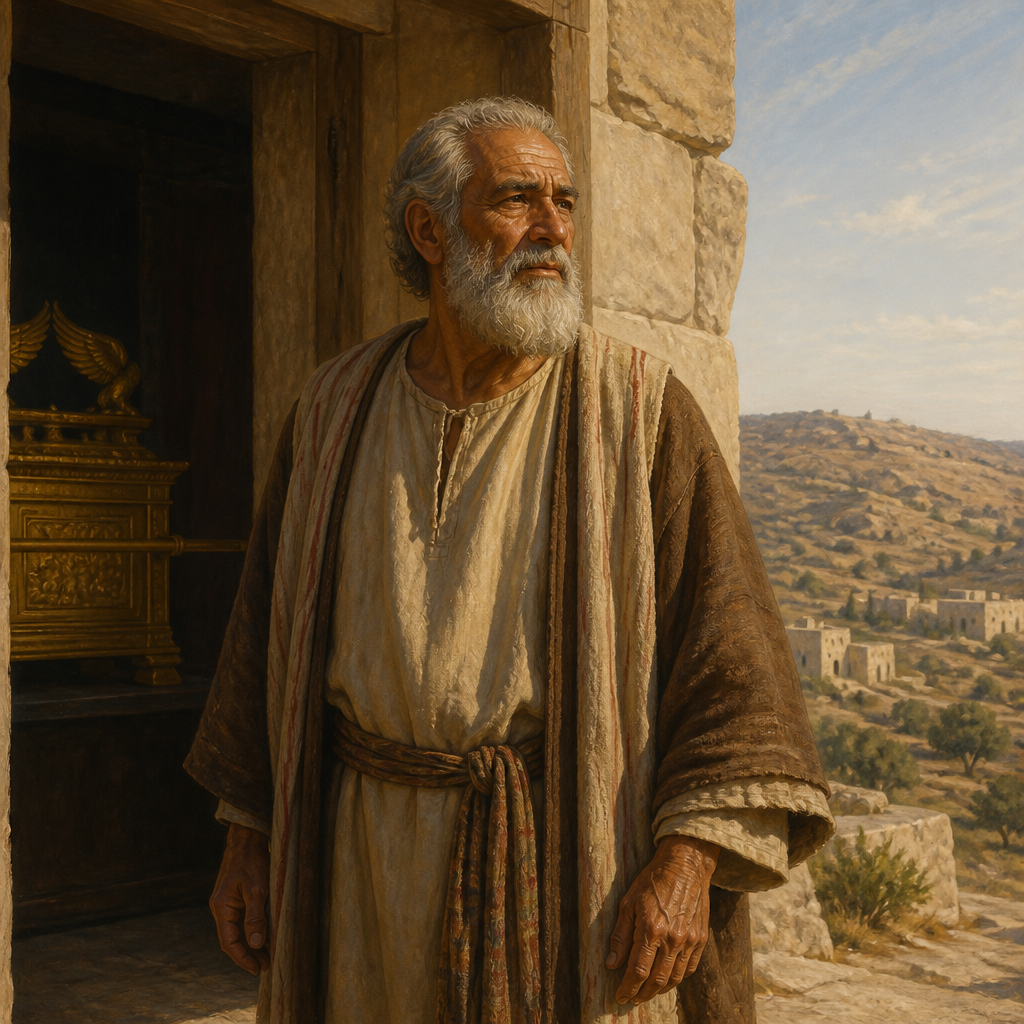
Abinadab, Custodian of the Ark
Custodian who housed the Ark of the Covenant in his home for twenty years
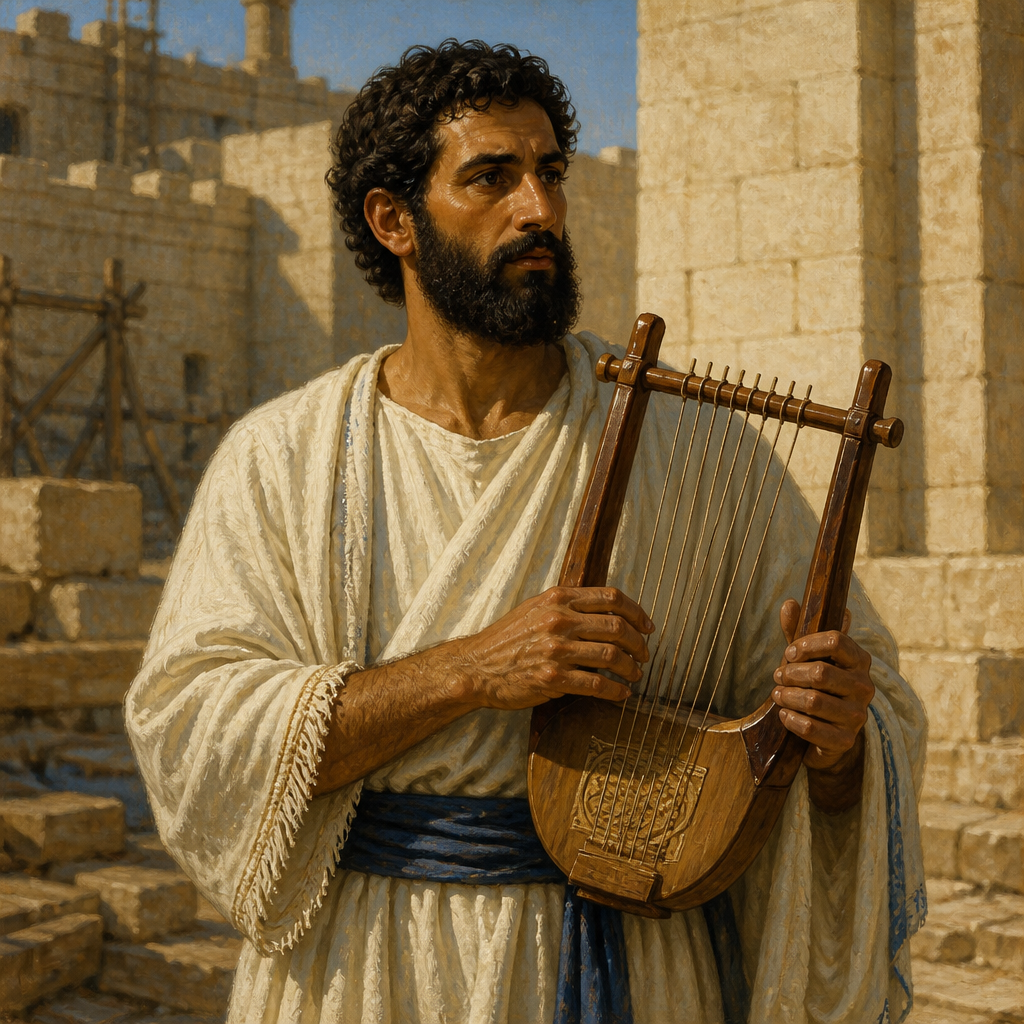
Giddalti
Levitical musician and son of Heman who led the twenty-second division of singers in the house of the Lord
Eleazar, Son of Abinadab
Guardian of the Ark of the Covenant during its stay at Kiriath-jearim
Ahimaaz, Father of Ahinoam
father of Ahinoam and father-in-law of King Saul
Eliphelet, Descendant of Saul
Descendant of King Saul mentioned in the Benjamite genealogies of the Divided Monarchy
Moza, Descendant of Saul
Benjamite descendant of King Saul through Jonathan and Mephibosheth
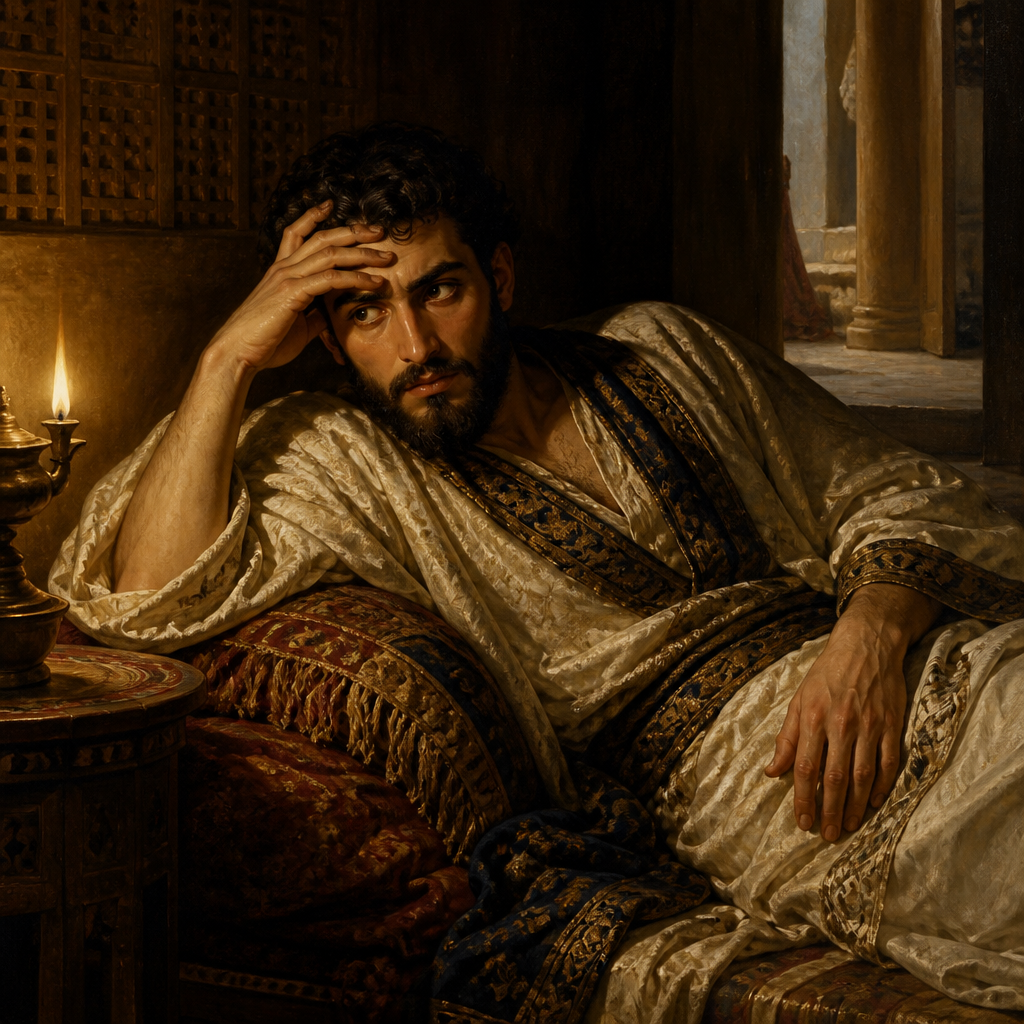
Amnon, Firstborn Son of David
Firstborn son of David who violated his half-sister Tamar and was later murdered by Absalom
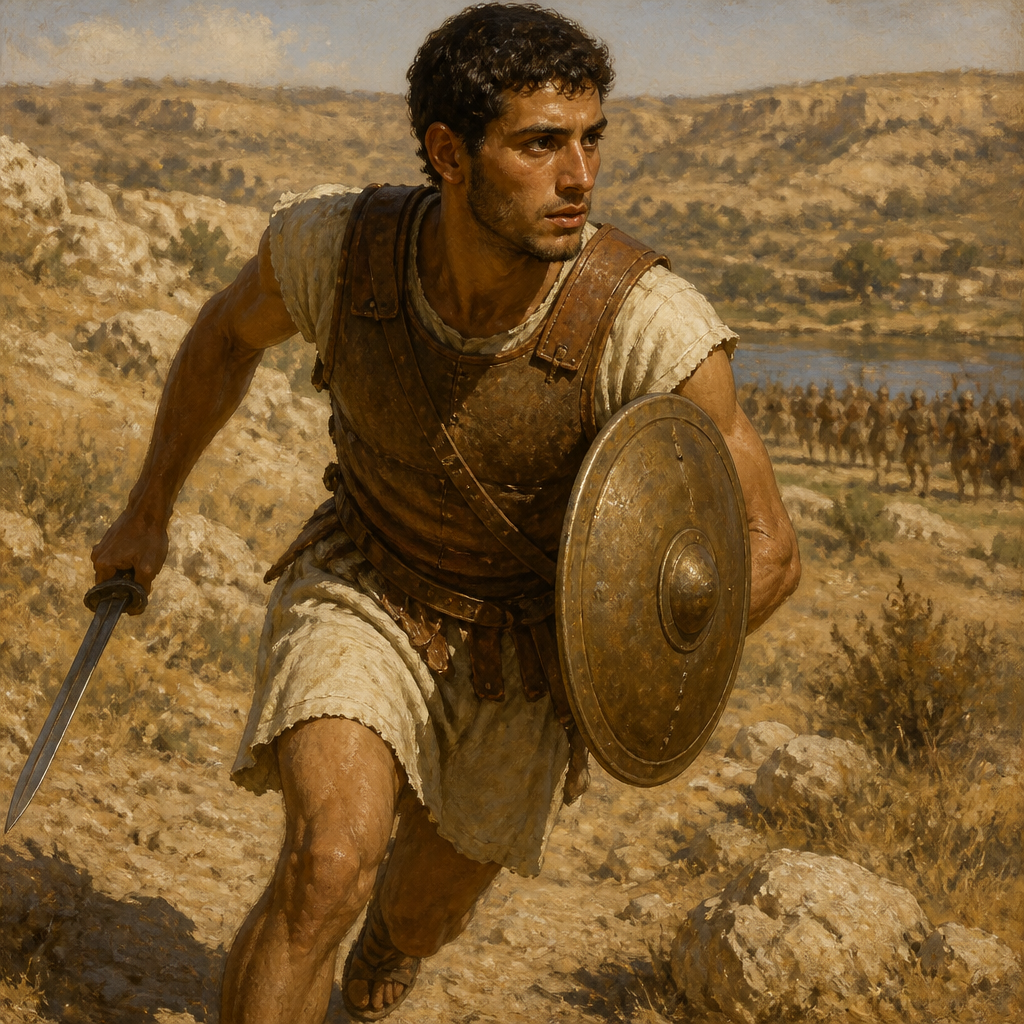
Asahel, Brother of Joab
Nephew of David and one of 'The Thirty' known for his incredible speed
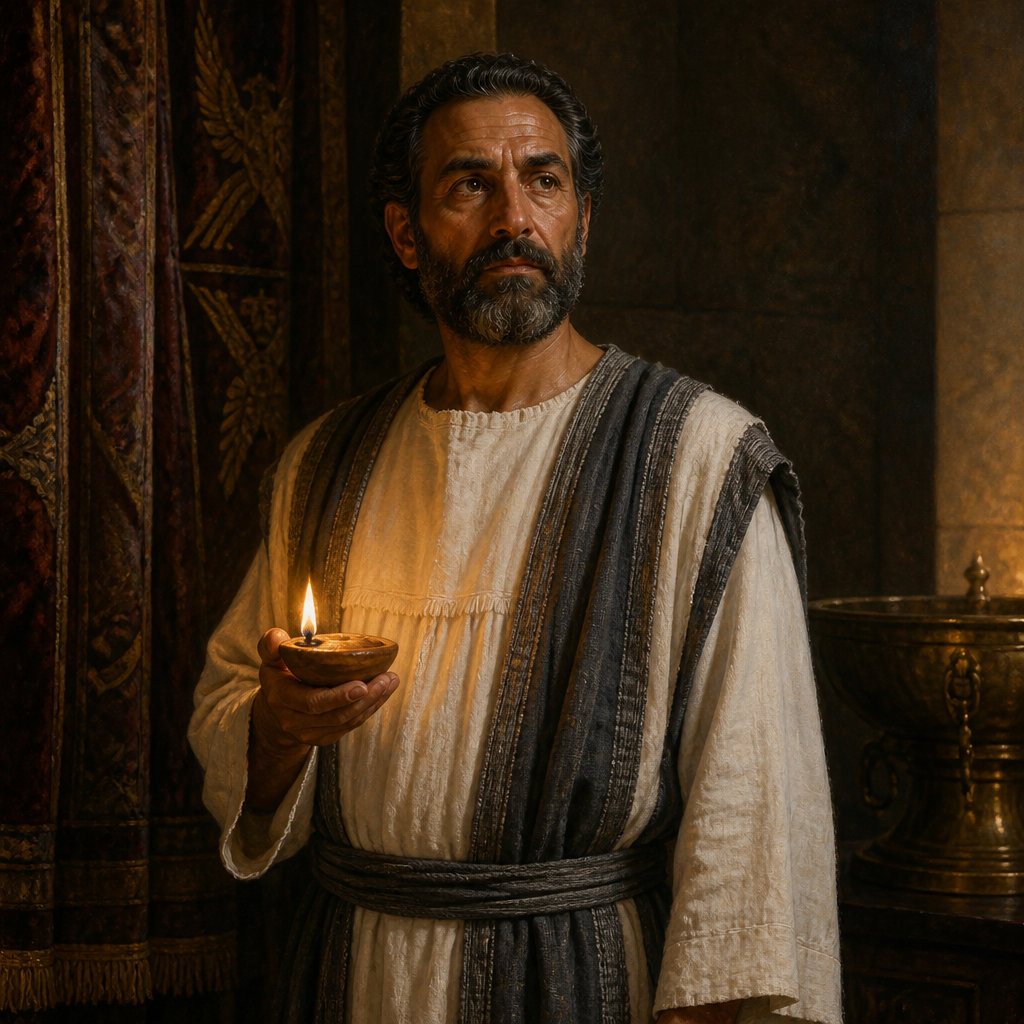
Shaul, Levite of the Ancestral Line
Levite of the Kohathite line and ancestor of the prophet Samuel
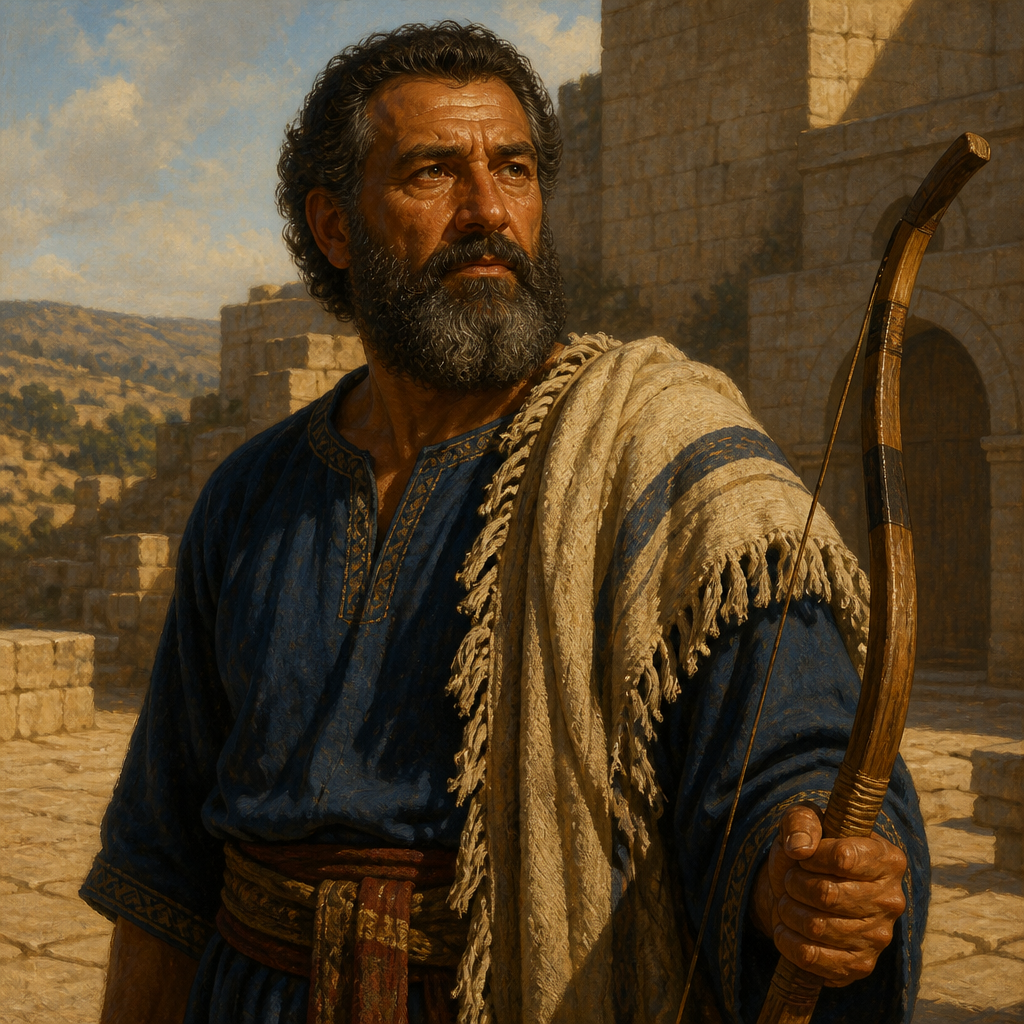
Ulam, Descendant of Saul
Benjamite leader whose 150 descendants were renowned as mighty archers
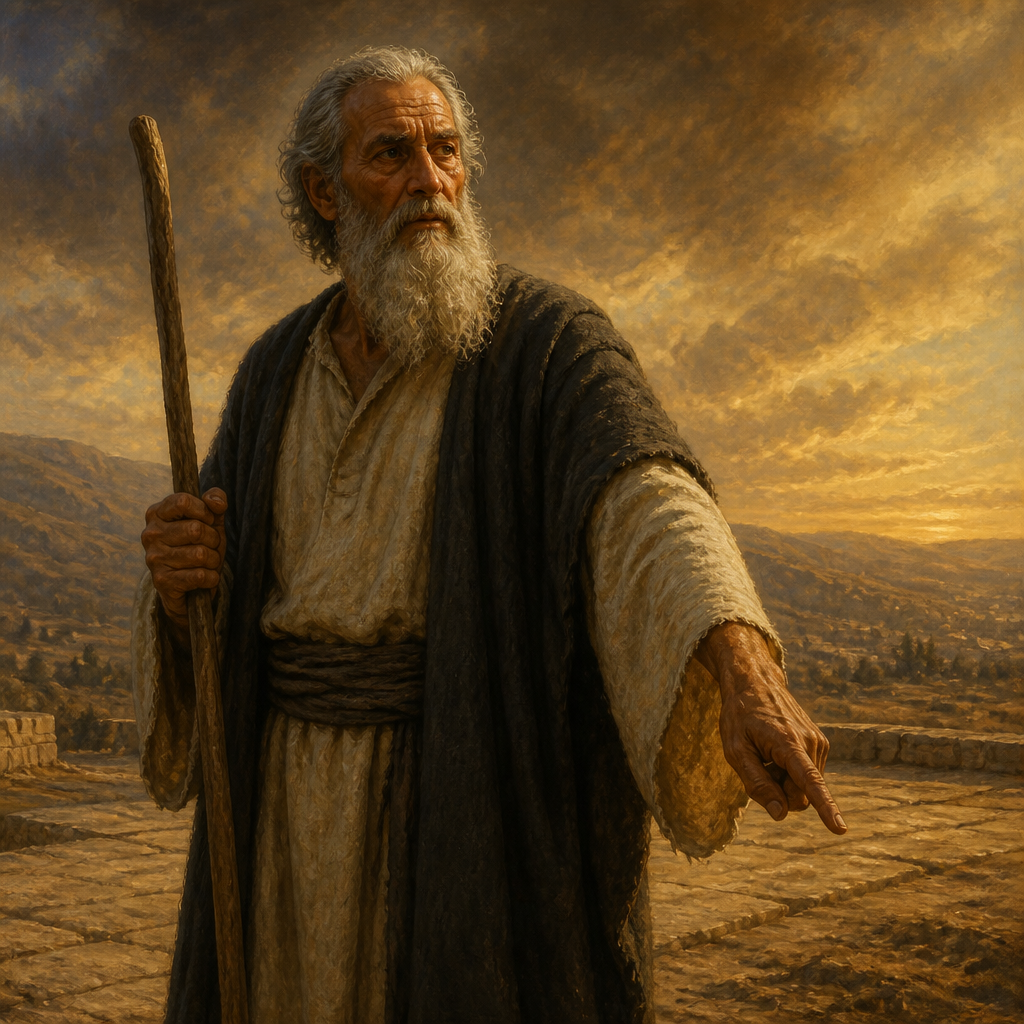
Gad, David's Seer
Prophet and seer who advised King David and designated the site for the Temple

Ishbi-benob
Giant who attempted to kill King David during the Philistine wars
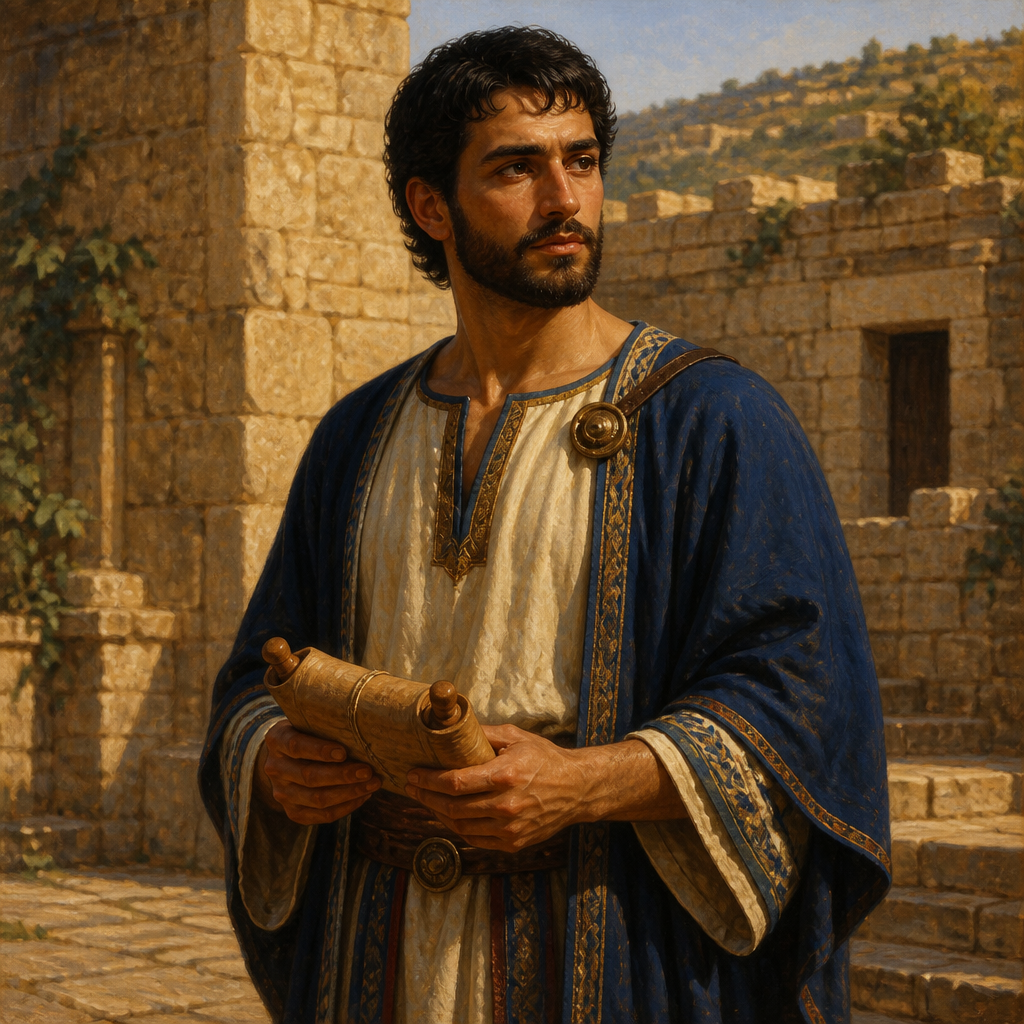
Melech
great-grandson of King Saul and son of Micah mentioned in the genealogies of Benjamin
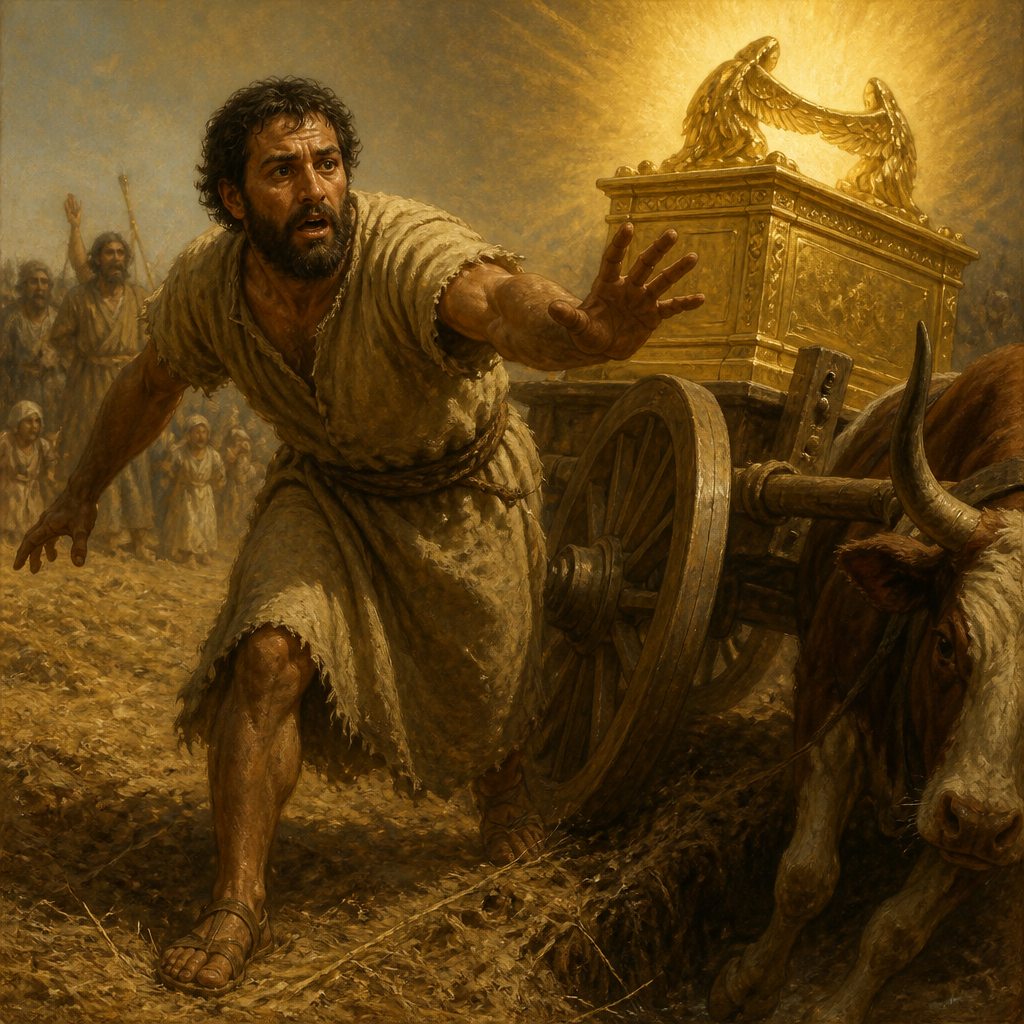
Uzzah, Son of Abinadab
Son of Abinadab who died after touching the Ark of the Covenant
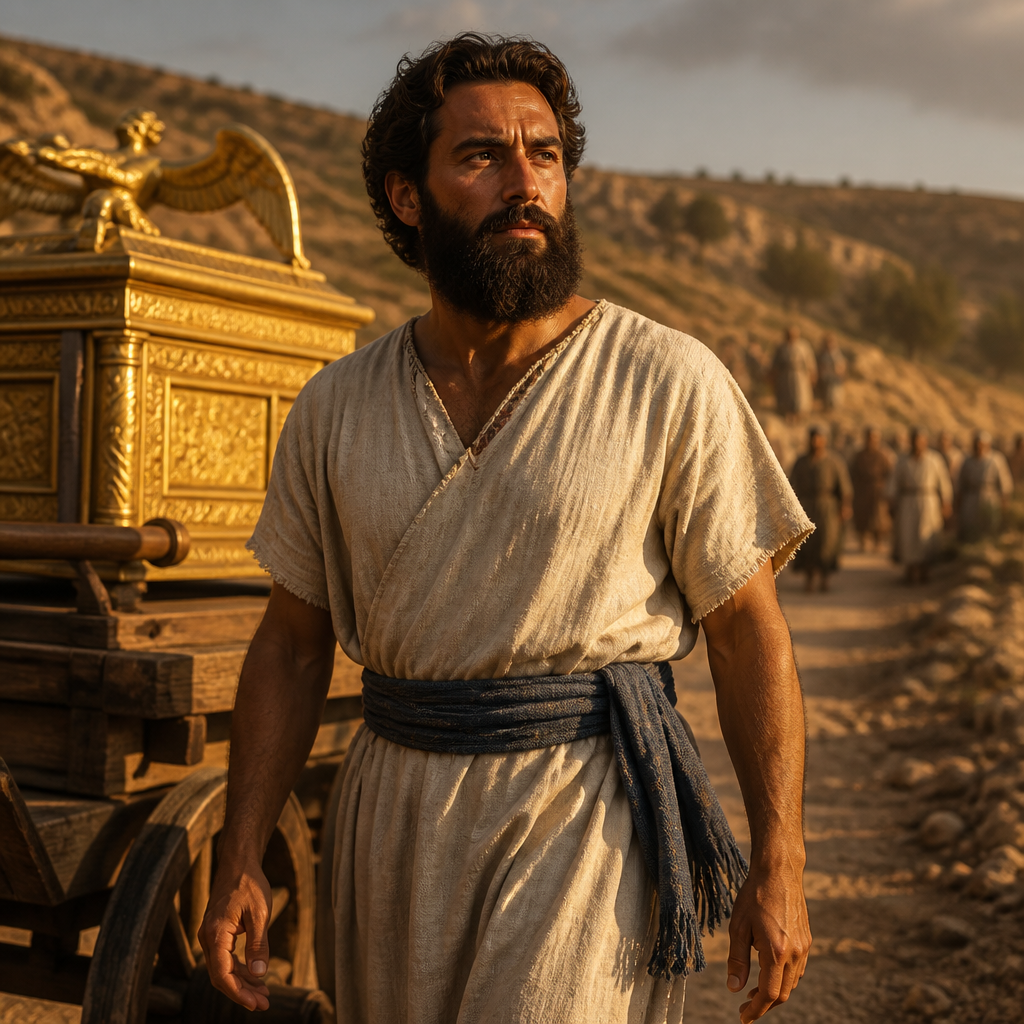
Ahio, Son of Abinadab
son of Abinadab who walked in front of the Ark of the Covenant on its journey to Jerusalem

Nethanel, Brother of David
fourth son of Jesse and older brother to King David
Rachel
Matriarch of Israel and the beloved wife of Jacob who died giving birth to Benjamin

Ahimelech the Hittite
Hittite soldier who served as a companion to David during his exile
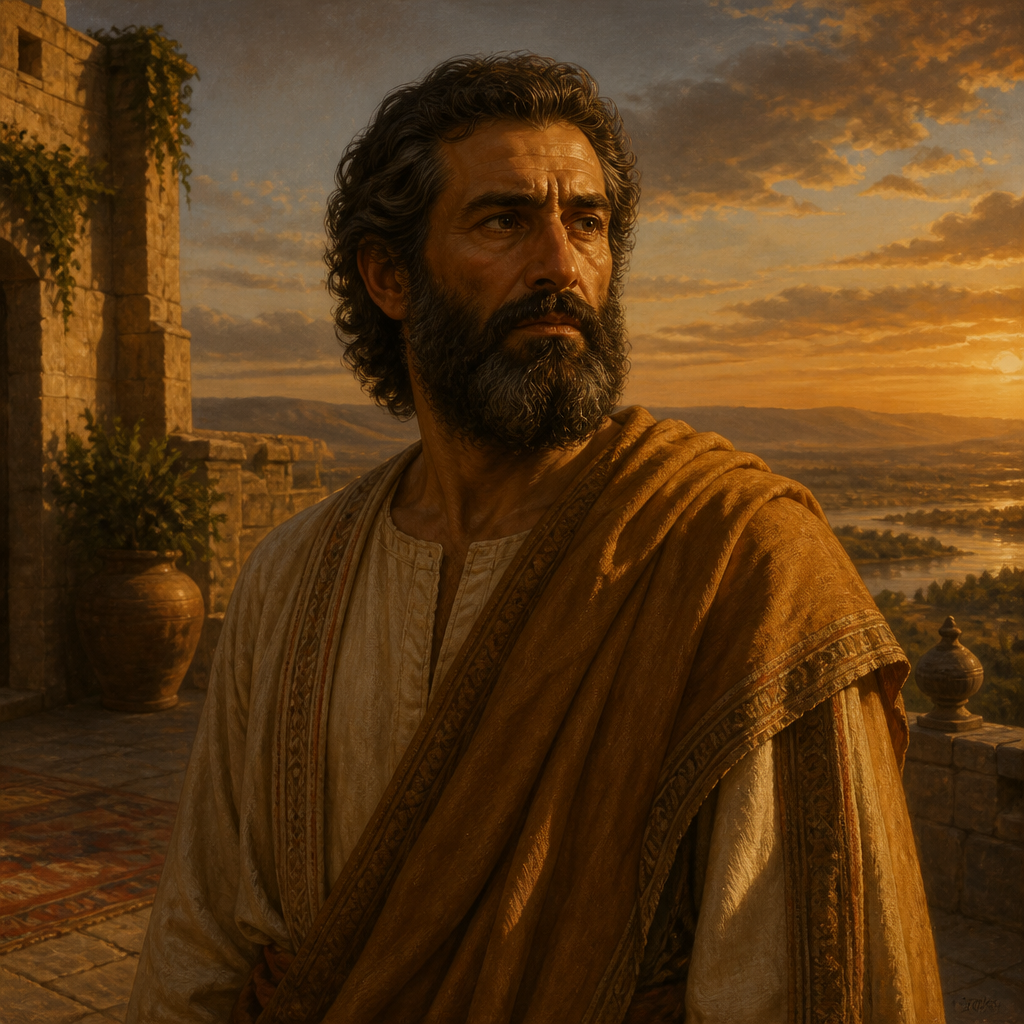
Adriel
Son-in-law of King Saul whose five sons were executed to atone for Saul's crimes. Called a Meholathite, a designation of origin rather than a people group
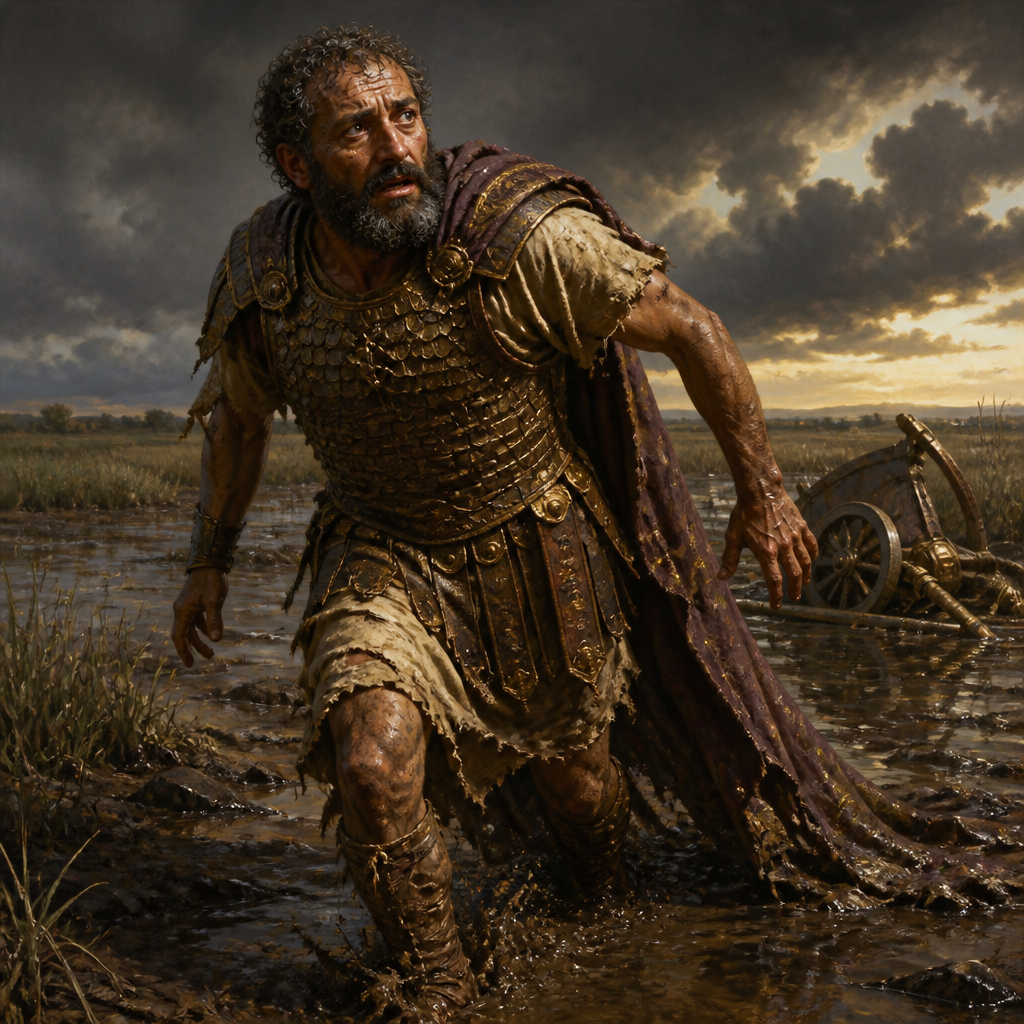
Sisera, Commander of Hazor
Canaanite general defeated by Barak and killed by Jael with a tent peg

Joab, Commander of the Army
Commander of David's army who captured Jerusalem and killed Absalom
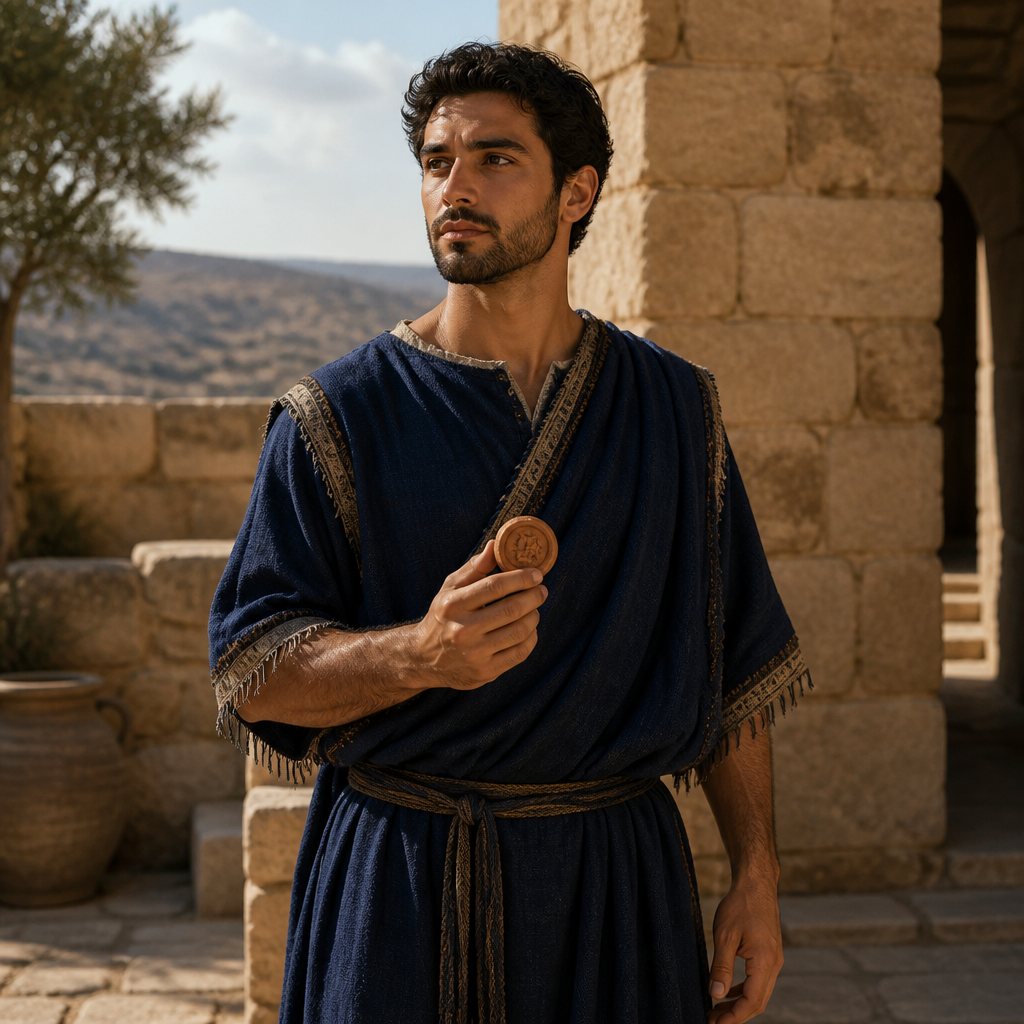
Pithon
Descendant of King Saul and son of Micah listed in the genealogies of Chronicles
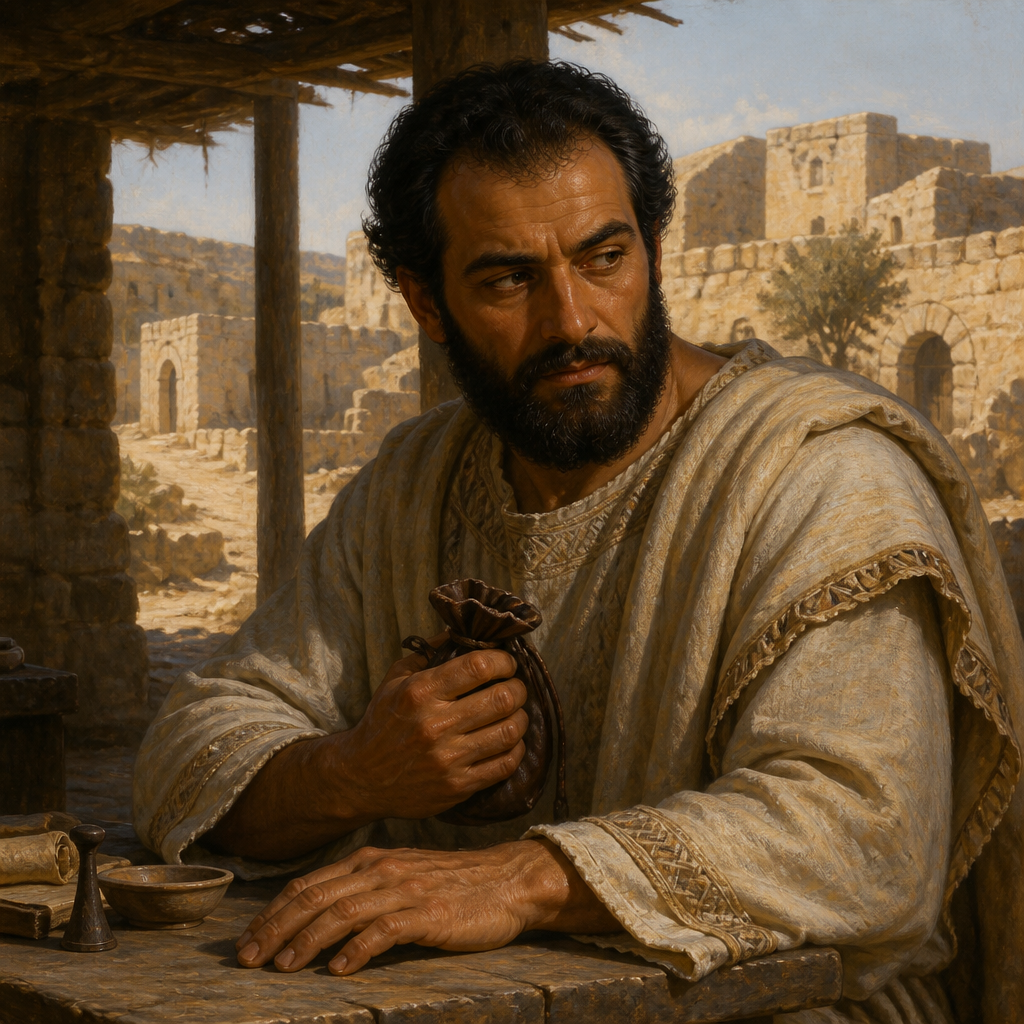
Abijah, Son of Samuel
Son of Samuel whose corruption led Israel to demand a king
Ephrathah
Matriarch of the Tribe of Judah and ancestor of the Ephrathite clan of Bethlehem
Jerahmeel, Son of Hezron
Firstborn son of Hezron and founder of the Jerahmeelite clan in the Negev

Abigail, Sister of David
Sister of King David and mother of the general Amasa
Azmaveth, Descendant of Saul
Descendant of King Saul listed in the Benjaminite genealogies of Chronicles