
David and Saul
The cave years, 1 Samuel 18–31
The story of David and Saul chronicles the turbulent transition of Israel’s monarchy from the first king to his successor as recorded in 1 Samuel 16 through 31. The narrative begins when Samuel anoints David, the youngest son of Jesse, after God rejects Saul for his disobedience (1 Samuel 16:1–13). David gains national prominence by killing the Philistine giant Goliath, but his subsequent military success provokes Saul’s intense jealousy (1 Samuel 17:50, 18:7–9). This rivalry forces David into a long period of exile, during which he leads a band of fugitives while Saul relentlessly hunts him through the wilderness.
The text organizes the characters by their response to David’s rising influence and Saul’s increasing instability. Jonathan remains David’s loyal friend and warns him of his father’s death threats (1 Samuel 20:1–4). Michal, Saul’s daughter, assists David’s escape by placing an idol in his bed to deceive her father’s guards (1 Samuel 19:11–17). When David flees to the city of Nob, Ahimelech provides him with consecrated bread and Goliath’s sword (1 Samuel 21:1–9). This act of hospitality is reported by Doeg, who subsequently murders the priests of Nob at Saul’s command (1 Samuel 22:18). Only Abiathar escapes the massacre, bringing the priestly ephod to David’s camp (1 Samuel 22:20–23). During the pursuit, David is joined by his nephew Abishai, who offers to kill Saul while the king is sleeping, though David forbids it (1 Samuel 26:6–9).
As the conflict nears its end, David seeks temporary protection from Achish, the king of Gath, who gives him the city of Ziklag (1 Samuel 27:1–6). During his travels, David encounters the wealthy Nabal, who insults David’s men and refuses them food (1 Samuel 25:10–11). Abigail prevents a slaughter by bringing provisions to David’s camp, eventually marrying him after Nabal’s death (1 Samuel 25:23–42). The story concludes at the Battle of Mount Gilboa, where the Philistines overwhelm the Israelite army. Saul’s sons, including Jonathan, Abinadab, and Malchi-shua are killed in the fighting (1 Samuel 31:2). Saul ultimately takes his own life to avoid capture, ending his reign and leaving the throne vacant for David (1 Samuel 31:4–6).
Everyone in this list
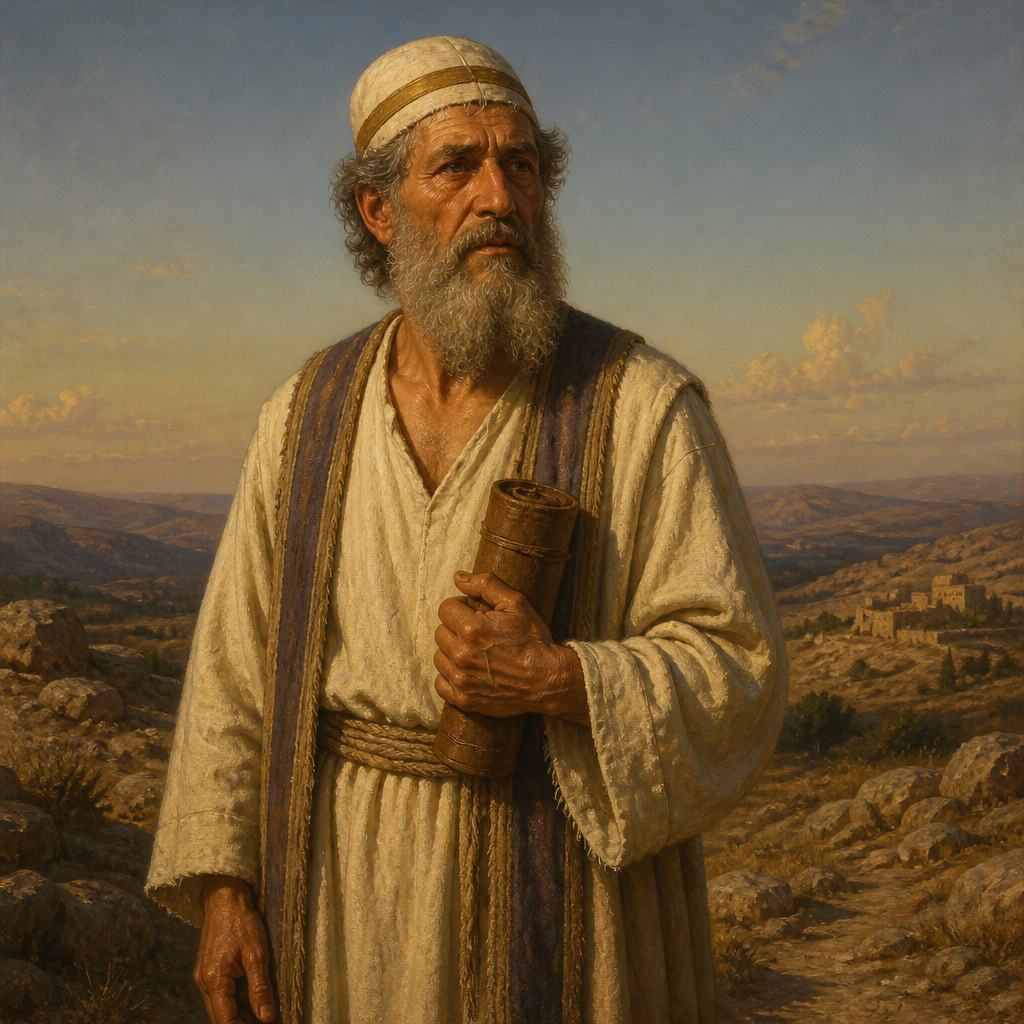
Abiathar
High priest who escaped the massacre at Nob and supported King David
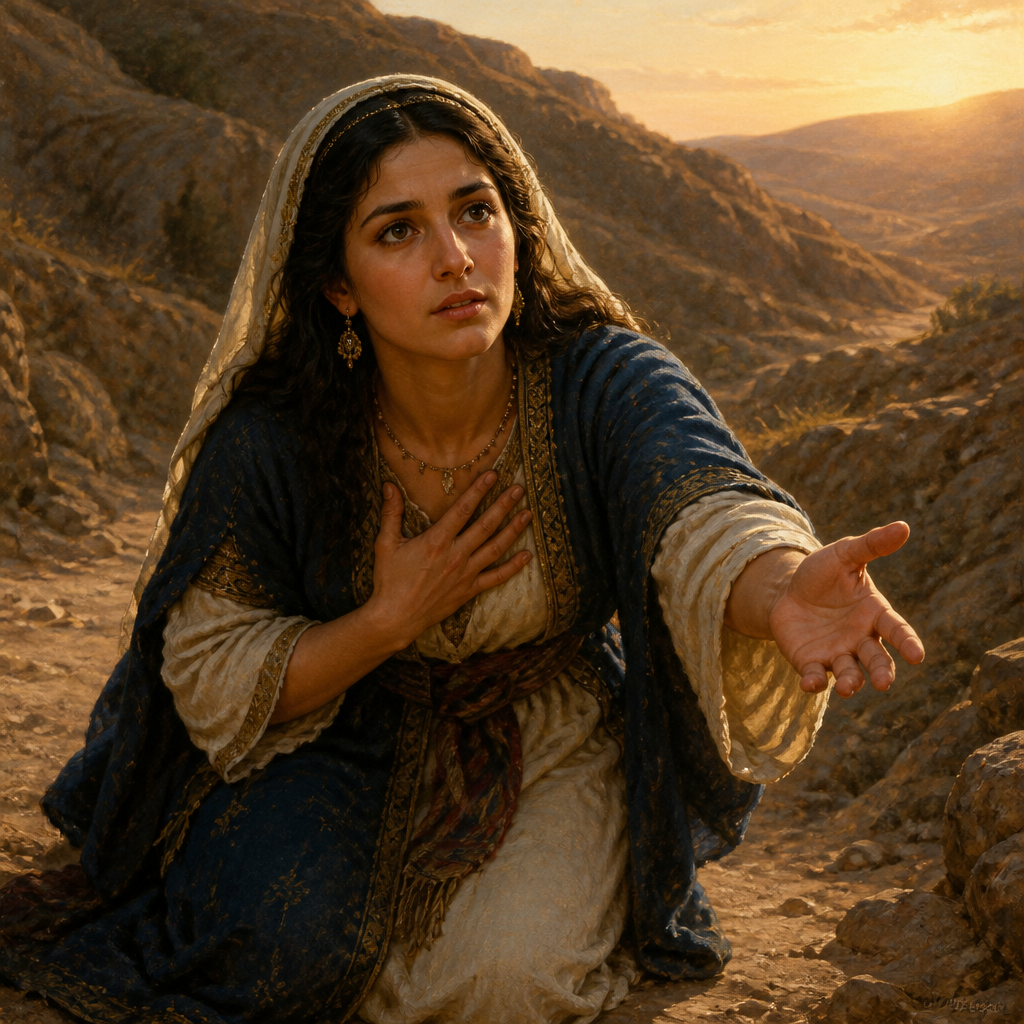
Abigail, Wife of David
Wise and beautiful wife of David who prevented him from slaughtering Nabal's household
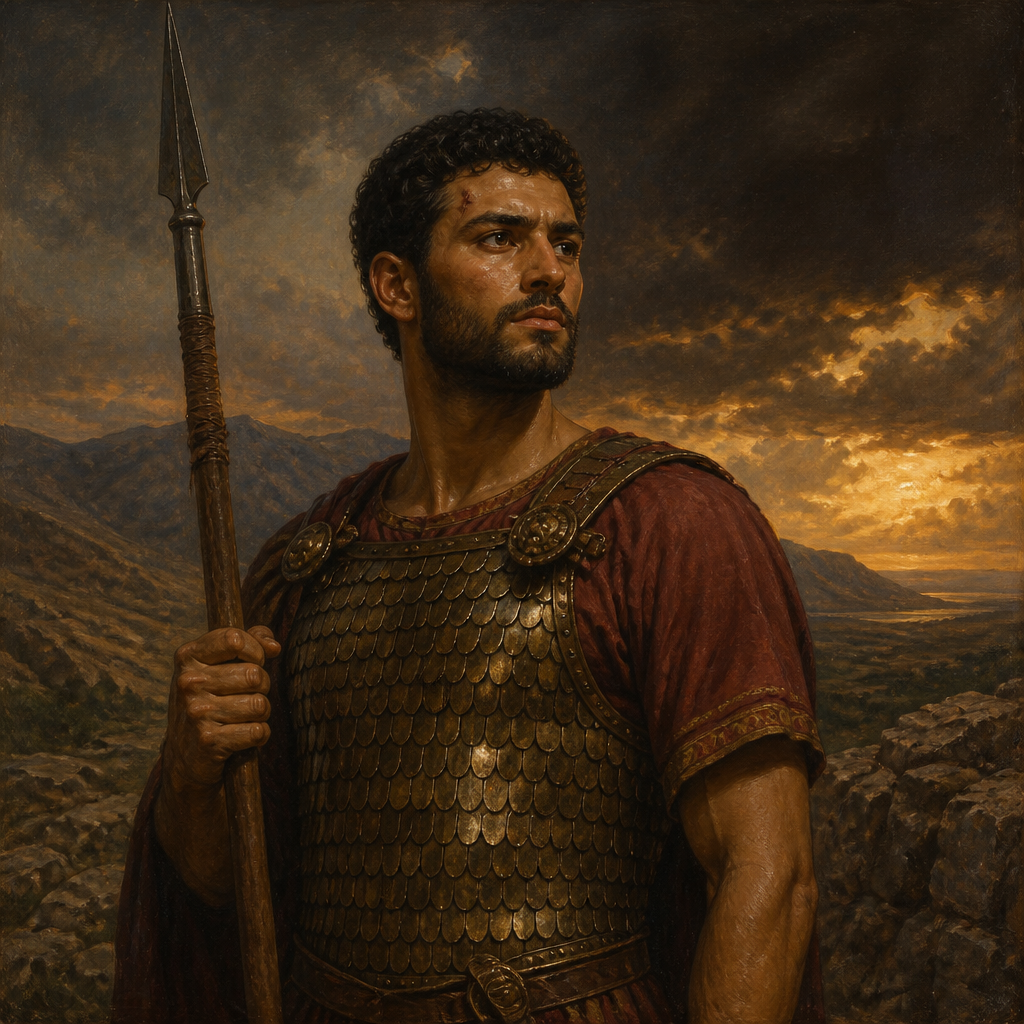
Abinadab, Son of King Saul
Son of King Saul who died at the Battle of Mount Gilboa
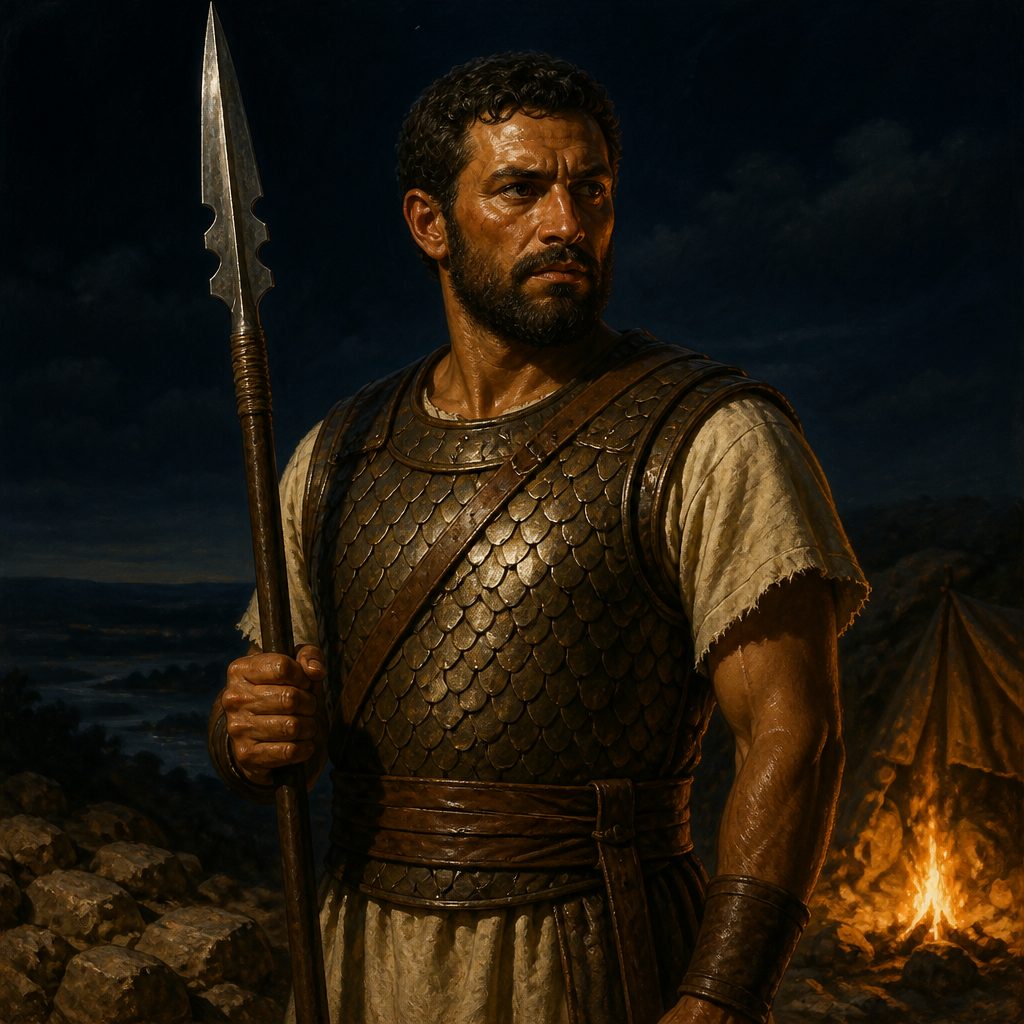
Abishai
Military commander and nephew of David who served as chief of the Three and killed three hundred men in one battle
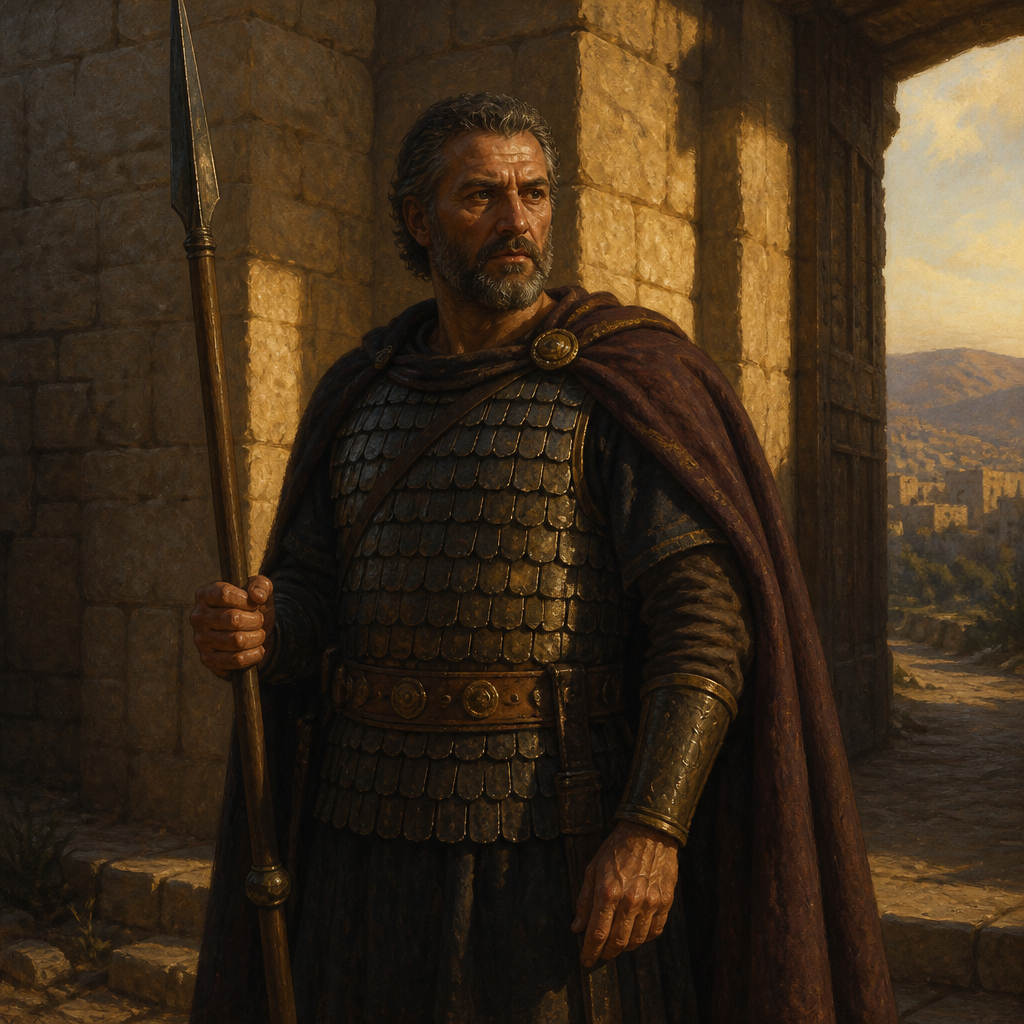
Abner
Commander of Saul's army who eventually sought to unite Israel under David
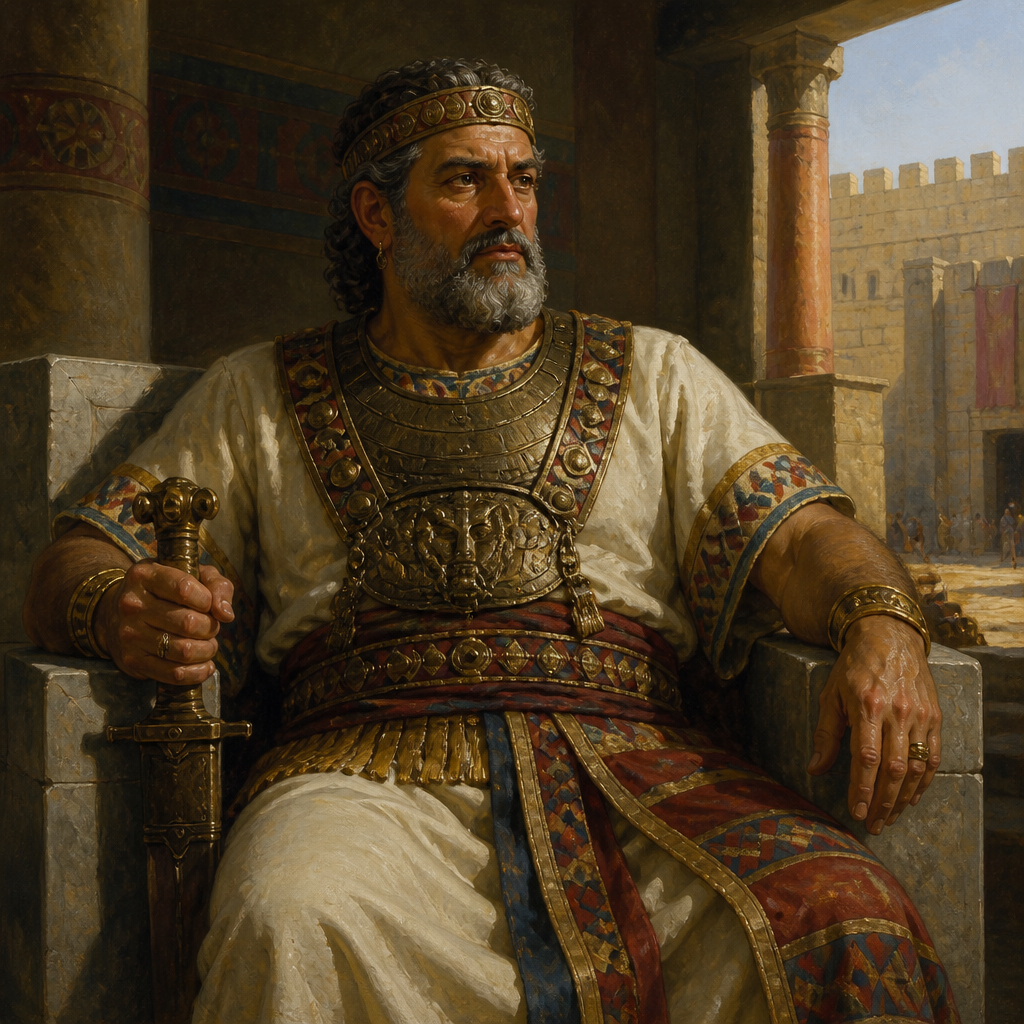
Achish
King of Gath who protected David from Saul and gave him the city of Ziklag
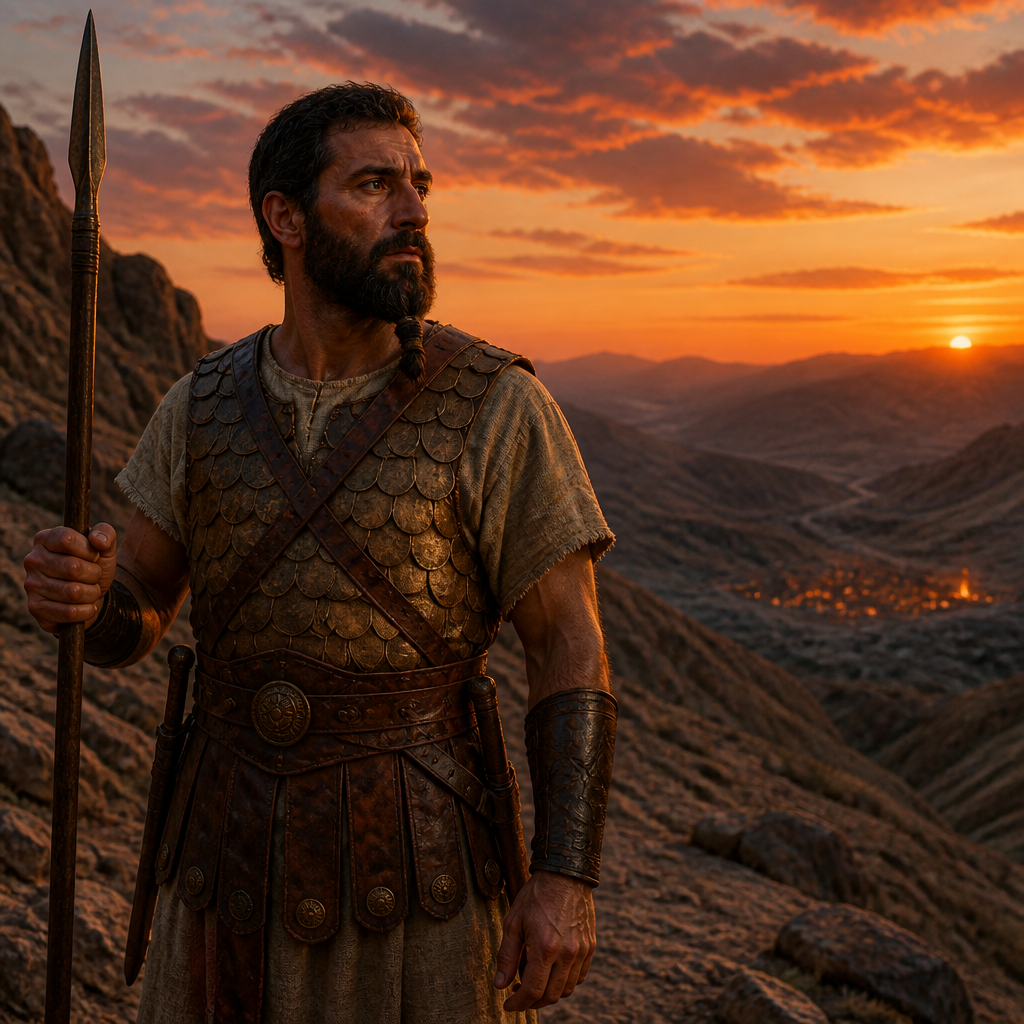
Ahimelech the Hittite
Hittite soldier who served as a companion to David during his exile
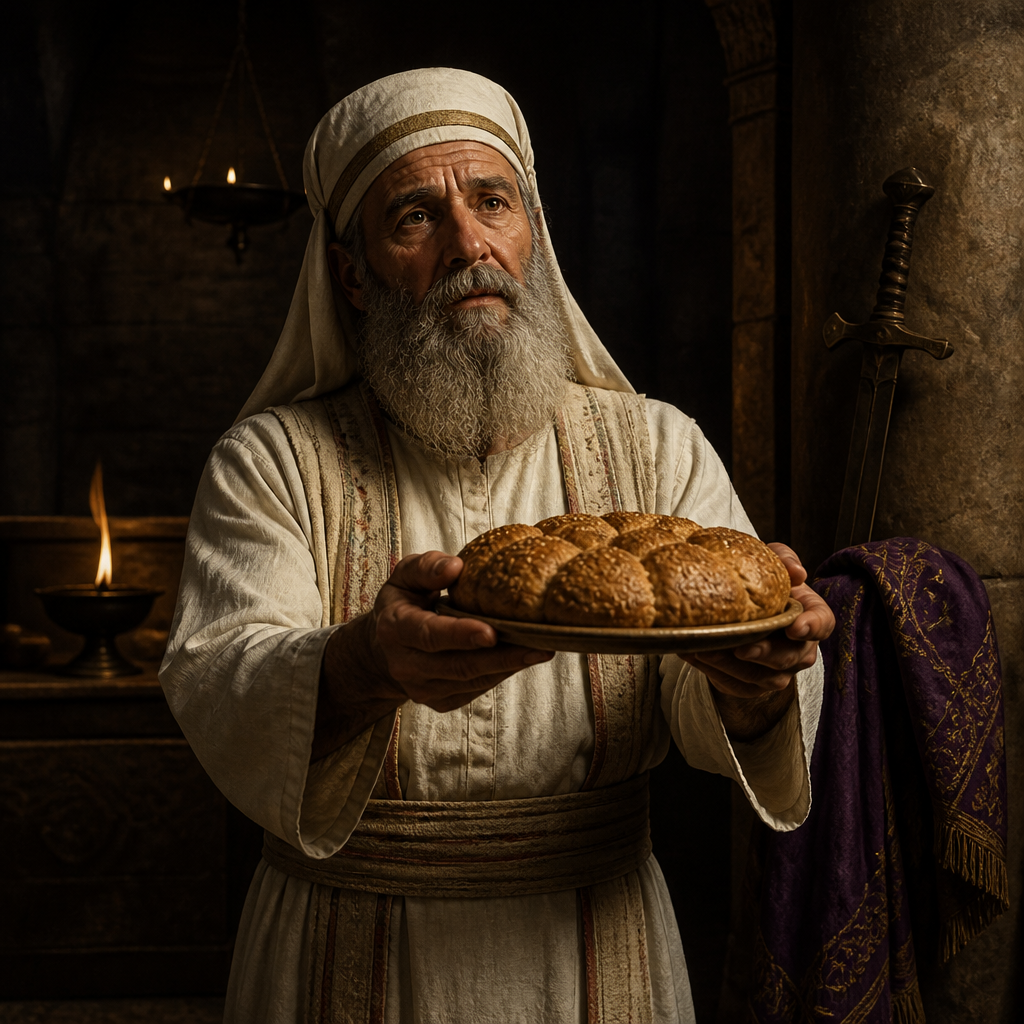
Ahimelech, High Priest of Nob
High Priest who was executed by Saul for assisting David at Nob
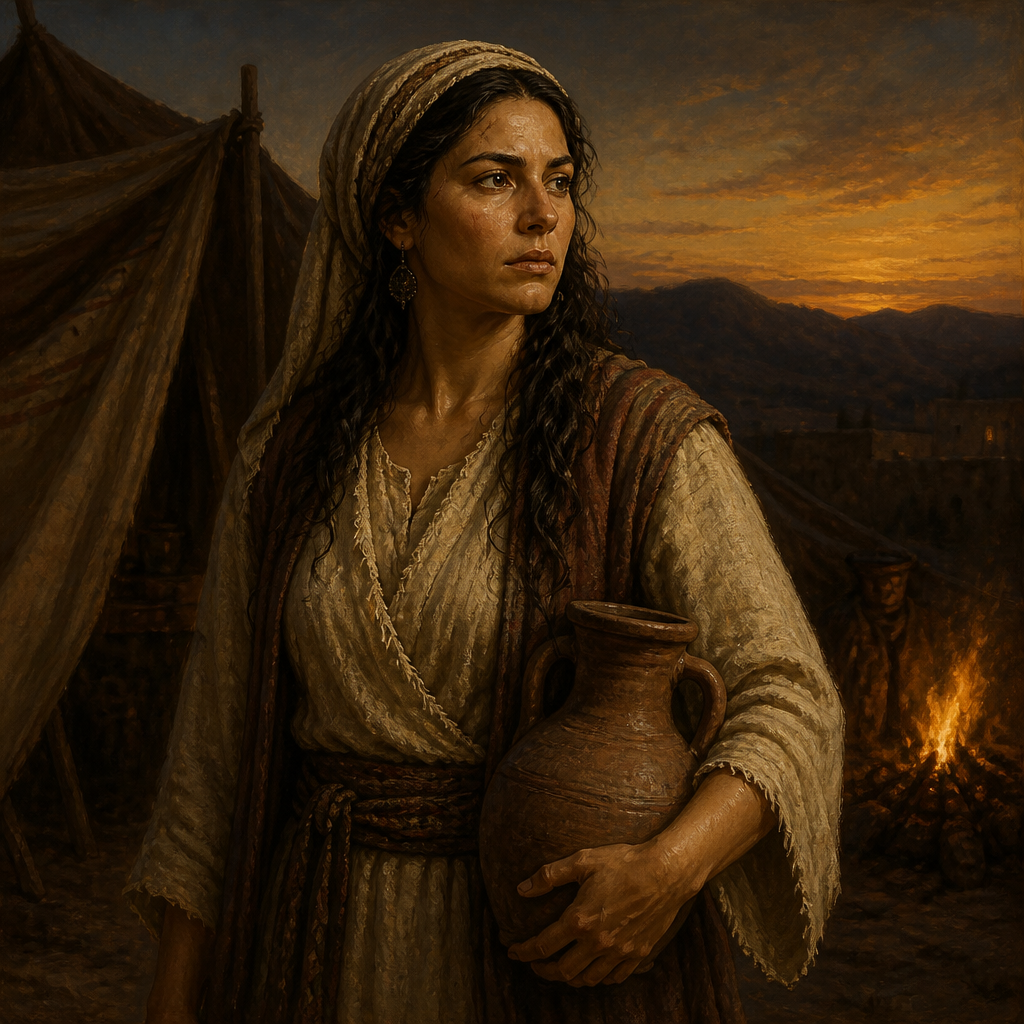
Ahinoam of Jezreel, Wife of David
Wife of King David and mother of his firstborn son Amnon
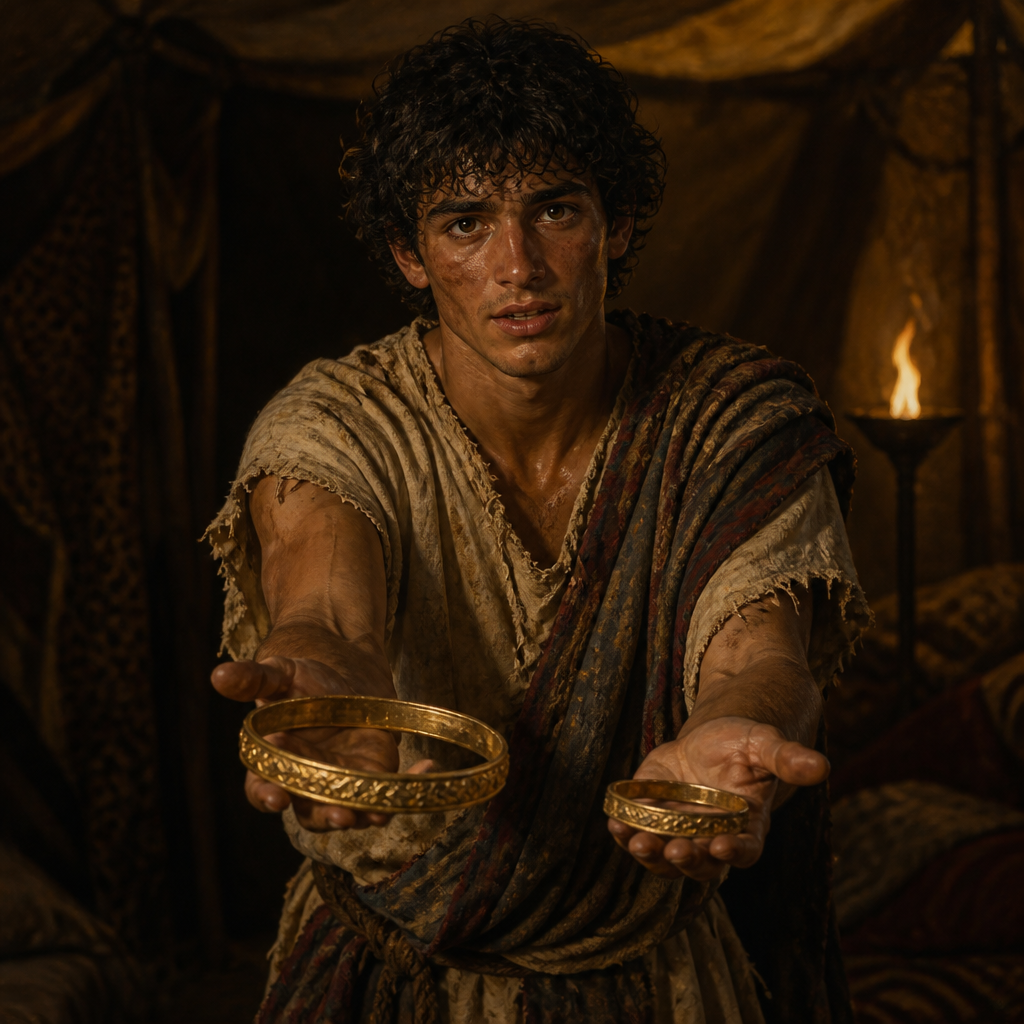
The Amalekite Who Claimed to Kill Saul
Young man who brought Saul’s crown to David and claimed responsibility for Saul's death
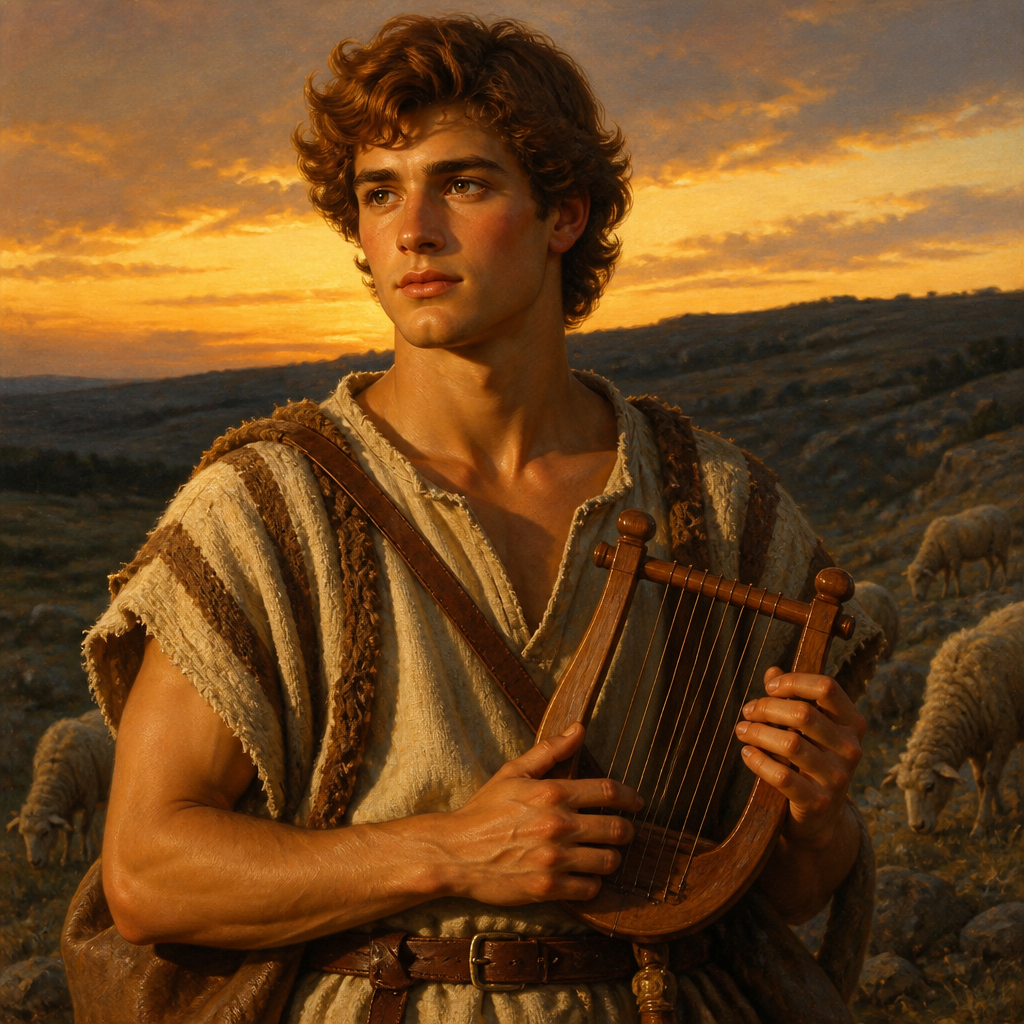
David
King of Israel who defeated Goliath and established the Davidic dynasty
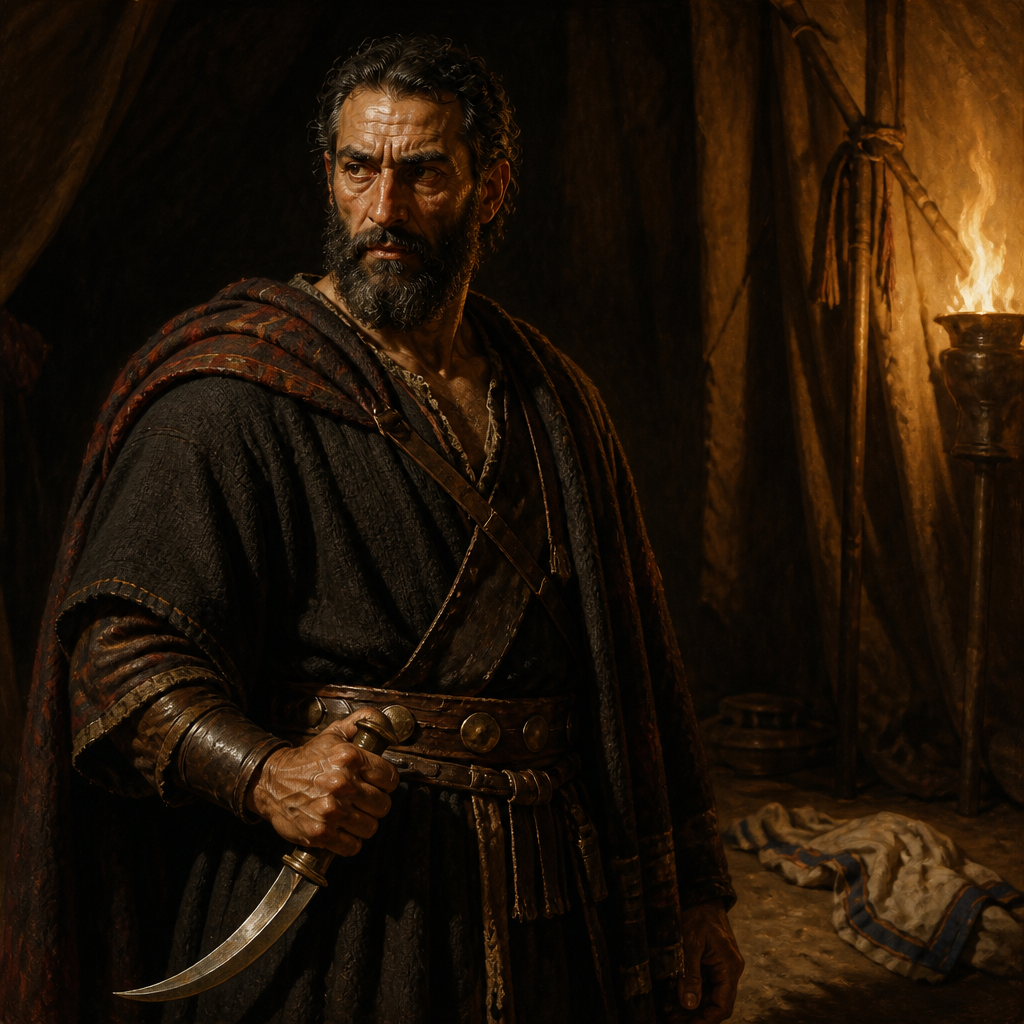
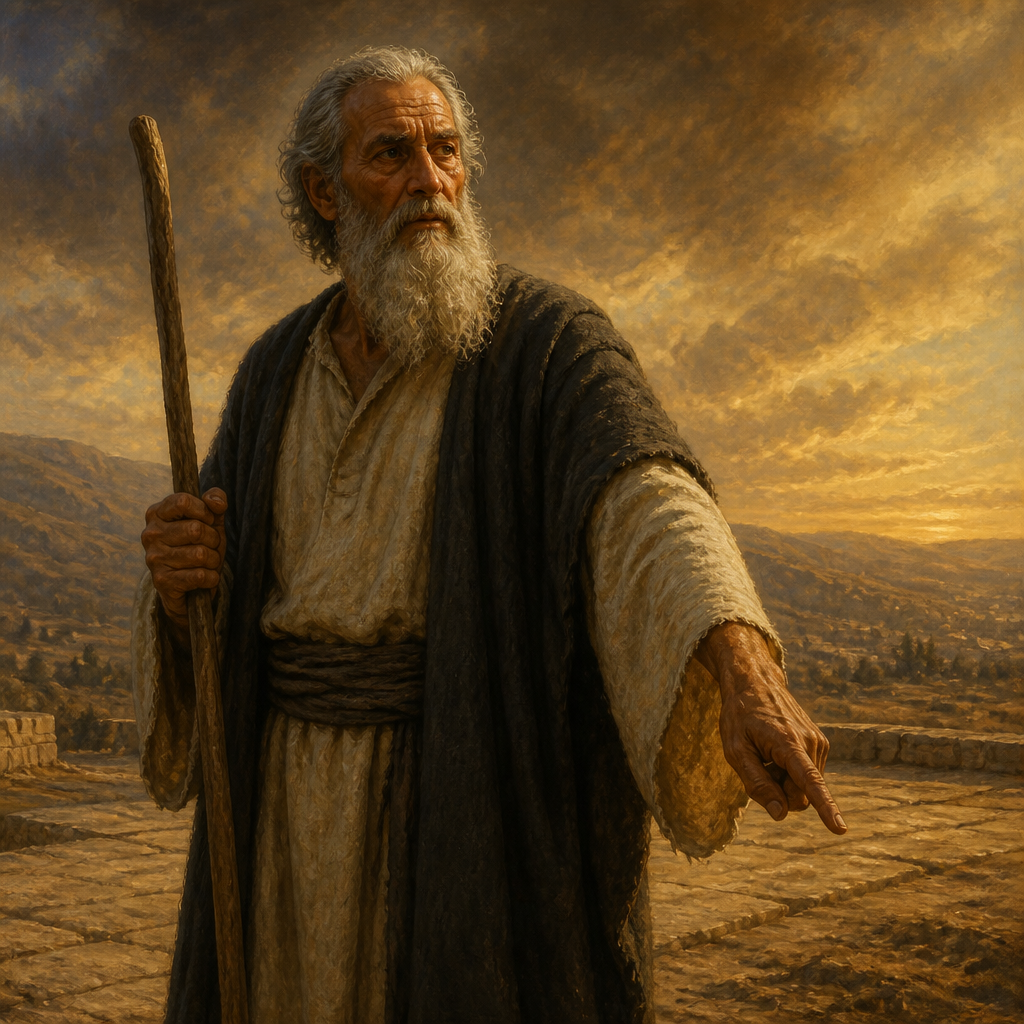
Gad, David's Seer
Prophet and seer who advised King David and designated the site for the Temple
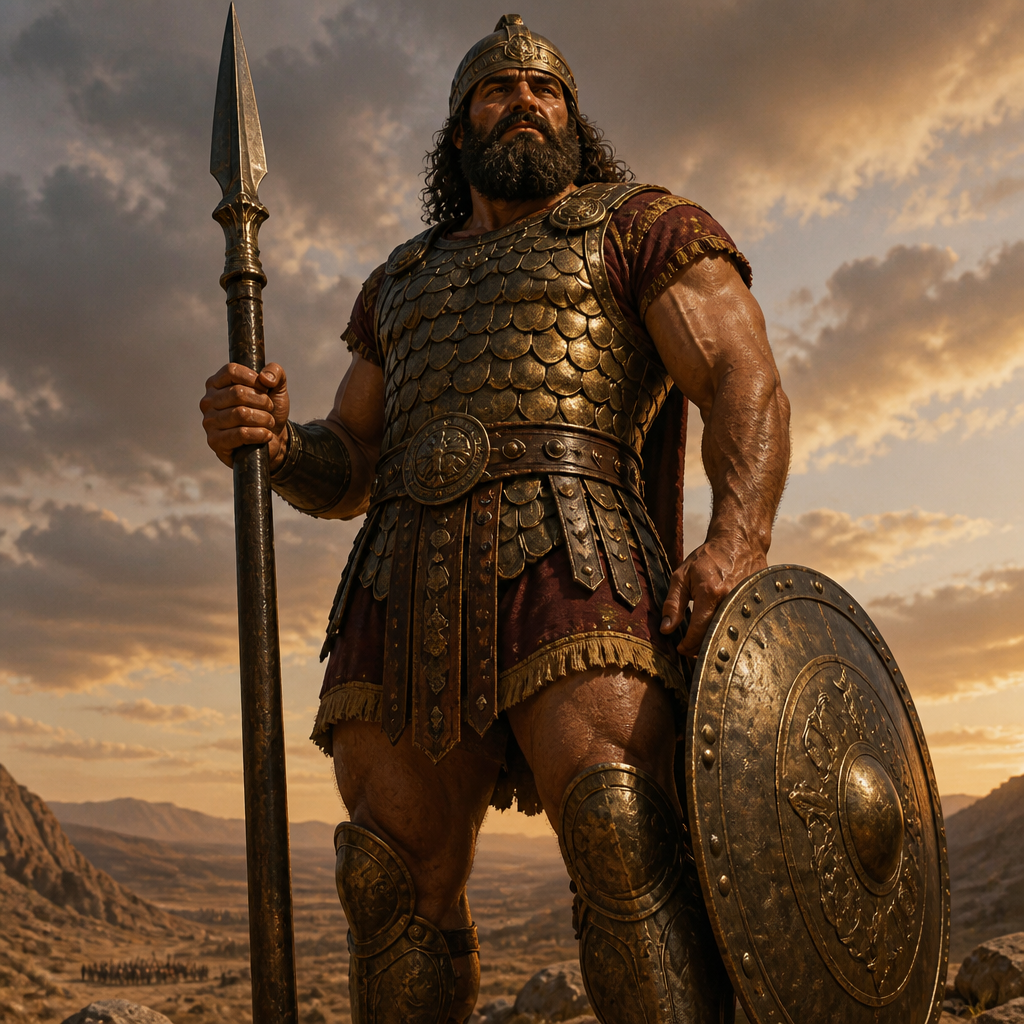
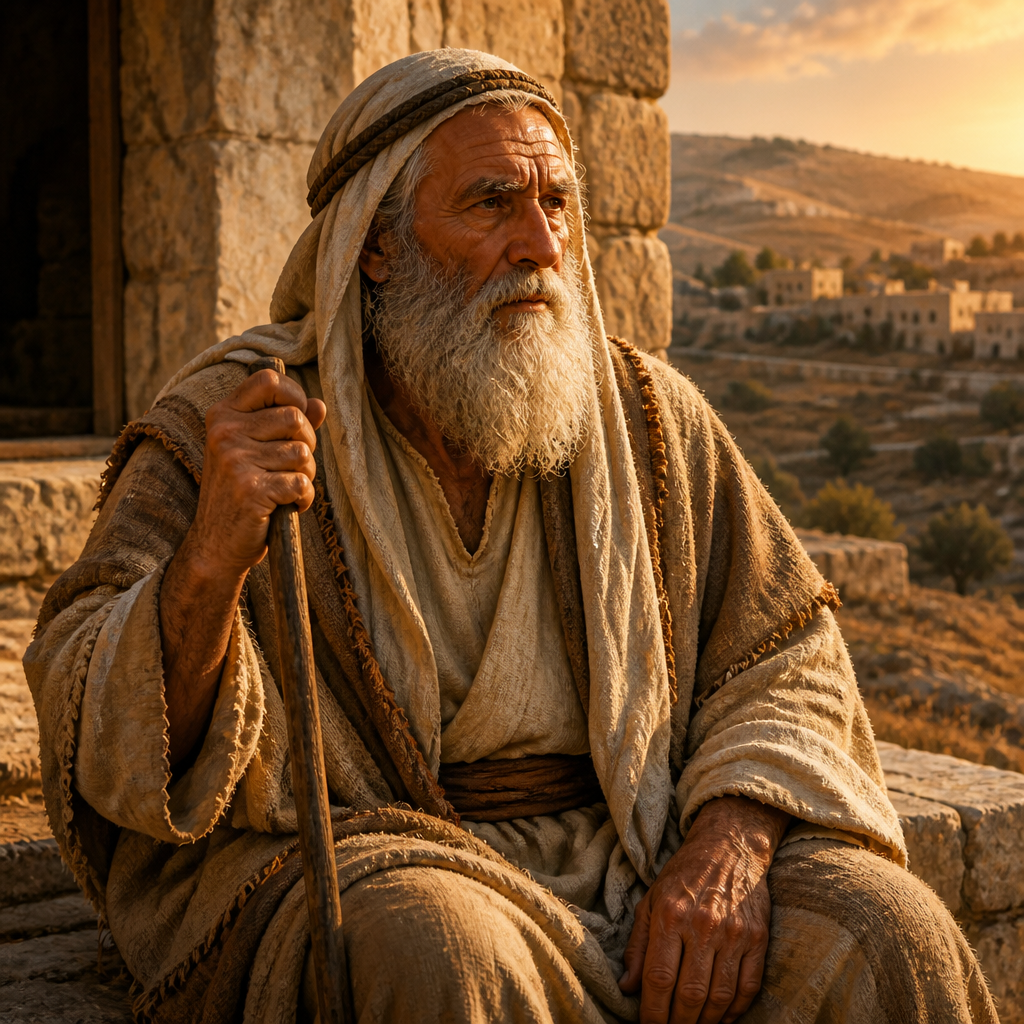
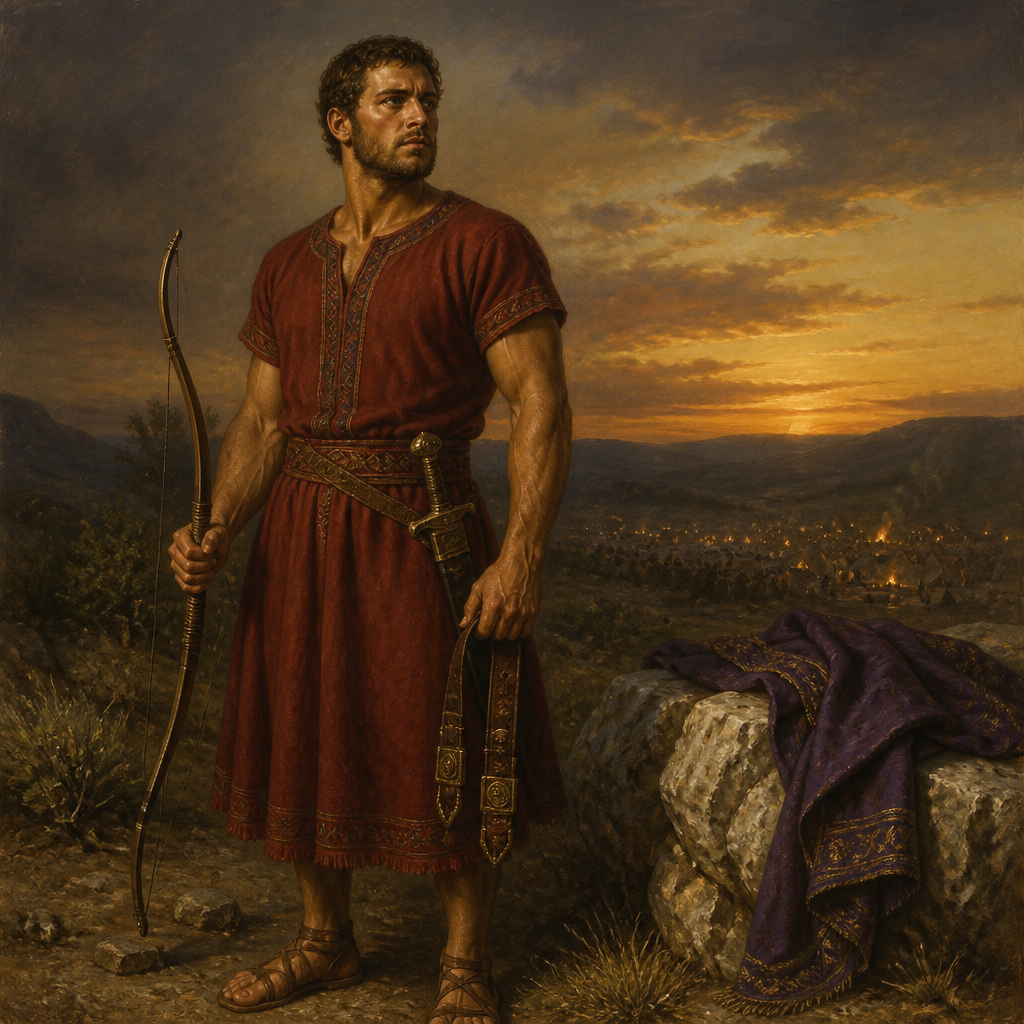
Jonathan, Son of King Saul
Prince of Israel and loyal friend of David who died at Mount Gilboa
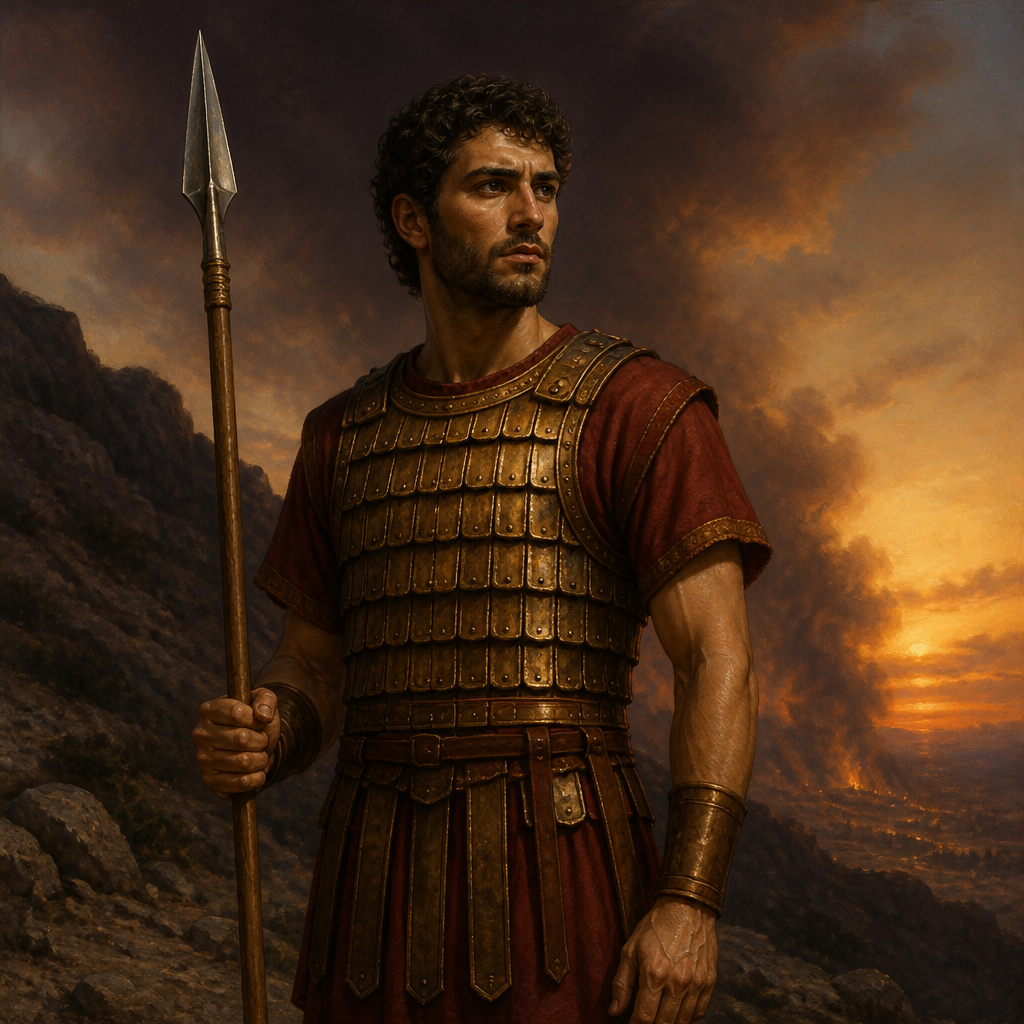
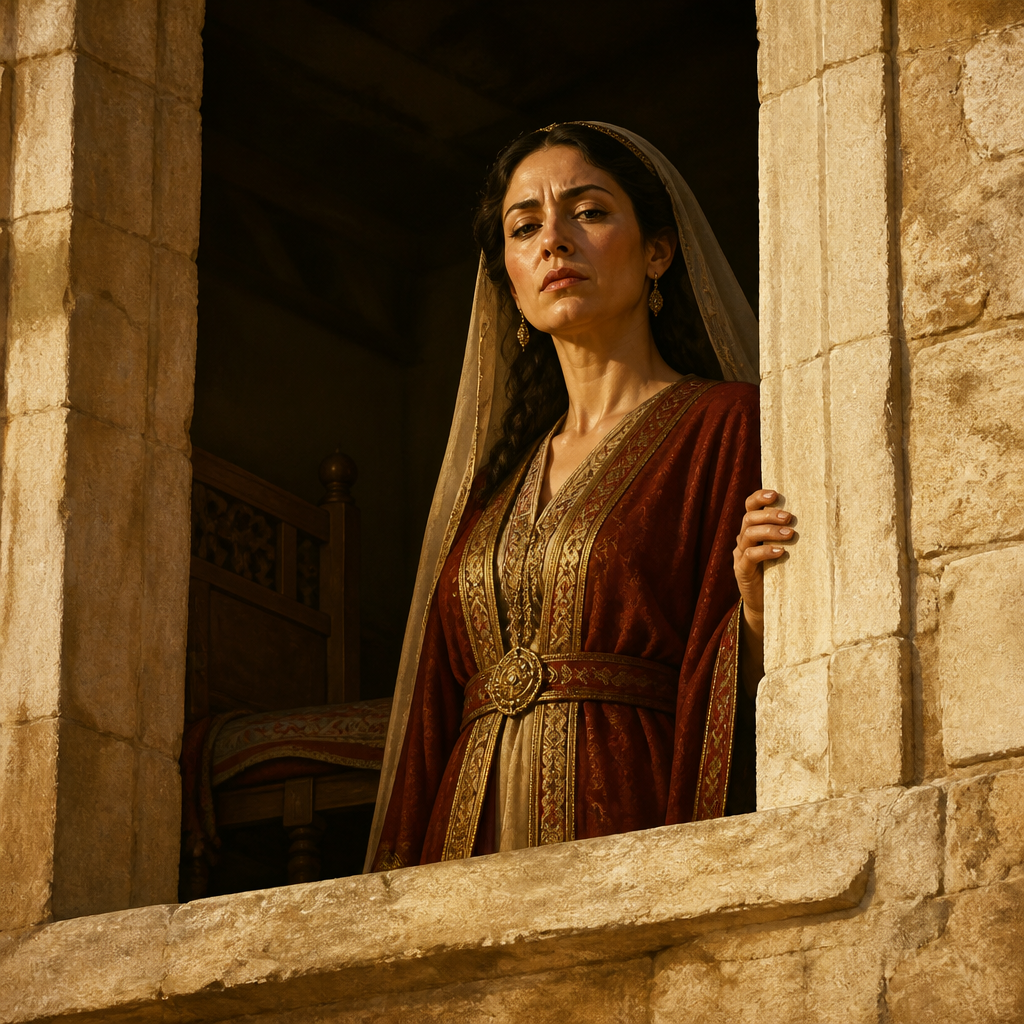
Michal
Daughter of Saul who loved David and saved his life but later despised his worship
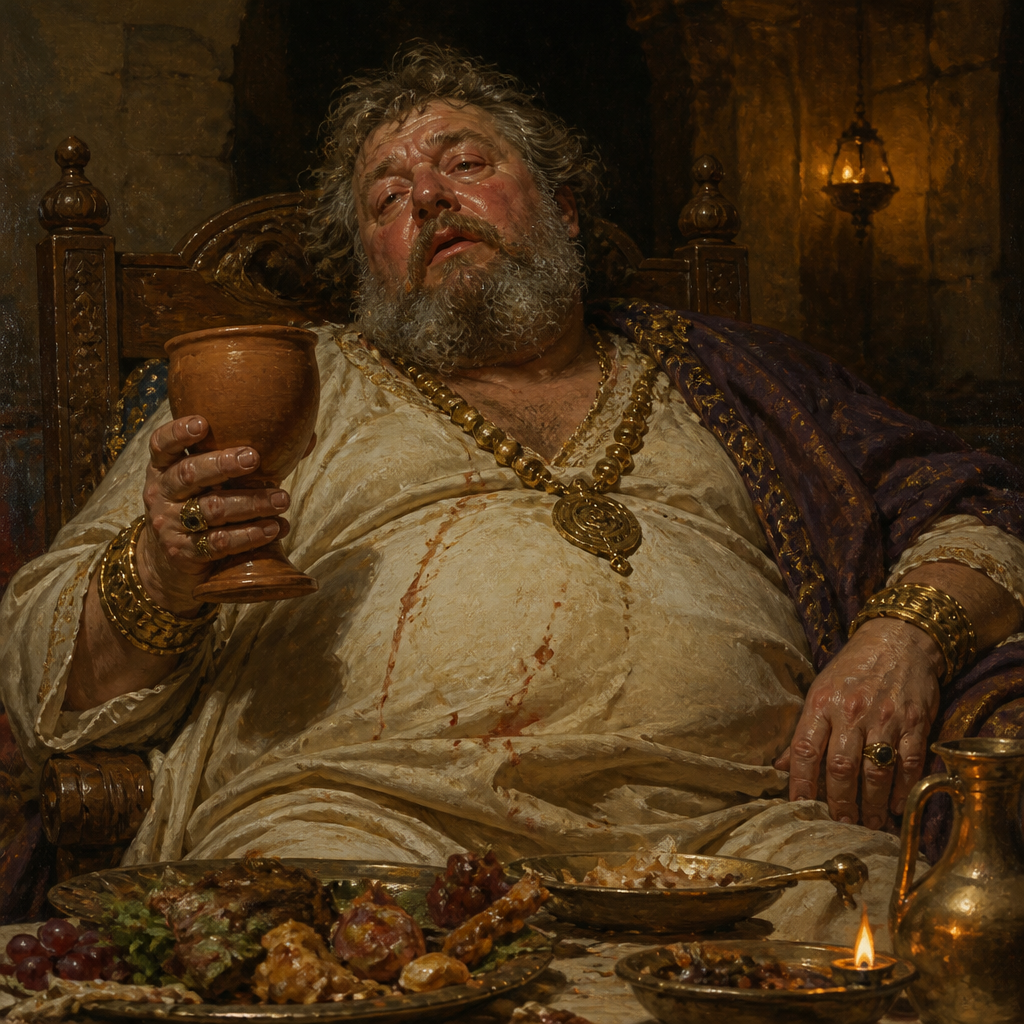
Nabal
Wealthy Calebite whose refusal of hospitality to David led to his divine judgment
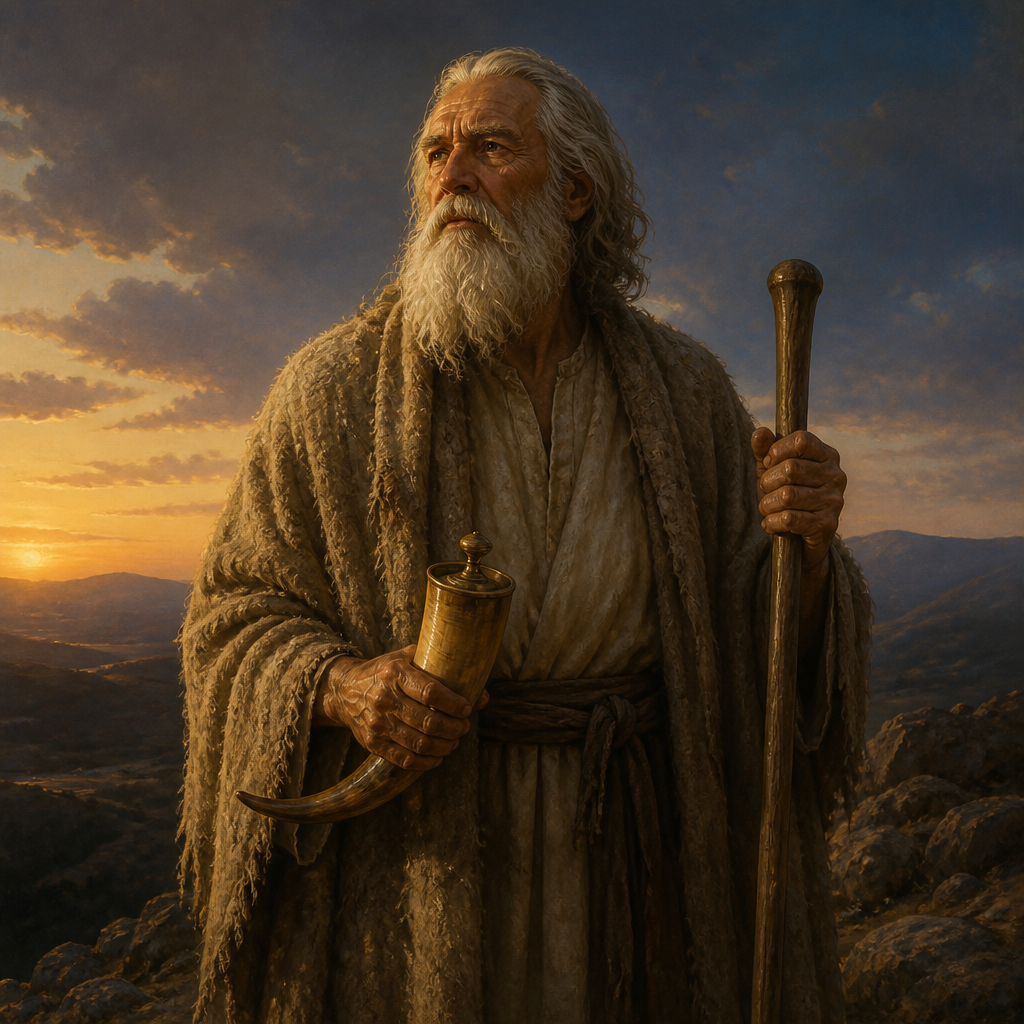
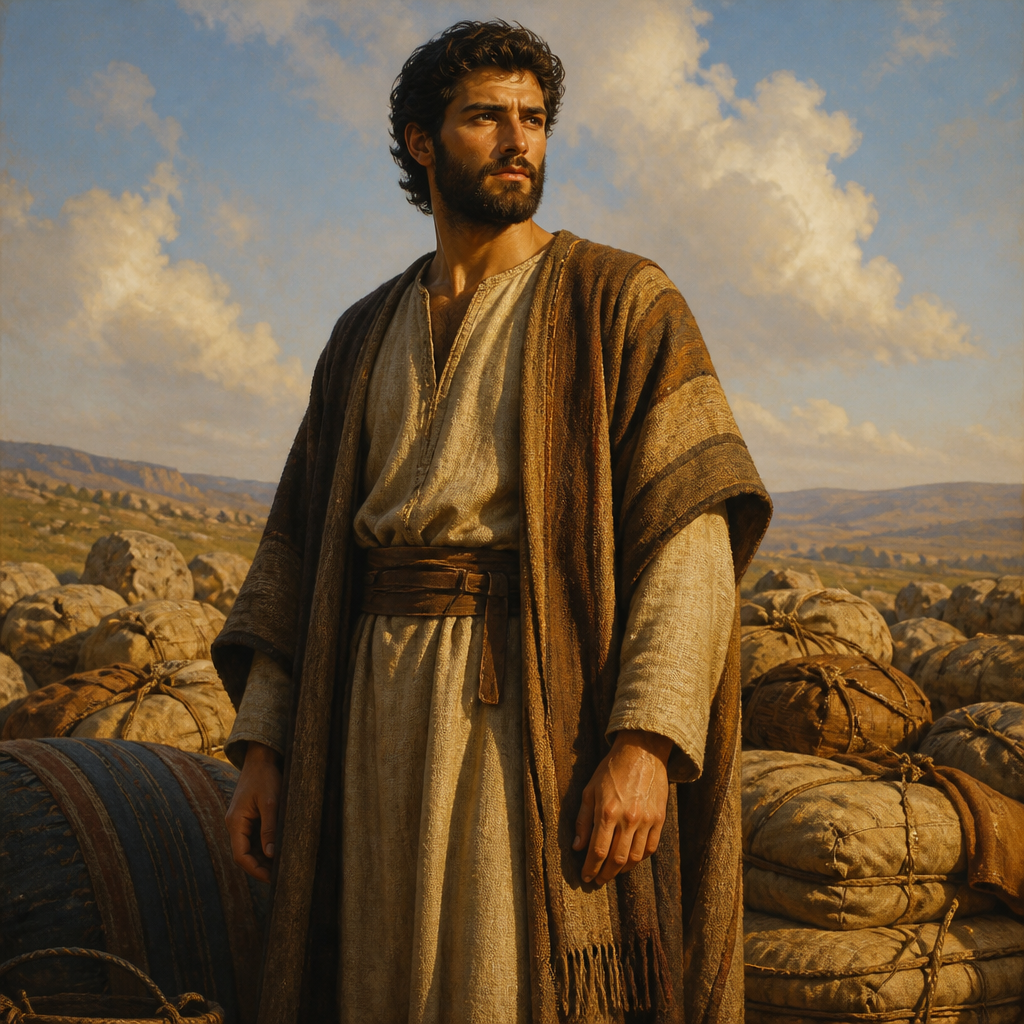
Saul
King of Israel who was the first to rule the United Monarchy before being rejected by God