Laish
Who was Laish in the Bible?
A man from Gallim during the United Monarchy and the father of Palti, to whom King Saul gave Michal, David’s wife.
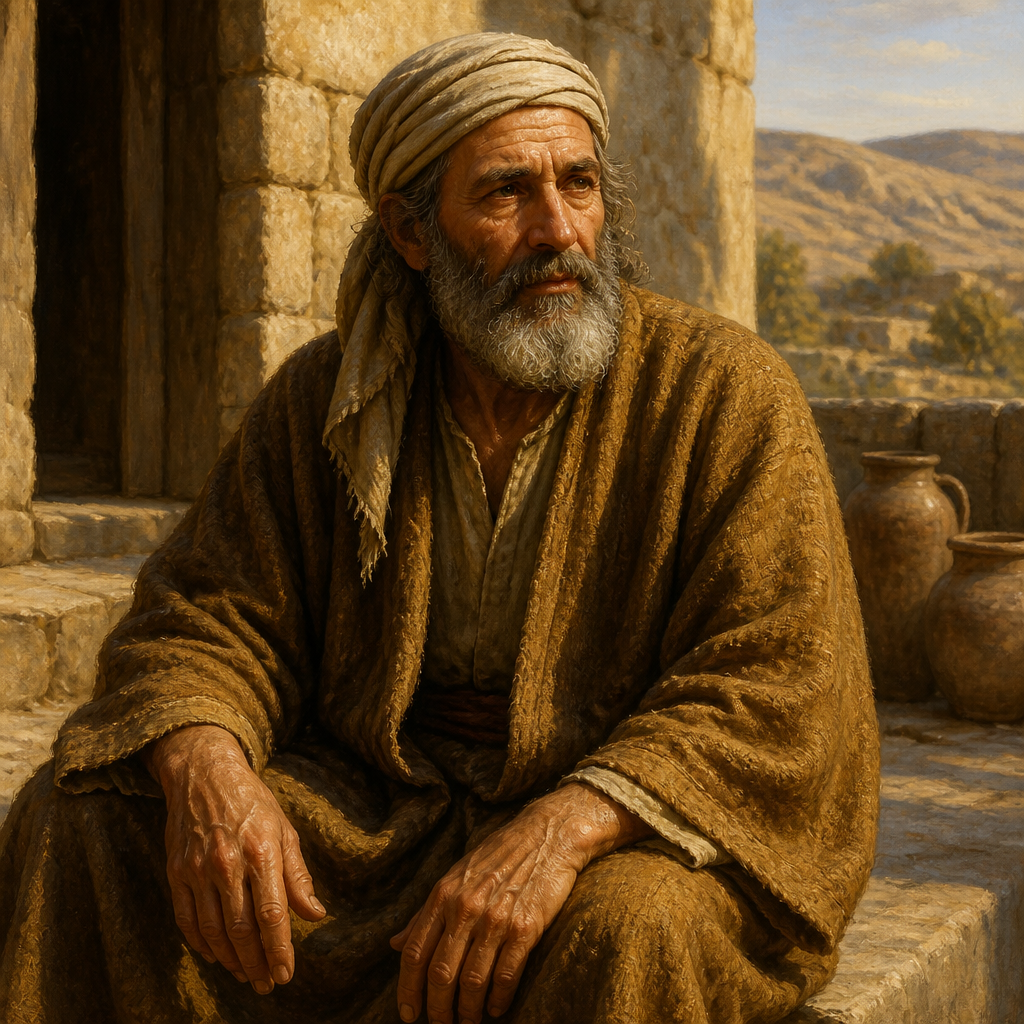
Laish was a resident of Gallim who lived during the transition of power between the house of Saul and the house of David. While Laish does not personally appear in the biblical narrative as an active participant, he is identified as the father of Palti (also called Paltiel), the man chosen by King Saul to marry his daughter Michal after Saul’s falling out with David.
His mention in the biblical record serves a genealogical and social function, establishing the lineage and regional origin of the man who occupied David’s place in Michal’s life. The name Laish literally translates to 'lion' in Hebrew, a common name in the Semitic world, though the text provides no specific details regarding his personal character or social standing within the tribe of Benjamin.
Background and Family
Laish is introduced in the First Book of Samuel as a man from Gallim. Gallim is traditionally identified as a location within the territory of the tribe of Benjamin, situated north of Jerusalem. Because his son Palti was selected by King Saul to marry into the royal family, it is historically inferred that Laish was a man of sufficient social standing or loyalty to the Benjamite monarchy to warrant such an alliance.
Beyond his role as the father of Palti (or Paltiel), the biblical text provides no information regarding Laish's wife, his ancestors, or other children. His primary function in the narrative is to provide the patronymic identification for Palti, ensuring that the reader can distinguish this specific Palti from others mentioned in the biblical corpus.
Major Life Events
The biblical record for Laish is exclusively linked to the marital disputes between King Saul and David. After David fled Saul's court to escape assassination, Saul sought to sever David's legal claim to the throne through his marriage to the princess Michal. Saul took Michal and gave her to Palti, the son of Laish.
"But Saul had given his daughter Michal, David’s wife, to Palti son of Laish, who was from Gallim." (1 Samuel 25:44)
While Laish is not recorded as having a direct hand in this transaction, the mention of his name establishes the legal and social framework of the marriage. Years later, after the death of Saul, the record mentions Laish one final time when David demands the return of Michal as a condition for political negotiations with Saul's son, Ish-bosheth.
Relationship to Other Biblical Figures
Laish is defined by his relationship to his son, Palti. The bond between Laish and the royal house of Saul is indirect but significant; his son was the beneficiary of Saul’s attempts to disenfranchise David. The narrative in 2 Samuel 3:15–16 depicts Palti as a man deeply attached to Michal, following her weeping until he was ordered home. This emotional detail provides a glimpse into the family life of the house of Laish, suggesting a household capable of deep personal devotion despite the volatile political climate of the United Monarchy.
Spiritual Significance
In the context of the United Monarchy, Laish represents the common Israelite caught in the crossfire of the struggle for the throne. While his name is preserved in the sacred text, his life serves as a background element to the unfolding drama of David's rise to power. The mention of Laish underscores the reality that the political maneuvers of kings—such as Saul’s illegal reassignment of his daughter—had real-world consequences for families across Israel. The preservation of his name ensures the historical groundedness of the account, verifying that the man who held Michal was not a nameless entity but the son of a recognized figure from Gallim.
Laish's presence in the text is primarily genealogical, serving to identify Palti (Paltiel) and his hometown of Gallim. This identification is crucial for the historical narrative, as it distinguishes the man who lived with David's wife Michal from other figures named Palti in the scriptures. The mention of Laish helps anchor the account of Michal’s second marriage in a specific social and geographical reality during the reign of King Saul.
Frequently Asked Questions
Who was Laish in the Bible?
Laish was a man from Gallim and the father of Palti (or Paltiel), the man King Saul gave Michal to after she was taken from David.
What does the name Laish mean?
The name Laish is a Hebrew word meaning 'lion'.
Where was Laish from?
The Bible identifies Laish as being from Gallim, a town generally associated with the territory of Benjamin.
Did Laish have any other children mentioned in the Bible?
No, the biblical text only mentions his son Palti (also called Paltiel).
What time period did Laish live in?
Laish lived during the United Monarchy, specifically during the reign of King Saul and the transition to King David's rule.
Family & Relationships
 LaishThis page
Children
 Palti, Husband of MichalSon1 Samuel 25:44Stated
Extended family
 MichalDaughter-in-law1 Samuel 25:44
Inferred
1 Samuel 25:44 names Michal and Laish in the same verse but does not state a father-in-law tie between them; the link rests on the surrounding narrative.Evidence: 1 Samuel 25:44; 2 Samuel 3:15
Connected Figures
Family
Son · 1 Samuel 25:44
A Benjamite from Gallim who was given King Saul’s daughter Michal in marriage after David fled the royal court.
United MonarchyFirst: 1 Samuel 25:445 versesHusband of MichalBenjamin
Daughter-in-law · 1 Samuel 25:44
The daughter of King Saul and the first wife of King David, Michal is a complex figure who navigated the political and personal tensions of Israel's early monarchy.
United MonarchyFirst: 1 Samuel 14:4921 versesPrincess of Israel, Queen ConsortBenjamin
Categories
Mentions by Book
- 1 Samuel1
- 2 Samuel1
Scripture References
All 2 indexed verses, in canonical order, from the Berean Standard Bible.
1 Samuel · 1
- 1 Samuel 25:44
But Saul had given his daughter Michal, David’s wife, to Palti son of Laish, who was from Gallim.
2 Samuel · 1
- 2 Samuel 3:15
So Ish-bosheth sent and took Michal from her husband Paltiel son of Laish.