Zecher
Who was Zecher in the Bible?
Zecher was a Benjaminite leader and the son of Abiel and Maacah, belonging to the ancestral line that produced Saul, the first king of Israel.
Zecher was a member of the tribe of Benjamin during the era of the United Monarchy. He is specifically identified in the genealogical records of the Chronicler as one of the sons of Abiel (also known as Jeiel) and his wife Maacah. Living in the region of Gibeon, Zecher was part of a prominent family that played a significant role in the tribal structure of Benjamin during the transition from the period of the Judges to the establishment of the Israelite monarchy.
His inclusion in the biblical text serves a specific structural purpose: documenting the lineage of King Saul. While the biblical narrative does not record his individual actions or words, his placement within these lists highlights the importance of hereditary continuity and tribal identity in the early history of the United Monarchy. In some manuscripts and translations, his name appears with a linguistic variation as 'Zechariah,' reflecting the common practice of theophoric naming in ancient Israel.
Background and Family
Zecher appears in the historical and genealogical records of the Old Testament during the formative years of the United Monarchy (c. 11th century BC). He was born into the tribe of Benjamin, specifically residing in the territory of Gibeon. According to the records in 1 Chronicles 8 and 9, Zecher was the son of Abiel (referred to as the 'father of Gibeon') and Maacah.
The family of Zecher was extensive and influential. His brothers included Gedor, Ahio, Kish, Ner, Abdon, Zur, Baal, Nadab, and Mikloth. This specific household is of paramount importance to the biblical narrative because it forms the immediate ancestral context for Saul, the first man to be anointed as king over all Israel. Within this family tree, Zecher was a sibling to Kish, making him a direct uncle to King Saul.
Major Life Events
Because Zecher is mentioned exclusively in the genealogical lists of 1 Chronicles, there are no specific narrative events recorded concerning his life. Unlike his nephew Saul or his brother Kish, Zecher does not feature in the prose accounts of the wars against the Philistines or the political intrigues of the early kingdom.
His primary 'event' in the biblical record is his residency in Gibeon and his role in maintaining the Benjaminite lineage. The fact that he is listed twice—once in 1 Chronicles 8:31 and again in 1 Chronicles 9:37—suggests that he was a recognized head of a paternal house. These lists were vital for the post-exilic community (the original audience of Chronicles) to establish their heritage and claims to ancestral lands following their return from Babylon.
Relationship to Other Biblical Figures
Zecher’s identity is defined almost entirely by his relationships. As a son of Abiel and Maacah, he shared a household with Ner and Kish. This connection places him at the heart of the Benjaminite aristocracy. In 1 Chronicles 9:37, the name is rendered as "Zechariah," which is a common linguistic expansion of the shorter form "Zecher." Both forms are derived from the Hebrew root zakar, meaning "to remember."
His brothers Ner and Kish are the most prominent of his siblings; Ner was the father of Abner (Saul’s general), and Kish was the father of Saul. Consequently, Zecher occupied a central position in the family network that governed Israel during the first forty years of the monarchy.
Spiritual Significance
While the text provides no explicit commentary on Zecher’s personal faith, his presence in the genealogy reflects the theological theme of God's providence through specific families. In the Chronicler's view, every name recorded is a testament to the preservation of the people of Israel through centuries of conflict and upheaval. Zecher represents the "remembered" (consistent with his name) threads of a lineage that God chose to lead His people during the transition from tribal confederacy to a unified kingdom. His inclusion ensures that the full scope of Saul’s Benjaminite heritage is documented, emphasizing that the monarchy did not emerge from a vacuum but from an established, organized tribal family.
Zecher’s significance lies in his role as a link in the Benjaminite genealogy leading to King Saul. His inclusion in two separate chapters of 1 Chronicles underscores the importance of the Gibeon-based family of Abiel in the tribal history of Israel. He serves as a representative of the pre-monarchical Benjaminite leadership that provided the social and familial foundation for Israel's first king.
Theologically, Zecher’s name—meaning 'Remembrance'—symbolizes the Chronicler’s effort to preserve the identity of the tribes of Israel. Even figures with no recorded deeds are deemed essential to the biblical record because they represent the continuity of the covenant people and the specific tribal structures that God utilized to organize the nation.
Frequently Asked Questions
Who was Zecher's father?
Zecher was the son of Abiel (also identified as Jeiel), who is described as the father or founder of Gibeon.
Is Zecher related to King Saul?
Yes, Zecher was a brother to Kish, which makes him the paternal uncle of Saul, the first king of Israel.
Why is Zecher called Zechariah in some verses?
In 1 Chronicles 9:37, the name appears as Zechariah, which is a longer form of the name Zecher. Both come from the same Hebrew root meaning 'to remember' or 'remembered by Yahweh.'
What tribe did Zecher belong to?
Zecher was a member of the tribe of Benjamin, one of the twelve tribes of Israel.
Where did Zecher live?
The biblical text associates Zecher's family with the city of Gibeon, a significant town within the territory of Benjamin.
Family & Relationships
Parents
 AbielFather1 Chronicles 8:30
Inferred
No verse names Abiel and Zecher together; the son link is carried from the surrounding genealogy and is not stated in Scripture.Evidence: 1 Chronicles 8:30; 1 Chronicles 8:31; 1 Samuel 9:1; 1 Samuel 14:51
 Maacah, Wife of JeielMother1 Chronicles 8:29
Inferred
No verse names Maacah and Zecher together; the son link is carried from the surrounding genealogy and is not stated in Scripture.Evidence: 1 Chronicles 8:29; 1 Chronicles 8:30; 1 Chronicles 8:31
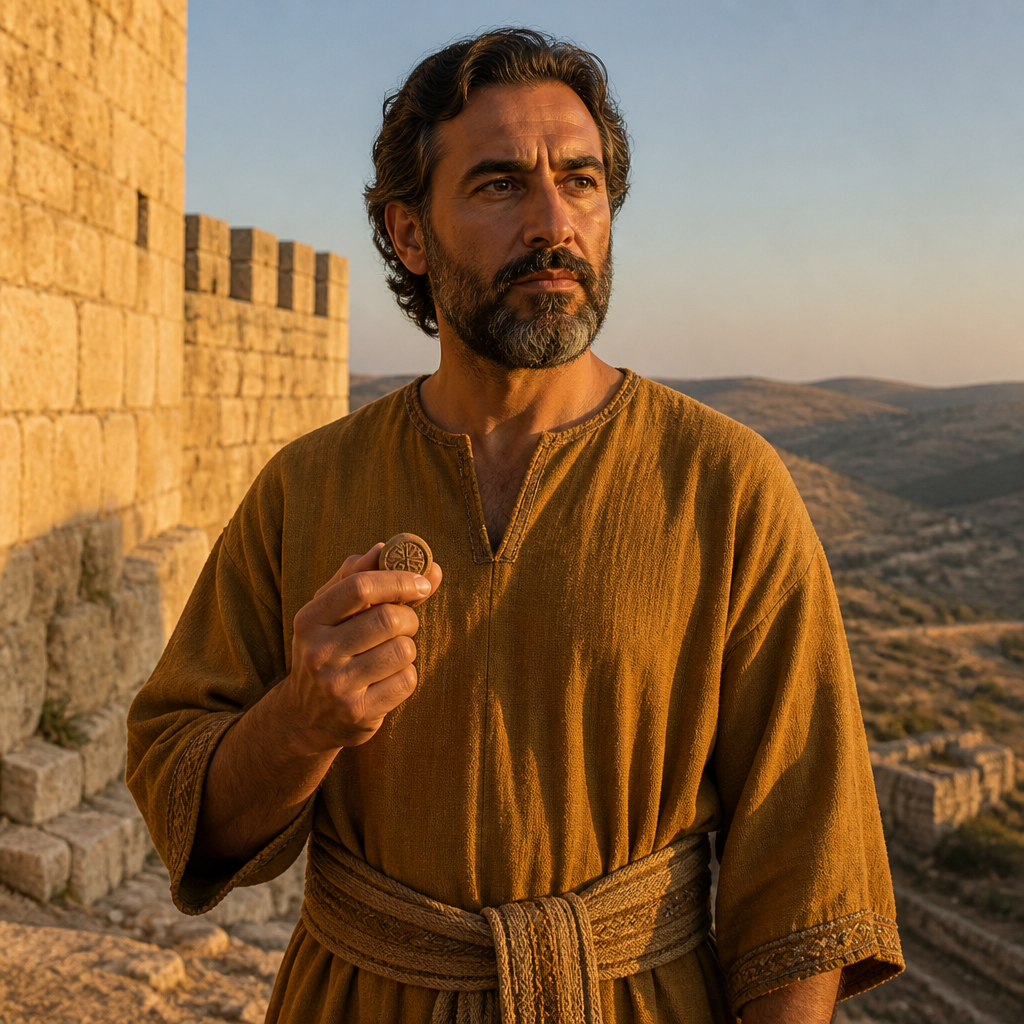 ZecherThis page
 Kish, Father of King SaulBrother1 Chronicles 8:30–31Stated
 NerBrother1 Chronicles 8:31–33Stated
 Abdon, Son of AbielBrother1 Chronicles 8:30–31Stated
 Ahio, Son of AbielBrother1 Chronicles 8:31Stated
 Baal, Benjaminite of the United MonarchyBrother1 Chronicles 8:30–31Stated
 GedorBrother1 Chronicles 8:31Stated
 Mikloth, Benjaminite of the United MonarchyBrother1 Chronicles 8:31–32Stated
 Nadab, Son of AbielBrother1 Chronicles 8:30–31Stated
 Zur, Son of Jeiel of GibeonBrother1 Chronicles 8:30–31Stated
Extended family
 SaulNephew1 Chronicles 8:30
Inferred
No verse names Saul and Zecher together; the uncle link is carried from the surrounding genealogy and is not stated in Scripture.Evidence: 1 Chronicles 8:30; 1 Chronicles 8:31; 1 Samuel 9:3; 1 Samuel 10:21; 1 Chronicles 8:33; 1 Chronicles 9:39
Connected Figures
Family
Father · 1 Chronicles 8:30
A prominent Benjamite and the paternal grandfather of Saul, Israel's first king, and Abner, the commander of Saul's army.
Mother · 1 Chronicles 8:29
Maacah was a Benjaminite matriarch in the United Monarchy era, the wife of Jeiel and the grandmother of King Saul.
United MonarchyFirst: 1 Chronicles 8:298 versesMatriarchBenjamin
Brother · 1 Chronicles 8:30–31
A wealthy and influential Benjamite landowner best known as the father of Saul, the first king of Israel.
United MonarchyFirst: 1 Samuel 9:116 versesElderBenjamin
Brother · 1 Chronicles 8:31–33
A high-ranking Benjamite of the United Monarchy, father of the commander Abner, and uncle to Israel's first king, Saul.
Brother · 1 Chronicles 8:30–31
The firstborn son of Abiel and Maacah, and a prominent Benjaminite relative of Israel's first king, Saul.
Brother · 1 Chronicles 8:31
A Benjaminite of the United Monarchy period, notable as a brother of Kish and a paternal uncle to Israel's first king, Saul.
United MonarchyFirst: 1 Chronicles 8:3110 versesBenjaminite NoblemanBenjamin
Brother · 1 Chronicles 8:30–31
A Benjaminite nobleman and son of Jeiel, identified as a paternal uncle of King Saul within the genealogies of the United Monarchy.
United MonarchyFirst: 1 Chronicles 8:3015 versesTribal NoblemanBenjamin
Brother · 1 Chronicles 8:31
A Benjaminite aristocrat during the United Monarchy period, notable as a son of Jeiel (Abiel) and a member of King Saul’s immediate paternal lineage.
United MonarchyFirst: 1 Chronicles 8:3110 versesBenjaminite NobleBenjamin
Brother · 1 Chronicles 8:31–32
Mikloth was a prominent Benjaminite leader living in Jerusalem and a relative of King Saul during the era of the United Monarchy.
Brother · 1 Chronicles 8:30–31
A Benjaminite nobleman of Gibeon and the son of Abiel, known as an uncle of King Saul and a member of the ancestral line that established the first royal house of Israel.
United MonarchyFirst: 1 Chronicles 8:3011 versesBenjaminite NoblemanBenjamin
Brother · 1 Chronicles 8:30–31
A Benjaminite nobleman and son of Jeiel, Zur was a prominent member of the ancestral line that produced Saul, the first king of Israel.
United MonarchyFirst: 1 Chronicles 8:3010 versesBenjaminite NoblemanBenjamin
Nephew · 1 Chronicles 8:30
Saul was the first king of Israel, anointed by Samuel from the tribe of Benjamin to lead the United Monarchy against the Philistine threat.
United MonarchyFirst: 1 Samuel 9:2339 versesFirst King of IsraelBenjamin
Categories
Mentions by Book
- 1 Samuel3
- 1 Chronicles7
Scripture References
All 10 indexed verses, in canonical order, from the Berean Standard Bible.
1 Samuel · 3
- 1 Samuel 9:3Partial
One day the donkeys of Saul’s father Kish wandered off, and Kish said to his son Saul, “Take one of the servants and go look for the donkeys.”
Cited as evidence on a family card; added so References, Key Verses and Mentions by Book share one index.
- 1 Samuel 10:21Partial
Then he had the tribe of Benjamin come forward by its clans, and the clan of Matri was selected. Finally, Saul son of Kish was selected. But when they looked for him, they could not find him.
Cited as evidence on a family card; added so References, Key Verses and Mentions by Book share one index.
- 1 Samuel 14:51Partial
Saul’s father Kish and Abner’s father Ner were sons of Abiel.
Cited as evidence on a family card; added so References, Key Verses and Mentions by Book share one index.
1 Chronicles · 7
- 1 Chronicles 8:29Partial
Jeiel the father of Gibeon lived in Gibeon. His wife’s name was Maacah,
Cited as evidence on a family card; added so References, Key Verses and Mentions by Book share one index.
- 1 Chronicles 8:30Partial
and Abdon was his firstborn son, then Zur, Kish, Baal, Nadab,
Cited as evidence on a family card; added so References, Key Verses and Mentions by Book share one index.
- 1 Chronicles 8:31
Gedor, Ahio, Zecher,
- 1 Chronicles 8:32Partial
and Mikloth, who was the father of Shimeah. They too lived alongside their relatives in Jerusalem.
Cited as evidence on a family card; added so References, Key Verses and Mentions by Book share one index.
- 1 Chronicles 8:33Partial
Ner was the father of Kish, Kish was the father of Saul, and Saul was the father of Jonathan, Malchishua, Abinadab, and Esh-baal.
Cited as evidence on a family card; added so References, Key Verses and Mentions by Book share one index.
- 1 Chronicles 9:37
Gedor, Ahio, Zechariah, and Mikloth.
- 1 Chronicles 9:39Partial
Ner was the father of Kish, Kish was the father of Saul, and Saul was the father of Jonathan, Malchishua, Abinadab, and Esh-baal.
Cited as evidence on a family card; added so References, Key Verses and Mentions by Book share one index.