Zerahiah, Father of Eliehoenai
Who was Zerahiah, Father of Eliehoenai, in the Bible?
Zerahiah was a member of the clan of Pahath-moab whose son, Eliehoenai, led a contingent of two hundred men back to Jerusalem during the second wave of the return from exile.
This is one of 2 people named Zerahiah in the Bible. See all 2 →
Zerahiah (Hebrew: Zerahyah, meaning 'Yah has dawned' or 'Yah has risen') is a figure mentioned in the post-exilic historical literature of the Old Testament. He is specifically identified as the father of Eliehoenai, a leader among the returning exiles during the reign of King Artaxerxes of Persia. While Zerahiah's personal actions are not detailed in the text, his inclusion in the genealogical records of Ezra 8 serves to establish the legitimacy and lineage of those reclaiming their heritage in the land of Judah.
Zerahiah belonged to the family line of Pahath-moab, one of the most prominent non-priestly clans involved in the restoration of Jerusalem. The mention of his name provides a vital link between the generation that lived in Babylon and the generation that undertook the perilous journey back to the Promised Land. His family's contribution was significant, representing a sizable military and social unit within the expedition led by the scribe Ezra.
Background and Family
Zerahiah is situated within the genealogical framework of the Post-Exilic Period, specifically during the return of the Jews from Babylon to Jerusalem around 458 BC. According to Ezra 8:4, Zerahiah was a descendant of Pahath-moab. The name Pahath-moab literally translates to 'Governor of Moab,' suggesting that this clan may have held administrative authority or had significant historical ties to the region of Moab prior to or during the exile.
By the time of the return under Ezra, the house of Pahath-moab had established itself as a numerous and influential family. In earlier lists of returnees (such as those in Ezra 2:6), the descendants of Pahath-moab are noted as being among the largest groups to participate in the restoration. Zerahiah represents a specific branch of this large family tree, appearing as the immediate ancestor of one of the heads of the households who traveled with Ezra.
Major Life Events
Because the biblical text focuses on the logistics of the return to Jerusalem, Zerahiah himself does not appear as a direct actor in the narrative. Instead, he is identified as the father of Eliehoenai. It was Eliehoenai who acted as the representative for Zerahiah’s household during the second major migration from Babylon. Under Eliehoenai's leadership, a group of 200 males from Zerahiah's line joined Ezra at the Ahava Canal to begin their journey.
The inclusion of Zerahiah’s name in the register of Ezra 8:4 indicates that he was likely a man of standing within the community of the Diaspora. Whether Zerahiah had already passed away by the time of the journey or was simply too elderly to make the trek is not stated; however, his legacy was carried forward by his son and the two hundred men who followed him.
Relationship to Other Biblical Figures
Zerahiah’s primary biblical relationship is with his son, Eliehoenai. This connection is essential for the narrative's purpose of documenting the 'heads of their fathers’ households' (Ezra 8:1). By naming Zerahiah, the text validates Eliehoenai’s right to lead and confirms the purity of his Israelite descent. Furthermore, Zerahiah is associated with Ezra the Scribe, as his household was one of the select groups that answered Ezra's call to return to Judah to bolster the spiritual and physical reconstruction of the community.
Spiritual Significance
While Zerahiah is a minor figure in terms of narrative action, his presence in the Holy Scriptures underscores the biblical theme of generational faithfulness. The survival of Zerahiah’s family name through the long years of the Babylonian Captivity demonstrates the preservation of Israel's identity even in a foreign land. The willingness of his son and his two hundred descendants to leave the relative stability of Persia for the ruins of Jerusalem reflects a commitment to the covenant promises made to their ancestors. Zerahiah, as the patriarch of this specific group, stands as a representative of those families who maintained their heritage and produced the leaders necessary for the restoration of the post-exilic community.
Zerahiah’s significance lies in his role as a genealogical link within the clan of Pahath-moab. His mention in Ezra 8:4 confirms the organized and documented nature of the return from exile, ensuring that the restored community in Jerusalem was built upon clear ancestral foundations. The fact that 200 men are specifically associated with his son Eliehoenai highlights the strength and commitment of Zerahiah’s immediate lineage to the cause of the restoration.
Frequently Asked Questions
Who was Zerahiah's son?
Zerahiah's son was Eliehoenai, who led a group of 200 men back to Jerusalem with Ezra.
Which clan did Zerahiah belong to?
Zerahiah belonged to the descendants of Pahath-moab.
In which book of the Bible is this Zerahiah mentioned?
This specific Zerahiah is mentioned only in the book of Ezra, specifically in Ezra 8:4.
What does the name Zerahiah mean?
The name Zerahiah means 'Yah has dawned' or 'the Lord has risen.'
How many people from Zerahiah's family returned to Jerusalem?
Two hundred men from the line of Eliehoenai, son of Zerahiah, are recorded as returning during the second wave of migration under Ezra.
Family & Relationships
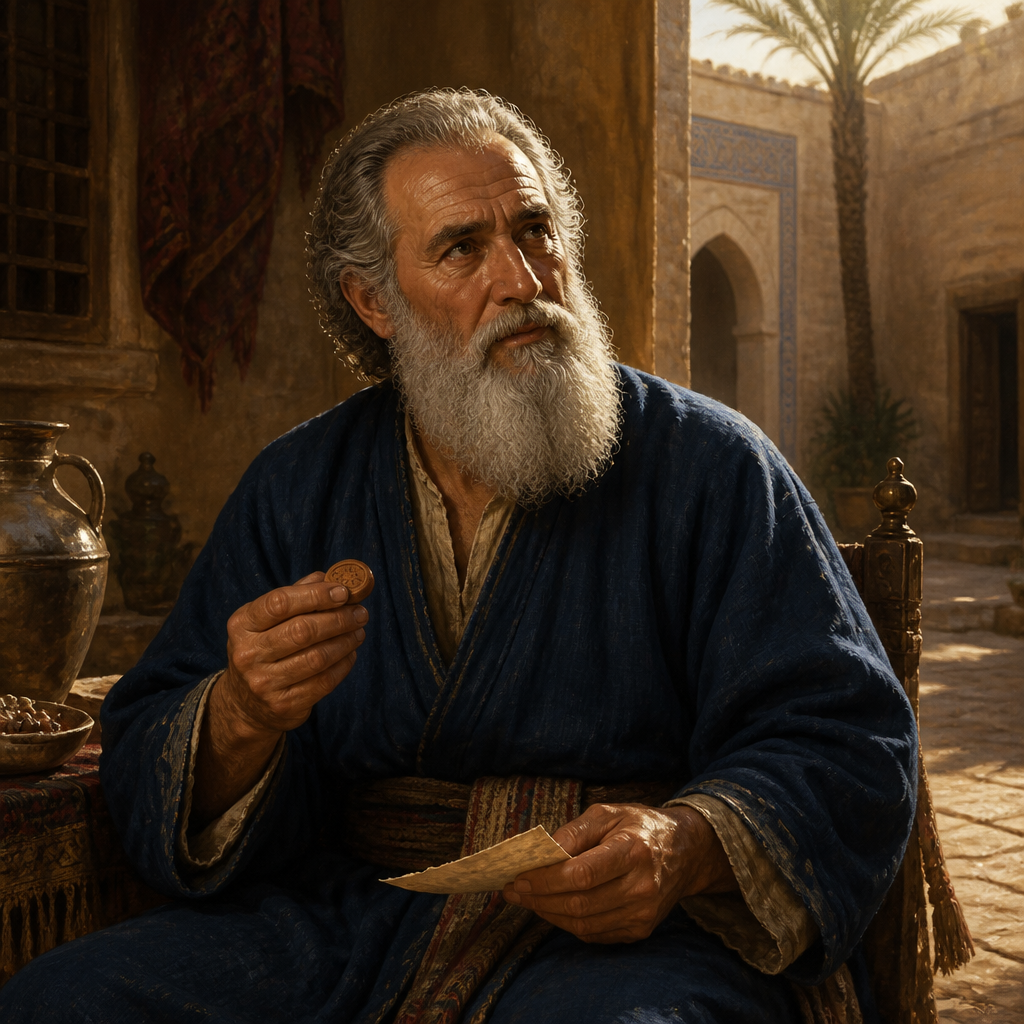 Zerahiah, Father of EliehoenaiThis page
Children
 Eliehoenai, Son of ZerahiahSonEzra 8:4Stated
Connected Figures
Family
Son · Ezra 8:4
A leader and descendant of Pahath-Moab who returned from the Babylonian exile to Jerusalem under the leadership of Ezra.
Categories
Mentions by Book
- Ezra1
Scripture References
All 1 indexed verse, in canonical order, from the Berean Standard Bible.
Ezra · 1
- Ezra 8:4
from the descendants of Pahath-Moab, Eliehoenai son of Zerahiah, and with him 200 men;
Others Named Zerahiah
Compare all 2 bearers →Zerahiah, Priest in the Line of Eleazar1 Chronicles 6:6
A Levite priest of the line of Eleazar who served in the high priestly genealogy during the era of the conquest and the judges.