Zechariah, Son of Bebai
Who was Zechariah, Son of Bebai, in the Bible?
A member of the clan of Bebai who joined Ezra’s caravan during the second wave of Jewish exiles returning from Babylon to Jerusalem.
This is one of 29 people named Zechariah in the Bible. See all 29 →
Zechariah, the son of Bebai, was a Jewish man who lived during the pivotal era of the Exile and Return. He is specifically identified in the biblical record as a leader or representative of his family line during the return to Jerusalem under the leadership of the scribe Ezra. This period, roughly 458 BC, marked a significant moment in the restoration of the Jewish community in their ancestral homeland following decades of captivity in Mesopotamia.
While his individual actions are not detailed at length, Zechariah’s inclusion in the formal register of returnees signifies his status as a head of a household or a man of standing within the clan of Bebai. His commitment to the arduous journey from Babylon to Jerusalem underscores his devotion to the religious and national restoration of Israel under the Persian decree.
Background and Family
Zechariah was a member of the descendants of Bebai. In the post-exilic genealogical records, the house of Bebai is recognized as a significant family unit among those who returned from the Babylonian captivity. An earlier group from the same clan, numbering 623 people, had returned decades prior with Zerubbabel (Ezra 2:11; Nehemiah 7:16). Zechariah, however, was part of the subsequent, smaller group that remained in Babylon until the second major migration led by Ezra the priest.
His identification as the "son of Bebai" (Ezra 8:11) may refer to his immediate paternity or, more likely in the context of ancient Near Eastern genealogies, his role as a prominent descendant and representative of the ancestral house of Bebai.
Major Life Events
The singular recorded event in the life of Zechariah is his participation in the trek from the Ahava Canal to Jerusalem. According to Ezra 8:11, Zechariah led a contingent of 28 men from his family line. This journey was fraught with danger, as the exiles carried significant amounts of gold and silver for the Temple and traveled through territories known for bandits, notably refusing a Persian military escort to demonstrate their reliance on divine protection.
Zechariah’s presence in this list confirms he was among the "heads of their fathers’ households" who were registered at the start of the journey. His arrival in Jerusalem contributed to the replenishment of the city’s population and the reinforcement of the community’s commitment to the Mosaic Law as championed by Ezra.
Relationship to Other Biblical Figures
Zechariah served under the leadership of Ezra, the priest and teacher of the Law. While he is not mentioned as part of Ezra's inner circle of administrators, he was clearly a person of influence within the tribal structures of the returnees. He is listed alongside other heads of households such as Shelomith son of Josiphiah and Johanan son of Hakkatan.
Spiritual Significance
The significance of Zechariah lies in his representative role. In the book of Ezra, the listing of names like Zechariah serves a theological purpose: it demonstrates God’s faithfulness in preserving the specific lineages of Israel through the judgment of the Exile. By returning to the Promised Land, Zechariah and his 28 kinsmen acted as physical participants in the fulfillment of prophetic promises regarding the restoration of the Remnant. His life represents the transition from the displacement of the Exile to the re-establishment of the covenant community in the land of Judea.
Zechariah, son of Bebai, represents the 'Remnant' of Israel—those who were willing to leave the relative comfort of Babylon to rebuild the spiritual life of Jerusalem. His inclusion in the genealogical registers of Ezra 8 highlights the importance of individual and familial identity in the post-exilic community, ensuring that the tribal and family lines remained intact during the restoration.
Theologically, his name (meaning 'the LORD remembers') serves as a subtle reminder of the overarching theme of the Book of Ezra: that God had not forgotten His people or His promises, even after seventy years of captivity. Zechariah is a testament to the quiet, administrative, and communal faithfulness required to sustain a nation in transition.
Frequently Asked Questions
Who was Zechariah, son of Bebai?
He was a Jewish leader who returned to Jerusalem from Babylon with the scribe Ezra around 458 BC.
How many people did Zechariah lead back to Jerusalem?
According to Ezra 8:11, Zechariah was accompanied by 28 men from the descendants of Bebai.
What tribe did Zechariah belong to?
The Bible does not specify his tribe, only his family lineage as the son of Bebai.
In what book of the Bible is this Zechariah mentioned?
He is mentioned exclusively in the Book of Ezra, specifically in chapter 8, verse 11.
Family & Relationships
Parents
 Bebai, Parent of ZechariahFatherEzra 8:11Stated
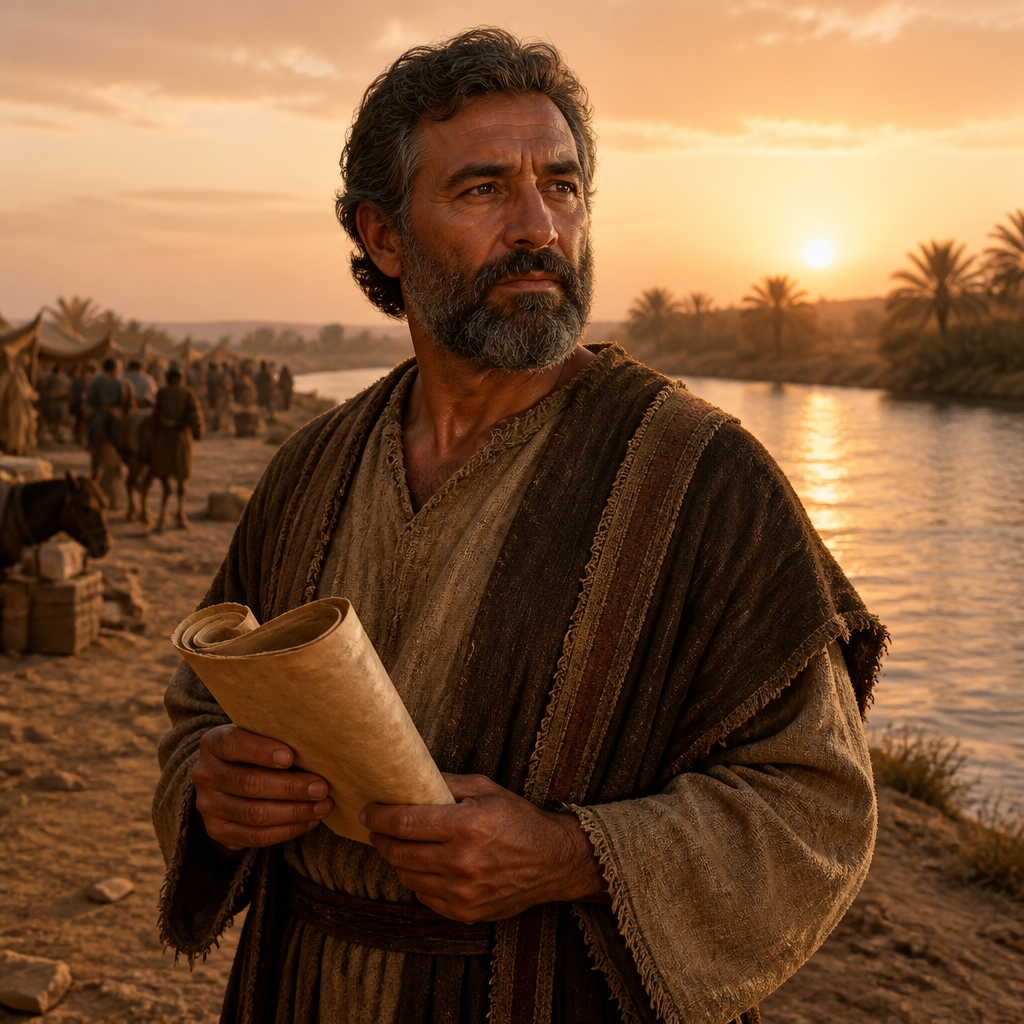 Zechariah, Son of BebaiThis page
Extended family
 Bebai, Patriarch of an Exilic ClanAncestorEzra 8:11
Inferred
Ezra 8:11 lists Bebai and Zechariah among the descendants of bebai, but does not say how the two of them are related.Evidence: Ezra 8:11
Connected Figures
Family
Categories
Mentions by Book
- Ezra1
Scripture References
All 1 indexed verse, in canonical order, from the Berean Standard Bible.
Ezra · 1
- Ezra 8:11
from the descendants of Bebai, Zechariah son of Bebai, and with him 28 men;
Others Named Zechariah
Compare all 29 bearers →Zechariah, Son of Isshiah1 Chronicles 24:25
A Levite of the Uzzielite clan who served during the United Monarchy as a descendant of Kohath.
Zechariah, Father of John the BaptistLuke 1:5
A righteous priest of the division of Abijah who could not speak from the day he doubted Gabriel's message until his son, John the Baptist, was born and named.
Zechariah, Son of Jehoshaphat2 Chronicles 21:2
A prince of Judah and son of King Jehoshaphat, Zechariah was one of several brothers who were tragically murdered by their sibling Jehoram upon his accession to the throne.
Zechariah, Levite of the Divided Monarchy2 Chronicles 34:12
A Kohathite Levite who served as a faithful overseer during the restoration of the Temple in Jerusalem under King Josiah.
Zechariah of the Tribe of Reuben1 Chronicles 5:7
A Reubenite tribal leader recorded in the genealogical records of 1 Chronicles during the era of the Divided Monarchy.
Zechariah, Prophet of the ReturnEzra 5:1
A prominent post-exilic prophet who, alongside Haggai, urged the Jewish people to rebuild the Temple in Jerusalem during the reign of Darius I.
Zechariah, Descendant of ParoshEzra 8:3
A prominent family representative who led 150 men back to Jerusalem from the Babylonian exile under the leadership of Ezra.
Zechariah, Priest of the ReturnNehemiah 12:16
A priest and descendant of Iddo who served in the post-exilic community during the resettlement of Jerusalem under the leadership of Nehemiah.
Zechariah, Son of JeberechiahIsaiah 8:2
A reliable citizen and witness of Judah during the reign of King Ahaz, chosen by God to attest to Isaiah's prophetic sign.
Zechariah, Descendant of ElamEzra 10:26
A returning Jewish exile from the family of Elam who was involved in the post-exilic reforms led by Ezra in Jerusalem.
Zechariah, Son of Jeroboam2 Kings 14:29
Zechariah, the son of Jeroboam II, was the final king of the Jehu dynasty in Israel, reigning for only six months before his assassination.
Zechariah, Father of Jahaziel2 Chronicles 20:14
A Levite descendant of Asaph during the Divided Monarchy whose lineage was chosen for a significant prophetic announcement during the reign of King Jehoshaphat.
Zechariah, Son of Jehoiada2 Chronicles 24:20
A righteous priest and martyr during the Divided Monarchy who was executed by King Joash for rebuking the idolatry of Judah.
Zechariah, Official of Jehoshaphat2 Chronicles 17:7
One of five high-ranking officials commissioned by King Jehoshaphat to educate the people of Judah in the Law of the LORD.
Zechariah, Leader of the ReturnEzra 8:16
A Jewish leader summoned by Ezra during the post-exilic journey from Babylon to Jerusalem to assist in the restoration of the community.
Zechariah, descendant of Asaph2 Chronicles 29:13
A Levite of the Asaphite clan who participated in the sanctification and restoration of the Temple under the direction of King Hezekiah during the Divided Monarchy.
Zechariah, Descendant of JudahNehemiah 11:4
A descendant of Judah and the house of Perez who served as a vital genealogical link for the community resettling Jerusalem after the Babylonian exile.
Zechariah, Father of Iddo1 Chronicles 27:21
The father of Iddo, a high-ranking tribal official over the half-tribe of Manasseh in Gilead during the reign of King David.
Zechariah, Father of Abi2 Kings 18:2
The father of Queen Abi and grandfather of King Hezekiah, whose lineage was instrumental in the religious reforms of Judah.
Zechariah, Son of PashhurNehemiah 11:12
A Levite of the post-exilic period who served as a temple worker and genealogical link during the repopulation of Jerusalem.
Zechariah, Descendant of ShelahNehemiah 11:5
A member of the tribe of Judah and the house of Shelah whose lineage was essential to the post-exilic resettlement of Jerusalem.
Zechariah, Administrator of the House of God2 Chronicles 35:8
A high-ranking official and administrator of the Temple who provided substantial sacrifices during King Josiah's historic Passover celebration.
Zechariah, Son of Meshelemiah1 Chronicles 9:21
A Levite gatekeeper of the Korahite clan known as a wise counselor who served at the entrance to the Tent of Meeting.
Zechariah, Son of Hosah1 Chronicles 26:11
A Merarite Levite during the United Monarchy who served as a gatekeeper in the Tabernacle and Temple administration.
Zechariah, Instructor to Uzziah2 Chronicles 26:5
A godly mentor and spiritual advisor who instructed King Uzziah of Judah in the fear of the LORD during the Divided Monarchy.
Zechariah, Priest of the DedicationNehemiah 12:41
A priest and trumpeter who participated in the formal dedication of the rebuilt walls of Jerusalem during the time of Nehemiah.
Zechariah, Musician of the Post-Exilic PeriodNehemiah 12:35
A priest and trumpet player who participated in the joyous dedication of the rebuilt walls of Jerusalem under Nehemiah.
Zechariah, Attendee of the Law ReadingNehemiah 8:4
A prominent leader or dignitary who stood at the left hand of Ezra during the historic public reading and explanation of the Law of Moses in Jerusalem.