The Court of Esther
Susa's palace intrigue, the whole book
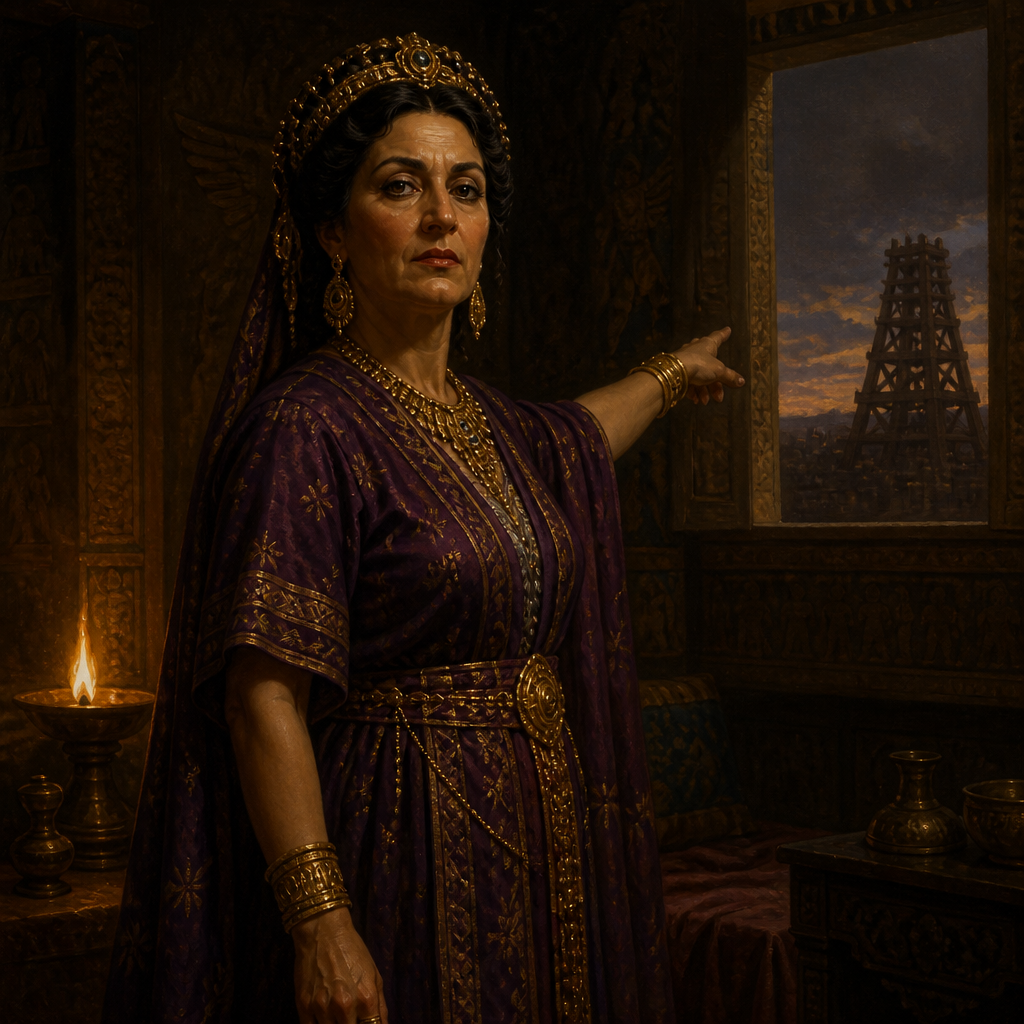
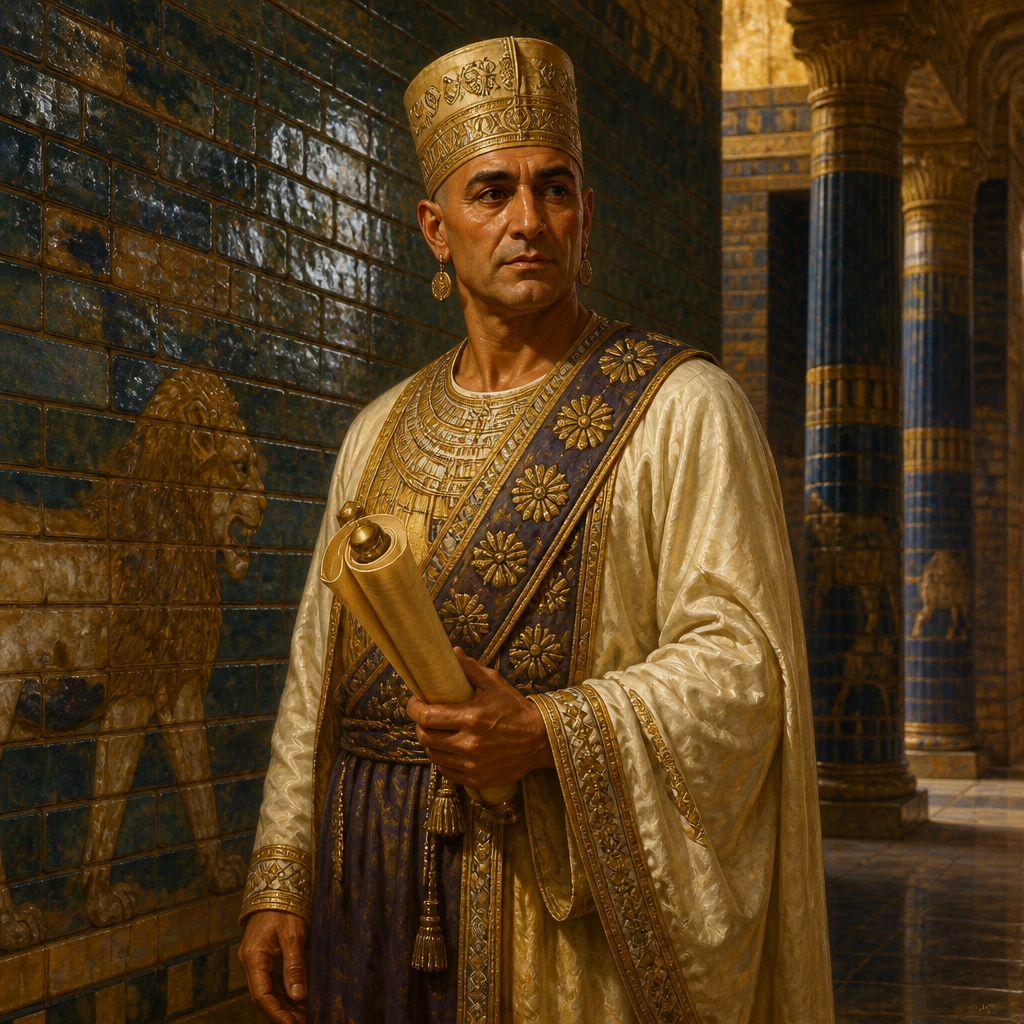
The Court of Esther is a narrative of political maneuvering and survival set within the citadel of Susa during the reign of the Persian Empire (Esther 1:1–2). The account begins when Xerxes holds a lavish banquet and commands his seven eunuchs, including Mehuman, Biztha, Harbona, Bigtha, Abagtha, Zethar, and Carkas, to bring Queen Vashti before the assembly (Esther 1:10–11). When Vashti refuses to appear, the king consults his seven highest princely advisors, a group consisting of Carshena, Shethar, Admatha, Tarshish, Meres, Marsena, and Memucan (Esther 1:14). Following the specific counsel of Memucan, Xerxes deposes Vashti to ensure that all women in the empire would honor their husbands (Esther 1:16–22).
To find a new queen, the king gathers beautiful young virgins under the care of Hegai, who provides Esther with special beauty treatments and favor (Esther 2:8–9). After a period in the second harem overseen by Shaashgaz, Esther is chosen by Xerxes to wear the royal crown (Esther 2:14–17). During this time, her cousin Mordecai sits at the king’s gate and discovers a lethal conspiracy against Xerxes led by two palace guards, Bigthan and Teresh (Esther 2:21–22). Mordecai informs Esther, who reports the plot to the king, resulting in the execution of the conspirators (Esther 2:23).
Conflict arises when Haman is promoted to high office and demands obeisance, which Mordecai refuses to give (Esther 3:1–2). In retaliation, Haman plots the total destruction of the Jews and receives royal permission to issue a decree of genocide (Esther 3:8–13). Mordecai communicates the danger to Esther through the eunuch Hathach urging her to intercede with the king (Esther 4:5–8). While Haman follows the advice of his wife Zeresh to build a massive gallows for Mordecai, Esther risks her life by approaching Xerxes unsummoned (Esther 5:1–14). She eventually exposes Haman’s malice during a private banquet, leading Harbona to point out the gallows Haman had prepared (Esther 7:9–10).
The narrative concludes with a reversal of fortunes as Xerxes authorizes the Jews to defend themselves against their enemies (Esther 8:11–12). Haman is executed on his own gallows, and his ten sons, including Parshandatha are also killed (Esther 9:7–10). Mordecai is elevated to a position of great power second only to Xerxes, and the Jewish people establish the feast of Purim to commemorate their deliverance from the plot of Haman (Esther 9:20–32, 10:3).
Everyone in this list
Abagtha
Eunuch of King Ahasuerus who was commanded to bring Queen Vashti before the king
Adalia
Son of Haman who was killed and hanged during the Jewish defense in Shushan
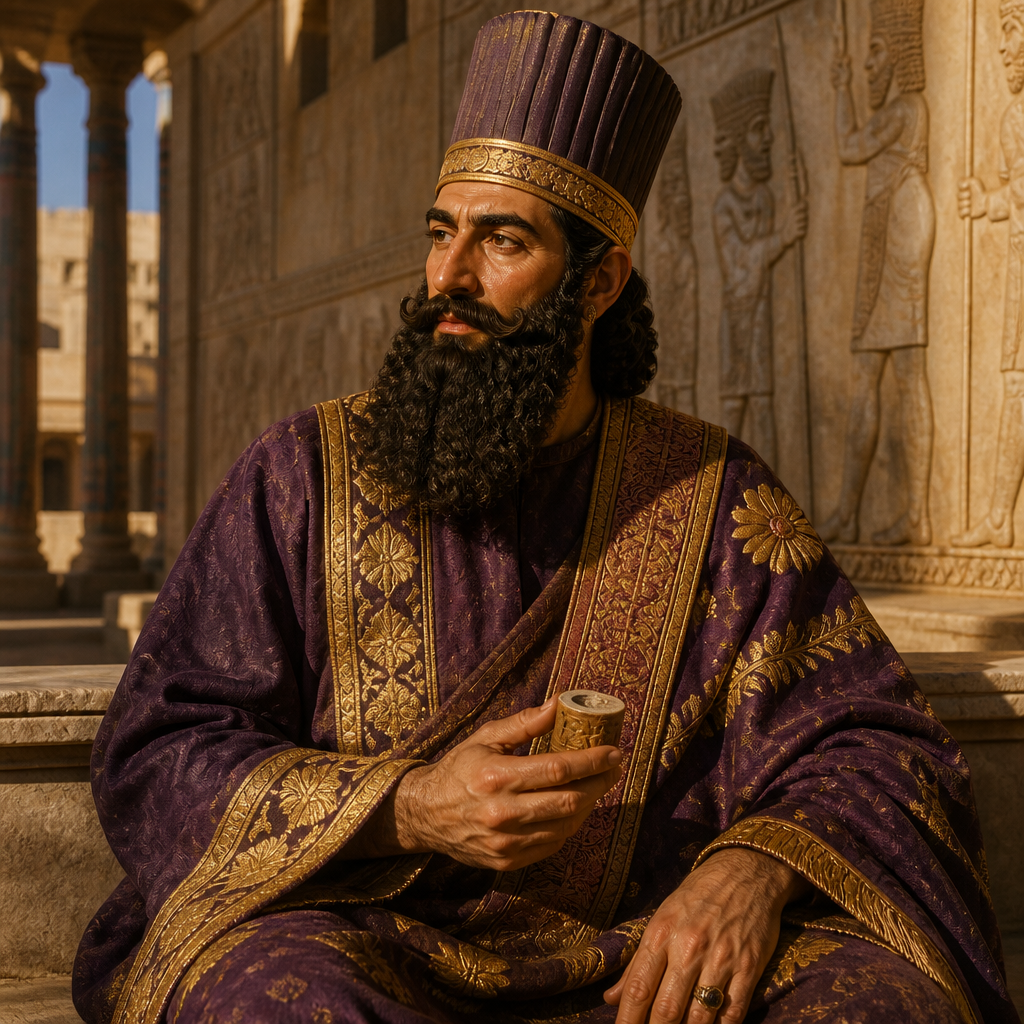
Admatha
Prince of Persia who was one of the seven high-ranking advisors to King Ahasuerus
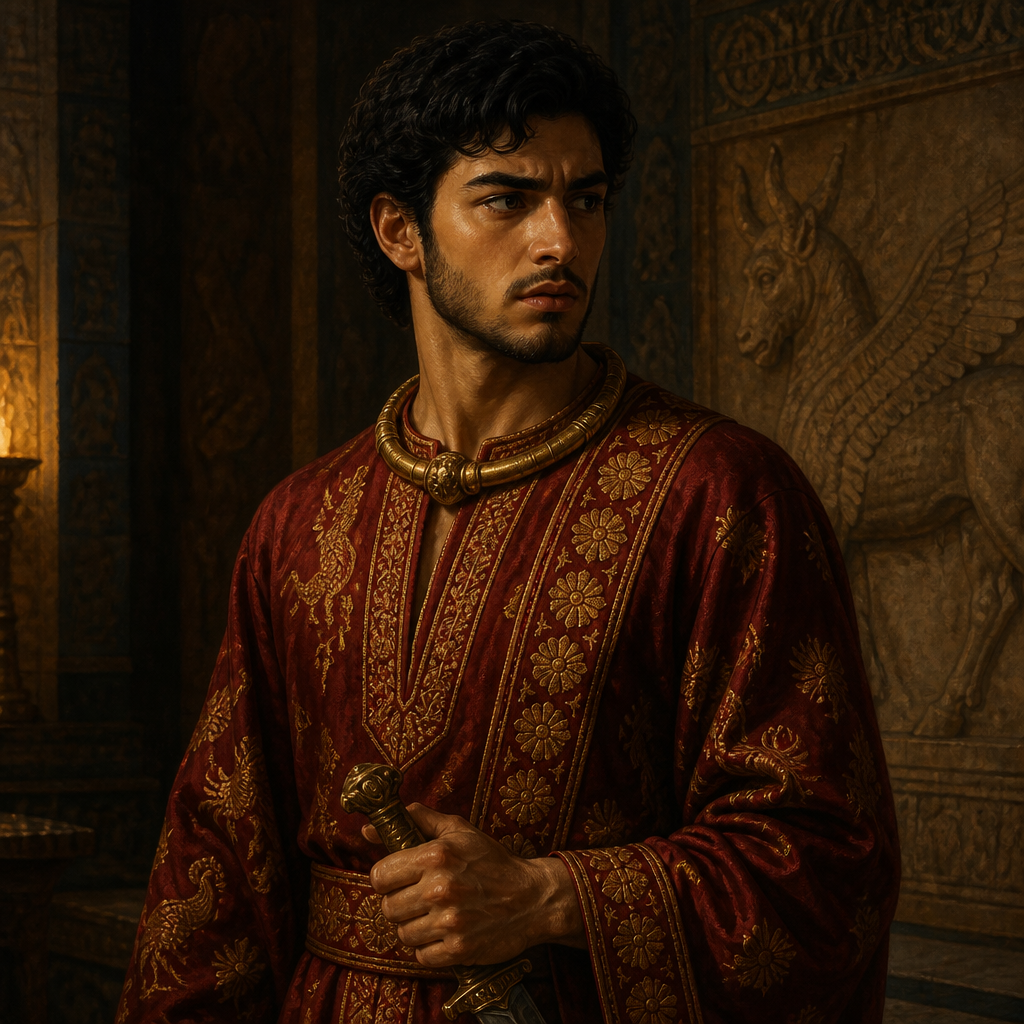
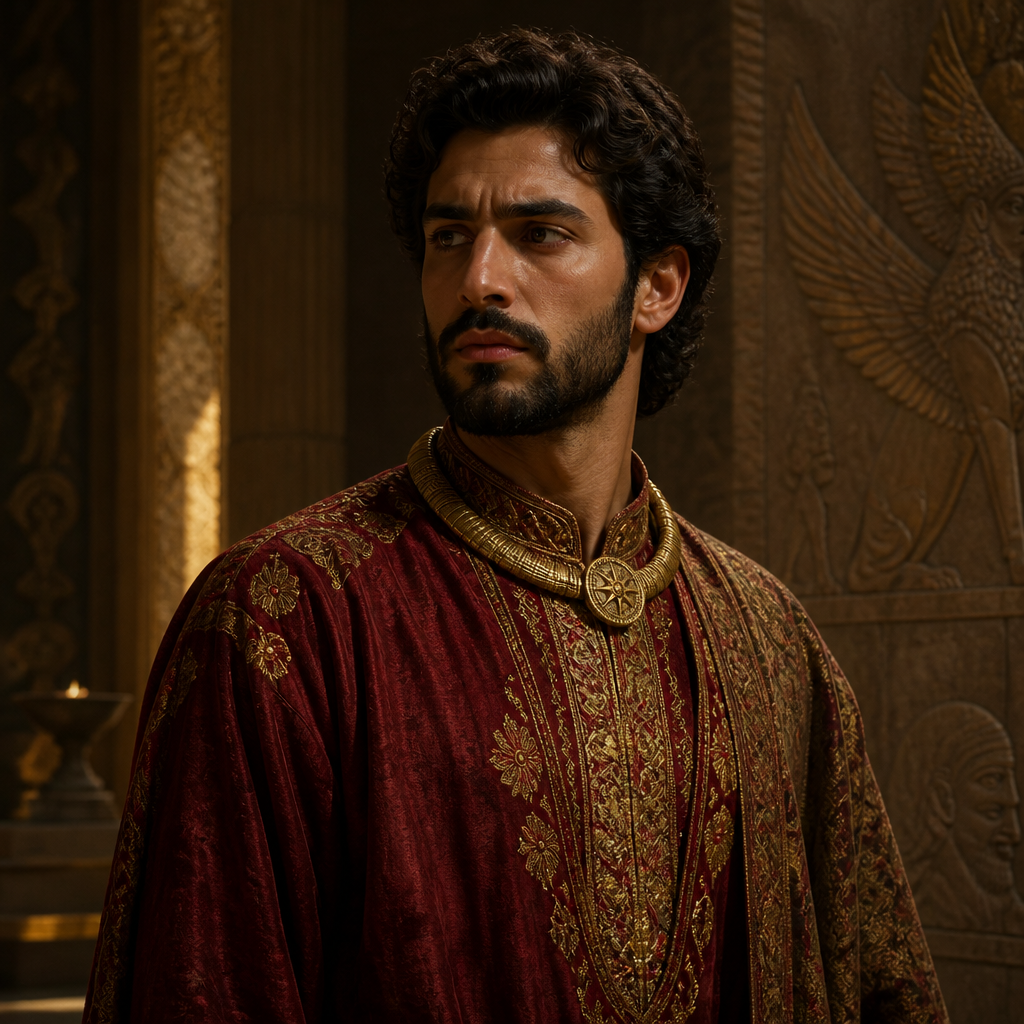
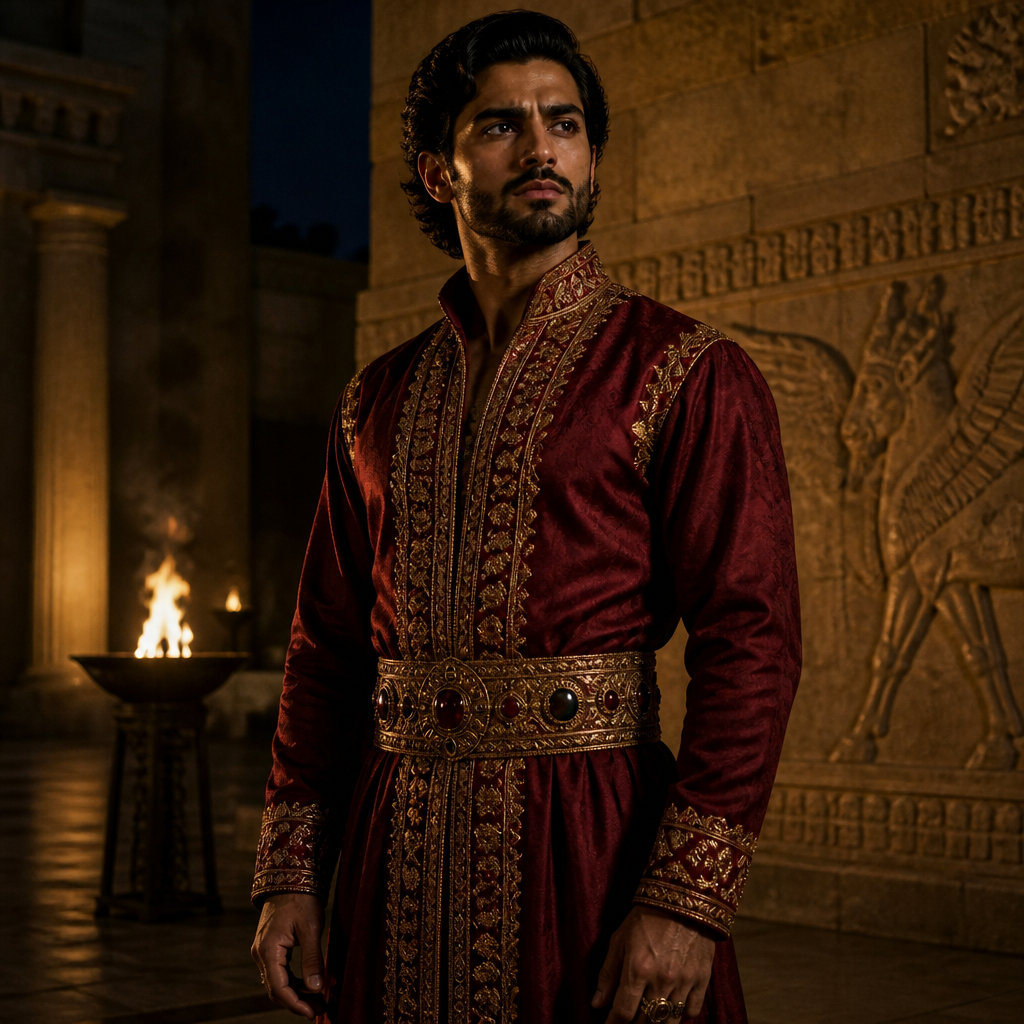
Arisai
Son of Haman who was executed and hanged during the Jewish defense in Susa
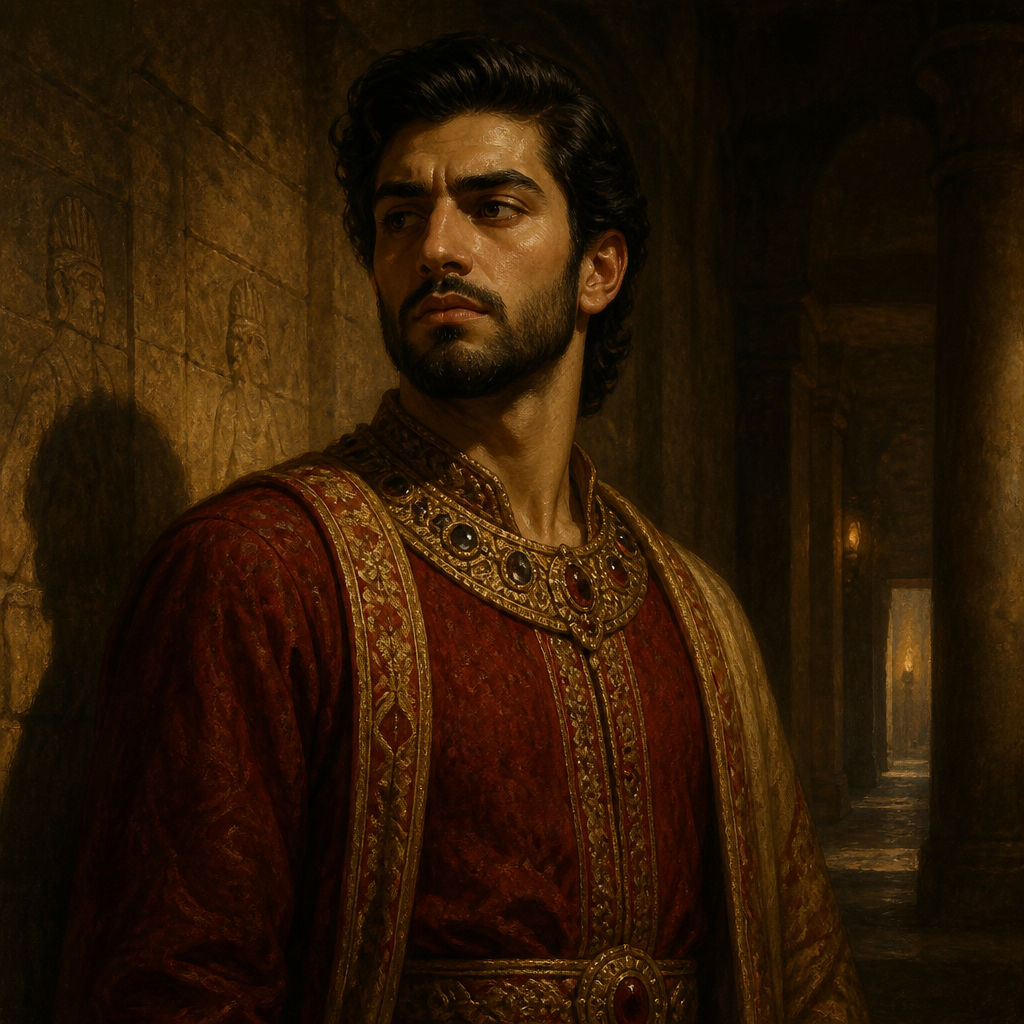
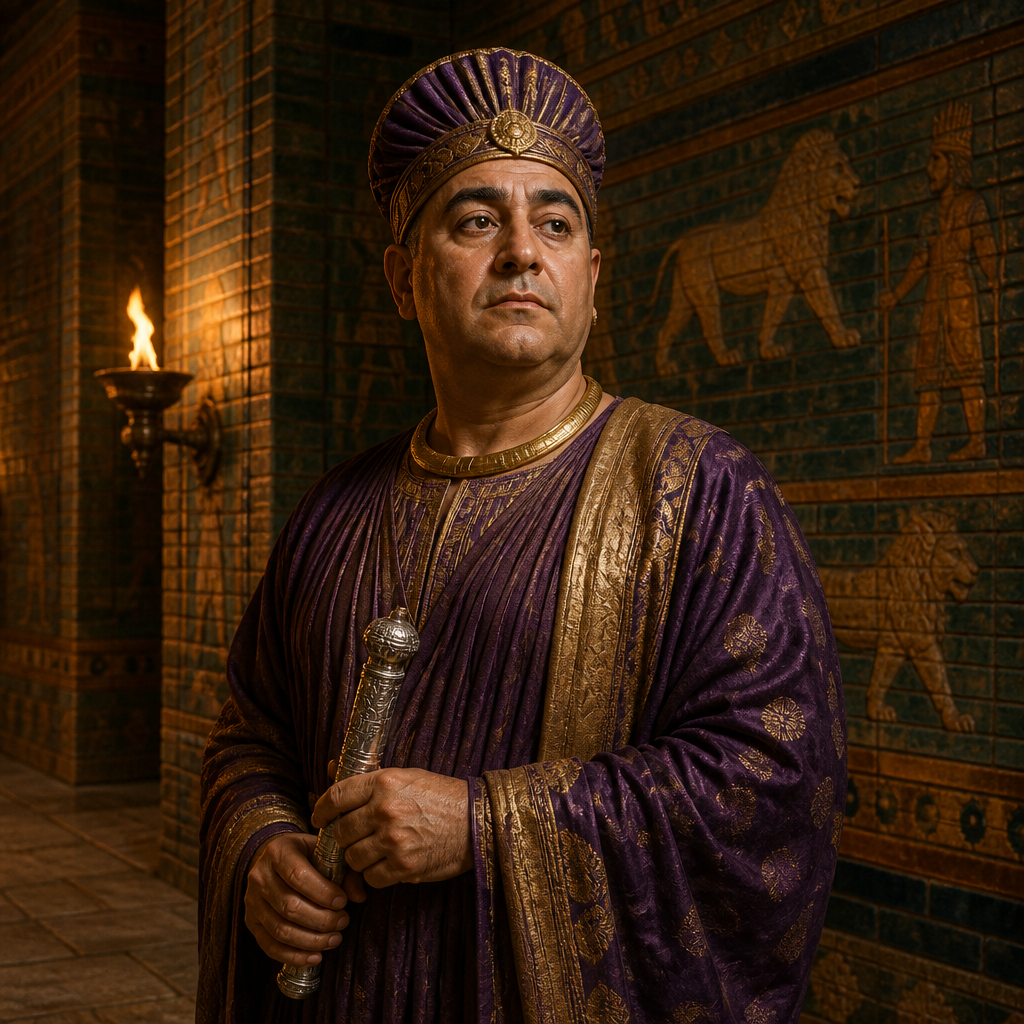
Bigtha
Eunuch of King Ahasuerus who was ordered to bring Queen Vashti to the royal banquet
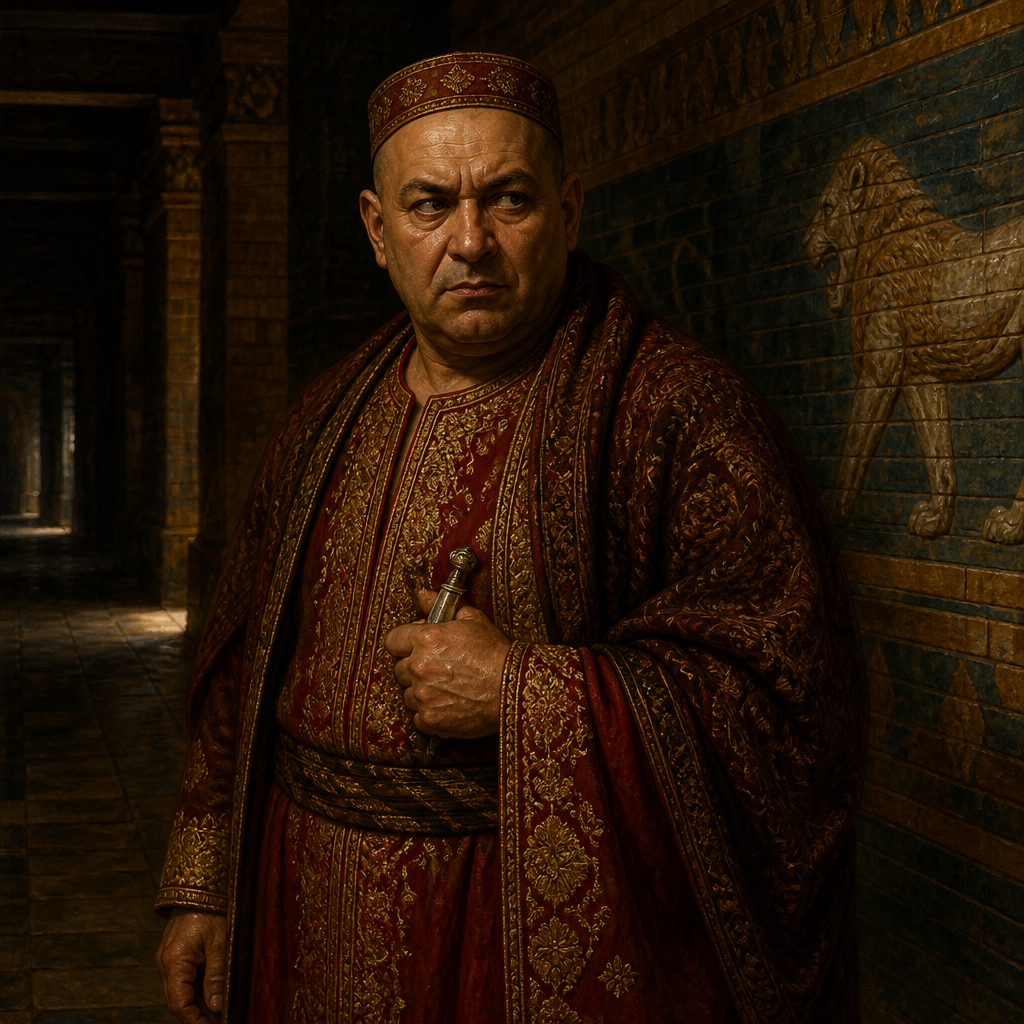
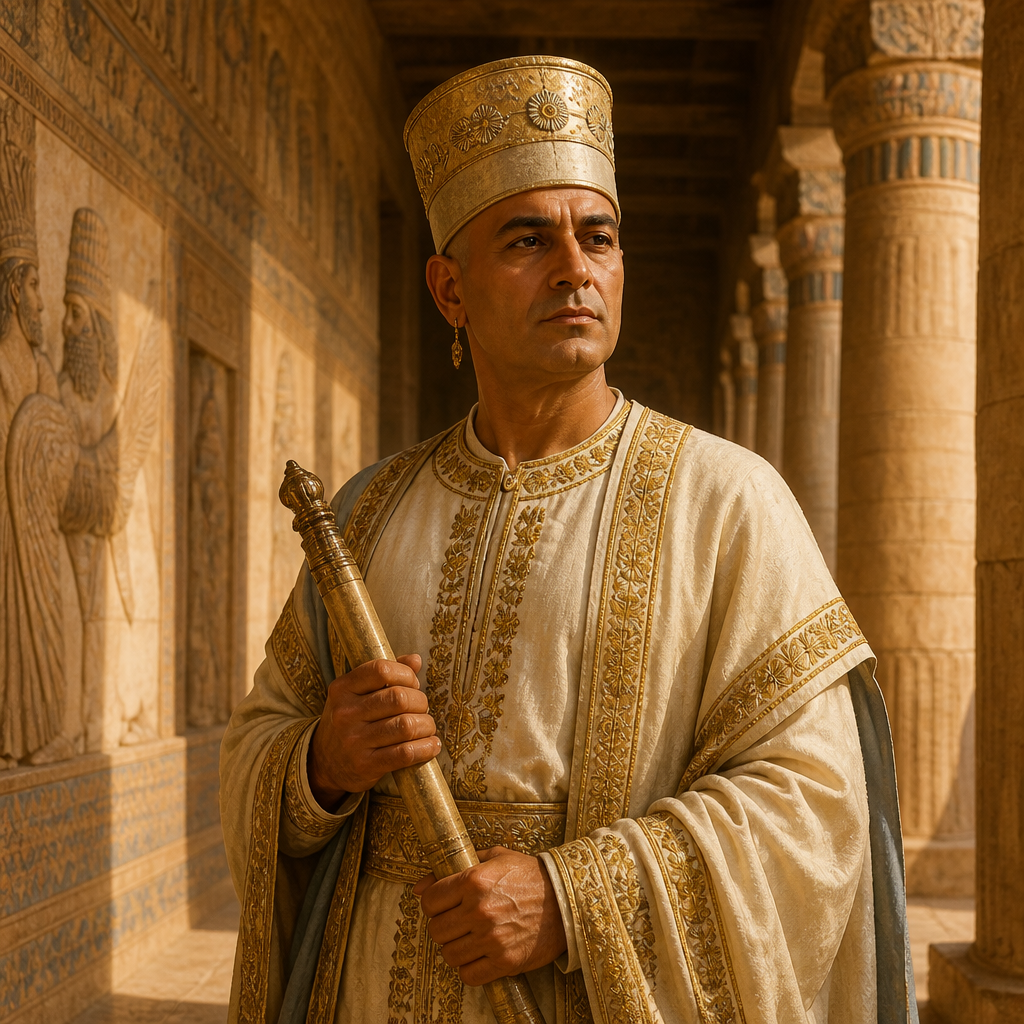
Biztha
Eunuch of King Ahasuerus who was commanded to bring Queen Vashti to the royal banquet
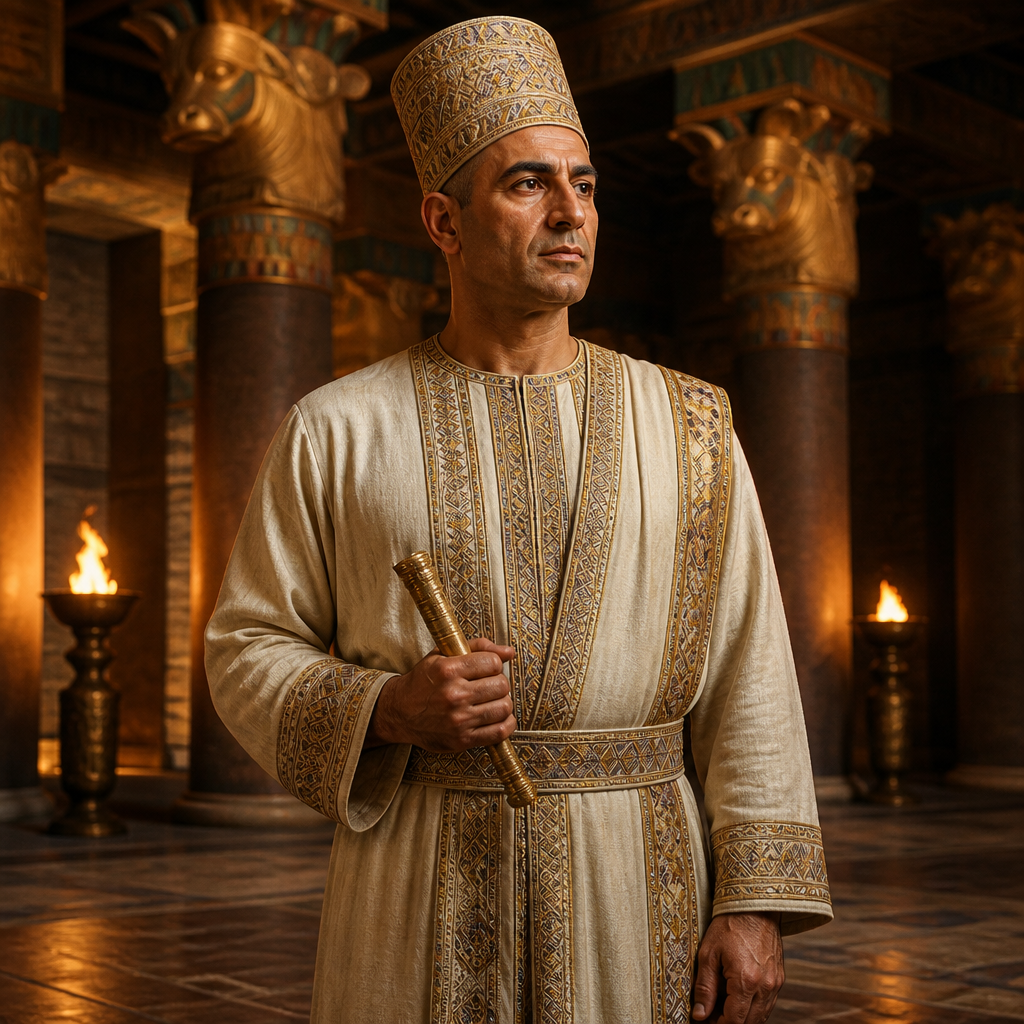
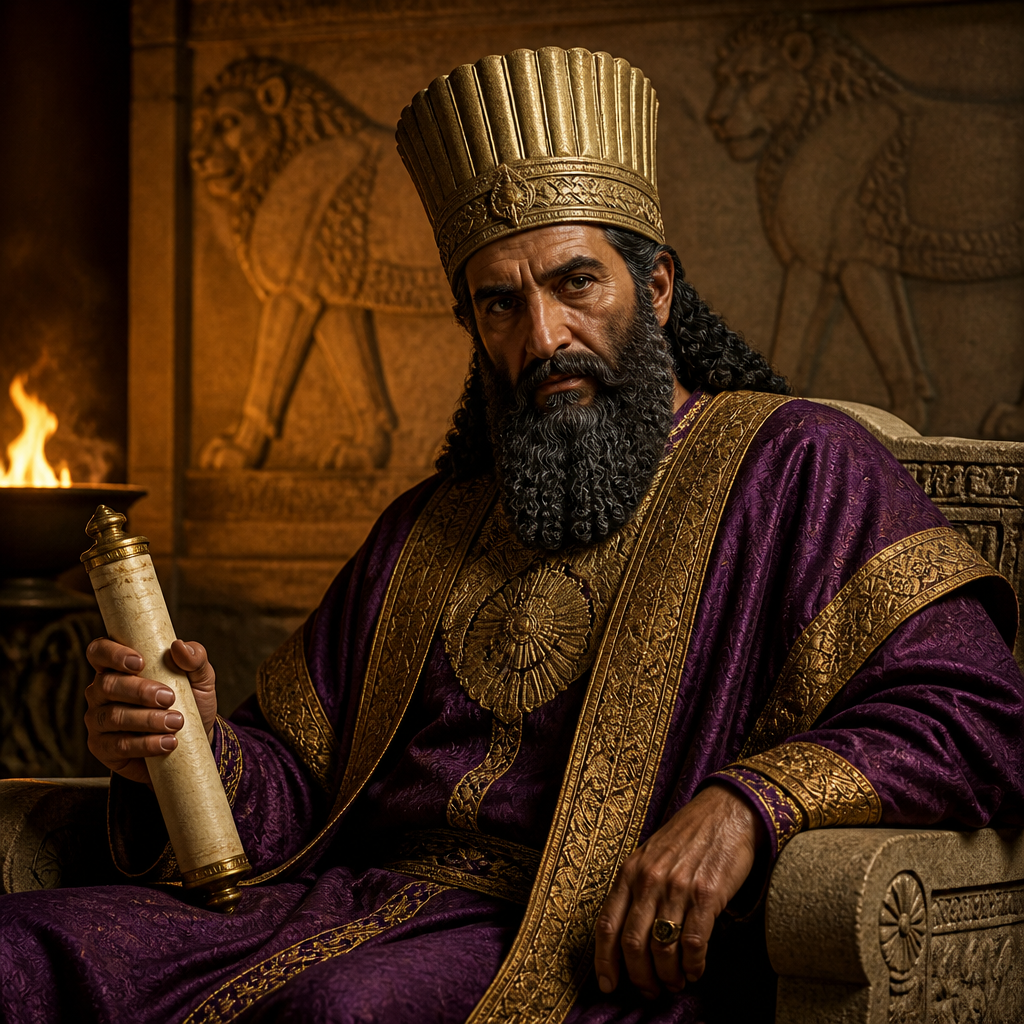
Carshena
Prince of Persia who served as one of the seven closest advisors to King Ahasuerus
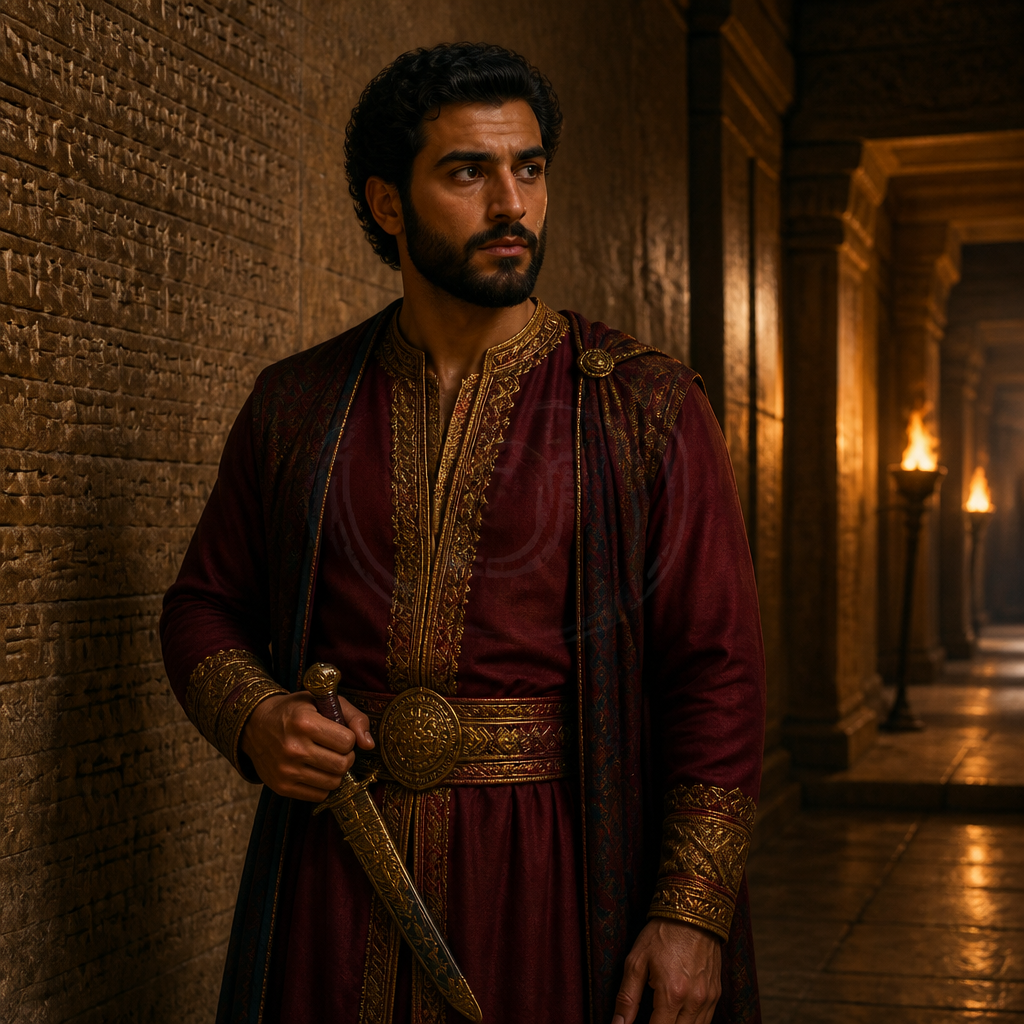
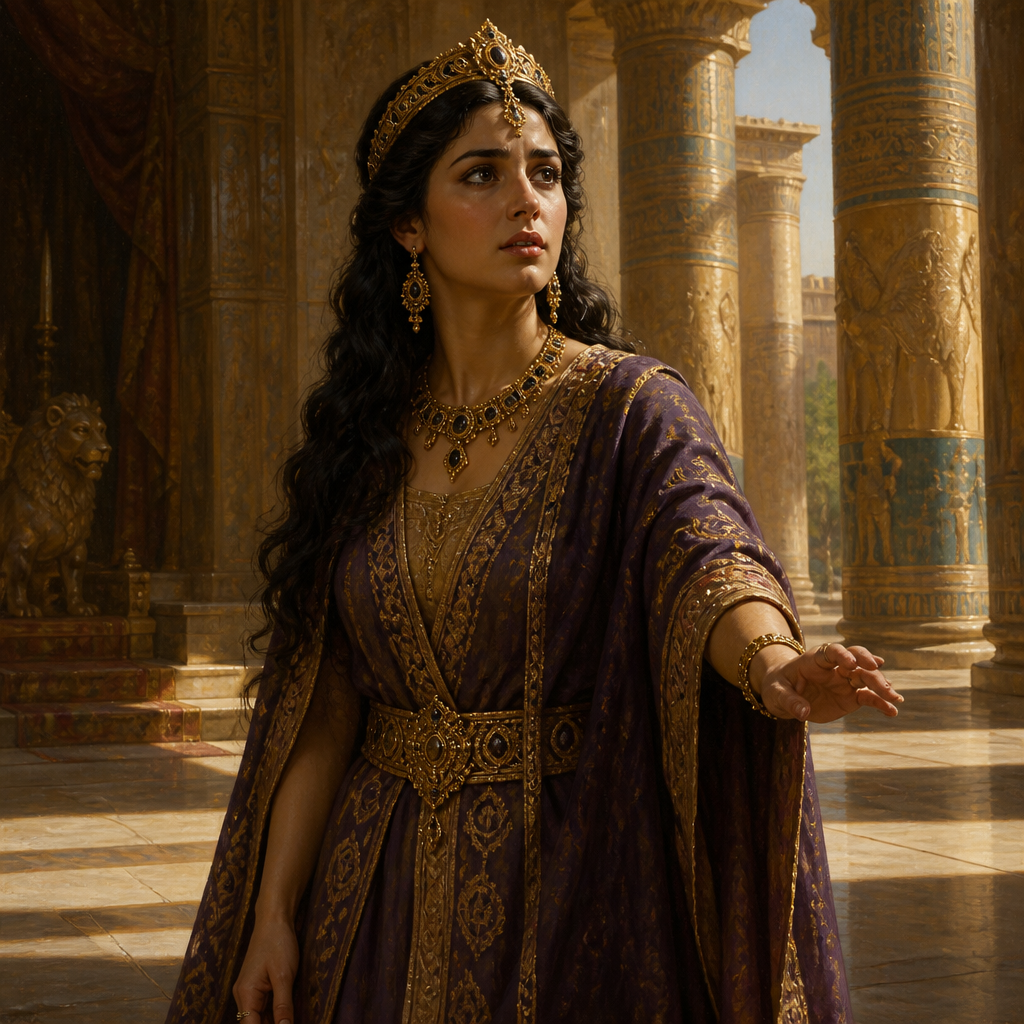
Esther
Jewish queen of Persia who saved her people from Haman's genocidal plot
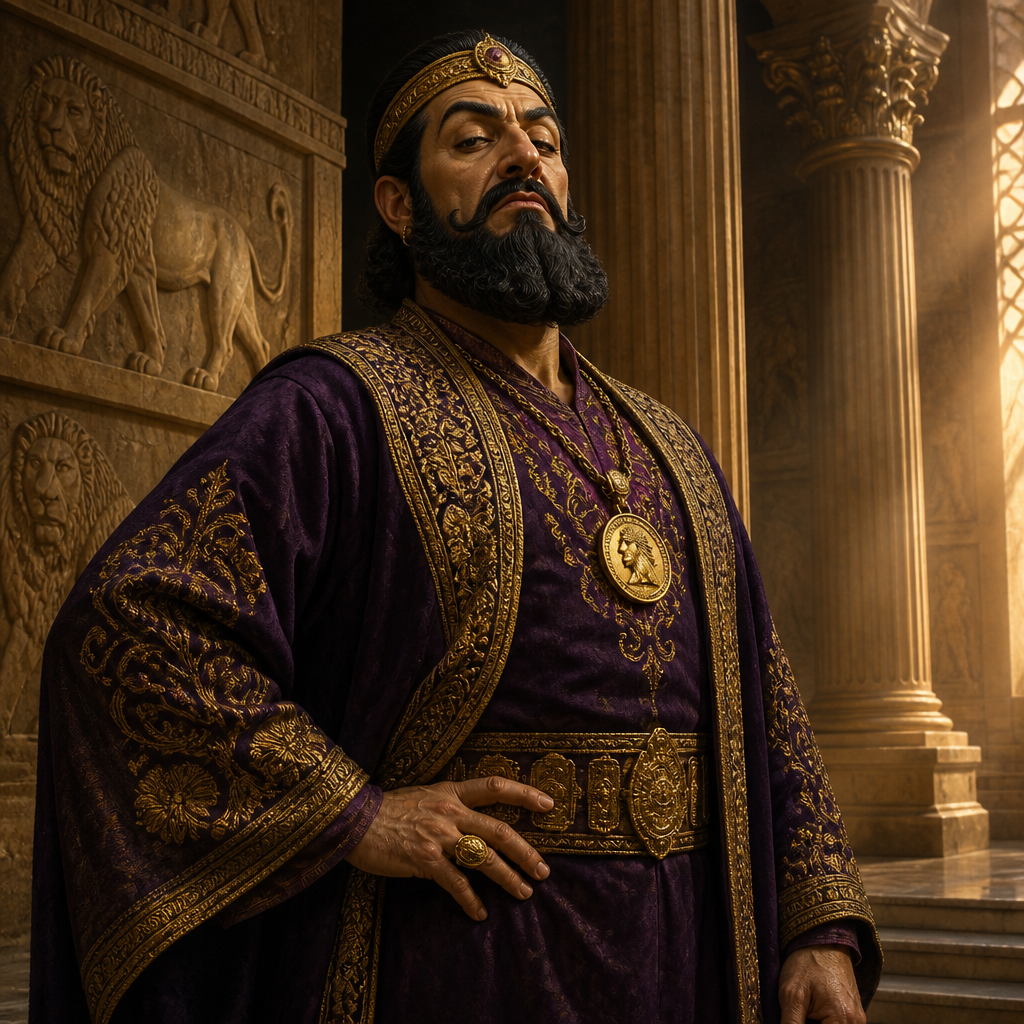
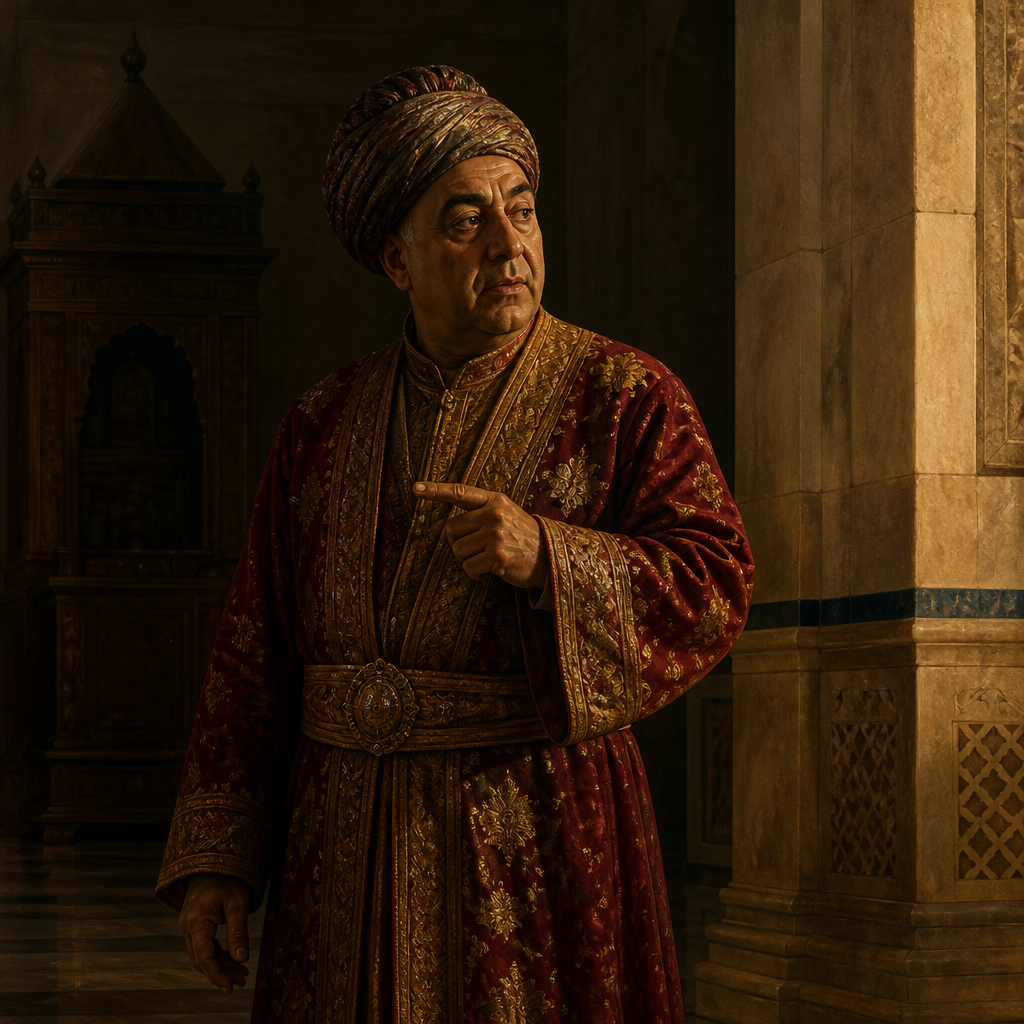
Harbona, Eunuch of King Ahasuerus
Eunuch who pointed out Haman's gallows to King Ahasuerus
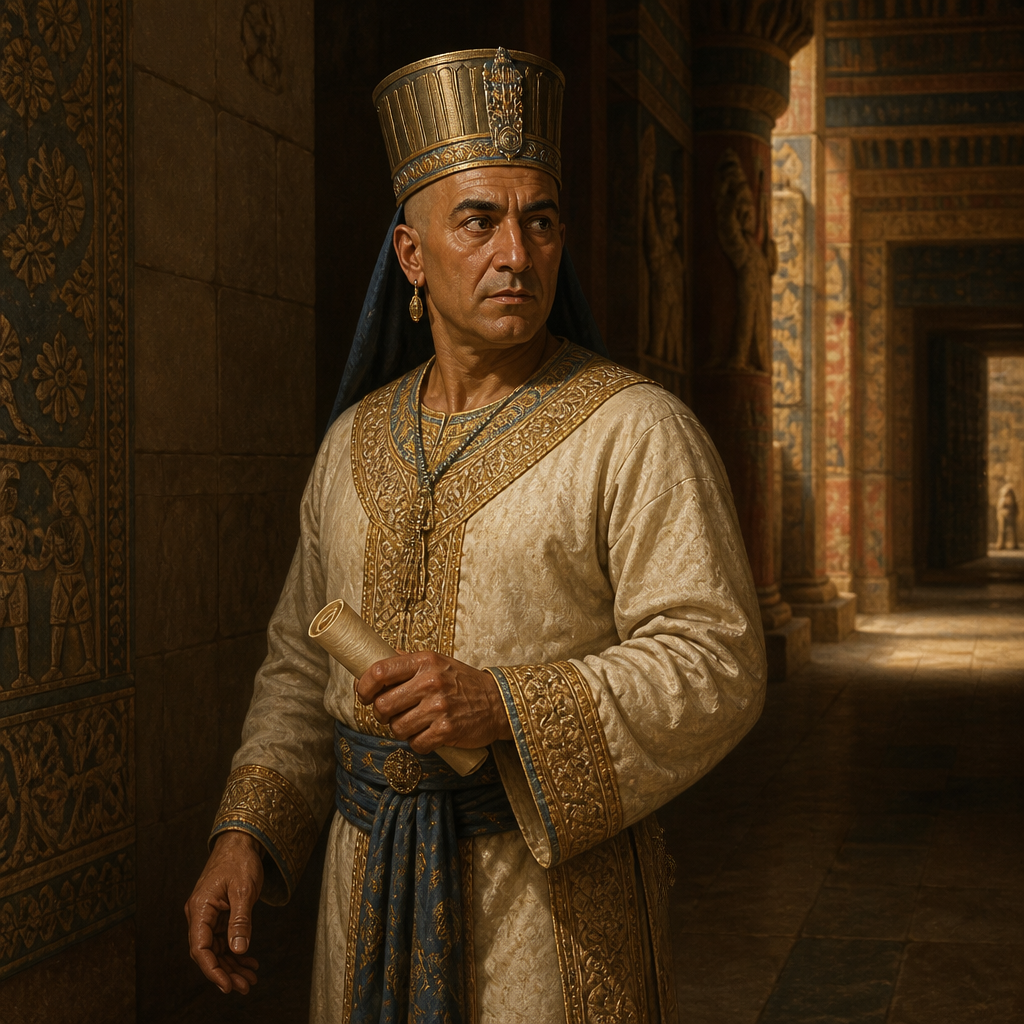
Hathach
Royal eunuch who served as the messenger between Esther and Mordecai
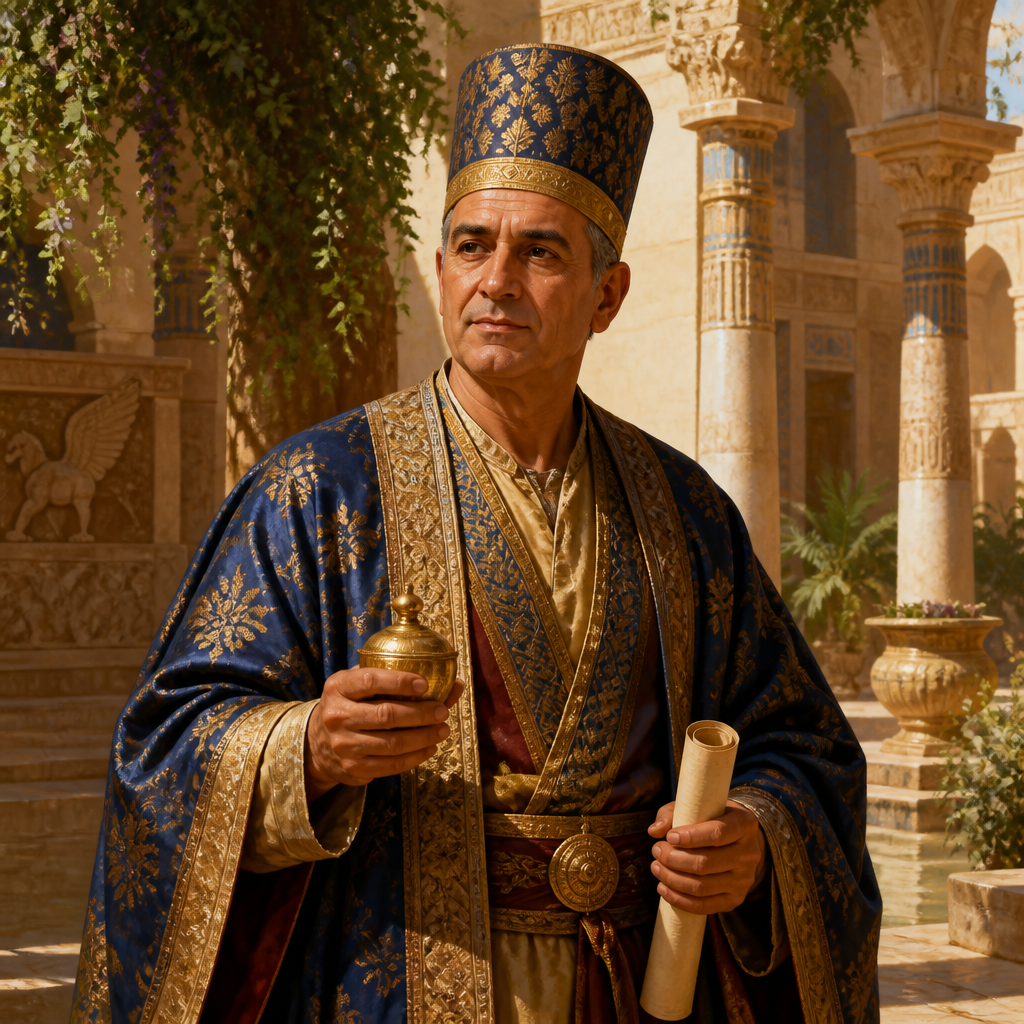
Hegai
Royal official who showed favor to Esther and prepared her to meet King Ahasuerus
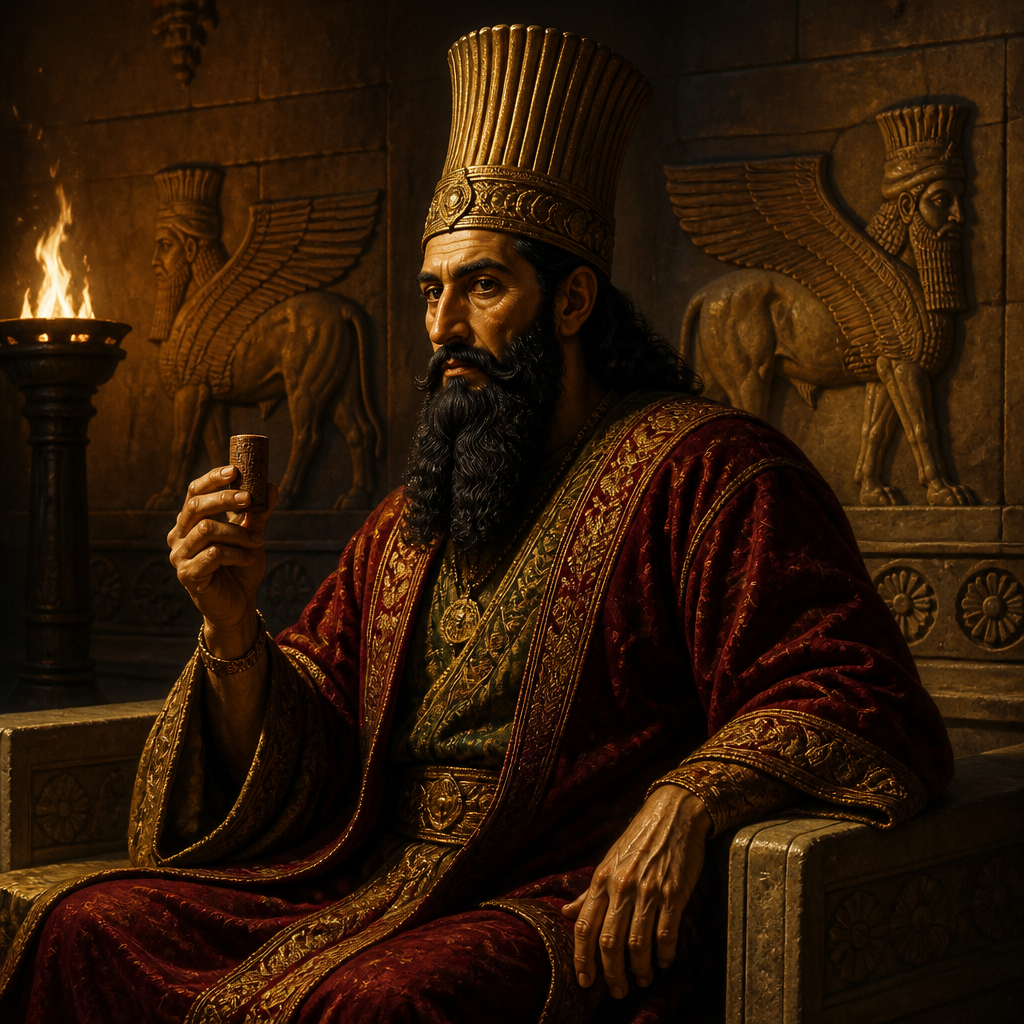
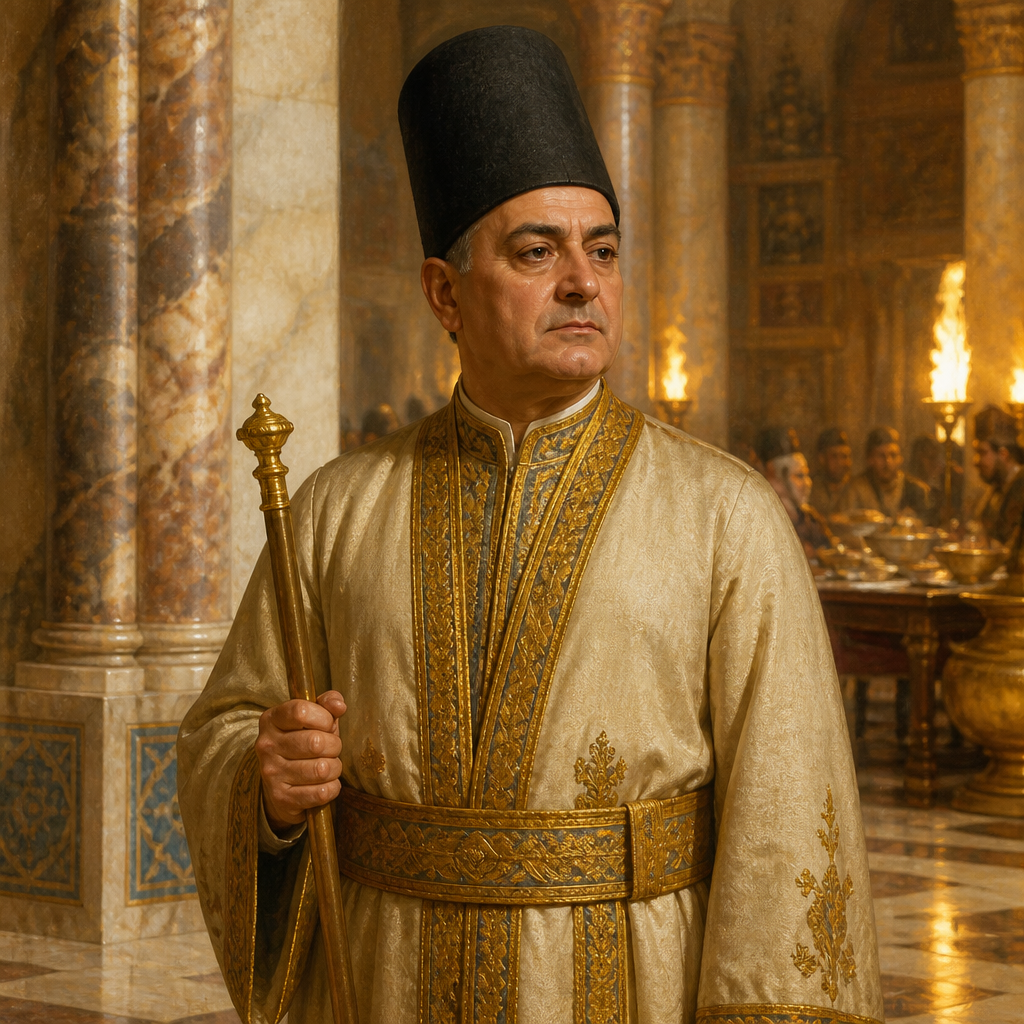
Mehuman
Eunuch of King Ahasuerus who was commanded to bring Queen Vashti to the royal banquet
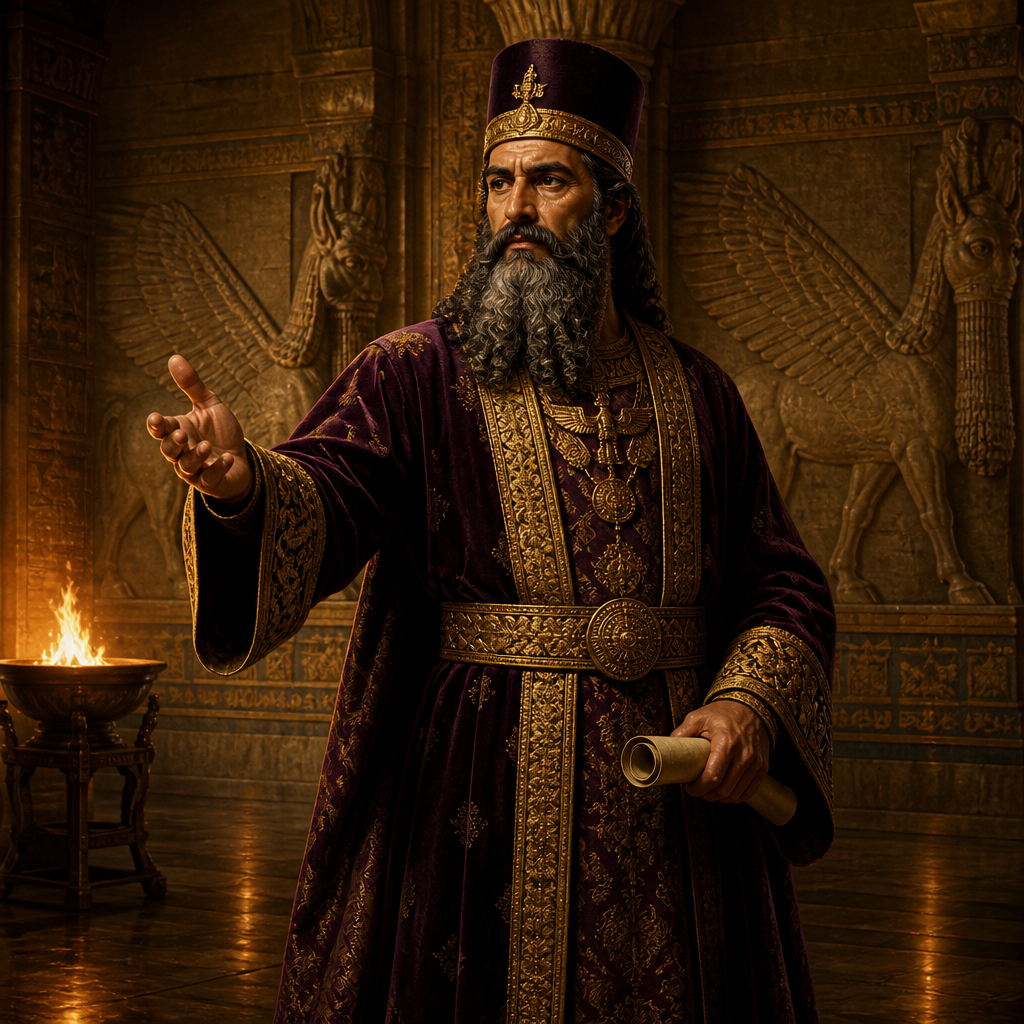
Memucan
Prince of Persia whose counsel led to the deposition of Queen Vashti
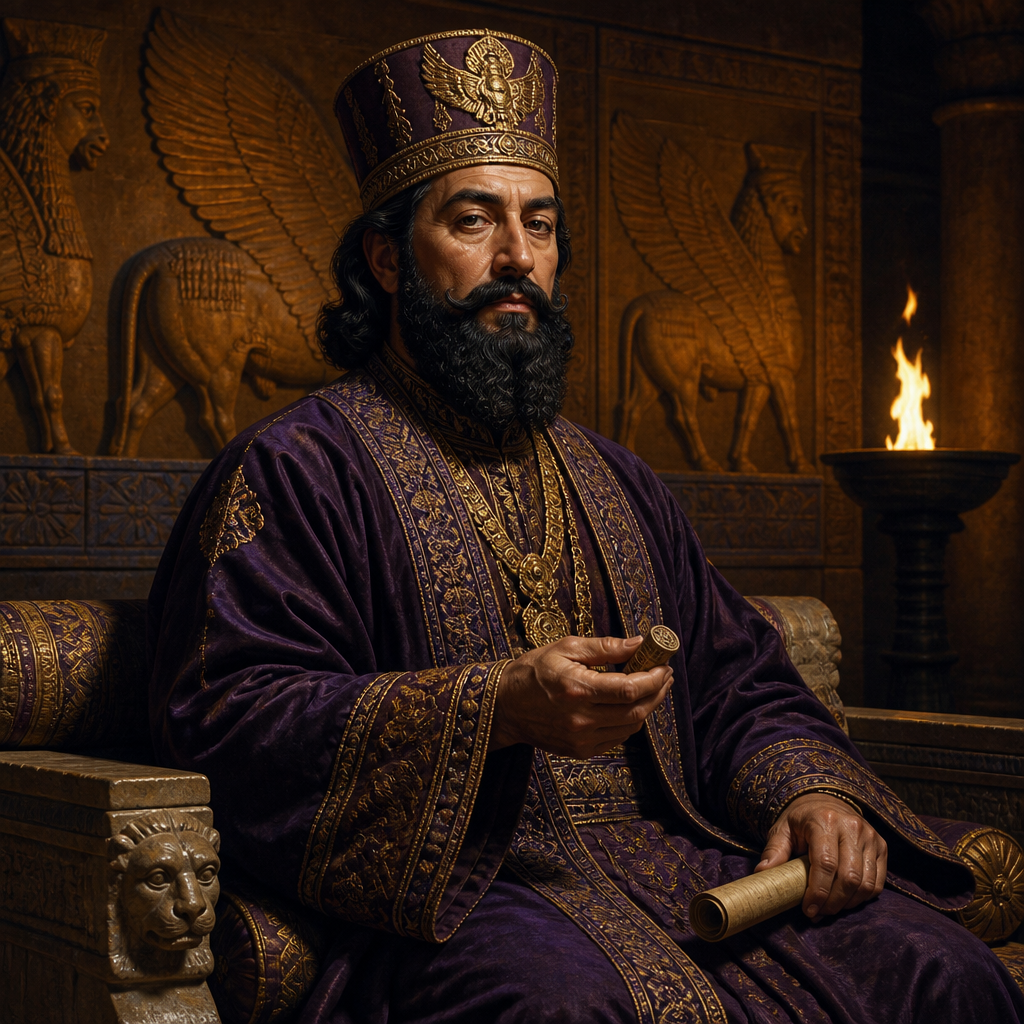
Meres
Prince of Persia who served as one of the seven advisors to King Ahasuerus
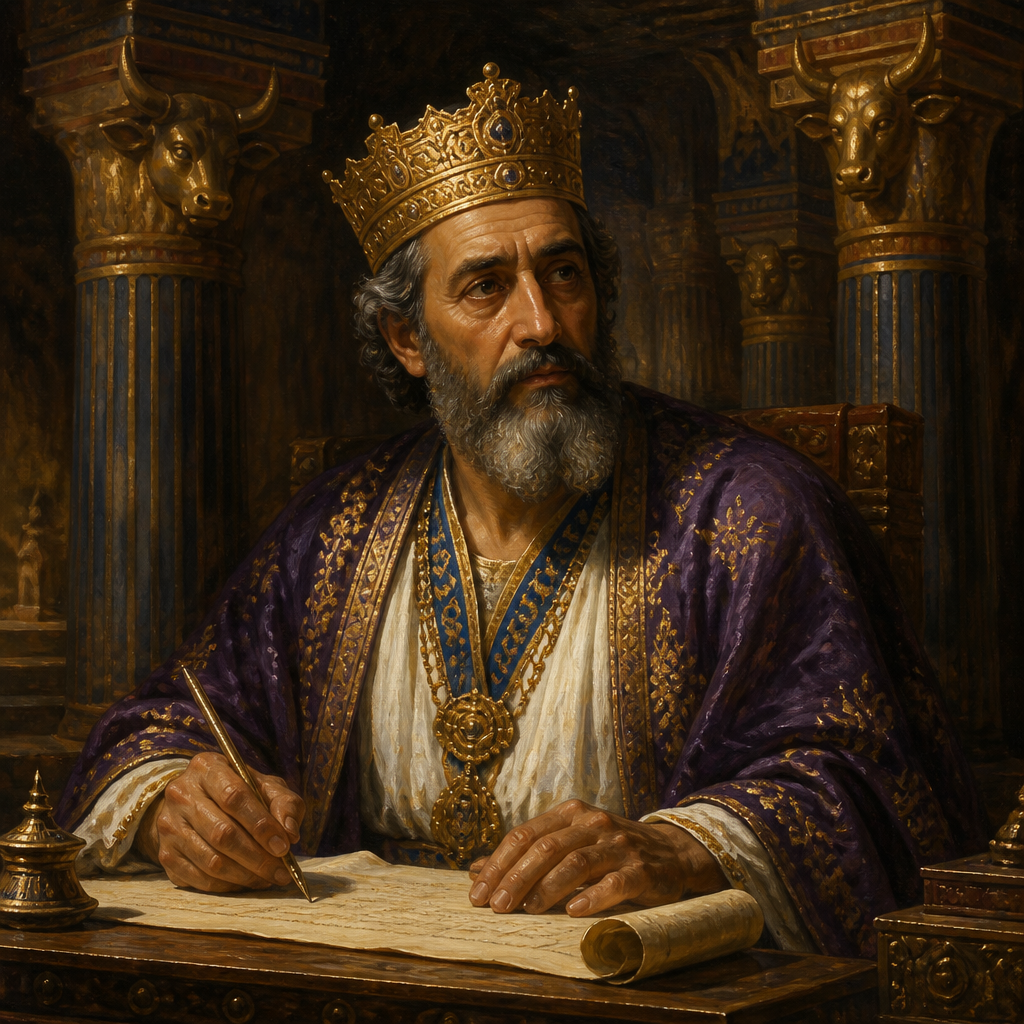
Mordecai, Cousin of Queen Esther
Jewish statesman who saved King Xerxes and rescued the Jews from Haman's plot
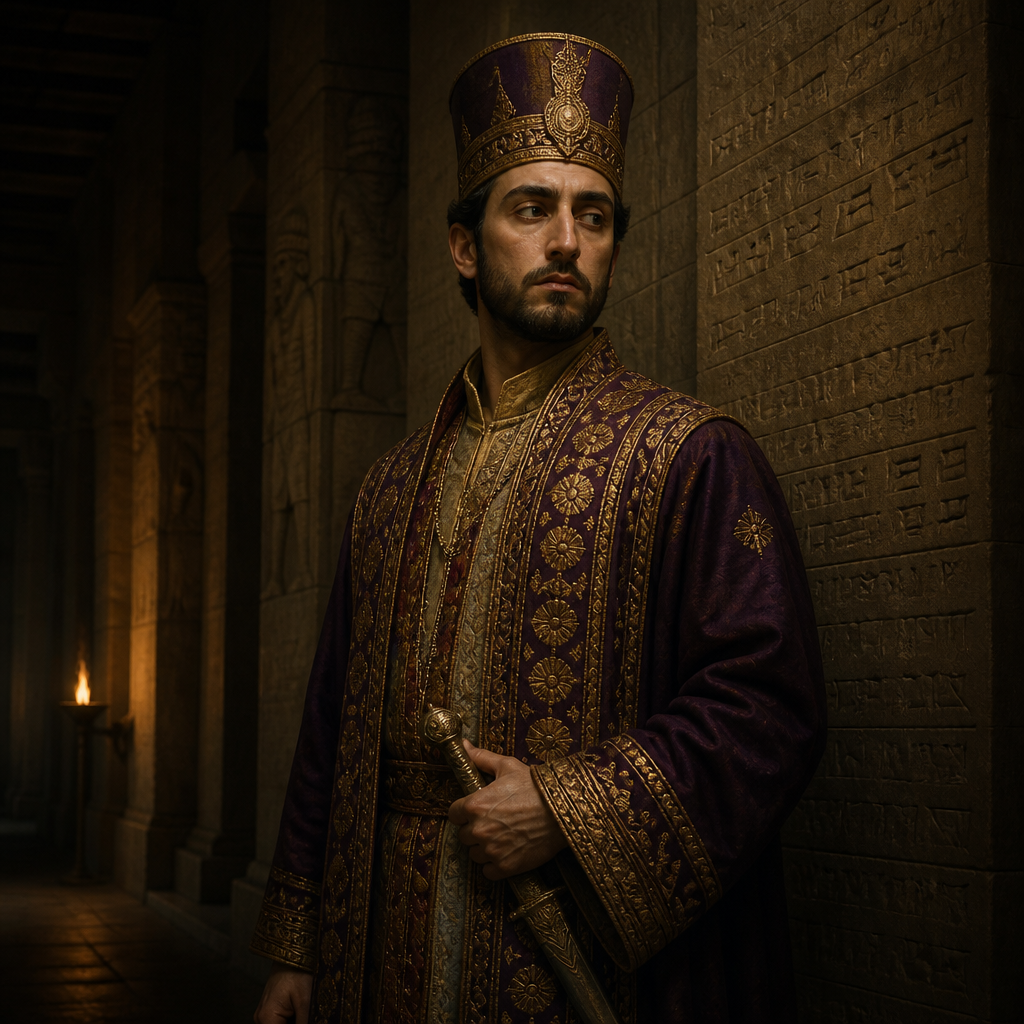
Parmashta
Son of Haman who was killed and hanged during the Jewish defense in Susa
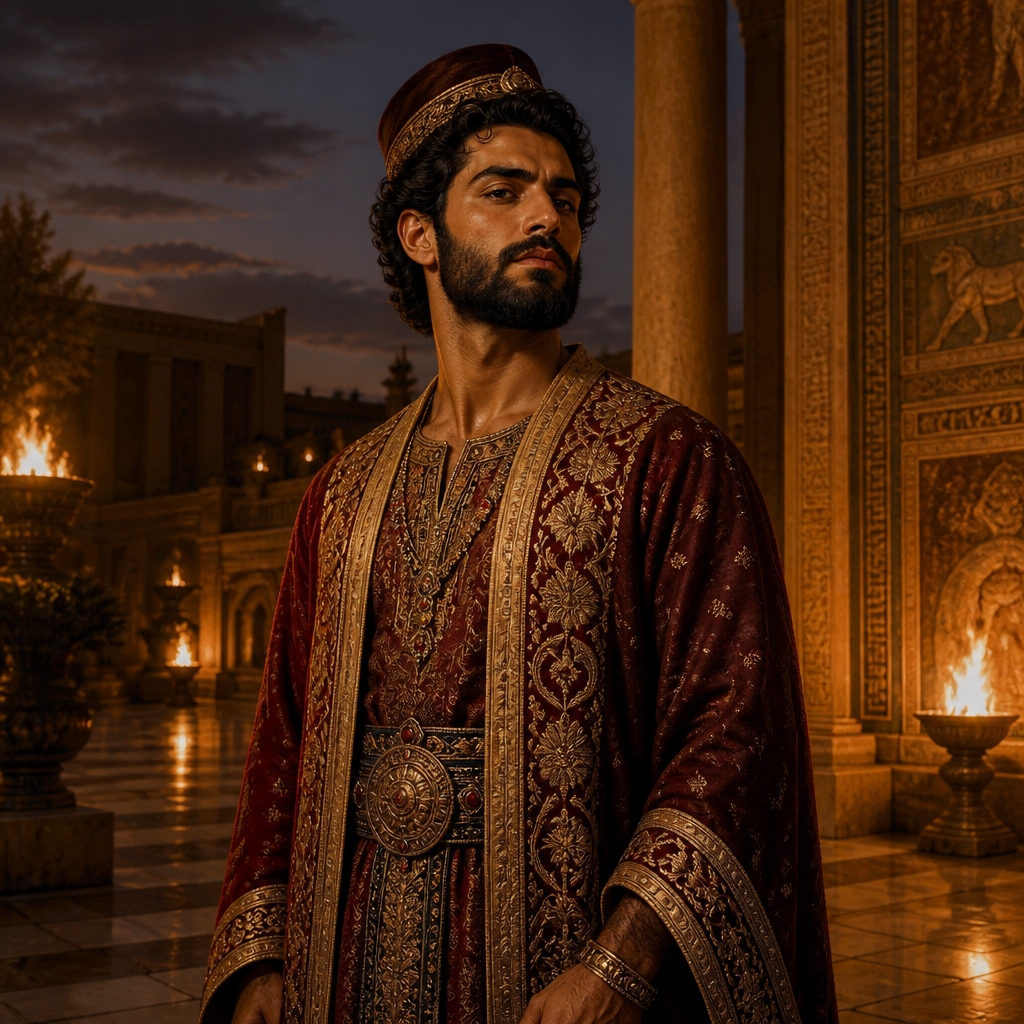
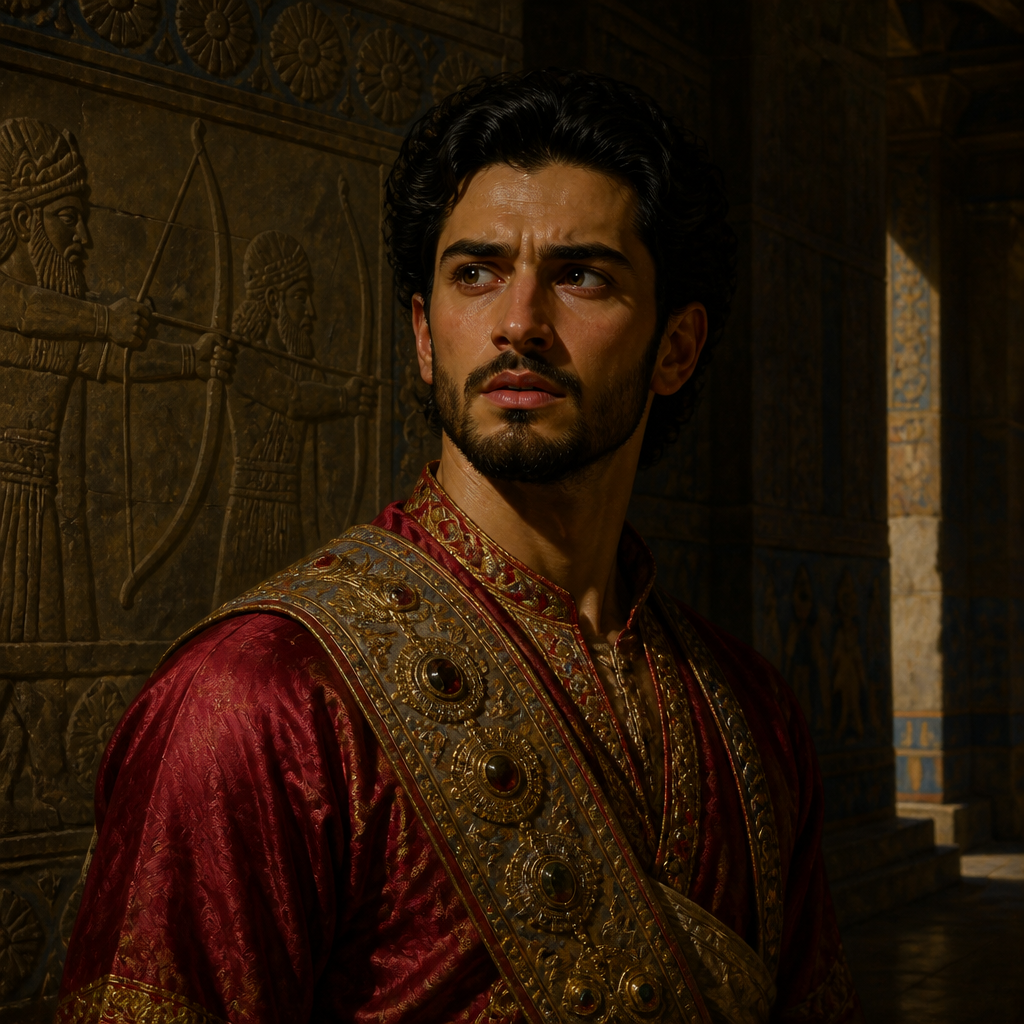
Poratha
son of Haman who was killed and hanged during the Jewish defense in Susa
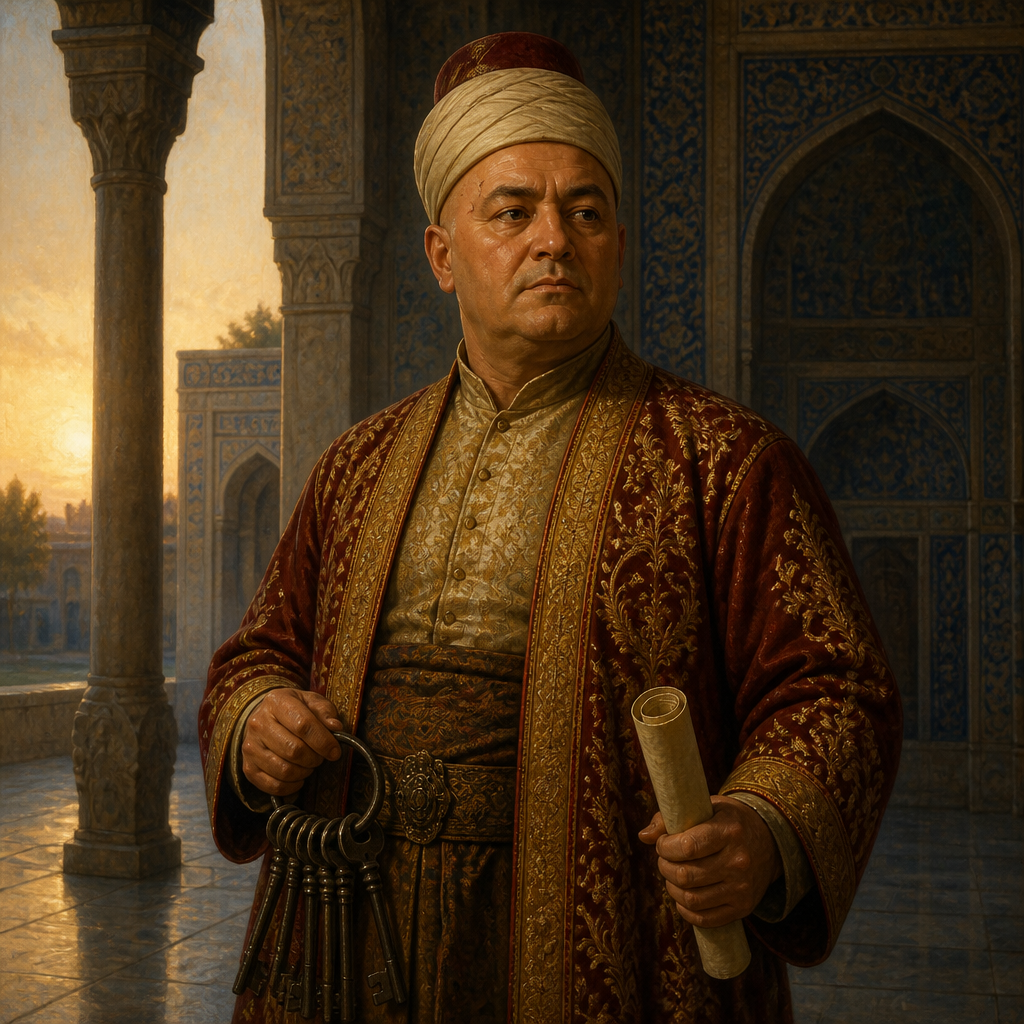
Shaashgaz
Persian eunuch who had charge over the second harem in the Book of Esther
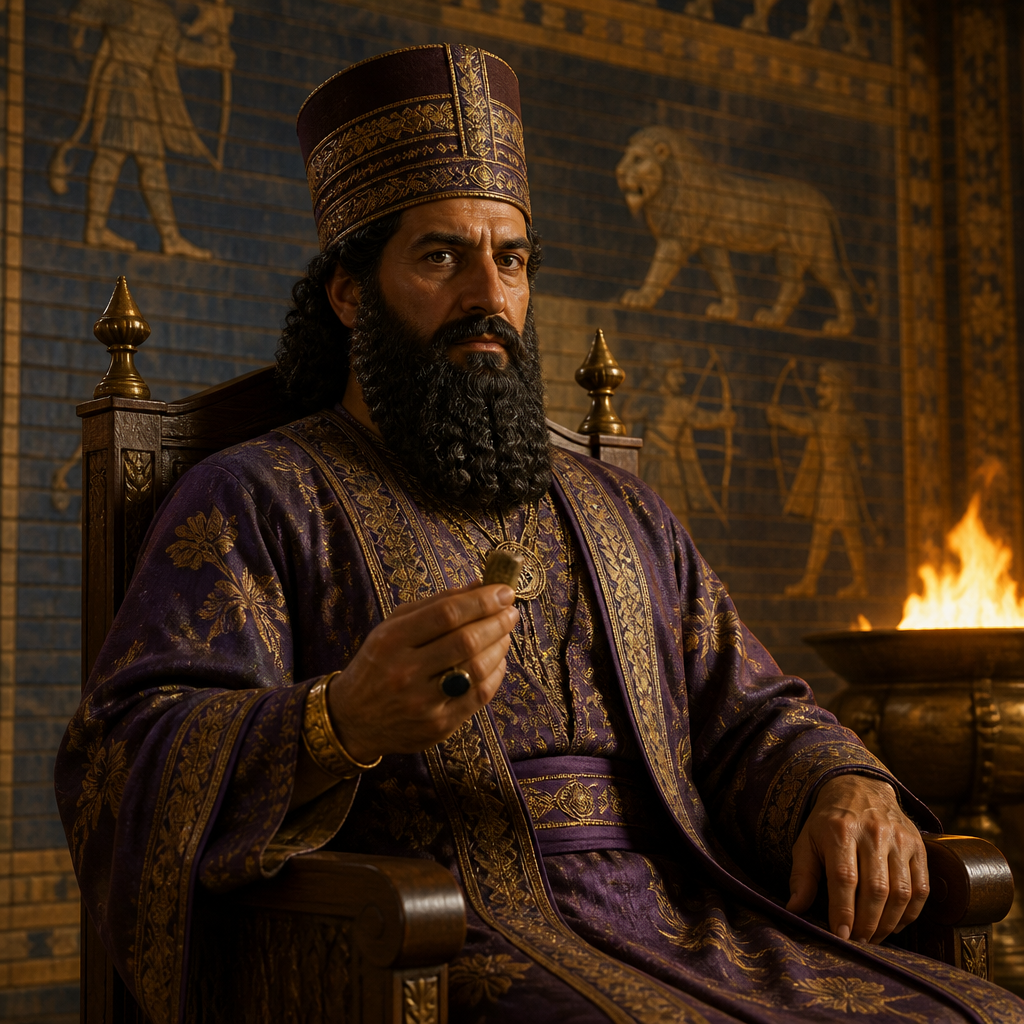
Shethar
Prince of Persia who was one of the seven advisors to King Ahasuerus
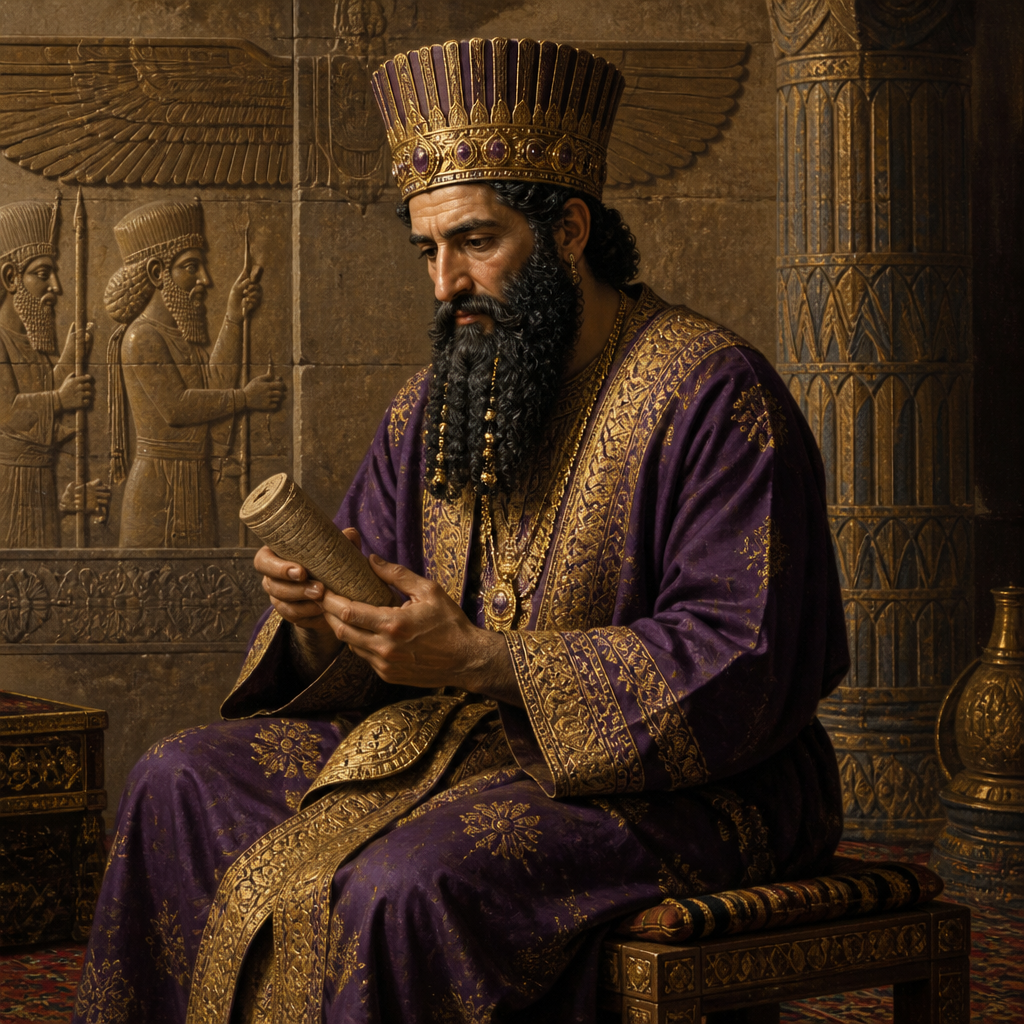
Tarshish, Prince of Persia
Prince of Persia who served as one of the seven high advisors to King Ahasuerus
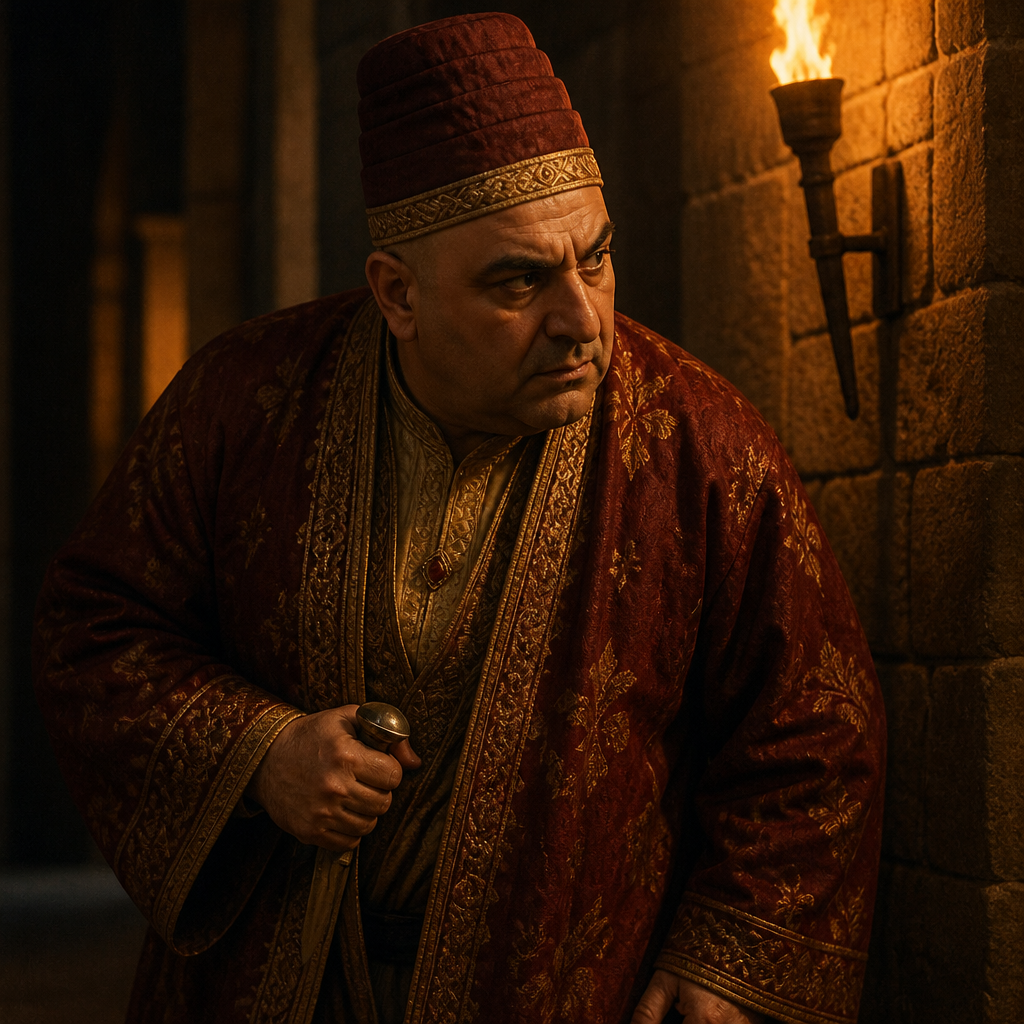
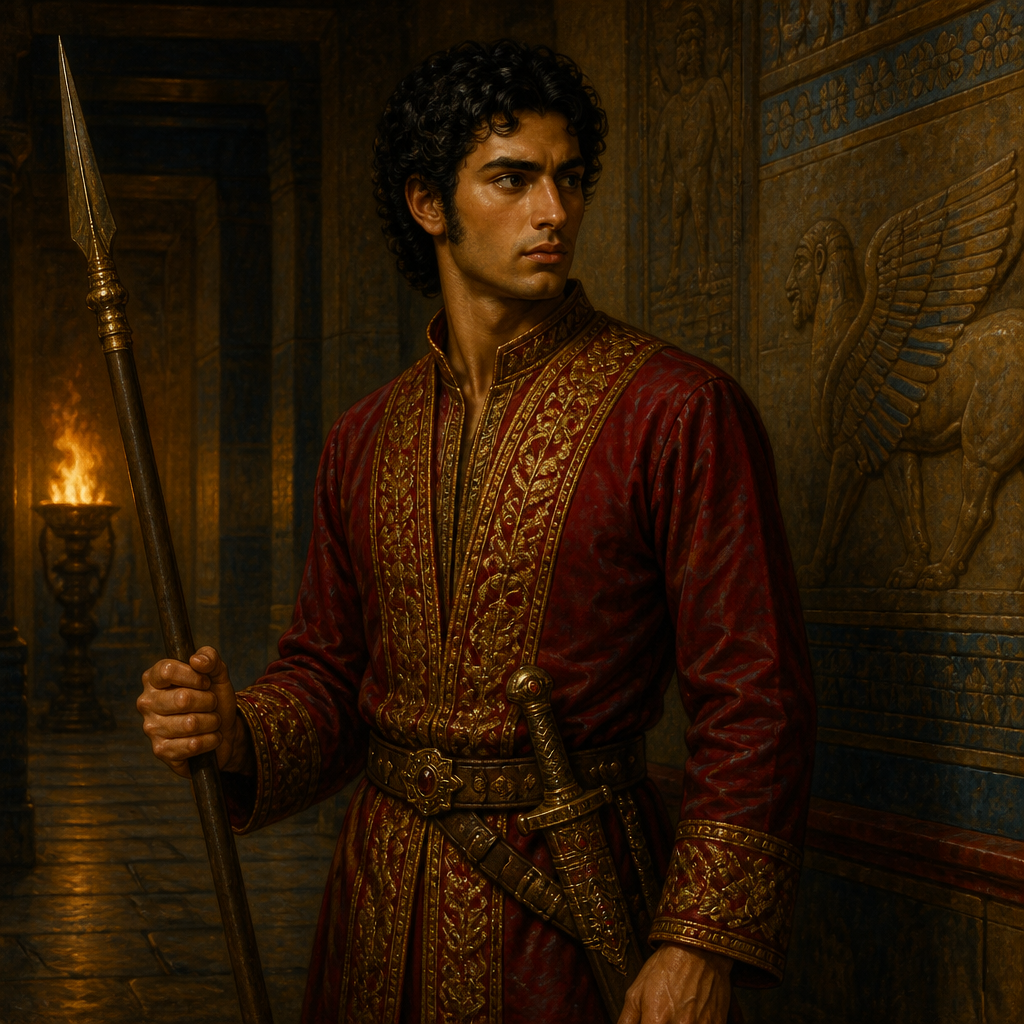
Vaizatha
Son of Haman who was executed and hanged during the events of Purim
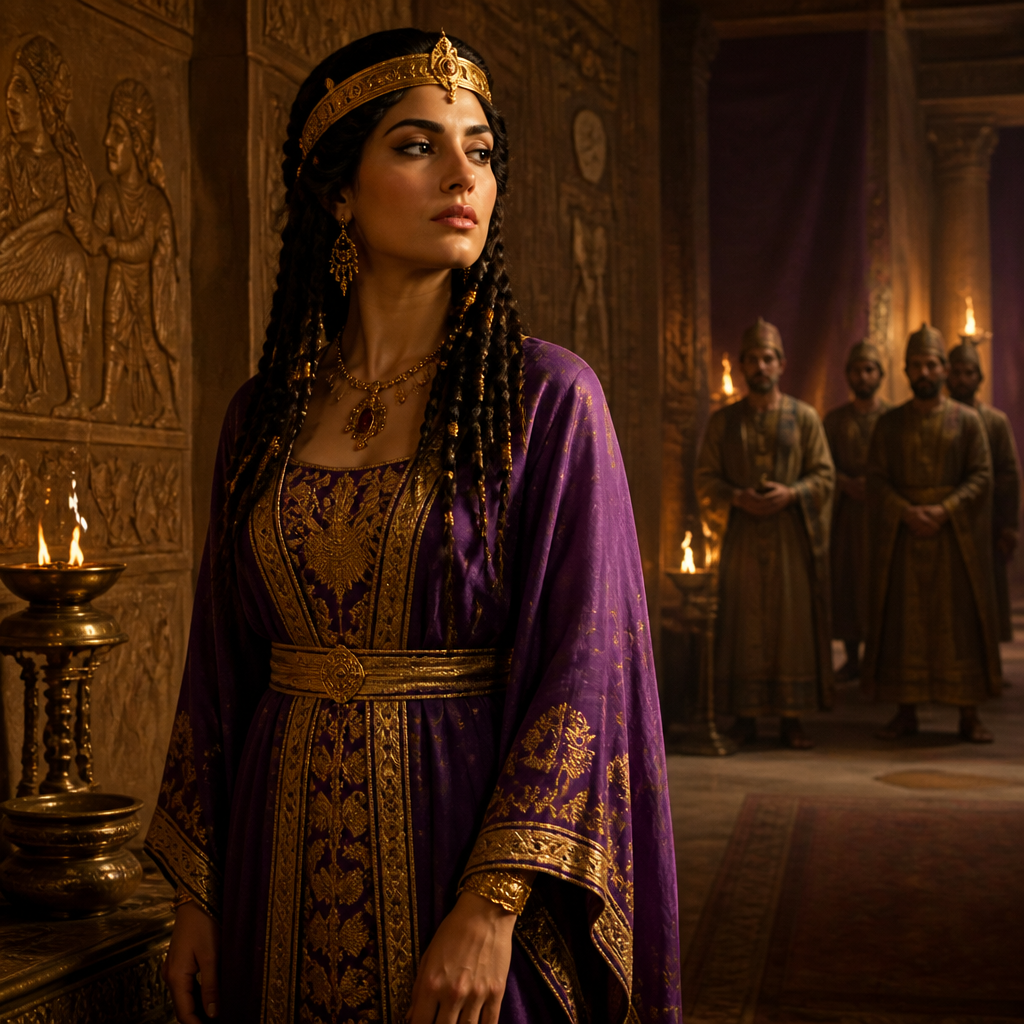
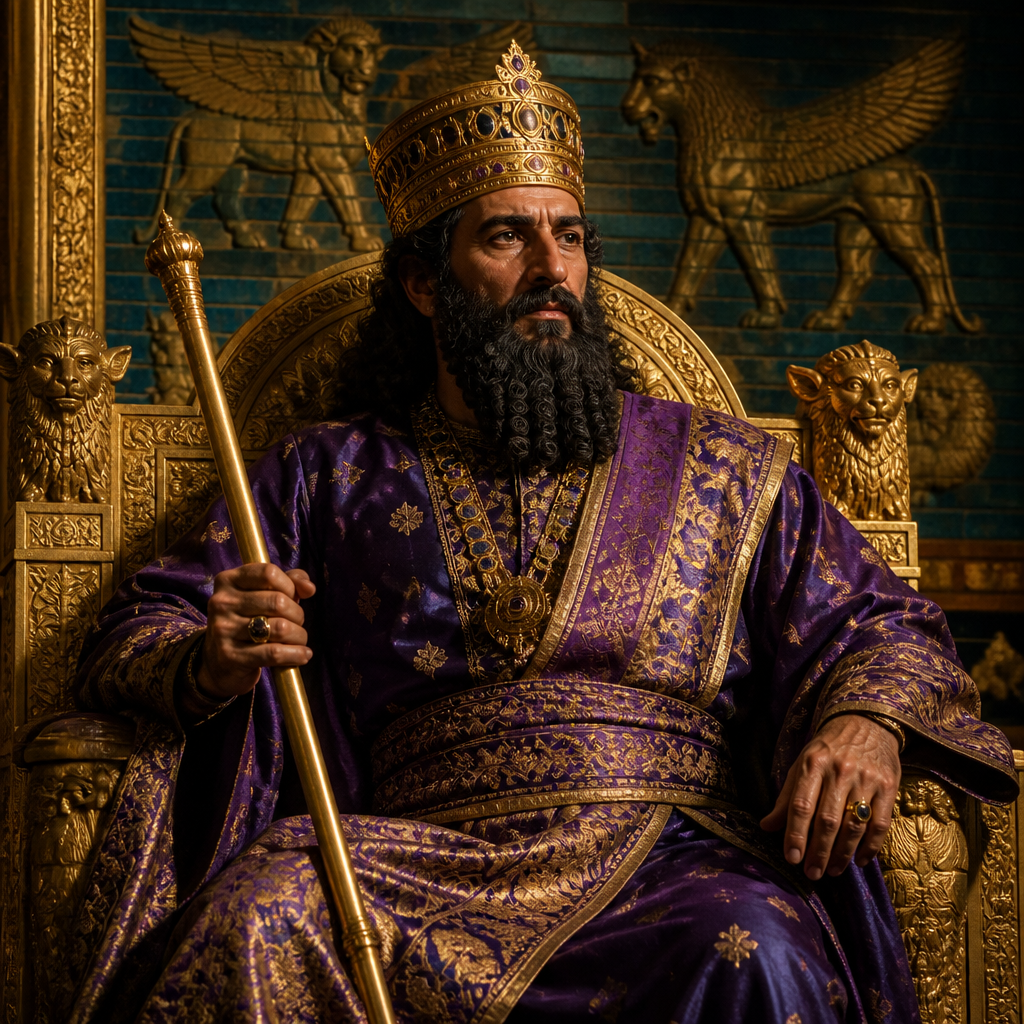
Xerxes
King of Persia who married Esther and authorized the defense of the Jews against Haman's plot