Shaphan, Father of Jaazaniah
Who was Shaphan, Father of Jaazaniah, in the Bible?
The father of Jaazaniah, one of the seventy elders of Israel seen by the prophet Ezekiel committing idolatry in a vision of the temple.
This is one of 2 people named Shaphan in the Bible. See all 2 →
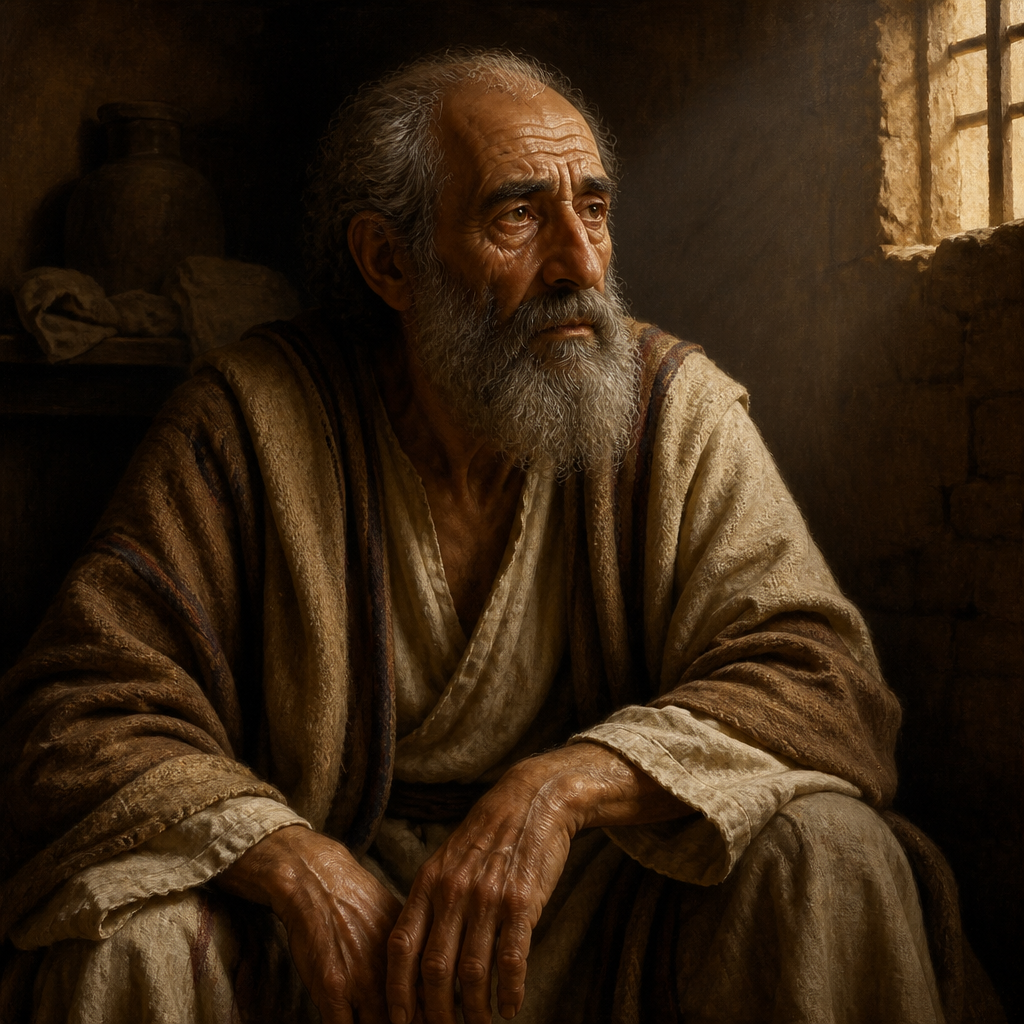
Shaphan is a figure mentioned in the Book of Ezekiel during the period of the Babylonian Exile. He is identified exclusively through his son, Jaazaniah, who appears in a divine vision granted to the prophet Ezekiel. This vision exposes the secret spiritual corruption occurring within the leadership of the house of Israel during a time of national crisis.
Because Shaphan is only cited to identify his son, his personal life and career are not detailed in the biblical text. However, his inclusion in the record serves to ground the identity of one of the chief participants in the idolatrous rituals described by Ezekiel. He is distinct from other figures of the same name who served in the royal courts of the previous century.
Background and Family
The biblical record concerning this specific Shaphan is confined to a single reference in the eighth chapter of Ezekiel. He is identified as the father of Jaazaniah, one of the seventy elders of the house of Israel. The text provides no specific information regarding Shaphan’s own occupation, tribe, or residence. Given the timing of Ezekiel's vision in the sixth year of King Jehoiachin's exile (c. 592 BC), Shaphan would have been a contemporary of the final years of the Kingdom of Judah or the early years of the Babylonian captivity.
Major Life Events
Shaphan does not appear as an active participant in any recorded historical events. Instead, he is mentioned as a genealogical marker. In Ezekiel 8:11, the prophet is supernaturally transported to the Temple in Jerusalem. There, he witnesses seventy elders engaging in clandestine idolatry:
"Before them stood seventy elders of the house of Israel, with Jaazaniah son of Shaphan standing among them. Each had a censer in his hand, and a fragrant cloud of incense was rising."
While Shaphan himself is not depicted in this scene, his name is preserved to distinguish his son, Jaazaniah, as a specific leader among the group. The focus of the passage is the apostasy of the leadership, and Shaphan’s name provides the necessary lineage to identify the transgressors.
Relationship to Other Biblical Figures
The primary relationship recorded for Shaphan is his fatherhood of Jaazaniah. The fact that Jaazaniah is singled out by name among seventy other elders suggests that Shaphan’s family was well-known or influential within the Judean social hierarchy. While other men named Shaphan held high-ranking positions as scribes in the Judean court, the biblical text does not explicitly link this Shaphan to those lineages, and he remains defined solely by his son's actions in Ezekiel's vision.
Spiritual Significance
In the context of Ezekiel’s prophecy, the mention of Shaphan serves a narrative and judicial purpose. By naming the father of a prominent idolater, the text emphasizes the individual accountability of Israel’s leaders. The presence of Shaphan's son among the elders signifies the total collapse of the religious and social order that preceded the destruction of Jerusalem. The mention of the name ensures that the historical identity of those who led Israel into spiritual ruin was preserved for the exiled community.
Shaphan's theological significance lies in his association with the 'seventy elders' who represented the totality of Israel's leadership. By being named as the father of Jaazaniah, he is linked to the indictment of the nation's elders who practiced secret abominations in the temple. His name appears in the text to provide a specific, historical anchor to Ezekiel's visionary condemnation of Judah's internal corruption.
Furthermore, the reference illustrates the theme of generational transition during the Exile. While the elders were intended to be the guardians of the covenant, their failure—symbolized by the actions of men like Shaphan's son—justified the divine judgment of the Babylonian conquest and the subsequent necessity of the spiritual renewal preached by Ezekiel.
Frequently Asked Questions
Who was Shaphan in the book of Ezekiel?
In the book of Ezekiel, Shaphan is the father of Jaazaniah, one of the seventy elders seen by Ezekiel in a vision practicing idolatry in the temple.
What tribe did Shaphan belong to?
The Bible does not specify the tribal affiliation of this Shaphan.
Did Shaphan participate in the idolatry Ezekiel saw?
The text does not state that Shaphan himself was present or involved; only his son, Jaazaniah, is identified as being among the elders holding censers before idols.
When did this Shaphan live?
He lived during the Exilic Period, specifically during the time of the prophet Ezekiel in the early 6th century BC.
Why is Shaphan's son mentioned by name?
Jaazaniah is likely mentioned by name to highlight the specific failure of recognizable leaders within the community, using his father Shaphan's name to ensure his identity was clear to the readers.
Family & Relationships
 Shaphan, Father of JaazaniahThis page
Children
 Jaazaniah, Son of ShaphanSonEzekiel 8:11Stated
Connected Figures
Family
Son · Ezekiel 8:11
Jaazaniah, son of Shaphan, was one of the seventy elders of Israel seen by the prophet Ezekiel in a vision, participating in clandestine idolatrous worship within the Jerusalem temple complex.
Exile and ReturnFirst: Ezekiel 8:111 versesElder of Israel
Categories
Mentions by Book
- Ezekiel1
Scripture References
All 1 indexed verse, in canonical order, from the Berean Standard Bible.
Ezekiel · 1
- Ezekiel 8:11
Before them stood seventy elders of the house of Israel, with Jaazaniah son of Shaphan standing among them. Each had a censer in his hand, and a fragrant cloud of incense was rising.
Others Named Shaphan
Compare all 2 bearers →Shaphan, Scribe of the Divided Monarchy2 Kings 22:3
A high-ranking royal scribe under King Josiah who played a pivotal role in the discovery of the Book of the Law and the subsequent religious reforms in Judah.