
Kings of Babylon
Who is on this listMen who reigned over Babylon and over the exiles from Judah, from Nebuchadnezzar to Belshazzar (2 Kings 24:1; Daniel 5:1).
Babylonian and Chaldean rulers of the exile period.
The Kings of Babylon represent the sovereign rulers of the Mesopotamian empire who oversaw the period of the Jewish exile and the destruction of the first temple. These monarchs held absolute authority over the region, commanding vast armies and presiding over a court that included wise men, magicians, and foreign captives. The biblical record details their interactions with the people of Israel through the books of 2 Kings, 2 Chronicles, and Daniel. While the office was held by native Chaldeans for much of the captivity, the text eventually applies the role of sovereign ruler to foreign conquerors who assumed control after the fall of the city.
Several individuals are identified in the text as holding this office or serving within the royal court. Nebuchadnezzar is the king who conquered Jerusalem, took the vessels of the temple, and was later humbled by God (2 Kings 24:10–13). Baladan is named as the father of Merodach-baladan, a king who sent letters and a present to Hezekiah (2 Kings 20:12). Belshazzar acted as king during a sacrilegious feast where he witnessed supernatural writing on a wall (Daniel 5:1–5). Belshazzar's Queen entered the banquet hall to advise the king to summon Daniel to interpret the mysterious message (Daniel 5:10–12). Following the transition of power, Darius the Mede took over the kingdom and reluctantly cast Daniel into a lions' den (Daniel 6:16). Cyrus is the Persian king who ended the Babylonian period of rule by issuing a decree allowing the Jews to return and rebuild the temple (2 Chronicles 36:22–23).
The royal court also included captives who served these kings directly. Azariah was one of the youths chosen for his intelligence to be trained in the learning of the Chaldeans (Daniel 1:3–7). He was eventually promoted to a position of authority over the affairs of the province of Babylon (Daniel 3:30). The text does not say the specific length of every reign, but it presents their authority as subject to divine oversight.
These rulers are central to the biblical narrative because they serve as the instruments of both the judgment and the restoration of Israel. The actions of Nebuchadnezzar fulfilled prophecies regarding the exile, while the decree of Cyrus fulfilled the word of the Lord concerning the return to Jerusalem (2 Chronicles 36:21–22). Through their interactions with the prophets, these kings are shown acknowledging the power of the God of Israel.
Everyone in this list
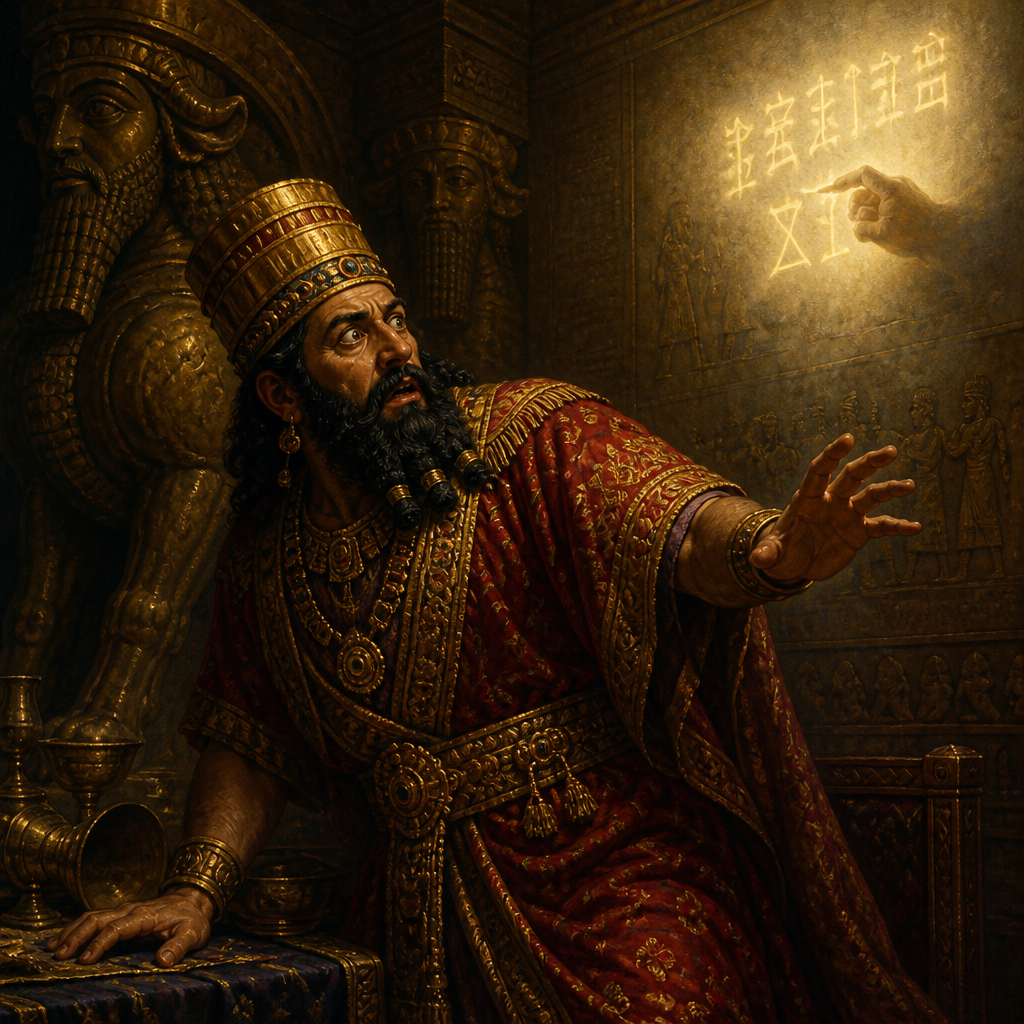
Belshazzar
King of Babylon who saw the supernatural writing on the wall during a sacrilegious feast
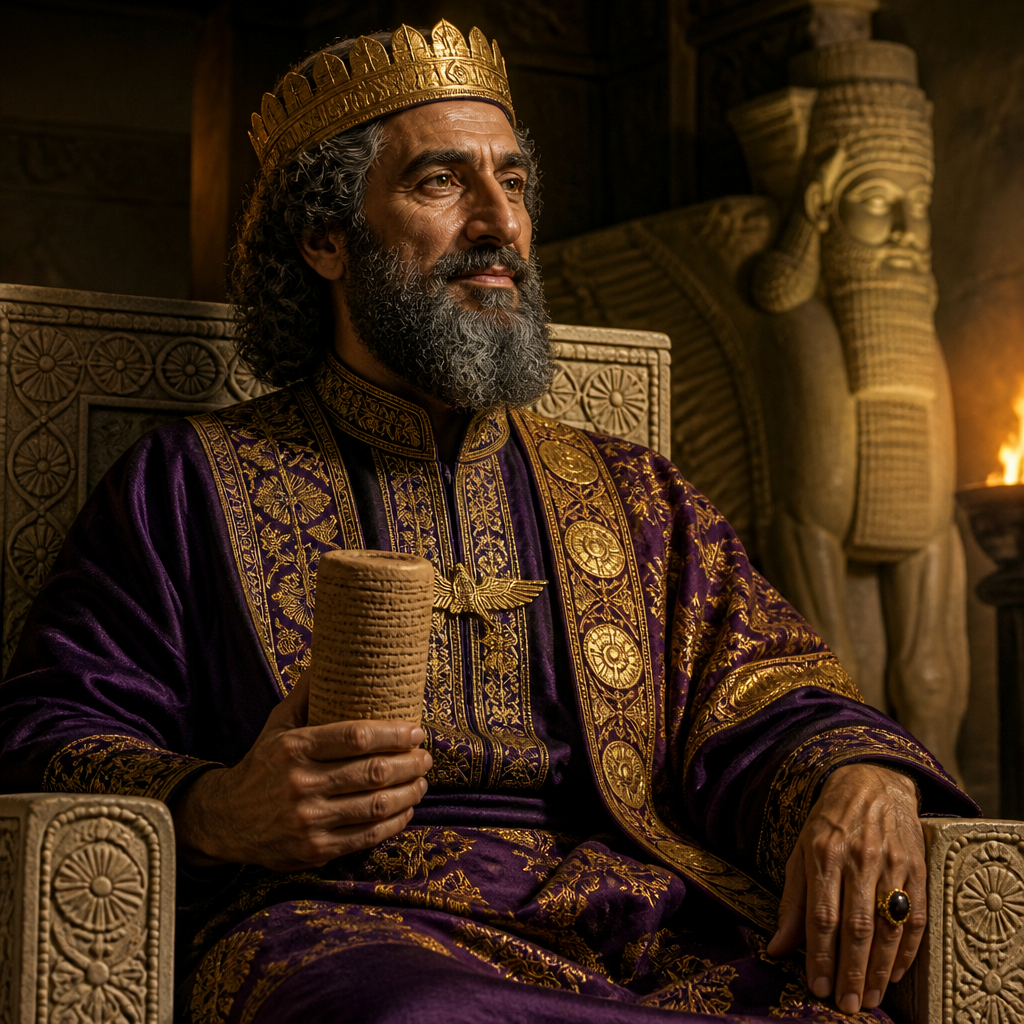
Cyrus
Persian king who issued the decree allowing the Jews to return from exile and rebuild the Temple
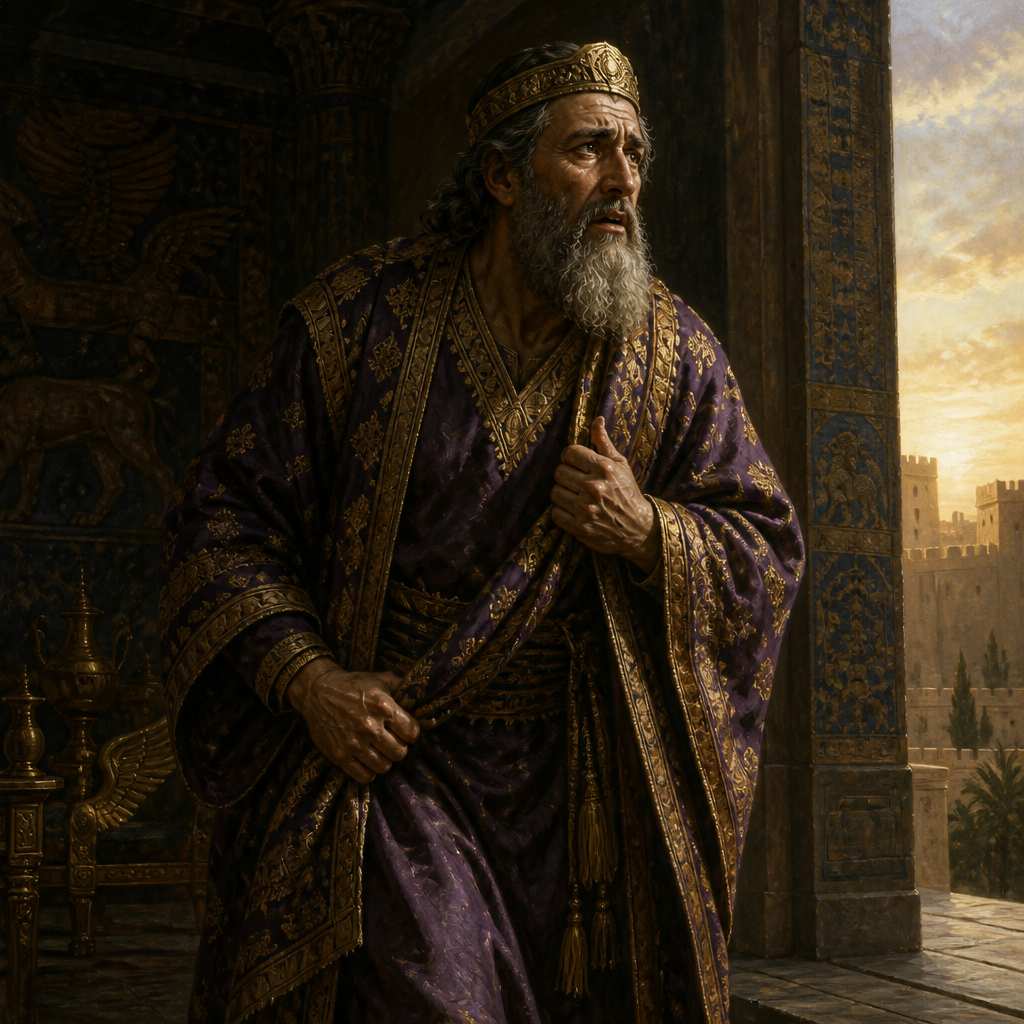
Darius the Mede
King who reluctantly cast Daniel into the lions' den and later praised the living God
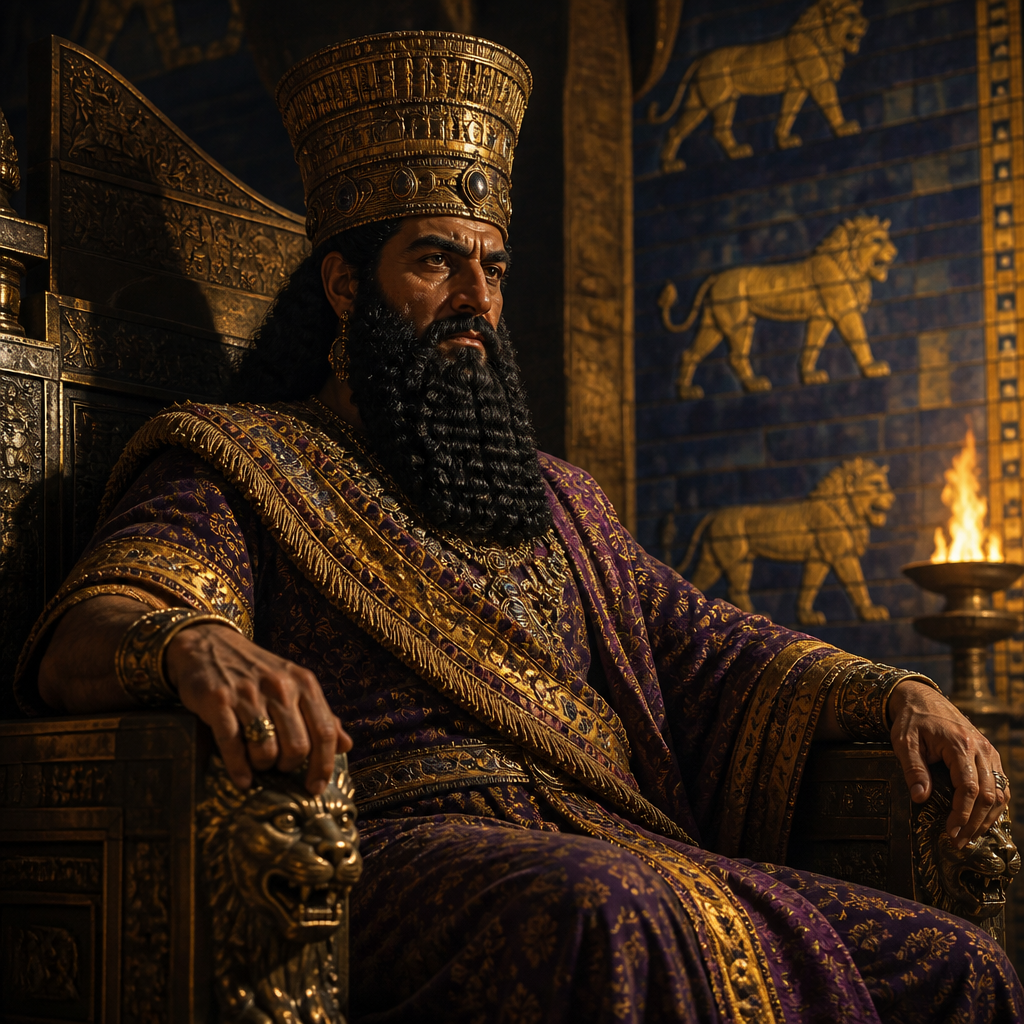
Nebuchadnezzar
King of Babylon who conquered Jerusalem and was humbled by God