
Rulers and Officials
Every person in the Bible tagged Rulers & Officials on Everybody in the Bible.
The Bible identifies various Rulers and Officials who exercised civil, military, and administrative authority over the nations of the ancient Near East and the Roman Empire. These figures appear throughout the historical and prophetic books, often serving as the primary agents through whom political decrees and judicial sentences were issued. The text describes these individuals as holding specific titles such as king, governor, or emperor, and their actions frequently dictate the physical security and legal status of the biblical authors and their communities.
The organization of these figures in the text often centers on their specific imperial or provincial jurisdictions. Augustus is the Roman emperor who issues a decree that all the world should be registered (Luke 2:1), while Tiberius is the ruler whose fifteenth regnal year provides the chronological marker for the beginning of the ministry of John the Baptist (Luke 3:1–2). Pilate serves as the Roman governor of Judea who delivers the final sentence for the crucifixion of Jesus (Matthew 27:24–26). In the eastern empires, Nebuchadnezzar is the king of Babylon who besieges Jerusalem and carries its people into exile (2 Kings 24:10–11), and Cyrus is the Persian king who issues a written proclamation allowing the exiles to return and rebuild the temple (Ezra 1:1–3). Within the local administration of Judah, Zerubbabel is the leader who oversees the laying of the foundation of the second temple (Ezra 3:8–10).
Other officials are noted for their specific roles during times of transition or crisis. Xerxes is the Persian monarch who reigns over one hundred and twenty-seven provinces and eventually authorizes the Jews to defend themselves against their enemies (Esther 1:1, 8:11). Sennacherib is the king of Assyria who captures the fortified cities of Judah and demands the surrender of Jerusalem (2 Kings 18:13–17). Belshazzar is the Babylonian ruler who holds a great feast using the gold vessels from the temple before his kingdom is divided (Daniel 5:1–28). Darius the Mede is the official who receives the kingdom after the fall of Babylon and signs the decree that leads to Daniel being cast into the lions' den (Daniel 5:31, 6:7–16).
These Rulers and Officials are essential to the biblical narrative because they provide the legal and political framework for the events of redemptive history. The text portrays their decrees as the mechanisms that move populations, such as the census that brings Mary and Joseph to Bethlehem or the royal edicts that end the Babylonian captivity. By naming specific leaders like Claudius, who expelled Jews from Rome (Acts 18:2), or Darius, who confirmed the building of the temple, the Bible anchors its accounts within the documented administrative structures of the ancient world.
Everyone in this list
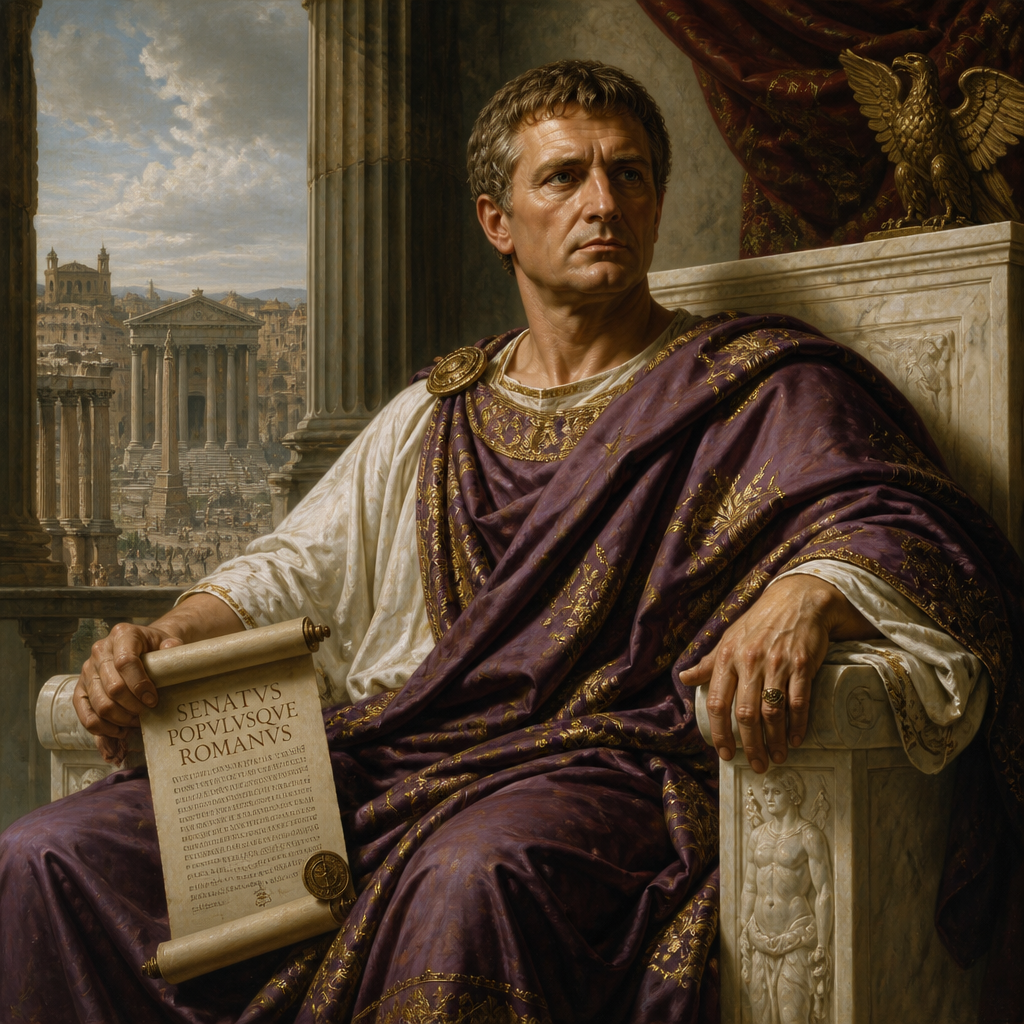
Augustus
Founder of the Roman Empire who decreed the census mentioned in the Gospel of Luke
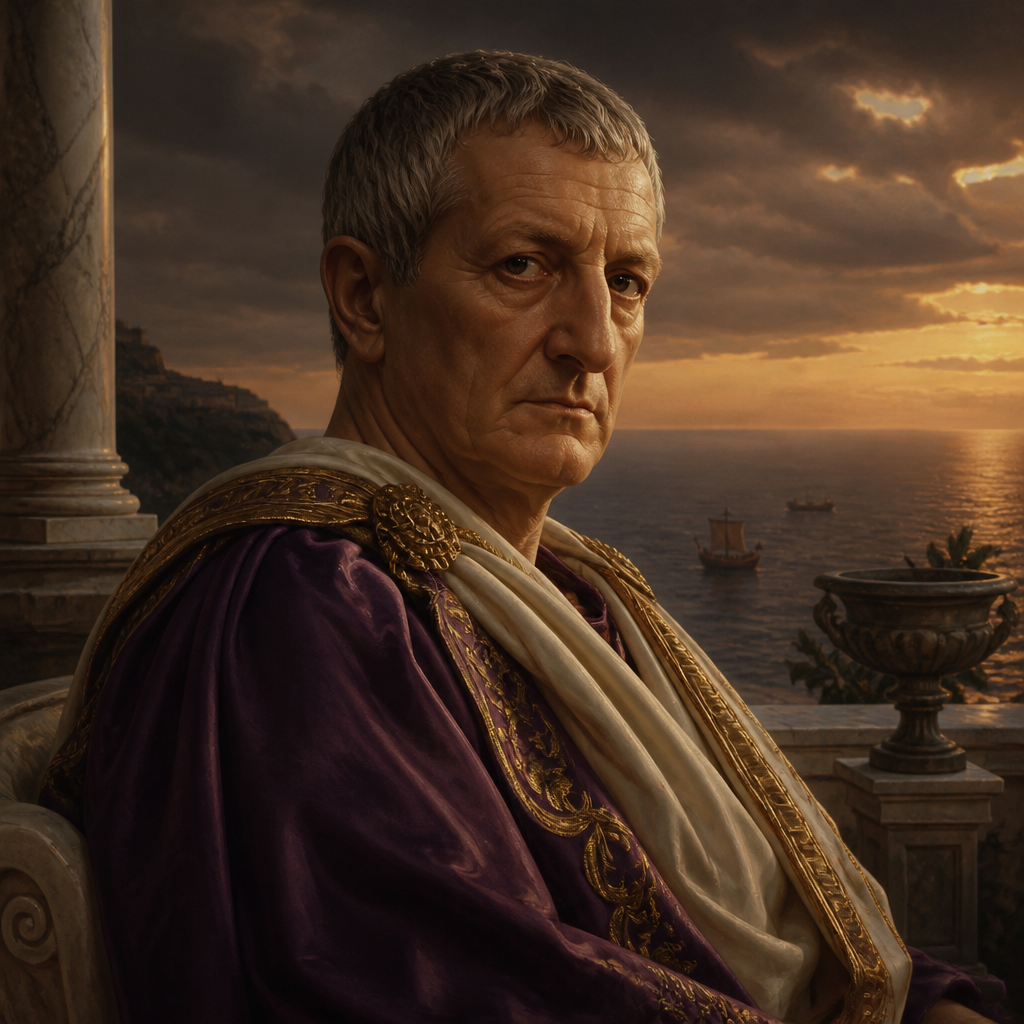
Tiberius
Second Roman emperor whose fifteenth regnal year marks the beginning of Christ's ministry
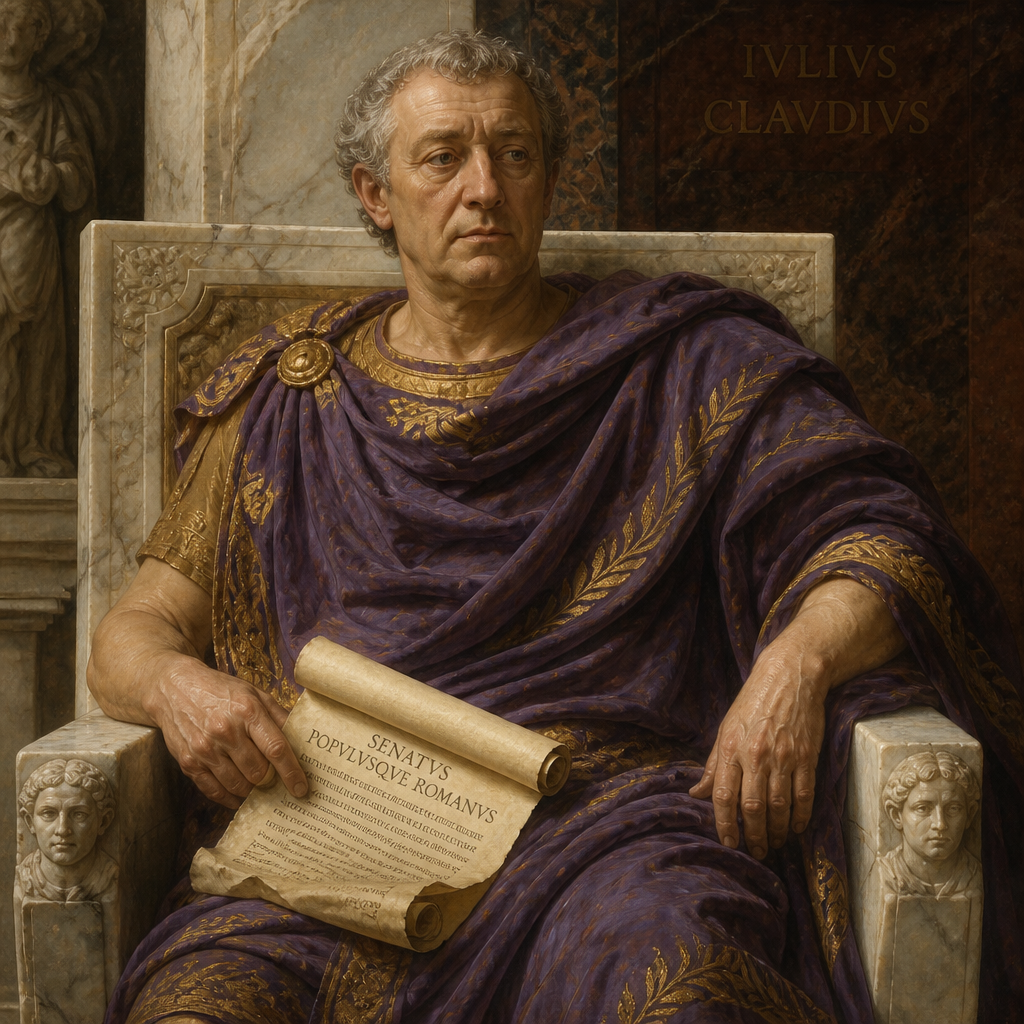
Claudius
Roman emperor who expelled the Jews from Rome and reigned during the early church’s growth
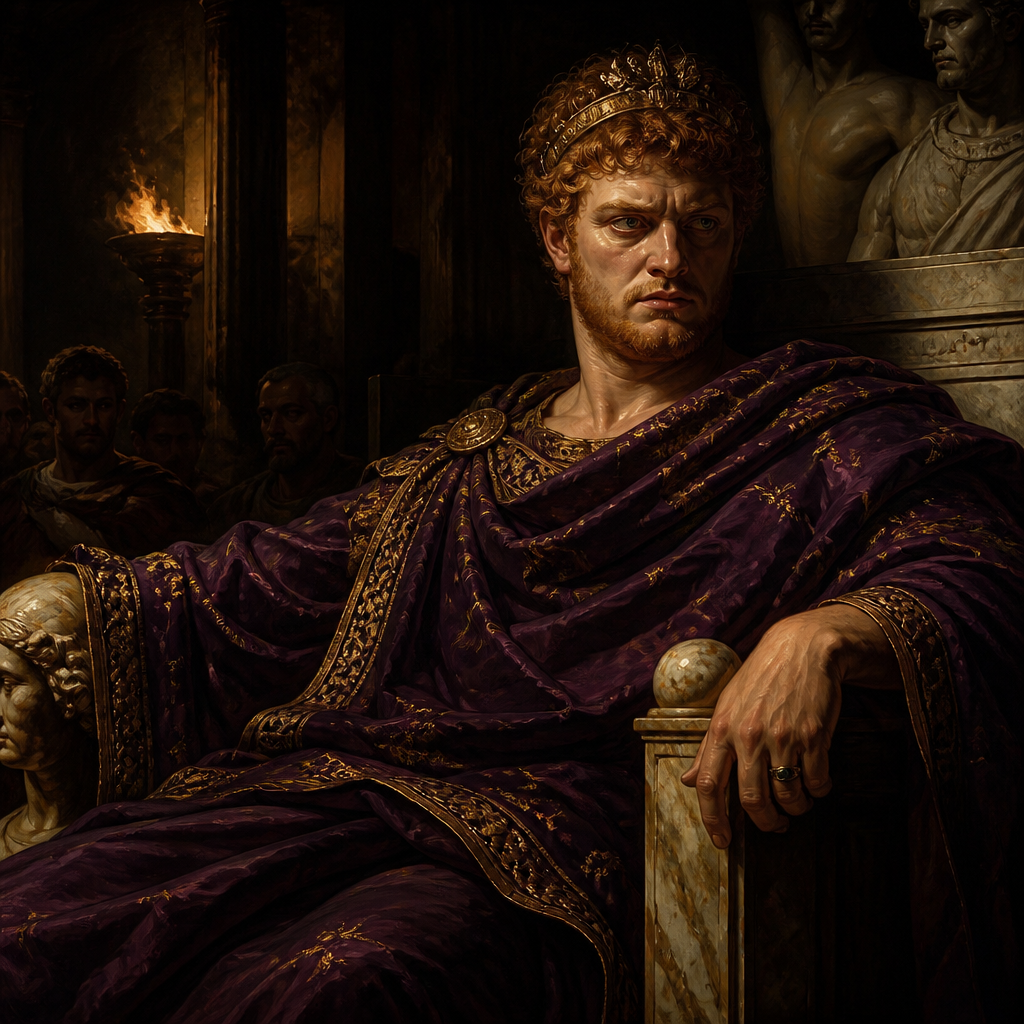
Nero
Architect of the first imperial persecution of Christians and the figure associated with the number 666
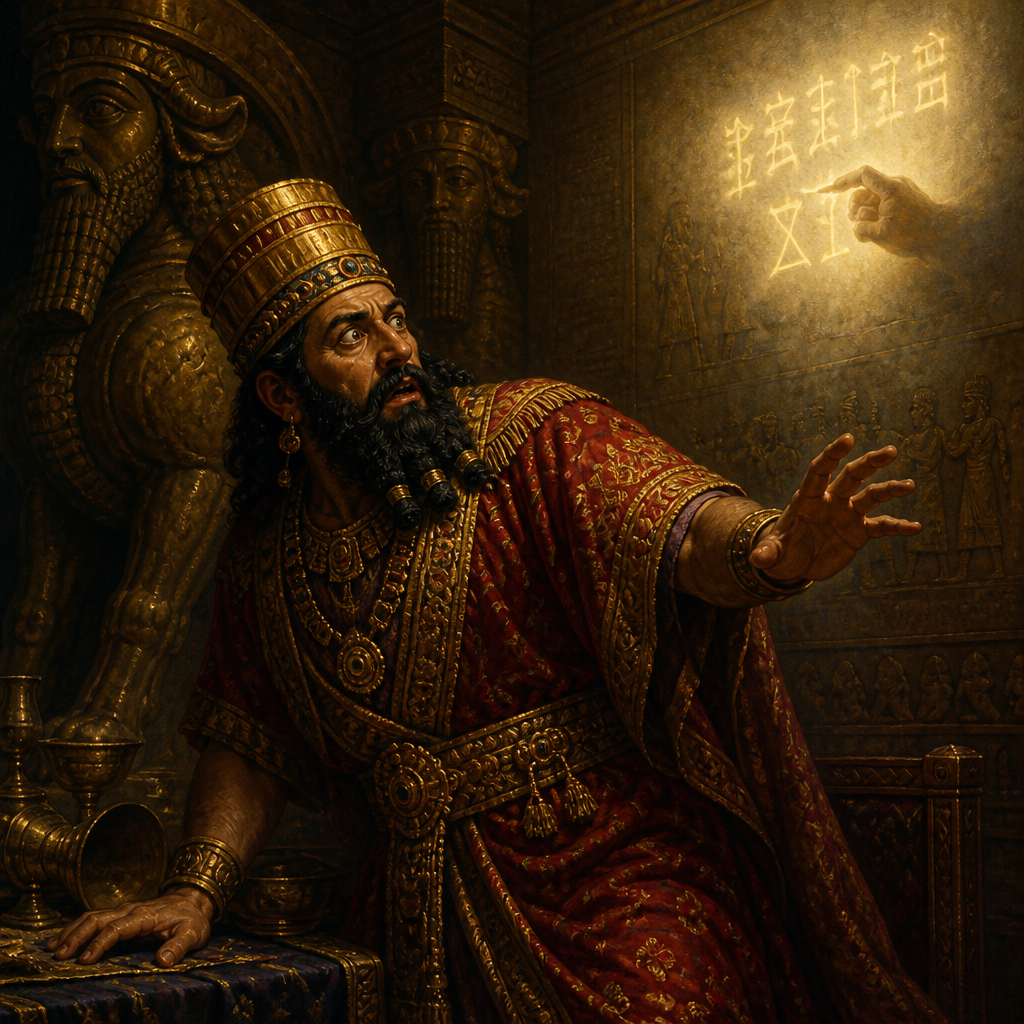
Belshazzar
King of Babylon who saw the supernatural writing on the wall during a sacrilegious feast

Cyrus
Persian king who issued the decree allowing the Jews to return from exile and rebuild the Temple
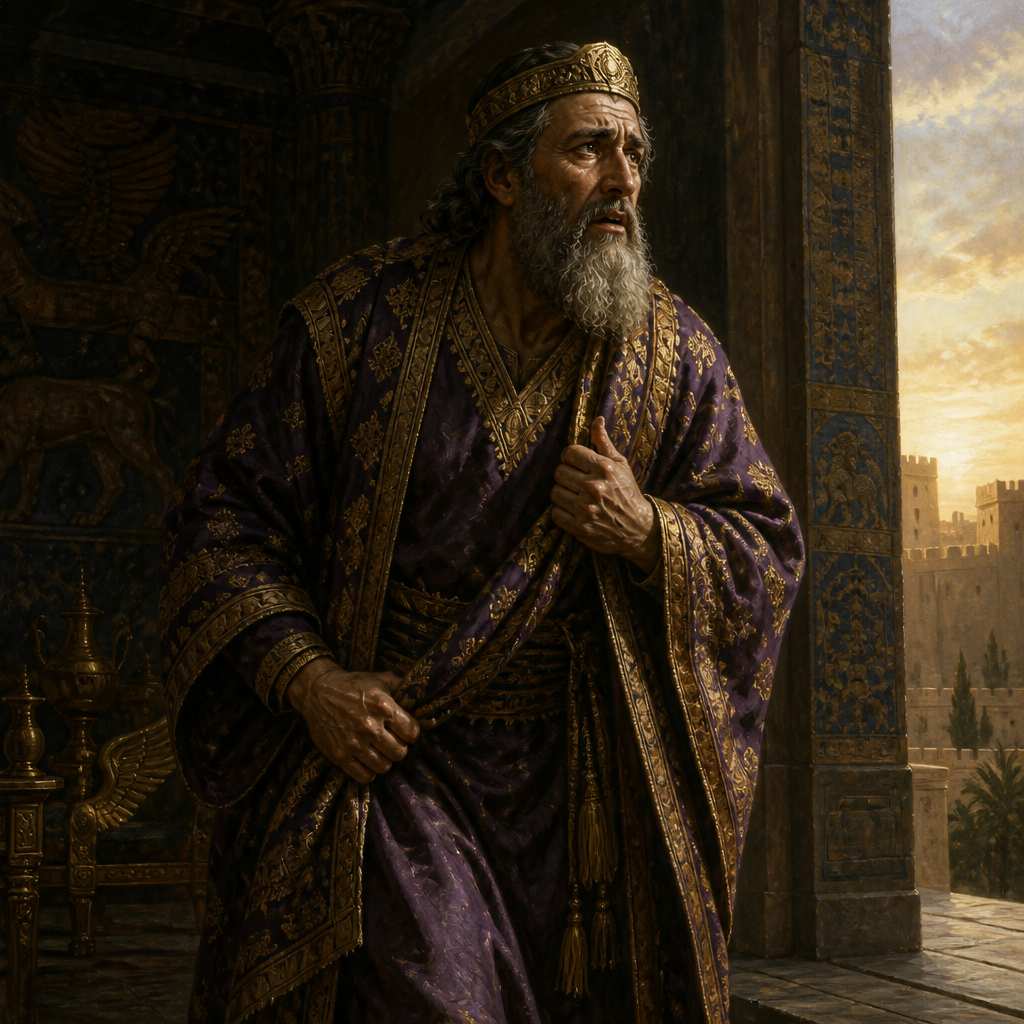
Darius the Mede
King who reluctantly cast Daniel into the lions' den and later praised the living God
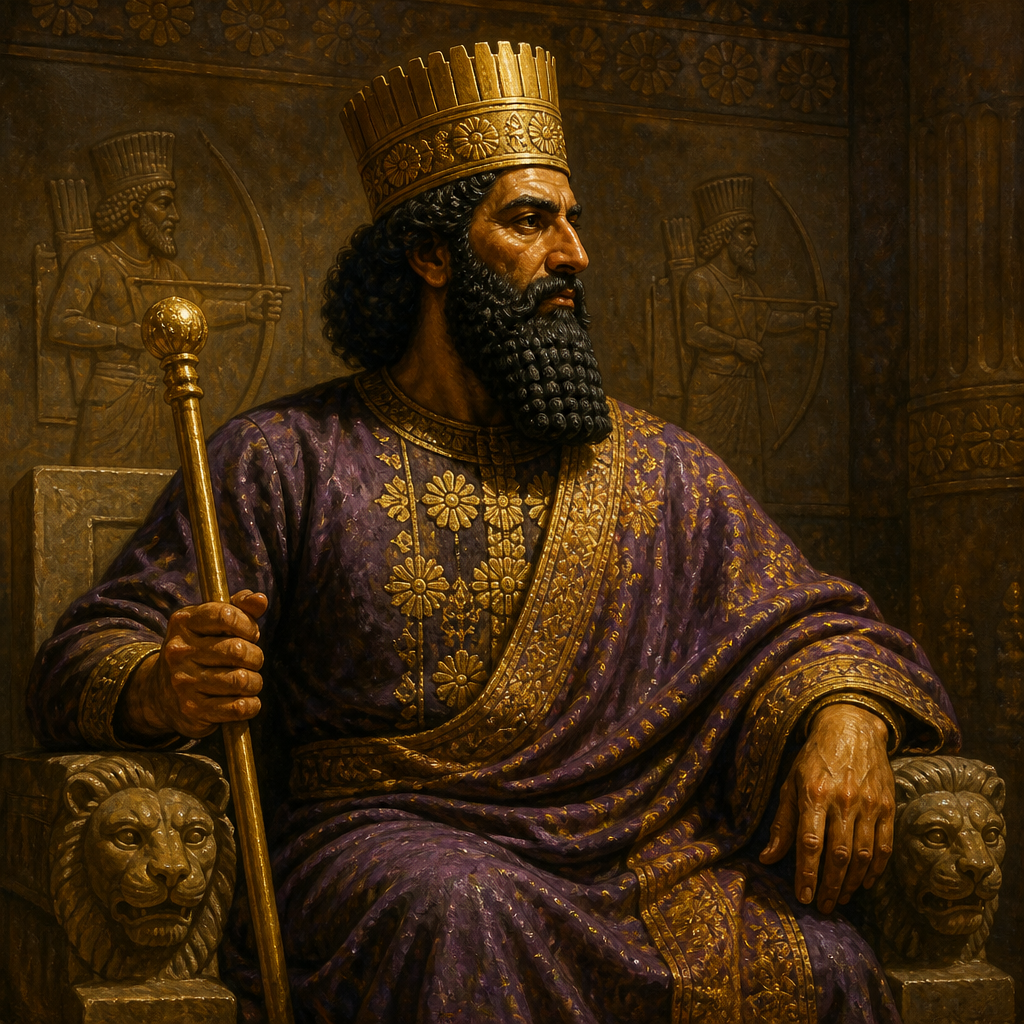
Darius the Persian (Nehemiah 12)
Persian monarch during whose reign the priestly and Levitical genealogies were recorded
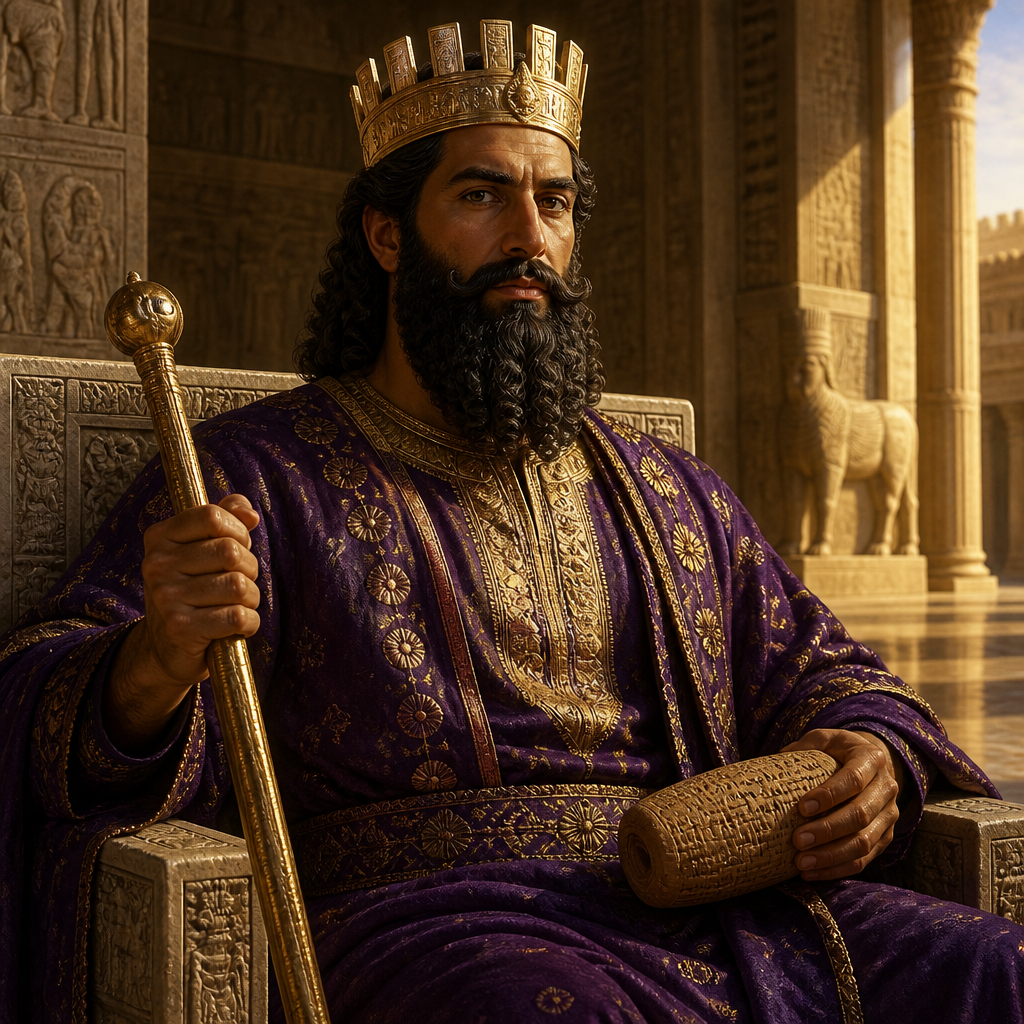
Darius, King of Persia (Ezra 4–6)
King of Persia who decreed the completion of the Second Temple
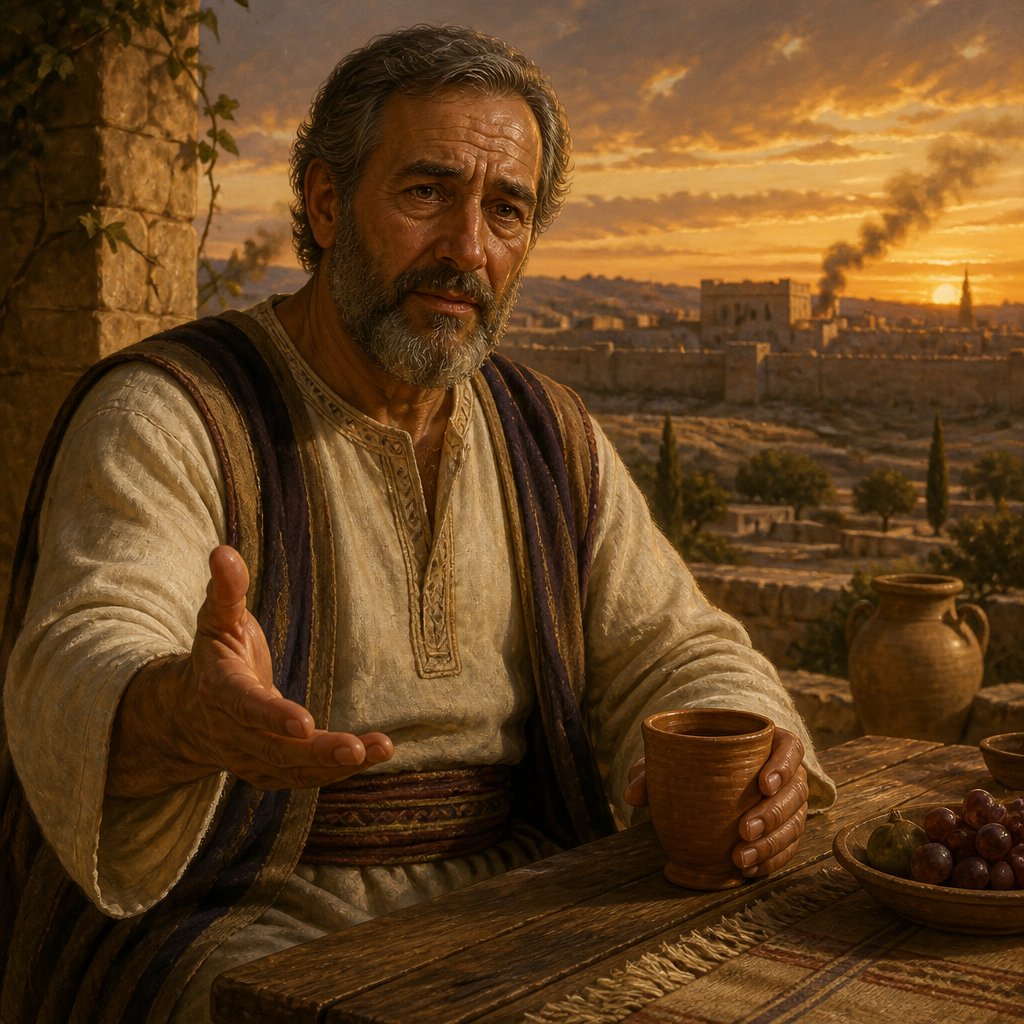
Gedaliah, Governor of Judah
Governor of Judah appointed by Babylon who was assassinated at Mizpah
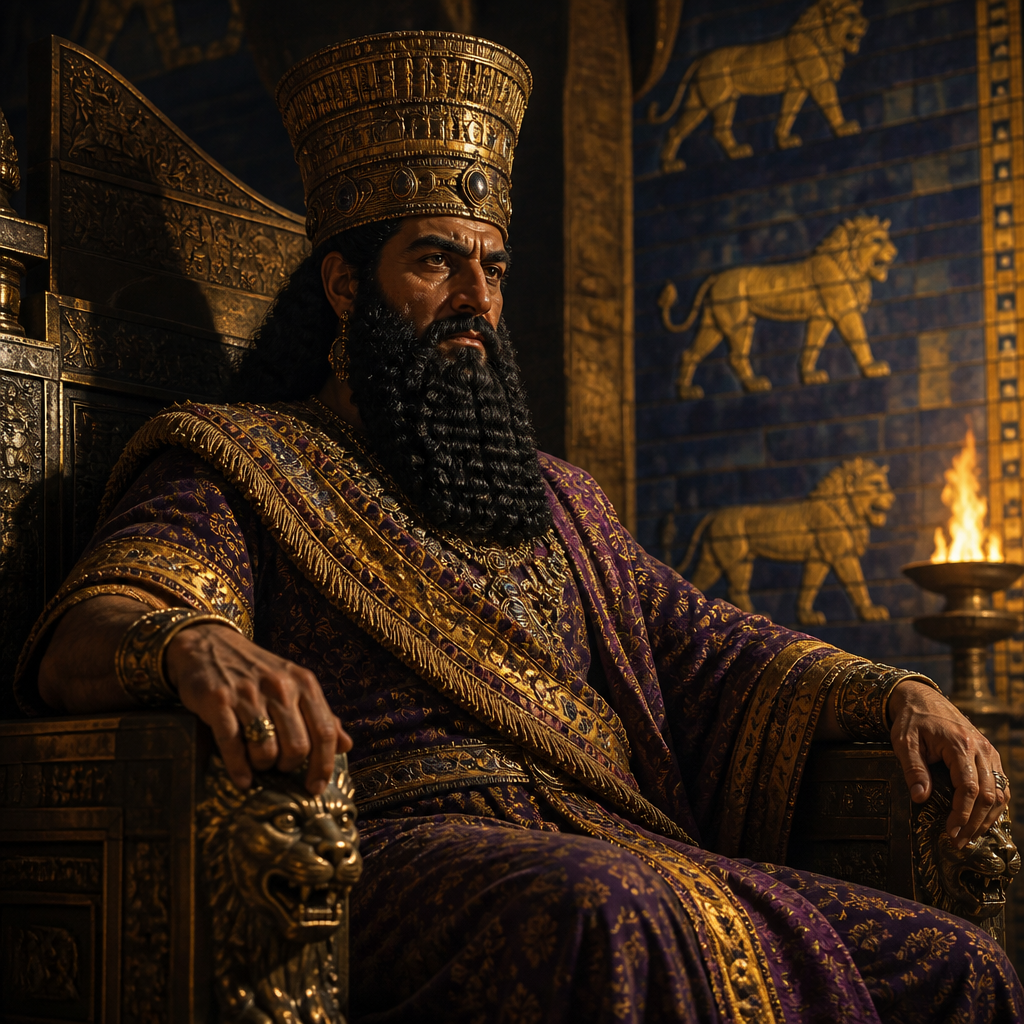
Nebuchadnezzar
King of Babylon who conquered Jerusalem and was humbled by God
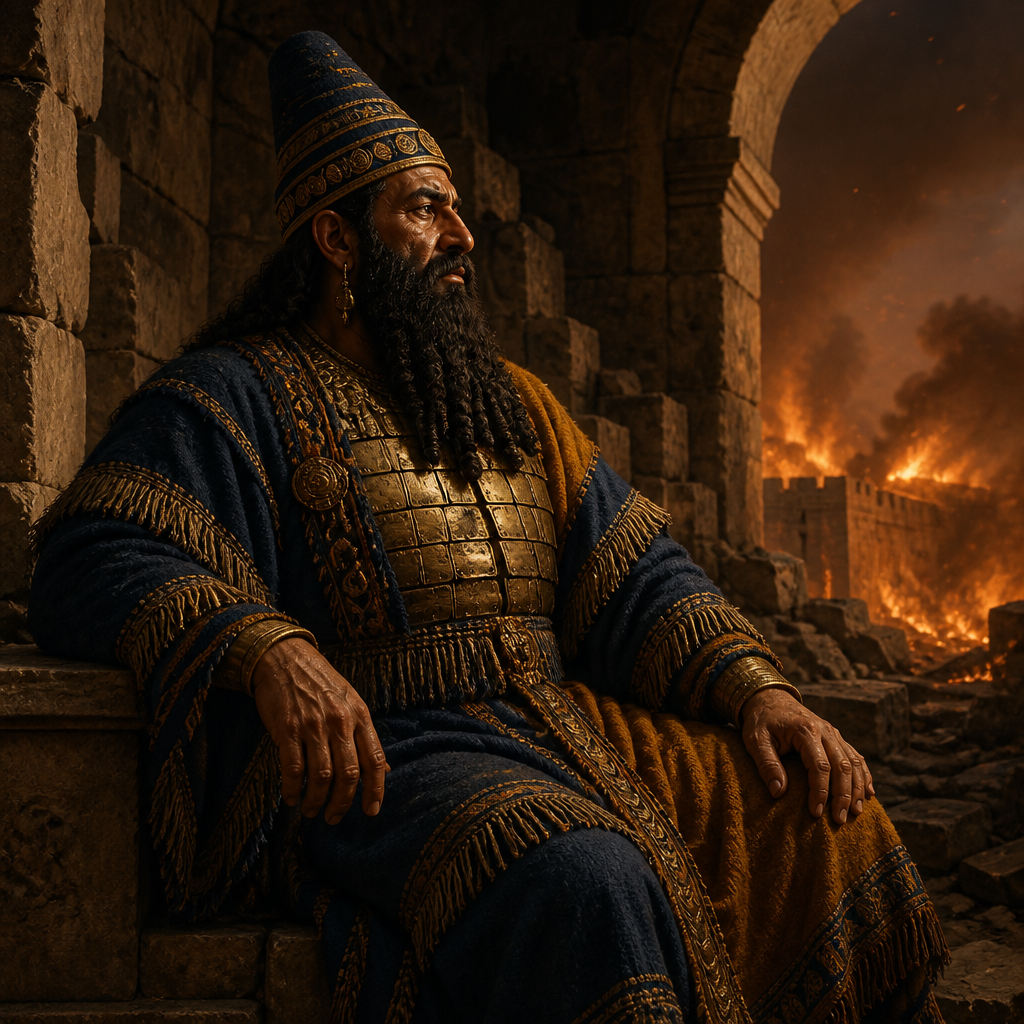
Nergal-sharezer of Samgar
Babylonian official who sat at the Middle Gate during the fall of Jerusalem in 586 BC
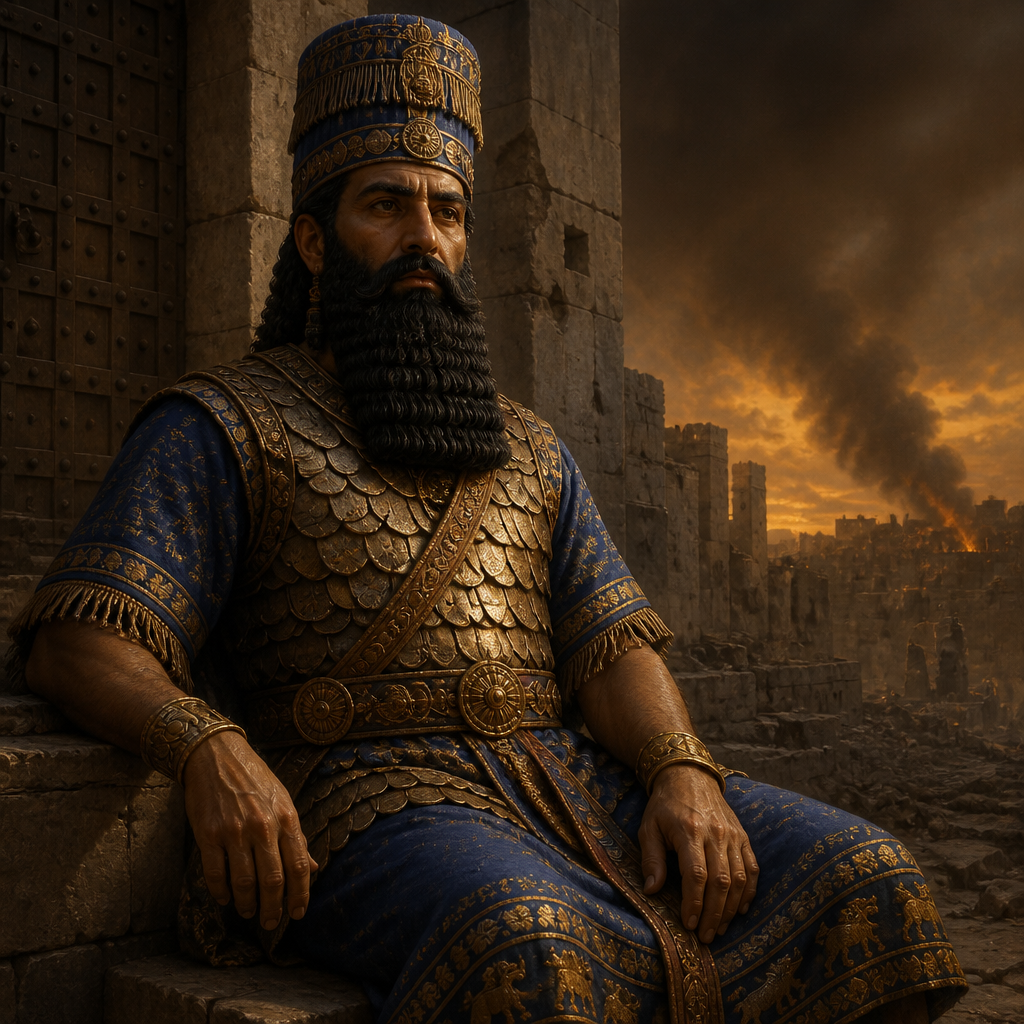
Nergal-sharezer the Rabmag
Babylonian official present at the fall of Jerusalem in 586 BC
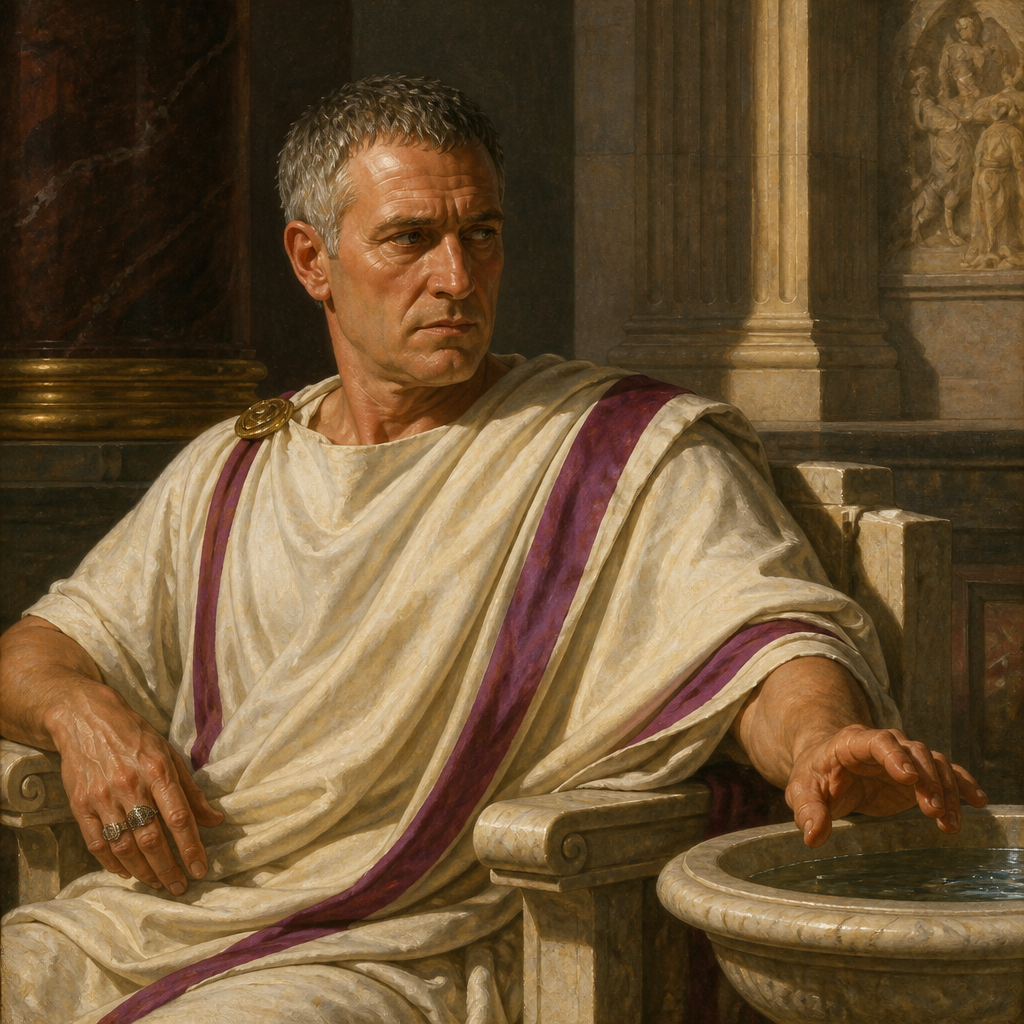
Pilate
Roman governor who presided over the trial of Jesus and ordered His crucifixion
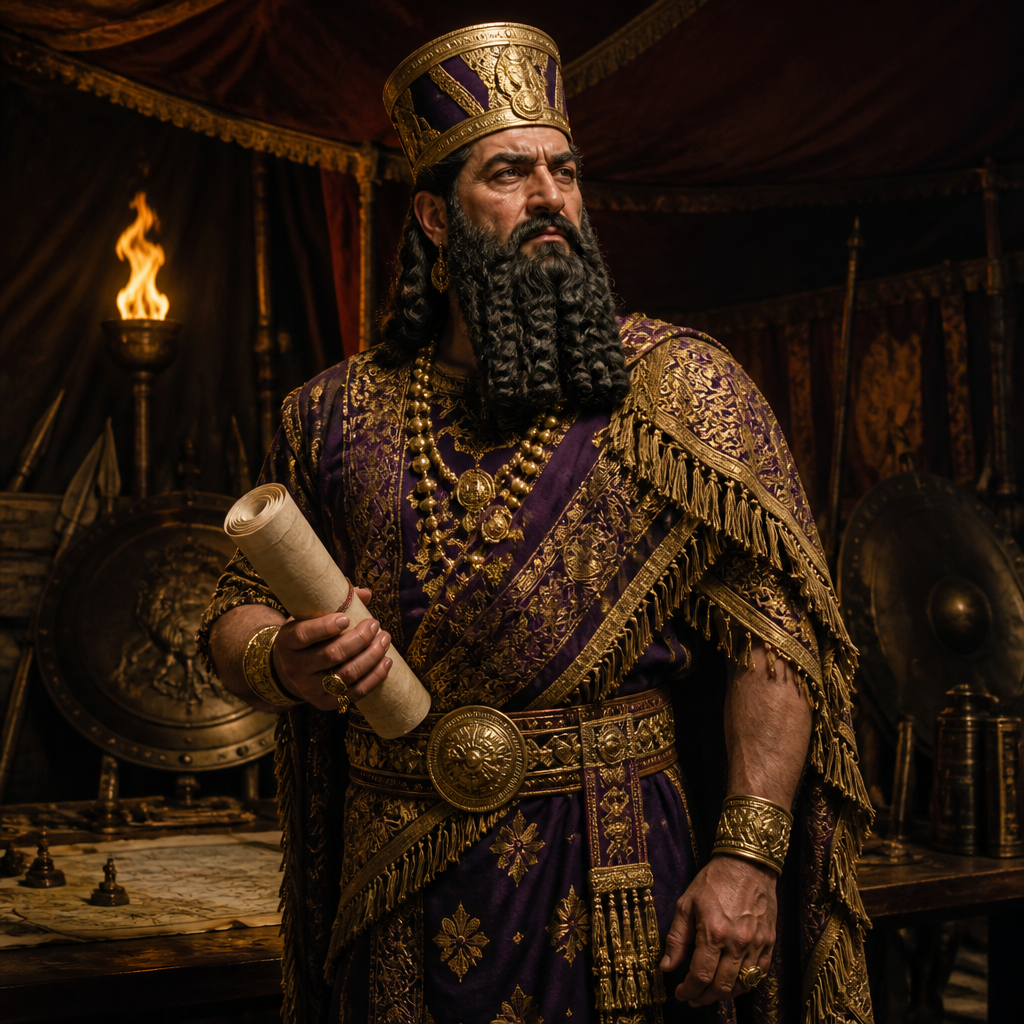
Sennacherib
King of Assyria who invaded Judah and was defeated by divine intervention before Jerusalem
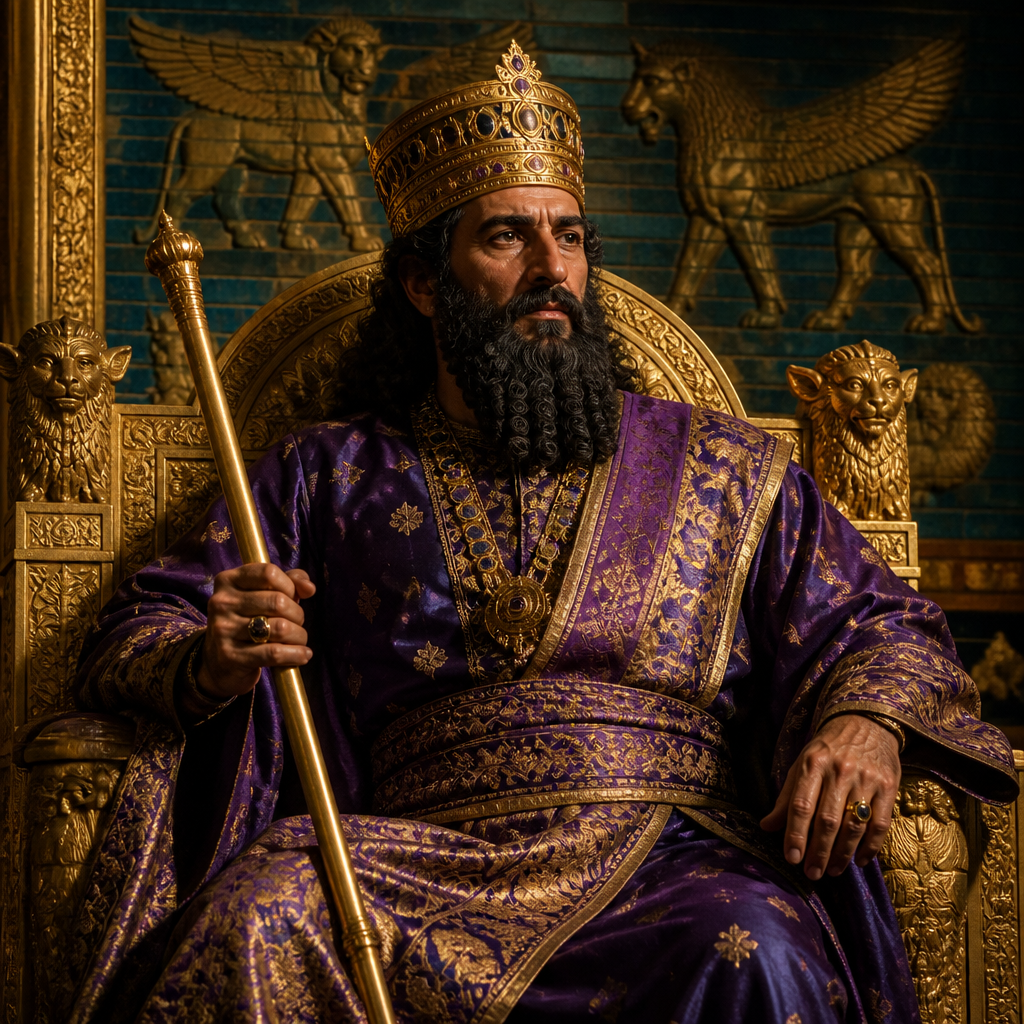
Xerxes
King of Persia who married Esther and authorized the defense of the Jews against Haman's plot
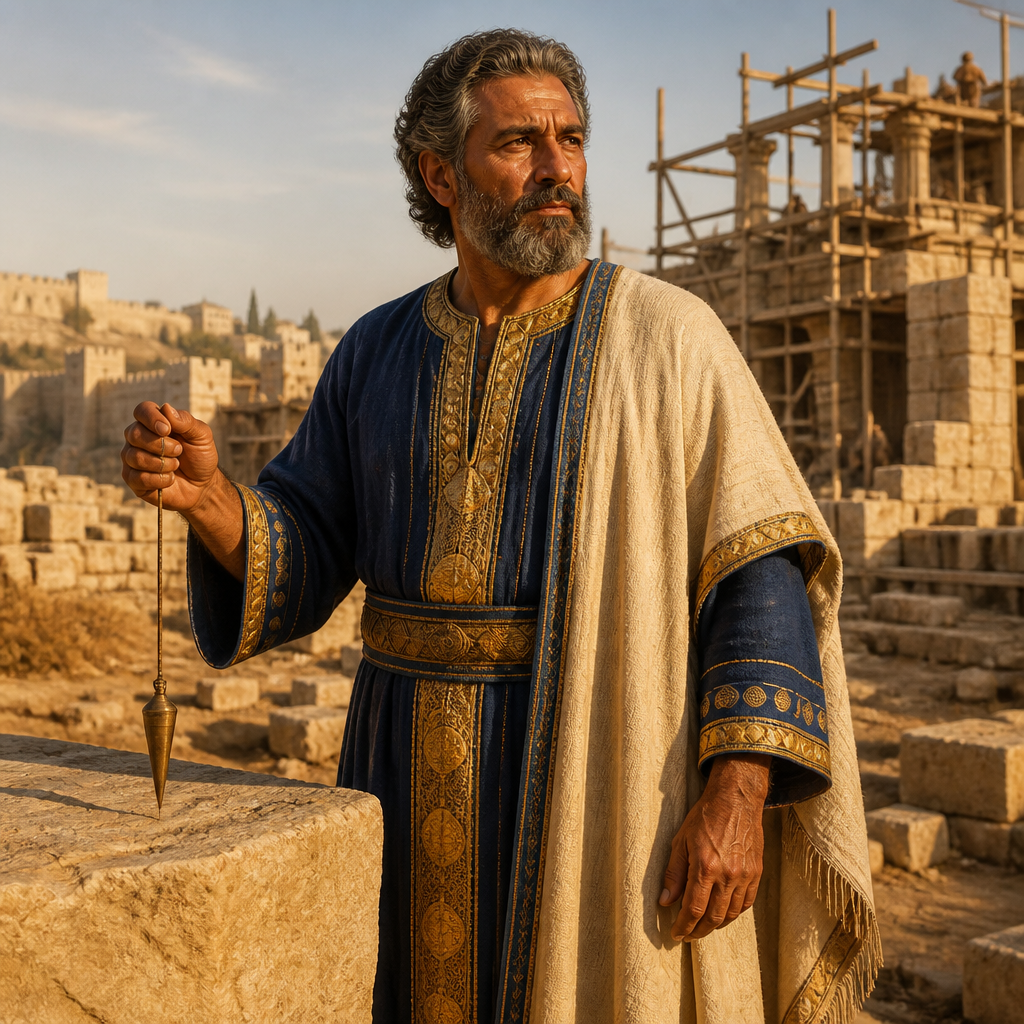
Zerubbabel, Governor of Judah
Governor who led the return from Babylon and rebuilt the Temple foundation