
The Ministry of John the Baptist
The voice in the wilderness
The Ministry of John the Baptist begins with a miraculous birth during the reign of Augustus, who serves as the Roman emperor (Luke 2:1). An angel appears to Zechariah, in the temple to announce that his wife will bear a son, though Zechariah is struck mute until the child is born (Luke 1:13–20). When the child grows up, John the Baptist, emerges in the wilderness of Judea wearing camel’s hair and eating locusts while preaching a baptism of repentance (Matthew 3:1–4). He gains a significant following, including Andrew, who is identified as a disciple of the baptizer before he begins following other teachers (John 1:35–40).
The narrative shifts to the Jordan River, where John the Baptist, identifies Jesus as the one who will baptize with the Holy Spirit and fire (Matthew 3:11). Although he initially hesitates, John the Baptist, baptizes Jesus to fulfill all righteousness (Matthew 3:13–15). Following this event, the influence of the baptizer spreads to others, including Peter, the brother of Andrew and son of John (John 1:41–42). While John the Baptist, continues his work, he eventually confronts the local authorities regarding their personal conduct (Matthew 14:3–4).
The ministry concludes in conflict with the ruling family of Galilee. Herod Antipas arrests the prophet because John the Baptist, condemns the ruler's marriage to Herodias (Matthew 14:3–4). During a birthday feast, The Daughter of Herodias performs a dance that pleases the king, leading him to offer her any reward she desires (Mark 6:21–23). Prompted by Herodias, The Daughter of Herodias asks for the head of the prophet on a platter (Matthew 14:8). Herod Antipas reluctantly grants the request, resulting in the execution of John the Baptist, in prison (Mark 6:27–28).
This sequence of events establishes the transition from the old prophetic tradition to the ministry of the Messiah. The text presents John the Baptist, as the messenger sent to prepare the way, a role confirmed by Jesus himself (Luke 7:27–28). His death marks the end of his specific preparatory work, leaving his disciples, such as Andrew and Peter, to follow the ministry of Jesus (John 1:37). The account emphasizes that while the prophet was highly regarded by the crowds, his primary purpose was to point toward the arrival of a greater authority (John 3:28–30).
Everyone in this list
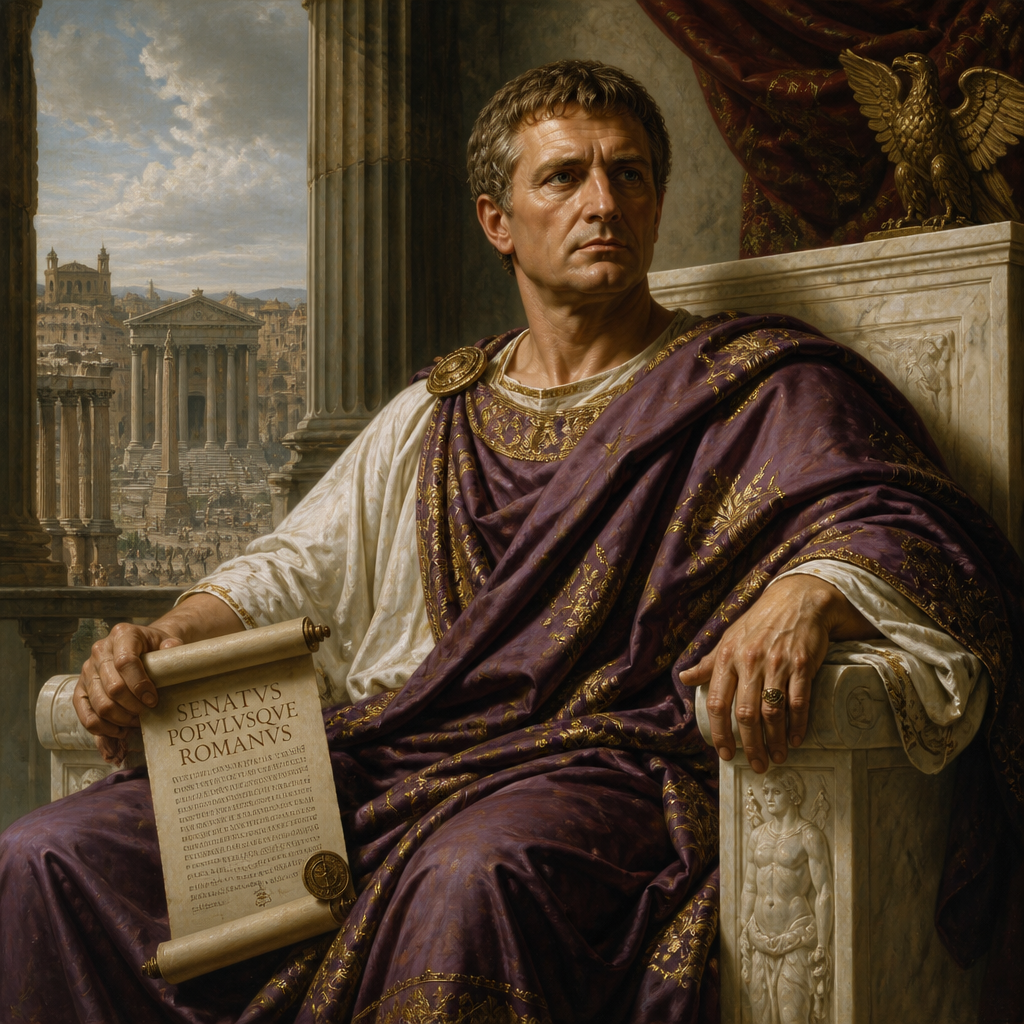
Augustus
Founder of the Roman Empire who decreed the census mentioned in the Gospel of Luke
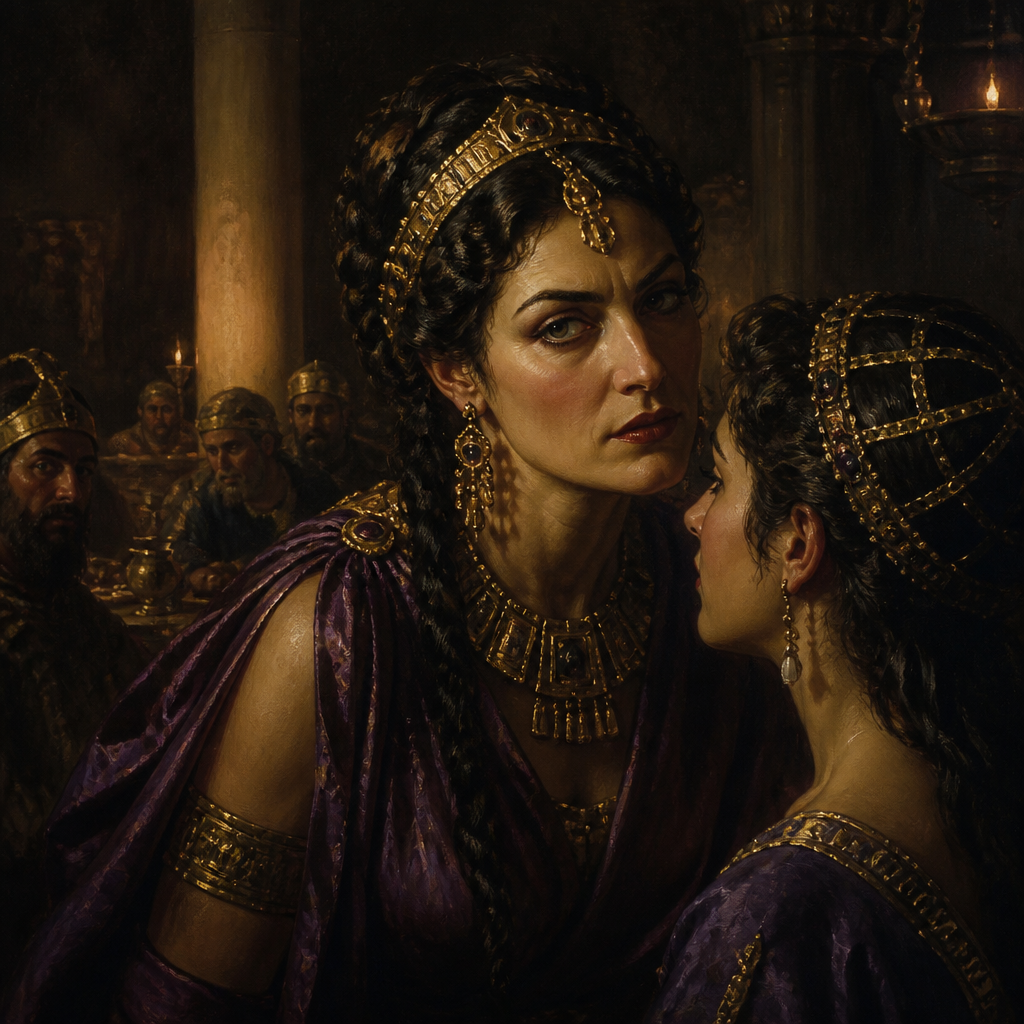
Herodias
Wife of Herod Antipas who prompted her daughter to ask for John the Baptist's head
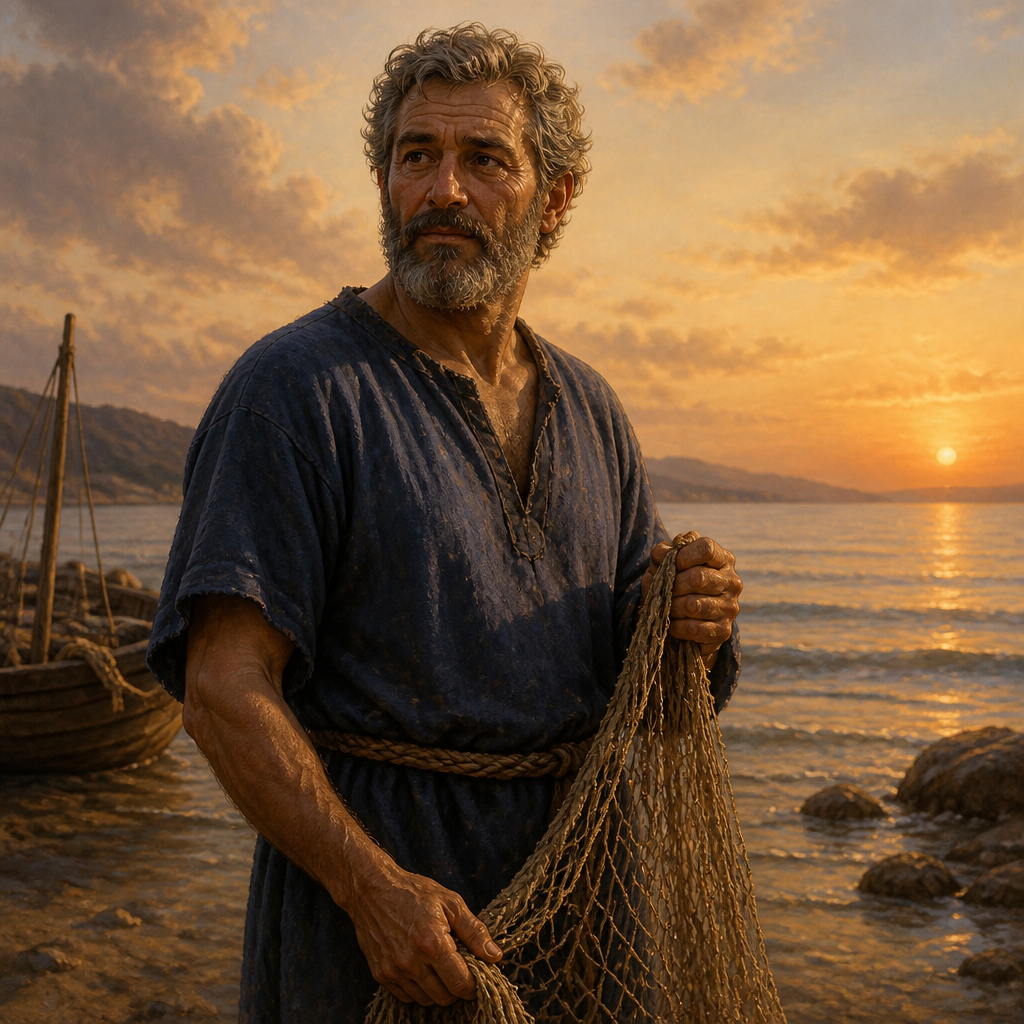
Andrew
Apostle of Jesus and the brother of Simon Peter who was the first to be called by Christ
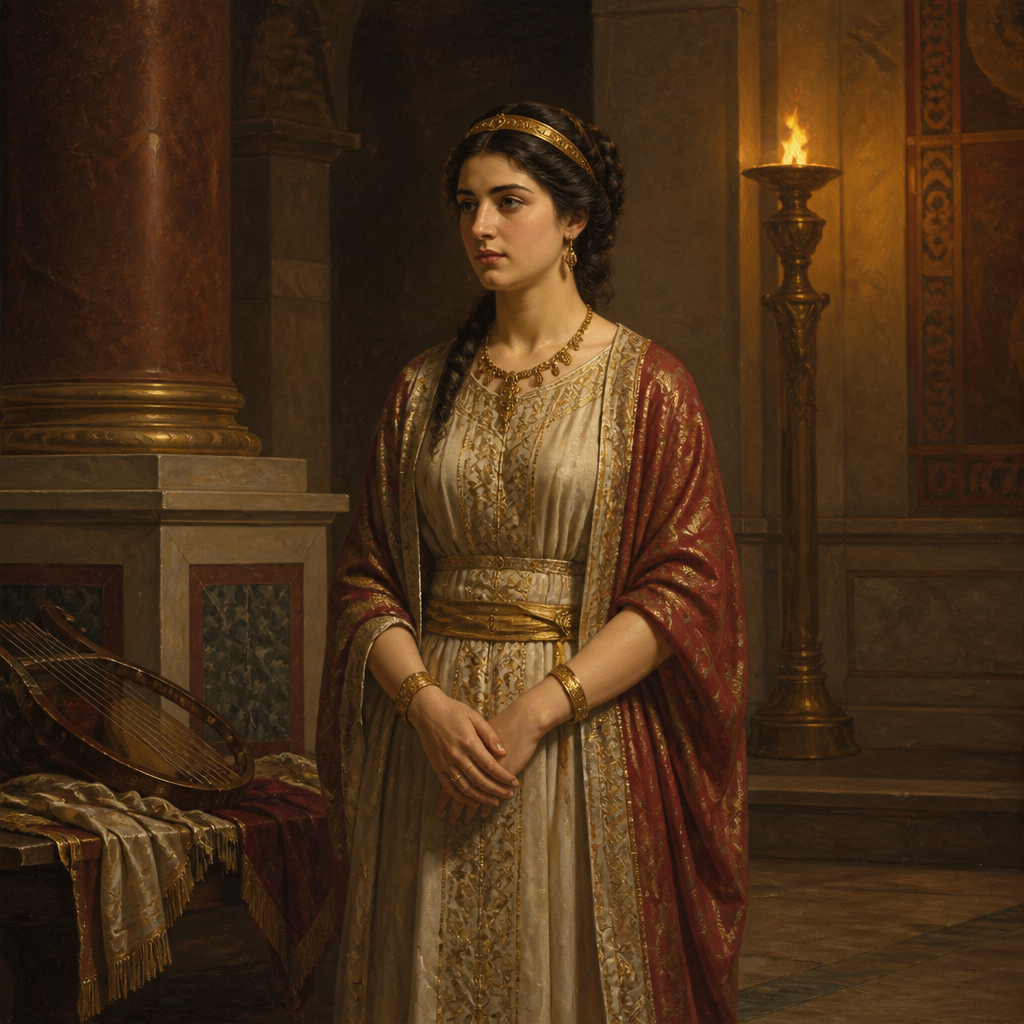
The Daughter of Herodias
Daughter of Herodias who requested the head of John the Baptist
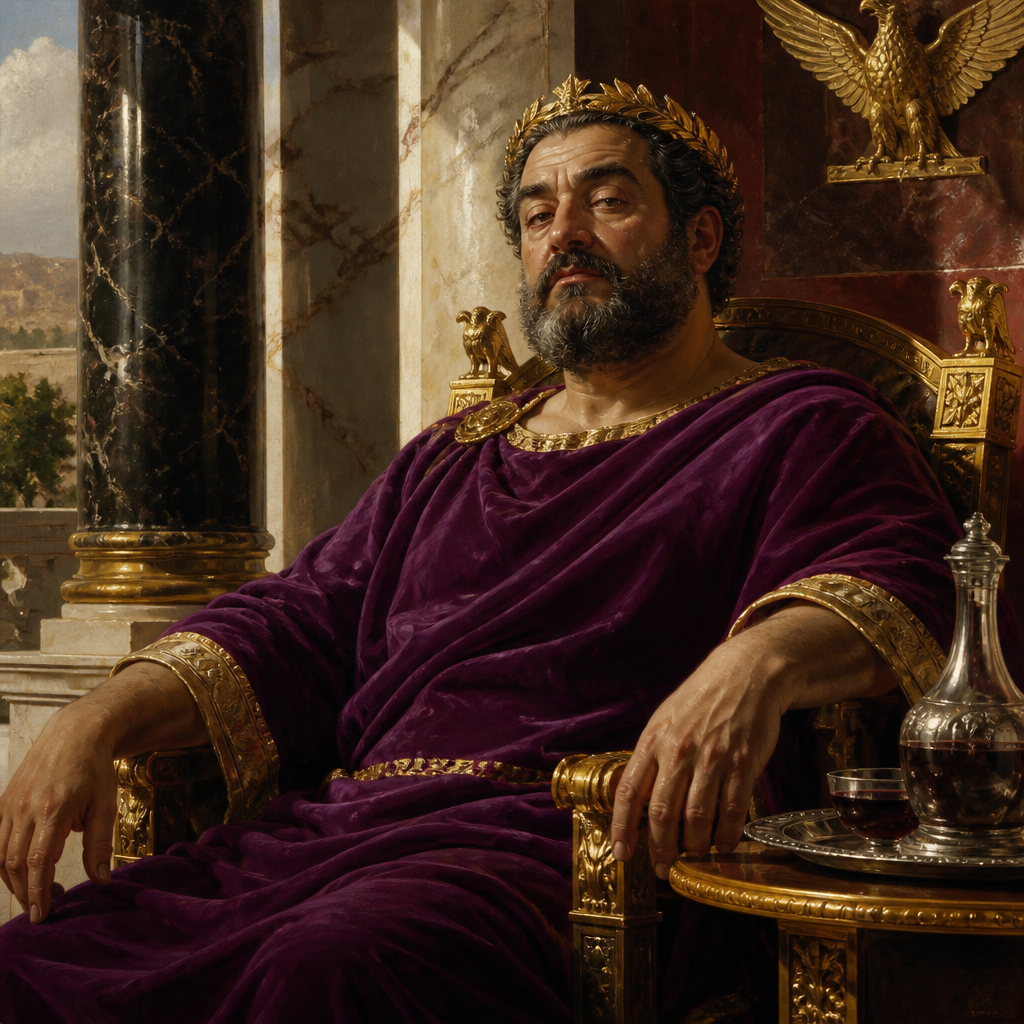
Herod Antipas
Tetrarch of Galilee who executed John the Baptist and mocked Jesus Christ
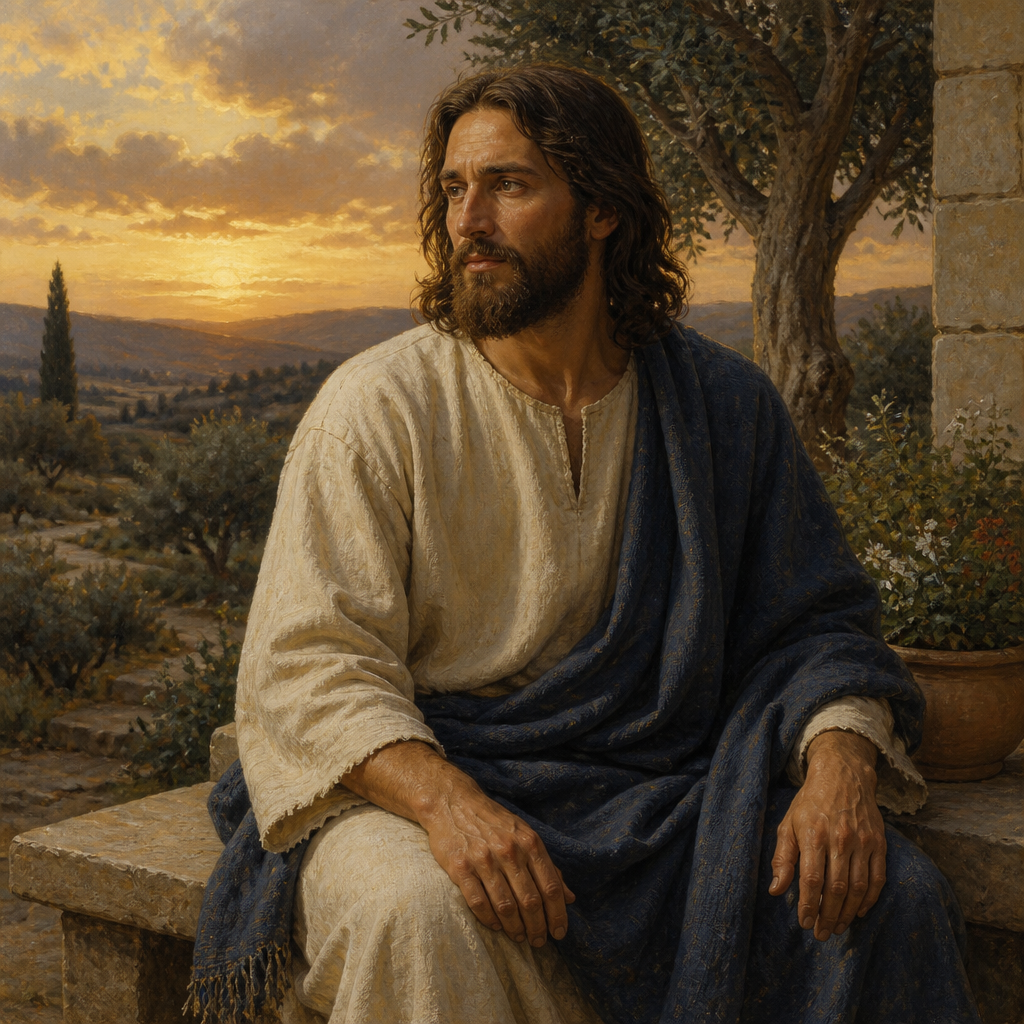
Jesus
Messiah and central figure of the New Testament whose life, death, and resurrection form the basis of the Christian faith
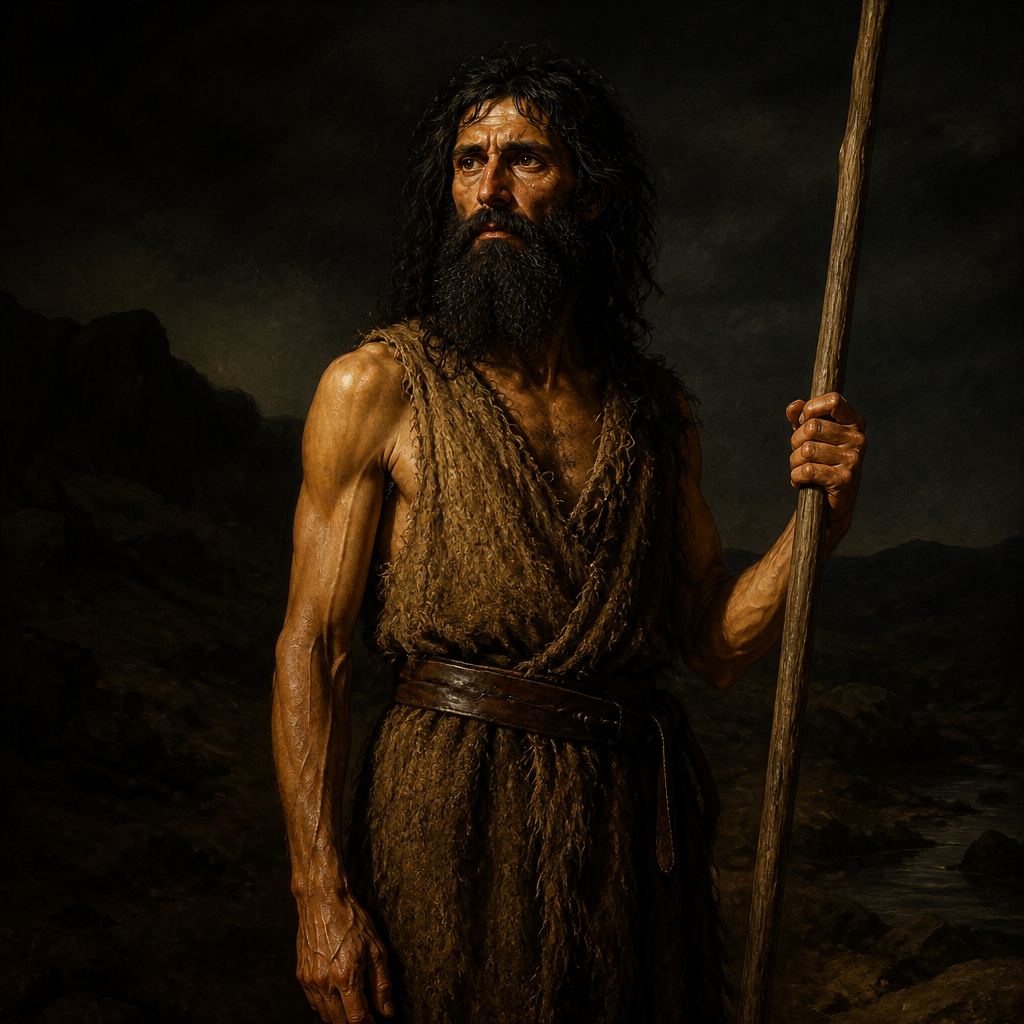
John the Baptist, Son of Zechariah
Prophet who prepared the way for Jesus and baptized him in the Jordan River
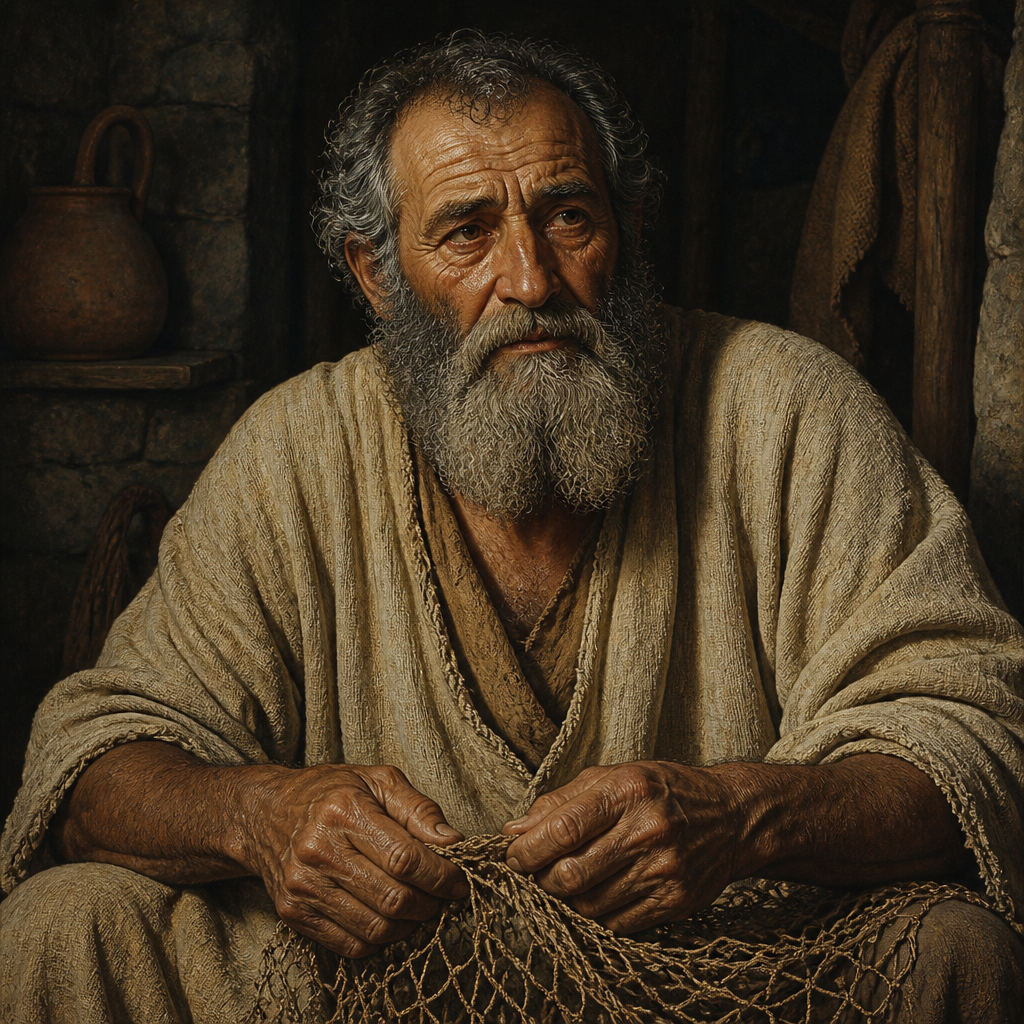
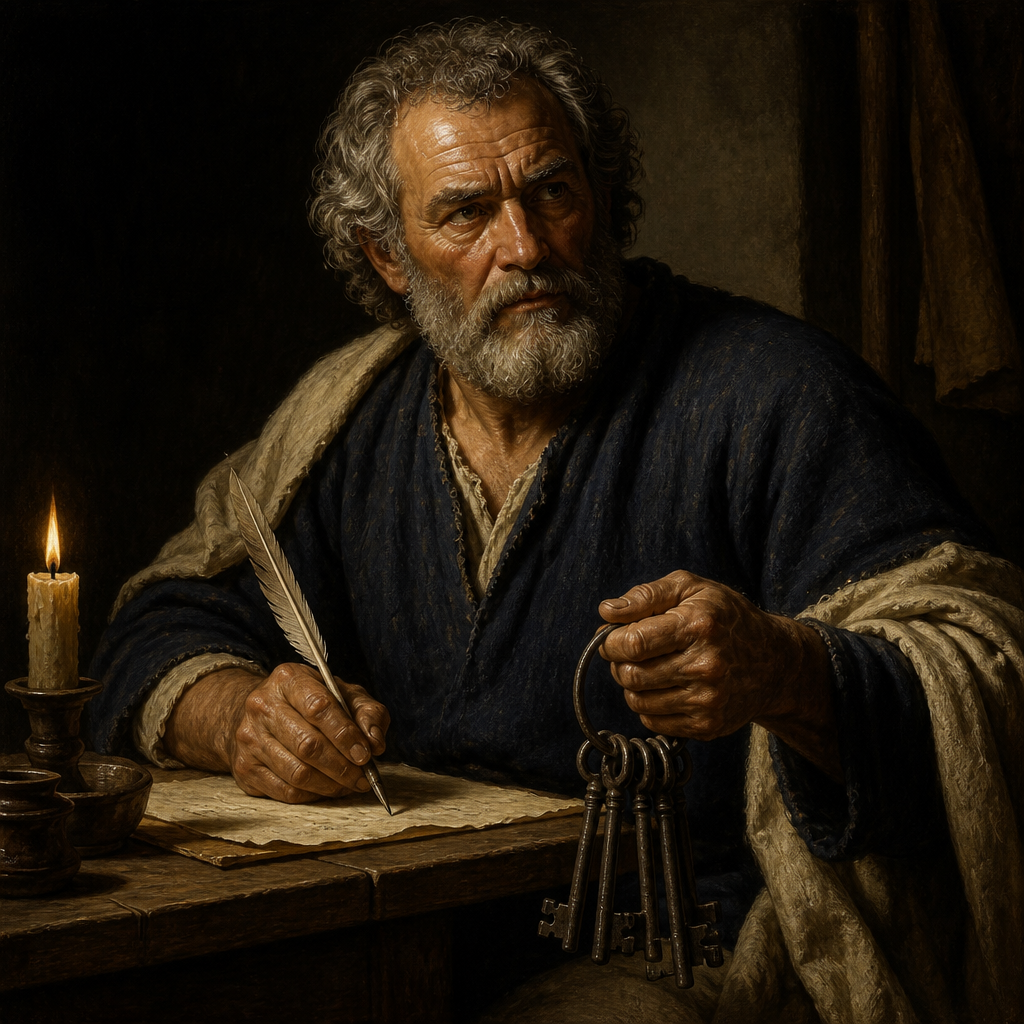
Peter
Apostle who served as the spokesman for the Twelve and the leader of the early Church in Jerusalem
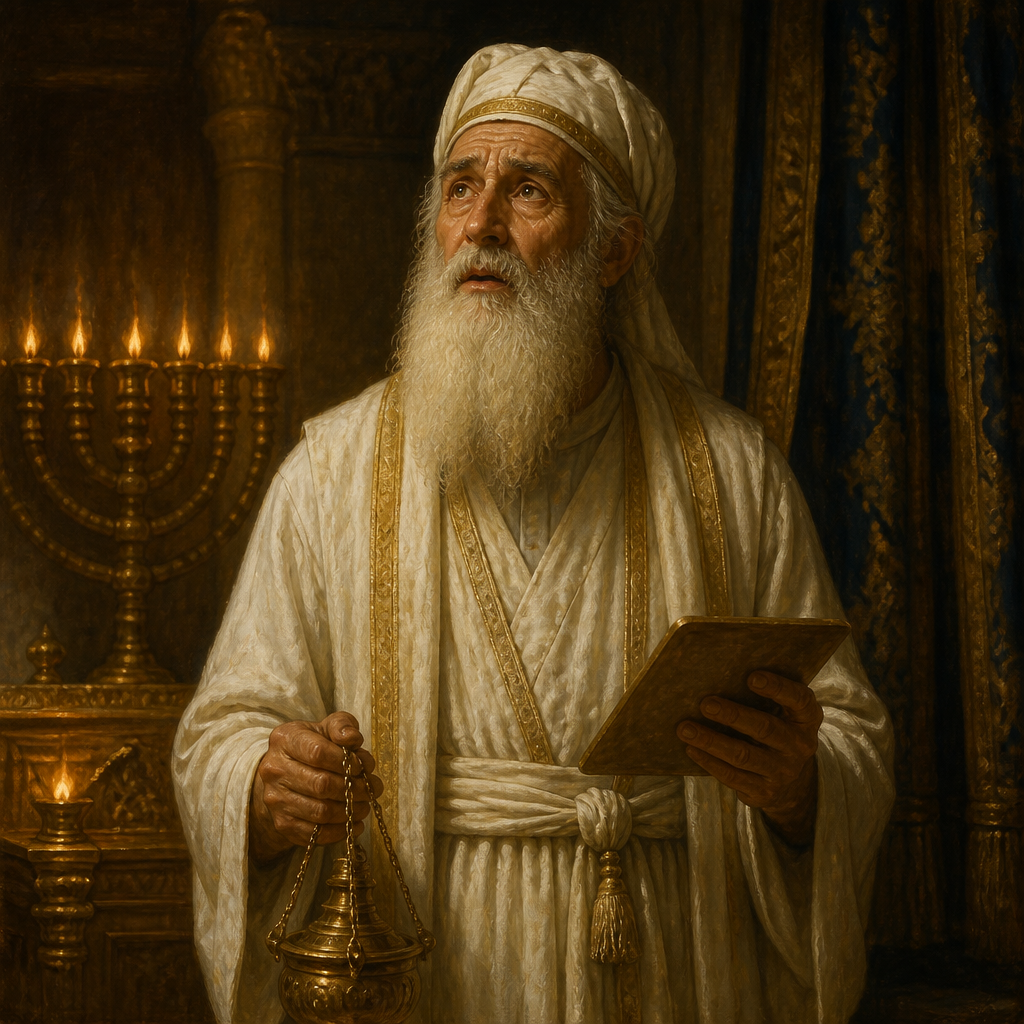
Zechariah, Father of John the Baptist
Father of John the Baptist who was struck mute in the Temple