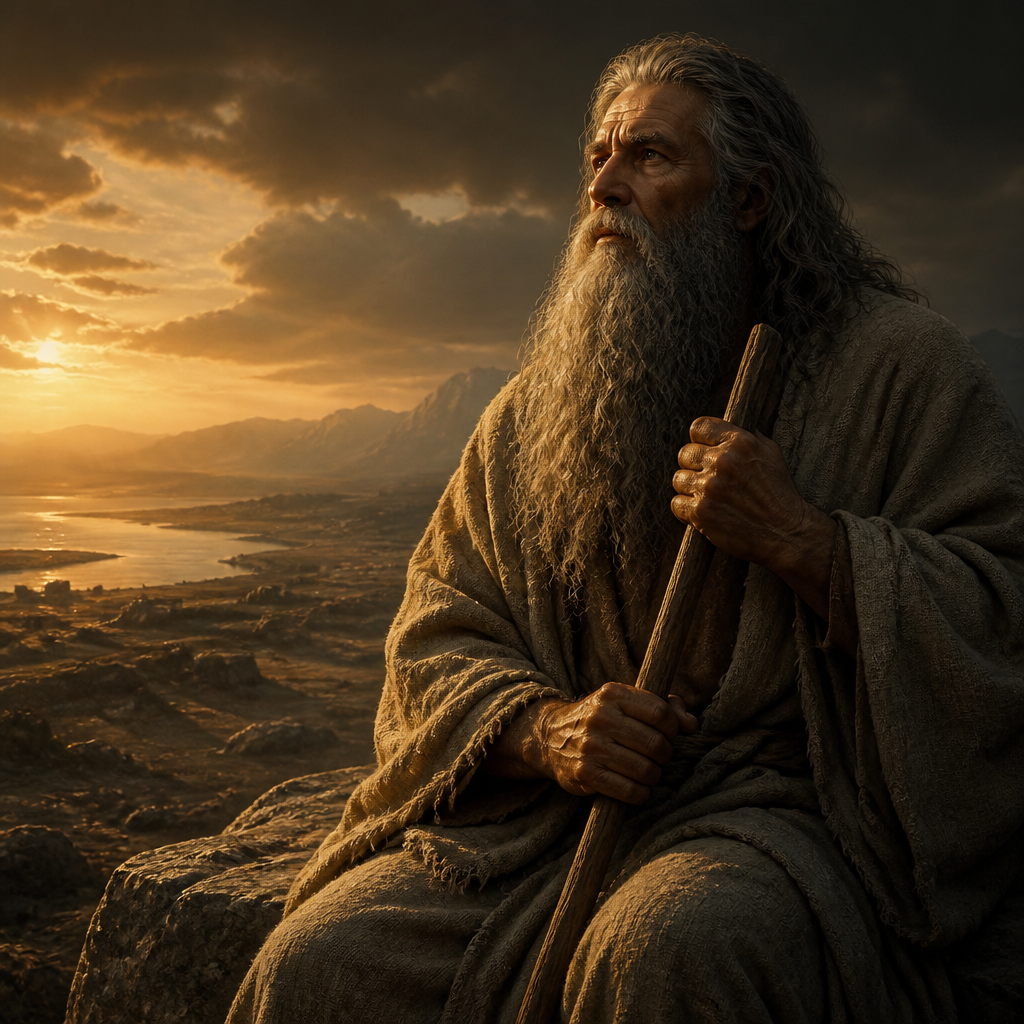
The Line of Adam (Genesis 5)
The Bible's first great genealogy: the ten generations from Adam to Noah, each one recorded with the span of a life and the words "and he died" — until Enoch, who walked with God and then was no more.
The Line of Adam (Genesis 5) records the genealogical descent from the first man to the generation of the great flood. The passage follows a rigid structural formula, noting the age of each patriarch at the birth of his firstborn son, the number of years he lived after that birth, and his total age at death. This sequence begins with Seth, who was born to Adam as a replacement for Abel (Genesis 5:3). The text notes that Seth lived 912 years and fathered Enosh, the patriarch during whose lifetime people began to call upon the name of the Lord (Genesis 4:26, 5:6).
The lineage continues through several generations defined by extreme longevity and the repetitive refrain that each man eventually died. Kenan is recorded as the fourth generation, living a total of 910 years (Genesis 5:13–14). He was followed by Mahalalel, who lived 895 years and fathered Jared (Genesis 5:15–17). Jared is noted for living 962 years, the second-longest lifespan recorded in the chapter (Genesis 5:20). The text breaks its standard rhythmic pattern with Enoch, who walked with God for 300 years and then was not, because God took him (Genesis 5:22–24).
Following the departure of Enoch, the genealogy records the longest life in the biblical text through Methuselah, who lived for 969 years (Genesis 5:27). His son, Lamech is the first in the list to be given a specific quote, naming his son Noah in the hope that he would bring comfort from the labor and painful toil of the ground (Genesis 5:28–29). The text does not say why these specific lifespans were so long or why the formulaic "and he died" is omitted only for Enoch.
This genealogy serves as a chronological bridge between the creation of humanity and the judgment of the flood. It establishes a direct physical link from the first man to the survivors of the ark, ensuring the continuity of the human race. By documenting the birth of sons and the subsequent deaths of their fathers, the passage tracks the passage of time and the fulfillment of the decree that humanity would return to the dust. The list concludes with the introduction of Noah and his three sons, setting the stage for the narrative of the global deluge.
Everyone in this list
Enosh
The patriarch whose generation first began to call upon the name of the Lord
Lamech, Father of Noah
Noah’s father who prophesied that his son would bring humanity comfort
Mahalalel, Antediluvian Patriarch
Fifth patriarch in the line of Seth known for his 895-year lifespan

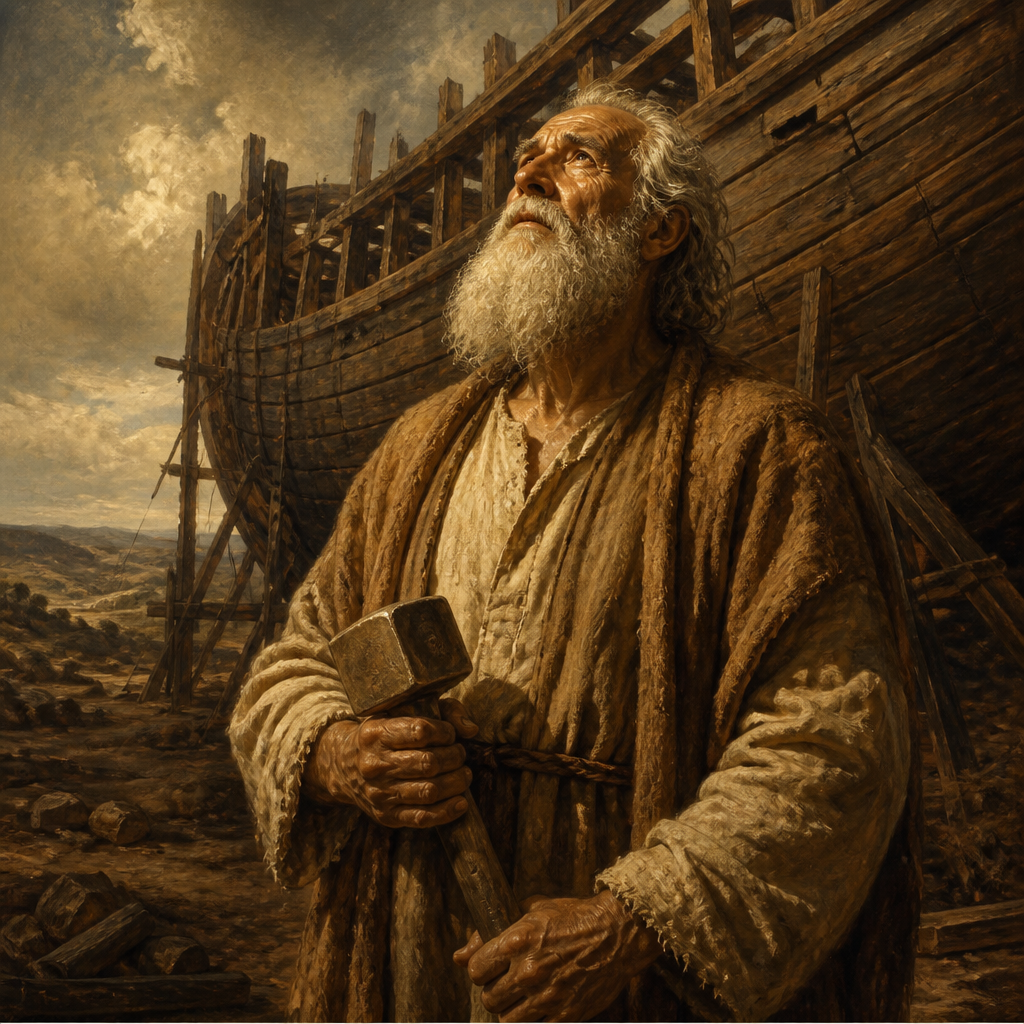
Noah
Patriarch and ark builder who survived the Great Flood and established the rainbow covenant