
Pharaohs of Egypt
Egyptian rulers named or described in Scripture, from the patriarchs to the last kings of Judah.
The Pharaohs of Egypt were the sovereign monarchs of the Egyptian empire who interacted with the leaders of Israel across several centuries of biblical history. The text identifies these rulers as absolute authorities who commanded vast labor forces, military chariots, and agricultural surpluses. While the early books of the Bible use the title Pharaoh as a generic designation for the king, later historical accounts in the books of Kings, Chronicles, and the prophets begin to record specific personal names for these individuals.
The biblical narrative introduces these rulers through their direct impact on the lineage of Abraham and the development of the Hebrew nation. Pharaoh is the ruler who elevated a Hebrew prisoner to the rank of vizier after a series of prophetic dreams (Genesis 41:39–41). Generations later, Pharaoh instituted a policy of forced labor and infanticide to curb the growing Hebrew population (Exodus 1:8–22). His successor, Pharaoh refused to release the Israelites until a series of plagues devastated his land and his army was eventually destroyed in the sea (Exodus 14:26–28). During the era of the divided monarchy, Shishak invaded the southern kingdom and stripped the gold shields from the temple in Jerusalem (1 Kings 14:25–26). Neco killed King Josiah at the Battle of Megiddo and briefly exerted control over the Judean throne (2 Kings 23:29–34). Finally, Hophra is identified as the ruler whose failed military intervention against the Babylonians left Jerusalem vulnerable to destruction (Jeremiah 44:30).
The role of the Pharaohs of Egypt serves as a consistent point of political and spiritual tension for the people of Israel. The text portrays Egypt as both a place of refuge during famine and a house of bondage from which the people required deliverance. In the later monarchic period, the prophets warned the kings of Judah against relying on these rulers for security. For example, Pharaoh is described as a broken reed that pierces the hand of anyone who leans on it for support (2 Kings 18:21). Throughout these accounts, the Pharaohs represent the primary worldly power that either facilitates or threatens the survival of the biblical covenant community.
Everyone in this list
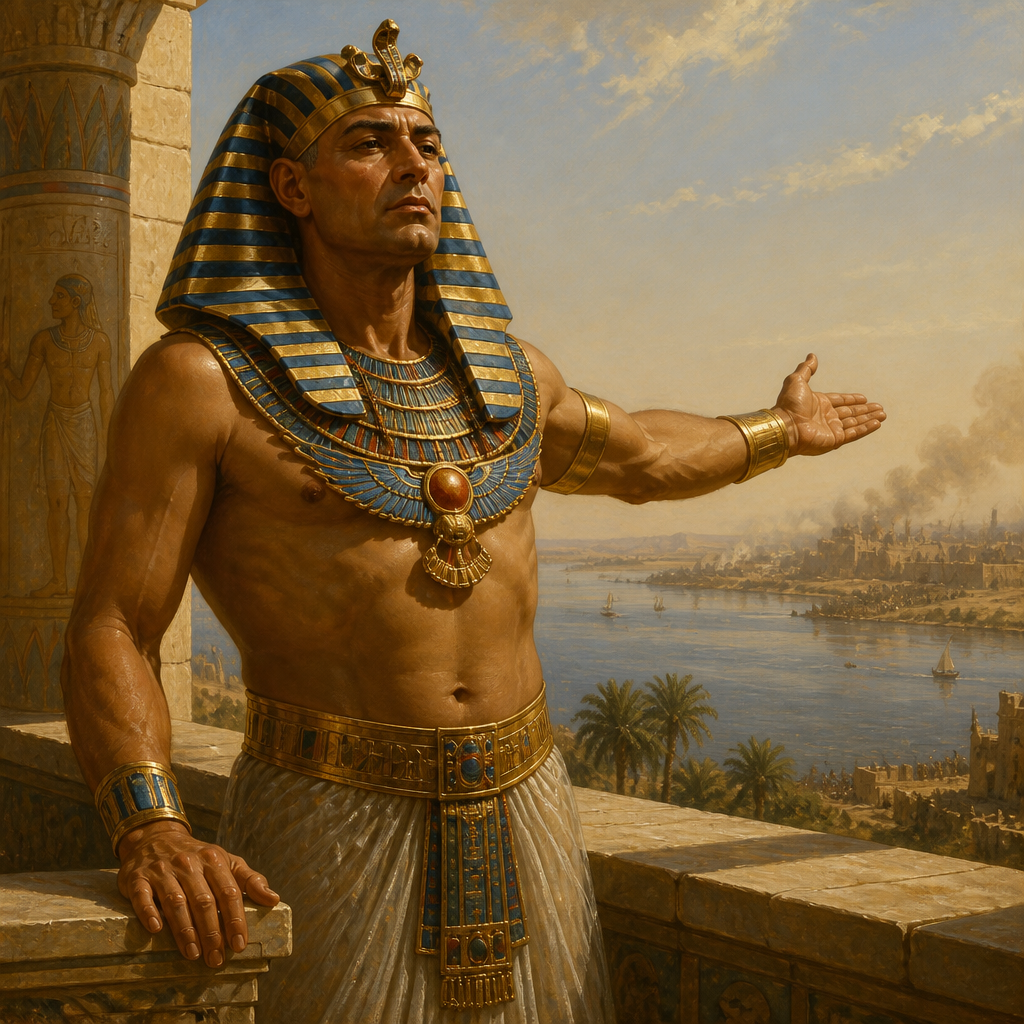
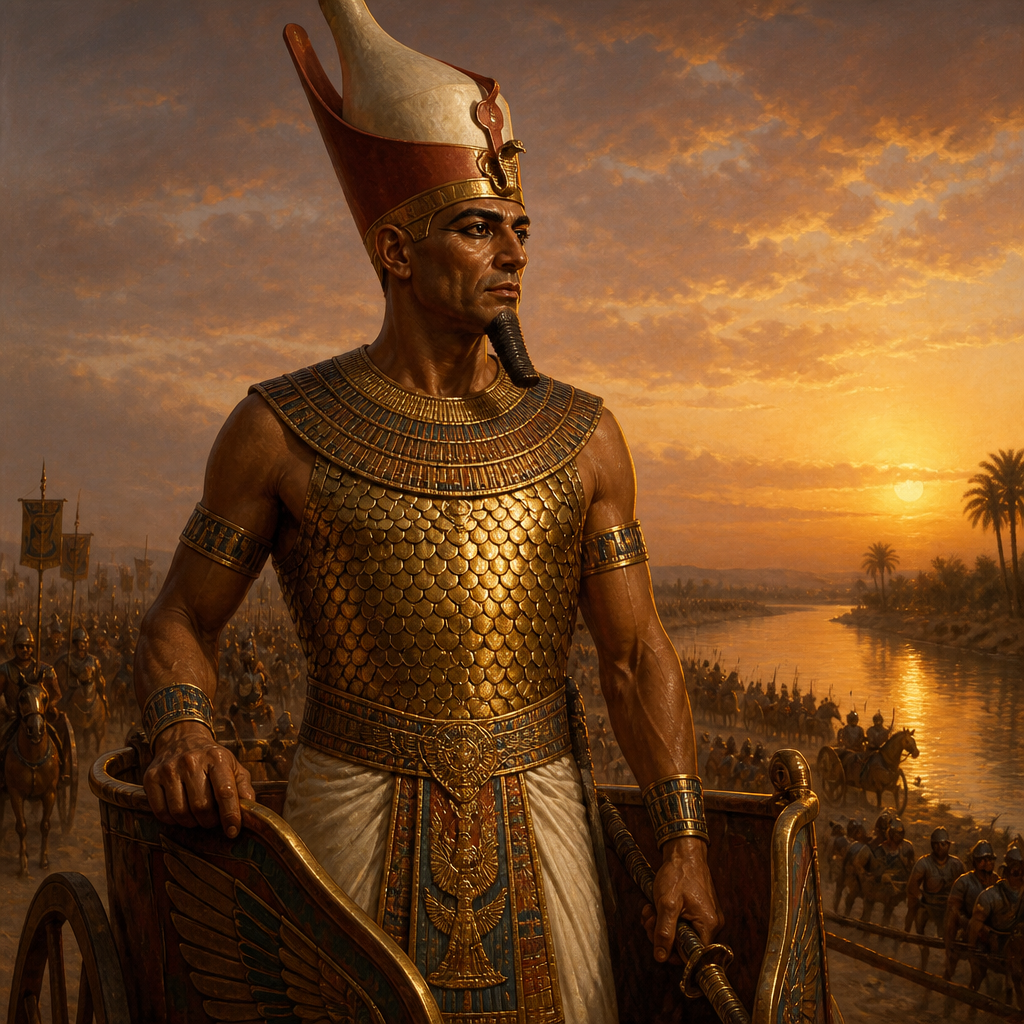
Neco
Pharaoh who killed King Josiah and conquered Judah before being defeated by Babylon
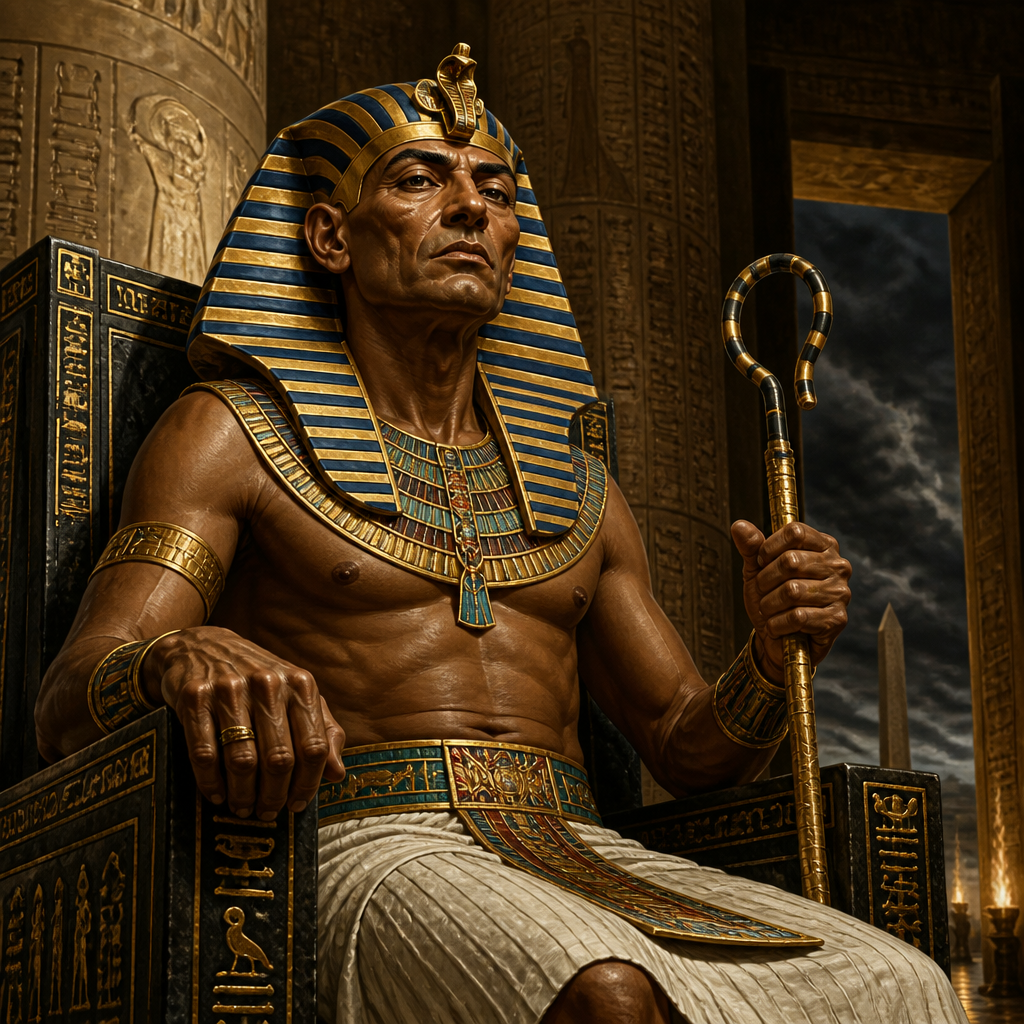
Pharaoh, King of the Exodus
Egyptian king who opposed Moses and was defeated at the Red Sea
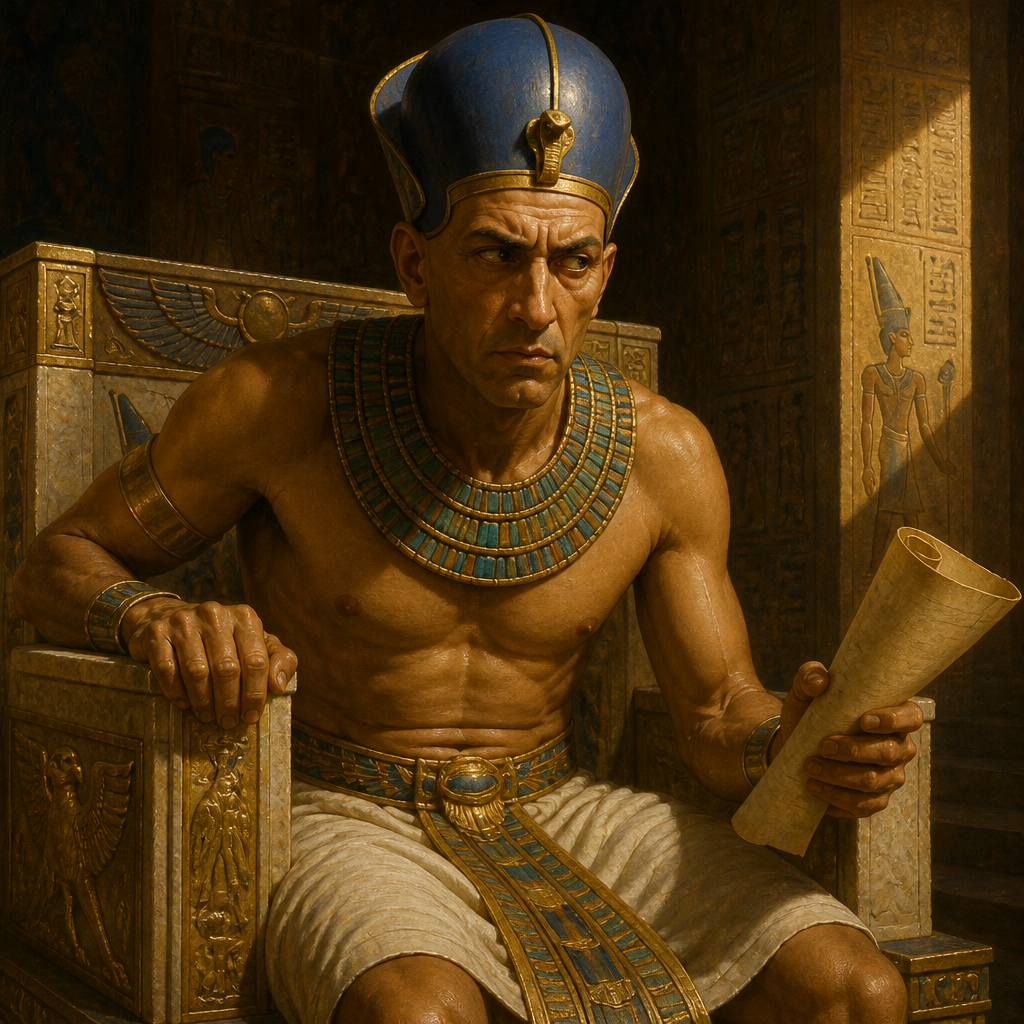
Pharaoh, Oppressor of the Israelites
King of Egypt who enslaved the Israelites and ordered the drowning of Hebrew male infants
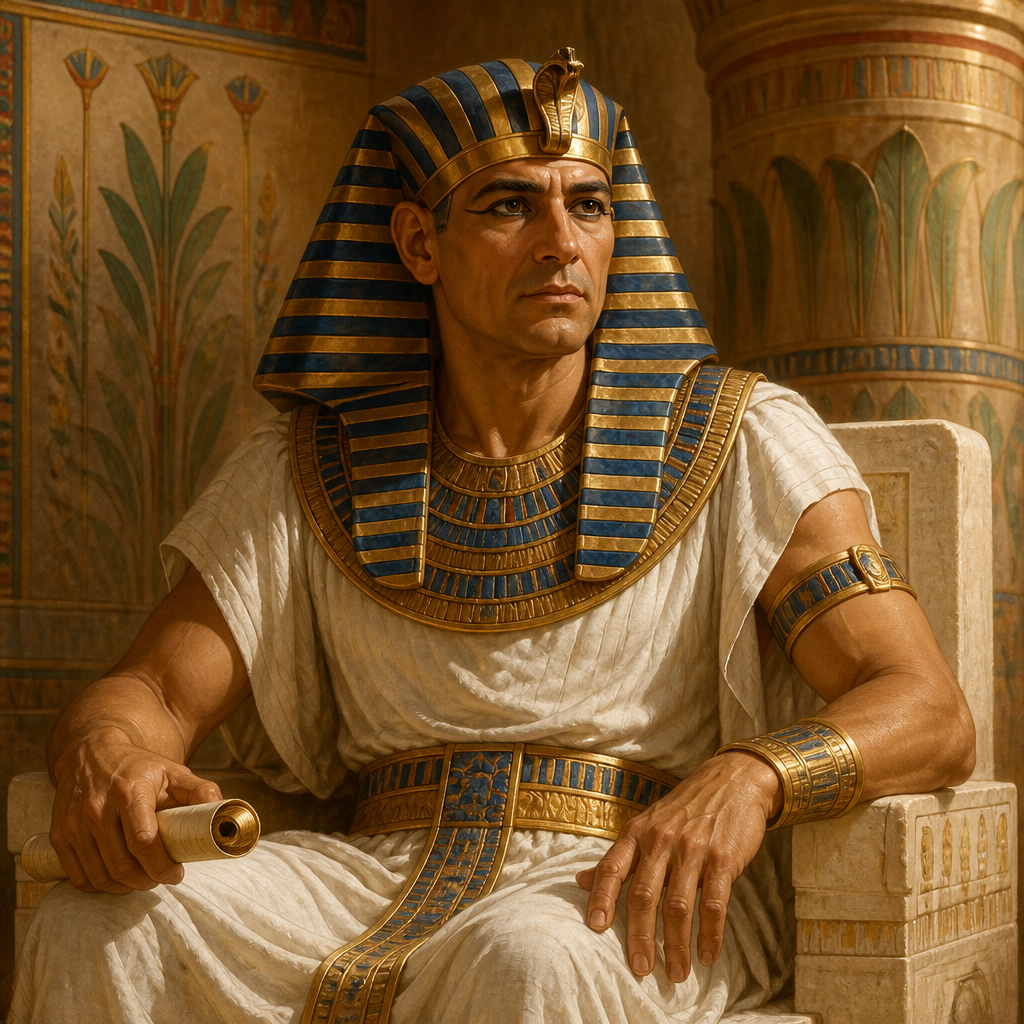
Pharaoh, Patron of Joseph
King of Egypt who promoted Joseph to vizier and invited Jacob's family to settle in Goshen
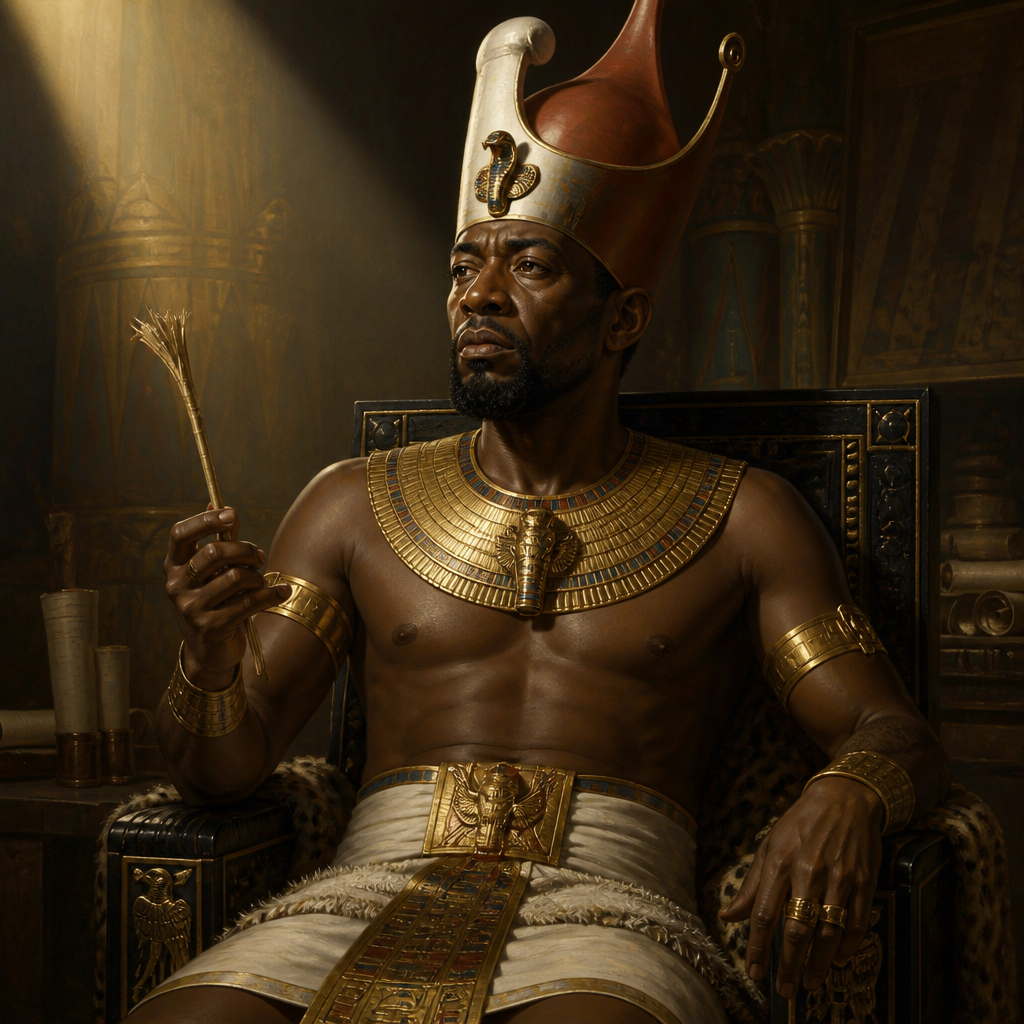
Pharaoh, unreliable ally of Hezekiah
Egyptian monarch whose failed military alliance with King Hezekiah was compared to a splintered reed
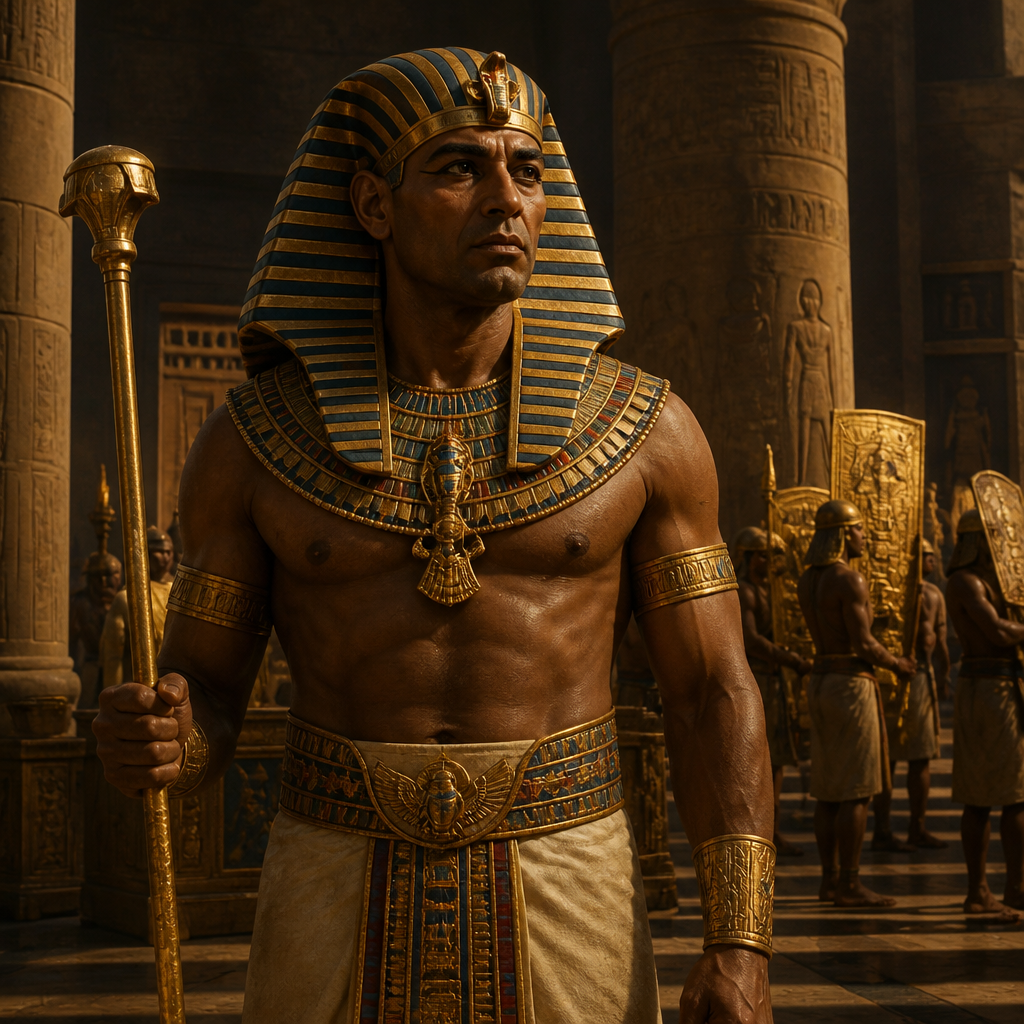
Shishak
King of Egypt who plundered the Temple of Jerusalem and gave refuge to Jeroboam