
Kings of Edom
The Edomite kings listed in Genesis 36 and their successors.
The Kings of Edom are a series of monarchs who reigned in the land of Edom before any king ruled over the Israelites, as recorded in the genealogies of Genesis 36 and 1 Chronicles 1. The text presents these rulers not as a single dynastic line passing from father to son, but as individuals from different cities and regions who rose to power successively. The office of king in Edom appears to have been migratory, as each new ruler is associated with a specific city or territory rather than a centralized capital. The biblical record lists these figures to document the political development of the descendants of Esau, who is identified as the father of the Edomites (Genesis 36:9, 31–39).
The list begins with Bela, who was the son of Beor and reigned in the city of Dinhabah (Genesis 36:32). He was followed by Jobab, a man from Bozrah who took the throne after the death of his predecessor (Genesis 36:33). The third ruler was Husham, who came from the land of the Temanites to lead the nation (Genesis 36:34). Following him was Hadad son of Bedad, who is noted for defeating the Midianites in the country of Moab (Genesis 36:35). The succession continued with Samlah, who ruled from the city of Masrekah (Genesis 36:36), and Shaul of Rehoboth, who is identified as coming from a city by the river (Genesis 36:37). Later rulers included Baal-hanan, and finally Hadad, whose wife’s lineage is specifically traced through her mother Matred (1 Chronicles 1:50).
These records serve to contrast the early political sophistication of Edom with the contemporary state of the Israelites, who were still living without a centralized monarchy. The text emphasizes that Edom achieved a structured kingdom while the children of Israel were still developing as a tribal assembly. By naming these specific men and their cities, the narrative establishes Edom as a significant and organized neighbor to Israel. The inclusion of these names in the chronicles of the patriarchs underscores the fulfillment of the promise that nations and kings would descend from the lineage of Isaac even through the branch of the family that did not receive the primary covenant blessing (Genesis 36:40–43).
Everyone in this list

Baal-hanan, King of Edom
Seventh king of Edom mentioned in the early genealogies of Genesis
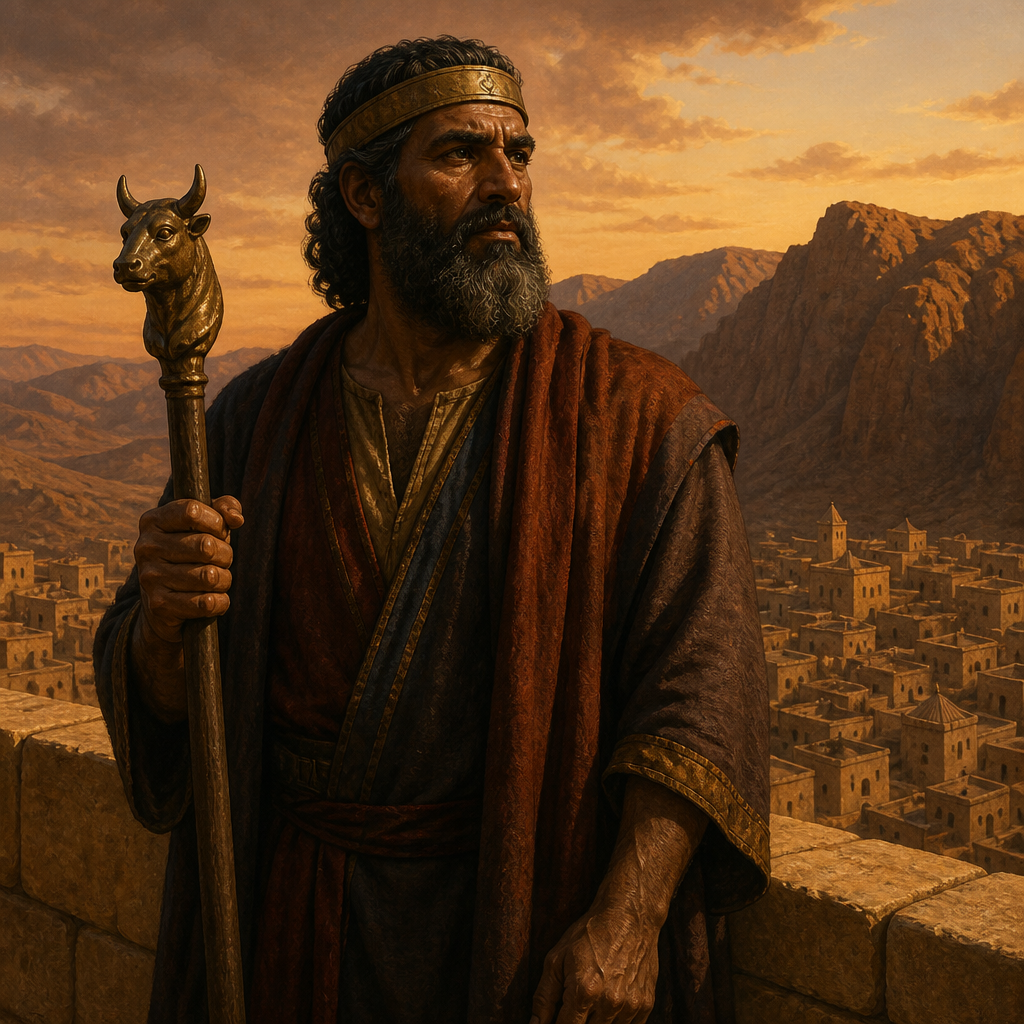
Bela, King of Edom
First king of Edom who reigned in the city of Dinhabah
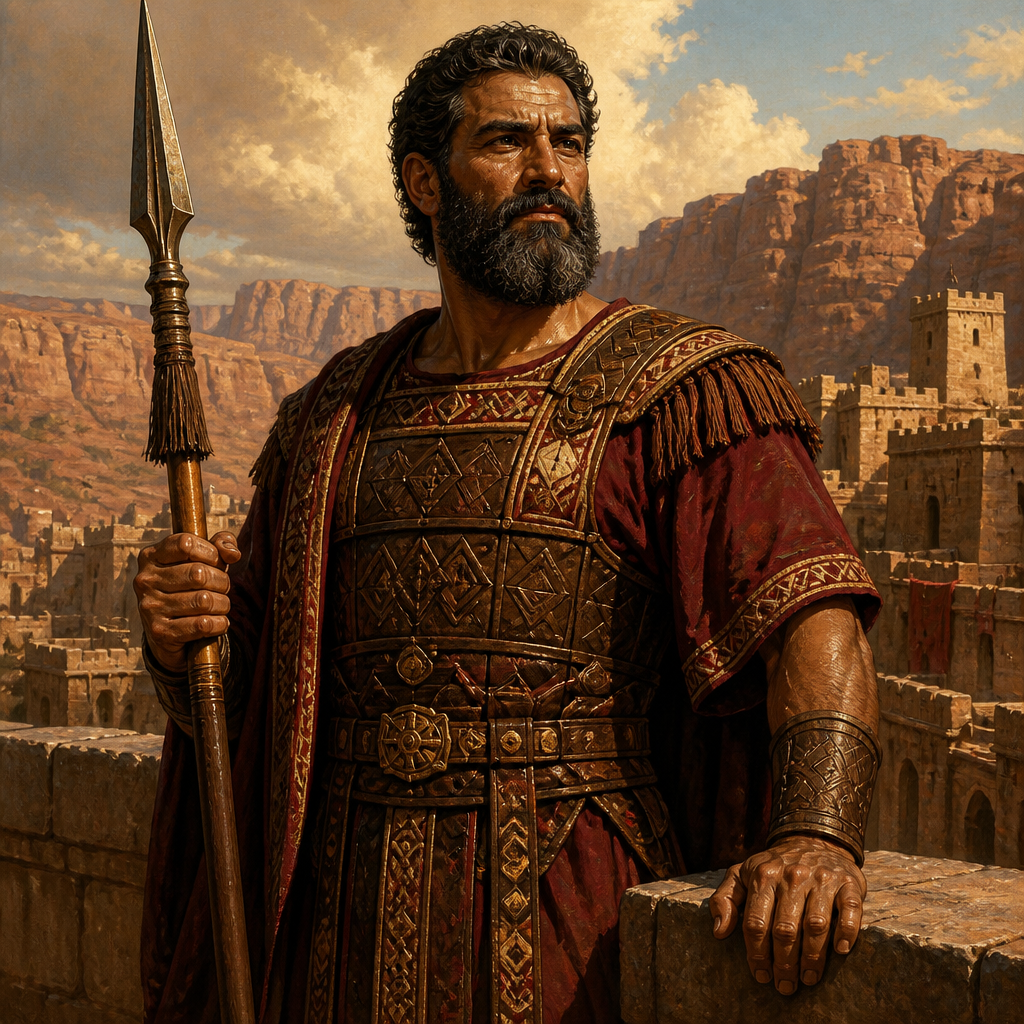
Hadad son of Bedad, King of Edom
King of Edom who defeated the Midianites in the country of Moab
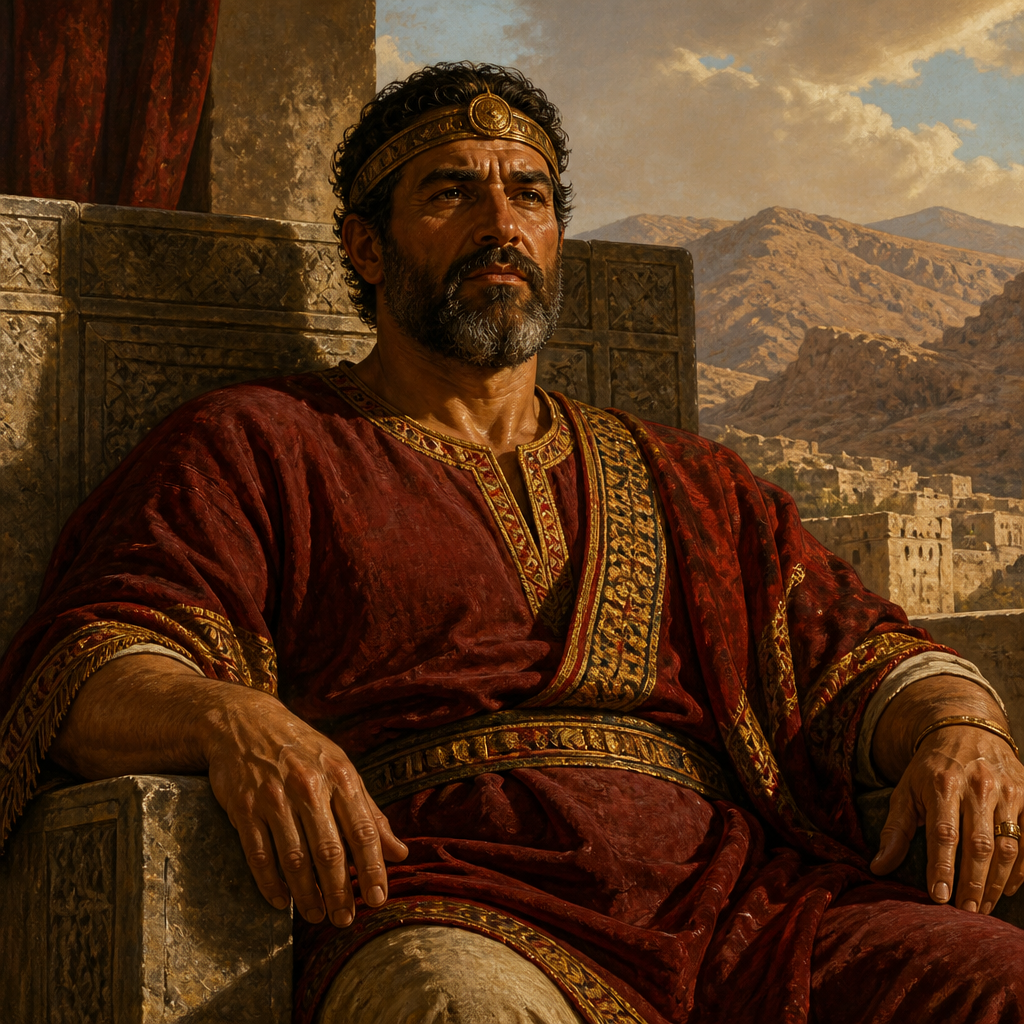
Hadad, Husband of Mehetabel
King of Edom who reigned in the city of Pau and was the husband of Mehetabel

Husham
King of Edom from the land of the Temanites who reigned before the Israelite monarchy

Jobab, King of Edom
King of Edom who reigned in Bozrah before the time of the Israelite monarchy
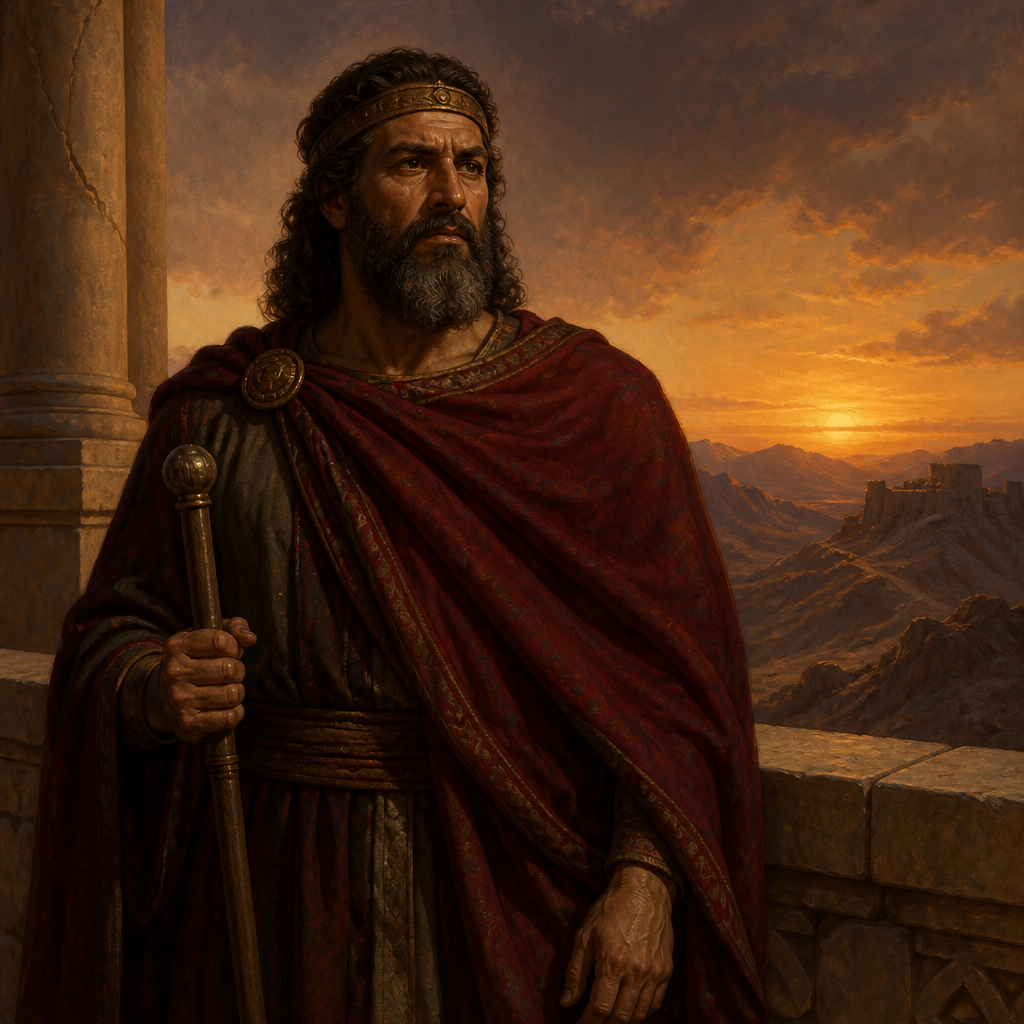
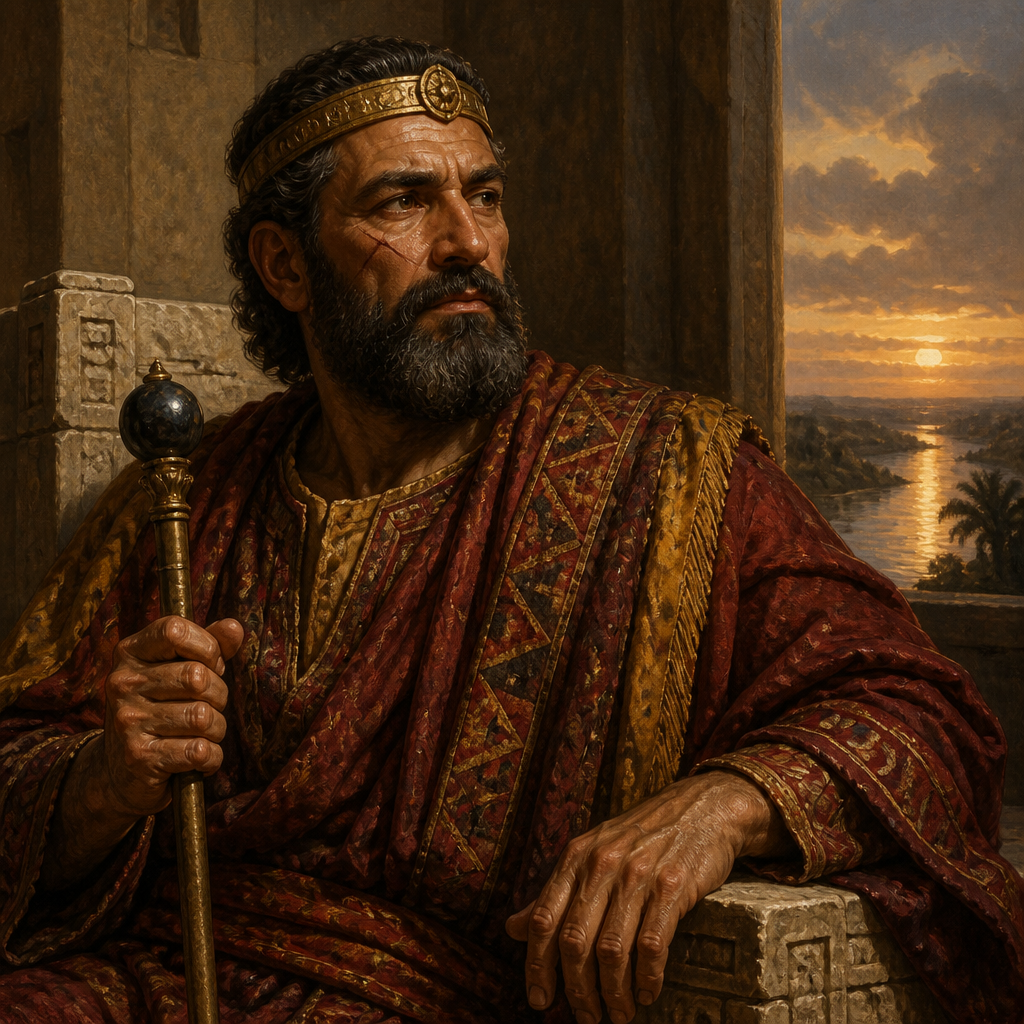
Shaul of Rehoboth
King of Edom who reigned before there were kings in Israel