
People of Haggai
Every person who appears in the book of Haggai, ordered by how often they are mentioned there.
The People of Haggai appear in a series of prophetic messages delivered during the second year of the reign of Darius, who serves as the chronological anchor for the restoration of the temple in Jerusalem (Haggai 1:1). The text identifies the primary recipient of these messages as Zerubbabel, a leader tasked with overseeing the reconstruction of the house of the Lord (Haggai 1:1). The lineage of this governor is specifically noted to establish his authority, identifying him as the son of Shealtiel (Haggai 1:12). Alongside the civil leadership, the text focuses on the religious establishment, specifically addressing Joshua (Haggai 1:1). This priest is further identified by his own heritage as the son of Jehozadak linking the current priesthood to the generation that went into exile (Haggai 1:1).
The narrative arc begins with the prophet Haggai delivering a rebuke to the people for living in paneled houses while the temple remained in ruins (Haggai 1:4). The text records that the spirit of the leaders and the remnant of the people was stirred to begin the work on the twenty-fourth day of the sixth month (Haggai 1:14–15). As the work progresses, Haggai offers encouragement to Zerubbabel, and Joshua promising that the glory of the new temple will exceed that of the former one (Haggai 2:4–9). The prophet also addresses the priests regarding matters of ritual purity and the defilement of the land, seeking to ensure the sanctity of the new structure (Haggai 2:11–14).
The book concludes with a specific promise regarding the future of the Davidic line and the tribe of Judah (Haggai 2:23). The text describes a coming upheaval of kingdoms, during which the Lord declares he will make Zerubbabel like a signet ring (Haggai 2:23). This designation signifies a restoration of divine authority and chosen status for the leadership in Jerusalem. By connecting the immediate labor of rebuilding the temple to the broader history of the people, the book positions these specific individuals as the agents through whom the religious and political identity of the nation is preserved following the Babylonian captivity.
Everyone in this list
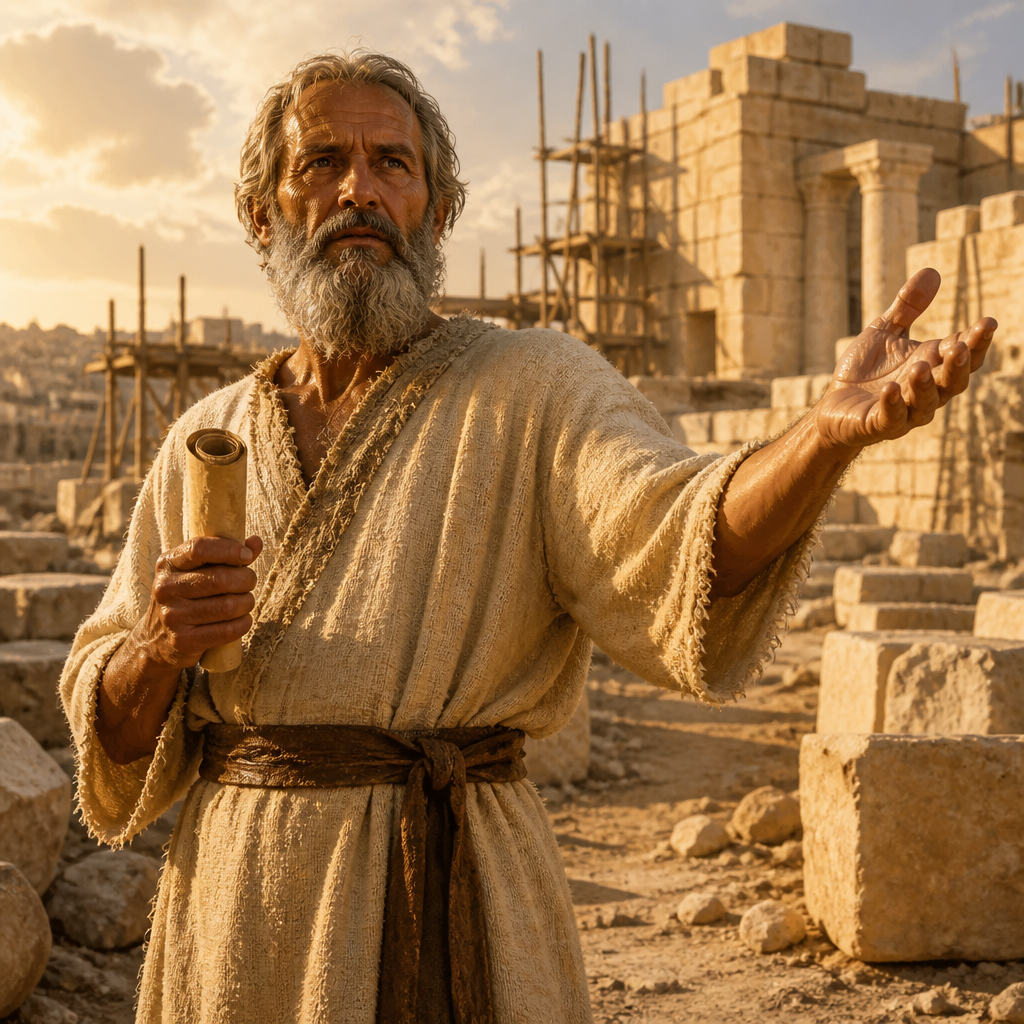
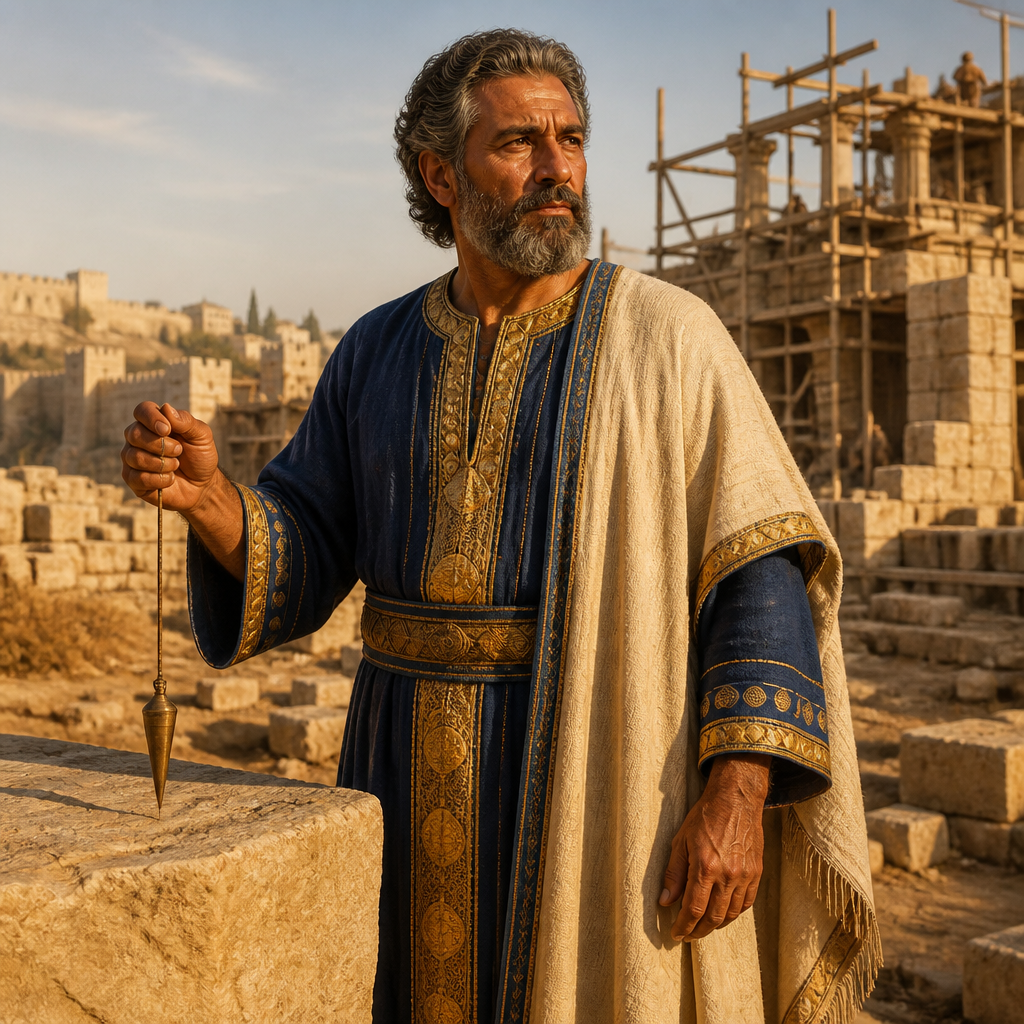
Zerubbabel, Governor of Judah
Governor who led the return from Babylon and rebuilt the Temple foundation
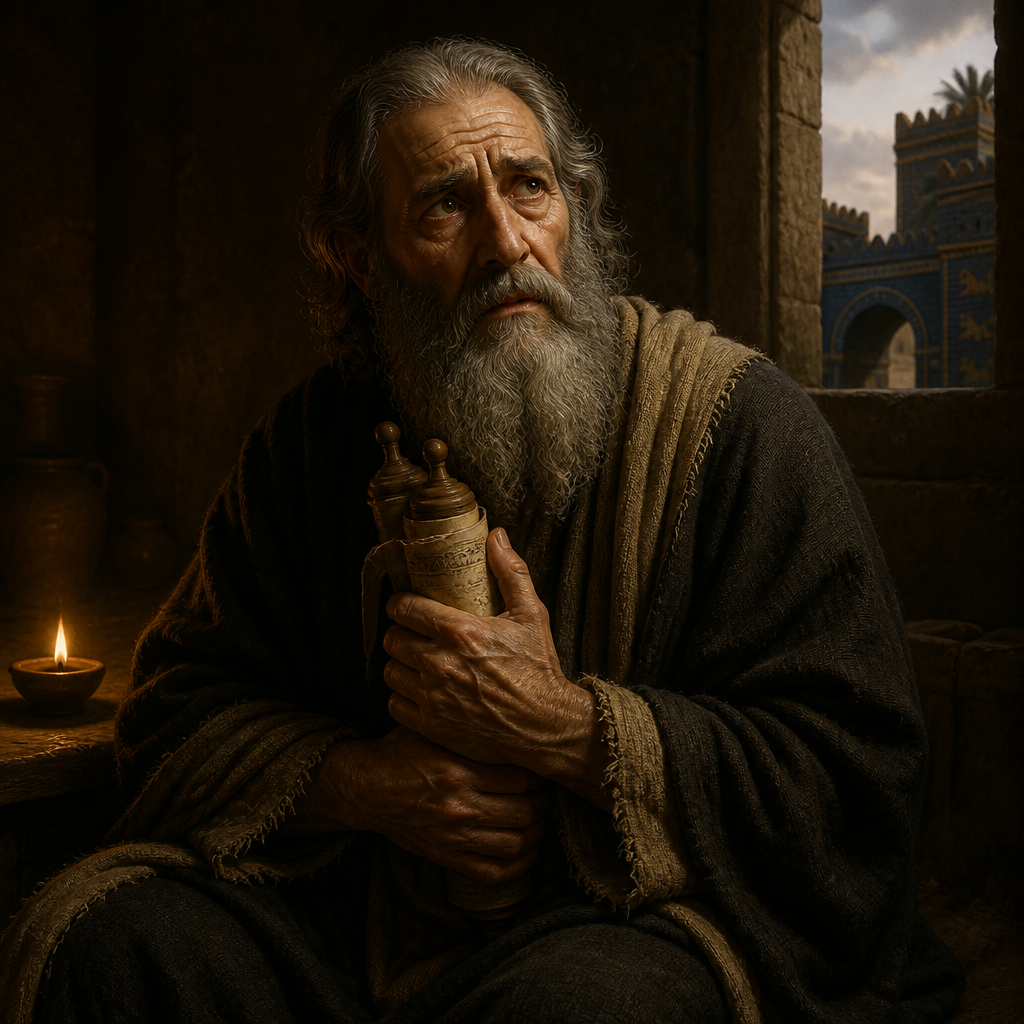
Jehozadak
Priestly bridge who was carried into Babylonian exile and fathered the High Priest of the Return
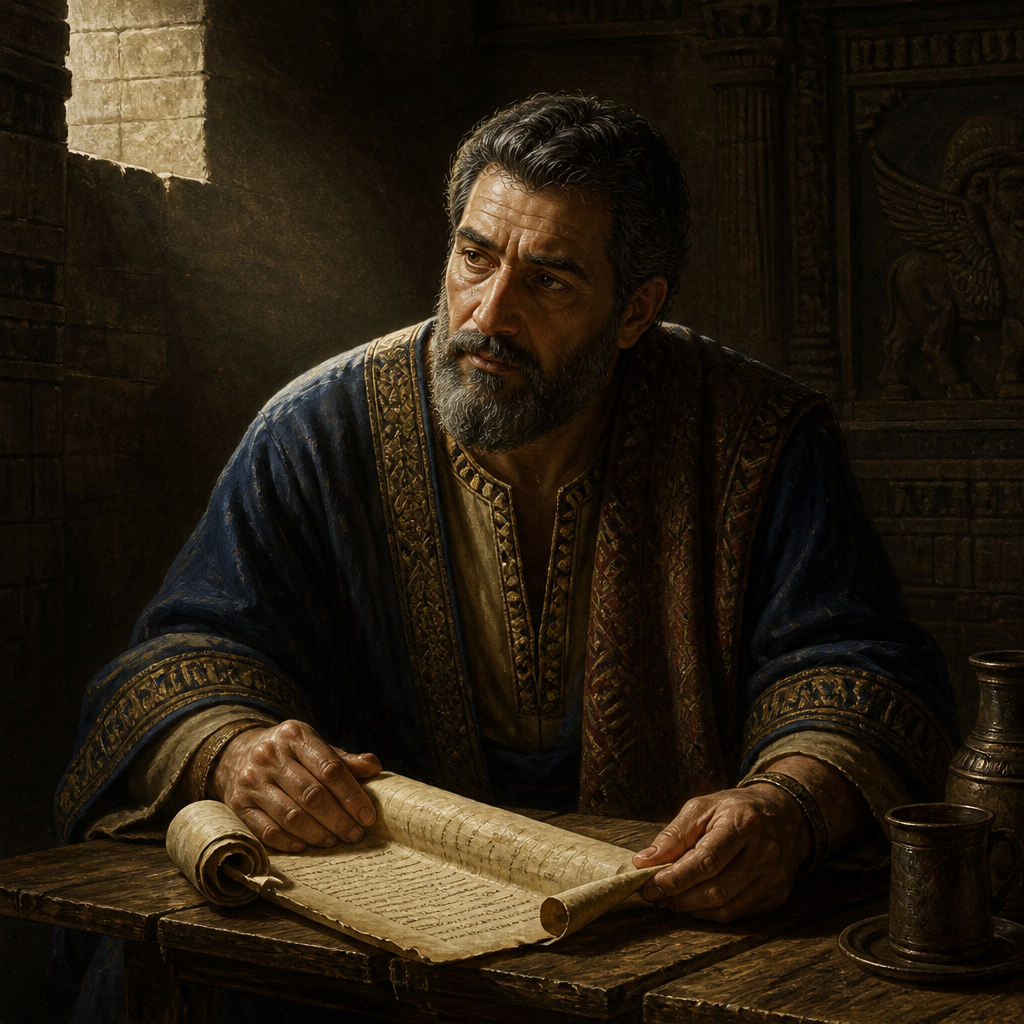
Shealtiel, Father of Zerubbabel
Prince of Judah and father of Zerubbabel who preserved the Davidic line during the Babylonian Exile
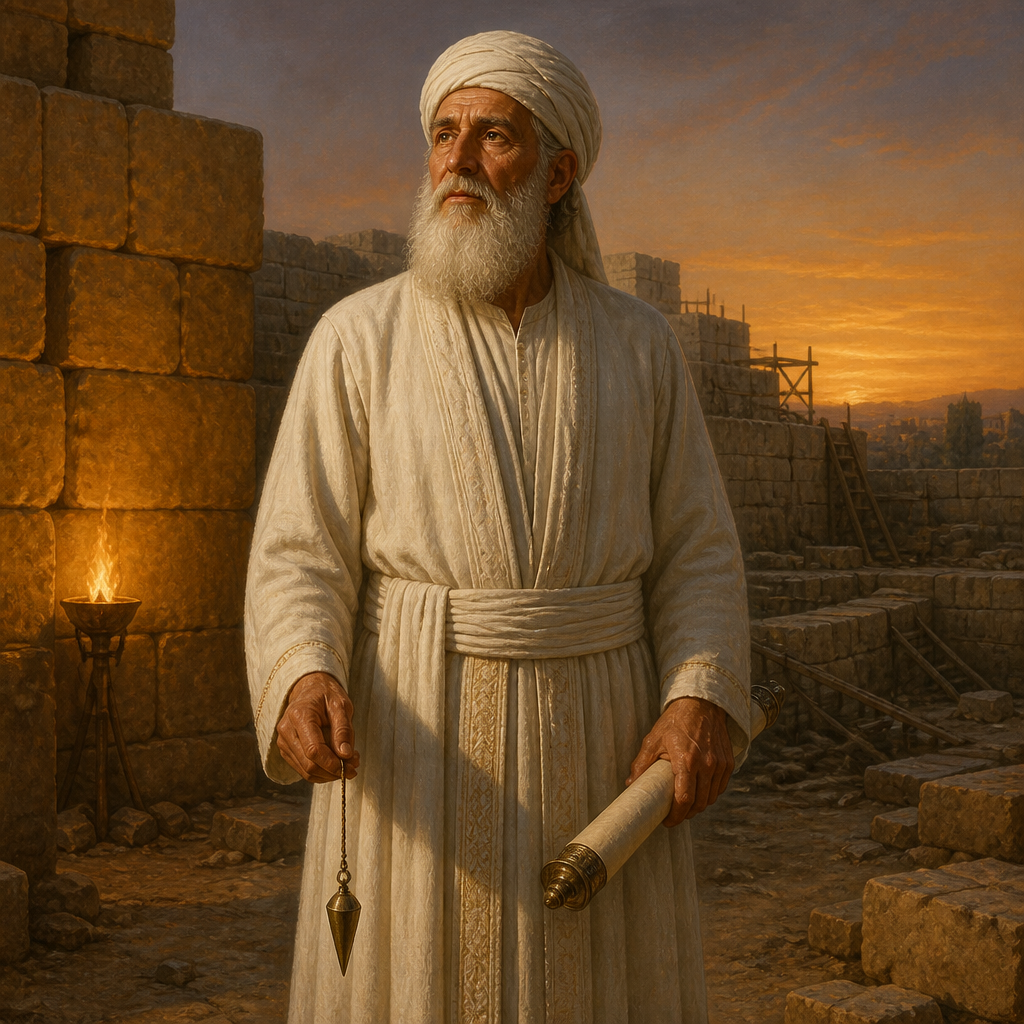
Joshua, High Priest of the Return
High Priest who led the return from Babylon and rebuilt the Second Temple
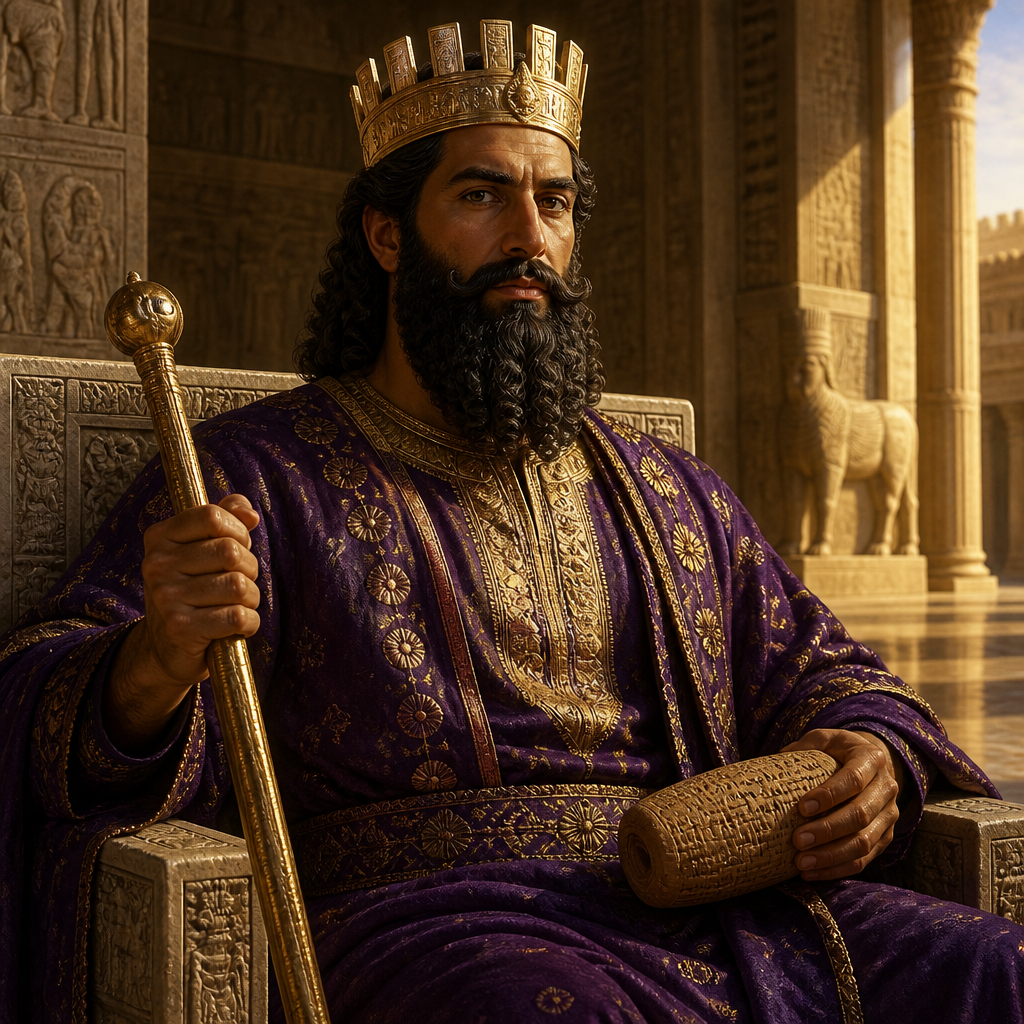
Darius, King of Persia (Ezra 4–6)
King of Persia who decreed the completion of the Second Temple