
Kings of Assyria
Assyrian monarchs who appear in Scripture as instruments of judgment on Israel and Judah.
Assyria enters Israel's story as a rod of judgment and a threat at the gate. Isaiah calls it "the rod of My anger," a nation sent against a godless people, yet warns that the axe would not go on boasting over the one who wields it (Isaiah 10:5–15). The kings named in Scripture appear at the turning points of the northern kingdom's fall and of Judah's crisis.
Tiglath-pileser first appears when Menahem of Israel gave him a thousand talents of silver to strengthen his own hold on the kingdom, exacting fifty shekels from every wealthy man (2 Kings 15:19–20). In the days of Pekah he came and captured Ijon, Abel-beth-maacah, Janoah, Kedesh, Hazor, Gilead, and Galilee, and carried the people captive to Assyria (2 Kings 15:29). Ahaz sent him silver and gold from the temple with the message, "I am your servant and your son; come up and rescue me," and Assyria came, but Chronicles says the king "afflicted him instead of strengthening him" (2 Kings 16:7–9; 2 Chronicles 28:20–21).
Shalmaneser came up against Hoshea, who had become his servant and then sent messengers to So king of Egypt and withheld tribute. He shut him in prison, besieged Samaria three years, and the city was taken and Israel carried to Assyria (2 Kings 17:3–6). Sennacherib came up against all the fortified cities of Judah in the fourteenth year of Hezekiah, and Hezekiah stripped the gold from the doors of the temple to pay him (2 Kings 18:13–16). His officers stood before Jerusalem and called out in the language of Judah that no god of any nation had delivered its land (2 Kings 18:28–35). Hezekiah spread the letter before the LORD, Isaiah sent word that the king would not shoot an arrow into the city, and that night the angel of the LORD struck the camp (2 Kings 19:14–35).
Sennacherib went home to Nineveh, and while worshiping in the house of Nisroch his god, his sons Adrammelech and Sharezer struck him down with the sword and escaped, "and Esarhaddon his son reigned in his place" (2 Kings 19:36–37). Esarhaddon is also named among those who settled foreign peoples in the land during the years of resettlement (Ezra 4:2). Assyria's capital appears once more at the far edge of the record, in the reluctant mission of Jonah to Nineveh, where the king rose from his throne, covered himself with sackcloth, and sat in ashes (Jonah 3:6).
Everyone in this list

Esar-haddon
King of Assyria who succeeded Sennacherib after his assassination

Sennacherib
King of Assyria who invaded Judah and was defeated by divine intervention before Jerusalem
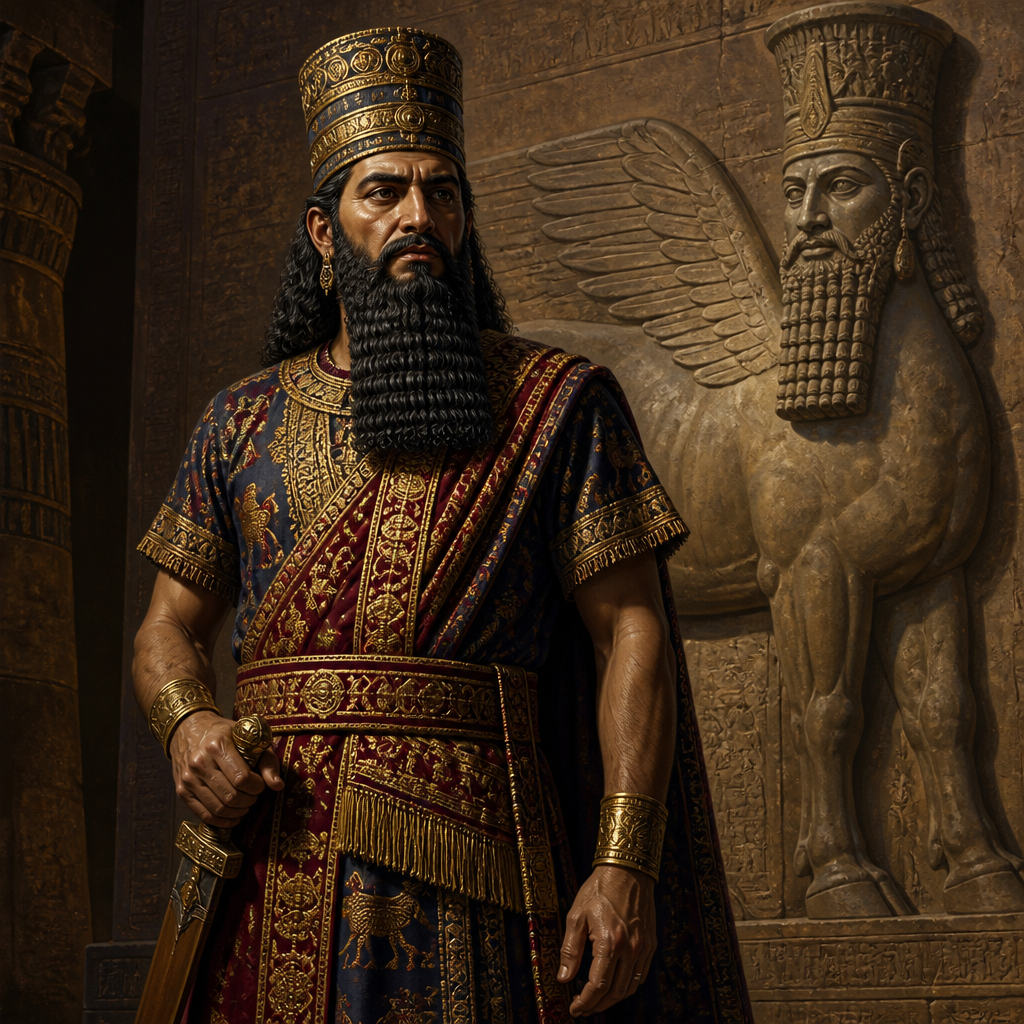
Shalmaneser
King of Assyria who besieged Samaria and ended the Northern Kingdom of Israel
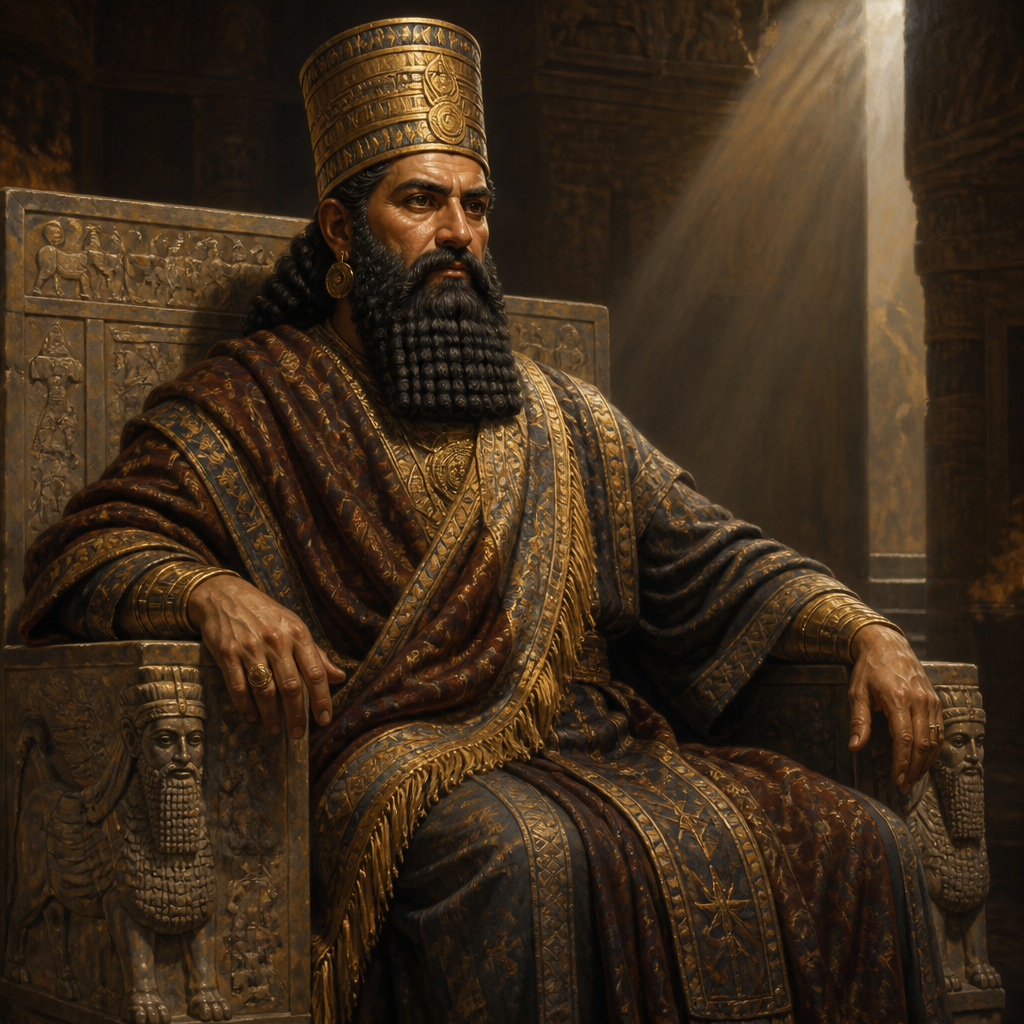
Tiglath-pileser
King of Assyria who initiated the first major deportations of the northern kingdom of Israel