
The 12 Sons of Jacob
Who is on this listThe twelve sons born to Jacob by Leah, Rachel, Bilhah and Zilpah (Genesis 29:32-30:24; 35:18).
The twelve brothers, Genesis 29–30 and 35
Jacob's twelve sons were born to four women in Paddan-aram and on the way home. Leah bore Reuben, Simeon, Levi, and Judah (Genesis 29:32–35). She named the first three out of her longing to be loved, but at the fourth she said, "Now will I praise the LORD," and called him Judah (Genesis 29:35). The record of the twelve runs from Reuben's birth to Benjamin's (Genesis 29:32–35:18). Bilhah, Rachel's servant, bore Dan and Naphtali; Zilpah, Leah's servant, bore Gad, and Asher; Leah then bore Issachar, and Zebulun, and afterward a daughter, Dinah (Genesis 30:1–21). At last God remembered Rachel and she bore Joseph (Genesis 30:22–24), and later died giving birth to Benjamin, on the way to Ephrath (Genesis 35:16–19).
They are not presented as heroes. Reuben lay with his father's concubine (Genesis 35:22). Simeon and Levi killed the men of Shechem after the defiling of Dinah, and their father said their anger was cursed (Genesis 34:25–30; Genesis 49:5–7). Judah left his brothers and fathered Perez and Zerah by Tamar, whom he had wronged and who was more righteous than he (Genesis 38:26). When Joseph's dreams provoked them, they stripped him of his robe and sold him to traders for twenty shekels of silver, dipping the robe in goat's blood to deceive Jacob (Genesis 37:23–33).
The famine brought them to Egypt to buy grain, where they bowed before the brother they did not recognize (Genesis 42:6). Judah, who had proposed the sale, offered himself as a slave in place of Benjamin rather than see his father's grief (Genesis 44:33–34). Joseph then made himself known, wept aloud, and told them not to be distressed with themselves, "for God sent me before you to preserve life" (Genesis 45:1–8). After Jacob's death, when the brothers feared retaliation, he said again, "You meant evil against me, but God meant it for good" (Genesis 50:19–20).
Jacob blessed them all before he died, giving each a word that fit his history: the scepter would not depart from Judah, Joseph was a fruitful bough, Benjamin a ravenous wolf (Genesis 49:1–28). From these men came the tribes of Israel numbered in the wilderness and given territory in the land (Numbers 1:20–46; Joshua 13–19). Levi received no allotment because the priesthood was his inheritance, and Joseph's portion was divided between his sons Ephraim and Manasseh so that twelve tribal territories remained (Joshua 13:14, 33; Joshua 14:4). Their names are still being read at the far end of Scripture, written on the gates of the city in John's vision (Revelation 21:12).
Everyone in this list
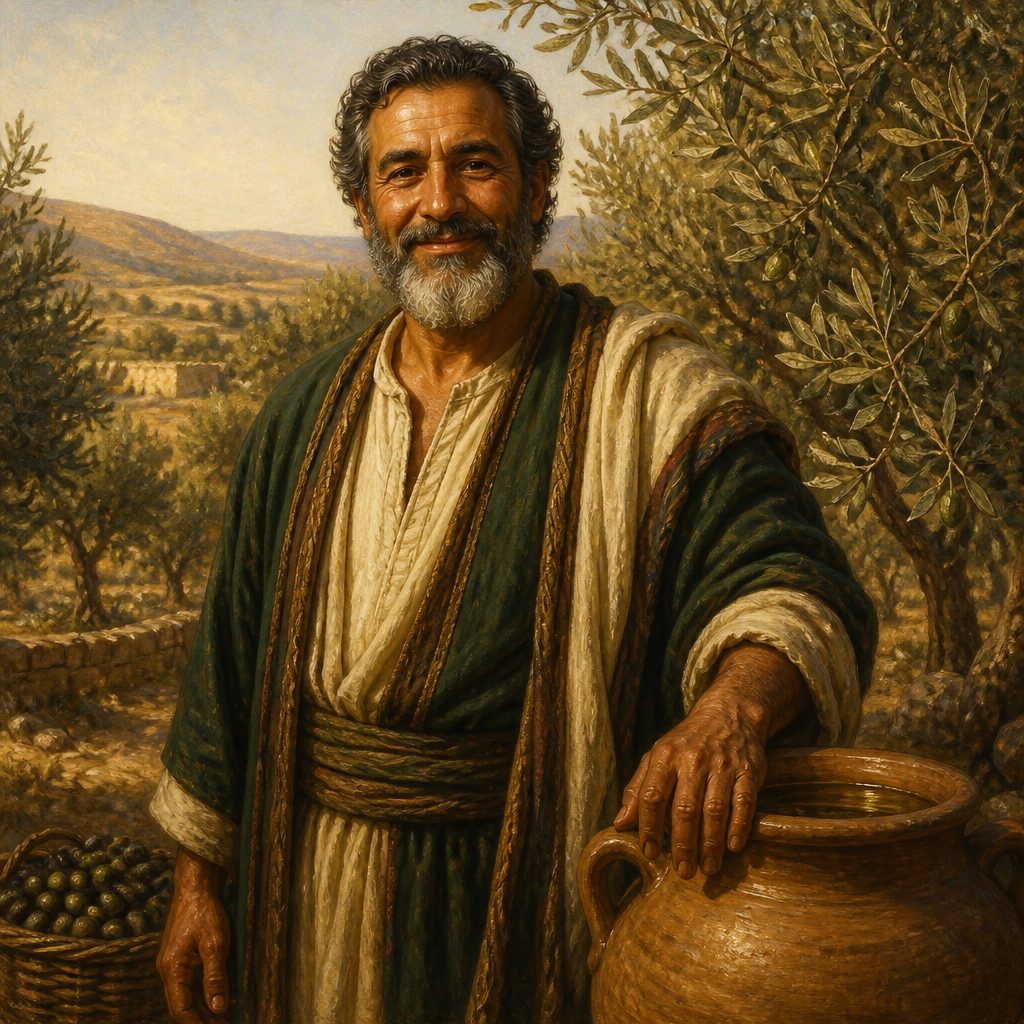
Asher
Patriarch who founded one of the twelve tribes of Israel and was noted for the fertility of his land
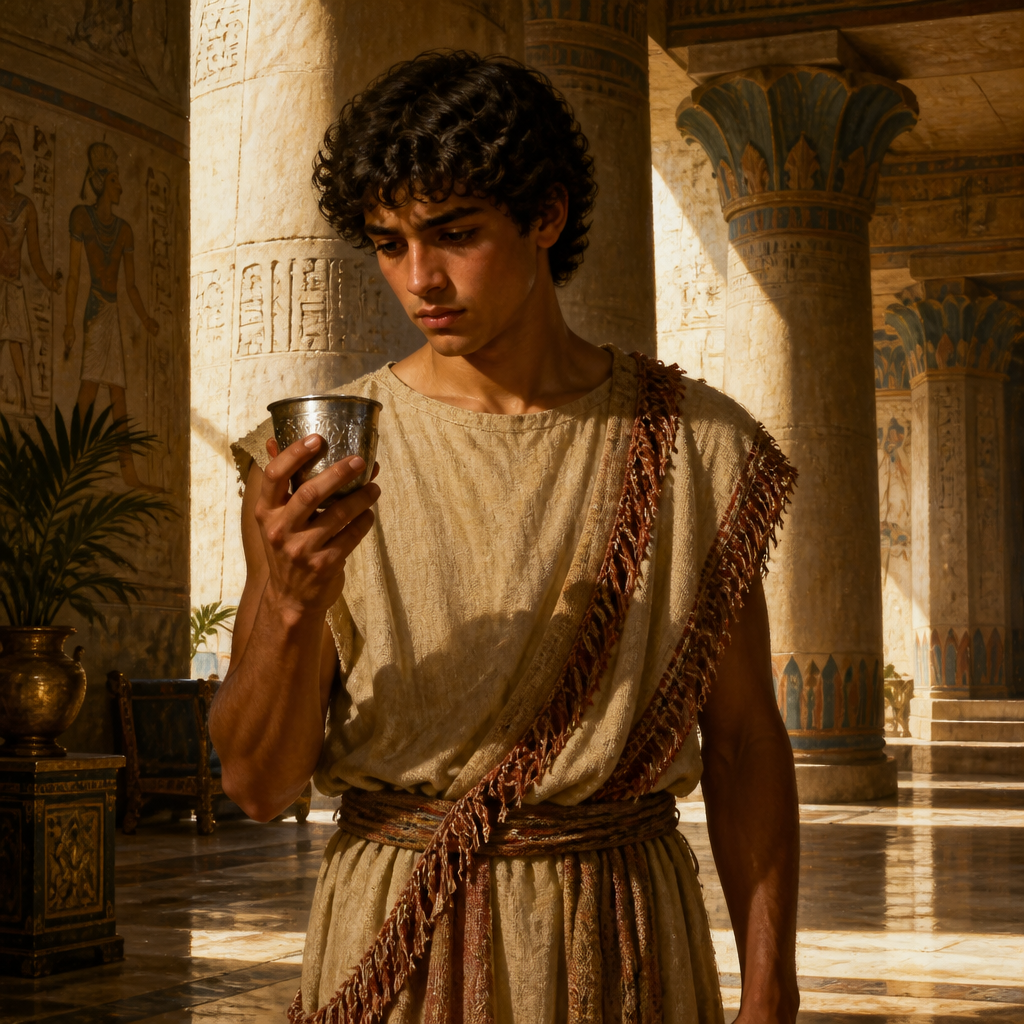
Benjamin, Son of Jacob
Youngest son of Jacob and the full brother of Joseph whose presence in Egypt led to his family's reconciliation
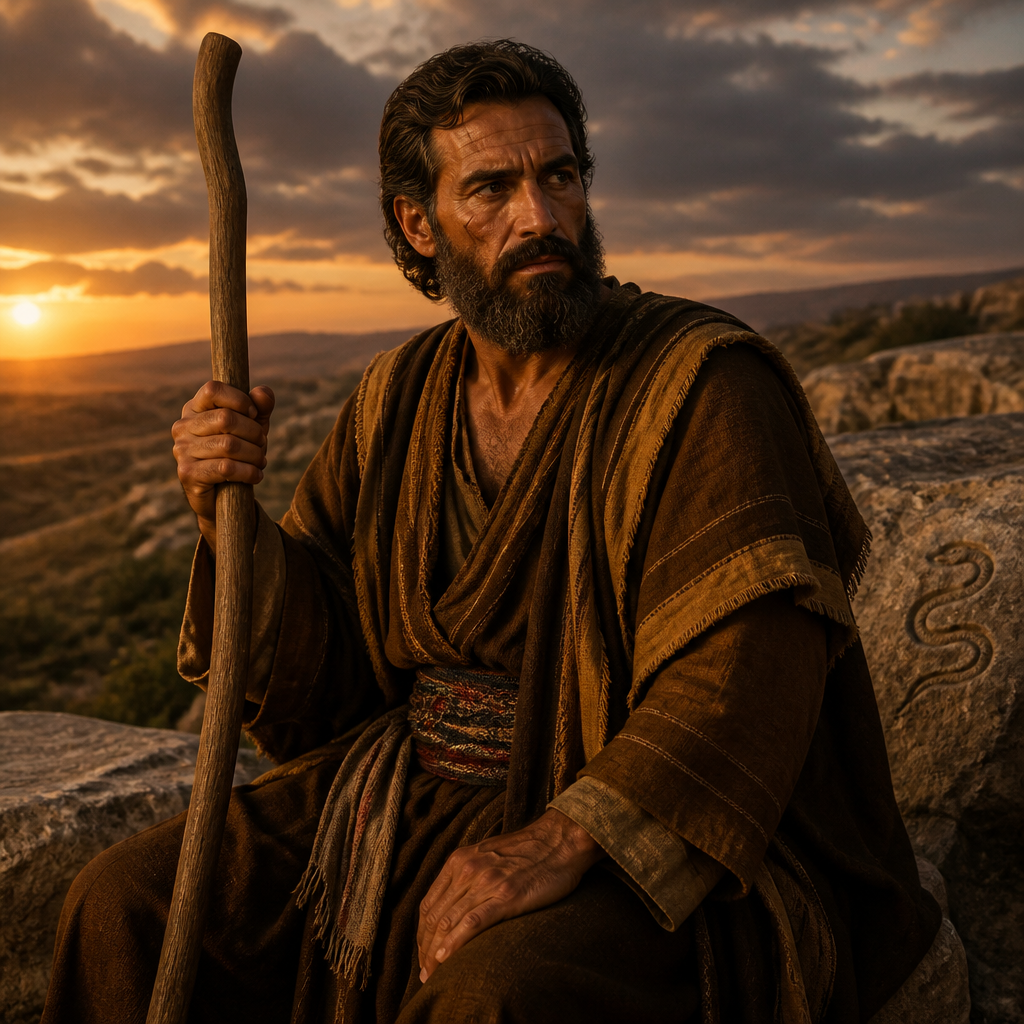
Dan
Patriarch who was the fifth son of Jacob and father of the Tribe of Dan
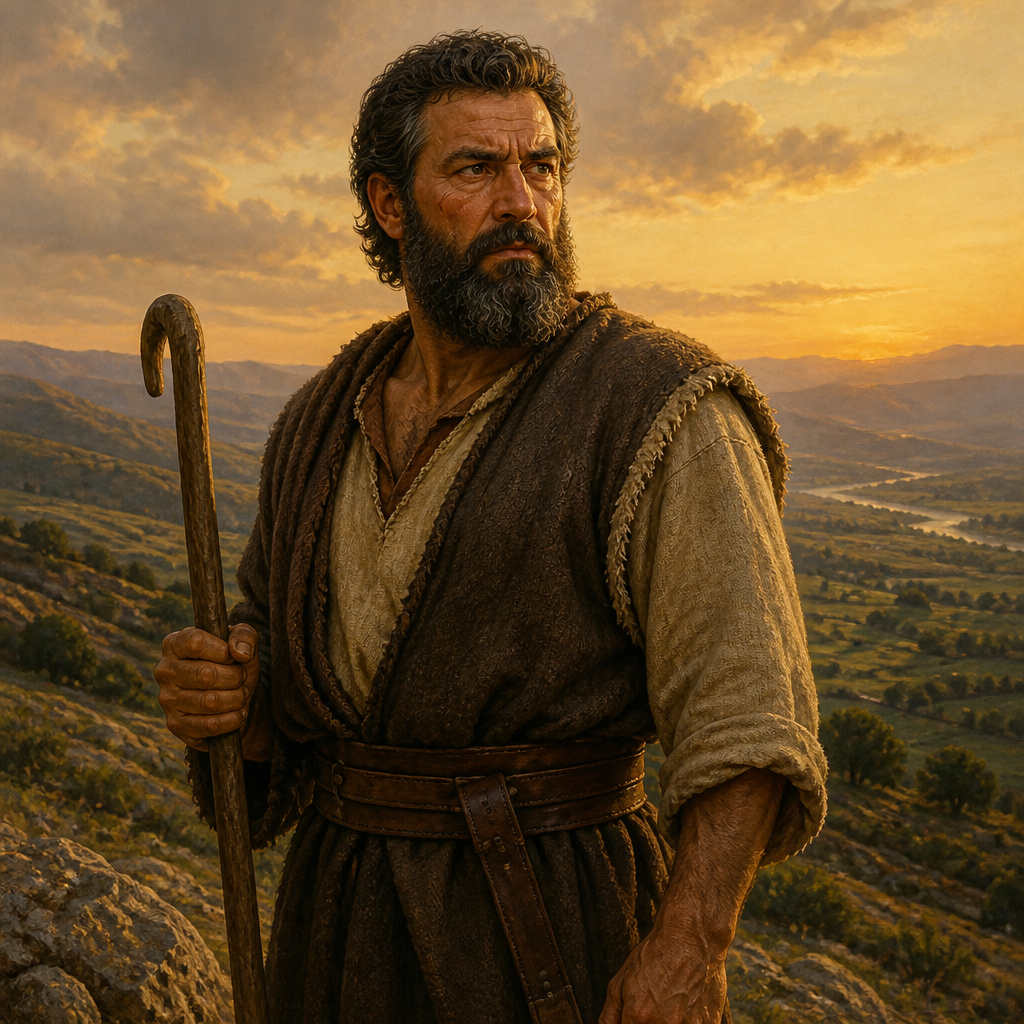
Gad, Son of Jacob
Seventh son of Jacob and founder of the warrior tribe of Gad
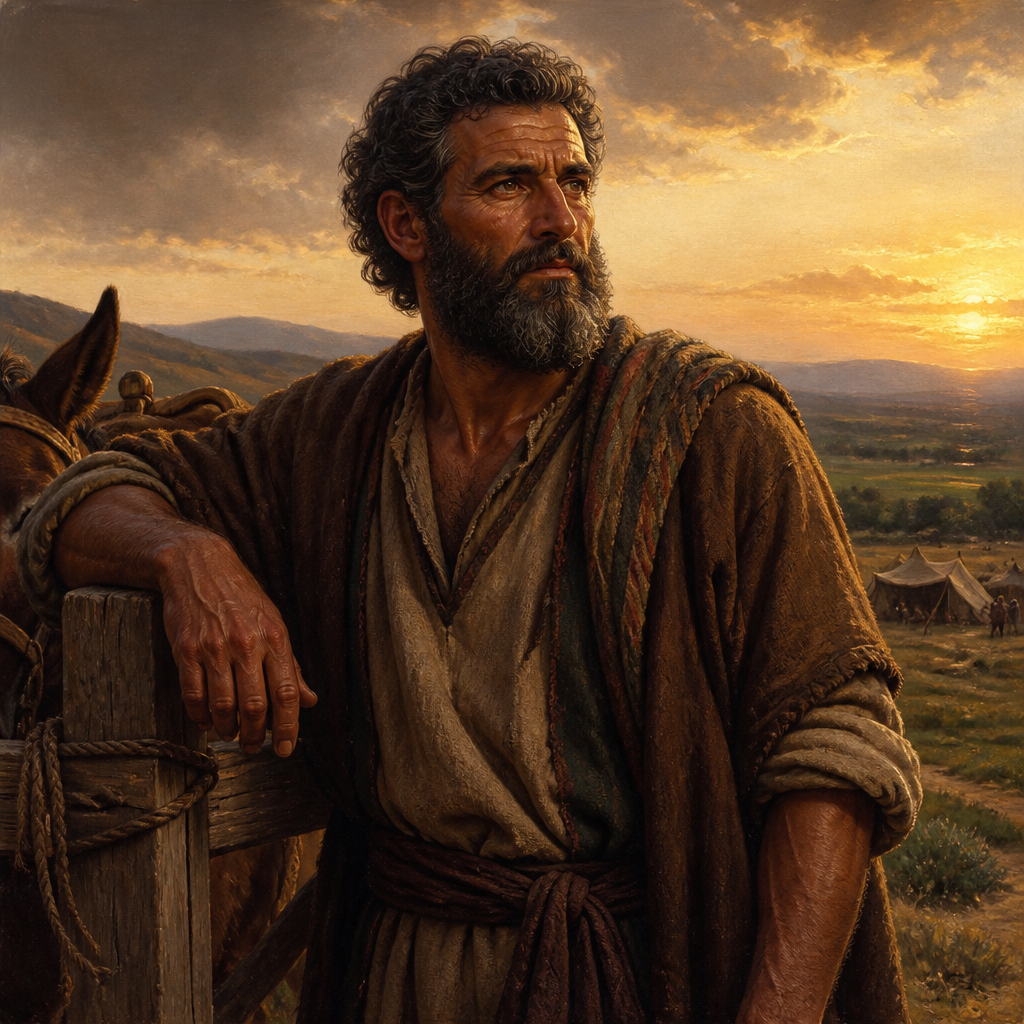
Issachar, Ninth Son of Jacob
Ninth son of Jacob and the progenitor of the Tribe of Issachar
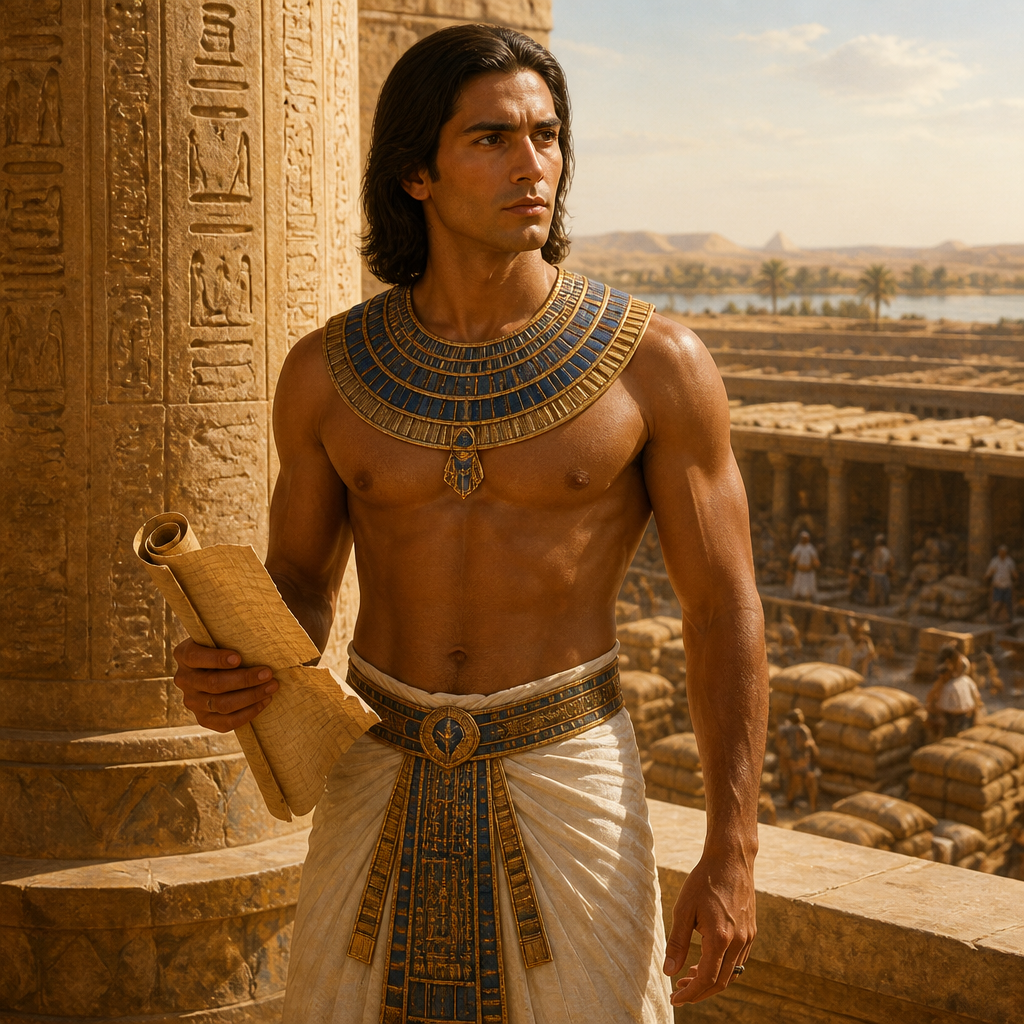
Joseph, Son of Jacob
Patriarch who was sold into slavery and rose to become the second most powerful man in Egypt
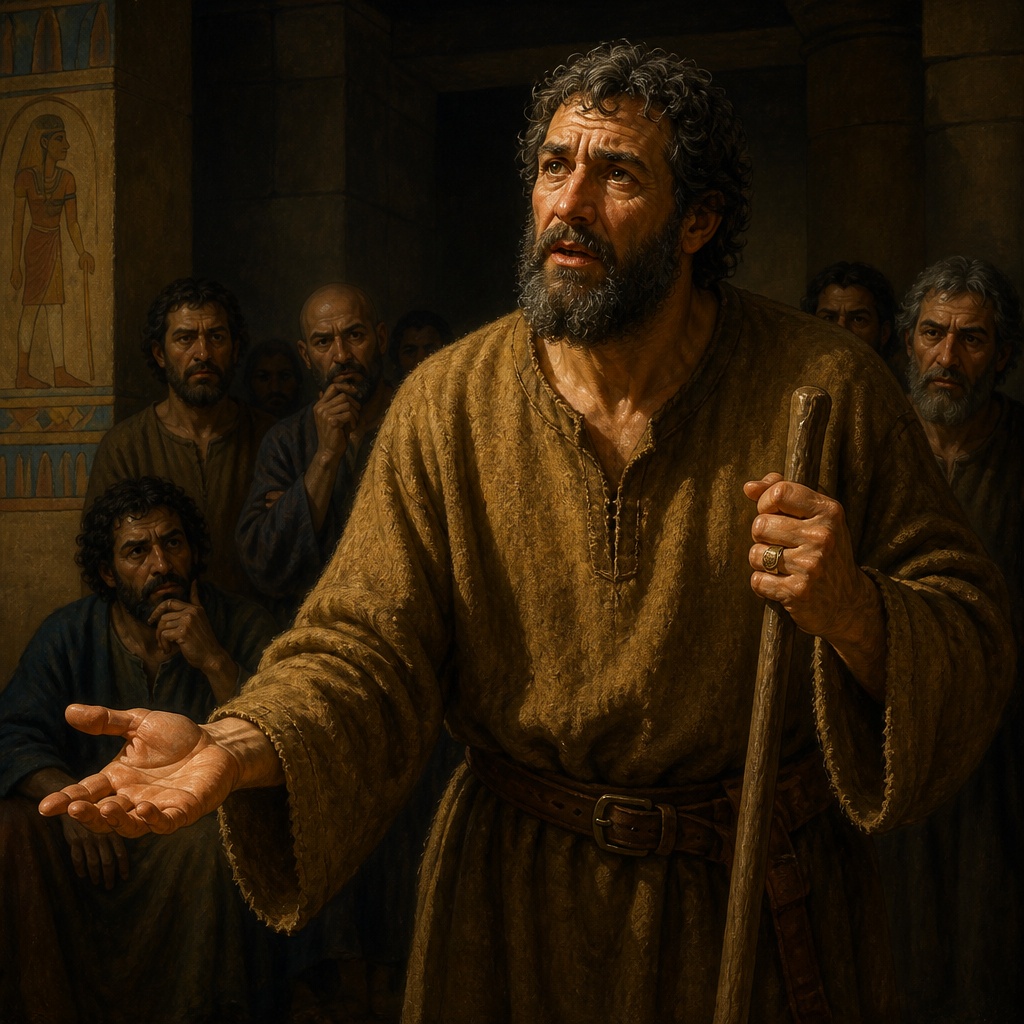
Judah, Son of Jacob
Patriarch who received the blessing of the scepter and whose lineage produced King David and Jesus Christ
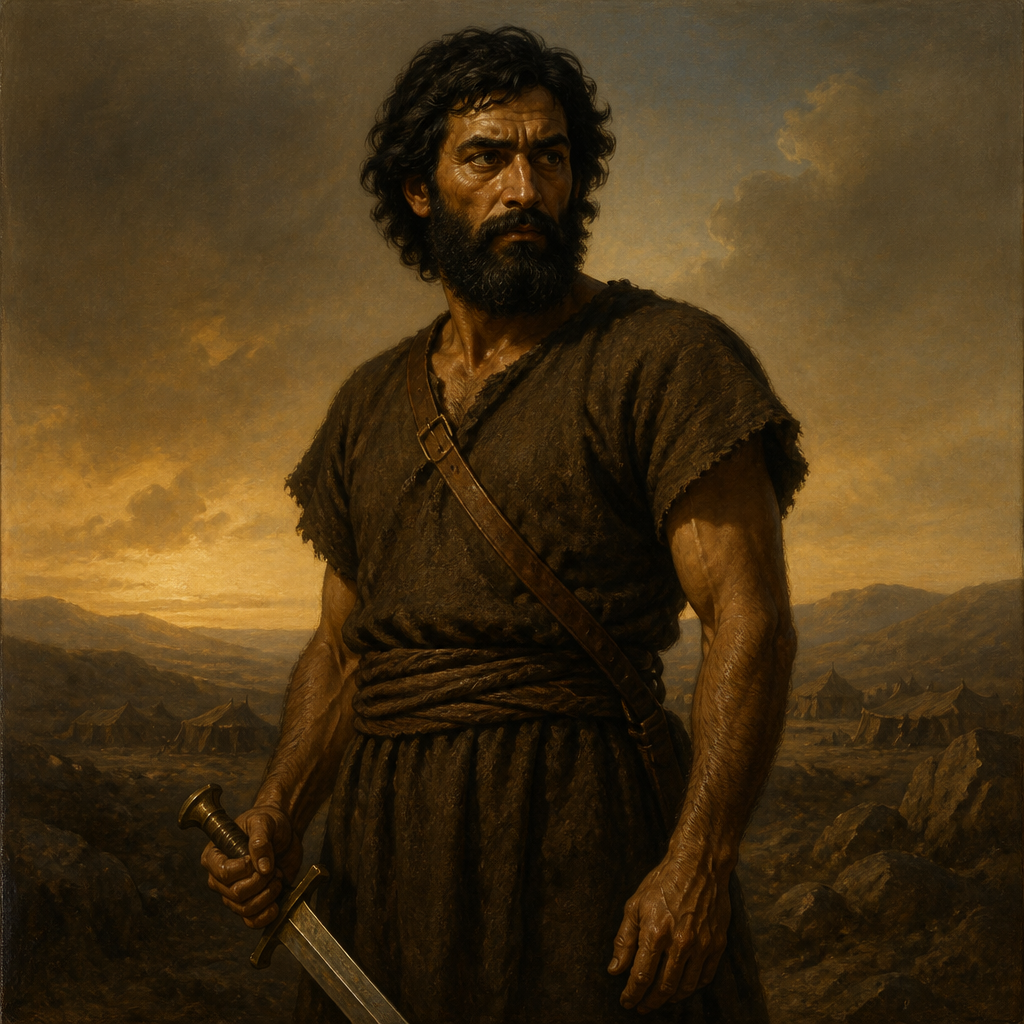
Levi, Son of Jacob
Patriarch of the priestly tribe and participant in the massacre at Shechem
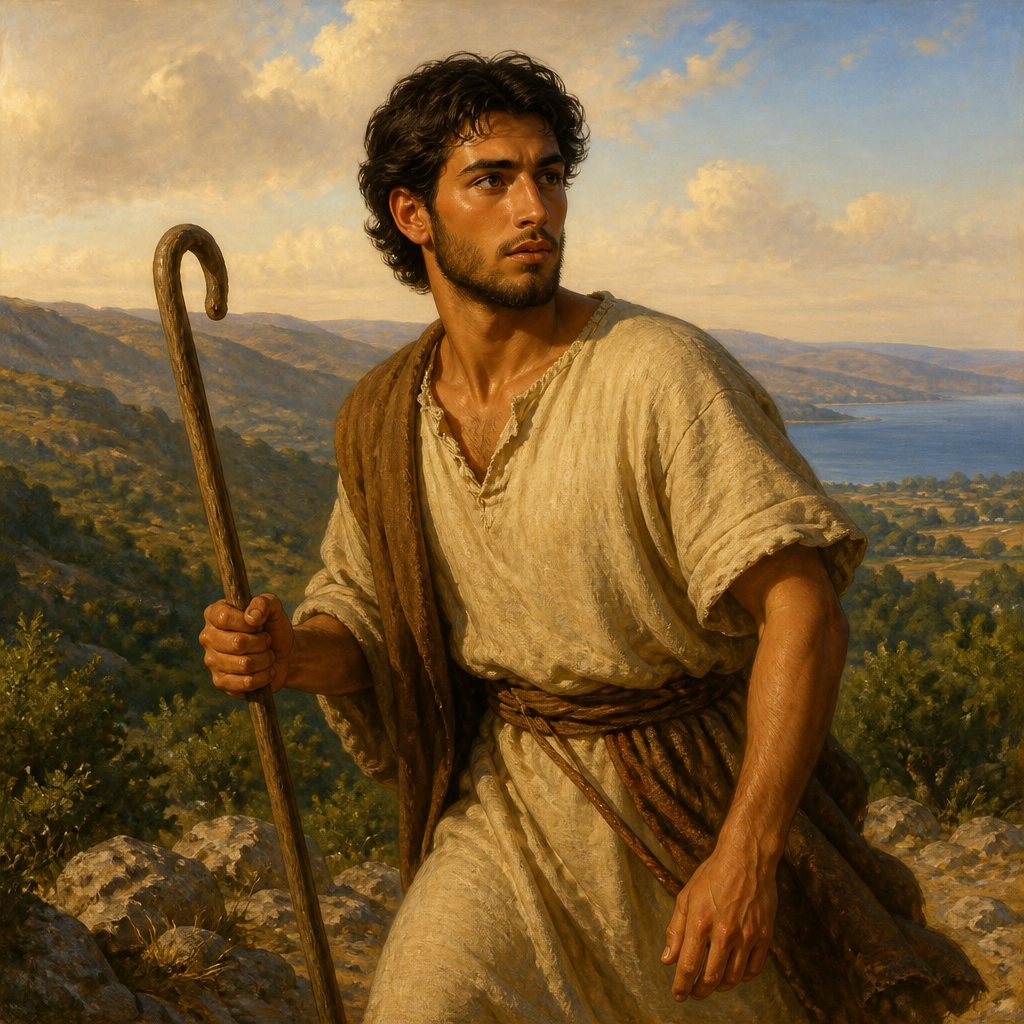
Naphtali
Patriarch of one of the twelve tribes of Israel and sixth son of Jacob
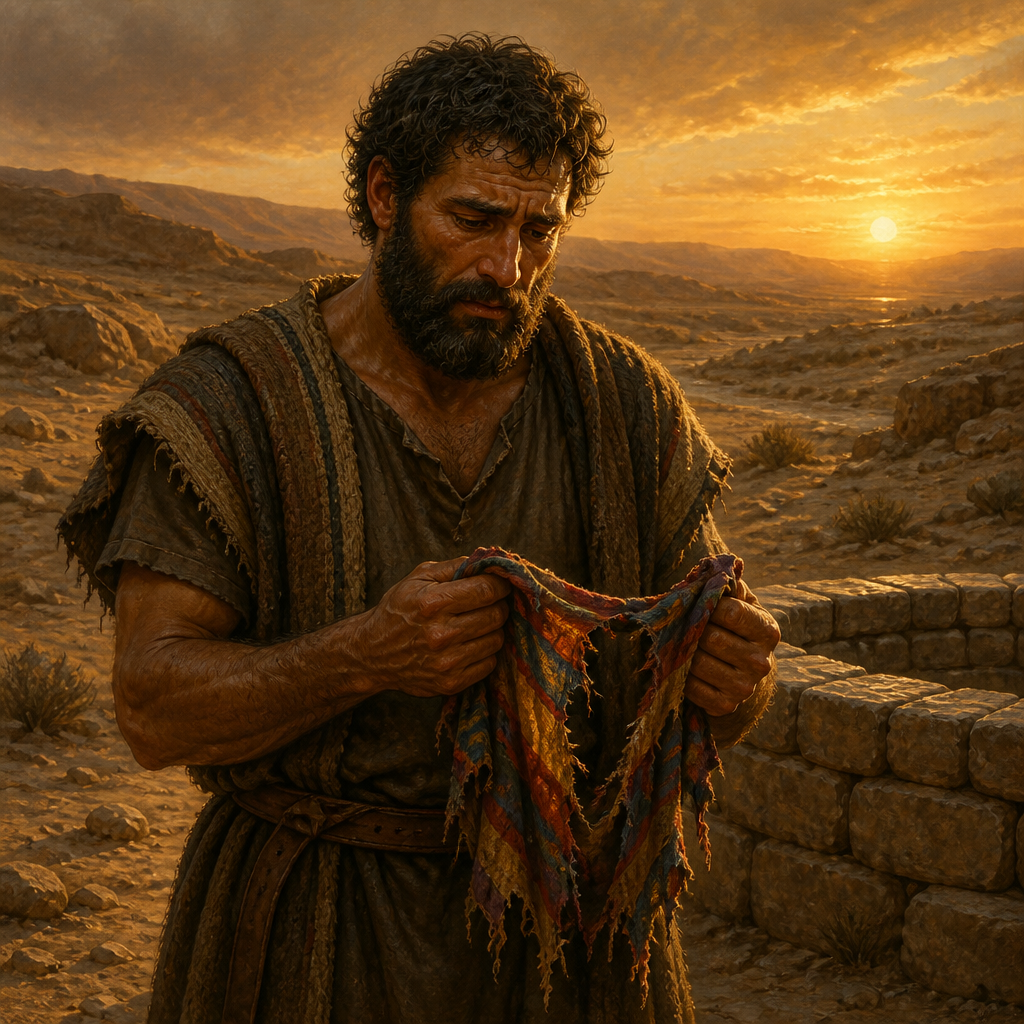
Reuben
Firstborn son of Jacob who lost his birthright for defiling his father's bed
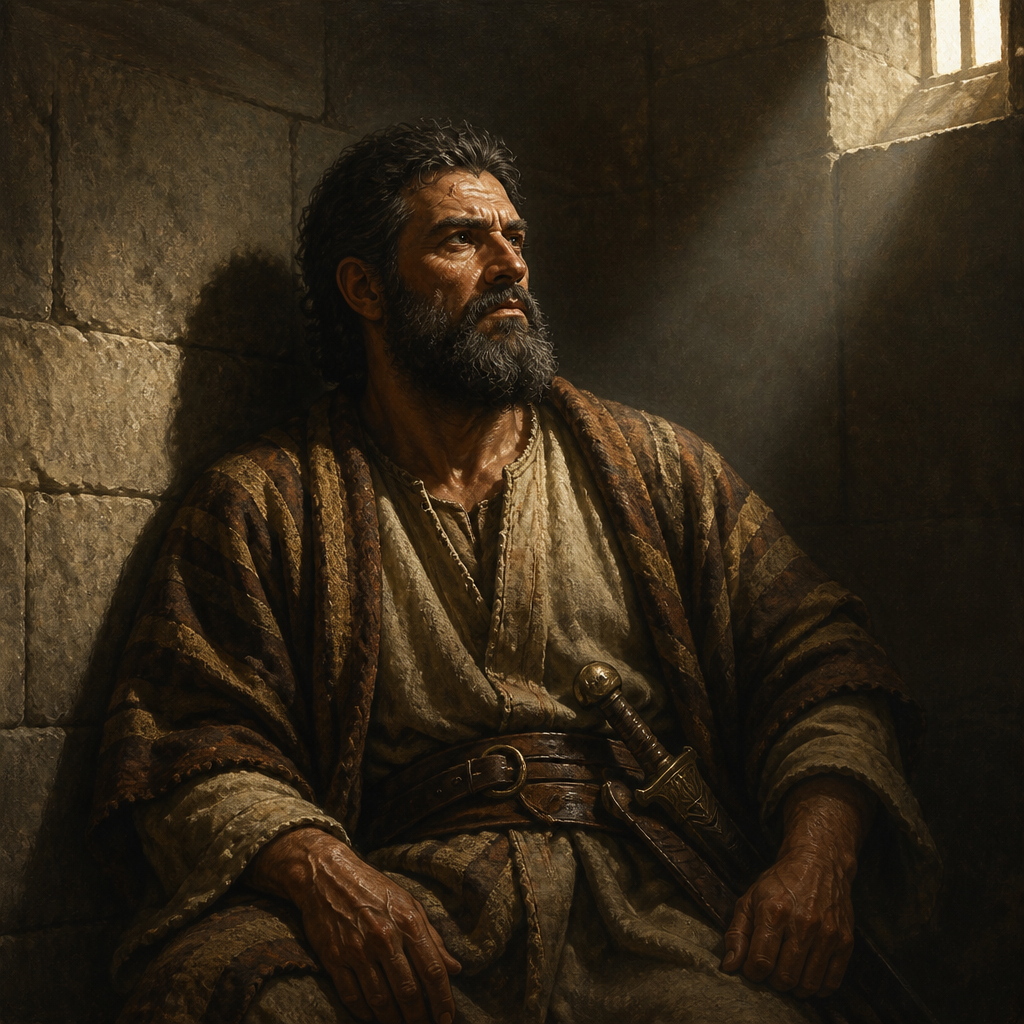
Simeon, Son of Jacob
Patriarch of Israel known for his role in the massacre at Shechem and being held hostage by Joseph in Egypt
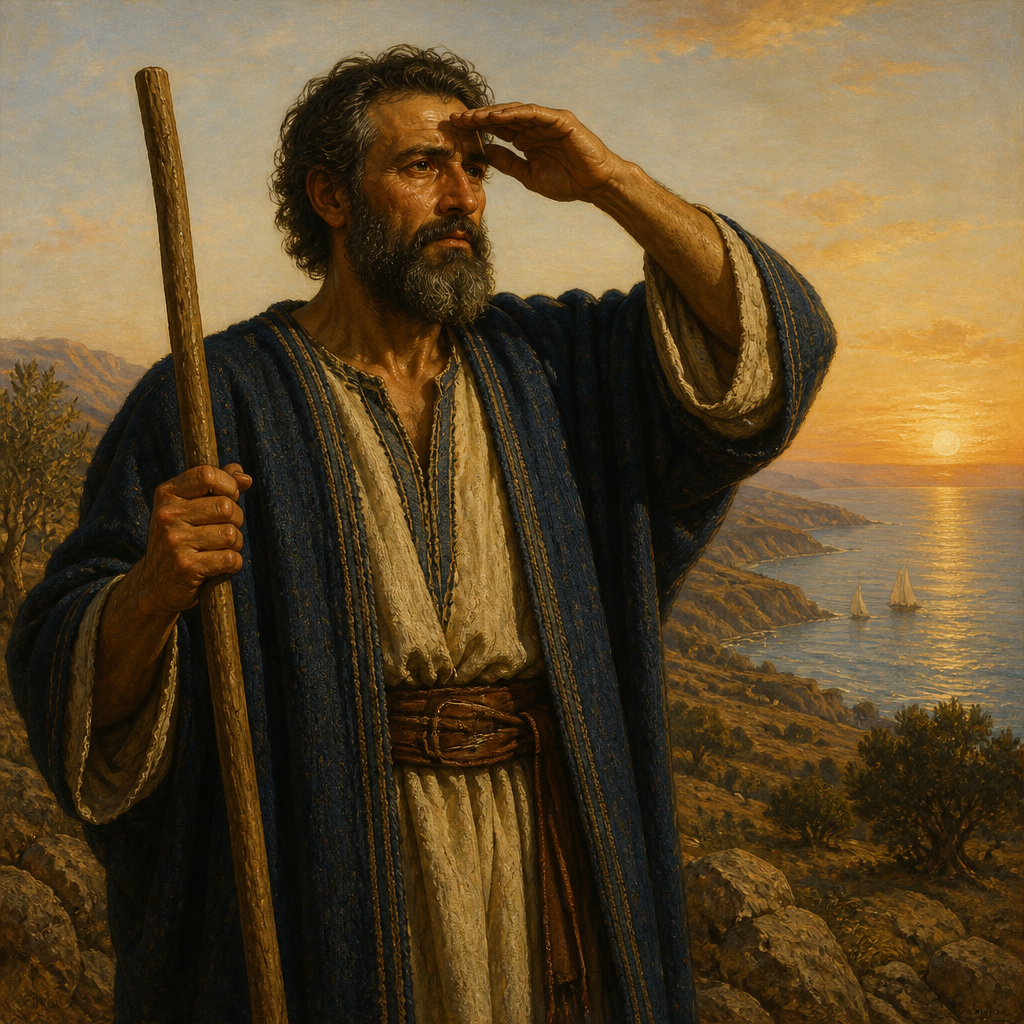
Zebulun
Tenth son of Jacob and founder of the tribe associated with maritime commerce and the region of Galilee