
Kings of Moab
Moabite rulers who appear in the biblical narrative.
The Kings of Moab appear in the biblical narrative as the sovereign rulers of the nation situated east of the Dead Sea, often interacting with the Israelites through conflict, tribute, or diplomacy. The office of king in Moab involved leading the military, managing territorial borders, and commissioning spiritual or political interventions against perceived threats. The text does not say how these kings were selected or whether the throne was strictly hereditary, though it describes them exercising absolute authority over their people and resources.
Several individuals are explicitly identified as holding this title across different historical periods. Balak is the first named king, who summoned a seer to curse the Israelites because he feared their numbers as they camped in the plains of Moab (Numbers 22:2–6). Eglon is described as a ruler who strengthened himself against Israel and occupied the City of Palms for eighteen years (Judges 3:12–14). Mesha is identified as a sheep master who paid a massive tribute of wool to the king of Israel before eventually rebelling (2 Kings 3:4–5). The text also mentions an unnamed king of Moab who received the parents of David to protect them while David was a fugitive (1 Samuel 22:3–4). Another unnamed king of Moab is recorded as being defeated by Saul in the early years of the Israelite monarchy (1 Samuel 14:47). Finally, the text notes a king of Moab who joined a coalition with Edom and Israel to suppress a rebellion, though the campaign ended in retreat (2 Kings 3:6–27).
The presence of these rulers serves to define the shifting boundaries and political status of Israel throughout the Old Testament. The interactions between the Kings of Moab and the leaders of Israel range from the initial hostility during the wilderness wanderings to periods of subjugation and forced labor. These accounts provide the primary context for the geopolitical tensions that existed between the two neighboring nations, illustrating the transition from tribal skirmishes to organized international warfare. The narrative uses these kings to mark specific eras of oppression and liberation in the history of the region.
Everyone in this list
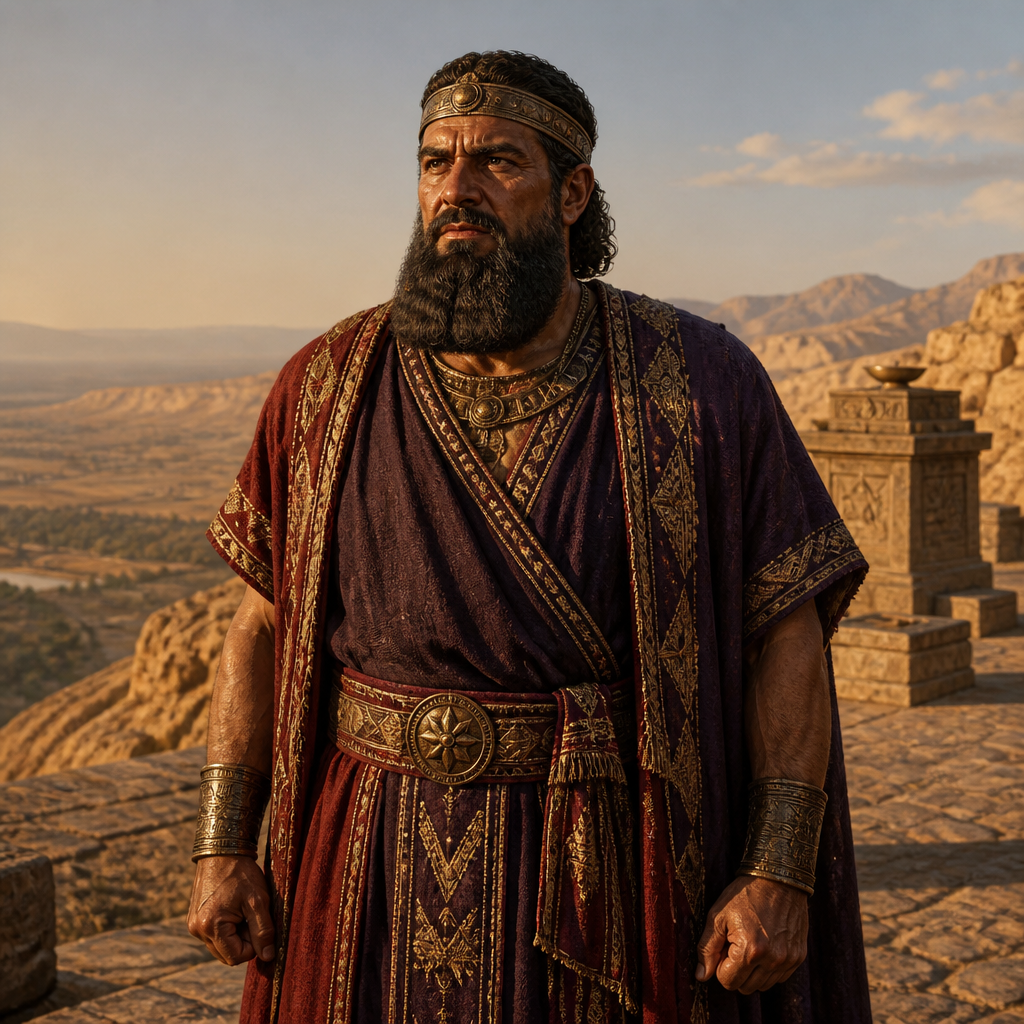
Balak
King of Moab who hired Balaam to curse the Israelites during their wilderness wanderings
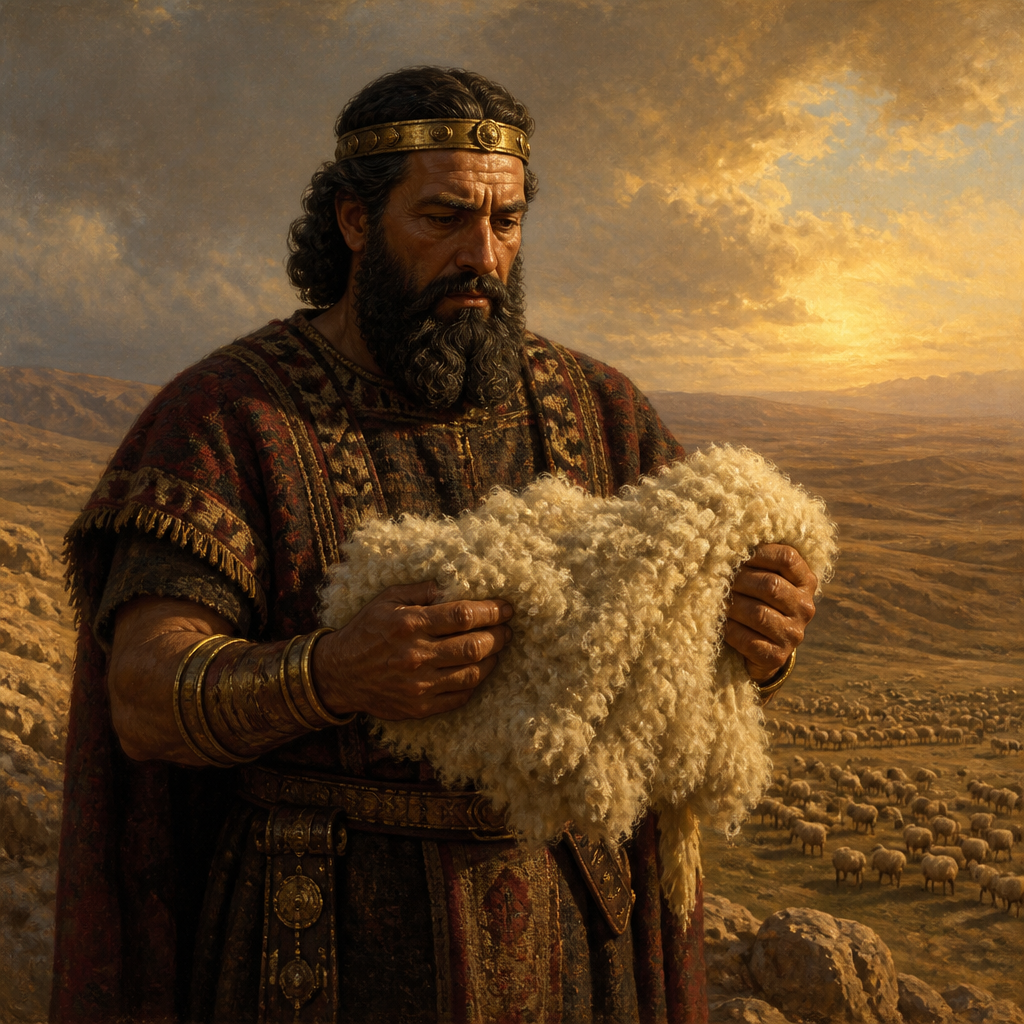
Mesha, King of Moab
King of Moab who paid a massive annual tribute of lambs and wool to Israel