
High-Priestly Succession
Who is on this listMen Scripture names as holding the office of high priest, in the order they held it, from Aaron to the last high priest named in the Old Testament (Exodus 28:1; Numbers 20:28; 1 Kings 2:35; Nehemiah 12:10-11).
The Aaronic descent of Israel's high priests.
The High-Priestly Succession is a genealogy that traces the legitimate line of religious leadership from the wilderness wanderings through the return from the Babylonian exile. The primary record of this lineage is found in the priestly genealogies of the Hebrew Bible (1 Chronicles 6:1–15), which establishes the right to serve in the sanctuary based on direct descent from the house of Levi. The text presents this succession as a continuous chain of fathers and sons, ensuring that the mediation between the people and God remains within the divinely appointed family.
The lineage begins with Aaron, the first High Priest of Israel who served as the spokesman for Moses during the Exodus (Exodus 4:14). While his sons Nadab and Abihu were struck down for offering unauthorized fire (Leviticus 10:1–2), the succession continued through his third son, Eleazar, who assisted Joshua in dividing the Promised Land (Joshua 14:1). The line then passes to Phinehas, a priest who stayed a plague by executing an idolatrous couple and received a perpetual covenant of priesthood (Numbers 25:7–13). Later generations include figures like Hilkiah the High Priest, who found the Book of the Law in the Temple during the reign of King Josiah (2 Kings 22:8). Following the destruction of Jerusalem, Jehozadak served as a priestly bridge when he was carried into Babylonian exile (1 Chronicles 6:14), eventually leading to Joshua, who helped rebuild the Second Temple (Haggai 1:1).
The organization of the group in the text emphasizes the transition from the Tabernacle to the Temple and finally to the post-exilic community. During the monarchy, the line is often identified with the house of Zadok such as Ahimaaz, who served as a messenger for King David (2 Samuel 15:27). The text also records parallel or divergent lines, such as the house of Eli at Shiloh, whose grandson Ahitub fathered the priests of Nob (1 Samuel 14:3). However, the primary genealogical lists in the later biblical books focus on the descendants of Eleazar to validate the authority of leaders like Ezra the Scribe, who restored the Law of Moses in Jerusalem (Ezra 7:1).
This succession matters in the larger biblical story because it provides the legal and biological framework for the sacrificial system. The text uses these names to demonstrate that despite political upheavals, foreign invasions, and the Babylonian captivity, the cultic leadership remained intact. By tracing the line from Aaron to Jaddua (Nehemiah 12:11), the biblical record asserts a continuity of divine favor and institutional stability. The preservation of these names ensures that the rituals performed in the Second Temple are connected to the original commands given at Mount Sinai.
Everyone in this list
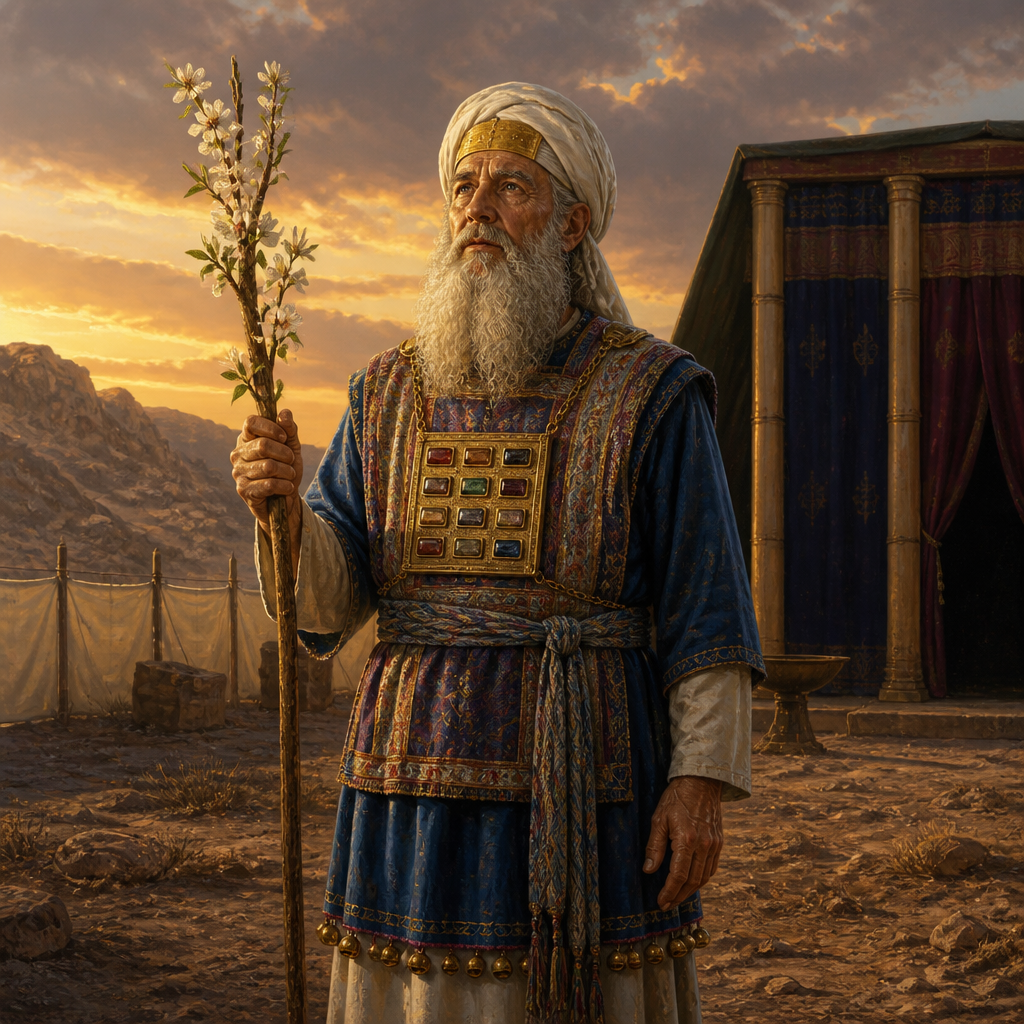
Aaron
First High Priest of Israel who served as the spokesman for Moses during the Exodus
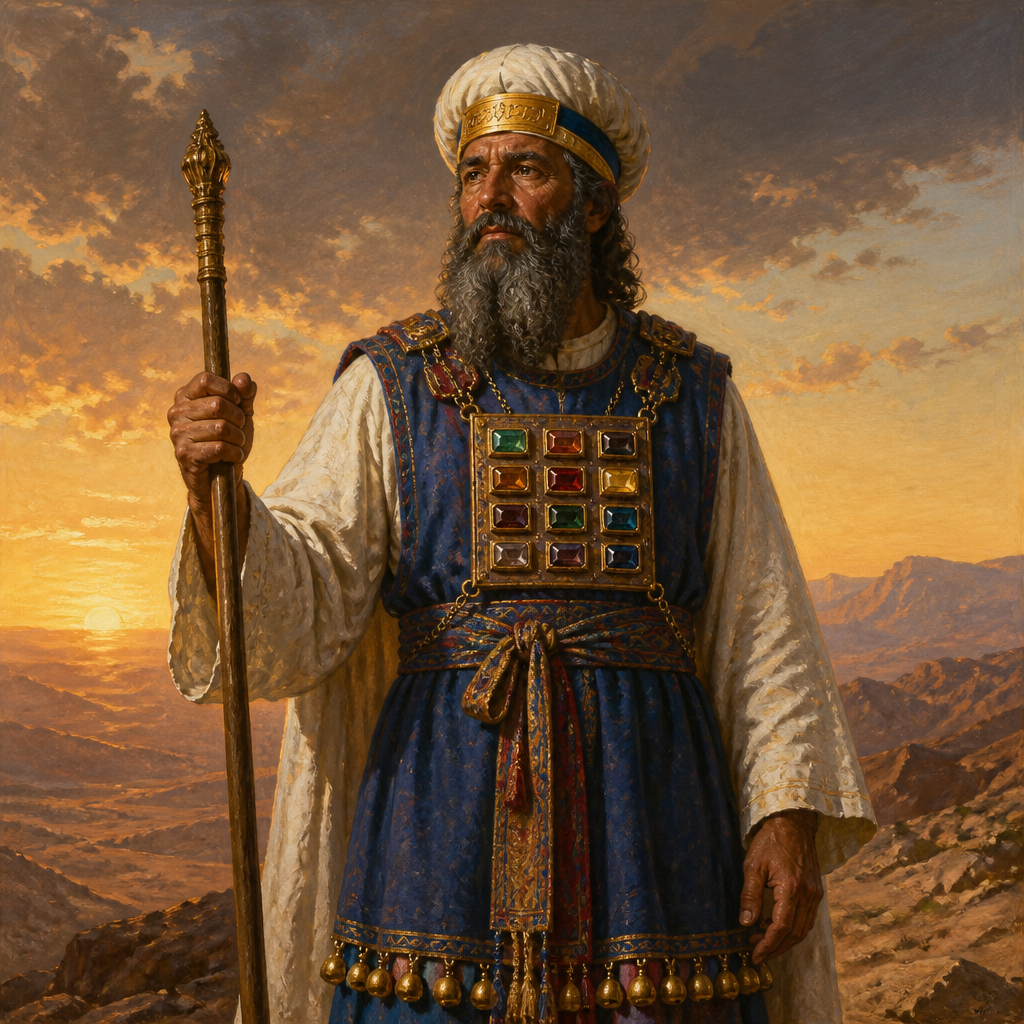
Eleazar, Son of Aaron
High Priest who succeeded Aaron and assisted Joshua in dividing the Promised Land
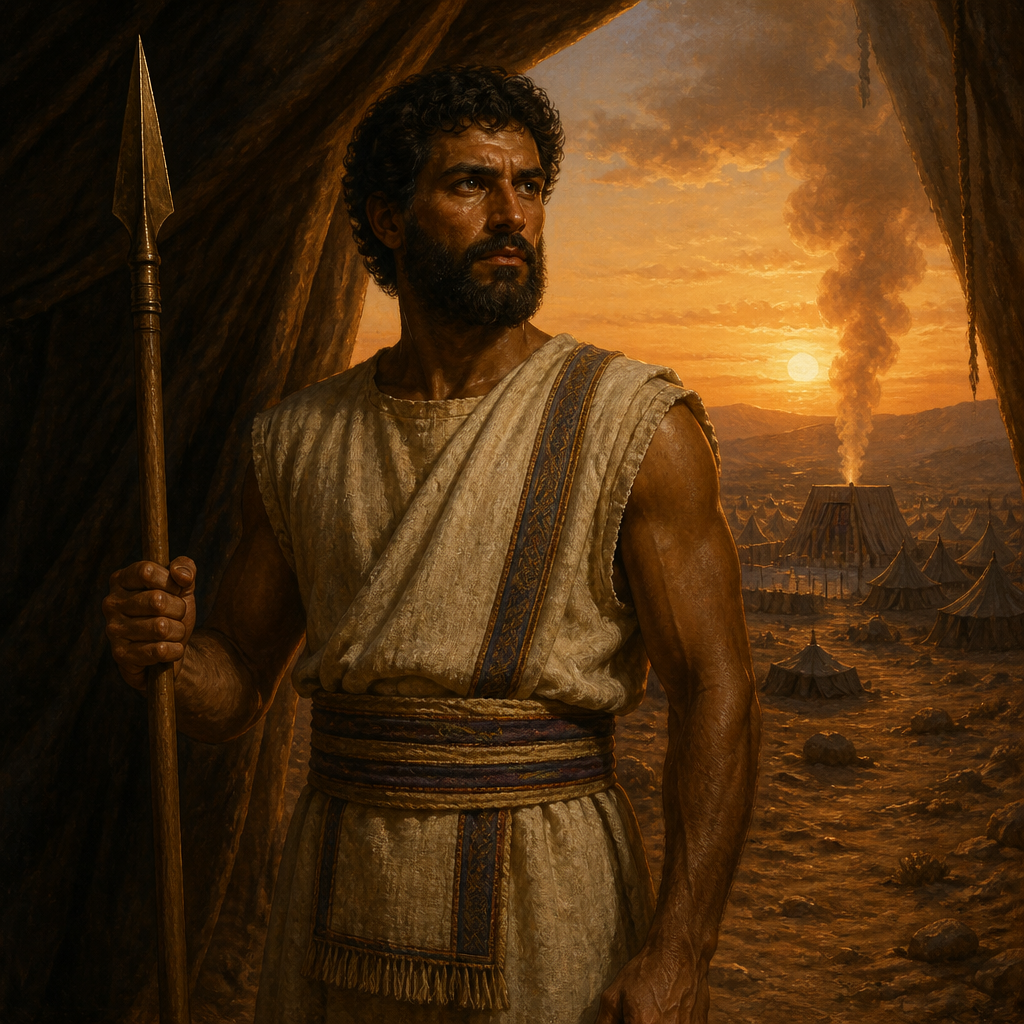
Phinehas, Son of Eleazar
Priest who stayed a plague by executing an idolatrous couple and received a perpetual covenant of priesthood
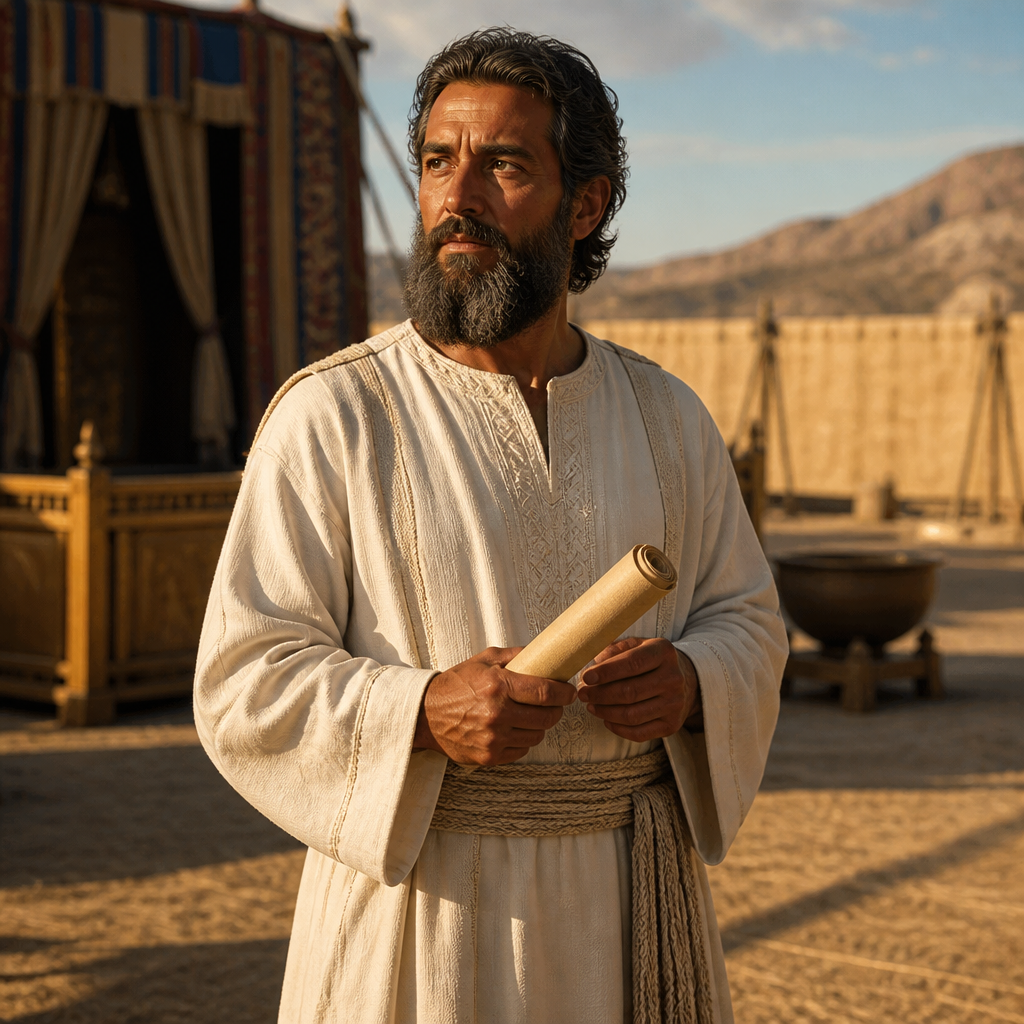
Abishua, Son of Phinehas
Levite priest in the line of Aaron and ancestor of Ezra the Scribe
Bukki, Priest in the Line of Eleazar
Levite priest in the direct line of Eleazar and ancestor of Ezra the Scribe
Uzzi, Priest in the Line of Eleazar
Levite priest in the direct ancestral line of the High Priest and Ezra the Scribe
Zerahiah, Priest in the Line of Eleazar
Levite priest in the high priestly line of Eleazar and ancestor of Ezra the Scribe
Meraioth
Priest in the line of Eleazar who appears in the high-priestly genealogies of 1 Chronicles, Ezra, and Nehemiah
Amariah, Priest of the United Monarchy
Priest of the line of Eleazar who was the father of Ahitub and grandfather of Zadok
Ahitub, Son of Phinehas
Grandson of Eli and father of Ahimelech the High Priest of Nob
Ahimelech, High Priest of Nob
High Priest who was executed by Saul for assisting David at Nob
Abiathar
High priest who escaped the massacre at Nob and supported King David
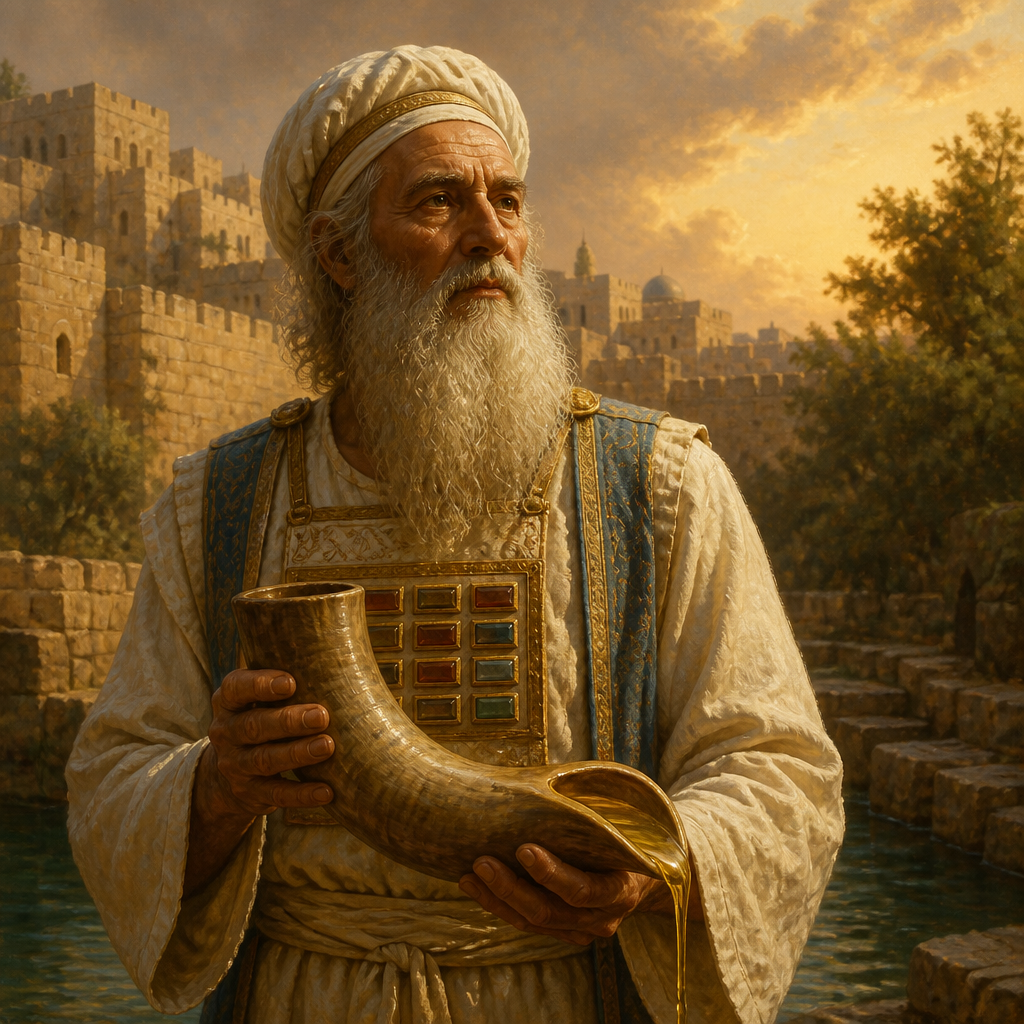
Zadok, High Priest under David and Solomon
High priest who anointed King Solomon and established a faithful priestly dynasty
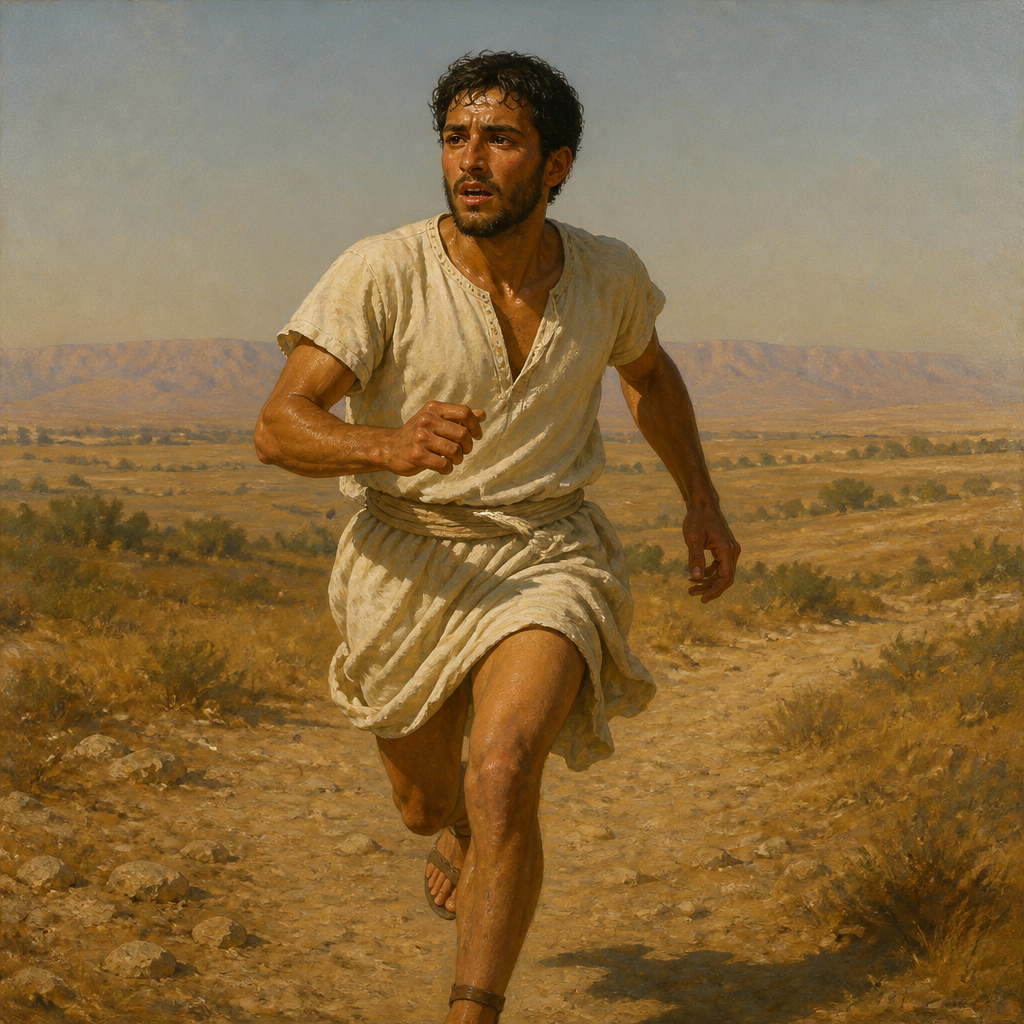
Ahimaaz, Son of Zadok the Priest
Priestly messenger who outran a Cushite to bring news to King David
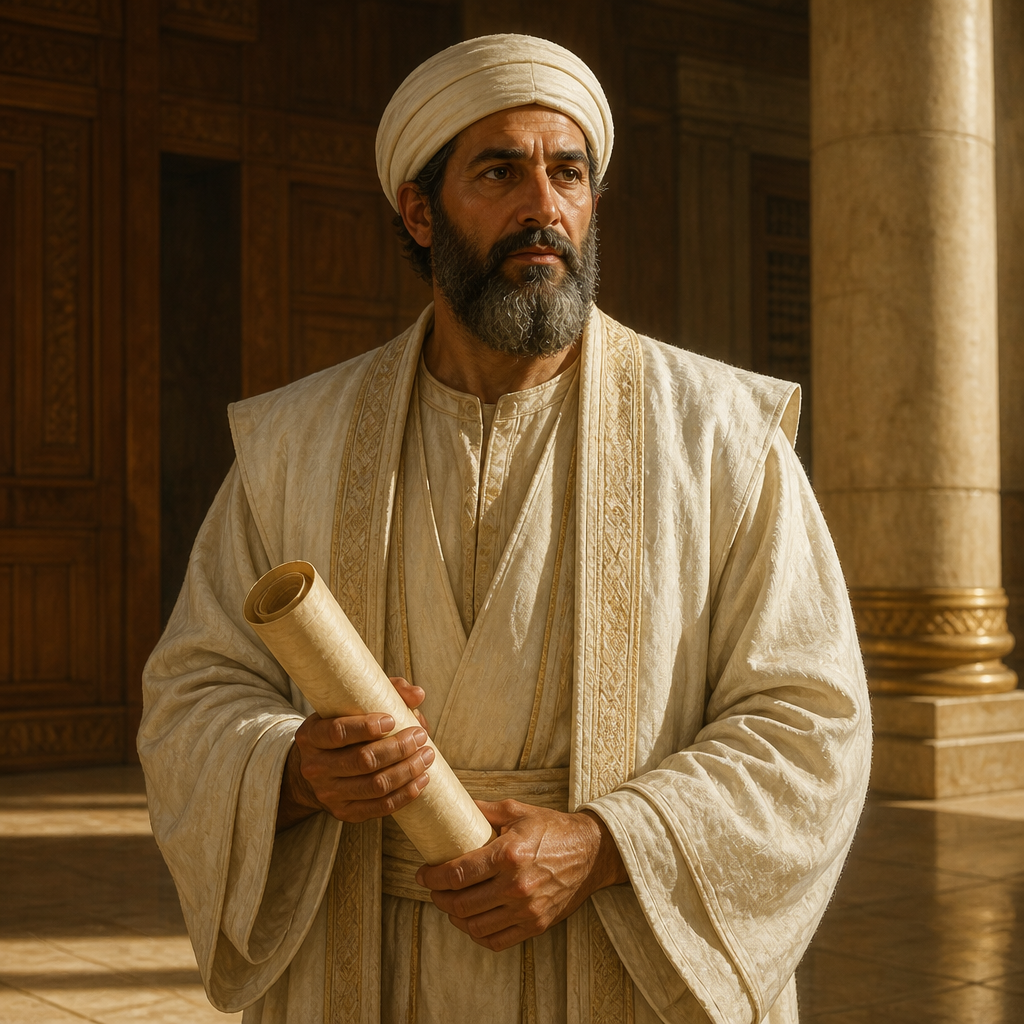
Azariah, Son of Zadok the Priest
Priest and high official in the court of King Solomon during the United Monarchy
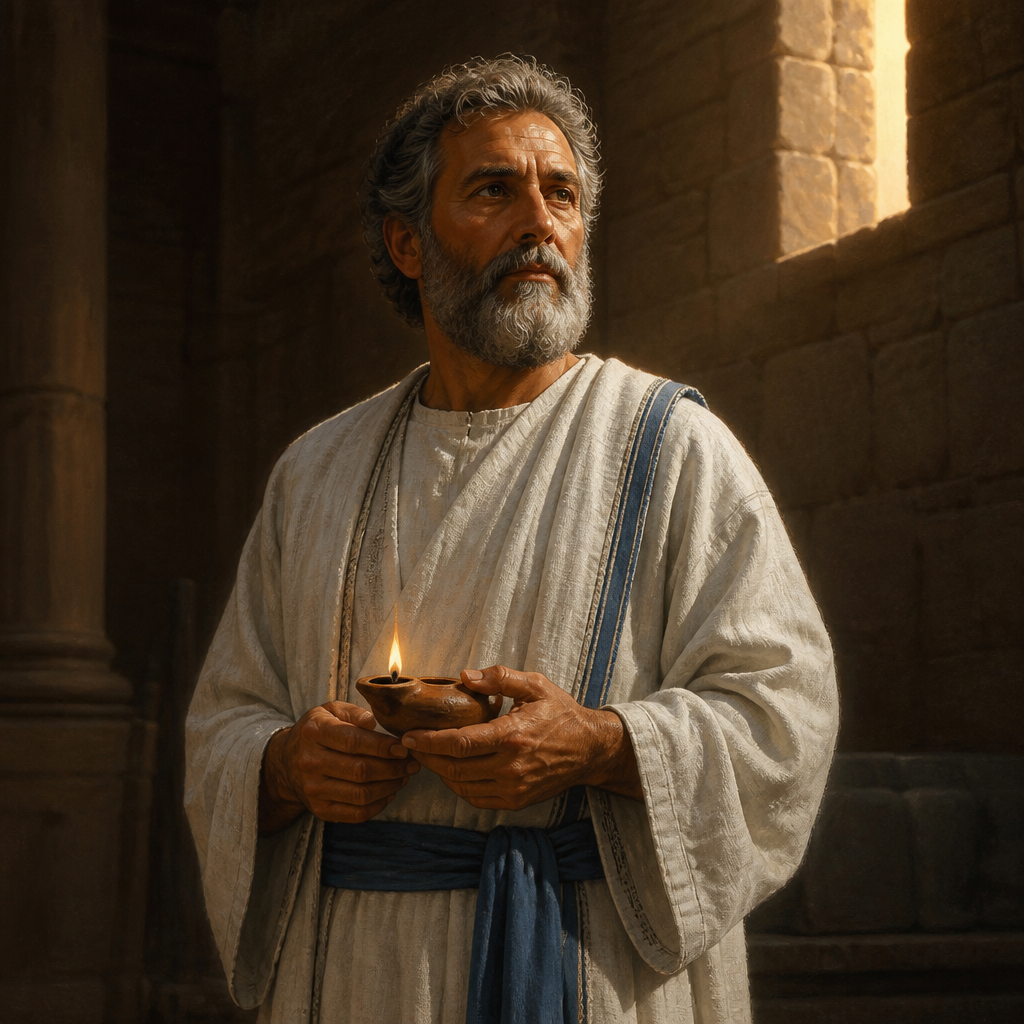
Johanan, Son of Azariah the Priest
Priest in the lineage of Zadok who fathered the Azariah who served in Solomon's Temple
Azariah, Son of Johanan
Levite priest in the line of Zadok and ancestor of Ezra the Scribe
Amariah, Levite of the Ancestral Line
Levite priest in the lineage of the high-priesthood during the Divided Monarchy
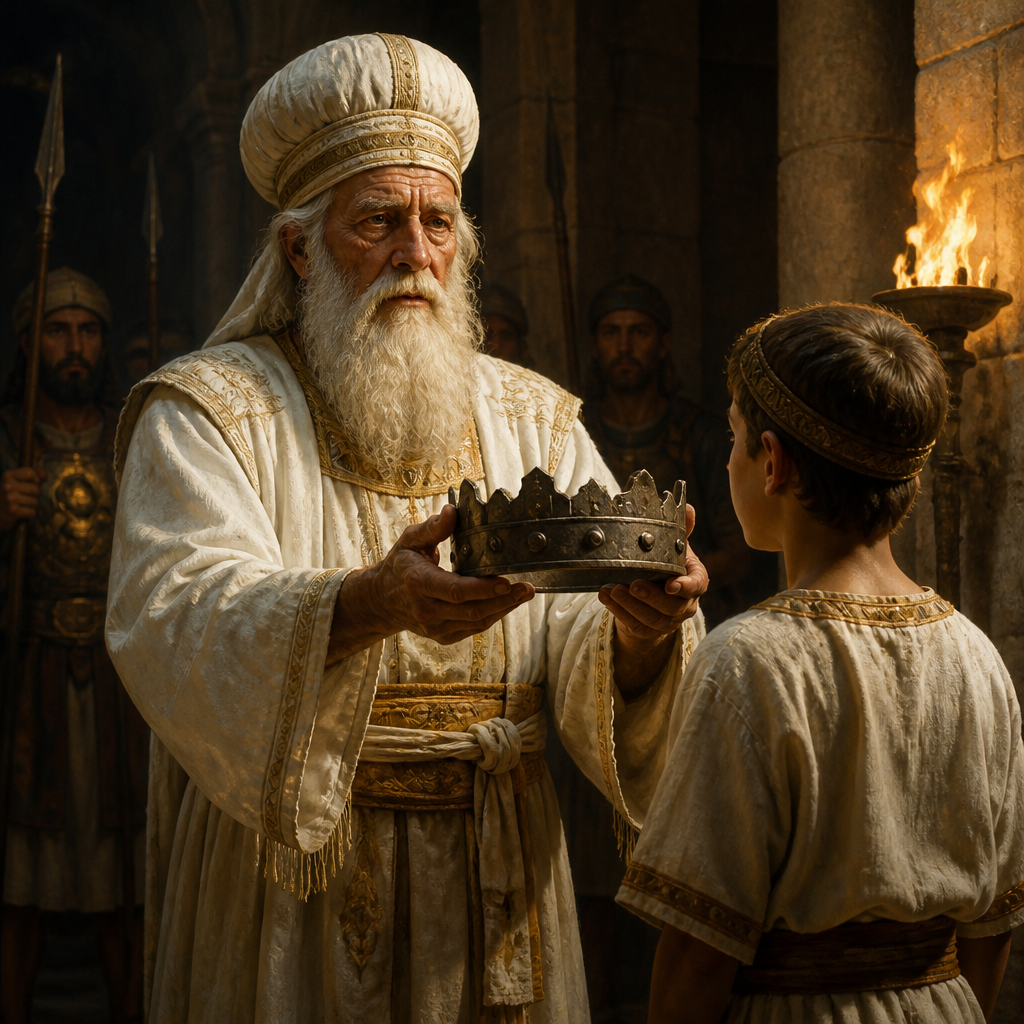
Jehoiada, High Priest of the Divided Monarchy
High Priest who saved the infant Joash and restored the Davidic throne
Azariah, Chief Priest of the Divided Monarchy
Chief priest who confronted King Uzziah for attempting to burn incense in the Temple
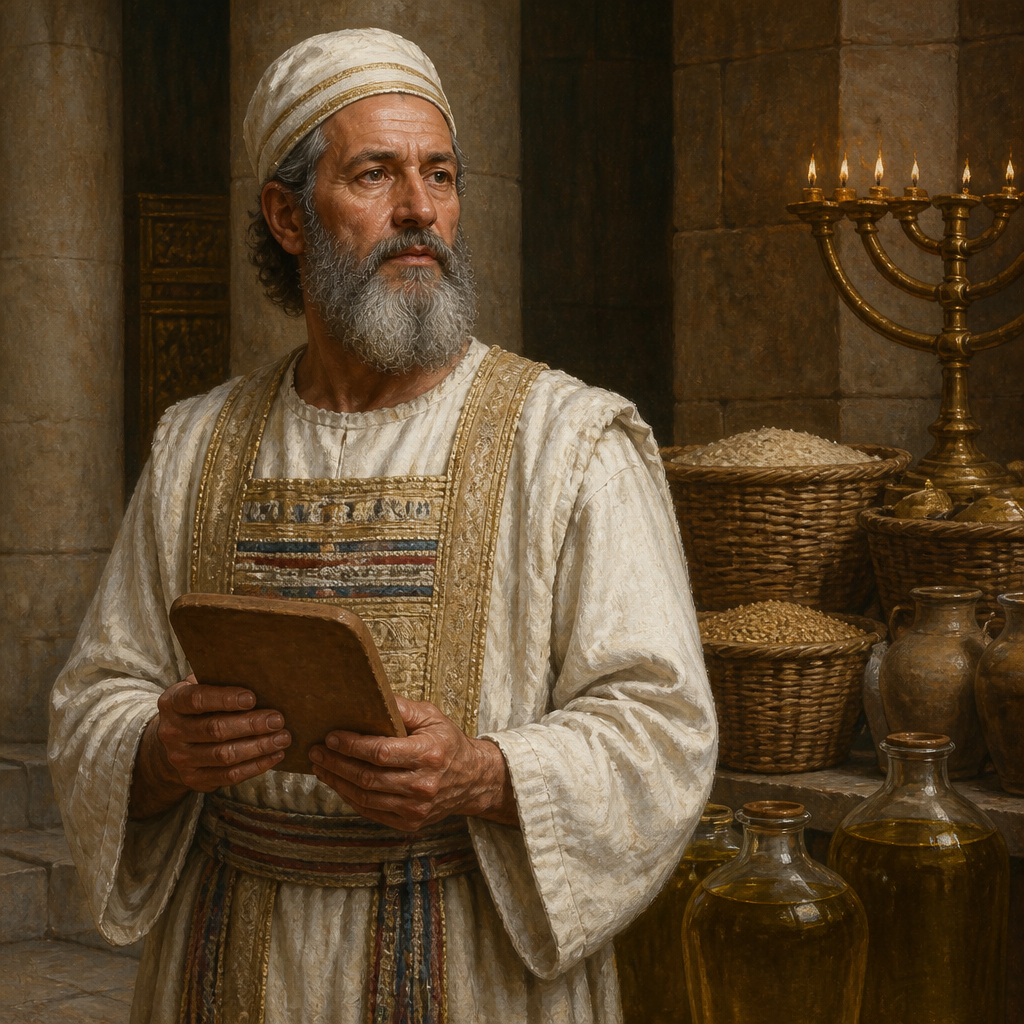
Azariah, Chief Priest of the Zadokite Lineage
Chief priest of the Zadokite line who oversaw the Temple storehouses during King Hezekiah's reforms
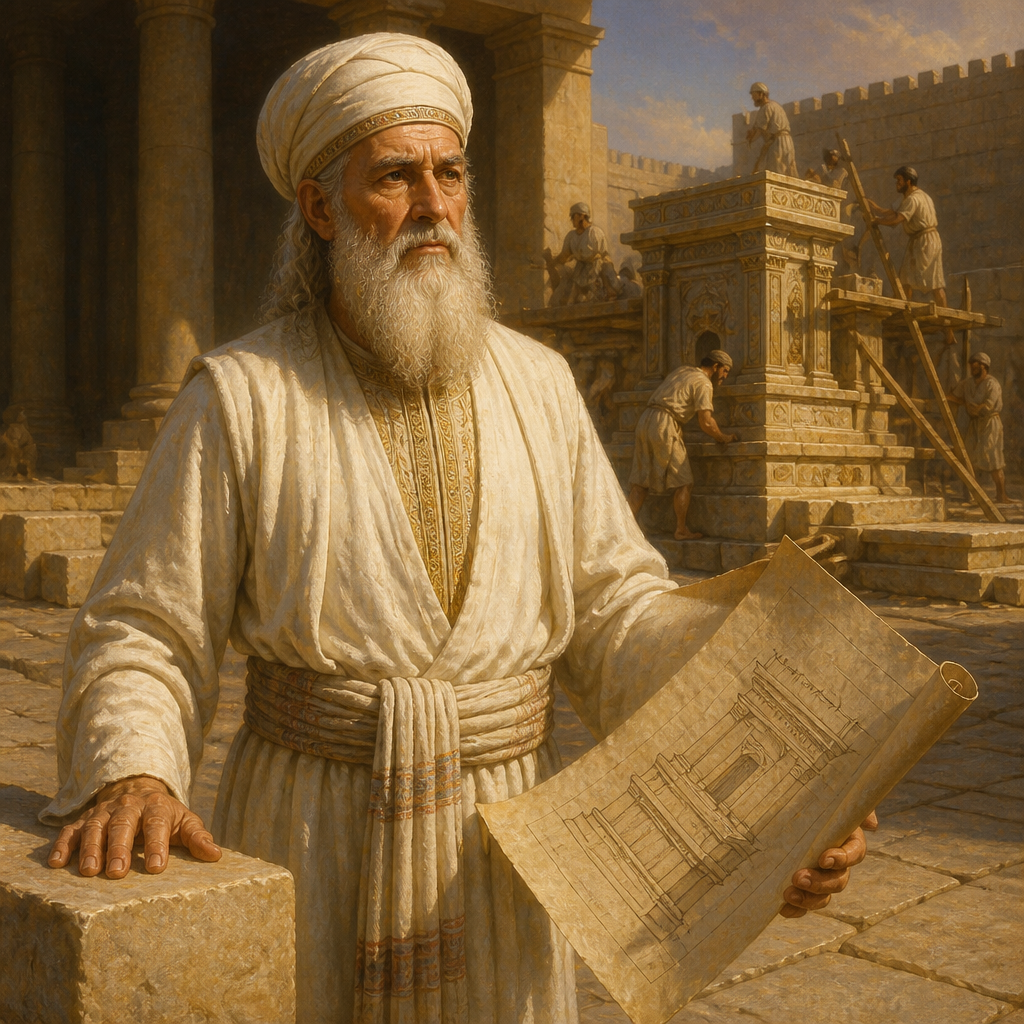
Uriah the Priest
Priest who built a foreign altar in the Temple of Jerusalem at the request of King Ahaz
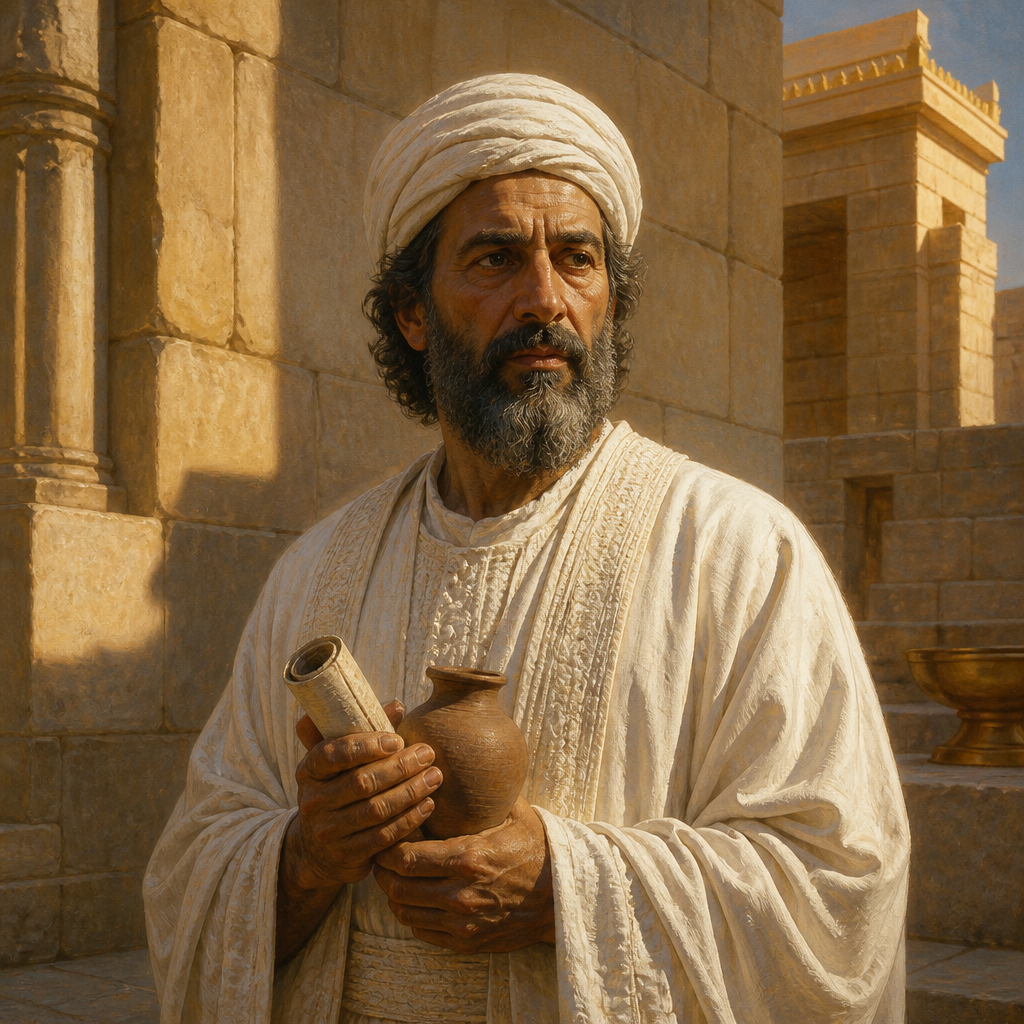
Ahitub, Levite of the Ancestral Line
Levite descendant of Amariah and father of Zadok in the high-priestly line
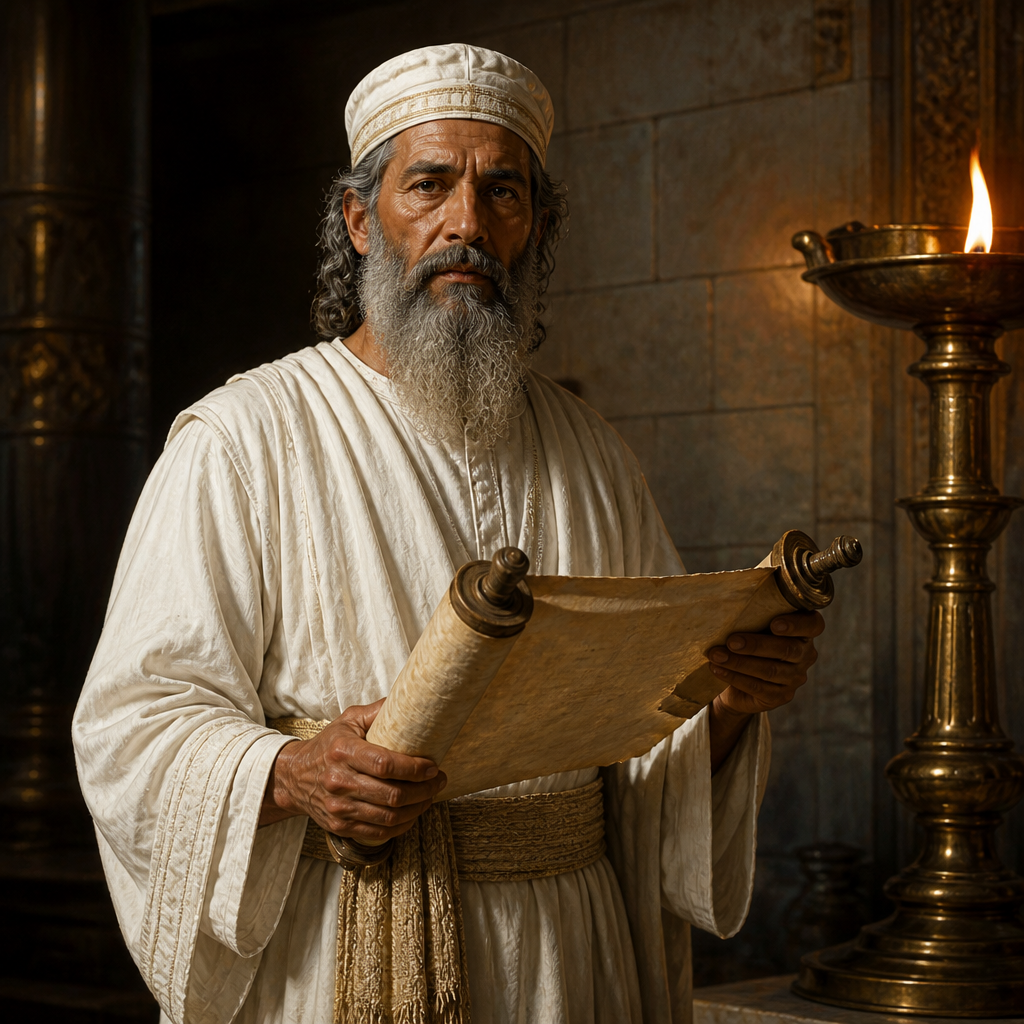
Zadok, Priest in the Line of Eleazar
Levite priest who maintained the high priestly lineage during the Divided Monarchy
Shallum, Father of Hilkiah
Priest of the line of Zadok and the father of High Priest Hilkiah
Hilkiah the High Priest
High Priest who found the Book of the Law in the Temple during the reign of King Josiah
Azariah, High Priest of the Divided Monarchy
Chief official of God's temple and father of the Chief Priest Seraiah
Seraiah the Chief Priest
Chief Priest of Jerusalem who was executed by Nebuchadnezzar after the fall of the Temple
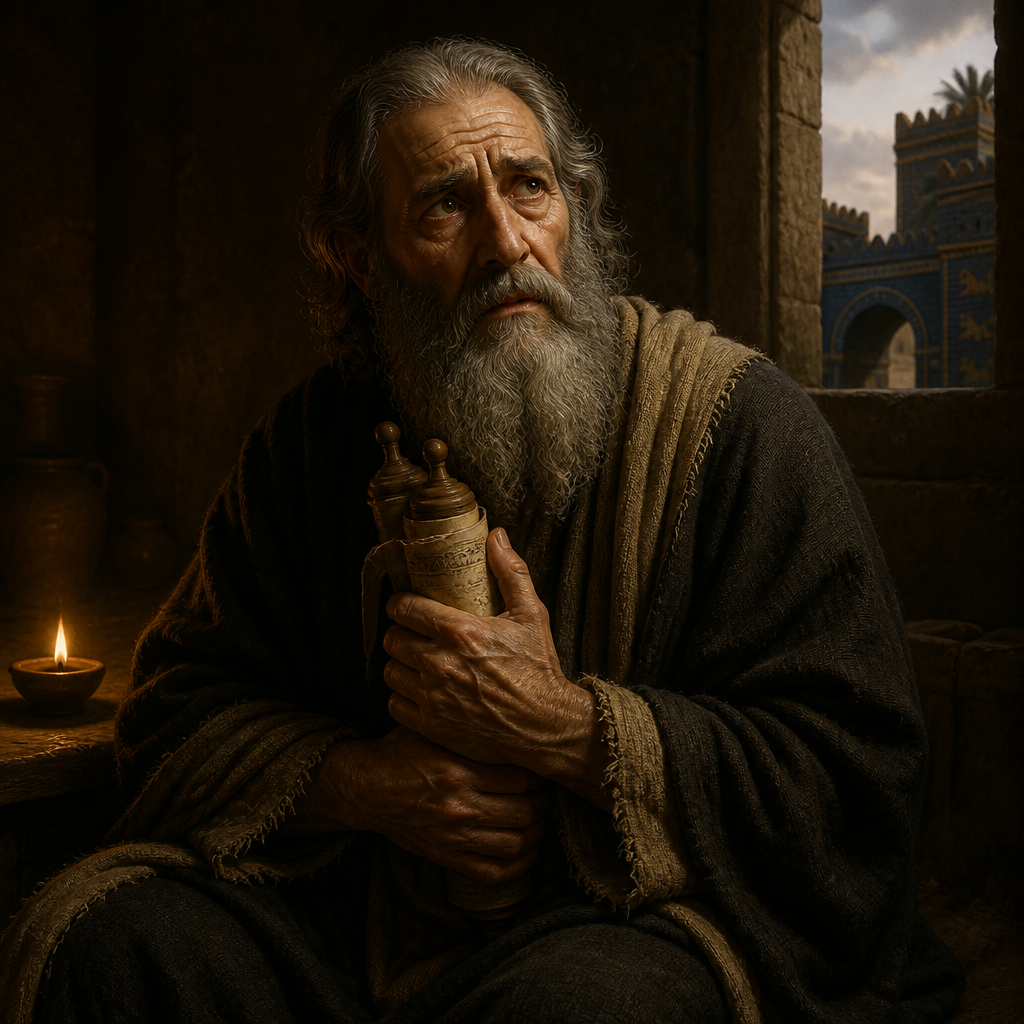
Jehozadak
Priestly bridge who was carried into Babylonian exile and fathered the High Priest of the Return
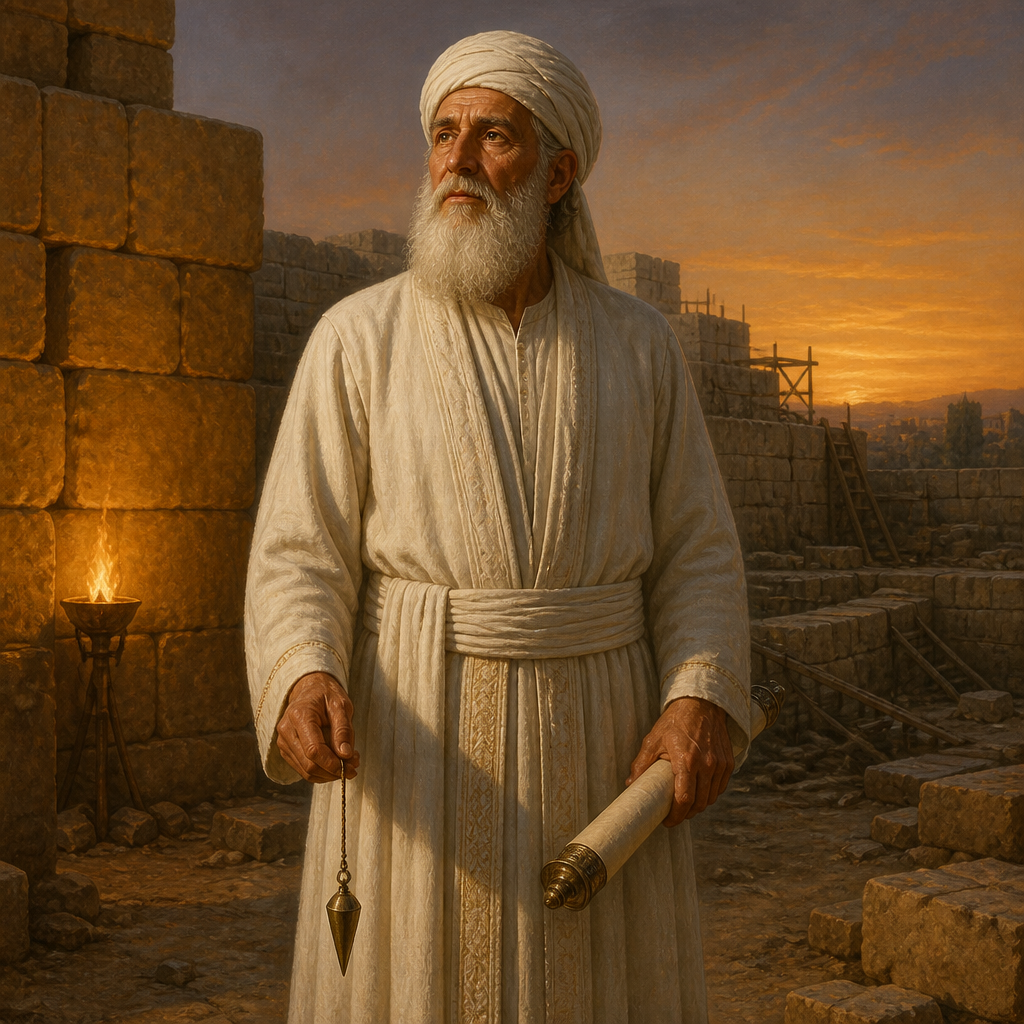
Joshua, High Priest of the Return
High Priest who led the return from Babylon and rebuilt the Second Temple
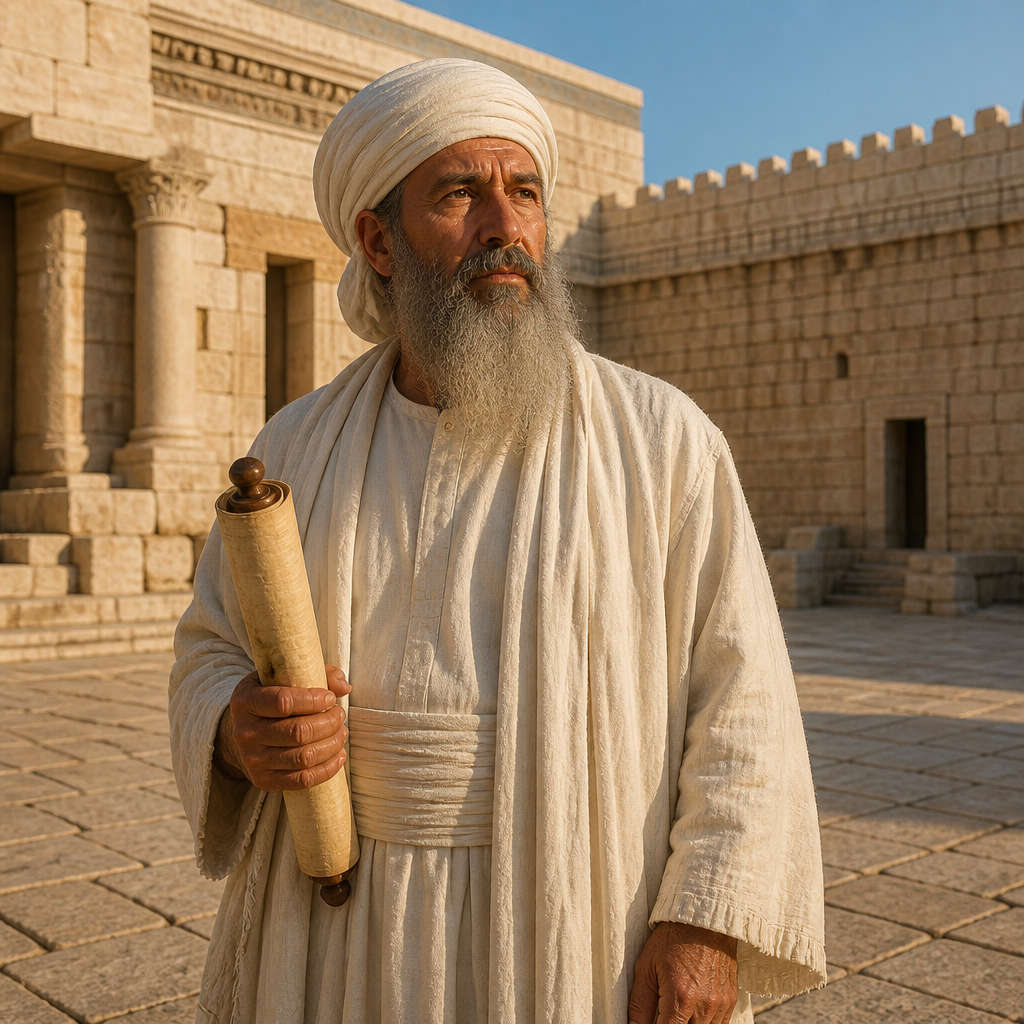
Joiakim
High priest who served between the time of Zerubbabel and the arrival of Nehemiah
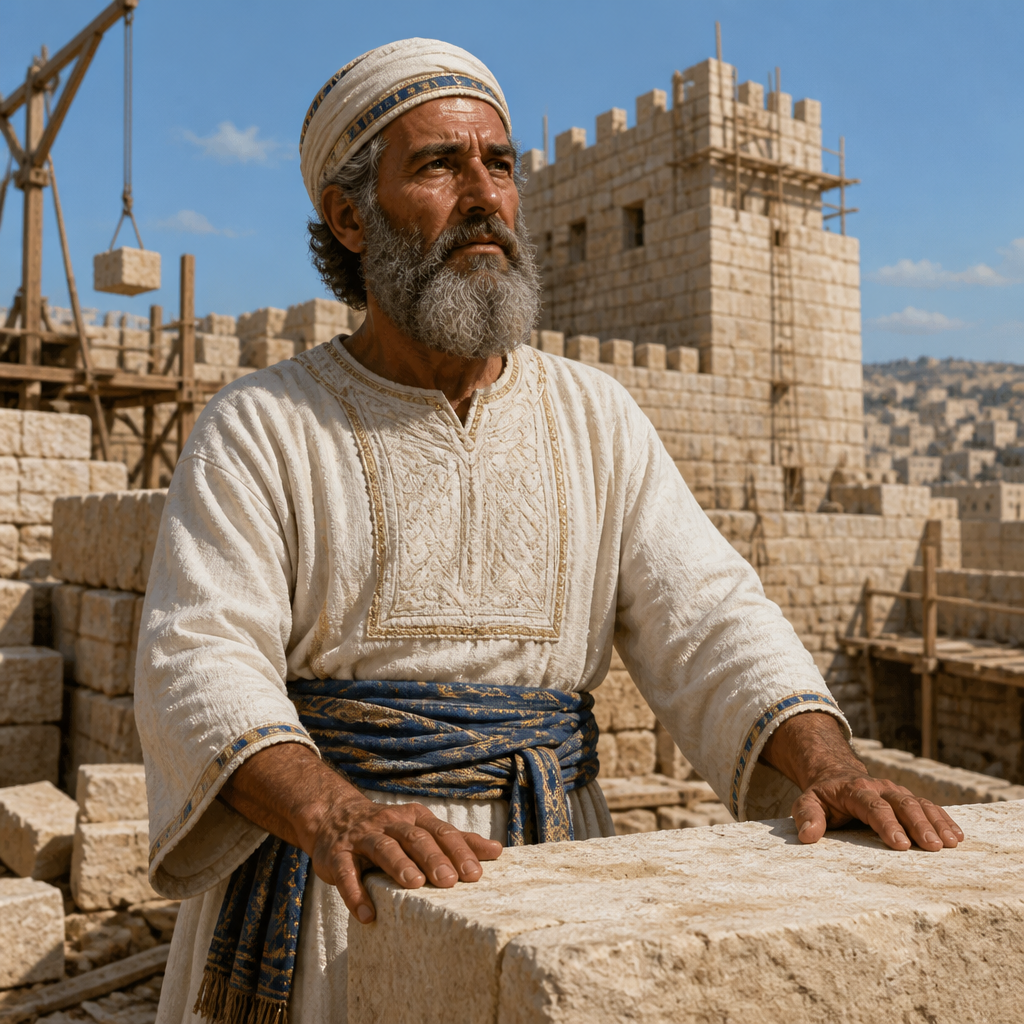
Eliashib, High Priest of the Sheep Gate
High priest who led the rebuilding of the Sheep Gate in Jerusalem
Joiada, High Priest of the Restoration
High priest whose son was expelled by Nehemiah for marrying the daughter of Sanballat
Johanan, High Priest in the Days of Nehemiah
Levitical family head whose name marks the conclusion of certain records in the Book of the Chronicles
Jaddua, High Priest of the Return
High priest who appears at the end of the genealogical list of the return from exile
Ahimelech, Son of Abiathar
Priest who assisted King David in organizing the divisions of the sanctuary service
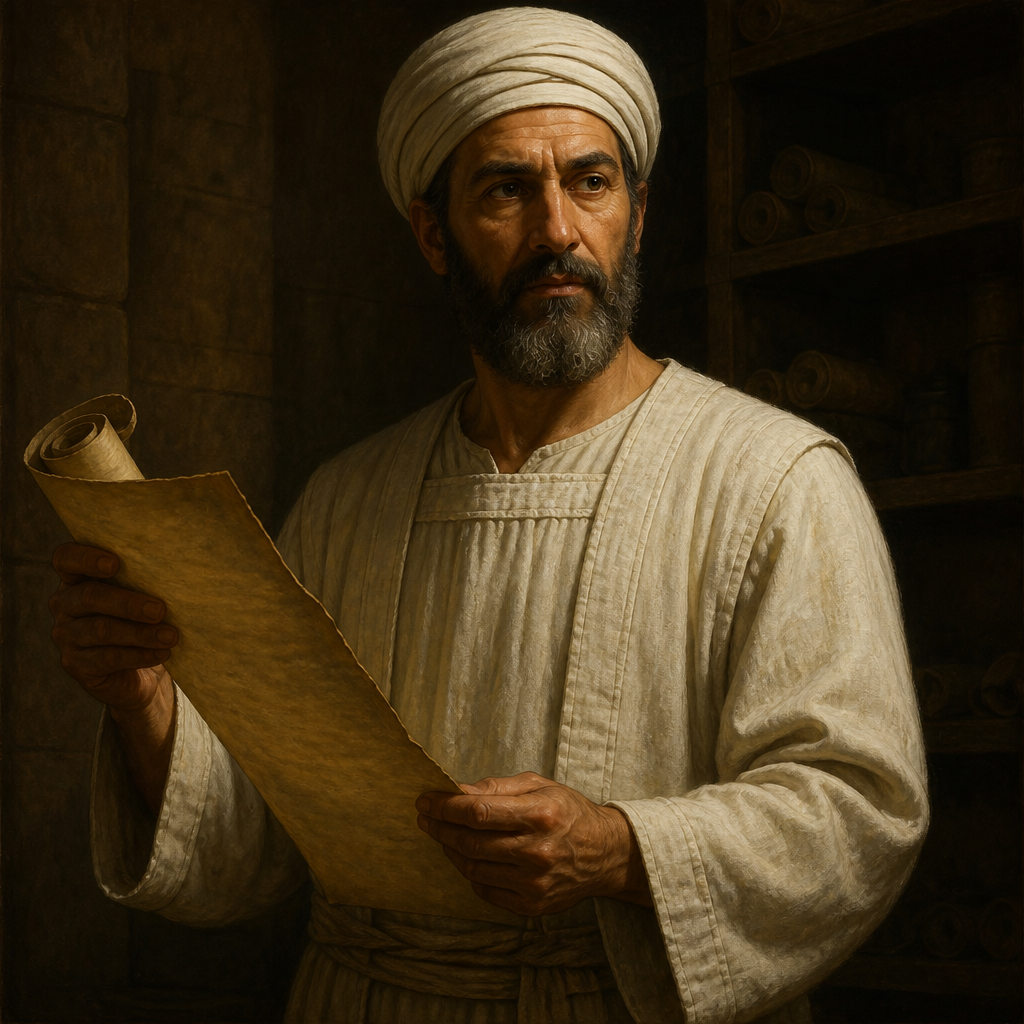
Ahitub, Father of Zadok
Levite of the line of Eleazar and the father of the High Priest Zadok
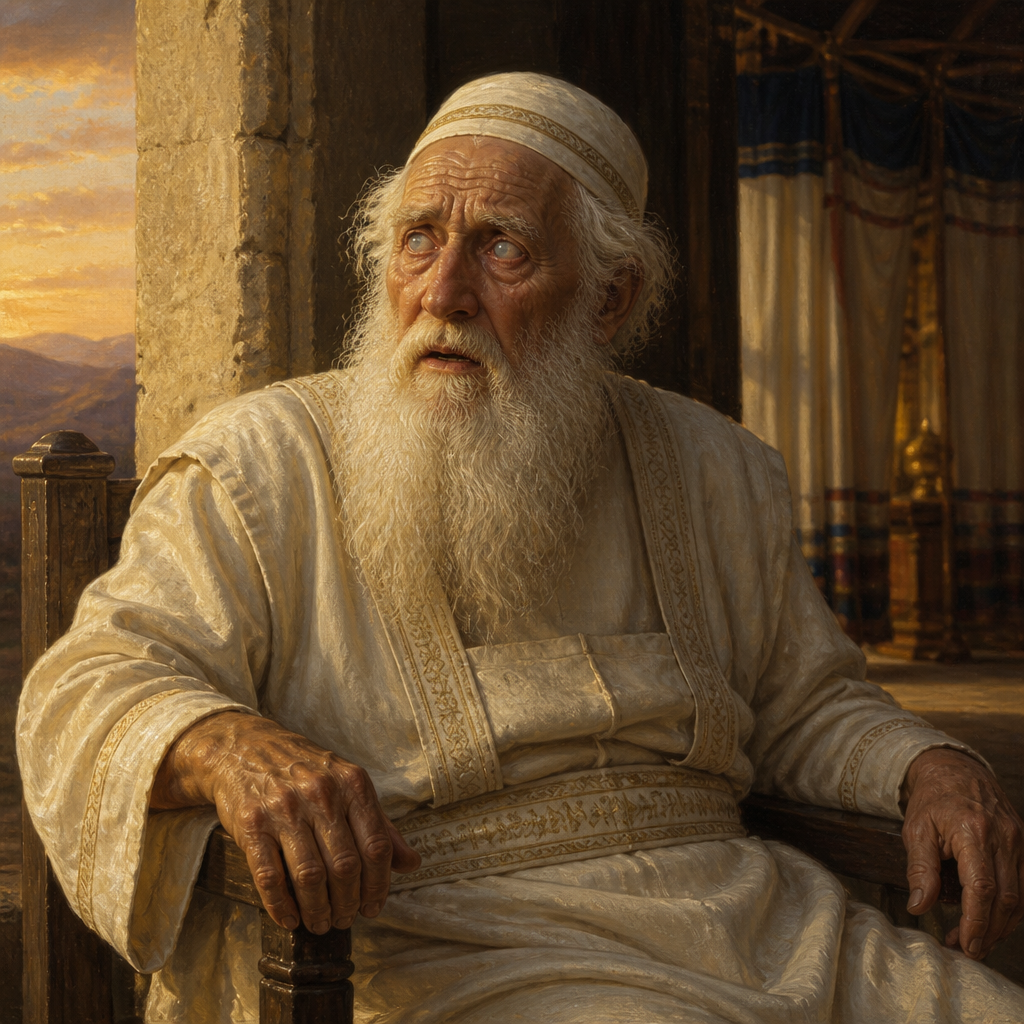
Eli
High Priest at Shiloh who mentored the prophet Samuel and suffered the loss of the Ark of the Covenant