Nation
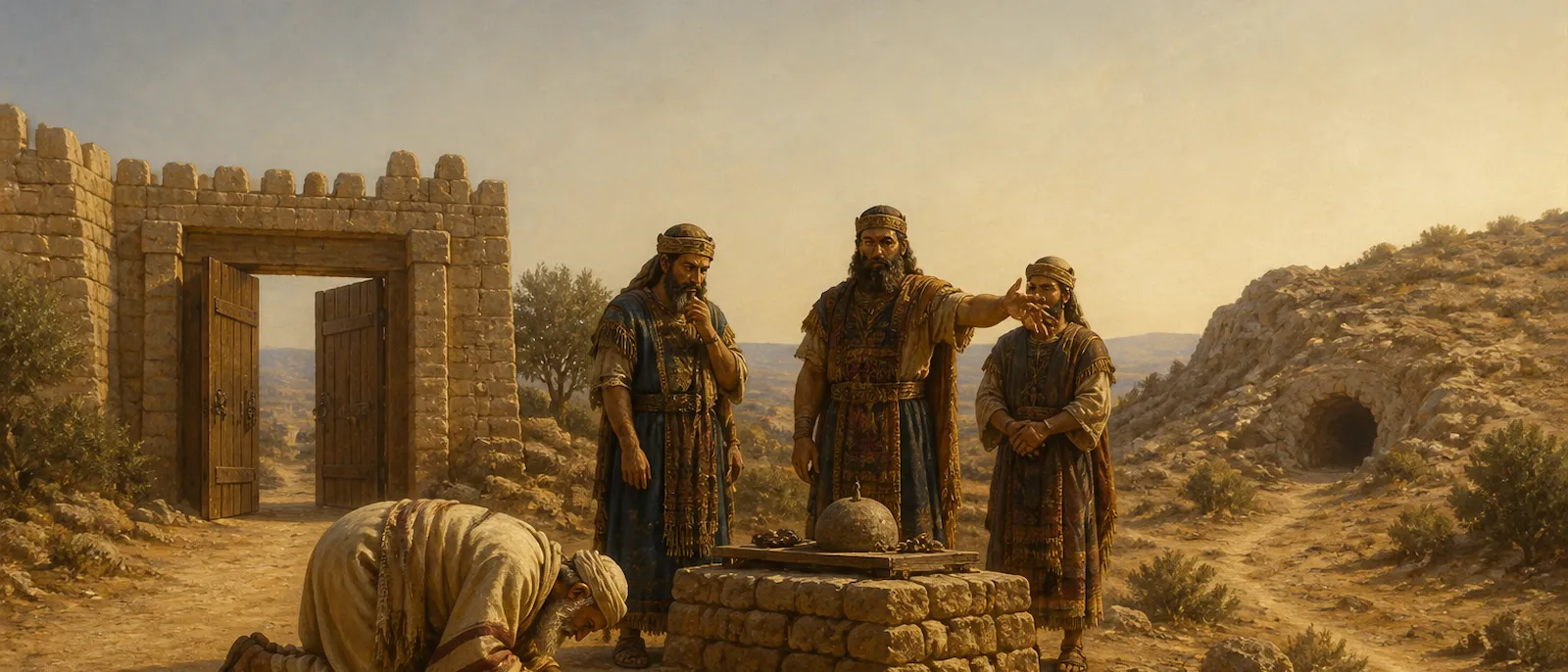
The Hittites
The people descended from Heth, present in Canaan from Abraham's day onward.
Scripture traces this people through Heth.
People of Hittites
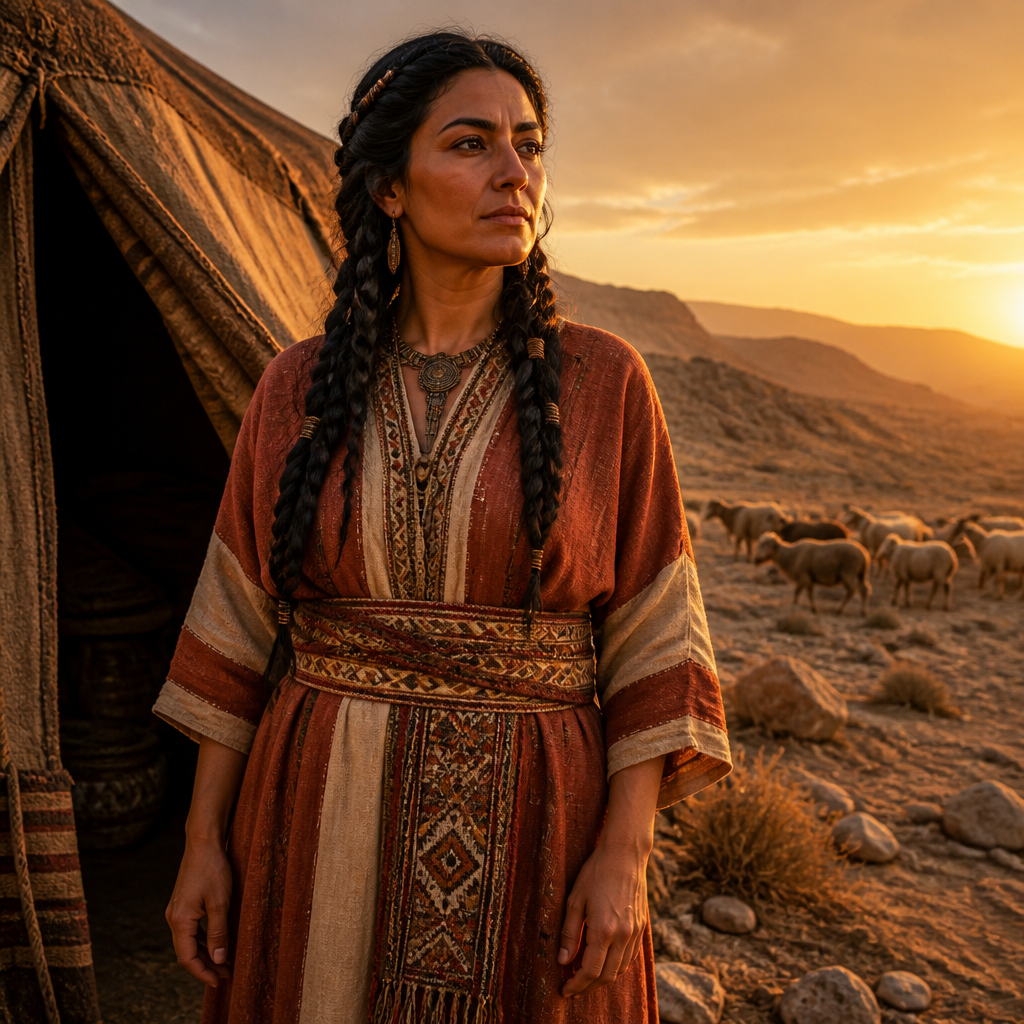
Adah, Wife of Esau
Wife of Esau and mother of his firstborn son Eliphaz
A Canaanite woman from the Hittite tribe who became a wife of Esau and a foundational matriarch of the Edomite nation through her son Eliphaz.
View profile →
Ahimelech the Hittite
Hittite soldier who served as a companion to David during his exile
Ahimelech the Hittite was a soldier and companion of David during his period of exile from King Saul, mentioned as a potential volunteer for a dangerous scouting mission.
View profile →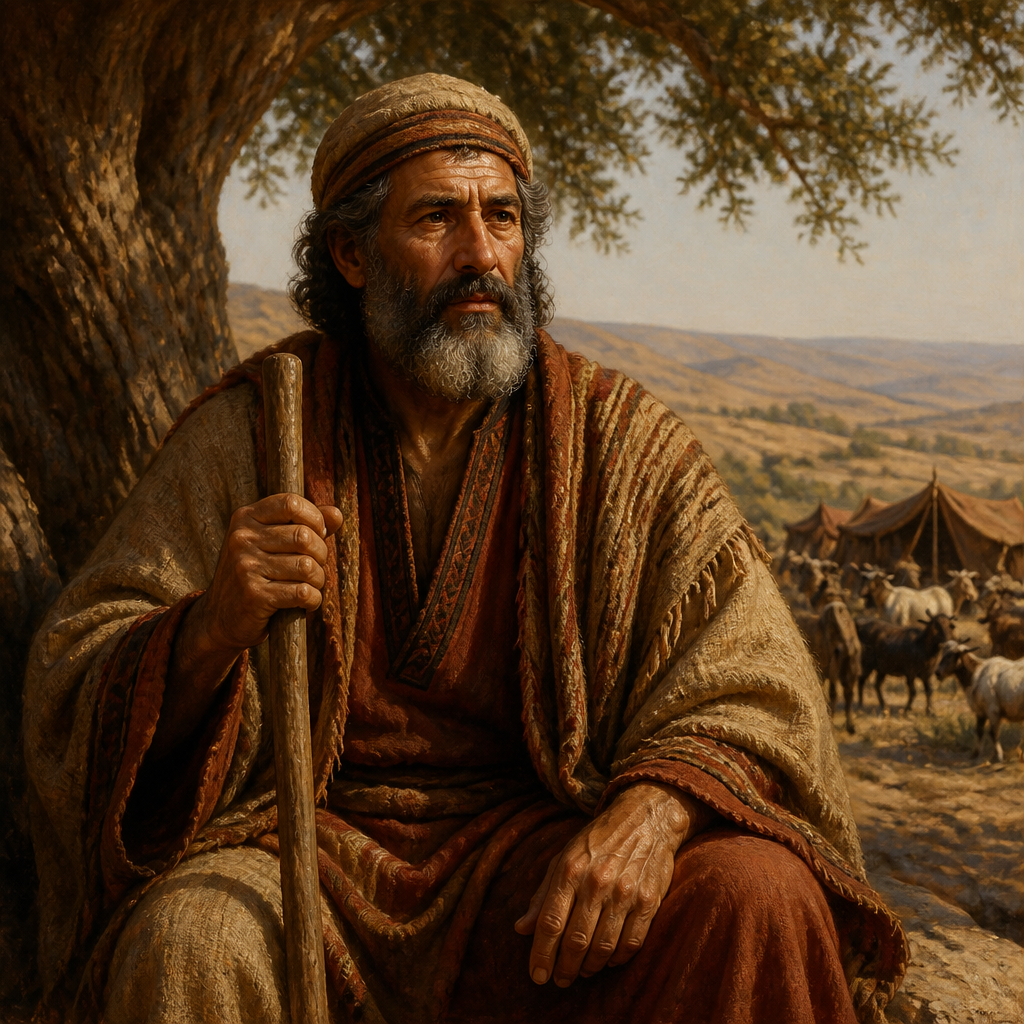
Beeri the Hittite
Hittite father of Judith, one of the wives of Esau
A Hittite patriarch during the era of Isaac, known primarily as the father of Judith, one of Esau's wives.
View profile →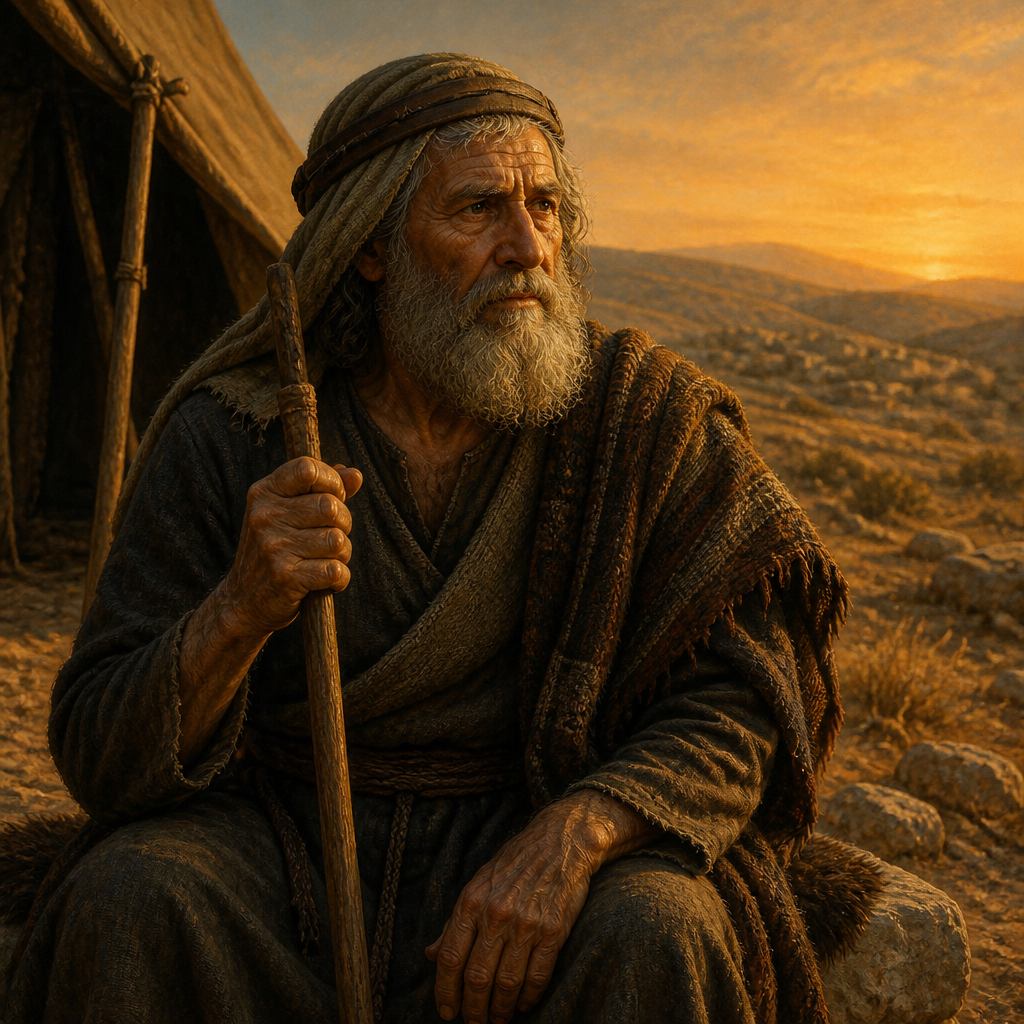
Elon the Hittite
Hittite patriarch whose daughter married the biblical patriarch Esau
Elon the Hittite was a Canaanite patriarch and the father of Basemath (also called Adah), who became one of the wives of the biblical patriarch Esau.
View profile →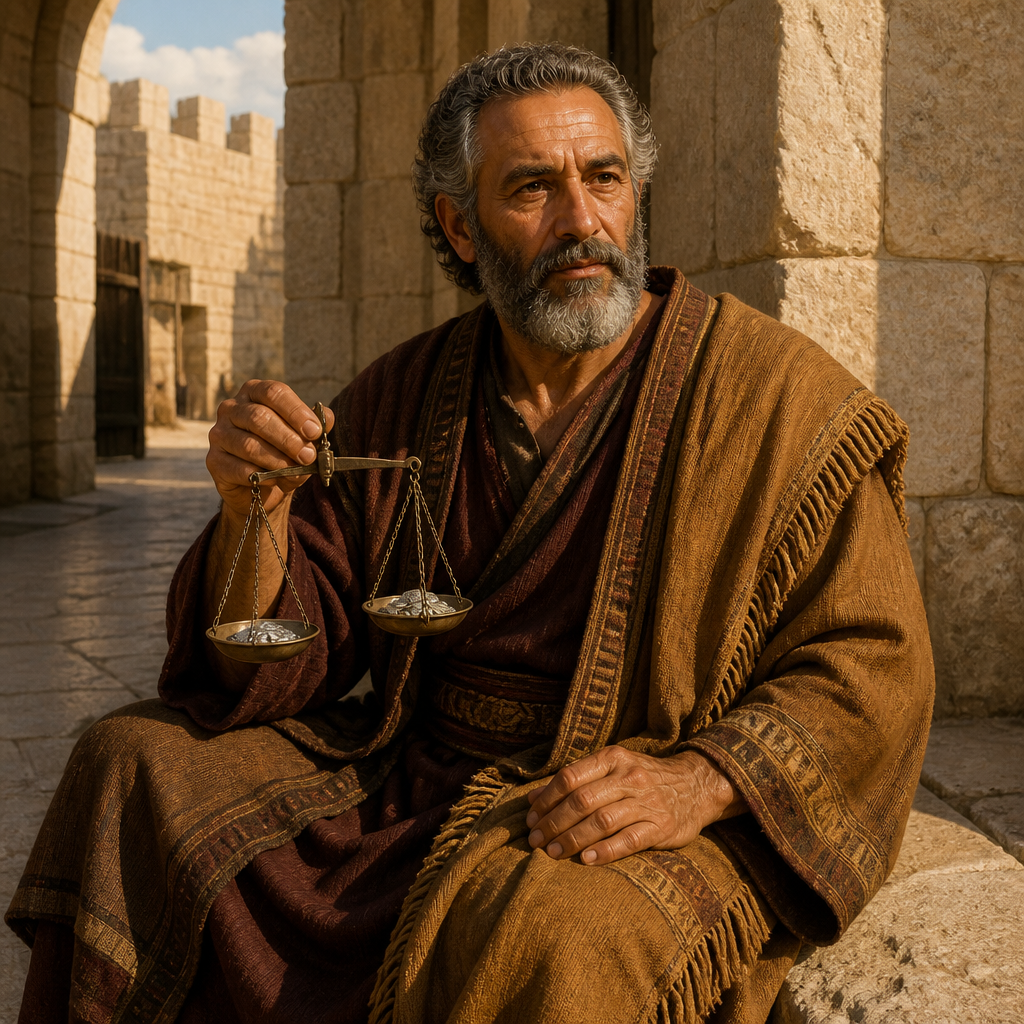
Ephron
Hittite landowner who sold the cave of Machpelah to Abraham
A Hittite landowner who sold the cave of Machpelah to Abraham as a permanent burial site for Sarah and the patriarchal family.
View profile →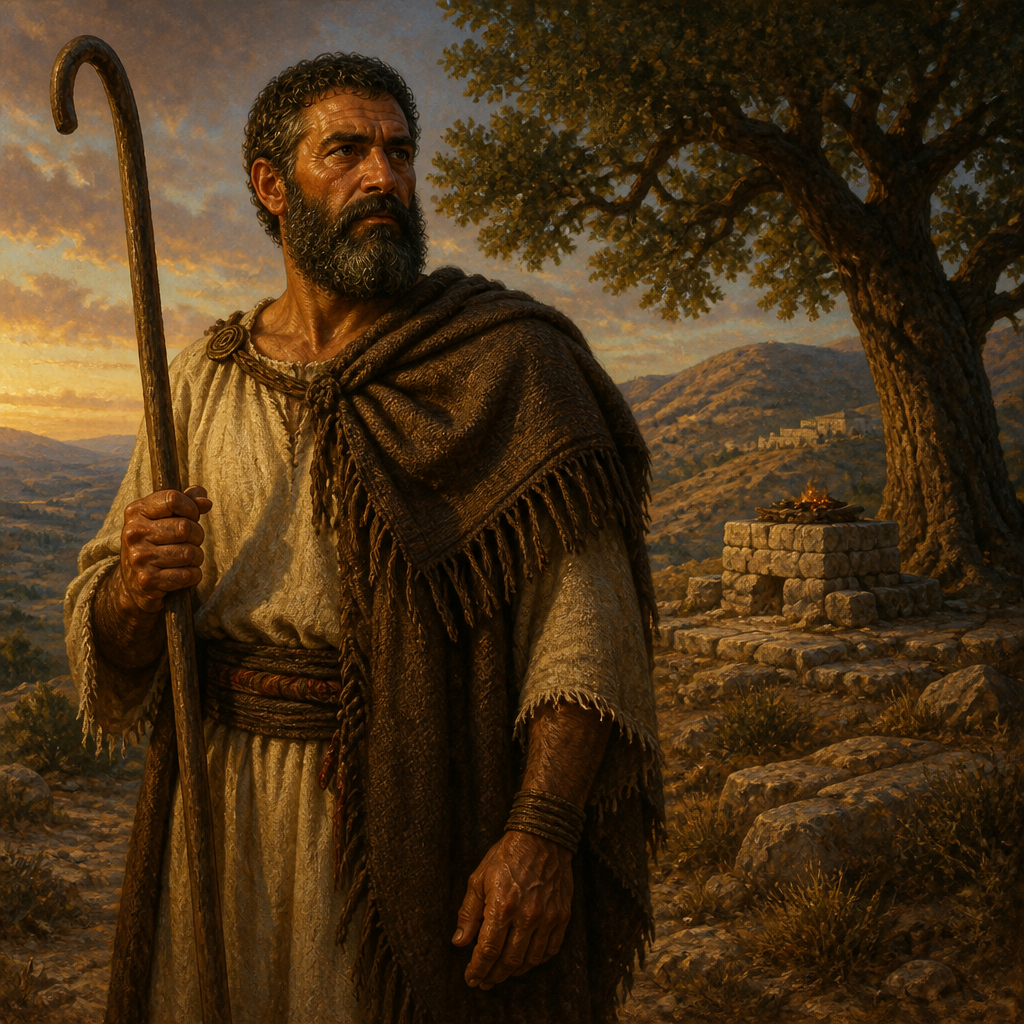
Heth
Patriarch who was the son of Canaan and ancestor of the Hittite people
Heth was the son of Canaan and the eponymous patriarch of the Hittites, a significant nation in the land of Canaan during the primeval era.
View profile →
Judith
Hittite wife of Esau whose marriage caused grief to Isaac and Rebekah
Judith was a Hittite woman who became one of the first two wives of Esau, the son of Isaac.
View profile →
Uriah the Hittite
Elite soldier and husband of Bathsheba whose integrity was met with betrayal by King David
A loyal elite soldier in King David’s army whose integrity served as a foil to the king's adultery and eventual plot to have him killed in battle.
View profile →
Zohar
Father of Ephron the Hittite
The father of Ephron the Hittite, Zohar is noted in the Patriarchal narratives for his association with the sale of the cave of Machpelah to Abraham.
View profile →