Nation
The Ammonites
The nation descended from Ben-ammi, son of Lot, neighbours and frequent rivals of Israel.
Scripture traces this people through Ben-ammi.
People of Ammonites
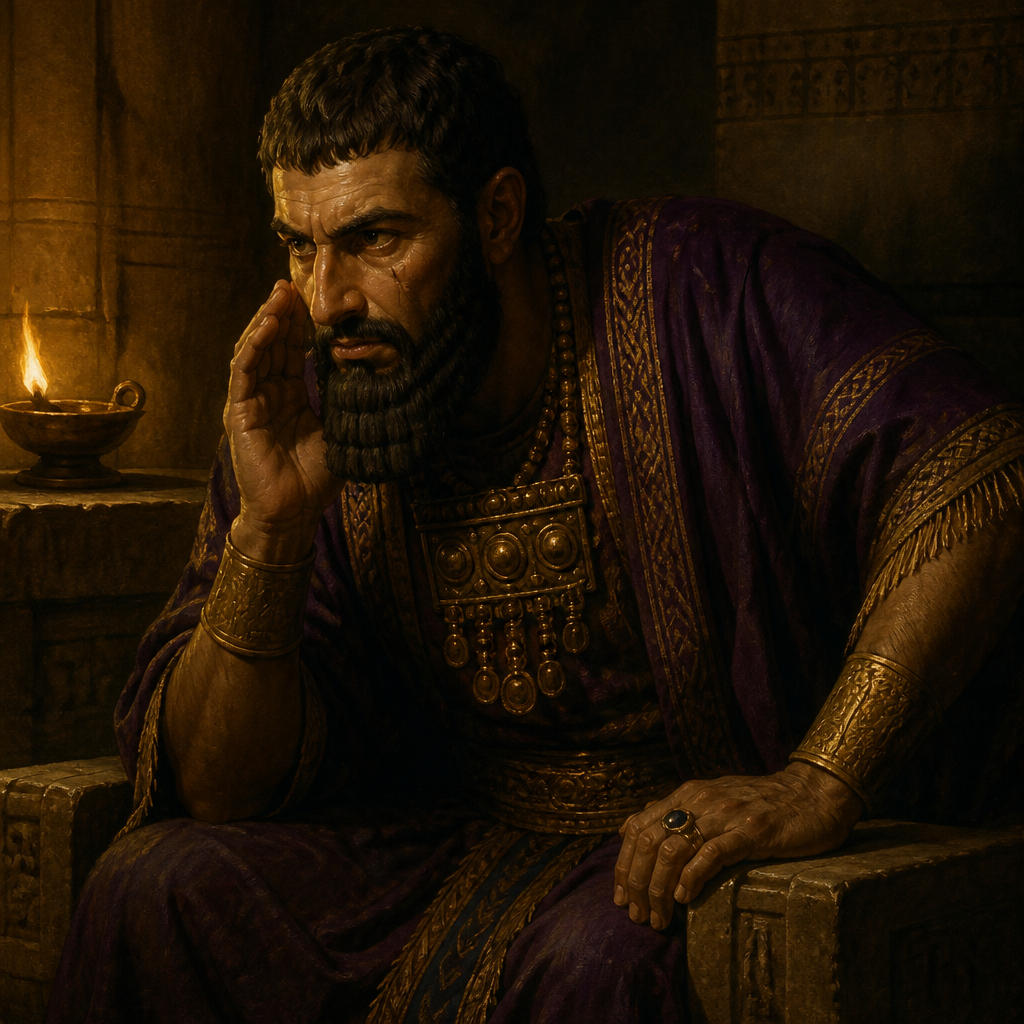
Baalis
King of the Ammonites who plotted the assassination of Gedaliah
Baalis was the king of the Ammonites who orchestrated the assassination of Gedaliah, the Babylonian-appointed governor of Judah, following the fall of Jerusalem.
View profile →
Ben-ammi
Patriarch who founded the nation of the Ammonites
The son of Lot and his younger daughter, recognized as the eponymous patriarch of the Ammonite nation.
View profile →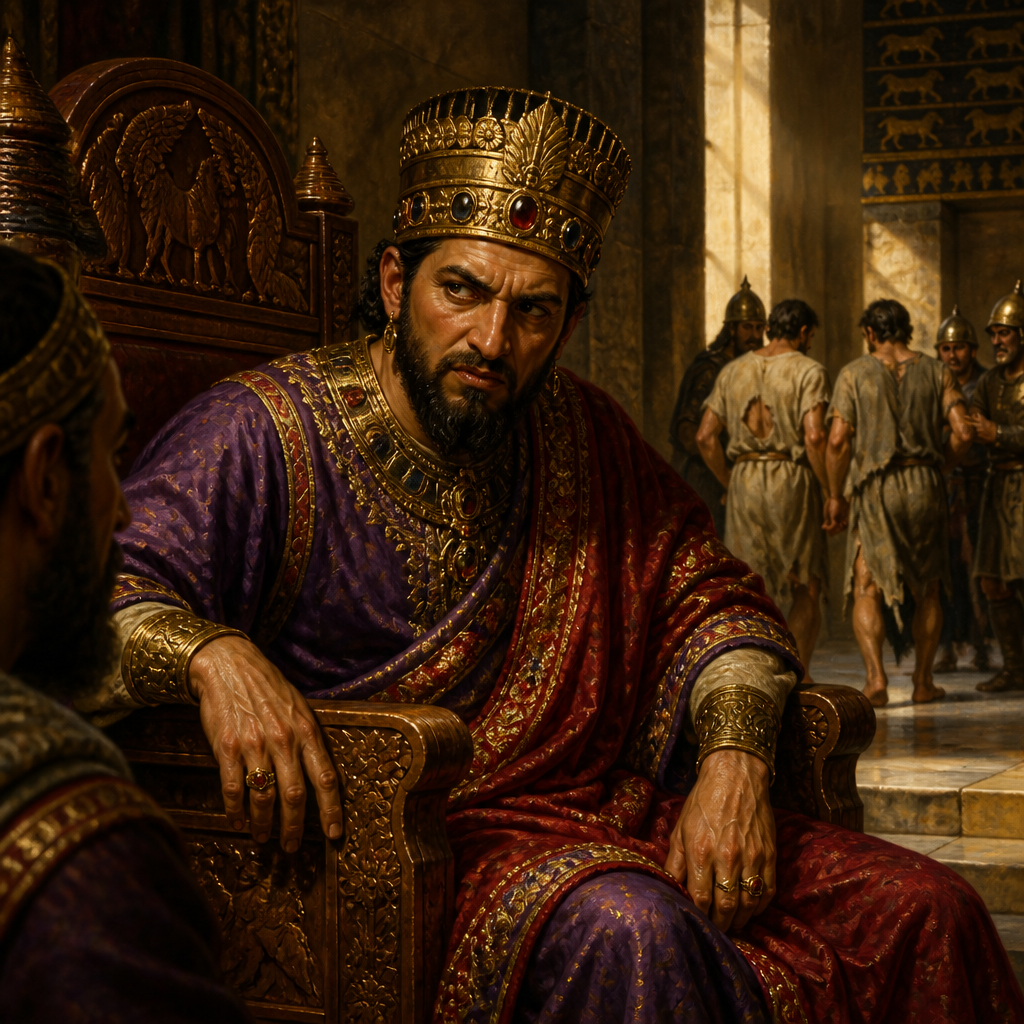
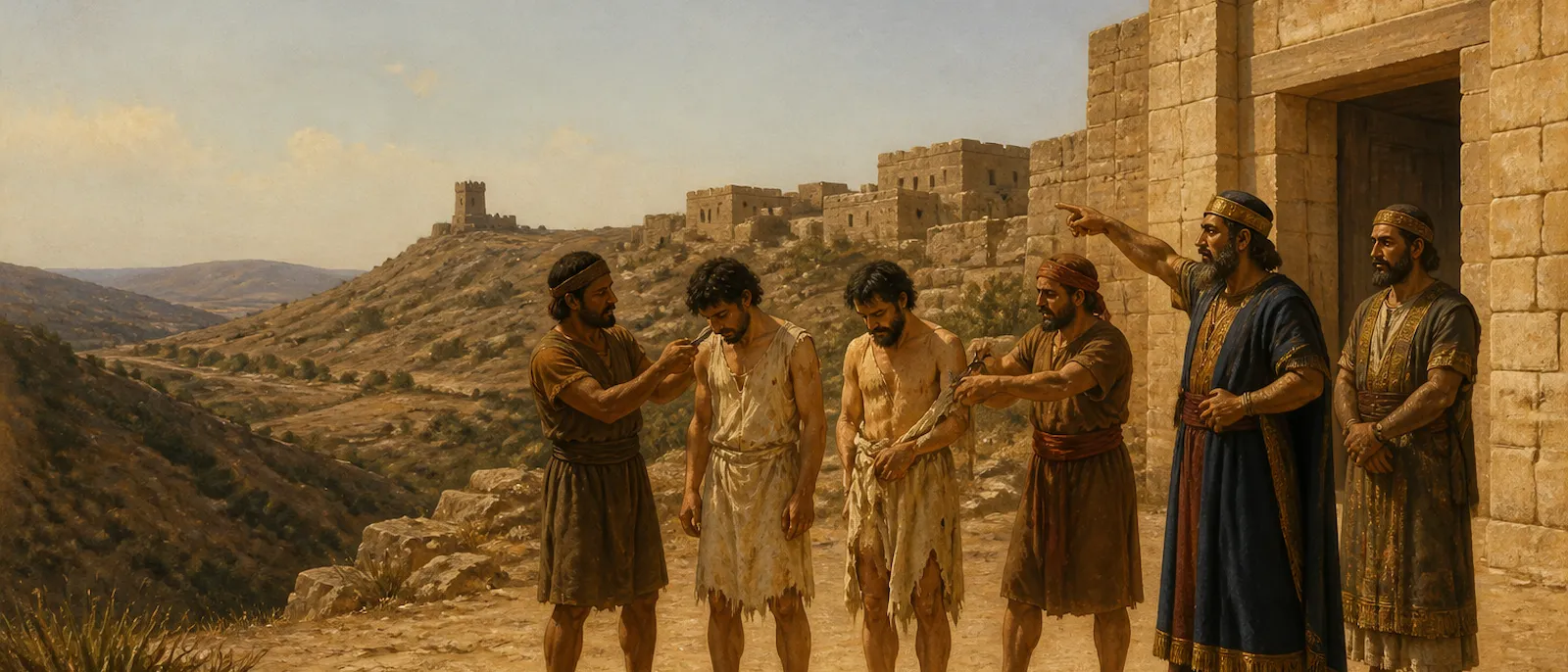
Hanun, King of the Ammonites
King of Ammon who humiliated David’s ambassadors by shaving their beards and cutting their clothes
The son of Nahash and King of Ammon whose mistreatment of King David's ambassadors triggered a major regional war during the United Monarchy.
View profile →
Jehohanan, Son of Tobiah
Son of Tobiah the Ammonite whose marriage created a political alliance against Nehemiah
An Ammonite-Judahite noble whose marriage into a prominent Jewish family facilitated his father's subversive influence in Jerusalem during the time of Nehemiah.
View profile →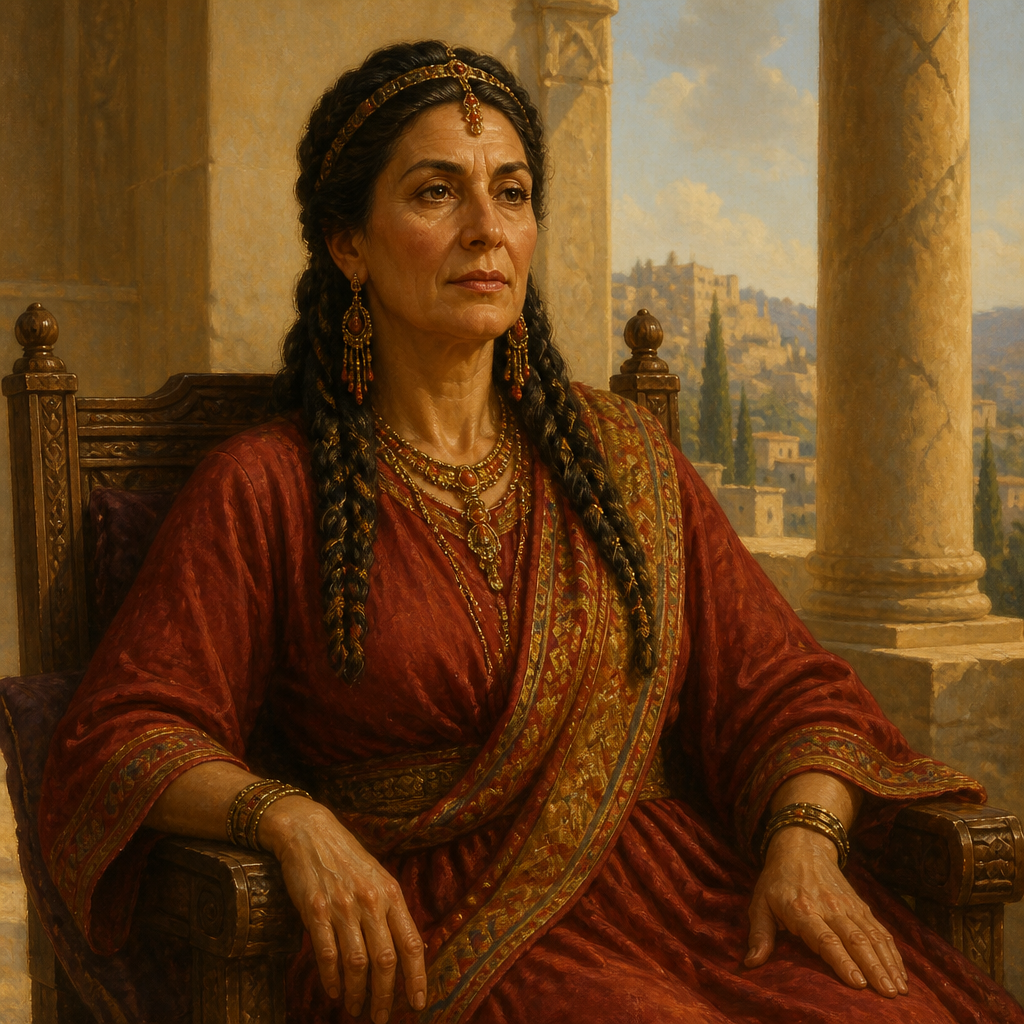
Naamah the Ammonite
Ammonite wife of Solomon and mother of King Rehoboam
The Ammonite wife of King Solomon and the mother of King Rehoboam during the transition from the United Monarchy to the Divided Monarchy.
View profile →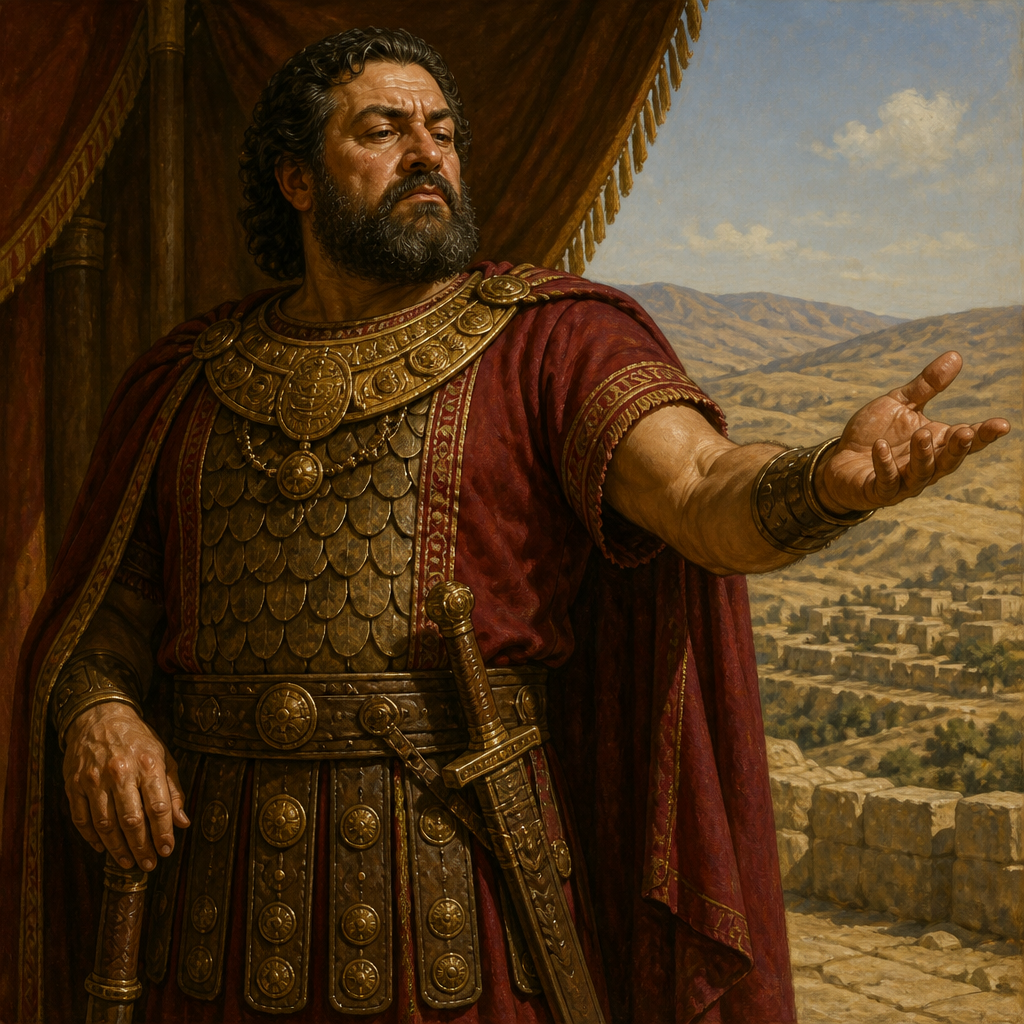
Nahash the Ammonite (1 Samuel 11)
King of the Ammonites who besieged Jabesh-gilead and demanded the right eyes of its inhabitants
An Ammonite king whose cruel siege of Jabesh-gilead served as the catalyst for the consolidation of Saul’s kingship over Israel.
View profile →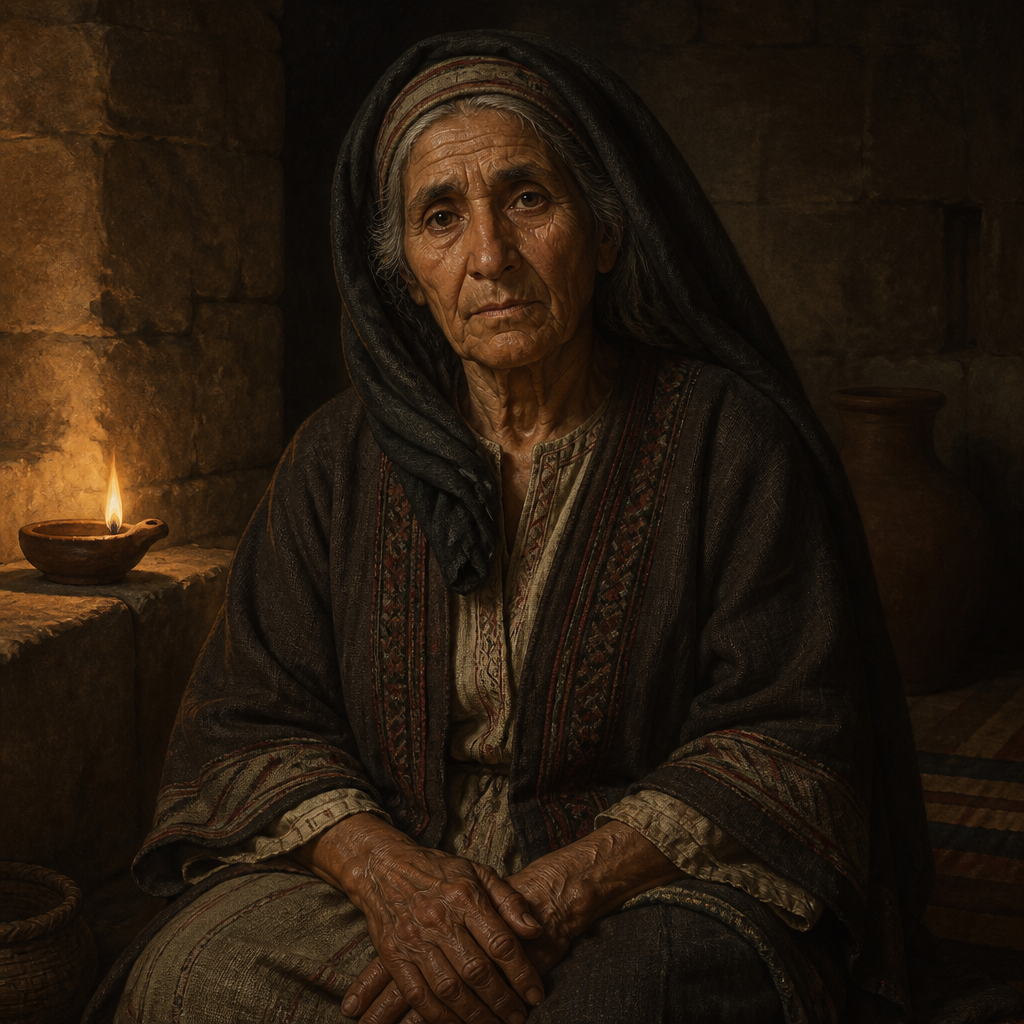
Shimeath
Ammonite mother of Jozacar who assassinated King Joash
An Ammonite woman during the Divided Monarchy whose son, Jozacar (Zabad), was one of the two officials who assassinated King Joash of Judah.
View profile →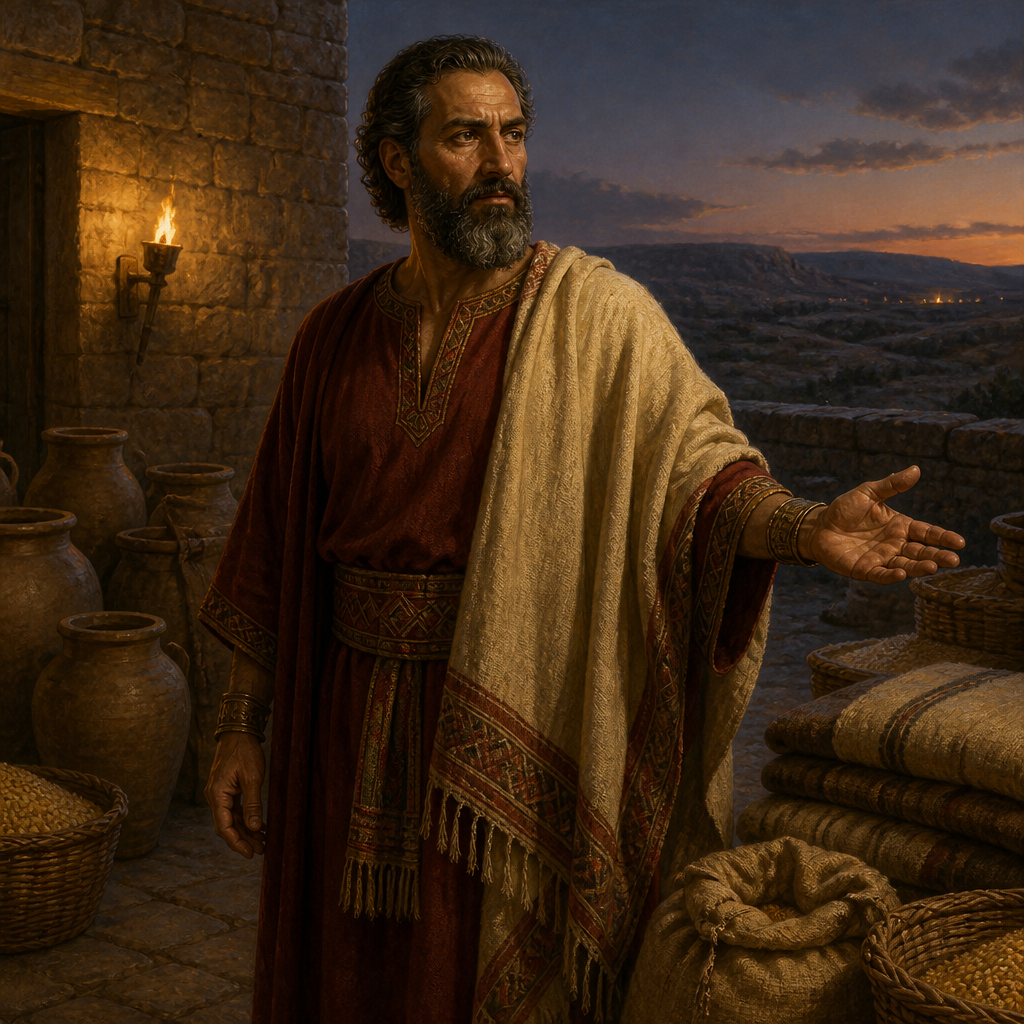
Shobi
Ammonite prince who provided food and bedding for King David during Absalom's rebellion
An Ammonite nobleman and son of Nahash who provided essential provisions to King David during the rebellion of Absalom.
View profile →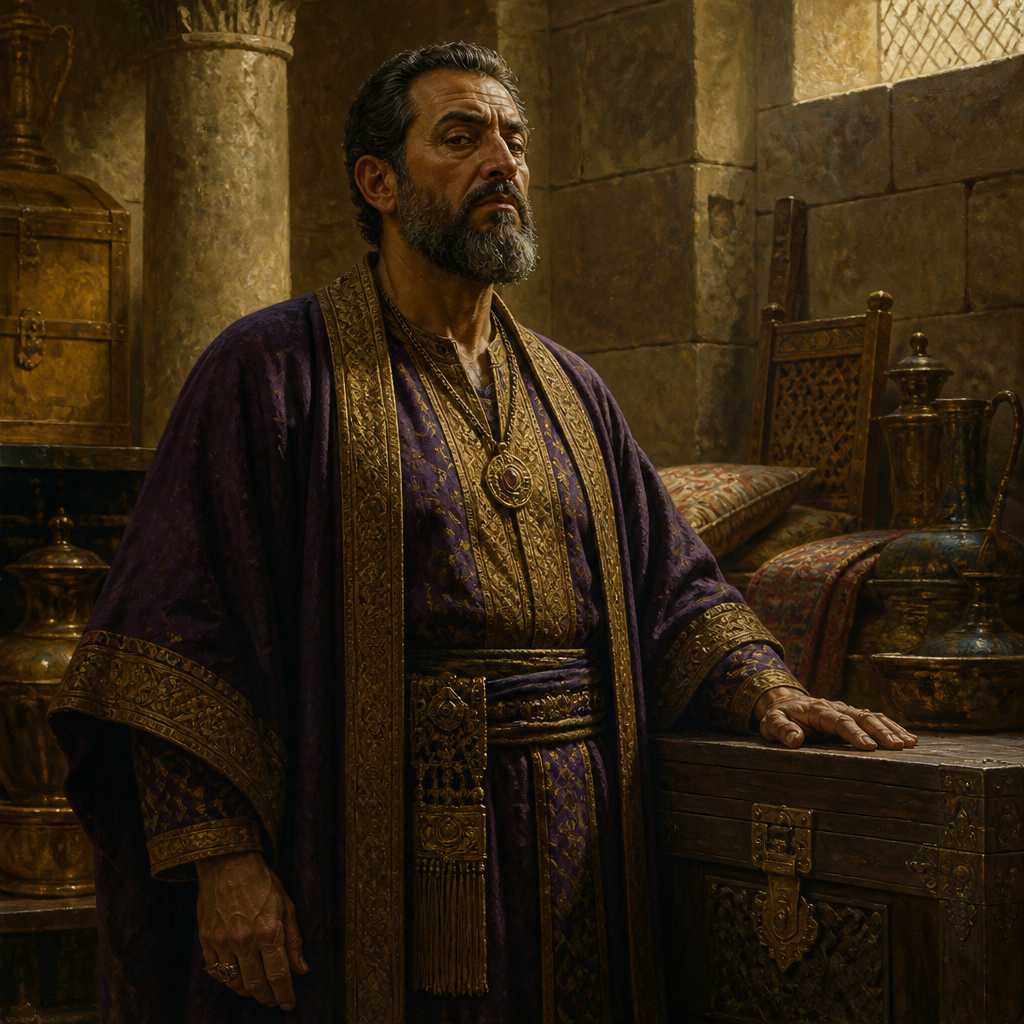
Tobiah the Ammonite official
Ammonite official who opposed Nehemiah and illegally occupied a storeroom in the Jerusalem Temple
An Ammonite official and influential adversary who persistently opposed Nehemiah’s efforts to rebuild the walls of Jerusalem during the Post-Exilic Period.
View profile →
Zelek
Ammonite warrior who became one of King David's Mighty Men
Zelek the Ammonite was an elite foreign warrior and member of King David's legendary inner circle of military heroes known as 'The Thirty.'
View profile →