Ben-ammi
Who was Ben-ammi in the Bible?
The son of Lot and his younger daughter, recognized as the eponymous patriarch of the Ammonite nation.
Ben-ammi is a figure appearing briefly in the Book of Genesis, identified as the son of Lot and his younger daughter. His birth occurs in the aftermath of the destruction of Sodom and Gomorrah, a period characterized by the isolation of Lot’s family in the hill country near Zoar. The narrative portrays him as one of two sons born through incestuous circumstances intended by Lot's daughters to preserve their father's lineage.
Historically and genealogically, Ben-ammi serves as the foundational ancestor of the Ammonites, a people group that would frequently interact—and often conflict—with the Israelites in the centuries following the Exodus. While his personal biography is confined to a single verse, his identity is inextricably linked to the geopolitical identity of the nation that bears his name.
Background and Family
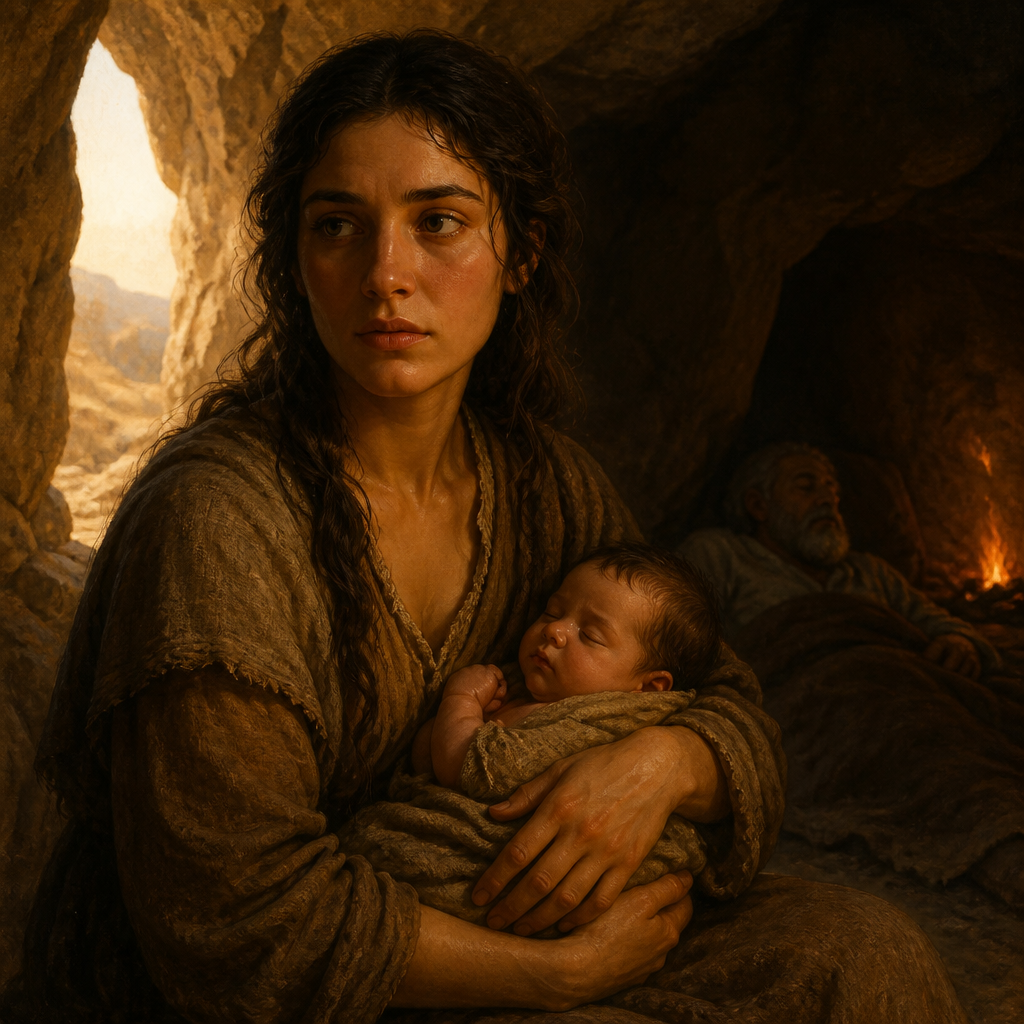
The account of Ben-ammi’s origins is found in Genesis 19, following the divine judgment upon the cities of the plain. After Lot and his two daughters fled Sodom and reached the small town of Zoar, they eventually transitioned to living in a cave in the mountains. Believing that no men remained on earth to provide them with children, the daughters conspired to preserve their family line through their father. Ben-ammi was the result of the younger daughter’s union with Lot. His name, Ben-ammi, is often translated from Hebrew as "son of my people," a designation reflecting the daughter's intent to maintain her kin group.
Major Life Events
The biblical record for Ben-ammi is strictly genealogical and focuses entirely on his birth and his role as a progenitor. Aside from the circumstances of his naming and his parentage, the text provides no details regarding his childhood, adulthood, or death. The narrative’s primary function is to establish the ethnic and familial link between the Israelites (descendants of Abraham, Lot’s uncle) and the Ammonites.
"The younger daughter also gave birth to a son, and she named him Ben-ammi. He is the father of the Ammonites of today." (Genesis 19:38)
Relationship to Other Biblical Figures
Ben-ammi is the half-brother and cousin of Moab, the son of Lot’s elder daughter. Together, Ben-ammi and Moab represent the origins of two Transjordanian nations: Ammon and Moab. Through his father Lot, Ben-ammi is the grand-nephew of the patriarch Abraham. This shared ancestry is significant in later biblical law and history, as the Israelites were occasionally commanded to show restraint toward the Ammonites due to their status as "descendants of Lot."
Spiritual Significance
In the context of the Pentateuch, Ben-ammi represents a complex intersection of divine preservation and human moral failure. While his birth is recorded within a narrative of trauma and moral compromise, the text acknowledges him as the legitimate source of a distinct nation. His existence provides the theological and historical rationale for the proximity and tension between Israel and Ammon. He stands as a reminder of the far-reaching consequences of the collapse of Sodom and the subsequent choices made by those who survived its ruin.
Ben-ammi’s primary significance lies in his role as the eponymous ancestor of the Ammonites. By recording his lineage, the Book of Genesis explains the ethnic relationship between Israel and one of its closest, yet often most hostile, neighbors. This genealogical connection informed Israel’s later diplomatic and military interactions with the Ammonites during the conquest and the monarchic period.
Theologically, Ben-ammi’s story underscores the theme of 'nations from brothers' found throughout Genesis. Similar to the relationship between Jacob and Esau, the link between Isaac (through Abraham) and Ben-ammi (through Lot) highlights a shared heritage that complicates their historical animosity.
Frequently Asked Questions
What does the name Ben-ammi mean?
The name Ben-ammi (בֶּן־עַמִּי) is Hebrew for 'son of my people' or 'son of my kin'.
Who was Ben-ammi's father?
His father was Lot, the nephew of Abraham.
Which nation descended from Ben-ammi?
He is the father of the Ammonites, a people who lived east of the Jordan River.
Who was Ben-ammi's brother?
His elder half-brother and cousin was Moab, the father of the Moabites.
Family & Relationships
Parents
 LotFatherGenesis 19:36–38Stated
 The Younger Daughter of LotMotherGenesis 19:38Stated
 Ben-ammiThis page
 MoabBrotherGenesis 19:36–38Stated
Extended family
 AbrahamGreat-UncleGenesis 11:26
Inferred
No verse names Abraham and Ben-ammi together; the great-nephew link is carried from the surrounding genealogy and is not stated in Scripture.Evidence: Genesis 11:26
Connected Figures
Family
Father · Genesis 19:36–38
Lot was the nephew of Abraham who settled in the Jordan Valley, escaped the destruction of Sodom, and became the progenitor of the Moabites and Ammonites.
Mother · Genesis 19:38
The younger daughter of Lot was a woman of the Patriarchal era who became the ancestral mother of the Ammonite nation through her son, Ben-ammi.
Brother · Genesis 19:36–38
Moab was the firstborn son of Lot by his eldest daughter and the eponymous progenitor of the Moabite nation.
Great-Uncle · Genesis 11:26
The first of the three biblical patriarchs and the father of the nation of Israel, known for his unwavering faith and his covenant relationship with God.
PatriarchsFirst: Genesis 11:26296 versesPatriarch, nomad, wealthy livestock owner
Categories
Mentions by Book
- Genesis4
Scripture References
All 4 indexed verses, in canonical order, from the Berean Standard Bible.
Genesis · 4
- Genesis 11:26Partial
When Terah was 70 years old, he became the father of Abram, Nahor, and Haran.
Cited as evidence on a family card; added so References, Key Verses and Mentions by Book share one index.
- Genesis 19:36Partial
Thus both of Lot’s daughters became pregnant by their father.
Cited as evidence on a family card; added so References, Key Verses and Mentions by Book share one index.
- Genesis 19:37Partial
The older daughter gave birth to a son and named him Moab. He is the father of the Moabites of today.
Cited as evidence on a family card; added so References, Key Verses and Mentions by Book share one index.
- Genesis 19:38
The younger daughter also gave birth to a son, and she named him Ben-ammi. He is the father of the Ammonites of today.