Ammihud, Father of Pedahel
Who was Ammihud, Father of Pedahel, in the Bible?
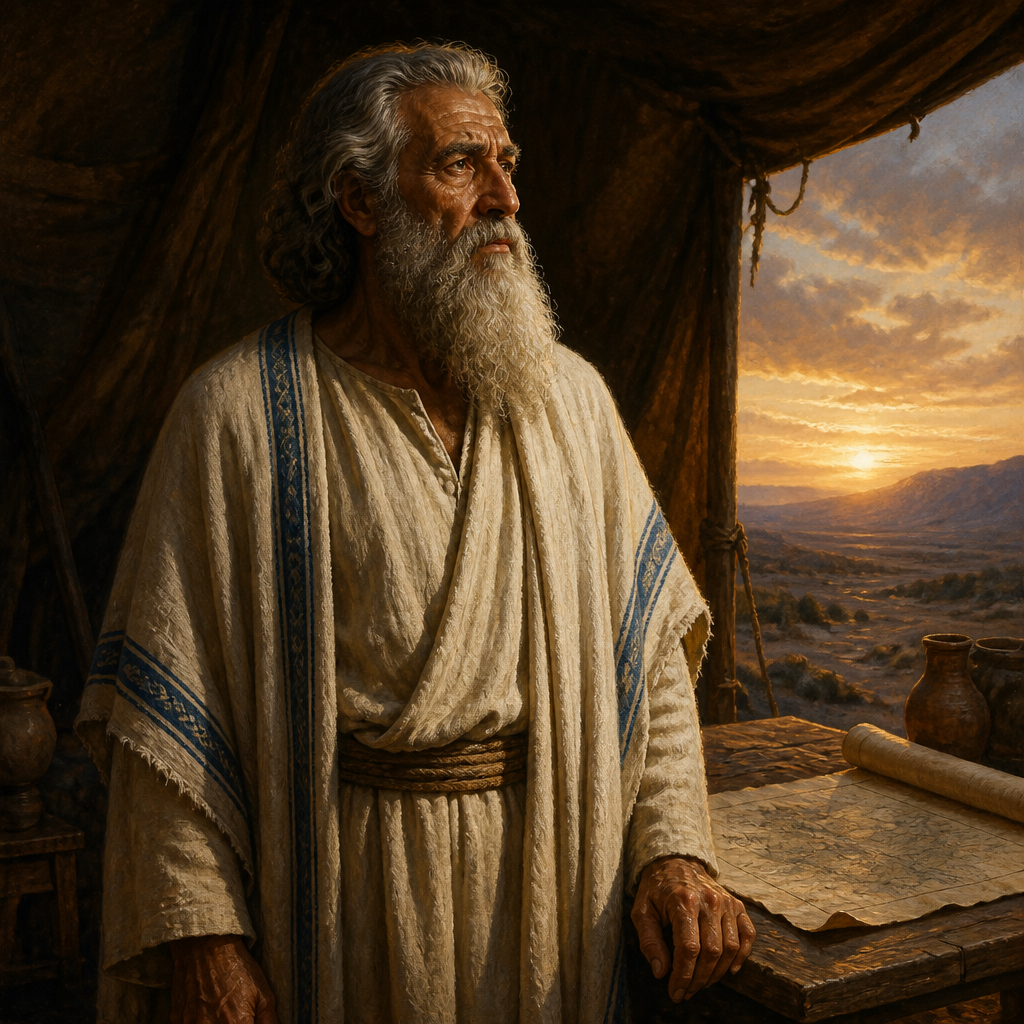
Ammihud was the father of Pedahel, the leader of the tribe of Naphtali appointed to assist in the division of the Promised Land.
This is one of 5 people named Ammihud in the Bible. See all 5 →
Ammihud is a biblical figure mentioned in the Book of Numbers during the final stages of the Israelites' journey through the wilderness. He is identified specifically as the father of Pedahel, a leader from the tribe of Naphtali. His name, derived from the Hebrew words 'am' (people) and 'hod' (splendor or majesty), translates to 'my people are majestic' or 'people of splendor.'
Within the context of the Egyptian Sojourn and the subsequent Wilderness period, Ammihud represents the generation of Israelites who witnessed the transition from nomadic wandering to the preparation for settled life in Canaan. Although his personal actions are not detailed, his lineage was significant enough to be recorded in the divine instructions regarding the inheritance of the land.
Background and Family
Ammihud appears in the biblical record within the specific genealogical listings of the tribe of Naphtali. The text identifies him solely as the father of Pedahel (Numbers 34:28). While his own tribal standing is established through his son's leadership role, the scriptures do not provide details regarding Ammihud’s specific parentage or his personal exploits during the Exodus from Egypt.
His placement in the narrative occurs as the Israelites are camped on the plains of Moab by the Jordan across from Jericho. At this juncture, a new generation had risen to take the land, and the record of fathers like Ammihud served to establish the legitimacy and heritage of the leaders who would facilitate the distribution of the tribal territories.
Major Life Events
There are no specific biographical events recorded for Ammihud in the Pentateuch. His presence in the text is functional, serving to identify his son, Pedahel, who was chosen by God for a high-level administrative and spiritual task.
"and Pedahel son of Ammihud, a leader from the tribe of Naphtali." — Numbers 34:28
This mention occurs in the context of God speaking to Moses, listing the specific men who were to work alongside Eleazar the priest and Joshua son of Nun to divide the land of Canaan among the tribes. The inclusion of Ammihud's name in this list suggests he was a man of recognized standing within the Naphtali community, as his son was elevated to the status of a "prince" or "leader" (nasi).
Relationship to Other Biblical Figures
Ammihud’s primary relationship in the biblical text is to his son, Pedahel. As Pedahel was tasked with the division of the Promised Land, Ammihud is linked to the broader administrative effort led by Joshua and Eleazar. His role is that of the patriarchal progenitor, ensuring that the leadership of Naphtali remained within a clear and documented bloodline as the nation transitioned from a wandering camp to a landed socio-political entity.
Spiritual Significance
In a theological sense, Ammihud represents the continuity of the covenant. Though he is a minor figure, his name is preserved in the holy record to demonstrate God’s orderly approach to the inheritance of His promises. The mention of Ammihud underscores the importance of family and lineage in the Hebrew tradition, where the identity of the son is inextricably tied to the name and reputation of the father. His inclusion in the list of Numbers 34 highlights that even those who do not perform recorded miracles or lead armies are essential links in the chain of God's redemptive history.
Ammihud's significance lies in his contribution to the genealogical integrity of the tribe of Naphtali during a pivotal moment in Israel's history. By fathering Pedahel, who served as a tribal representative for the division of Canaan, Ammihud is part of the foundational structure that organized the Israelite settlement. His presence in the text affirms the biblical emphasis on individual identity within the communal covenant.
Furthermore, Ammihud serves as a representative of the silent majority of the Exodus generation—those whose names are recorded not for their own deeds, but for the roles their children played in the fulfillment of God's promise to Abraham. He exemplifies the transition from the wilderness to the inheritance, providing the necessary lineage for the leadership that would define the borders of the North.
Frequently Asked Questions
What does the name Ammihud mean?
The name Ammihud is of Hebrew origin and means 'my people are majestic' or 'people of glory.'
Which tribe did Ammihud belong to?
Ammihud was a member of the tribe of Naphtali, as his son Pedahel is identified as a leader of that specific tribe.
In which book of the Bible is this Ammihud mentioned?
This specific Ammihud is mentioned only in the Book of Numbers, specifically in chapter 34, verse 28.
Who was Ammihud's son?
Ammihud's son was Pedahel, who was appointed by God to help divide the Promised Land among the tribes of Israel.
What was Ammihud's role in the Exodus?
The Bible does not record a specific role for Ammihud during the Exodus; he is mentioned only as the father of Pedahel during the preparations to enter Canaan.
Family & Relationships
 Ammihud, Father of PedahelThis page
Children
 PedahelSonNumbers 34:28Stated
Connected Figures
Family
Son · Numbers 34:28
Pedahel, the son of Ammihud, was a tribal leader (prince) of the tribe of Naphtali appointed to oversee the division of the Promised Land.
Egypt and WildernessFirst: Numbers 34:281 versesLand CommissionerNaphtali
Categories
Mentions by Book
- Numbers1
Scripture References
All 1 indexed verse, in canonical order, from the Berean Standard Bible.
Numbers · 1
- Numbers 34:28
and Pedahel son of Ammihud, a leader from the tribe of Naphtali.”
Others Named Ammihud
Compare all 5 bearers →Ammihud, Son of LadanNumbers 1:10
An Ephraimite whose son served as the tribal leader of Ephraim during the Exodus and the wilderness wanderings.
Ammihud, Father of Talmai2 Samuel 13:37
Ammihud was the father of Talmai, the King of Geshur, and a grandfather of Absalom through David’s wife Maakah.
Ammihud, Father of ShemuelNumbers 34:20
A man of the tribe of Simeon whose son, Shemuel, was appointed by God to oversee the division of the Promised Land.
Ammihud, Father of Uthai1 Chronicles 9:4
A member of the tribe of Judah whose descendants were among the first to resettle Jerusalem following the Babylonian exile.