Eshban
Who was Eshban in the Bible?
Eshban was a descendant of Seir the Horite and a son of Dishon, listed among the patriarchal clans of the land of Edom.
Eshban is a patriarchal figure mentioned in the genealogical records of the Old Testament. He is identified as one of the four sons of Dishon, who was himself a descendant of Seir the Horite. The Horites were the original inhabitants of the region of Seir before the descendants of Esau (the Edomites) settled and eventually displaced or assimilated them.
Though his personal biography is not detailed in the biblical narrative, Eshban represents a specific branch of the early Horite aristocracy. His inclusion in the sacred record serves to document the complex lineage of the peoples surrounding the early Israelites and the fulfillment of the geographical boundaries established in the early post-flood world.
Background and Family
Eshban appears within the genealogical records of Genesis and 1 Chronicles, specifically within the context of the Horite inhabitants of Mount Seir. According to Genesis 36:26 and 1 Chronicles 1:41, Eshban was the son of Dishon. This Dishon is further identified as the son of Anah and the grandson of Seir. The family structure of Eshban is presented alongside his three brothers: Hemdan, Ithran, and Cheran.
The Horites, to whom Eshban belonged, are often described in historical-critical scholarship as a group of people living in the rugged, mountainous terrain of Seir (south of the Dead Sea). The biblical text treats these individuals not merely as private citizens but as tribal leaders or representatives of specific clans that formed the social fabric of the Edomite territory before it was fully consolidated under the kingship of Esau’s line.
Major Life Events
The biblical text does not record specific events, speeches, or actions performed by Eshban. His "life events" are characterized by his status as a son of Dishon and his role in the propagation of the Horite lineage. In the Ancient Near East, the recording of a name in a genealogy such as Genesis 36 was a mark of significant status, indicating that the individual was a patriarch of a sub-clan.
Eshban lived during the Patriarchal Period, an era marked by migratory movements and the establishment of tribal territories. While the Bible does not specify his personal activities, his life would have been defined by the pastoral and perhaps semi-nomadic lifestyle typical of the Horite chiefs (sheikhs) in the region of Edom.
Relationship to Other Biblical Figures
Eshban’s primary biblical relationships are defined by his immediate kin. He is the brother of Hemdan, Ithran, and Cheran. He is the son of Dishon and the grandson of Anah. Importantly, the broader context of Genesis 36 places Eshban in the periphery of the story of Esau. The chapter lists the descendants of Esau alongside the descendants of Seir the Horite to show how the two groups intermarried and shared the land.
As a descendant of Seir, Eshban represents the indigenous culture that the family of Esau encountered. His presence in the text highlights the genealogical intersections between the chosen line of Isaac’s descendants (through Esau) and the local populations of the Levant.
Spiritual Significance
The spiritual significance of Eshban lies in the biblical theme of God’s sovereignty over the nations. By naming figures like Eshban, the biblical authors emphasize that God tracks the history and development of all peoples, not just the nation of Israel. The inclusion of his name in 1 Chronicles 1:41—a book written to help returning Jewish exiles understand their place in the world—demonstrates that every tribe and clan has a documented origin within the divine order of history.
Furthermore, Eshban’s lineage illustrates the fulfillment of the promise that the land of Seir was given to the descendants of Seir and later to Esau as a possession. His name stands as a historical witness to the reality of the pre-Edomite inhabitants of the Promised Land’s neighbors.
Eshban's significance is primarily genealogical and historical. He serves as a link in the preservation of the history of the Horites, the original inhabitants of Mount Seir. His inclusion in the Genesis and Chronicles records validates the historical accuracy of the tribal divisions in the land of Edom, providing a complete picture of the neighbors of Israel.
Theologically, Eshban represents the 'sons of the world' who, while not part of the covenant line of Abraham, Isaac, and Jacob, are nevertheless accounted for in the eyes of God. His name reminds readers that the providence of God extends to the genealogies of all nations, marking the boundaries and families of the earth.
Frequently Asked Questions
Who was Eshban's father?
Eshban was the son of Dishon, who was a son of Anah and a descendant of Seir the Horite.
Where did Eshban live?
Eshban lived in the land of Seir, a mountainous region that later became known as Edom, located south of the Dead Sea.
Which books of the Bible mention Eshban?
Eshban is mentioned in two books: Genesis (36:26) and 1 Chronicles (1:41).
Was Eshban an Israelite?
No, Eshban was a Horite, one of the indigenous people of the land of Seir before the area was fully occupied by the descendants of Esau.
Who were Eshban's siblings?
Eshban had three brothers named in the biblical record: Hemdan, Ithran, and Cheran.
Family & Relationships
Parents
 Dishon, Son of SeirFatherGenesis 36:26Stated
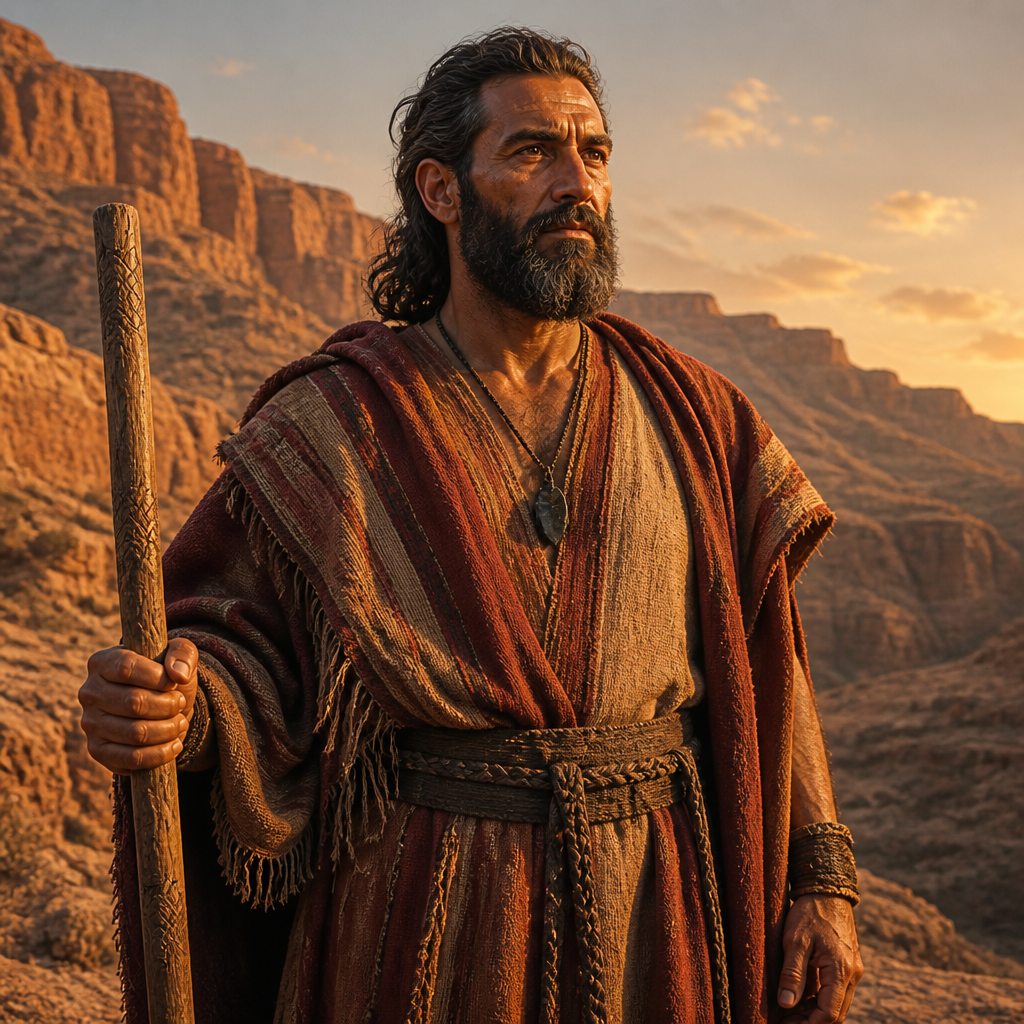 EshbanThis page
 CheranBrotherGenesis 36:26Stated
 HemdanBrotherGenesis 36:26Stated
 Ithran, Son of DishonBrotherGenesis 36:26Stated
Connected Figures
Family
Father · Genesis 36:26
A Horite clan leader and son of Seir the Horite, Dishon served as a chief in the land of Edom during the Patriarchal Period.
PatriarchsFirst: Genesis 36:218 versesChief of the Horites
Brother · Genesis 36:26
Cheran was a Horite descendant of Seir the Horite, identified as a son of Dishon and a tribal leader within the land of Edom during the Patriarchal Period.
Brother · Genesis 36:26
Hemdan was a Horite tribal patriarch and the firstborn son of Dishon, grandson of Seir the Horite in the land of Edom.
Brother · Genesis 36:26
Ithran was a Horite chieftain and descendant of Seir the Horite, listed among the genealogical records of the land of Edom.
Categories
Mentions by Book
- Genesis1
- 1 Chronicles1
Scripture References
All 2 indexed verses, in canonical order, from the Berean Standard Bible.
Genesis · 1
- Genesis 36:26
These are the sons of Dishon: Hemdan, Eshban, Ithran, and Cheran.
1 Chronicles · 1
- 1 Chronicles 1:41
The son of Anah: Dishon. The sons of Dishon: Hemdan, Eshban, Ithran, and Cheran.