Jemimah
Who was Jemimah in the Bible?
Jemimah was the eldest of the three daughters born to Job after his restoration and suffering in the land of Uz.
Jemimah appears in the concluding chapter of the Book of Job as the first of three daughters born to the patriarch after his period of intense suffering and subsequent restoration. Her name is traditionally interpreted from the Hebrew to mean 'dove' or 'daylight,' reflecting the shift from the darkness of Job’s trials to the renewed light of his prosperity.
Though her mention in the biblical text is brief, occurring in a single verse, she is distinguished by the specific attention given to her name and the unusual legal status she and her sisters held regarding their father's estate. She represents the new generation of Job's family that symbolizes the fullness of God's blessing in the patriarch's later years.
Background and Family
Jemimah was born in the land of Uz during the final stage of the life of Job. According to the biblical narrative, she was the first daughter born after Job was healed of his afflictions and his wealth was doubled by God. She was the sister of two other named daughters, Keziah and Keren-happuch, and seven unnamed brothers. While her mother is not named in the text, she is part of the restored household that marked the end of Job's catastrophic losses.
Major Life Events
The life of Jemimah is defined by the context of her father's restoration. The primary event associated with her, as recorded in Job 42:15, is her inclusion in her father's inheritance. Unlike the prevailing customs of the Ancient Near East, where inheritance was typically reserved for male heirs unless no sons were present, Job granted Jemimah and her sisters a share of the estate alongside their seven brothers. This act suggests a high level of favor and a departure from standard patriarchal legal traditions of the era.
Relationship to Other Biblical Figures
Jemimah is exclusively defined by her relationship to her father, Job, and her two sisters, Keziah and Keren-happuch. The text emphasizes the physical beauty of these three women, noting that "in all the land were no women found so fair as the daughters of Job" (Job 42:15). Her presence in the narrative serves to highlight the complete renewal of Job’s social and domestic life.
Spiritual Significance
Theologically, Jemimah serves as a living testament to the concept of restoration. Her name, signifying 'day' or 'dove,' stands in stark contrast to the themes of night and mourning that dominate the earlier chapters of the book. As a daughter of the "latter end" of Job's life, she embodies the principle that God's grace can bring forth beauty and new life from the ashes of total devastation. The inclusion of her name in the canon, despite the brevity of her record, underscores the importance of the individual within the family unit of the patriarchs.
Jemimah's inclusion in the final chapter of Job signifies the transition from the patriarch's lament to his restoration. Her specific mention by name, along with the note that she received an inheritance among her brothers, highlights a rare biblical instance of female heirs in a patriarchal society, suggesting the extraordinary nature of Job's post-affliction blessings.
Frequently Asked Questions
What does the name Jemimah mean?
The Hebrew name יְמִימָה (Yemimah) is generally understood to mean 'dove' or is derived from the word for 'day,' symbolizing light or warmth.
Who were Jemimah's sisters?
Jemimah's two named sisters were Keziah and Keren-happuch.
Where did Jemimah live?
She lived in the land of Uz with her father Job and her siblings.
What was unique about Jemimah's inheritance?
Job gave Jemimah and her sisters an inheritance alongside their brothers, which was an unusual practice in the patriarchal culture of the time.
How many siblings did Jemimah have?
She had two named sisters and seven unnamed brothers, making ten children in Job's second family.
Family & Relationships
Parents
 JobFatherJob 1:1
Inferred
No verse names Job and Jemimah together; the daughter link is carried from the surrounding genealogy and is not stated in Scripture.Evidence: Job 1:1
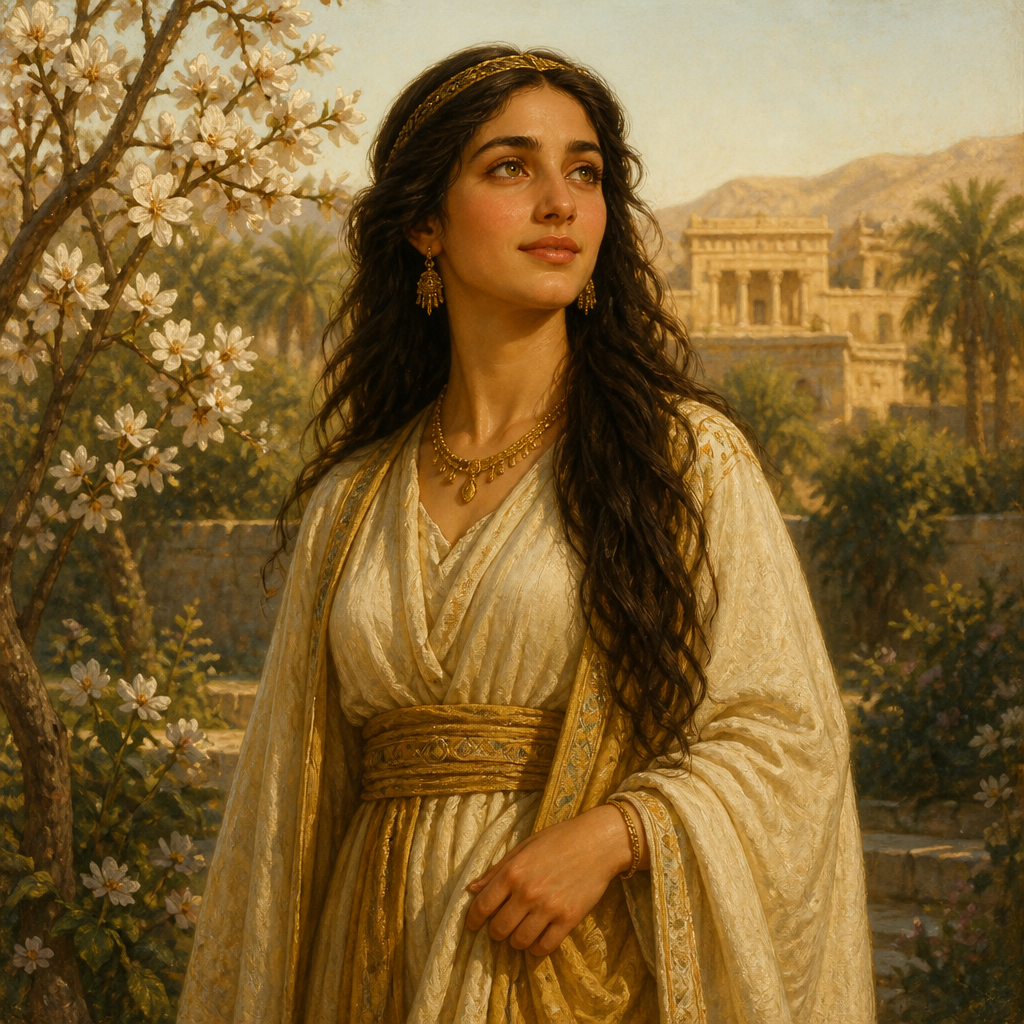 JemimahThis page
 Keren-happuchSisterJob 42:14
Inferred
Job 42:14 names Jemimah and Keren-happuch in the same verse but does not state a sister tie between them; the link rests on the surrounding narrative.Evidence: Job 42:14
 KeziahSisterJob 42:14
Inferred
Job 42:14 names Keziah and Jemimah in the same verse but does not state a sister tie between them; the link rests on the surrounding narrative.Evidence: Job 42:14
Connected Figures
Family
Father · Job 1:1
A patriarch from the land of Uz renowned for his blameless character, immense suffering, and unwavering perseverance in his relationship with God.
PatriarchsFirst: Job 1:157 versesPatriarch, wealthy landowner
Sister · Job 42:14
Keren-happuch was the youngest of the three daughters born to the patriarch Job following his period of suffering and subsequent restoration by God.
PatriarchsFirst: Job 42:142 versesHeir to the estate of Job
Sister · Job 42:14
The second of three daughters born to Job after his restoration, noted for her beauty and unique status as an inheritor alongside her brothers.
PatriarchsFirst: Job 42:142 versesInheritor and daughter of Job
Categories
Mentions by Book
- Job2
Scripture References
All 2 indexed verses, in canonical order, from the Berean Standard Bible.
Job · 2
- Job 1:1Partial
There was a man in the land of Uz whose name was Job. And this man was blameless and upright, fearing God and shunning evil.
Cited as evidence on a family card; added so References, Key Verses and Mentions by Book share one index.
- Job 42:14
He named his first daughter Jemimah, his second Keziah, and his third Keren-happuch.