Wisdom and Poetry
People who first appear in Job, Psalms, Proverbs, Ecclesiastes, or the Song of Songs.
The biblical collection known as Wisdom and Poetry introduces a distinct group of individuals who appear primarily in the books of Job, Psalms, Proverbs, and the Song of Solomon. The narrative of these figures begins with the account of Job, a man described as blameless and upright who experiences the sudden loss of his children and property (Job 1:1–19). During his subsequent physical suffering, Job’s Wife tells him to curse God and die (Job 2:9). He is then visited by three friends who engage him in lengthy theological debates: Eliphaz the Temanite, who argues that the innocent do not perish (Job 4:7); Bildad, who suggests Job’s children died for their own transgressions (Job 8:4); and Zophar, who claims that God is actually exacting less punishment than Job’s guilt deserves (Job 11:6).
As the dialogue in Job intensifies, a younger man named Elihu enters the conversation to defend God’s justice after the three older friends fail to silence Job (Job 32:2–5). The text identifies Elihu as a Buzite from the family of Ram (Job 32:2). Following a divine intervention, the narrative concludes with the restoration of Job’s fortunes and the birth of three daughters named Jemimah, Keziah, and Keren-happuch, who are granted an inheritance alongside their brothers (Job 42:14–15). The poetic books continue with brief mentions of figures such as Cush the Benjamite, whose actions against David are cited in the preface to a lament (Psalm 7:1).
The literature of Proverbs and the Song of Solomon introduces sages and lovers who provide moral and romantic instruction. Agur is identified as a collector of wise sayings addressed to Ithiel, Recipient of Agur’s Words, and Ucal (Proverbs 30:1). The text also records the words of Lemuel, a king who repeats the lessons taught to him by his mother regarding royal conduct (Proverbs 31:1–4). In the Song of Solomon, the narrative focus shifts to the The Shulammite, a woman who expresses intense longing for her beloved (Song of Solomon 6:13). Within her poetic descriptions, she mentions Amminadib in relation to the swiftness of royal chariots (Song of Solomon 6:12).
These individuals function within the biblical story as voices of human experience, grappling with the complexities of suffering, ethics, and devotion. Unlike the historical figures in the Torah or the Prophets, these people are characterized by their speeches and reflections rather than their roles in national politics or military conquest. Their presence establishes a framework for understanding the internal life of the faithful, ranging from the intellectual struggles of Job and his companions to the romantic expressions of the The Shulammite. By recording their words, the text integrates personal wisdom and emotional honesty into the broader scriptural record.
Everyone in this list

Bildad
Friend of Job who argued for the necessity of divine retribution. Called a Shuhite, a designation of origin rather than a people group
Cush the Benjamite
Benjamite whose words and pursuit of David prompted the writing of Psalm 7

Elihu, Son of Barachel
Young man who defended God's justice in the Book of Job. Called a Buzite, a designation of family origin rather than a people group
Eliphaz the Temanite
Wise man of Teman who debated Job regarding the cause of his suffering
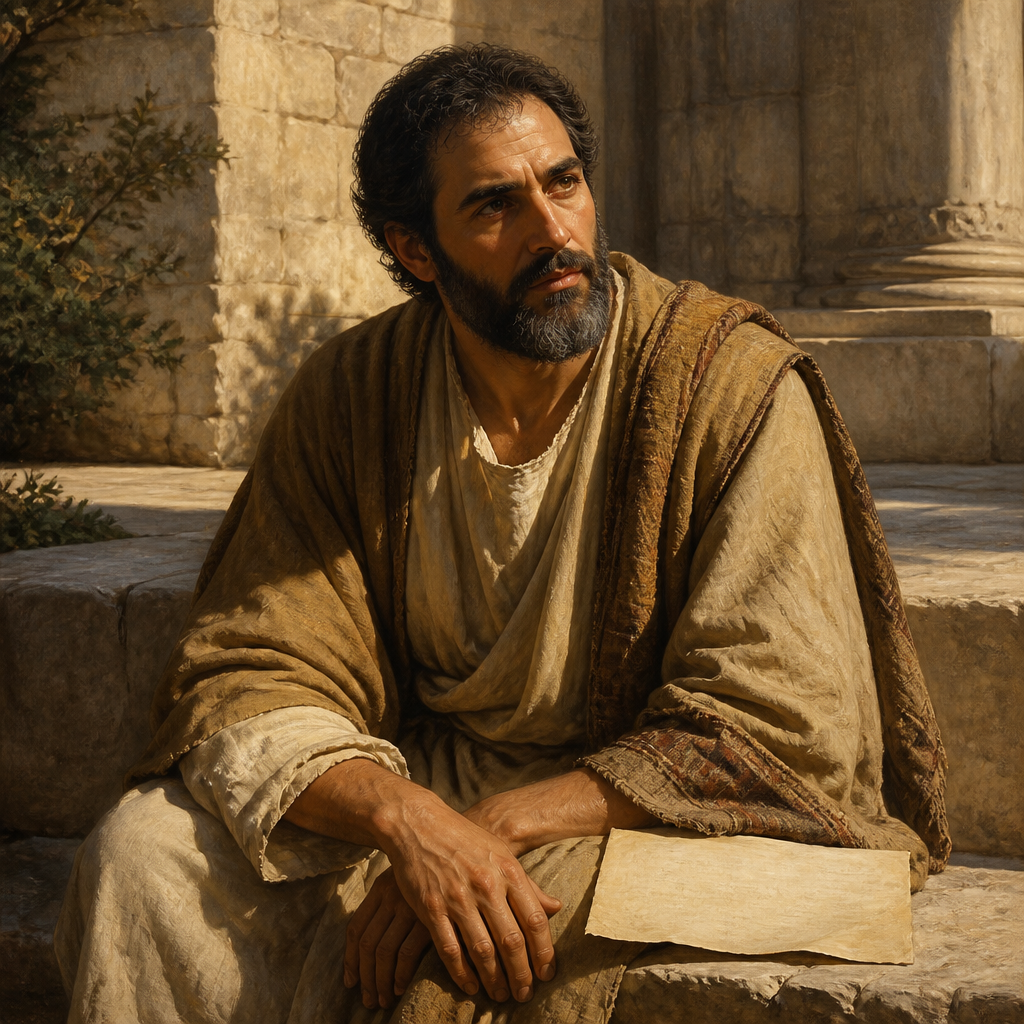
Ithiel, Recipient of Agur's Words
recipient of the wisdom oracle from Agur son of Jakeh in Proverbs 30

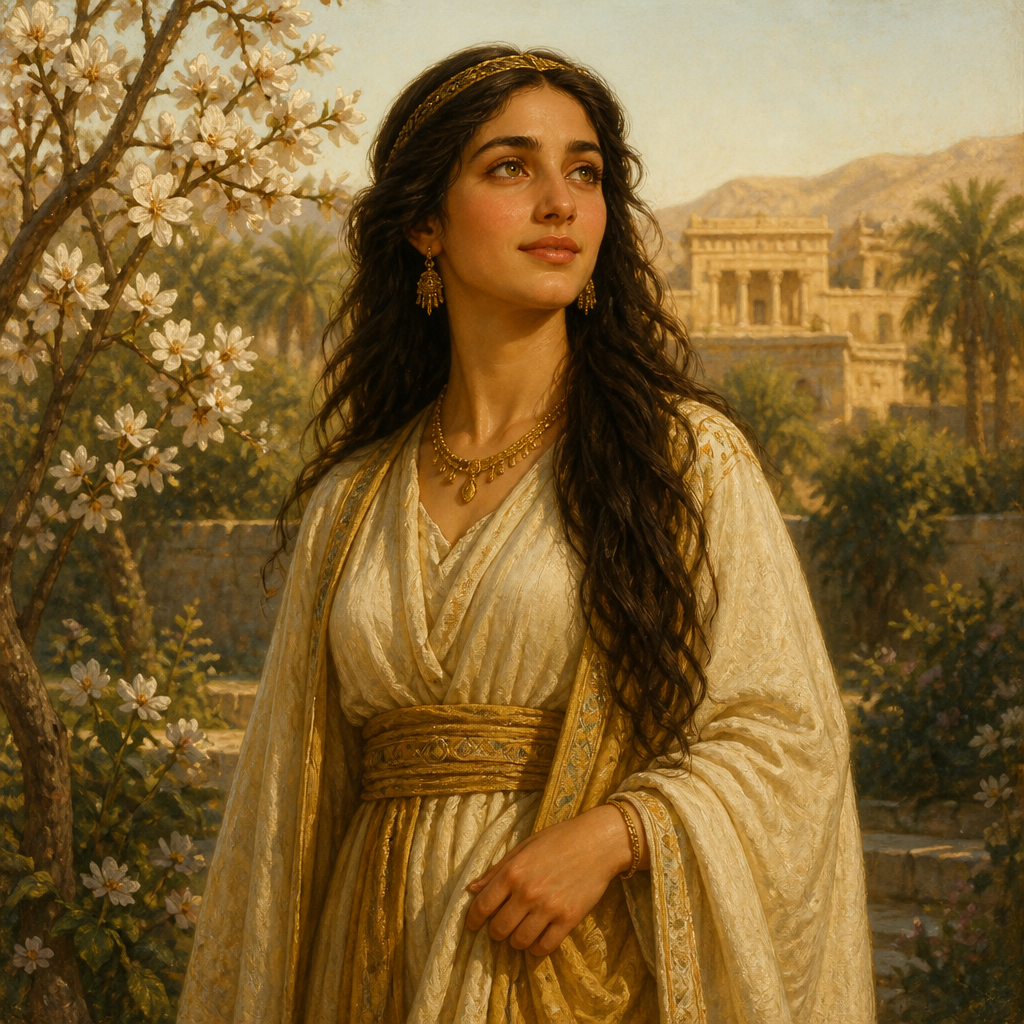
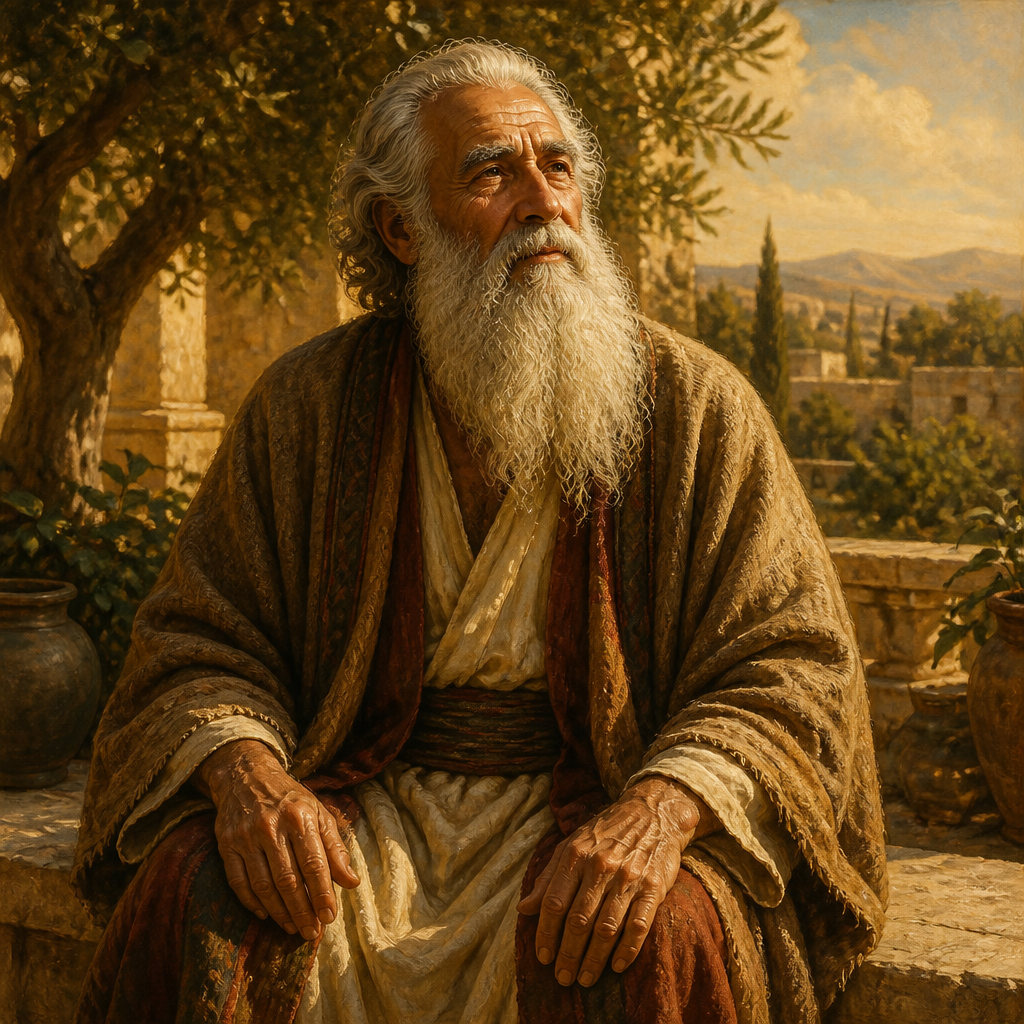
Job
Patriarch who remained faithful to God despite losing his wealth, children, and health
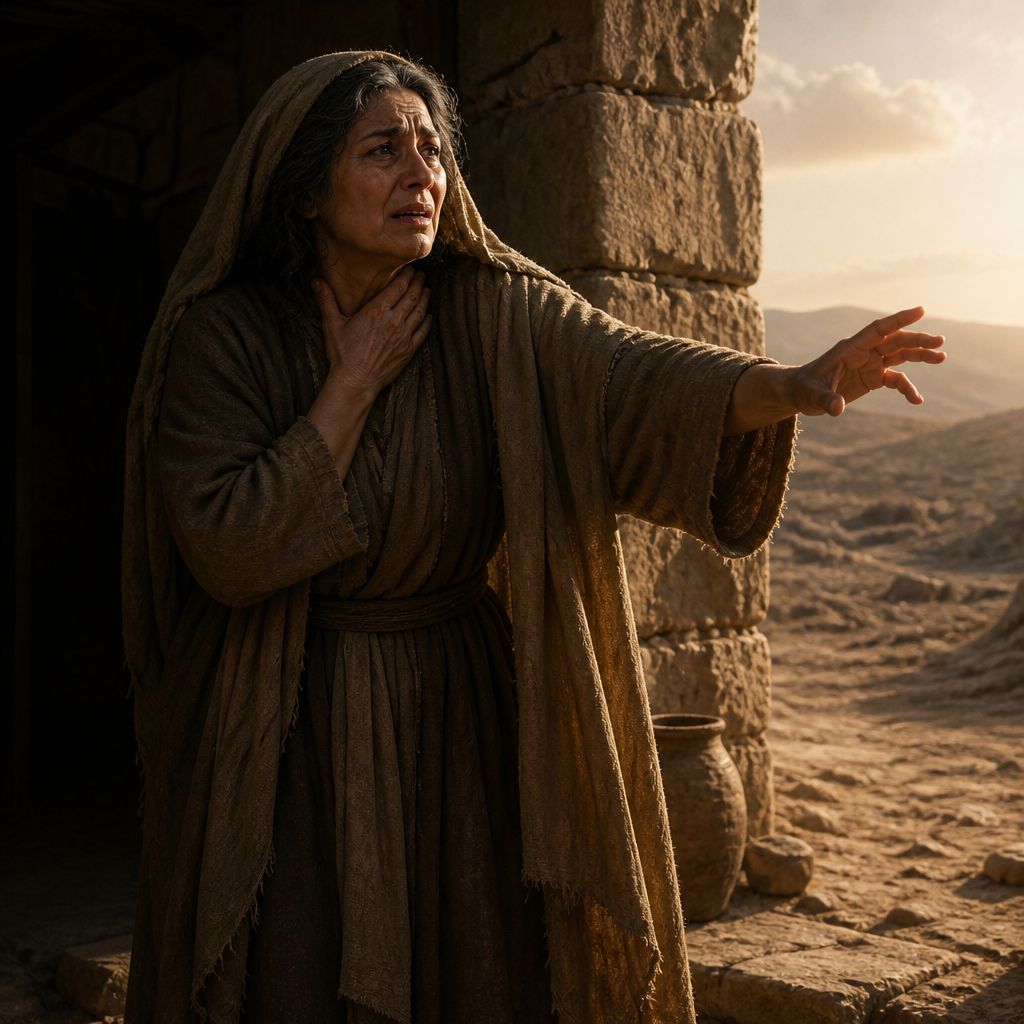


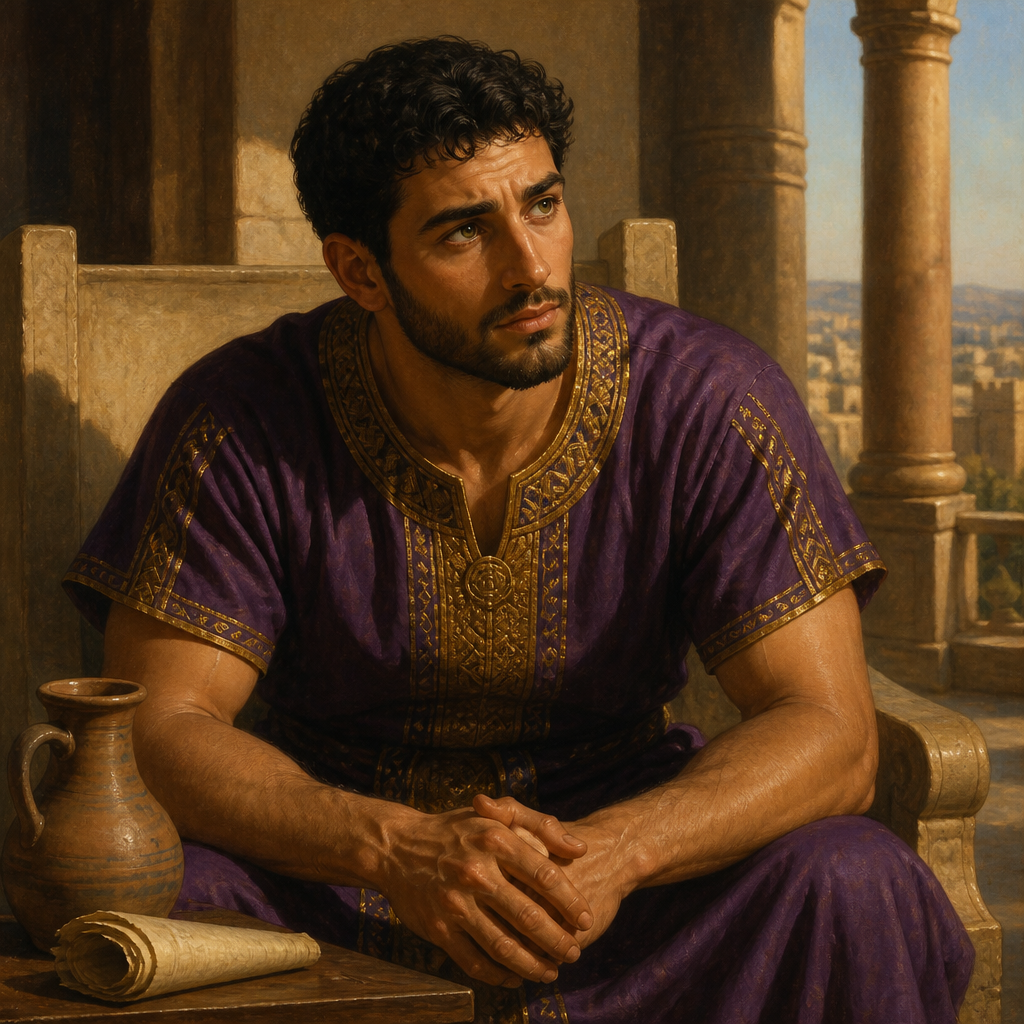
Lemuel
King who recorded the moral instructions and warnings against alcohol given to him by his mother

Ram, Ancestor of Elihu
Patriarchal ancestor of Elihu the Buzite in the Book of Job

The Shulammite
Female protagonist of the Song of Solomon known for her beauty and devotion