People of James
Every person who appears in the book of James, ordered by how often they are mentioned there.
The People of James are the individuals mentioned throughout the Epistle of James to illustrate the relationship between faith, speech, and practical action. The letter begins with an identification of its author, James, who describes himself as a servant of God and of the Lord Jesus (James 1:1). While the text focuses primarily on ethical instructions for the twelve tribes in the dispersion, it draws upon specific historical figures from the Hebrew scriptures to provide concrete examples of how belief is demonstrated through works.
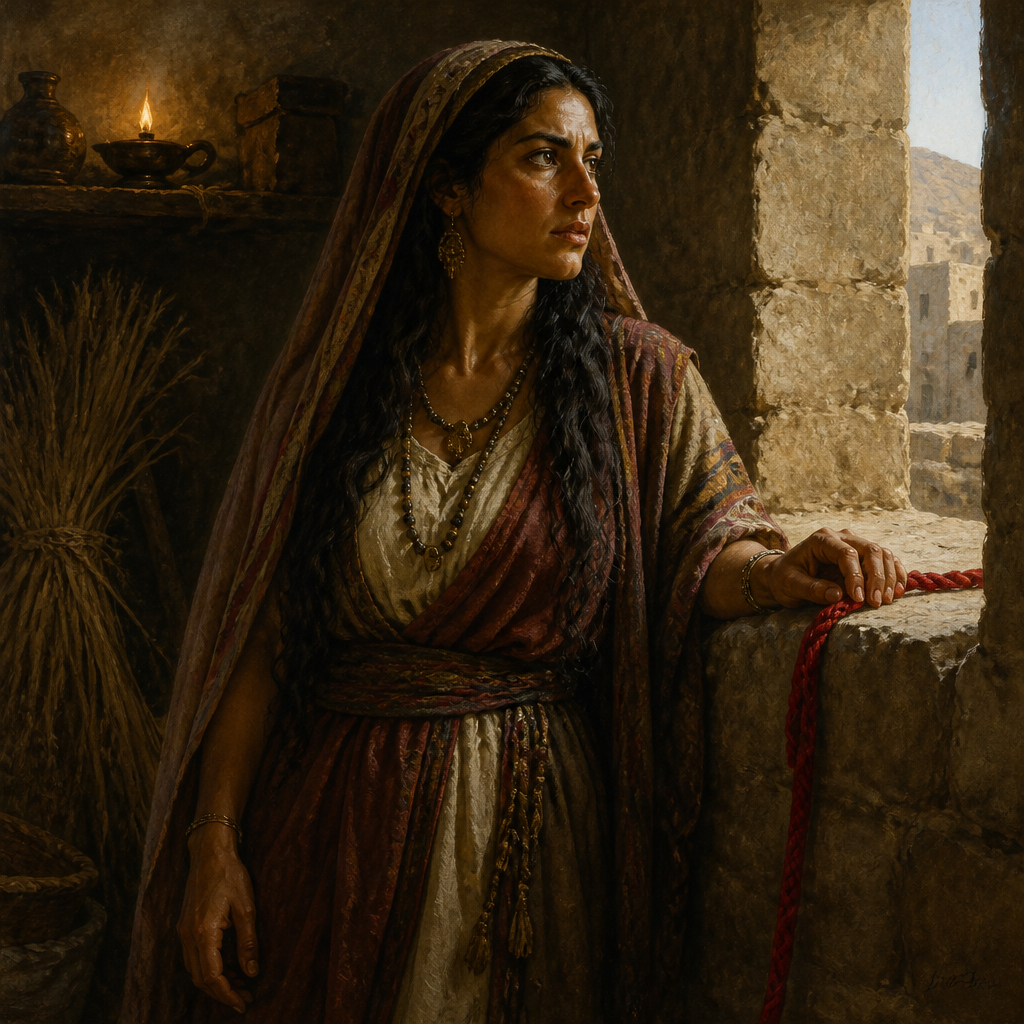
The author uses several figures to argue that faith without works is dead. Abraham is presented as a primary example because he was justified by works when he offered his son Isaac upon the altar (James 2:21). The text notes that Abraham was called the friend of God because his faith was completed by his actions (James 2:23). Similarly, Rahab is cited as a person justified by works because she received the messengers and sent them out by another way (James 2:25). These figures serve to show that both patriarchs and outsiders are evaluated by their deeds.
In the final chapters, the text introduces figures who exemplify endurance and the power of prayer during times of suffering. Job is named as an example of steadfastness, with the text pointing to the end purpose of the Lord in his life (James 5:11). To demonstrate the effectiveness of a righteous person’s prayer, the author mentions Elijah the Tishbite, who prayed fervently that it might not rain, and it did not rain on the earth for three years and six months (James 5:17). The text notes that Elijah the Tishbite was a man with a nature like ours, yet his prayer changed the heavens and the earth (James 5:18).
The inclusion of these people serves to ground the letter’s moral exhortations in the history of Israel. By linking the teachings of James, to the lives of Abraham, Isaac, and the prophets, the text presents the Christian life as a continuation of the faithfulness seen in the ancestors. The mention of Jesus at the beginning and middle of the letter establishes him as the object of faith and the Lord of glory (James 2:1). Through these examples, the book concludes that the prayer of faith and the restoration of the wandering are the ultimate expressions of the community’s life.
Everyone in this list
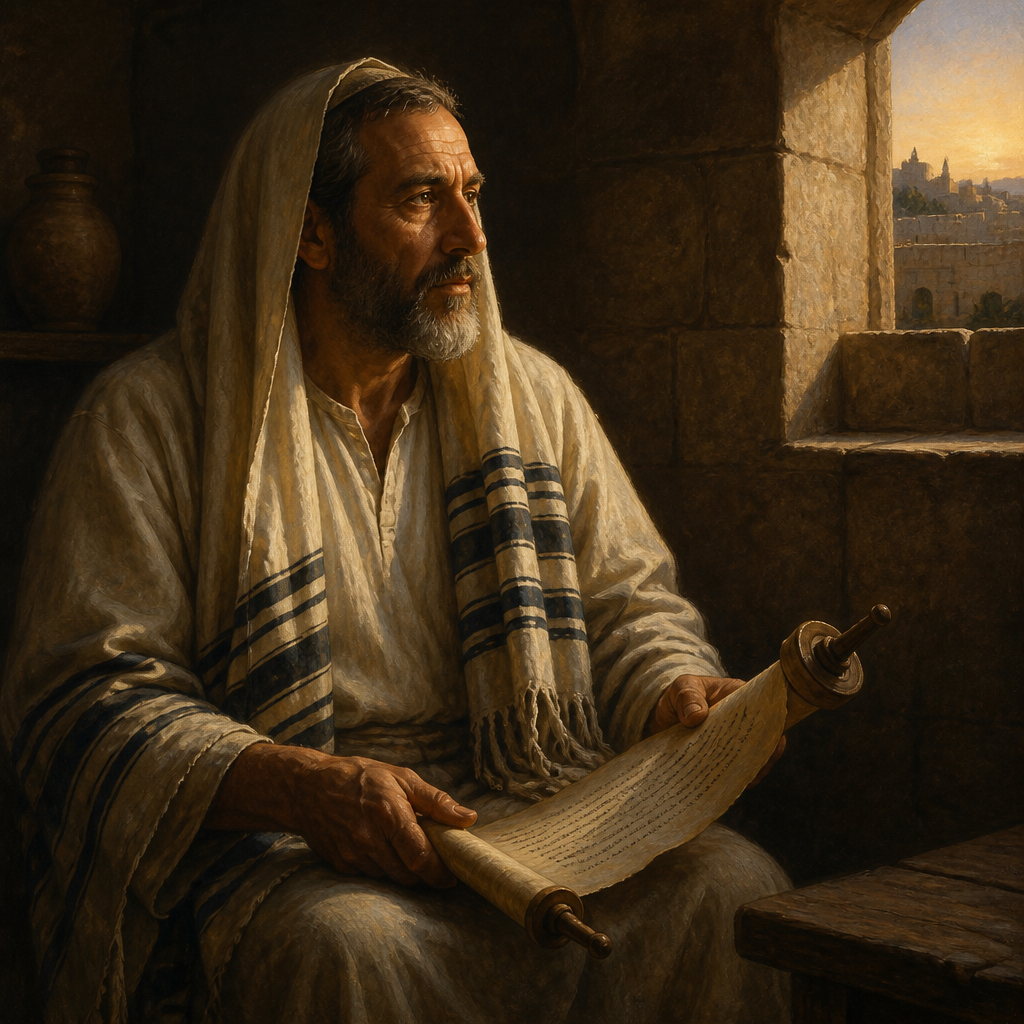
James, Brother of Jesus
Leader of the early Jerusalem church and author of the New Testament Epistle of James
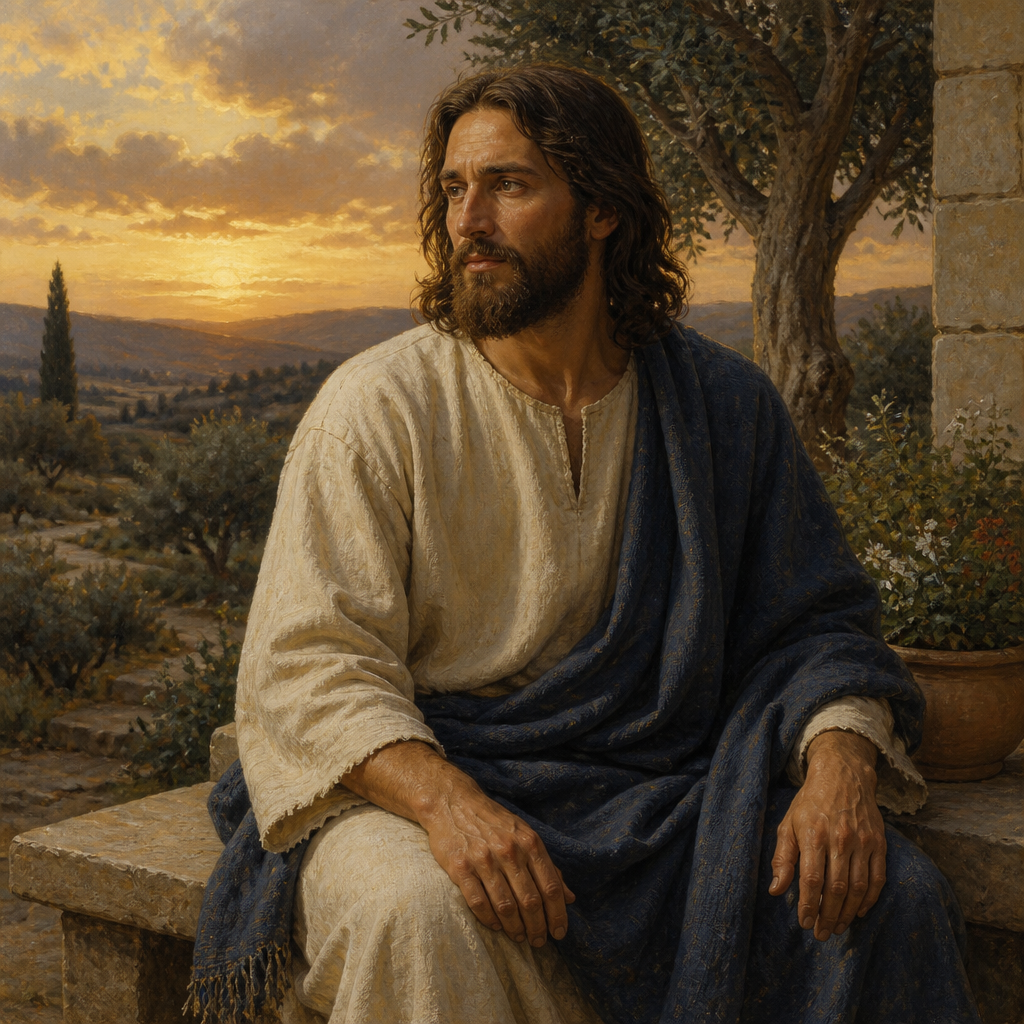
Jesus
Messiah and central figure of the New Testament whose life, death, and resurrection form the basis of the Christian faith

Abraham
Patriarch who is the father of the nation of Israel and an exemplar of faith
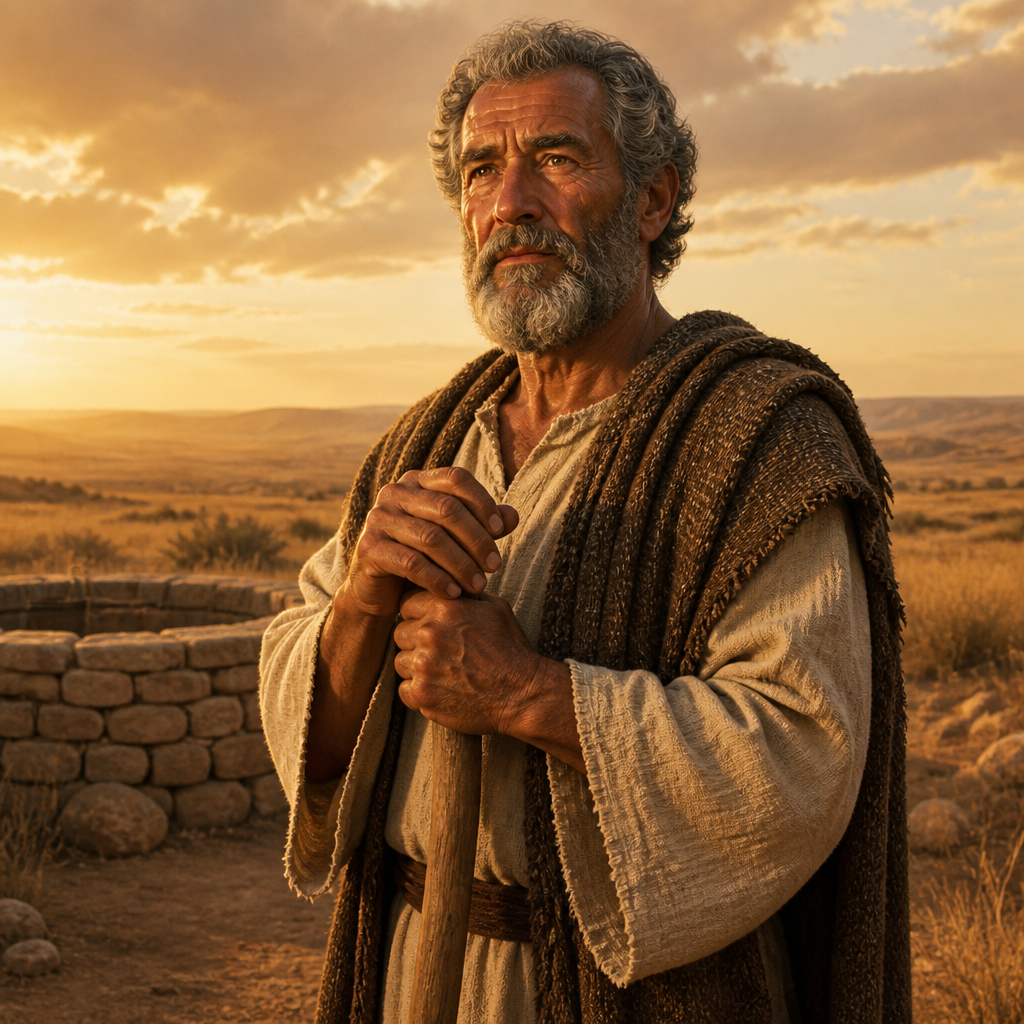
Isaac
Patriarch who was the son of Abraham and the father of Jacob and Esau

God the Father
The first person of the Trinity — creator, the one Jesus addressed as Father, the one who sends the Son and the Spirit
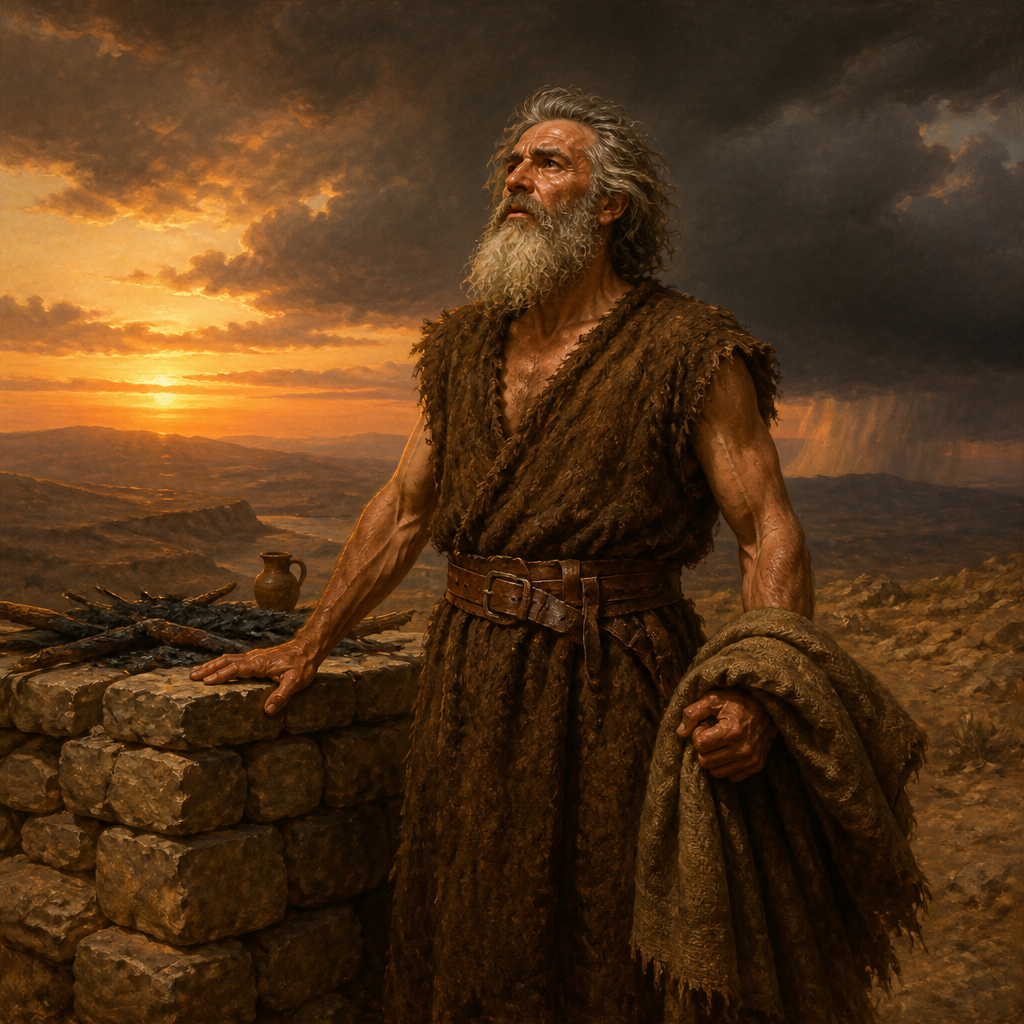
Elijah the Tishbite
Prophet who called down fire from heaven and was taken to heaven in a whirlwind
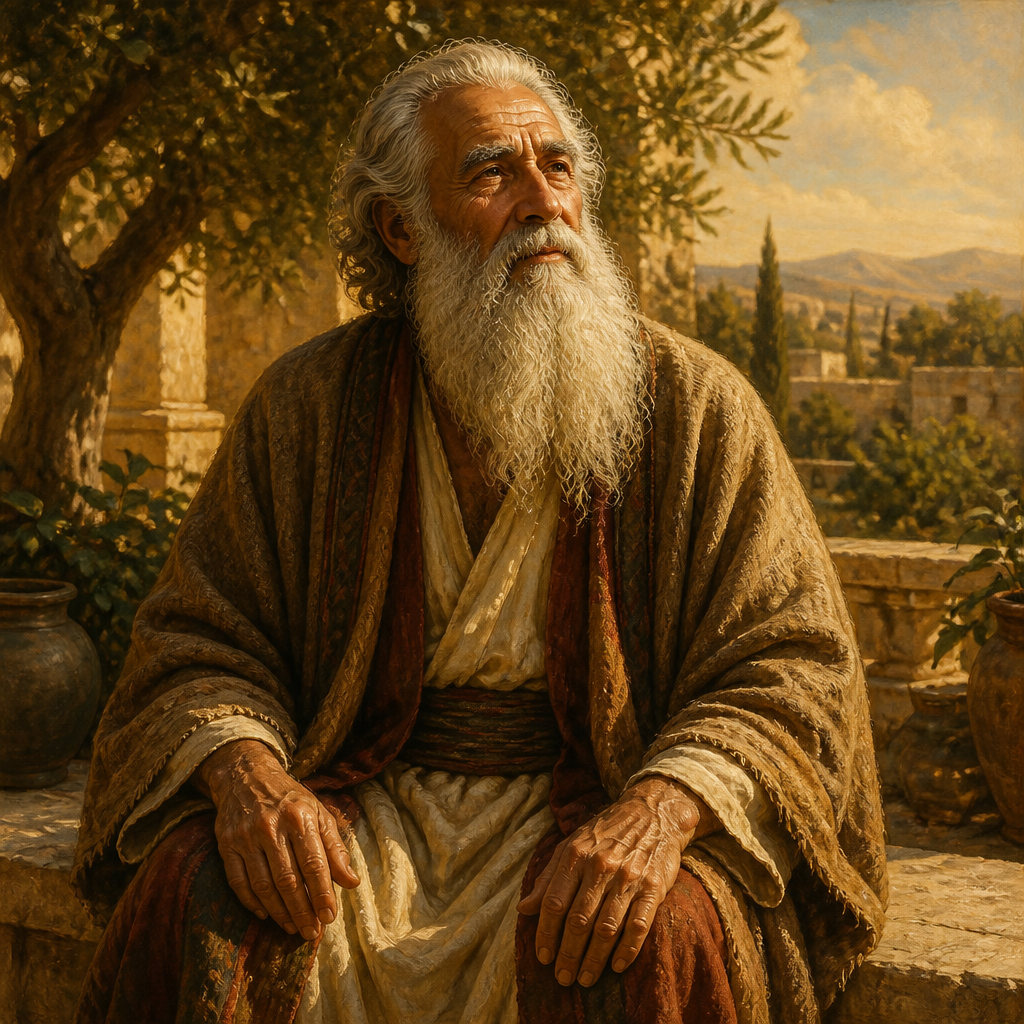
Job
Patriarch who remained faithful to God despite losing his wealth, children, and health