Barachel
Who was Barachel in the Bible?
Barachel was a Buzite and the father of Elihu, who served as the final speaker to address Job during his suffering.
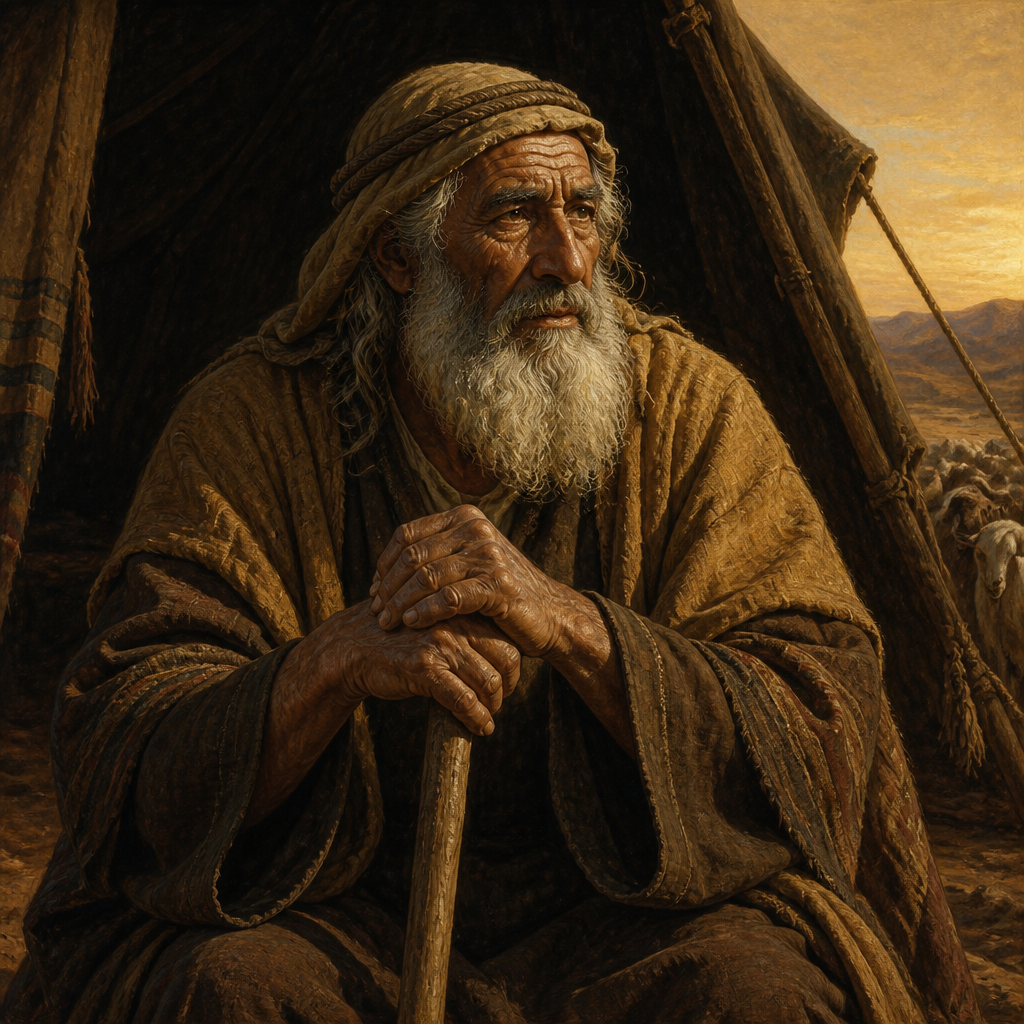
Barachel is a figure mentioned in the Old Testament within the context of the Book of Job. He is identified as a Buzite, which suggests an ancestral connection to Buz, the son of Nahor (Abraham’s brother). This genealogical detail provides a specific ethnic and geographic anchor for his family, placing them within the wider Semitic world of the Patriarchal Period. Although Barachel himself does not appear as a speaking character in the narrative, his name and lineage are cited to introduce his son, Elihu.
The name Barachel is of significant theological meaning in Hebrew, translating to 'God has blessed' or 'Blessing of God.' In the literary structure of the Book of Job, Barachel serves as the patriarchal head of the household from which the youngest and most intellectually aggressive of Job’s interlocutors emerges. His inclusion in the text helps to establish the credentials and status of his son before the latter begins his extensive discourse on the justice of God.
Background and Family
Barachel is introduced in the thirty-second chapter of the Book of Job. According to the text, he was a member of the family of Ram and resided in the region or tribe associated with the Buzites. The mention of the 'family of Ram' (Job 32:2) has led some scholars to speculate on a connection to the ancestors of King David, though many commentators suggest this Ram is a distinct figure associated with the Arameans or a specific clan within the Buzite territory.
As a 'Buzite,' Barachel is linked to the lineage of Buz. In the Table of Nations and patriarchal genealogies (Genesis 22:21), Buz is the second son of Nahor and Milcah. This would place Barachel’s family as distant relatives of the Israelites, likely dwelling in Northern Arabia or the Syrian desert. This setting aligns with the general geographic backdrop of the Book of Job, which is set in the land of Uz.
Major Life Events
The biblical record does not preserve the specific life events of Barachel. His presence in the scripture is purely genealogical, acting as a patronymic identifier for his son, Elihu. The text notes:
This kindled the anger of Elihu son of Barachel the Buzite, of the family of Ram. He burned with anger against Job for justifying himself rather than God. (Job 32:2)
From this reference, it can be inferred that Barachel was a man of sufficient status that his name was recognized and preserved alongside his son's. The fact that Elihu identifies himself by his father's name suggests that Barachel may have been a contemporary of Job, or at the very least, the head of a household that maintained the traditional wisdom and worship of the period.
Relationship to Other Biblical Figures
Barachel’s primary relationship in the biblical text is with his son, Elihu. In Job 32:6, Elihu reaffirms this connection, stating his identity as 'the son of Barachel the Buzite.' This repetition emphasizes the importance of lineage in the ancient Near East, serving to validate Elihu’s right to speak among the elders despite his youth.
While Barachel is not shown interacting directly with Job, Eliphaz, Bildad, or Zophar, his son enters the debate specifically to correct both Job and the three friends. Thus, Barachel’s name is associated with the shift in the narrative from the flawed arguments of the three friends to the more nuanced—though still debated—perspectives offered by Elihu.
Spiritual Significance
The spiritual significance of Barachel lies primarily in his name, which reflects a devotion to 'El' (God). During the Patriarchal Period, names were often prophetic or descriptive of a family's relationship with the Divine. By naming his son Elihu ('He is my God'), Barachel demonstrated a continuity of faith. In the context of the Book of Job, Barachel represents the generation that passed down the knowledge of God’s sovereignty to the younger generation, even in an era before the formal giving of the Mosaic Law. His existence serves as a reminder that the worship of the one true God was present among various Semitic tribes outside the immediate line of Jacob.
Barachel’s significance is found in his role as the father of Elihu, the fourth friend of Job. By providing Barachel's specific lineage (Buzite, family of Ram), the author of Job differentiates Elihu from the other three friends, providing him with a distinct and formal introduction that underscores his importance in the final stages of the book's dialogue. The name itself reinforces the theme of God's blessing and sovereignty that permeates the book.
Frequently Asked Questions
What does the name Barachel mean?
The name Barachel is Hebrew for 'God has blessed' or 'Blessing of God'.
Who was Barachel’s son?
Barachel’s son was Elihu, the young man who spoke to Job after the three friends had finished their arguments.
What tribe did Barachel belong to?
Barachel was a Buzite, likely a descendant of Buz, the son of Nahor.
Where is Barachel mentioned in the Bible?
He is mentioned twice in the Book of Job, specifically in Job 32:2 and Job 32:6.
Did Barachel ever speak in the Bible?
No, Barachel is only mentioned as the father of Elihu; he does not have any recorded dialogue.
Family & Relationships
 BarachelThis page
Children
 Elihu, Son of BarachelSonJob 32:2Stated
Extended family
 Ram, Ancestor of ElihuAncestorJob 32:2
Inferred
Job 32:2 names Barachel and Ram in the same verse but does not state an ancestor tie between them; the link rests on the surrounding narrative.Evidence: Job 32:2
Connected Figures
Family
Son · Job 32:2
A young man who addressed Job and his friends during their debate, defending God’s justice and sovereignty with passionate theological arguments.
PatriarchsFirst: Job 32:210 versesTheologian / Observer
Ancestor · Job 32:2
A patriarch mentioned in the Book of Job as the head of a family from which Elihu the Buzite descended.
PatriarchsFirst: Job 32:21 versesPatriarchal clan leader
Categories
Mentions by Book
- Job2
Scripture References
All 2 indexed verses, in canonical order, from the Berean Standard Bible.
Job · 2
- Job 32:2
This kindled the anger of Elihu son of Barachel the Buzite, of the family of Ram. He burned with anger against Job for justifying himself rather than God,
- Job 32:6
So Elihu son of Barachel the Buzite declared: “I am young in years, while you are old; that is why I was timid and afraid to tell you what I know.