
People of Job
Every person who appears in the book of Job, ordered by how often they are mentioned there.
The People of Job are the central figures in a narrative concerning suffering and divine justice recorded in the book of Job. The account begins in the land of Uz with Job, a man described as blameless and upright who feared God and turned away from evil (Job 1:1). After Job loses his property and his children, Job’s Wife speaks to him, questioning why he maintains his integrity and suggesting that he curse God and die (Job 2:9). The text mentions Adam in the context of hiding transgressions, a comparison used during the subsequent debates (Job 31:33). As Job sits in his grief, he is visited by three friends who come to console him but eventually challenge his claims of innocence.
The dialogue is dominated by these three companions who represent different perspectives on why Job is suffering. Eliphaz the Temanite, who is associated with a region known for wisdom through Teman argues that the innocent do not perish and that Job must have sinned (Job 4:1–7). Bildad follows by insisting that God does not pervert justice and that Job’s children died because of their own transgressions (Job 8:1–4). Zophar claims that God is actually exacting less punishment than Job’s guilt deserves (Job 11:6). Later, a younger man named Elihu, who is a descendant of Ram enters the conversation to express anger at both Job and the three friends (Job 32:2). Elihu argues that God uses suffering as a means of discipline and that his majesty is beyond human comprehension (Job 36:15–26).
The narrative also identifies various groups and individuals who impact Job’s life during his trials. The Sabeans, linked to Sheba are the ones who attack Job’s servants and steal his oxen and donkeys (Job 1:15). After God speaks to Job from a whirlwind and rebukes his friends, the text records a complete restoration of Job’s fortunes. He fathers three daughters who are noted for their beauty and receive an inheritance alongside their brothers: Jemimah, Keziah, and Keren-happuch (Job 42:14–15). The book concludes by stating that Job lived to see four generations of his descendants before dying at an old age (Job 42:16–17).
Everyone in this list
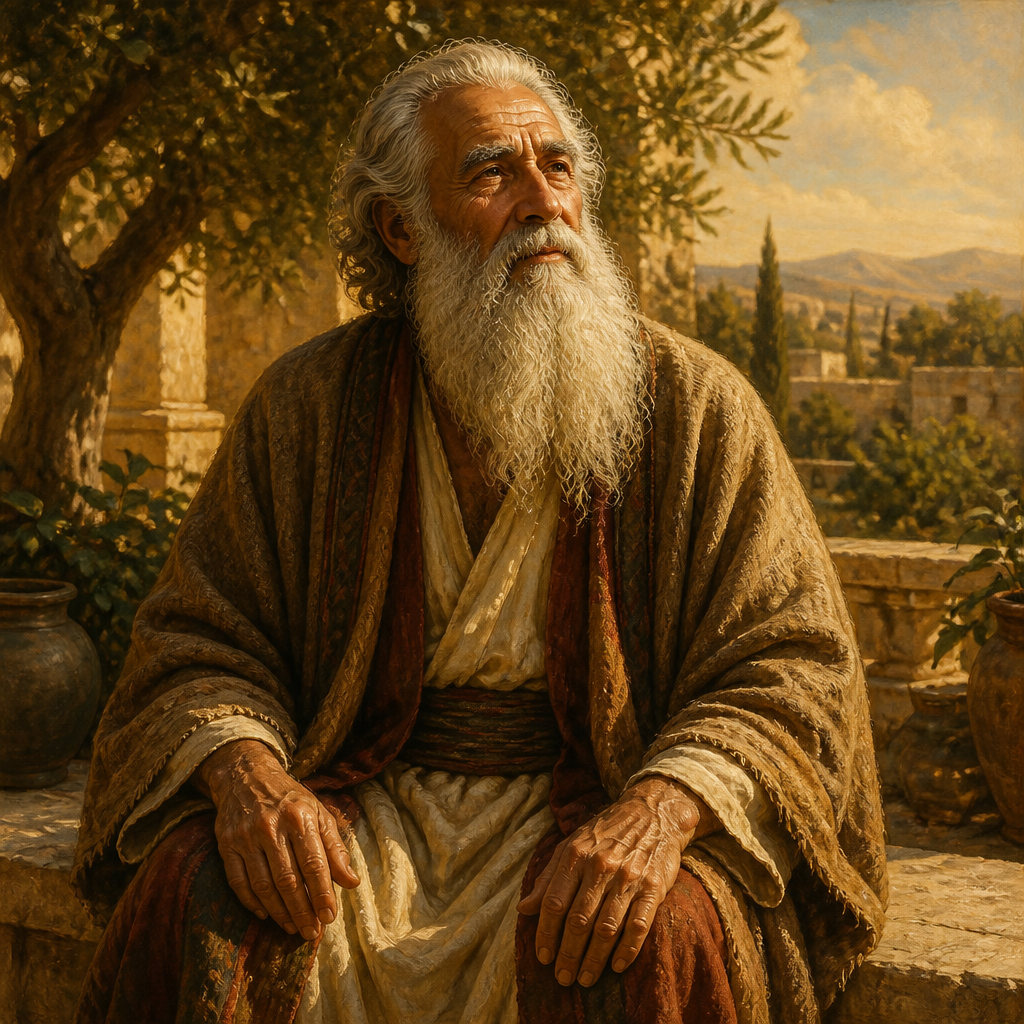
Job
Patriarch who remained faithful to God despite losing his wealth, children, and health

Elihu, Son of Barachel
Young man who defended God's justice in the Book of Job. Called a Buzite, a designation of family origin rather than a people group
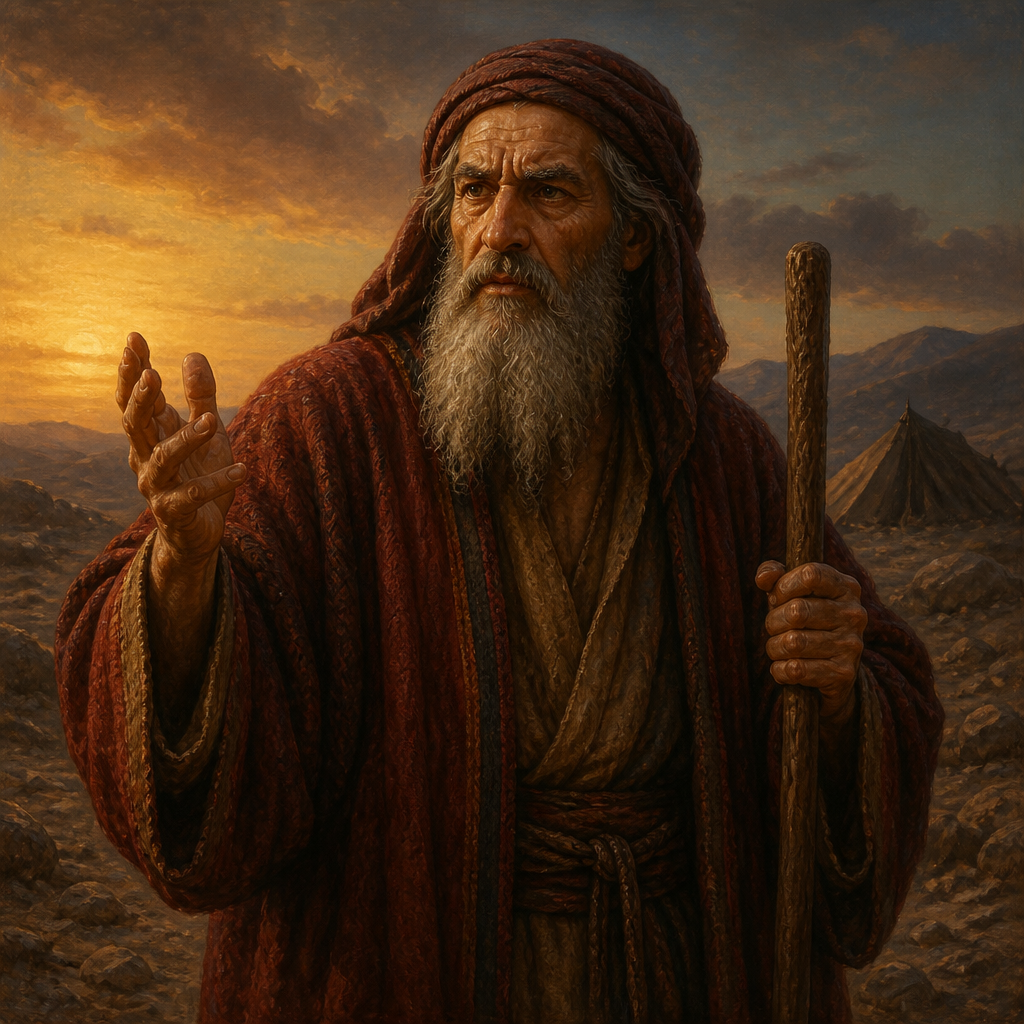
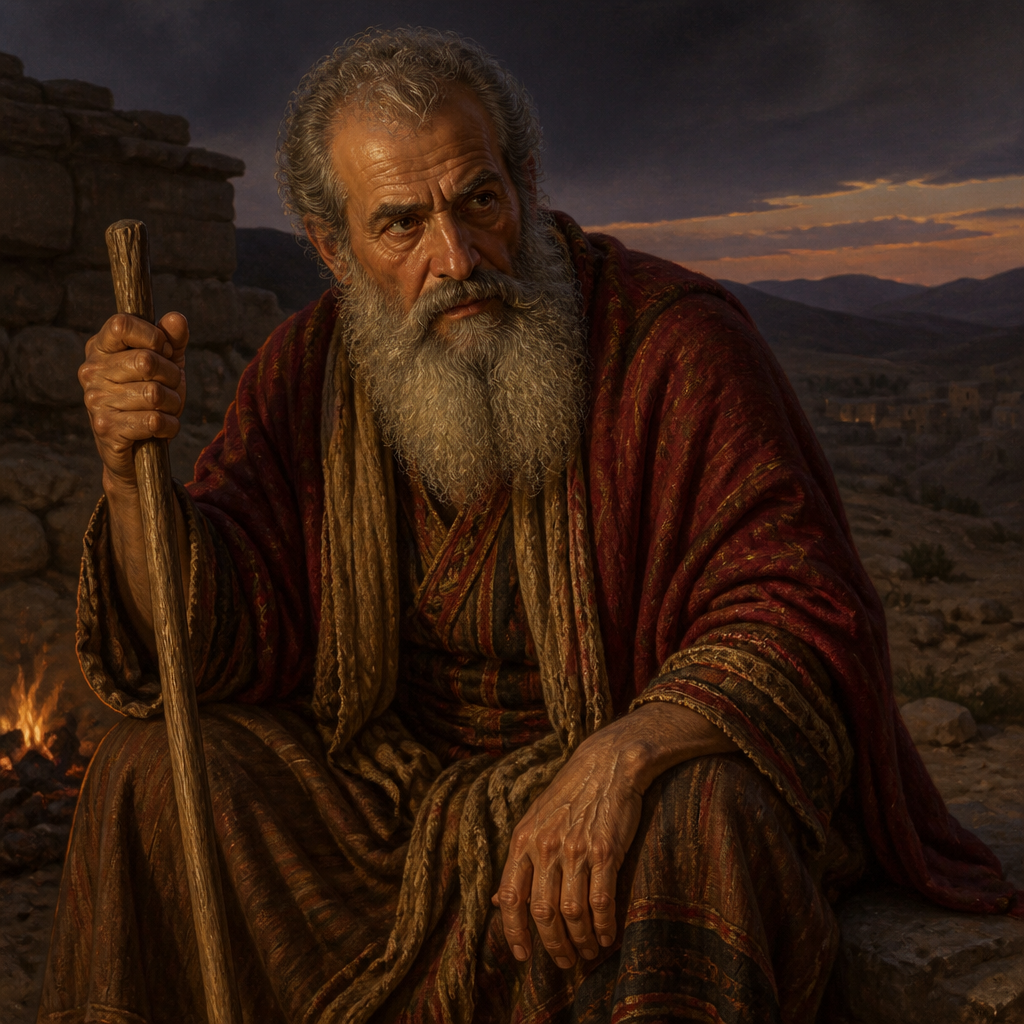
Bildad
Friend of Job who argued for the necessity of divine retribution. Called a Shuhite, a designation of origin rather than a people group
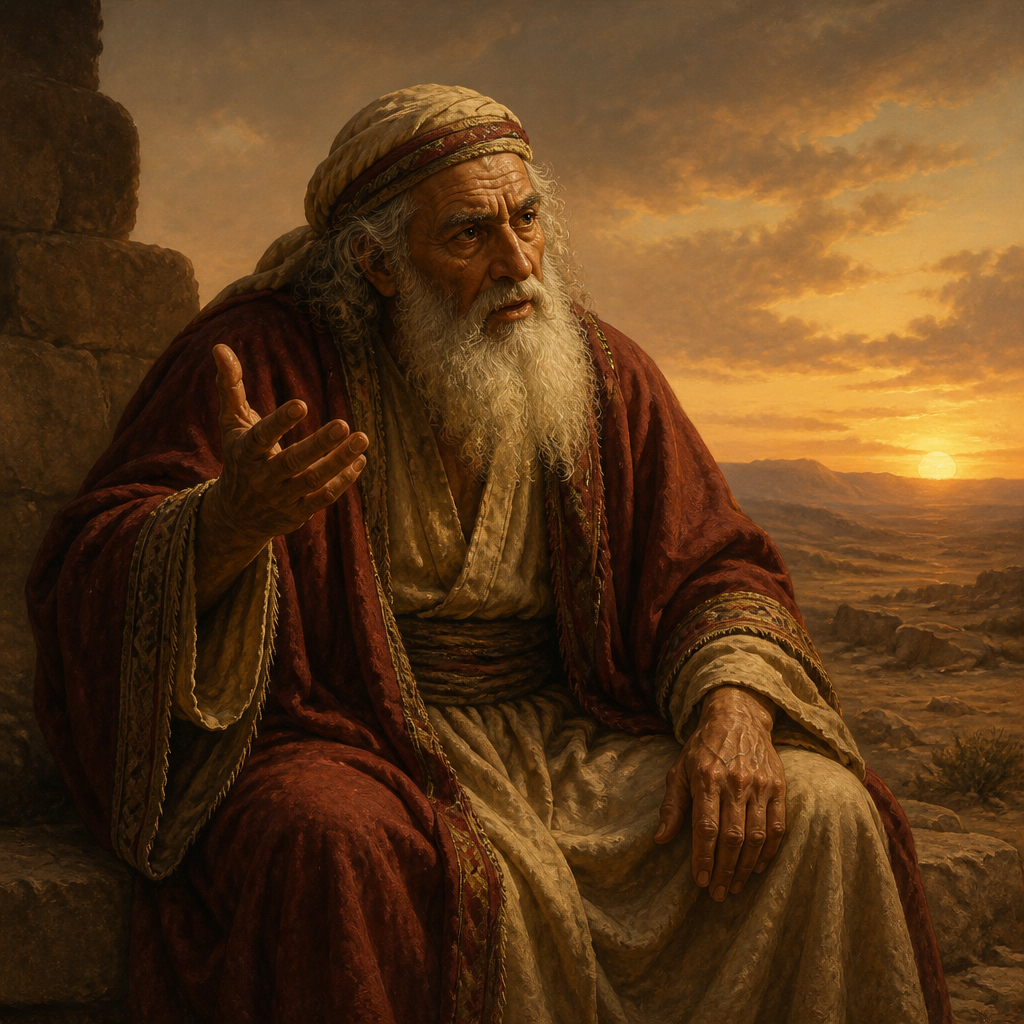
Eliphaz the Temanite
Wise man of Teman who debated Job regarding the cause of his suffering




Ram, Ancestor of Elihu
Patriarchal ancestor of Elihu the Buzite in the Book of Job