People of Psalms
Every person who appears in the book of Psalms, ordered by how often they are mentioned there.
The People of Psalms are identified through the book’s superscriptions and its historical recitations of the ancestral history of Israel. The text attributes the majority of these compositions to David, who is described as the king fleeing from his son Absalom (Psalm 3:1) and the target of the words of Cush the Benjamite (Psalm 7:1). Other psalms are credited to specific musical leaders and sages, including Asaph, who is named in twelve different headings (Psalm 50, 73–83). The text also assigns works to the sons of Korah (Psalm 42, 44–49), and mentions the wisdom of Heman, and Ethan the Ezrahite in their respective titles (Psalm 88:1, 89:1). Jeduthun is noted for his role in the musical performance of these prayers (Psalm 39:1, 62:1).
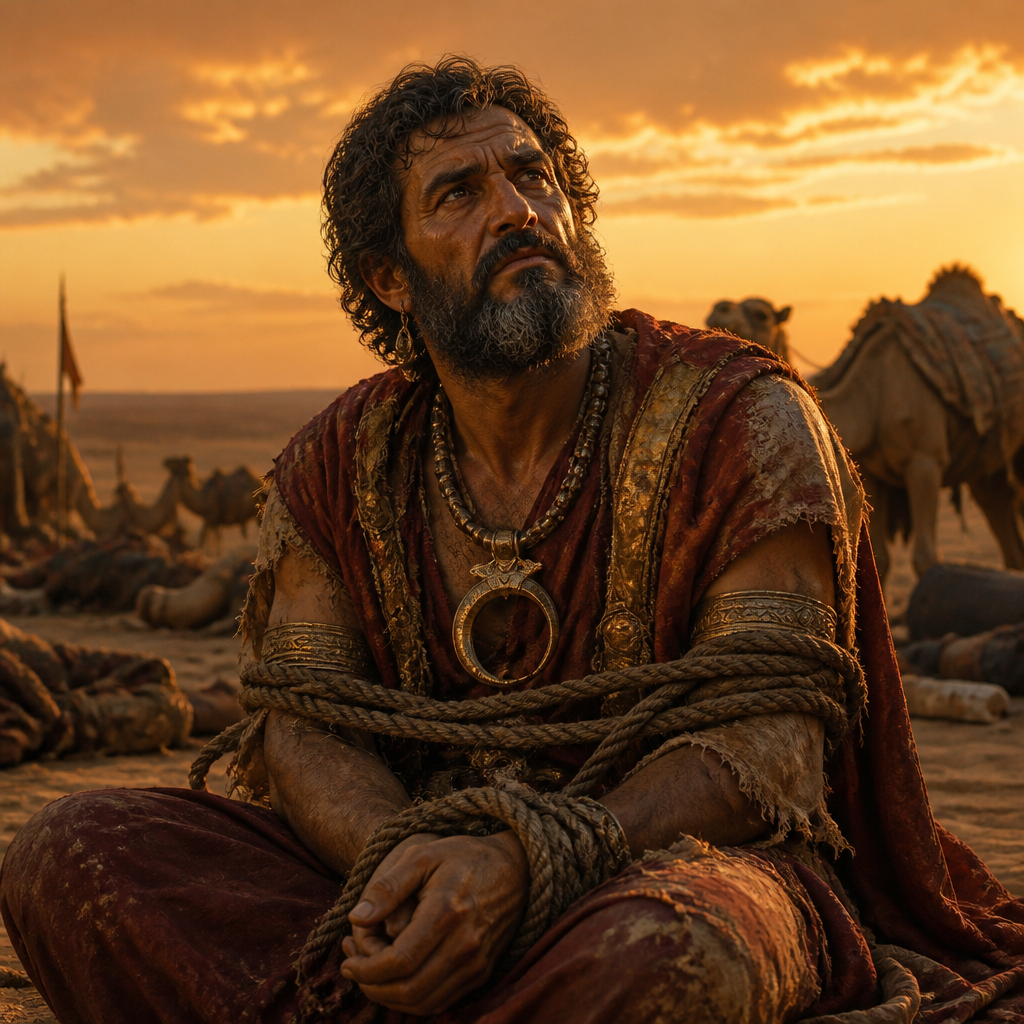
The book organizes its historical figures by recounting the origins and trials of the nation. It recalls Abraham as the servant with whom a covenant was made (Psalm 105:6–9) and Isaac as the one who received the oath (Psalm 105:9). The narrative follows Joseph, who was sold as a slave and whose feet were hurt by fetters before his rise in Egypt (Psalm 105:17–18). Moses is identified as the chosen messenger who brought signs against Pharaoh (Psalm 105:26–27). The text also highlights Aaron as the holy one of the Lord during the wilderness wanderings (Psalm 106:16). Military victories are recorded through the defeat of Sihon, king of the Amorites, and Og, the king of Bashan (Psalm 135:11).
Later historical reflections in the book mention the era of the judges and the early monarchy. The text names Sisera, and Zalmunna as enemies who perished (Psalm 83:9–11). It references the transition of power from Saul to the line of Jesse noting that God chose the tribe of Judah over the dwelling of Ephraim (Psalm 78:67–68). Solomon is specifically named in the titles of two psalms regarding his reign and the building of the house (Psalm 72:1, 127:1). The book also recalls the priestly zeal of Phinehas, whose intervention stayed a plague (Psalm 106:30–31).
These figures serve to anchor the poetic prayers in the concrete history of the people of Israel. By naming individuals like Samuel among those who called upon the Lord (Psalm 99:6) or mentioning the sons of Lot as enemies of the state (Psalm 83:8), the text connects individual worship to the collective memory of the nation. The book concludes its historical arc by emphasizing the enduring nature of the covenant made with the house of David ensuring that the lineage of the king remains central to the liturgical life of the community (Psalm 132:11–12).
Everyone in this list
David
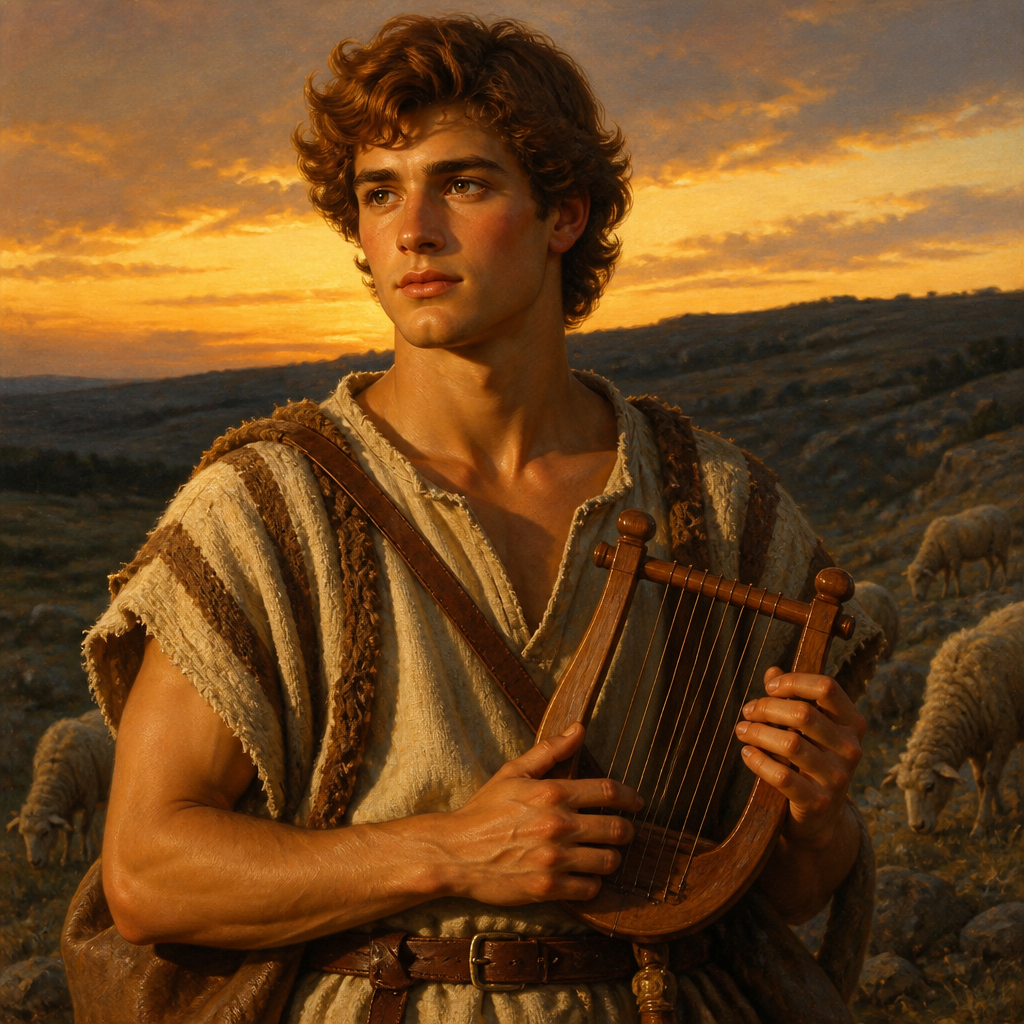
King of Israel who defeated Goliath and established the Davidic dynasty
Asaph, Levite Musician and Seer
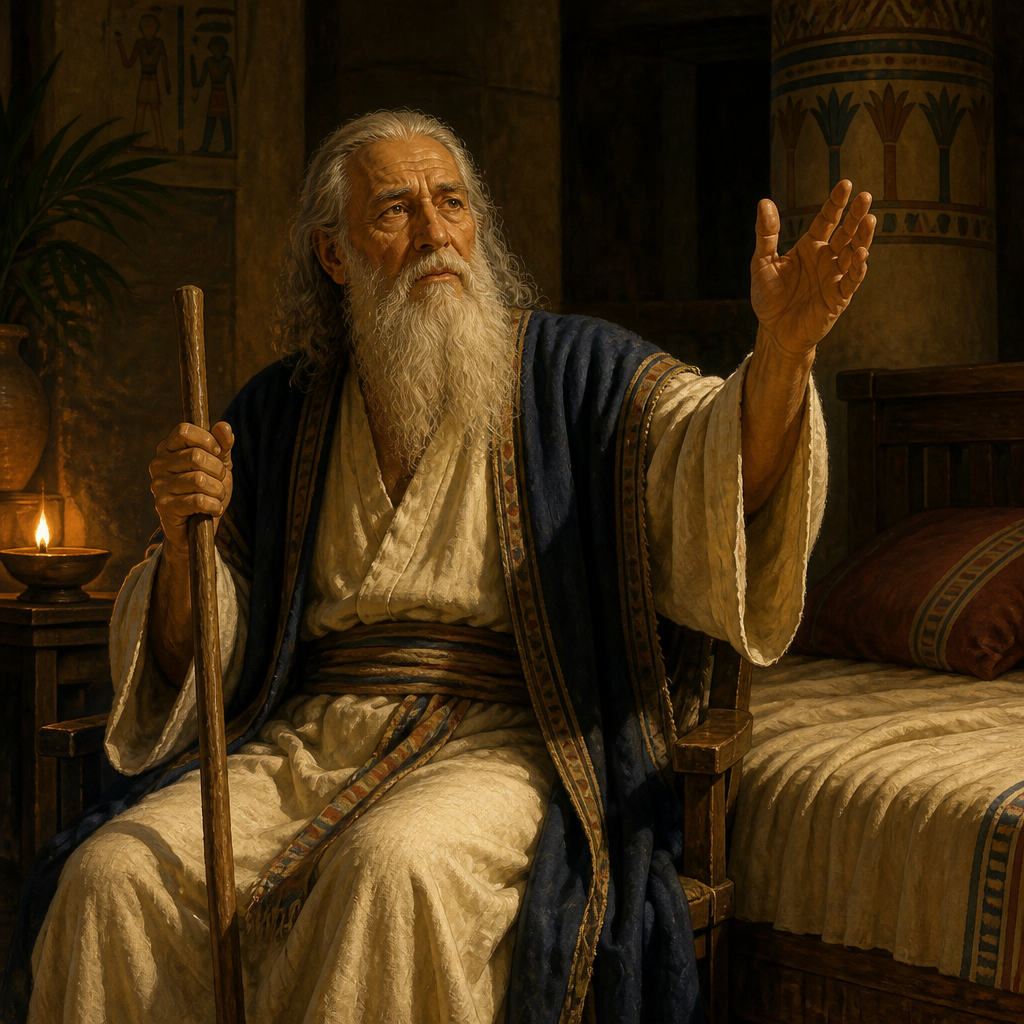
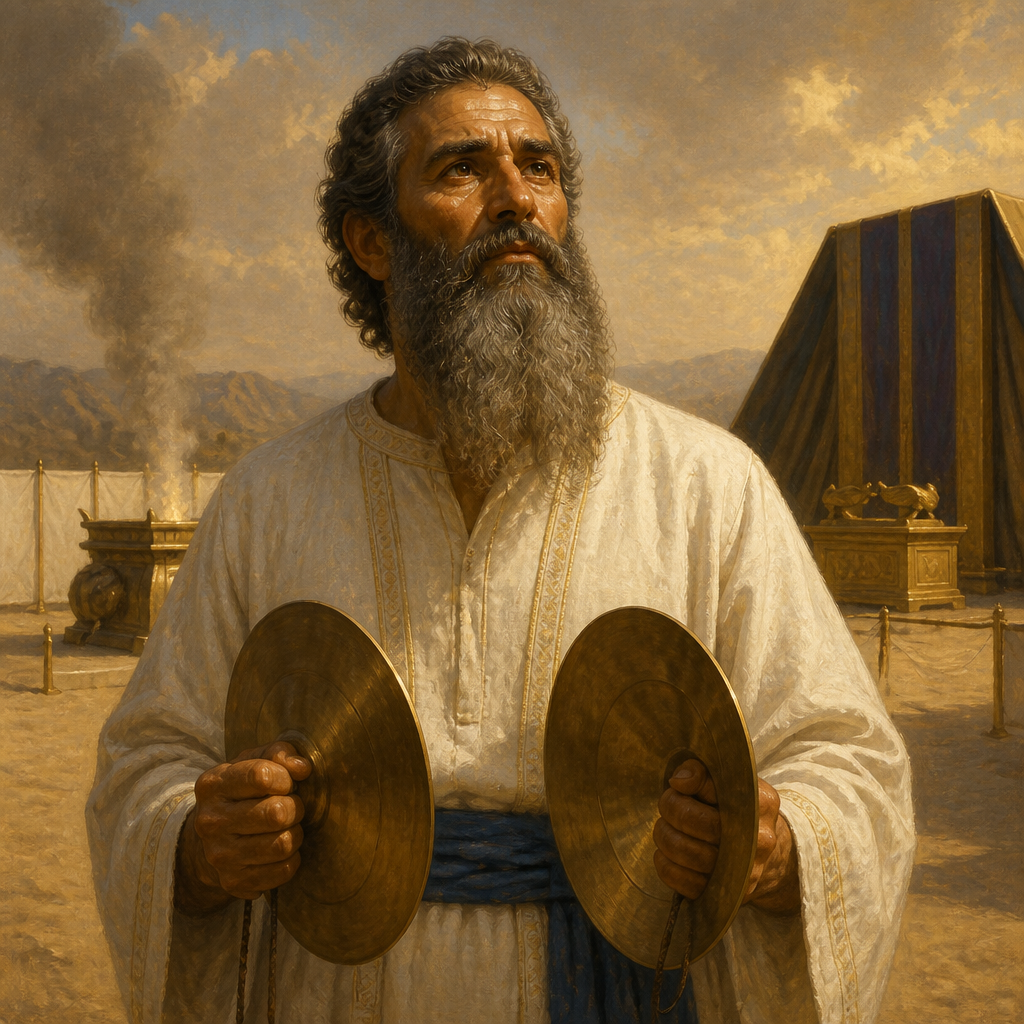
Levite musician and composer of twelve Psalms who served as King David's chief singer
Korah, Levite of the Exodus
Levite who led a rebellion against Moses and Aaron and was swallowed by the earth
Aaron
First High Priest of Israel who served as the spokesman for Moses during the Exodus
Moses
Prophet who led the Israelites out of Egypt and received the Ten Commandments
Saul
King of Israel who was the first to rule the United Monarchy before being rejected by God
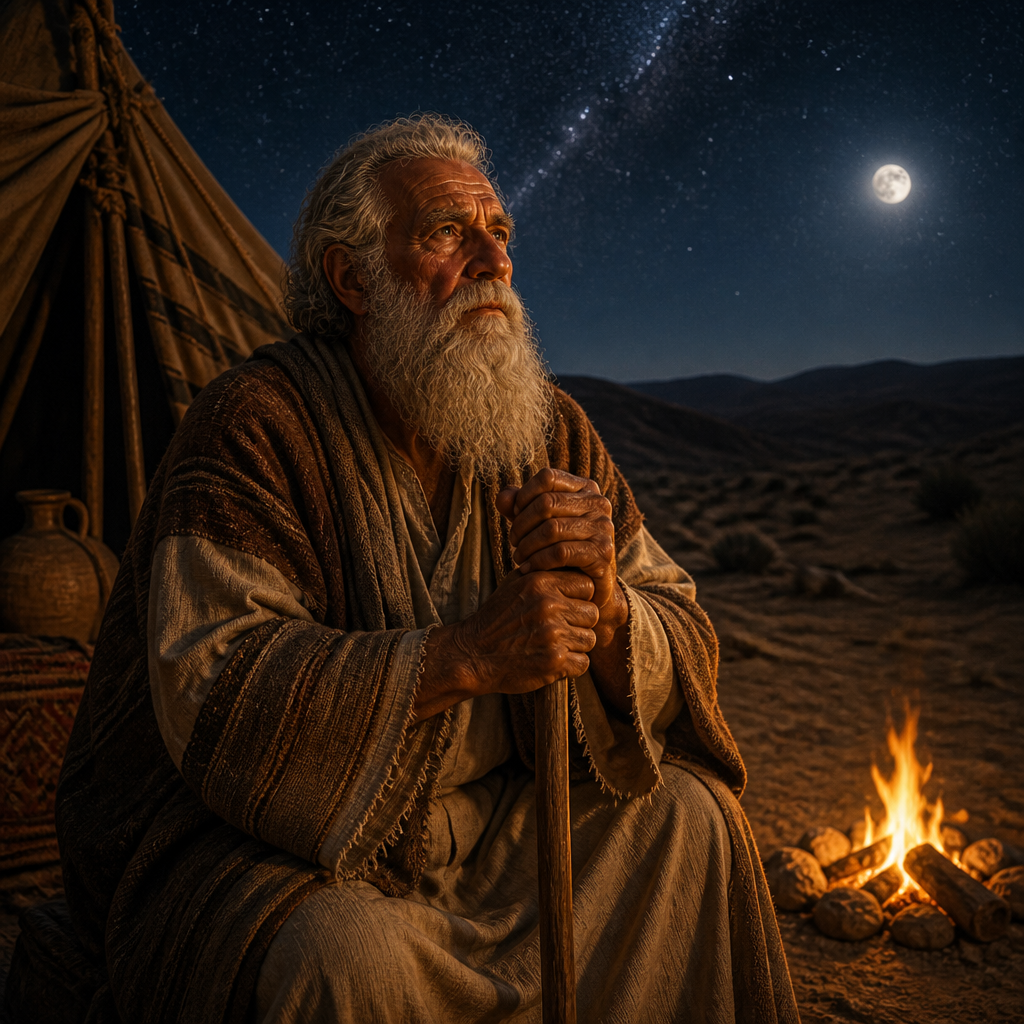
Abraham
Patriarch who is the father of the nation of Israel and an exemplar of faith
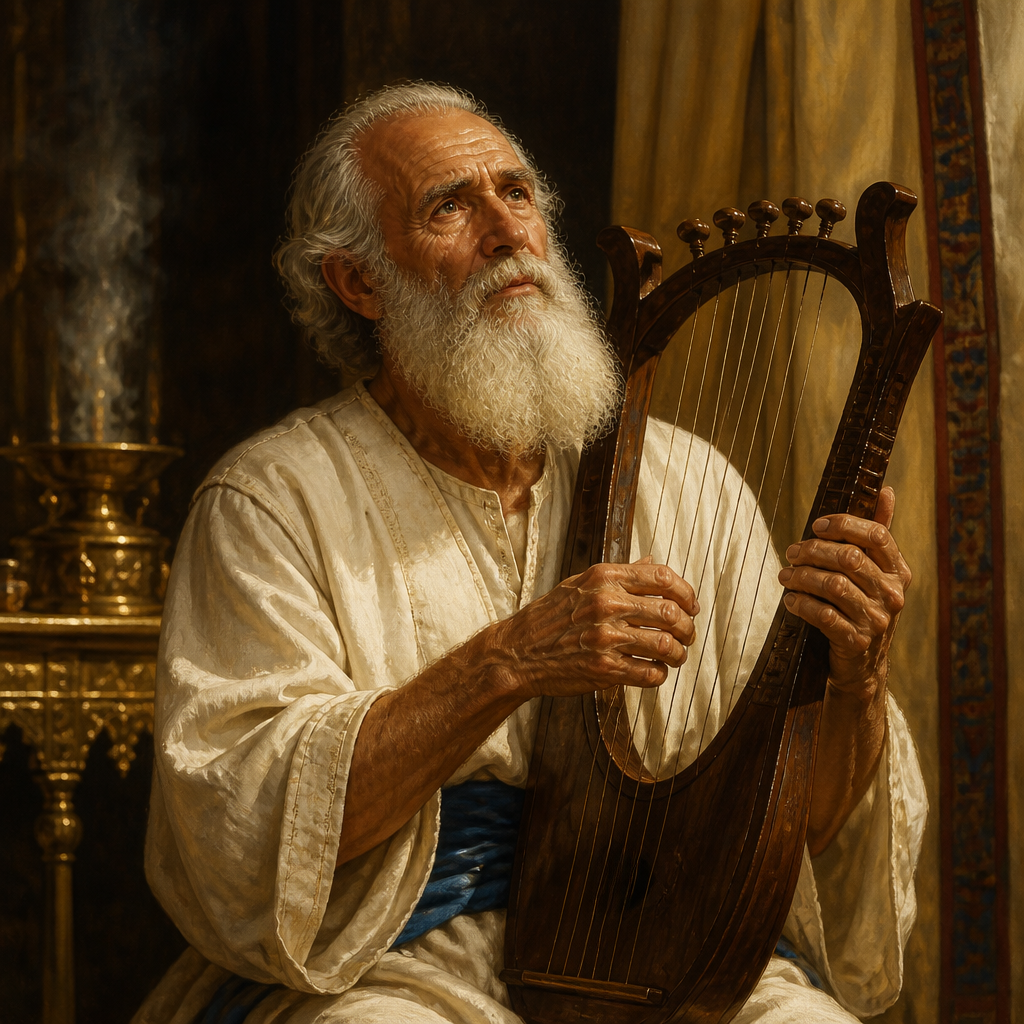
Jeduthun, Chief Musician of David
Chief musician of King David who prophesied with the harp and founded a guild of Temple singers
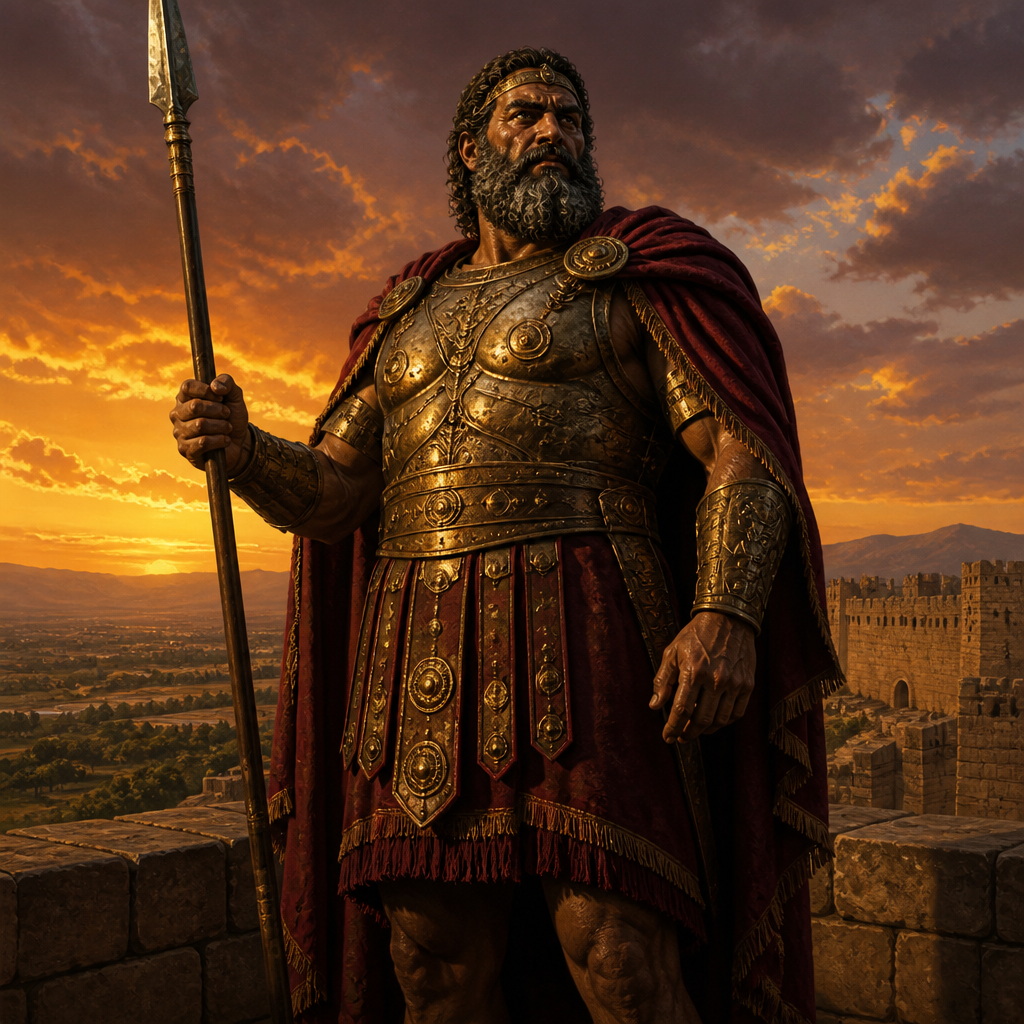
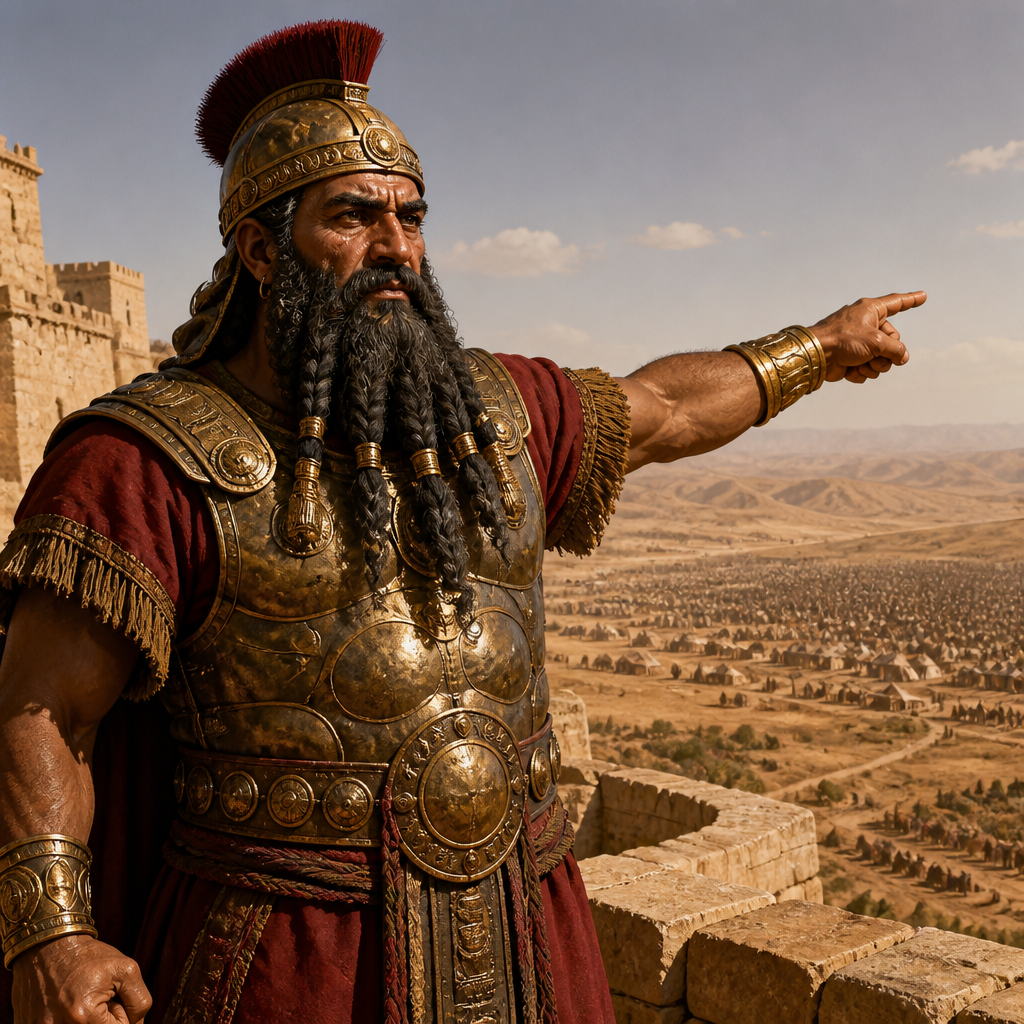
Sihon
King of the Amorites who was defeated by Moses at the Battle of Jahaz
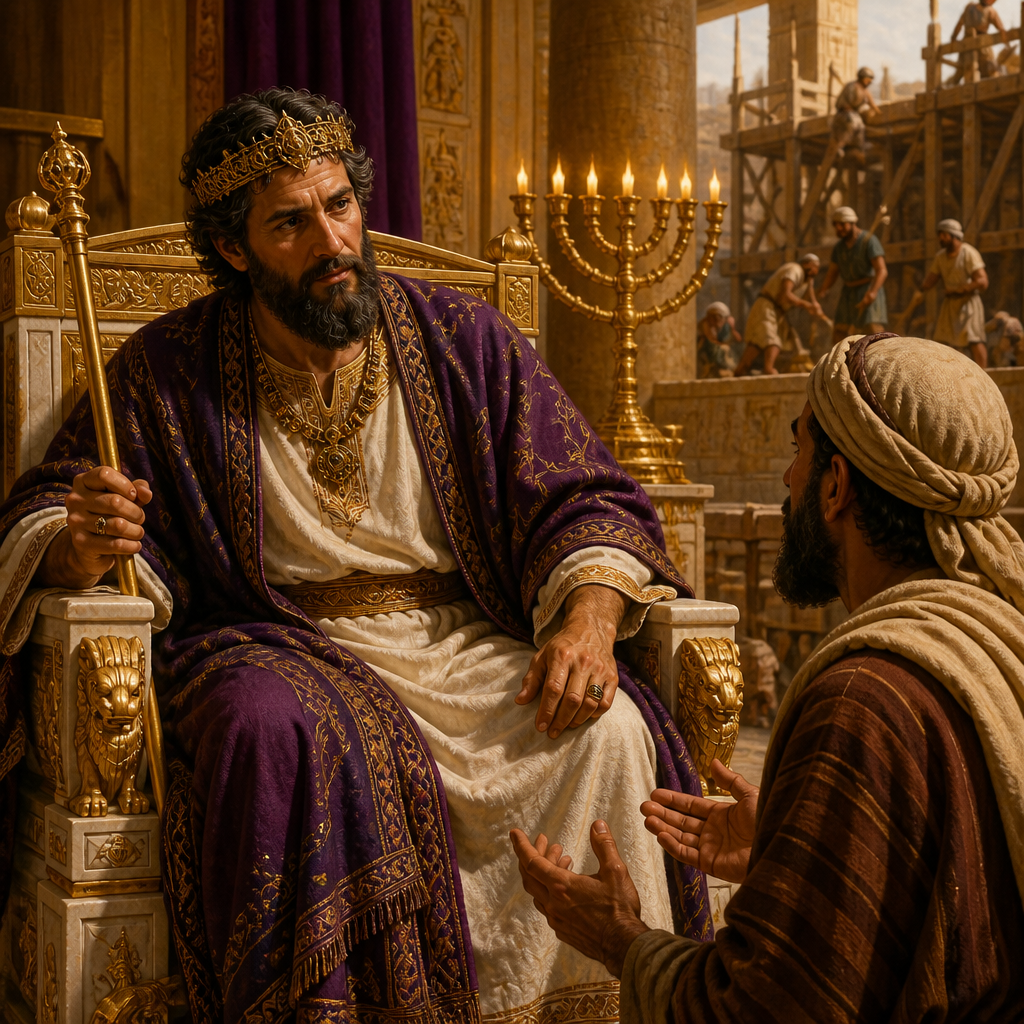
Solomon
King of Israel who built the first Temple and was famous for his wisdom
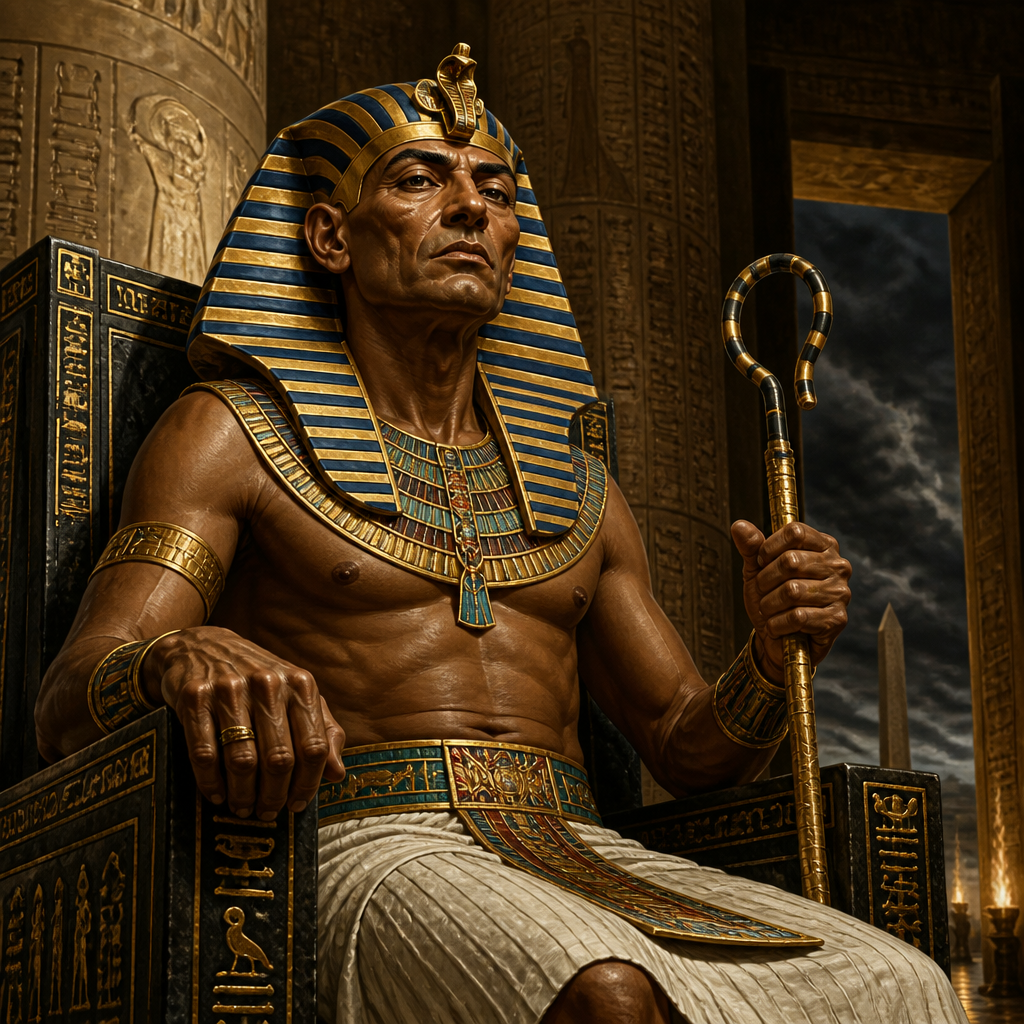
Pharaoh, King of the Exodus
Egyptian king who opposed Moses and was defeated at the Red Sea
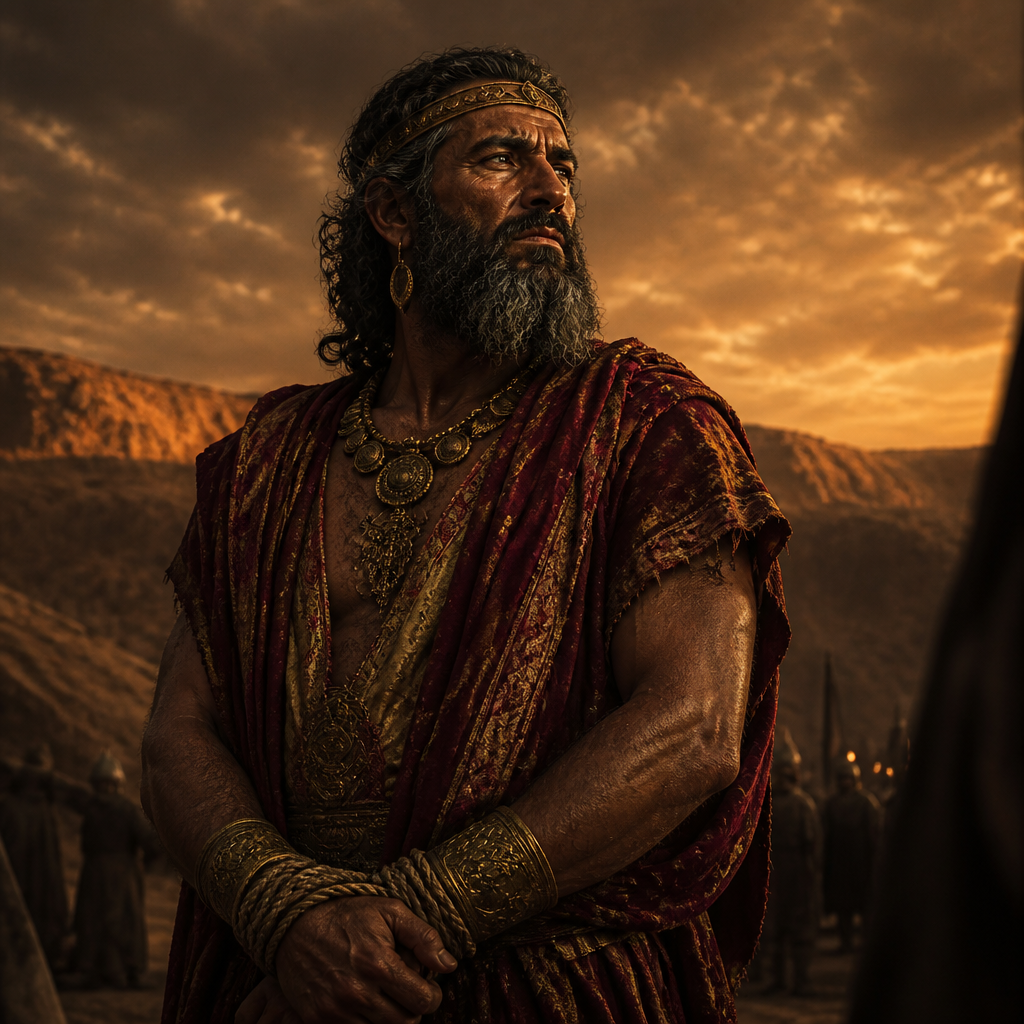
Zebah
King of Midian captured and executed by Gideon after the murder of Gideon's brothers
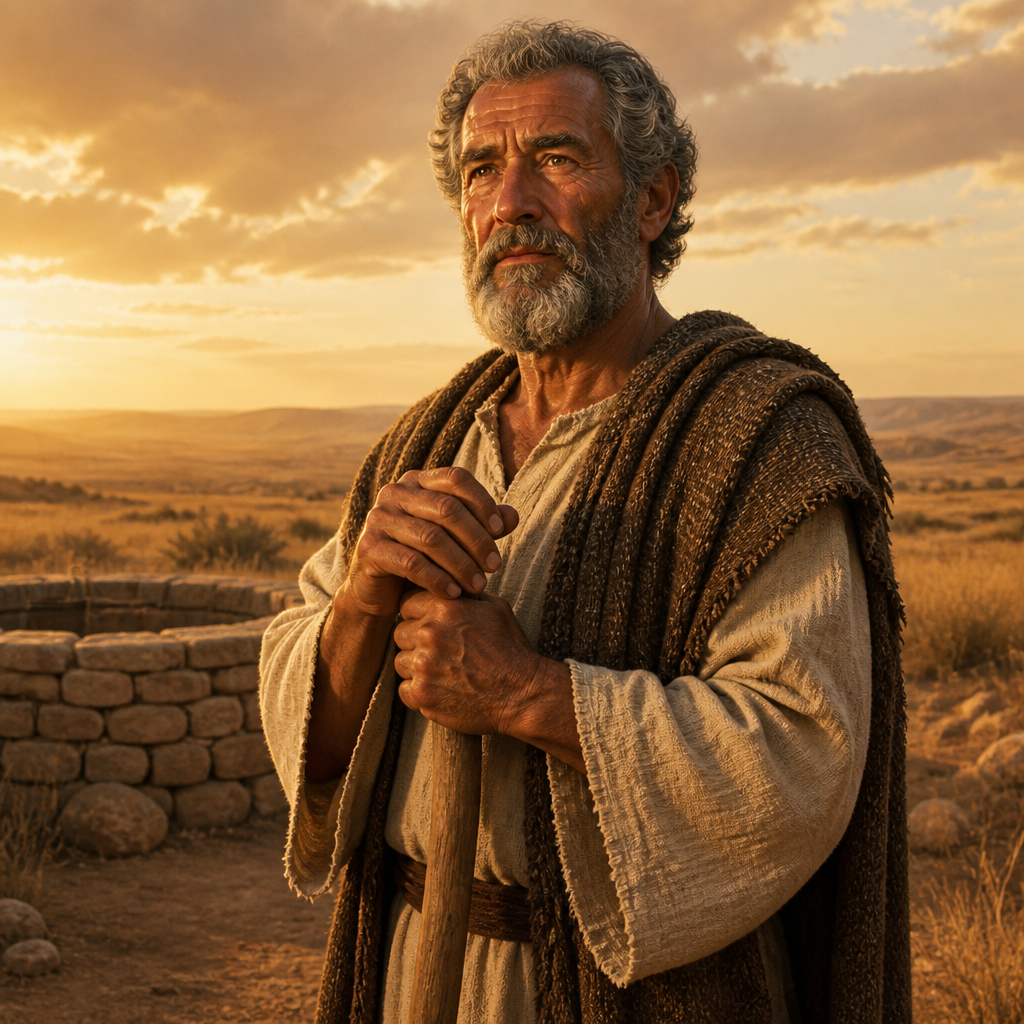
Isaac
Patriarch who was the son of Abraham and the father of Jacob and Esau
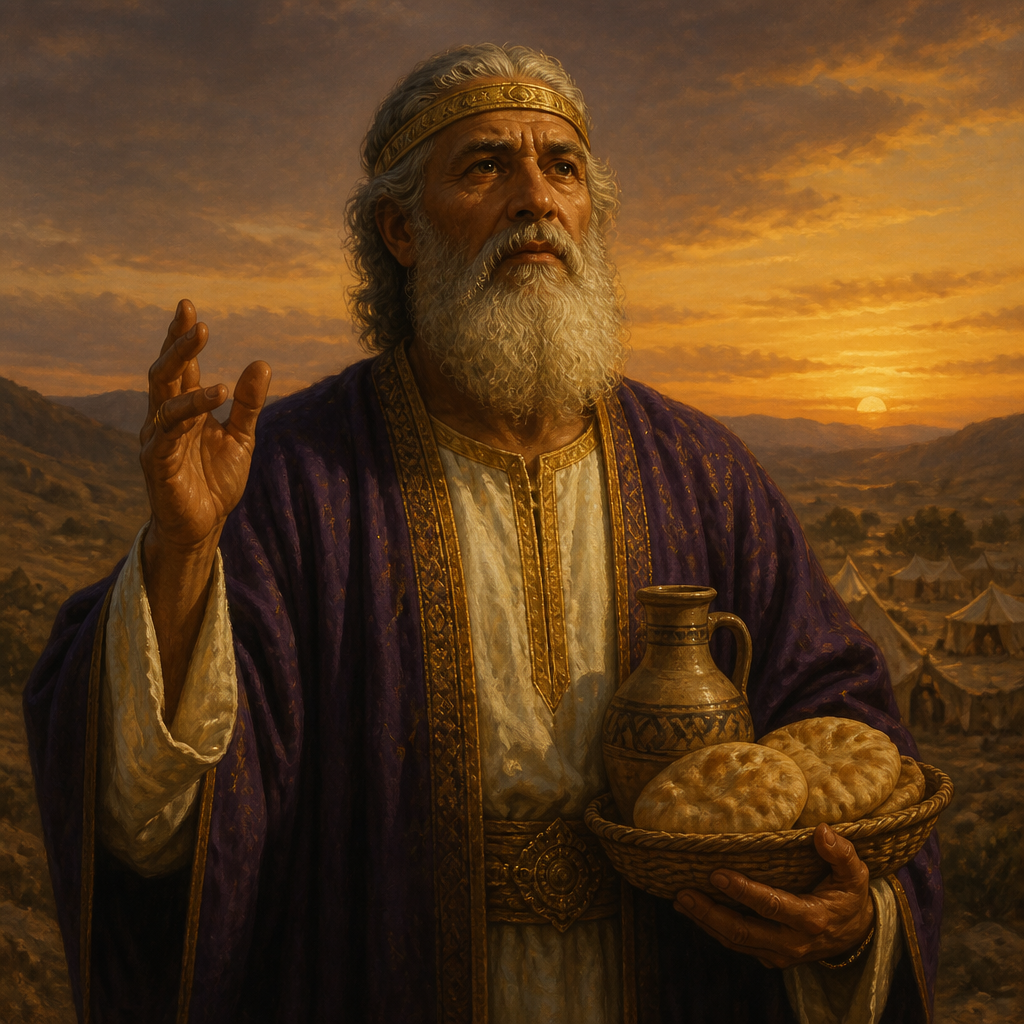
Melchizedek
King of Salem and priest who blessed Abraham and received his tithe
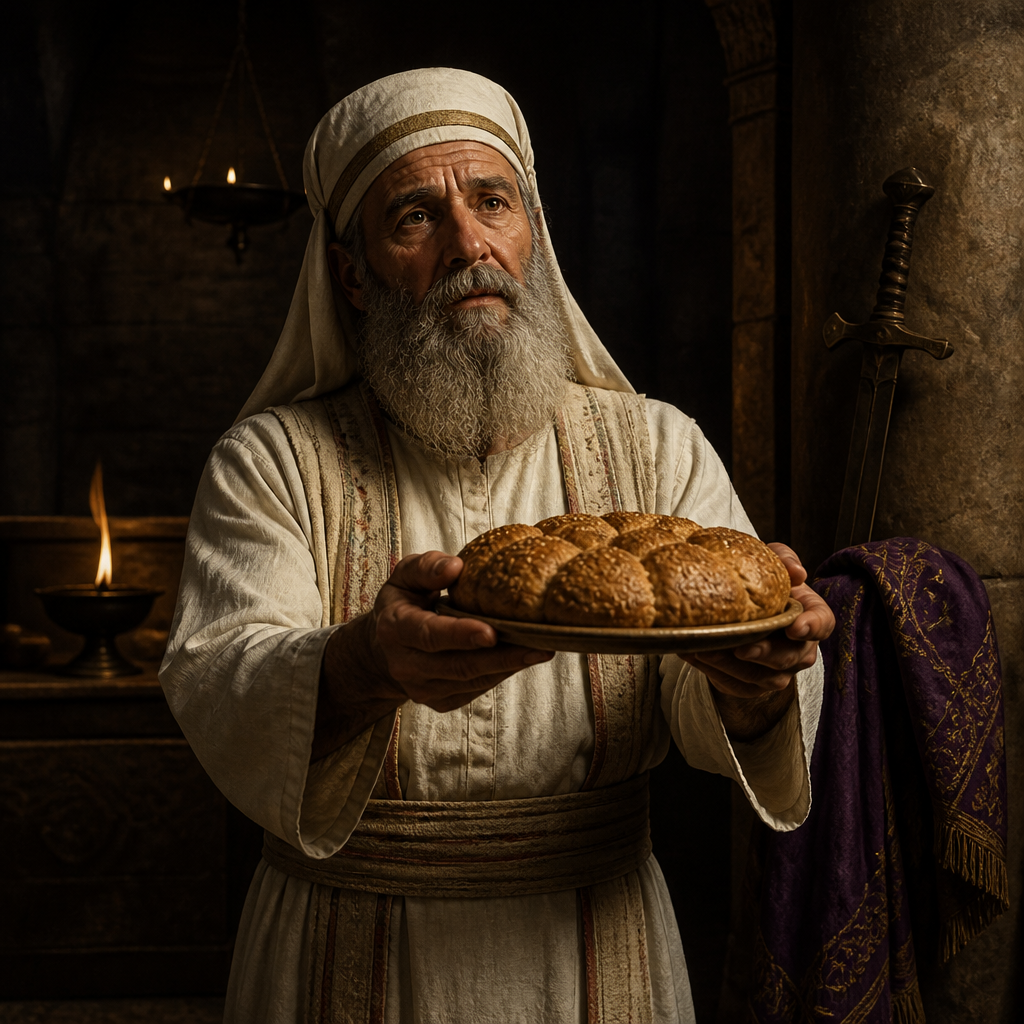
Ahimelech, High Priest of Nob
High Priest who was executed by Saul for assisting David at Nob
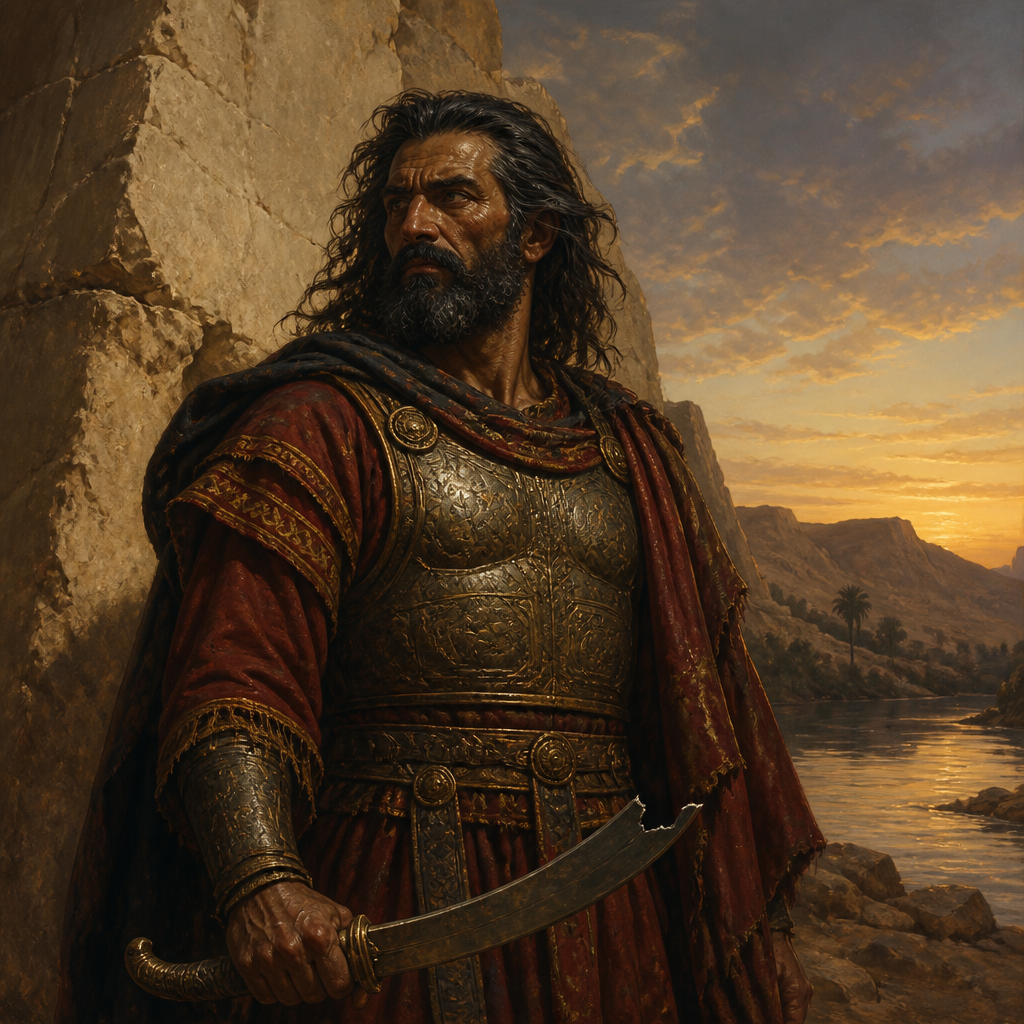
Oreb
Midianite prince captured and executed at a rock that was subsequently named after him
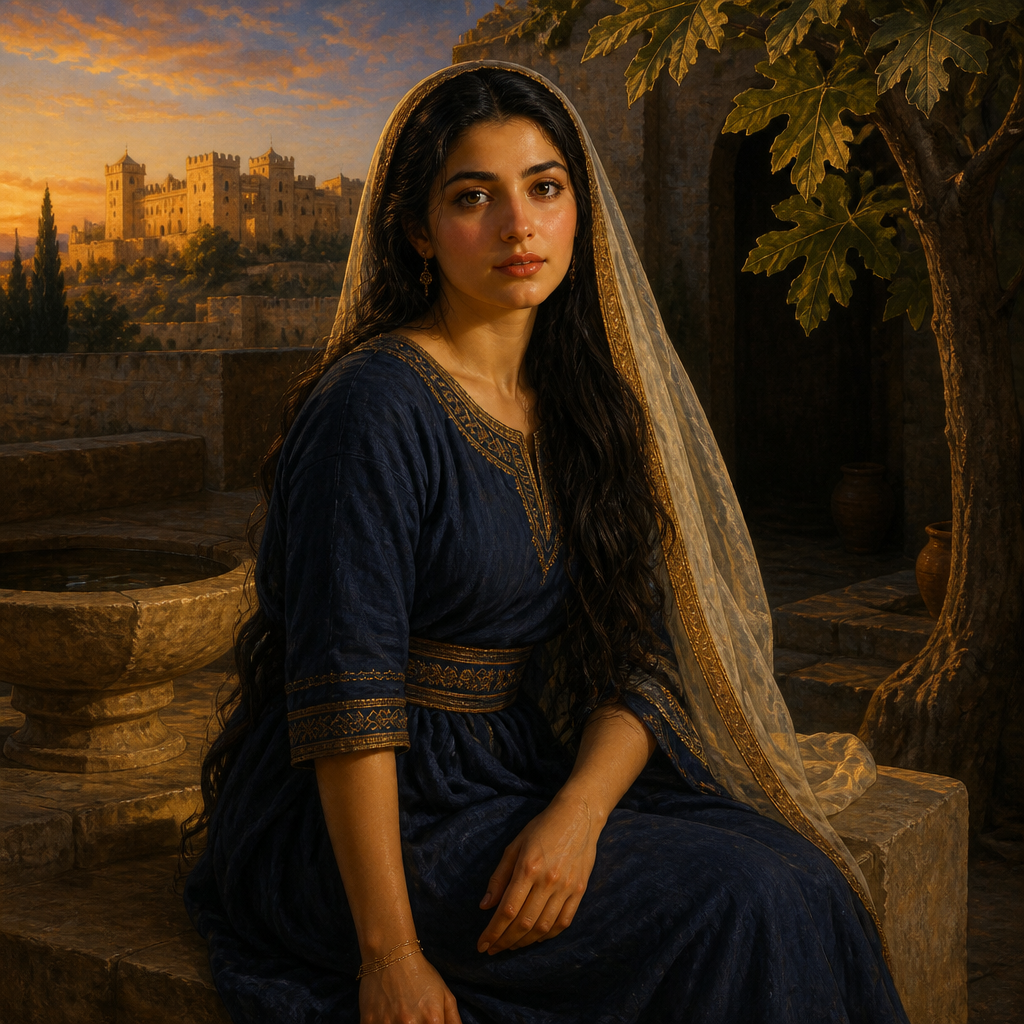
Bathsheba
Queen mother of King Solomon and wife of David who secured the succession for her son
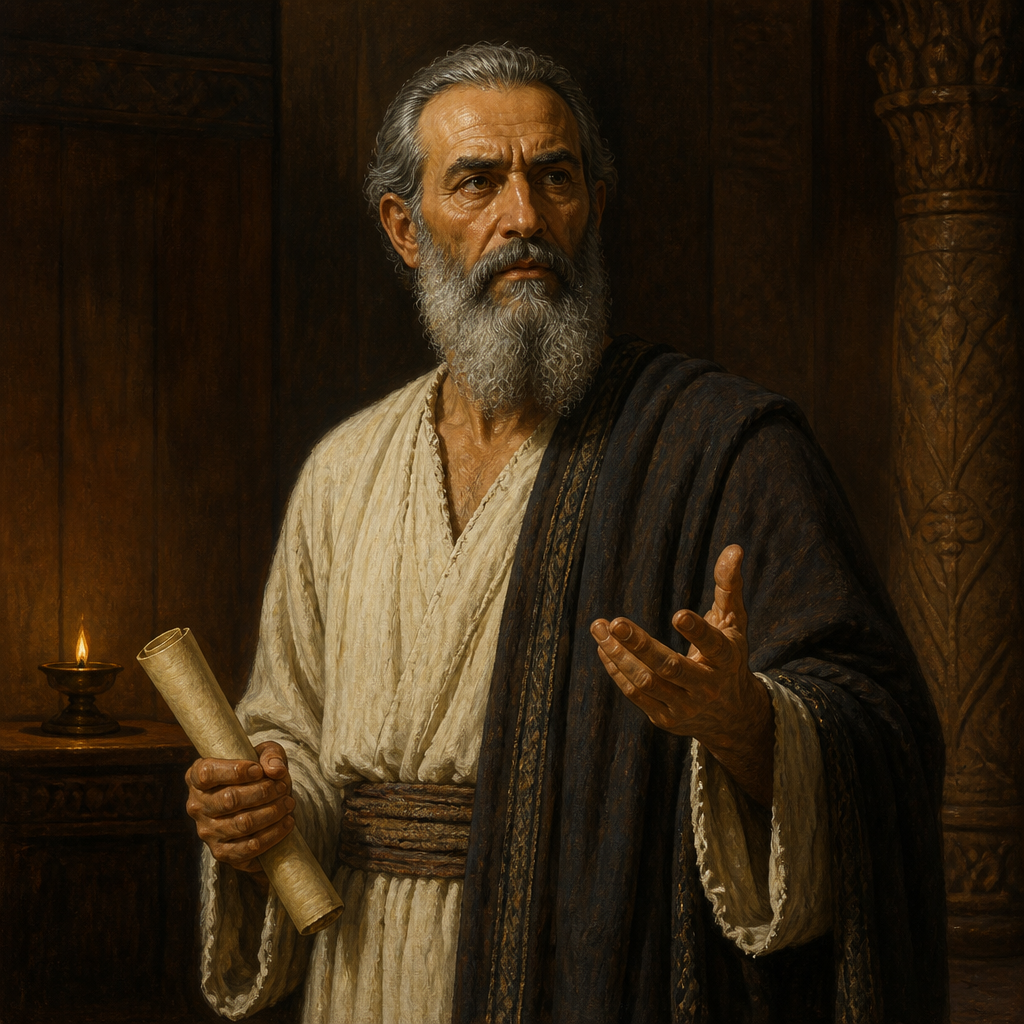
Nathan the Prophet
Prophet who confronted King David about Bathsheba and delivered the Davidic Covenant
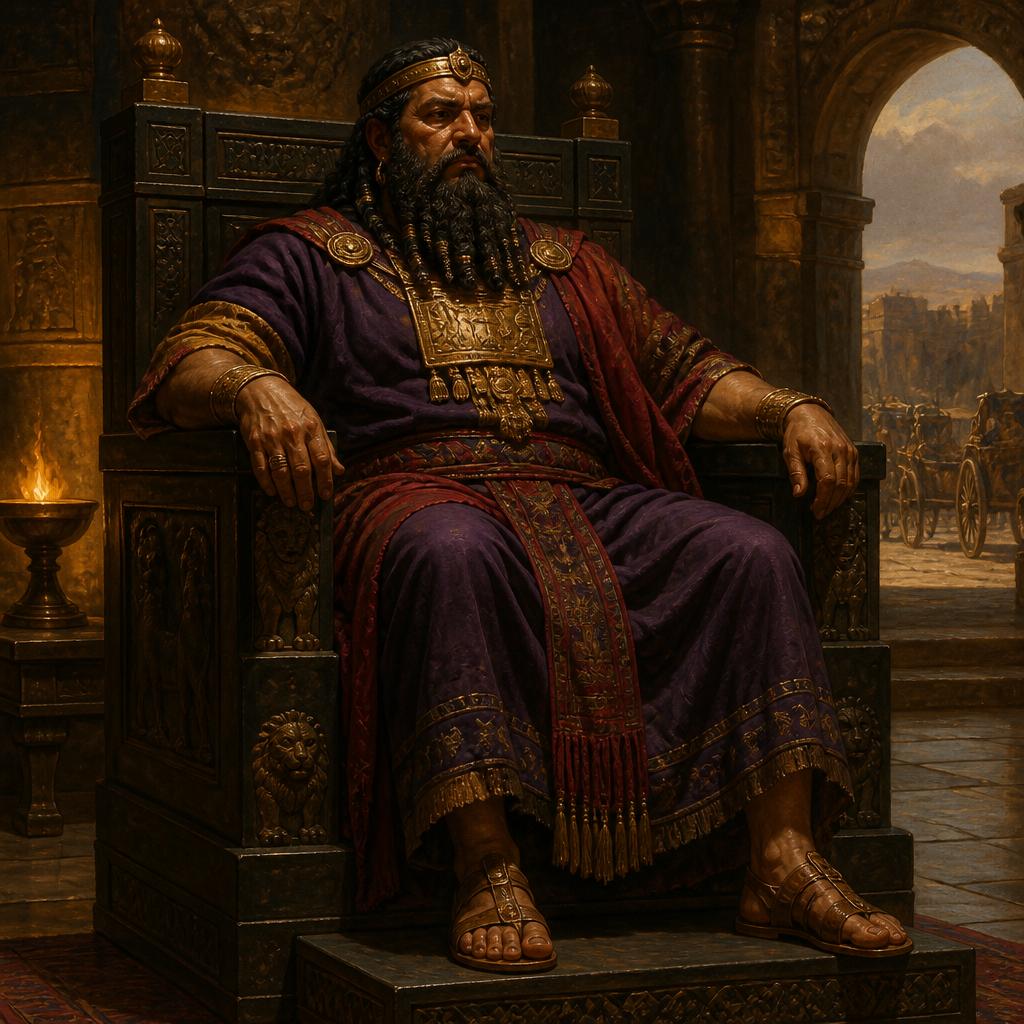
Jabin, King of Canaan
King of Canaan who oppressed Israel with nine hundred iron chariots
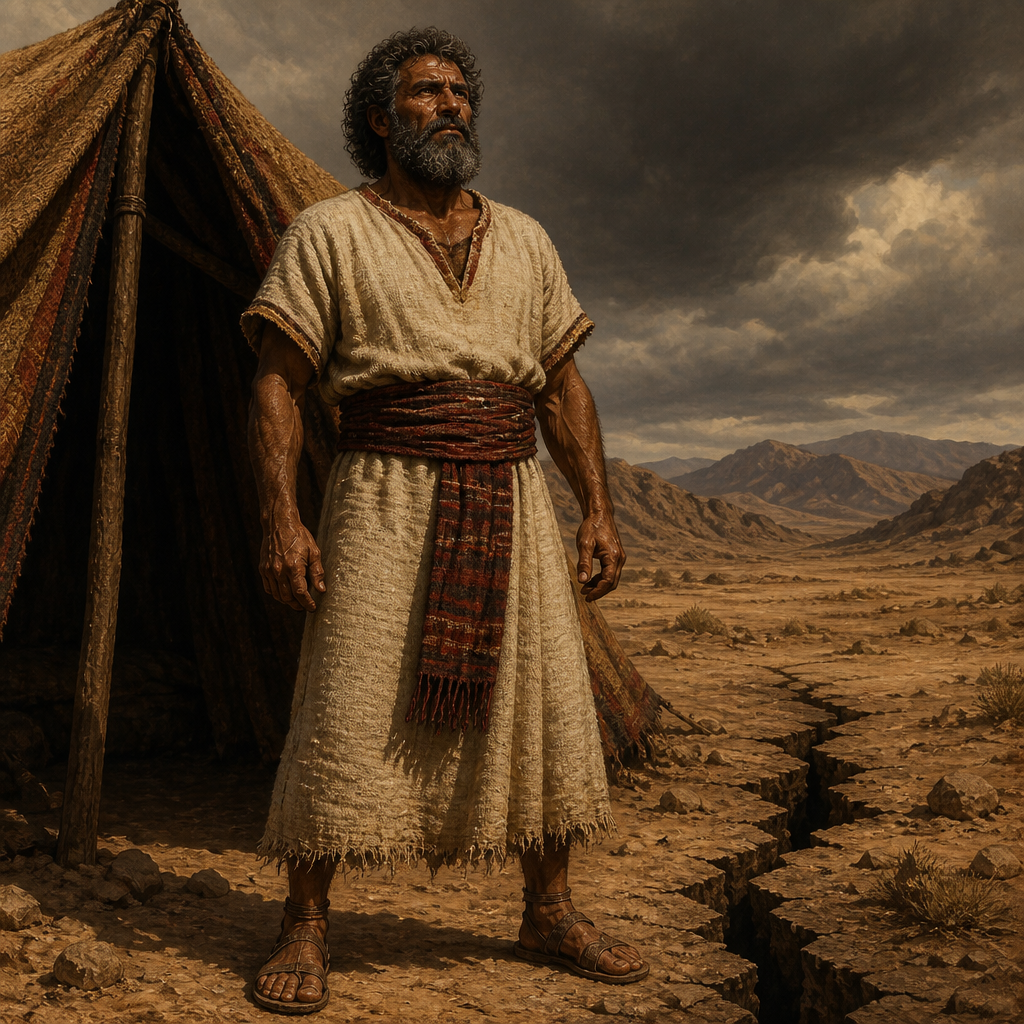
Abiram, Reubenite Rebel in the Wilderness
Reubenite leader who was swallowed by the earth for rebelling against Moses

The Holy Spirit
The third person of the Trinity — hovering over the waters at creation, empowering judges, prophets and kings, poured out at Pentecost, indwelling believers
Lot
Nephew of Abraham who escaped the destruction of Sodom and Gomorrah
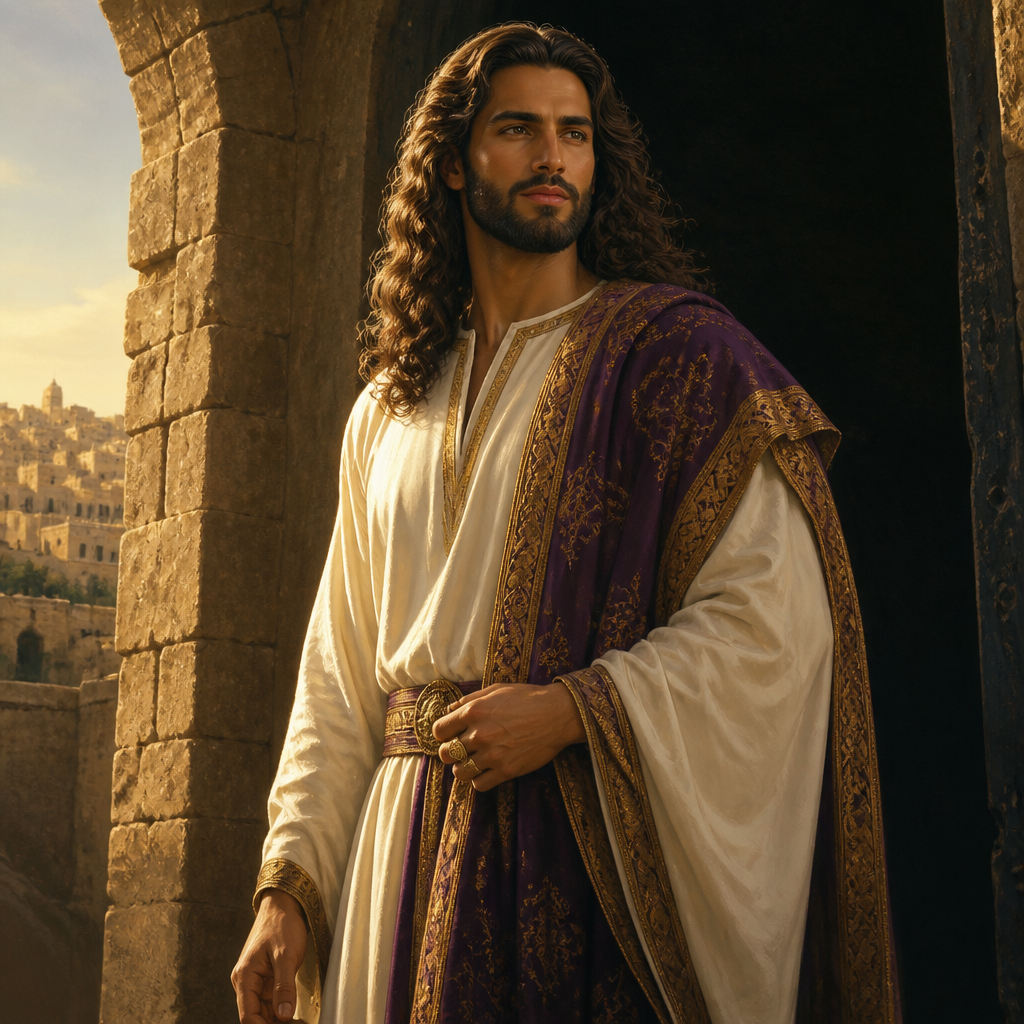
Absalom
Prince of Israel who led a major rebellion against his father King David
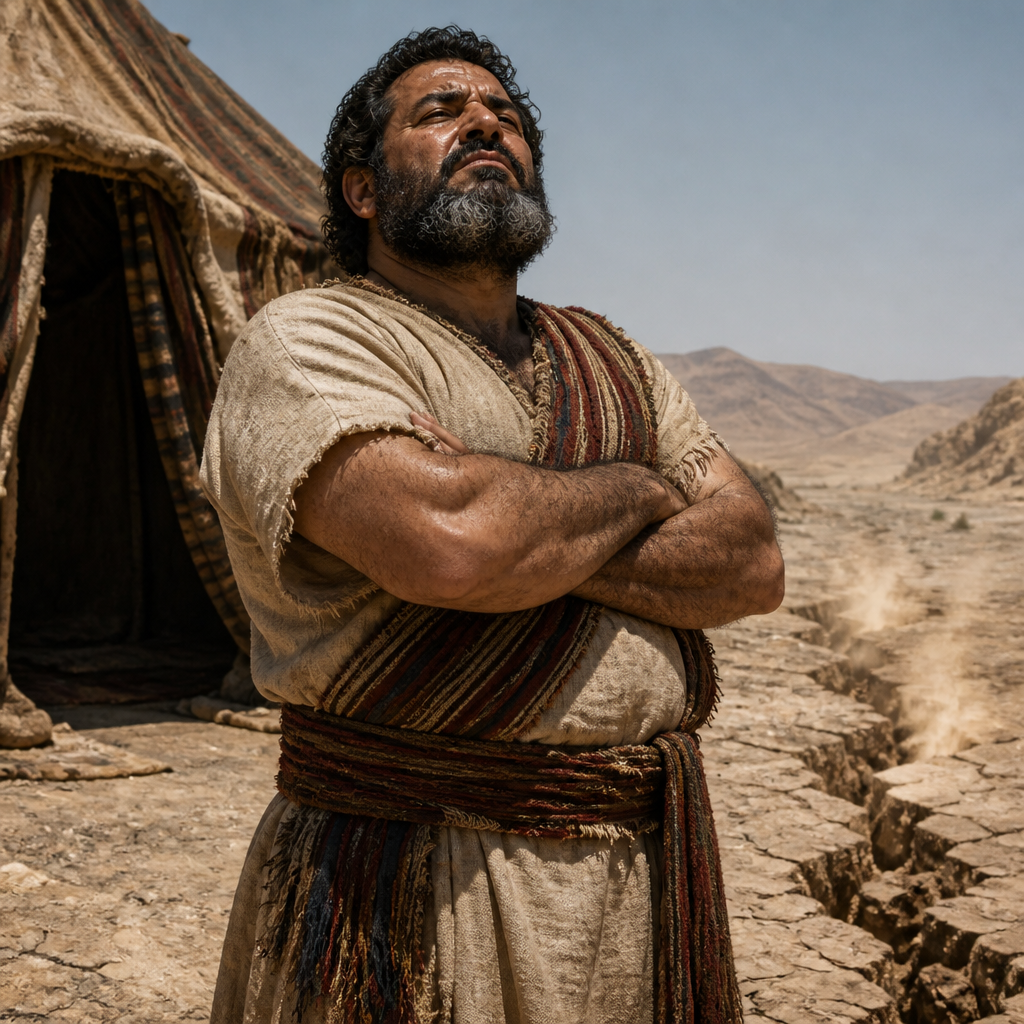
Dathan
Reubenite leader who perished when the earth swallowed him during a rebellion against Moses
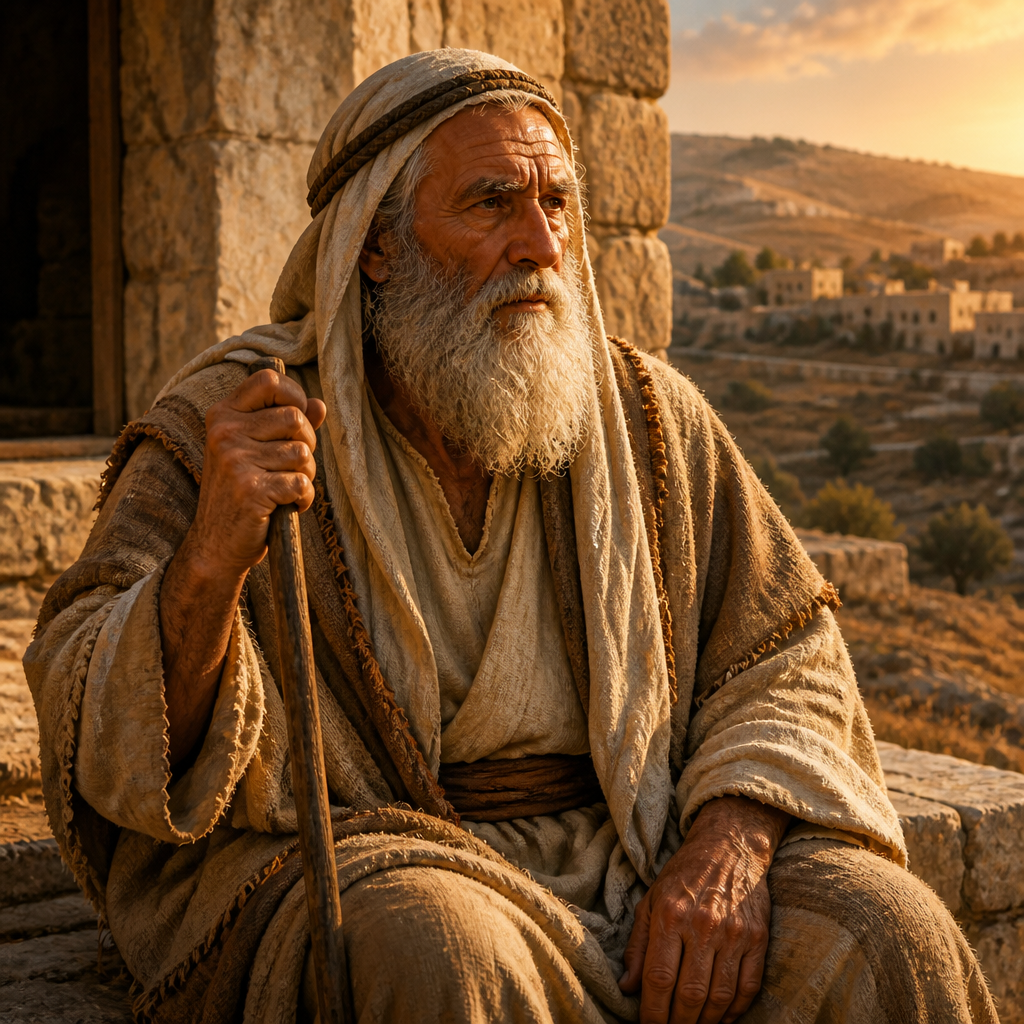
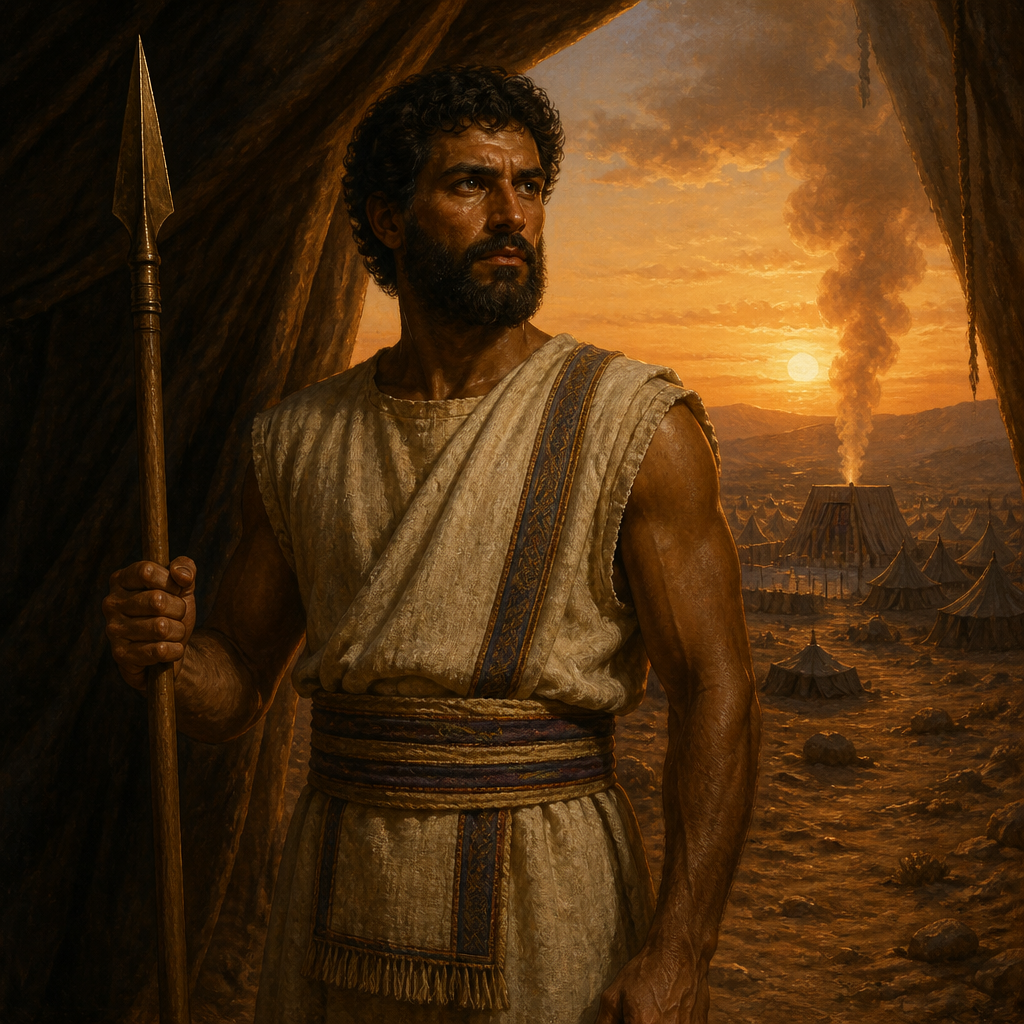
Phinehas, Son of Eleazar
Priest who stayed a plague by executing an idolatrous couple and received a perpetual covenant of priesthood
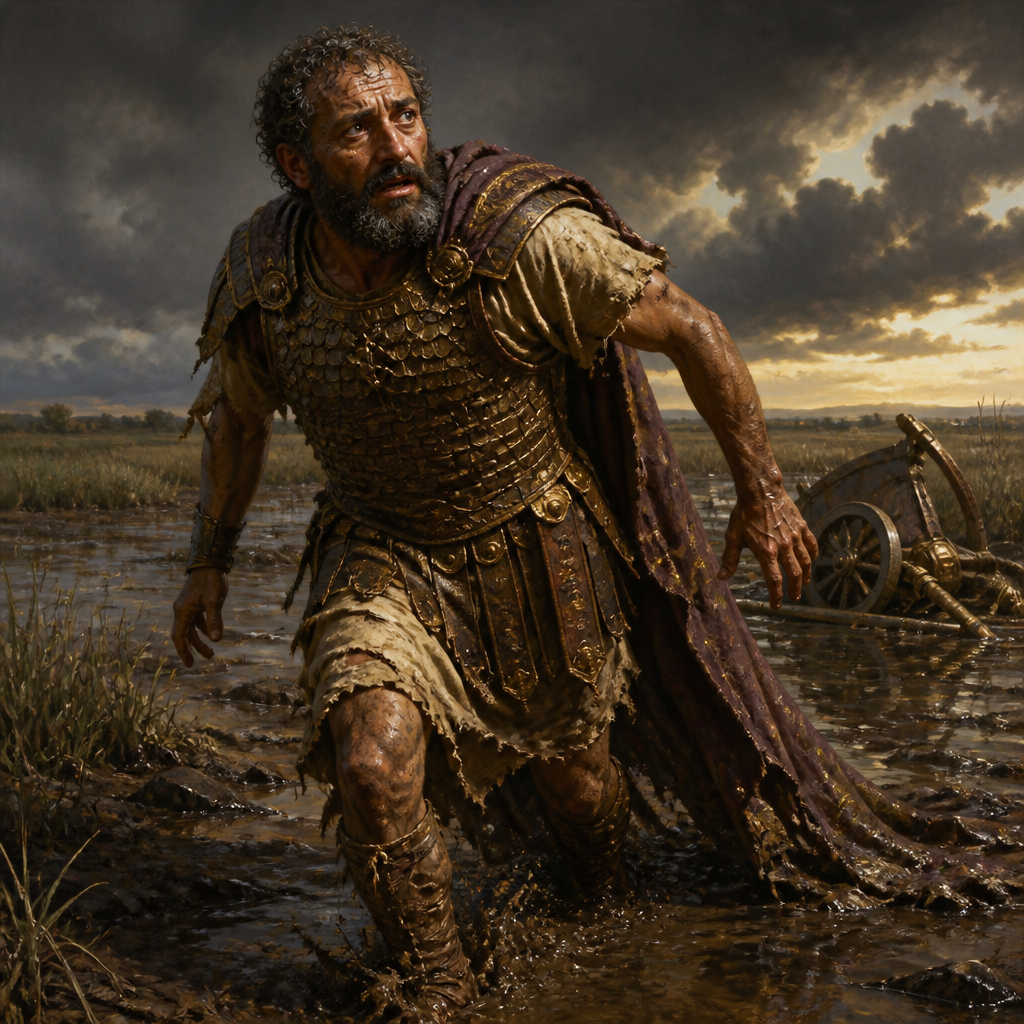
Sisera, Commander of Hazor
Canaanite general defeated by Barak and killed by Jael with a tent peg

Joab, Commander of the Army
Commander of David's army who captured Jerusalem and killed Absalom
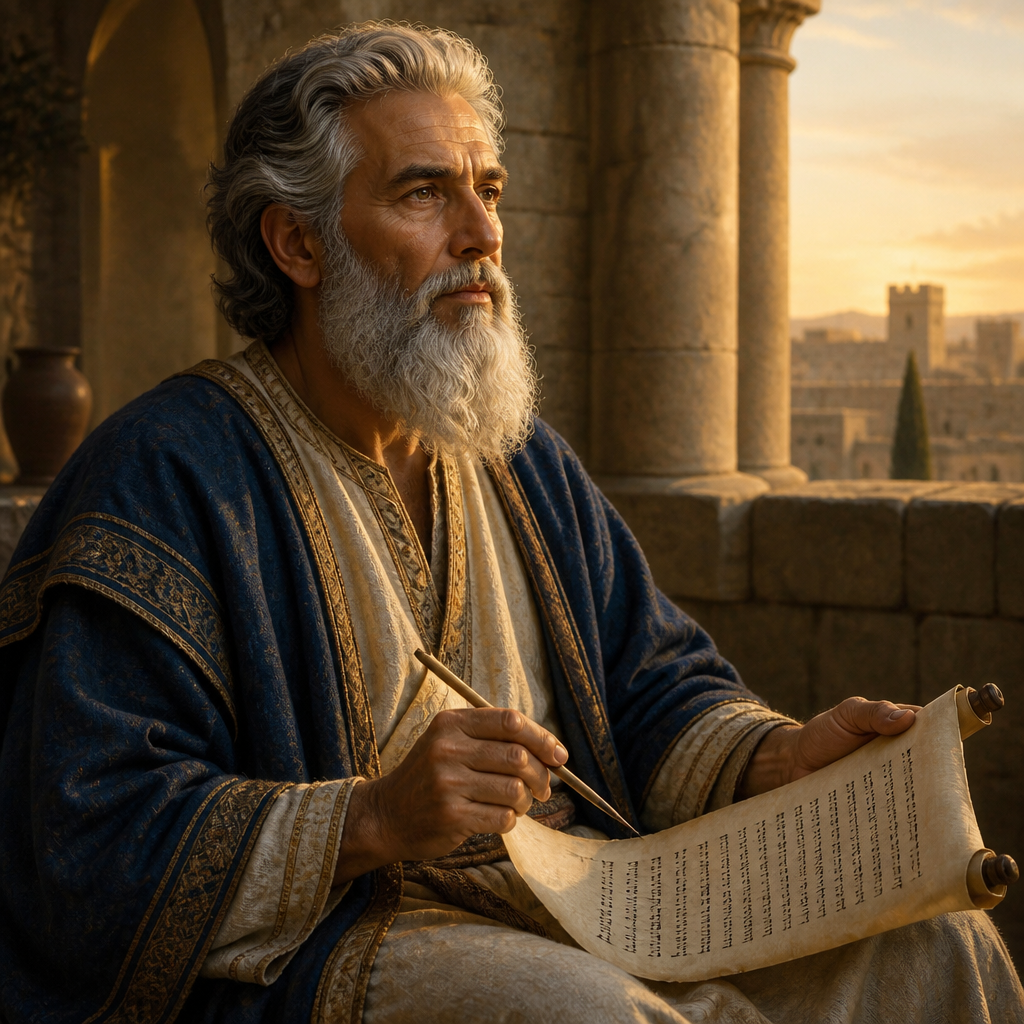
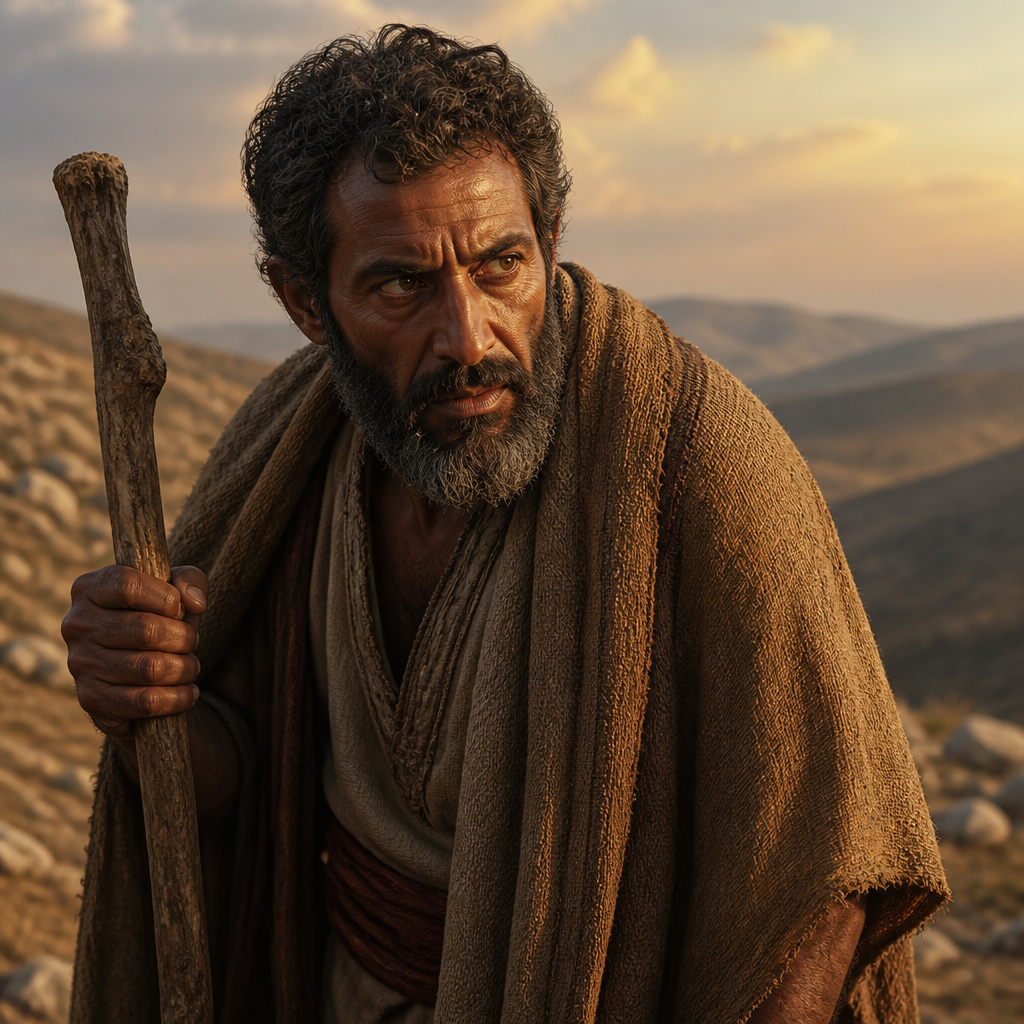
Cush the Benjamite
Benjamite whose words and pursuit of David prompted the writing of Psalm 7
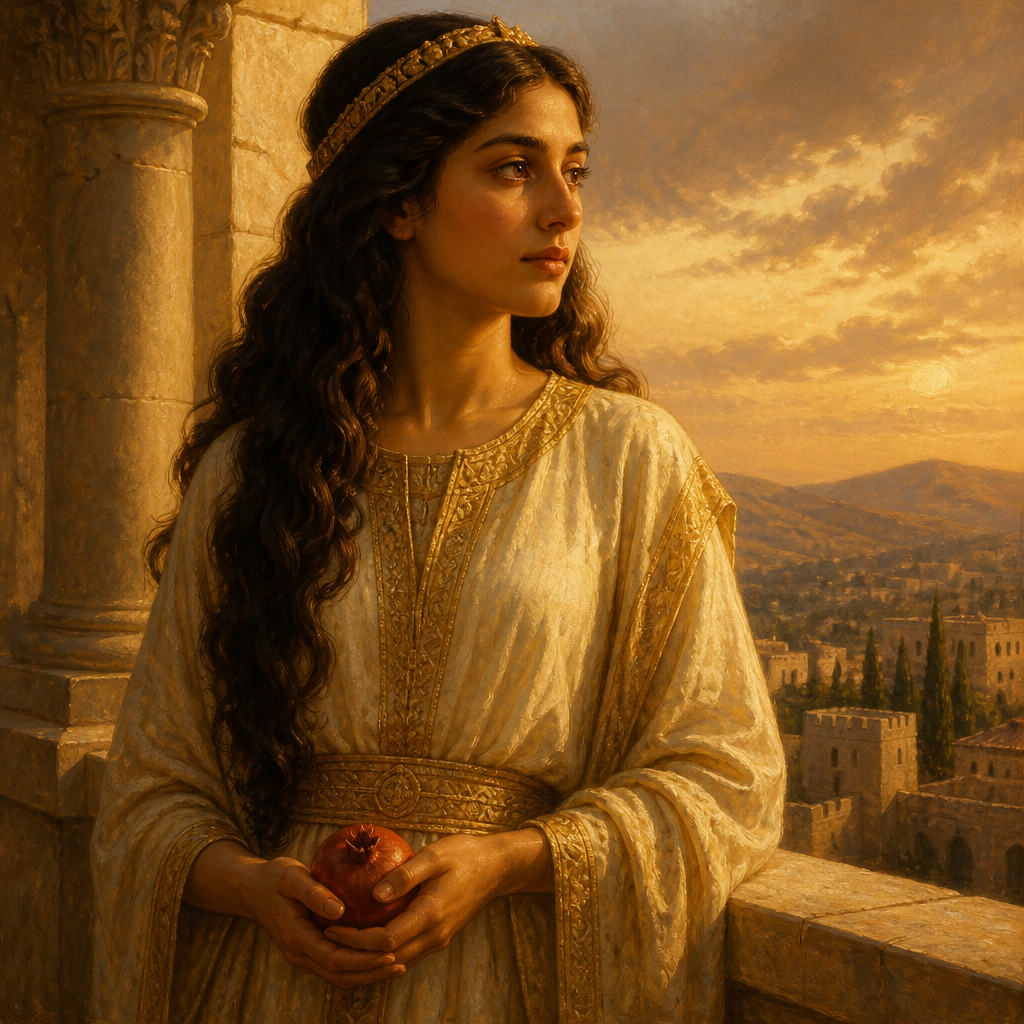
Tamar, Daughter of Absalom
daughter of Absalom known for her beauty and mother of Queen Maacah