Tamar, Daughter of Absalom
Who was Tamar, Daughter of Absalom, in the Bible?
A woman of the United Monarchy known for her beauty and status as the daughter of Absalom and the mother of Queen Maacah.
This is one of 3 people named Tamar in the Bible. See all 3 →
Tamar was a noblewoman of the Tribe of Judah during the United Monarchy of Israel. She was the daughter of Absalom, the third son of King David, making her the granddaughter of the king. While the biblical text provides limited information regarding her life, she is noted for her striking physical appearance, a trait she shared with her father and her aunt of the same name.
Her presence in the biblical narrative serves primarily as a genealogical link within the Davidic dynasty. As the wife of Uriel of Gibeah and the mother of Maacah, she is an essential figure in the lineage that transitions from the unified kingdom under David and Solomon into the early years of the Divided Monarchy in Judah.
Background and Family
Tamar was born into the royal house of Israel during a period of significant cultural and political expansion. Her father, Absalom, was renowned throughout Israel for his exceptional physical beauty, a characteristic that the author of 2 Samuel specifically attributes to Tamar as well. According to 2 Samuel 14:27, Absalom had three sons (who are not named and likely died young, as 2 Samuel 18:18 suggests he had no surviving sons to carry on his name) and one daughter named Tamar.
Three sons were born to Absalom, and a daughter named Tamar, who was a beautiful woman. (2 Samuel 14:27, BSB)
Her mother is not named in the biblical text. Tamar belonged to the Tribe of Judah, the royal tribe from which the Davidic kings emerged.
Major Life Events
The direct recorded events of Tamar's life are sparse. The biblical record focuses on her role as a genealogical bridge. She married Uriel of Gibeah (2 Chronicles 13:2). Through this union, she became the mother of Maacah (also referred to as Micaiah), who would go on to become the wife of King Rehoboam and the mother of King Abijah of Judah. This position as "Queen Mother" (or grandmother) gave Tamar's descendants significant influence over the religious and political life of the southern kingdom.
Relationship to Other Biblical Figures
Tamar's primary significance lies in her familial connections. As the daughter of Absalom, she was the granddaughter of King David. Her marriage to Uriel of Gibeah linked the house of David with the influential family of Uriel. The most notable result of this union was her daughter, Maacah, who is a central figure in the accounts of the kings of Judah.
There is a historical complexity regarding her daughter Maacah's parentage in the text, as 1 Kings 15:2 refers to Maacah as the "daughter of Abishalom" (a variant of Absalom). However, 2 Chronicles 13:2 clarifies that Maacah was the daughter of Uriel of Gibeah. Scholars generally resolve this by concluding that Maacah was the granddaughter of Absalom through his daughter Tamar, as the Hebrew term for "daughter" can frequently denote "granddaughter."
Spiritual Significance
Tamar represents the continuation of the Davidic line through a period of intense internal strife. Though her father, Absalom, led a famous rebellion against King David, Tamar herself remained a part of the legitimate genealogical progression that led to the later kings of Judah. Her inclusion in the text, though brief, emphasizes the preservation of the royal family and the fulfillment of the dynastic promises made to the house of David, despite the personal failings and tragedies of individual family members.
Tamar's significance is primarily genealogical, serving as the link between the rebellious Absalom and the legitimate line of Judah's kings. Through her daughter Maacah, Tamar's bloodline continued to occupy the throne of Judah during the reigns of Rehoboam, Abijah, and Asa.
Her description as a 'beautiful woman' mirrors the description of her father, suggesting a thematic continuity of physical grace within Absalom’s branch of the Davidic family, even as the narrative focuses on the political transitions of the era.
Frequently Asked Questions
Who was Tamar's father?
Tamar was the daughter of Absalom, the son of King David.
Who was Tamar's daughter?
Tamar was the mother of Maacah (also called Micaiah), who became a queen of Judah.
Was Tamar a princess?
Yes, as the daughter of Absalom and granddaughter of King David, she was a member of the royal family of the United Monarchy.
Where is Tamar mentioned in the Bible?
She is specifically mentioned by name in 2 Samuel 14:27.
Who was Tamar's husband?
She was the partner of Uriel of Gibeah, as evidenced by the parentage of her daughter Maacah in 2 Chronicles 13:2.
Family & Relationships
Parents
 AbsalomFather2 Samuel 14:27Stated
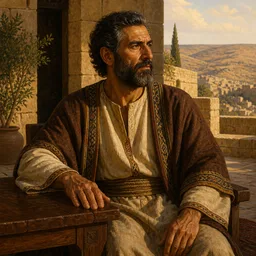 Uriel of GibeahHusband2 Samuel 14:27
Inferred
No verse names Uriel and Tamar together; the wife link is carried from the surrounding genealogy and is not stated in Scripture.Evidence: 2 Samuel 14:27
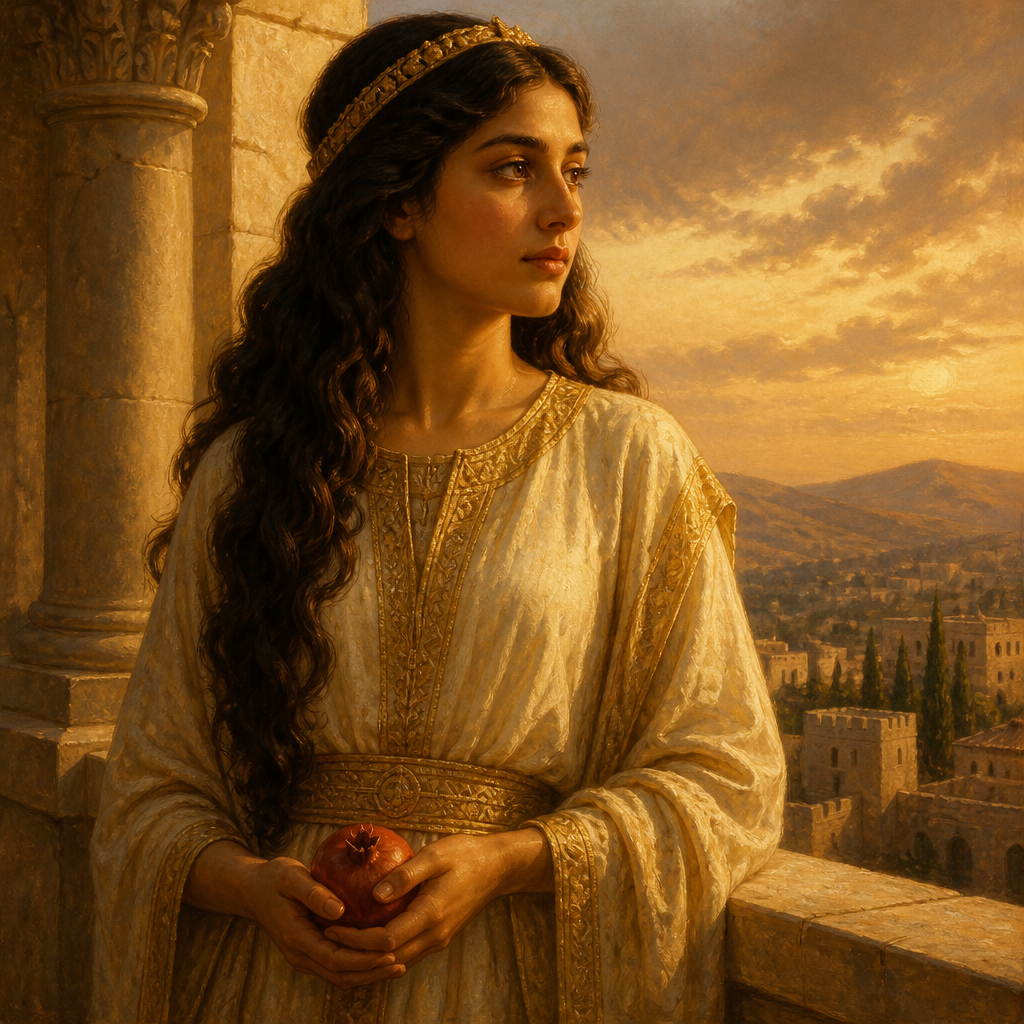 Tamar, Daughter of AbsalomThis page
Children
 Maacah, Queen Mother of JudahDaughter2 Samuel 14:27
Inferred
Reconstructed through Absalom: 2 Samuel 3:3 ties Maacah to Absalom (itself an inferred link); 2 Samuel 14:27 ties Absalom to Tamar. No verse states the mother link between Maacah and Tamar directly.Evidence: 2 Samuel 14:27
Extended family
 DavidGrandfather2 Samuel 14:27
Inferred
2 Samuel 13:1 names David and Tamar in the same verse but does not state a granddaughter tie between them; the link rests on the surrounding narrative.Evidence: 2 Samuel 14:27; 2 Samuel 13:1; Psalms 3:1
Connected Figures
Family
Father · 2 Samuel 14:27
The third son of King David, Absalom was a charismatic prince who staged a major rebellion against his father and was ultimately killed in battle by Joab.
United MonarchyFirst: 2 Samuel 3:3104 versesPrince / Rebel LeaderJudah
Husband · 2 Samuel 14:27
A man from Gibeah identified as the father of Micaiah (Maacah) and the grandfather of King Abijah of Judah.
Daughter · 2 Samuel 14:27
A powerful queen mother of Judah and wife of King Rehoboam who was deposed by her grandson Asa for her promotion of Asherah worship.
Divided MonarchyFirst: 1 Kings 15:210 versesQueen Mother (Gebirah)Judah
Grandfather · 2 Samuel 14:27
The second king of the United Monarchy of Israel, a shepherd-warrior and psalmist known as a man after God's own heart.
United MonarchyFirst: Ruth 4:17998 versesKing of Israel, Shepherd, Musician, WarriorJudah
Categories
Mentions by Book
- 2 Samuel2
- 1 Kings1
- 2 Chronicles1
- Psalms1
Scripture References
All 5 indexed verses, in canonical order, from the Berean Standard Bible.
2 Samuel · 2
- 2 Samuel 13:1
After some time, David’s son Amnon fell in love with Tamar, the beautiful sister of David’s son Absalom.
Cited as evidence on a family card; added so References, Key Verses and Mentions by Book share one index.
- 2 Samuel 14:27
Three sons were born to Absalom, and a daughter named Tamar, who was a beautiful woman.
1 Kings · 1
- 1 Kings 15:2Partial
and he reigned in Jerusalem three years. His mother’s name was Maacah daughter of Abishalom.
Cited as evidence on a family card; added so References, Key Verses and Mentions by Book share one index.
2 Chronicles · 1
- 2 Chronicles 13:2Partial
and he reigned in Jerusalem three years. His mother’s name was Micaiah daughter of Uriel; she was from Gibeah. And there was war between Abijah and Jeroboam.
Cited as evidence on a family card; added so References, Key Verses and Mentions by Book share one index.
Psalms · 1
- Psalms 3:1Partial
A Psalm of David, when he fled from his son Absalom. O LORD, how my foes have increased! How many rise up against me!
Cited as evidence on a family card; added so References, Key Verses and Mentions by Book share one index.
Others Named Tamar
Compare all 3 bearers →Tamar, Daughter-in-law of JudahGenesis 38:6
A resourceful woman of the Patriarchal period who secured her place in the messianic lineage by bearing twins to her father-in-law, Judah.
Tamar, Daughter of David2 Samuel 13:1
A princess of the United Monarchy and daughter of King David, whose tragic violation by her half-brother Amnon triggered a violent feud within the royal house.