Zaavan
Who was Zaavan in the Bible?
Zaavan was a Horite chief and the son of Ezer, recognized as a significant tribal leader in the land of Seir during the Patriarchal Period.
Zaavan is a figure mentioned in the genealogical records of the Old Testament, specifically within the lineage of the Horites who inhabited the land of Edom. As a son of Ezer, he belonged to a group of influential leaders described as 'chiefs' (Hebrew: 'alluph') who governed the territories of Mount Seir before the full consolidation of the Edomite monarchy. His inclusion in both the foundational genealogies of Genesis and the post-exilic records of 1 Chronicles highlights his role in the pre-Israelite history of the Transjordan region.
While the biblical text does not provide a narrative account of Zaavan’s individual actions or personality, his placement in the text serves to delineate the ethnic and political landscape that the descendants of Esau (Edom) encountered and eventually assimilated into. He is consistently listed alongside his brothers, Bilhan and Akan, as a primary descendant of Ezer, one of the seven great chiefs of the Horites.
Background and Family
Zaavan appears in the biblical record as a member of the Horite people, the indigenous inhabitants of the rugged mountain range of Seir. The Horites are traditionally understood as a distinct ethnic group whose territory later became the homeland of the Edomites. According to the genealogical table in Genesis 36, Zaavan was the son of Ezer, who himself was one of the sons of Seir the Horite.
Zaavan’s family structure is explicitly defined in the scriptures. He is listed as a sibling to Bilhan and Akan. Within the tribal hierarchy of the Horites, these figures were not merely individuals but served as the heads of significant clans. The term used to describe these leaders is alluph, often translated as "duke" or "chief," suggesting a high level of social status and military authority within their respective regions.
Major Life Events
The biblical record for Zaavan is strictly genealogical. There are no recorded speeches, journeys, or specific conflicts attributed to him. However, his life occurred during a pivotal transition in the Near East. During the Patriarchal Period, the descendants of Seir were the established powers in the land. As a son of Ezer, Zaavan would have participated in the management of the tribal lands and the defense of the Horite heritage against encroaching groups.
His primary significance in the text is his presence in two specific lists: Genesis 36:27 and 1 Chronicles 1:42. These lists document the transition of the land of Seir from the Horites to the Edomites. While the Horites were eventually dispossessed or absorbed by the descendants of Esau, the preservation of Zaavan's name indicates his enduring status as a recognized patriarch of the region.
Relationship to Other Biblical Figures
Zaavan’s primary associations are with his immediate family: his father Ezer and his brothers Bilhan and Akan. He is also part of the broader framework of the house of Seir. The Bible notes that the children of Seir were divided into several major branches, and Zaavan belonged to the branch of Ezer.
Though he is not an Israelite, his lineage is recorded with precision because of the relationship between Israel and Edom. The Edomites (descendants of Jacob’s brother Esau) intermarried with and eventually superseded the Horite tribes. Consequently, figures like Zaavan represent the ancestral substrate of the Edomite people, whom the Israelites were commanded to respect as their kin (Deuteronomy 2:4-5).
Spiritual Significance
From a theological perspective, the inclusion of Zaavan in the Holy Scriptures underscores the biblical theme of God’s sovereignty over all nations, not just Israel. By documenting the lineages of the peoples inhabiting the Promised Land and its surrounding territories, the biblical authors emphasize that the geographical and political boundaries of the world were established under divine oversight.
Zaavan represents the "nations" that existed before the rise of the twelve tribes of Israel. His presence in the book of 1 Chronicles, suggests that for the returning Jewish community, understanding the history of their neighbors and the ancient inhabitants of the land was essential for maintaining their own identity and historical context. Even a figure with a brief mention like Zaavan is a testament to the meticulous care the biblical writers took in recording the history of the human family.
Zaavan's significance lies in his role as a tribal patriarch of the Horites, providing a historical bridge between the indigenous inhabitants of Mount Seir and the later Edomite nation. His inclusion in two major biblical genealogies ensures that the historical context of the land of Edom—a frequent neighbor and adversary of Israel—is preserved. Theologically, he represents the administrative and tribal order of the ancient world that existed alongside the unfolding history of the Hebrew patriarchs.
Frequently Asked Questions
Who was Zaavan's father?
Zaavan was the son of Ezer, who was one of the sons of Seir the Horite.
What tribe did Zaavan belong to?
Zaavan belonged to the Horites, the original inhabitants of the land of Seir (later Edom).
In which books of the Bible is Zaavan mentioned?
Zaavan is mentioned twice: once in the Book of Genesis (36:27) and once in the First Book of Chronicles (1:42).
Who were Zaavan's siblings?
The Bible identifies Bilhan and Akan as the brothers of Zaavan.
What does the name Zaavan mean?
In Hebrew, the name Zaavan (זַעֲוָן) is often associated with the concept of 'troubled' or 'unsettled,' though its precise etymology is debated among scholars.
Family & Relationships
Parents
 Ezer, Chief of the HoritesFatherGenesis 36:27Stated
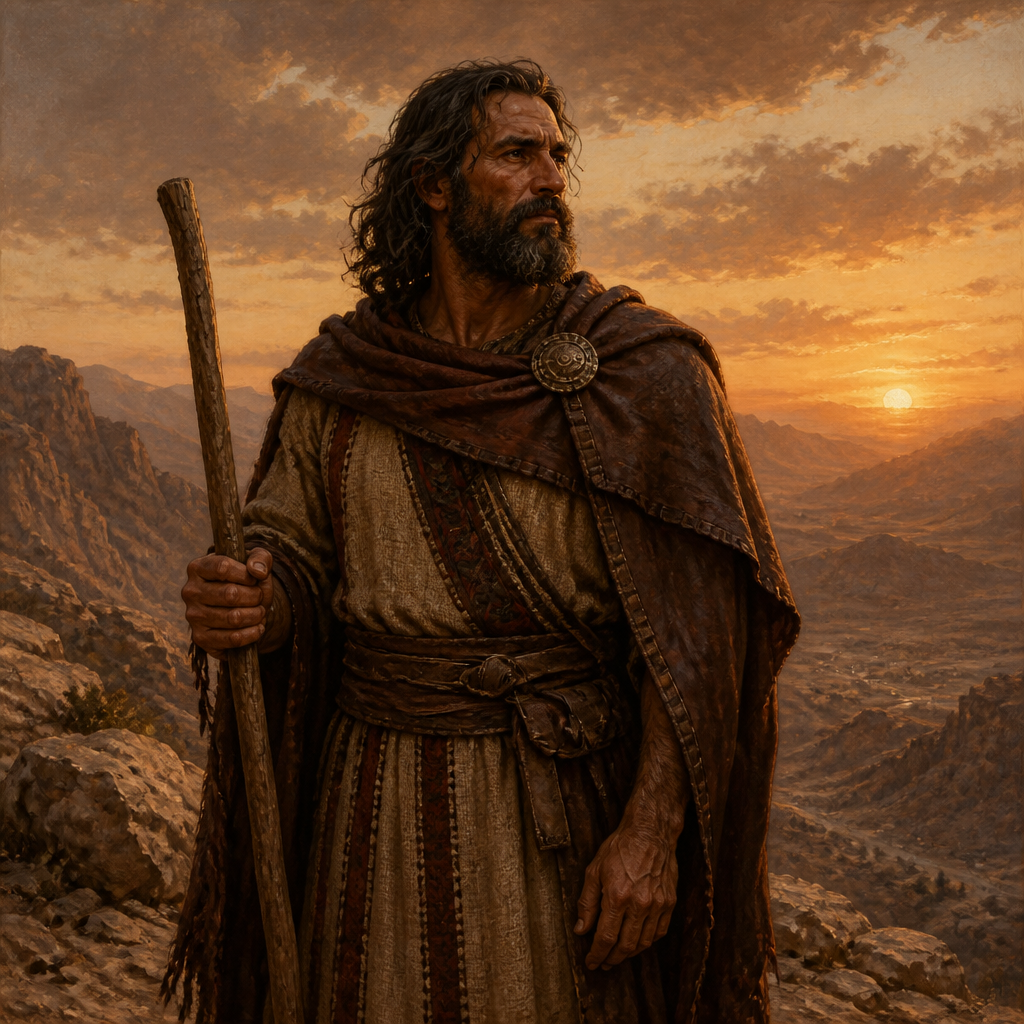 ZaavanThis page
 AkanBrotherGenesis 36:27Stated
 Bilhan, Son of EzerBrotherGenesis 36:27Stated
Extended family
 SeirGrandfatherGenesis 36:27
Inferred
Reconstructed through Ezer: Genesis 36:27 ties Zaavan to Ezer; Genesis 36:21 ties Ezer to Seir. No verse states the grandfather link between Zaavan and Seir directly.Evidence: Genesis 36:27; Genesis 36:21
Connected Figures
Family
Father · Genesis 36:27
Ezer was a Horite chief and son of Seir, recognized as a patriarch and ancestral leader within the land of Edom.
PatriarchsFirst: Genesis 36:217 versesChief of the Horites
Brother · Genesis 36:27
Akan was a Horite descendant and son of Ezer, recognized as a leader within the ancestral lineages of Edom during the Patriarchal Period.
Brother · Genesis 36:27
Bilhan was a Horite chief and the firstborn son of Ezer, belonging to the ancestral lines of Seir in the land of Edom during the Patriarchal Period.
PatriarchsFirst: Genesis 36:273 versesHorite chief
Grandfather · Genesis 36:27
Seir was a Horite patriarch whose descendants inhabited the mountainous region of Edom before the arrival of the Israelites and Edomites.
PatriarchsFirst: Genesis 36:2013 versesPatriarch and Chief of the Horites
Categories
Mentions by Book
- Genesis2
- 1 Chronicles1
Scripture References
All 3 indexed verses, in canonical order, from the Berean Standard Bible.
Genesis · 2
- Genesis 36:21Partial
Dishon, Ezer, and Dishan. They are the chiefs of the Horites, the descendants of Seir in the land of Edom.
Cited as evidence on a family card; added so References, Key Verses and Mentions by Book share one index.
- Genesis 36:27
These are the sons of Ezer: Bilhan, Zaavan, and Akan.
1 Chronicles · 1
- 1 Chronicles 1:42
The sons of Ezer: Bilhan, Zaavan, and Akan. The sons of Dishan: Uz and Aran.