Akan
Who was Akan in the Bible?
Akan was a Horite descendant and son of Ezer, recognized as a leader within the ancestral lineages of Edom during the Patriarchal Period.
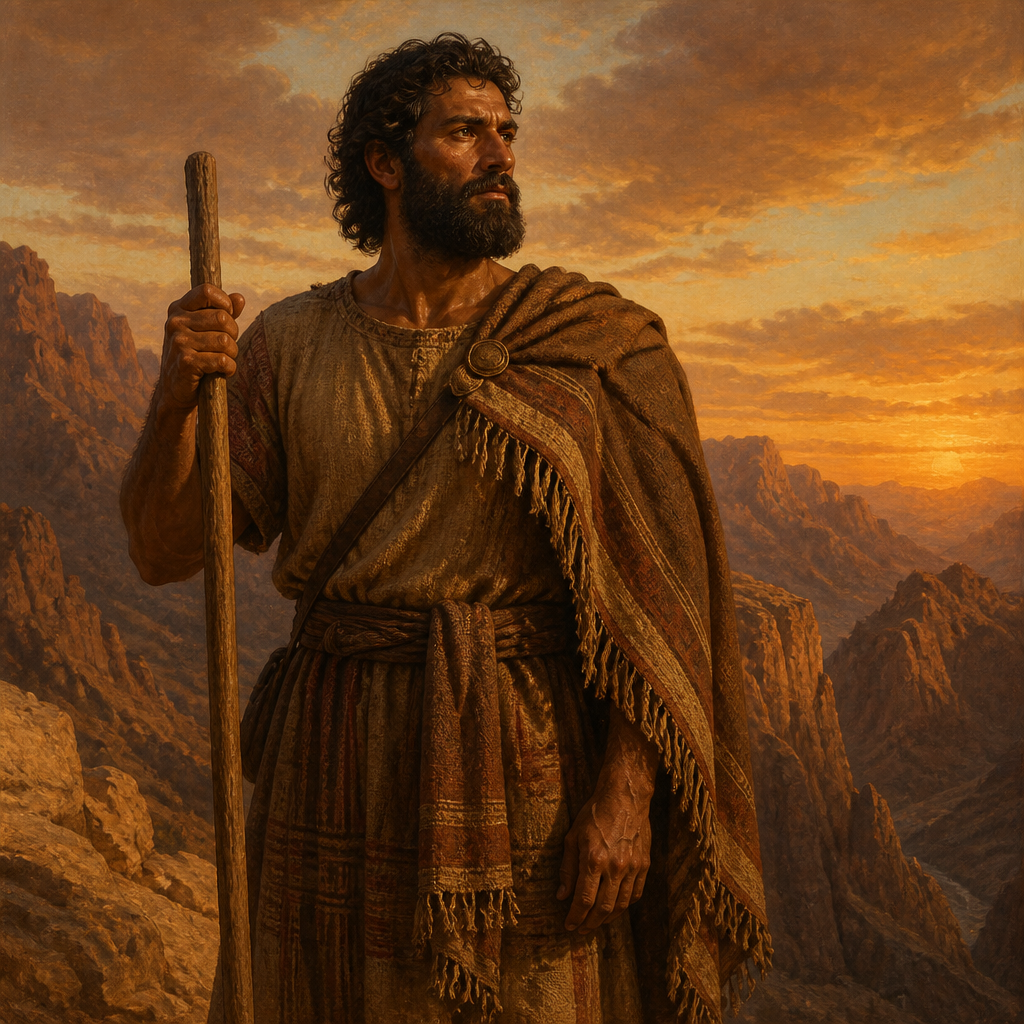
Akan is a figure appearing in the genealogical records of the Old Testament, specifically within the accounts of the Horites who inhabited the land of Seir. As a son of Ezer, he belonged to a prominent family of clan chiefs (sheikhs) who established the foundational social structures of Edom before the region was consolidated under a singular monarchy.
While his individual biographical details are sparse, his inclusion in these records serves a vital purpose in documenting the ethnic and territorial history of the Near East. The name Akan is etymologically linked to the broader Semitic linguistic traditions of the region, and his identity is inextricably tied to the mountainous terrain of Mount Seir, which would later become the primary territory of the descendants of Esau.
Background and Family
Akan is identified in the biblical record as the son of Ezer, one of the seven sons of Seir the Horite. The Horites were the indigenous inhabitants of the land that eventually became Edom. According to the record in Genesis 36, Ezer was a "chief" (Hebrew: alluph), a term denoting a tribal leader or the head of a significant clan. Akan grew up alongside his siblings, Bilhan and Zaavan, forming part of a localized aristocracy that governed the rugged landscapes of Seir.
The lineage of Akan is presented as a crucial sub-branch of the Ezerites. While the text does not record his descendants, his position within the third generation of the Horite leadership indicates that he lived during a transitional period in which the Horite clans were the dominant force in the southern Transjordanian highlands. This era predates the total displacement or assimilation of the Horites by the descendants of Esau.
Major Life Events
The biblical text does not provide a narrative account of Akan’s personal life, specific deeds, or death. Instead, his life is marked by his status as a preserve of tribal identity. His existence is verified in two primary locations: the first is Genesis 36, which details the "generations of Esau" and the peoples who preceded them in Seir; the second is 1 Chronicles 1, which recapitulates these genealogies to establish the historical context for the people of Israel after their return from the Babylonian exile.
Because Akan is listed alongside Bilhan and Zaavan as the "sons of Ezer," it can be inferred that he maintained a shared inheritance and authority within the clan. In the ancient Near Eastern context, being listed in such a manner implies that he likely held responsibilities involving the management of flocks, the defense of tribal territories, and the maintenance of ancestral alliances.
Relationship to Other Biblical Figures
Akan’s primary relationships are defined by his immediate family circle. He was a grandson of Seir the Horite, the eponymous ancestor of the region. His father, Ezer, was a brother to other notable Horite chiefs such as Lotan, Shobal, and Zibeon. This placed Akan in a web of powerful familial connections that spanned the entire region of Edom.
Notably, his family lived in proximity to the early patriarchs of Israel. The Horites interacted with the family of Isaac and Esau, and the eventual marriage of Esau into various local families suggests that Akan’s kin were part of the complex social fabric that shaped the early history of the Abrahamic line's neighbors.
Spiritual Significance
From a scholarly and theological perspective, Akan represents the biblical commitment to preserving the history of all nations, not just Israel. His presence in the scriptures underscores the theme that God’s sovereign plan involves a detailed awareness of the surrounding peoples and their origins. In the context of 1 Chronicles, the mention of Akan serves to remind the post-exilic community of their historical surroundings and the fulfillment of God’s word regarding the nations that would border the promised land.
Furthermore, Akan’s inclusion in the "Table of Nations" style lists in Genesis emphasizes the transition from the indigenous Horite culture to the Edomite culture. He stands as a representative of a vanished people whose identity was absorbed but whose name was eternally preserved in the sacred text, illustrating the permanence of individual identity within the vast scope of divine history.
Akan’s theological significance lies in the biblical doctrine of divine providence over the nations. By naming figures like Akan, the Bible affirms that the history of non-Israelite groups like the Horites is significant enough to be recorded in holy scripture. It provides a geographical and ethnic context for the world in which the Patriarchs lived.
Additionally, he serves as a link in the ethnographic history of the Edomite region. His inclusion in 1 Chronicles shows that for the returning exiles of Israel, understanding the origins of their neighbors (such as the descendants of Seir) was essential for understanding their own identity and the fulfillment of God's promises concerning the land.
Frequently Asked Questions
Who was Akan's father?
Akan was the son of Ezer, who was a chief among the Horites in the land of Seir.
What tribe did Akan belong to?
Akan belonged to the Horites, the original inhabitants of Mount Seir in the region of Edom.
In which books of the Bible is Akan mentioned?
Akan is mentioned in the books of Genesis (chapter 36) and 1 Chronicles (chapter 1).
Did Akan have any brothers?
Yes, the Bible identifies his brothers as Bilhan and Zaavan.
Family & Relationships
Parents
 Ezer, Chief of the HoritesFatherGenesis 36:27Stated
 AkanThis page
 Bilhan, Son of EzerBrotherGenesis 36:27Stated
 ZaavanBrotherGenesis 36:27Stated
Extended family
 SeirGrandfatherGenesis 36:27
Inferred
Reconstructed through Ezer: Genesis 36:27 ties Akan to Ezer; Genesis 36:21 ties Ezer to Seir. No verse states the grandfather link between Akan and Seir directly.Evidence: Genesis 36:27; Genesis 36:21
Connected Figures
Family
Father · Genesis 36:27
Ezer was a Horite chief and son of Seir, recognized as a patriarch and ancestral leader within the land of Edom.
PatriarchsFirst: Genesis 36:217 versesChief of the Horites
Brother · Genesis 36:27
Bilhan was a Horite chief and the firstborn son of Ezer, belonging to the ancestral lines of Seir in the land of Edom during the Patriarchal Period.
PatriarchsFirst: Genesis 36:273 versesHorite chief
Brother · Genesis 36:27
Zaavan was a Horite chief and the son of Ezer, recognized as a significant tribal leader in the land of Seir during the Patriarchal Period.
PatriarchsFirst: Genesis 36:273 versesChief of the Horites
Grandfather · Genesis 36:27
Seir was a Horite patriarch whose descendants inhabited the mountainous region of Edom before the arrival of the Israelites and Edomites.
PatriarchsFirst: Genesis 36:2013 versesPatriarch and Chief of the Horites
Categories
Mentions by Book
- Genesis4
- 1 Chronicles1
Scripture References
All 5 indexed verses, in canonical order, from the Berean Standard Bible.
Genesis · 4
- Genesis 36:27
These are the sons of Ezer: Bilhan, Zaavan, and Akan.
- Genesis 36:28Partial
These are the sons of Dishan: Uz and Aran.
Cited as evidence on a family card; added so References, Key Verses and Mentions by Book share one index.
- Genesis 36:29Partial
These are the chiefs of the Horites: Chiefs Lotan, Shobal, Zibeon, Anah,
Cited as evidence on a family card; added so References, Key Verses and Mentions by Book share one index.
- Genesis 36:30Partial
Dishon, Ezer, and Dishan. They are the chiefs of the Horites, according to their divisions in the land of Seir.
Cited as evidence on a family card; added so References, Key Verses and Mentions by Book share one index.
1 Chronicles · 1
- 1 Chronicles 1:42
The sons of Ezer: Bilhan, Zaavan, and Akan. The sons of Dishan: Uz and Aran.