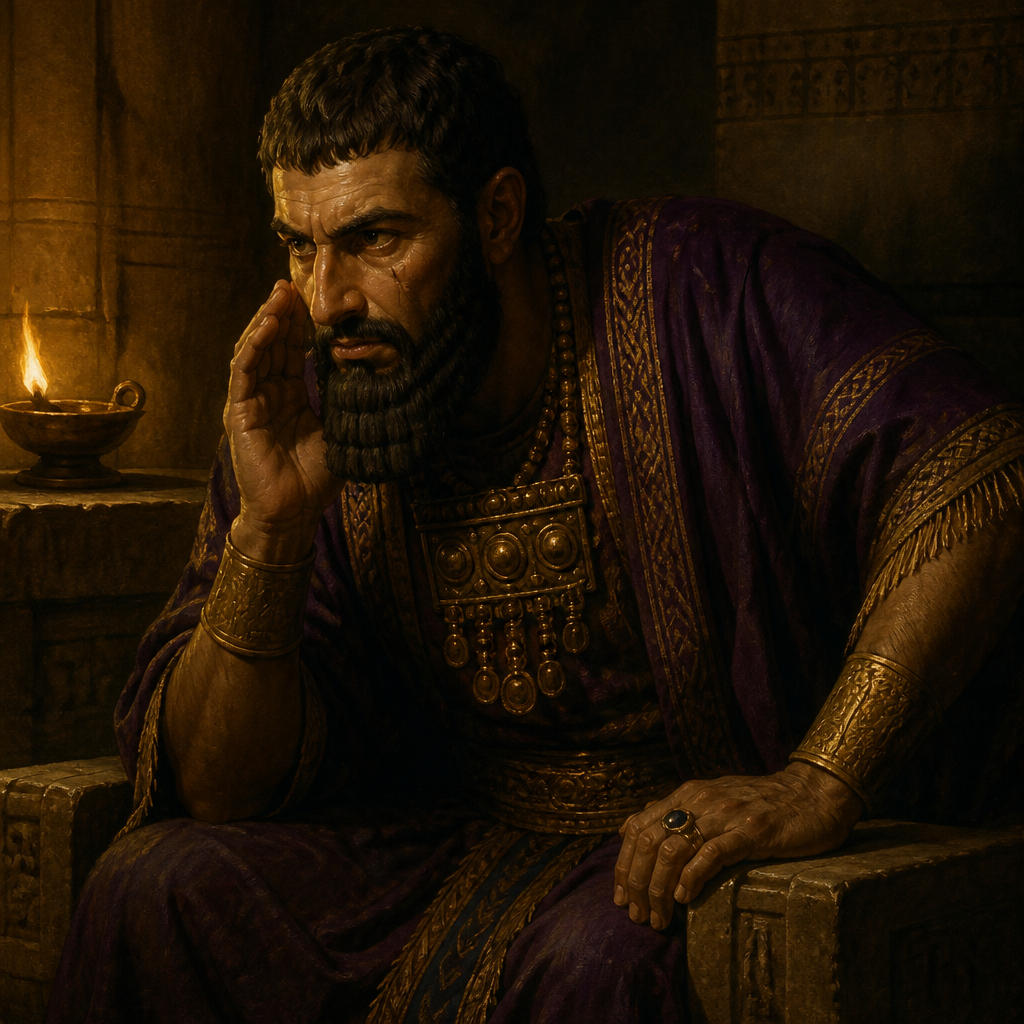
People of Jeremiah
Every person who appears in the book of Jeremiah, ordered by how often they are mentioned there.
The People of Jeremiah appear throughout a narrative that documents the final decades of the kingdom of Judah and the subsequent Babylonian exile. The book begins during the reign of Josiah, who instituted religious reforms (Jeremiah 1:2), and continues through the reigns of his successors. Jeremiah serves as the central figure, delivering warnings of coming judgment to the people of Israel and Judah (Jeremiah 1:1–3). The text describes a period of intense political and spiritual conflict, as Jeremiah faces opposition from figures like Pashhur, a priest who beats the prophet and puts him in stocks (Jeremiah 20:1–2).
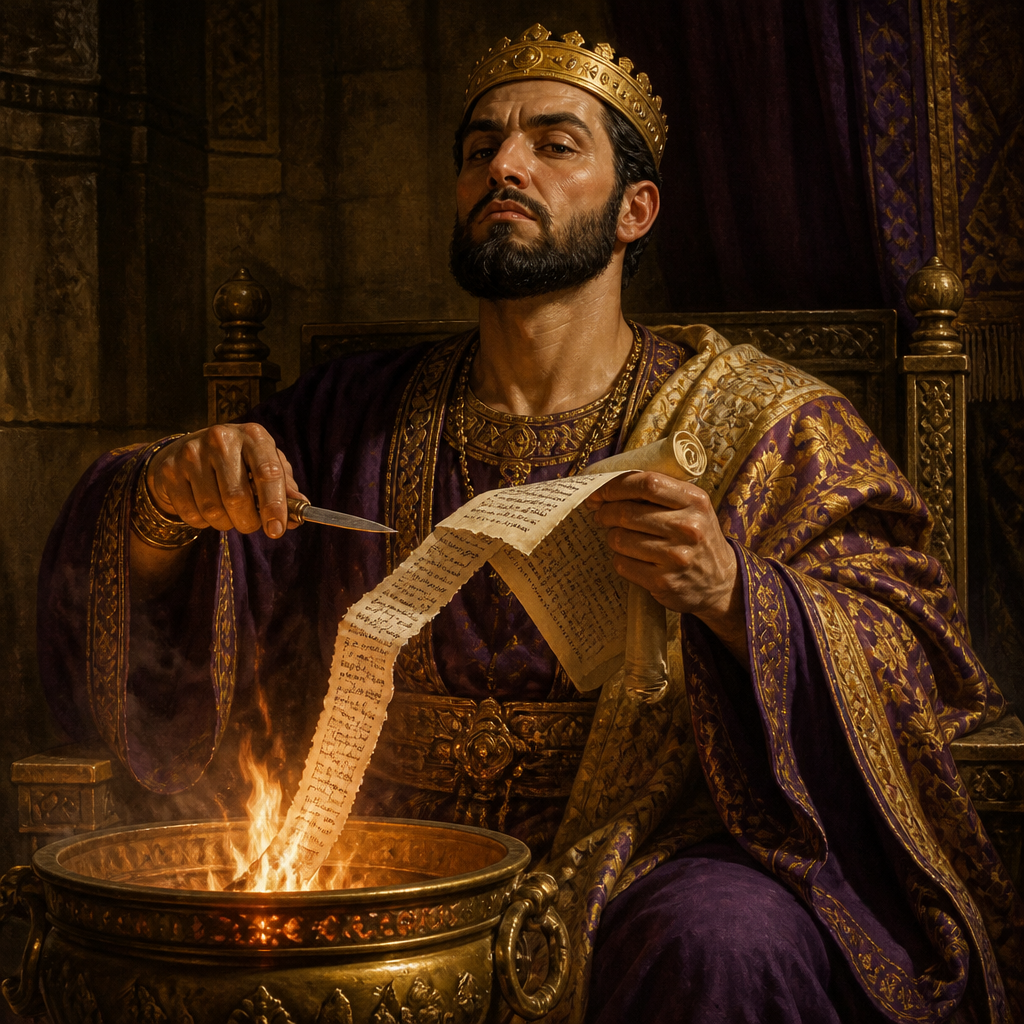
The narrative highlights the contrasting responses of Judean leaders to the Babylonian threat. Jehoiakim is depicted as a defiant monarch who uses a knife to cut and burn a prophetic scroll read to him by Jehudi (Jeremiah 36:21–23). In contrast, Baruch faithfully transcribes the prophet’s words and reads them publicly at the temple (Jeremiah 36:4–10). As the Babylonian siege intensifies, Zedekiah frequently consults the prophet in secret but ultimately fails to obey the command to surrender to Nebuchadnezzar (Jeremiah 38:14–23). During this time, Ebed-melech, a Cushite official, intervenes to save the prophet’s life by pulling him out of a muddy cistern (Jeremiah 38:7–13).
Following the fall of Jerusalem, the focus shifts to the remnant left in the land under the administration of Gedaliah (Jeremiah 40:5–7). This brief period of stability ends when Ishmael son of Nethaniah, a member of the royal family, assassinates the governor at Mizpah (Jeremiah 41:1–2). Johanan son of Kareah then leads a military rescue of the captives taken by the assassins, but he eventually rejects the prophetic warning to remain in the land (Jeremiah 41:11–16, 42:1–22). Against the explicit command of God, Johanan son of Kareah forces the remaining Judeans, including Baruch, to flee to Egypt (Jeremiah 43:4–7).
The book concludes by situating these events within the broader history of the Davidic dynasty. It references the legacy of David and the eventual release of Jehoiachin from a Babylonian prison, providing a final note on the survival of the royal line (Jeremiah 33:15, 52:31–34). Throughout the text, the faithfulness of groups like the descendants of Jonadab, who strictly followed their forefather’s commands, is held up as a contrast to the disobedience of the nation (Jeremiah 35:1–19). The narrative thus traces the transition of the people from a sovereign kingdom to a scattered remnant awaiting the fulfillment of a new covenant.
Everyone in this list
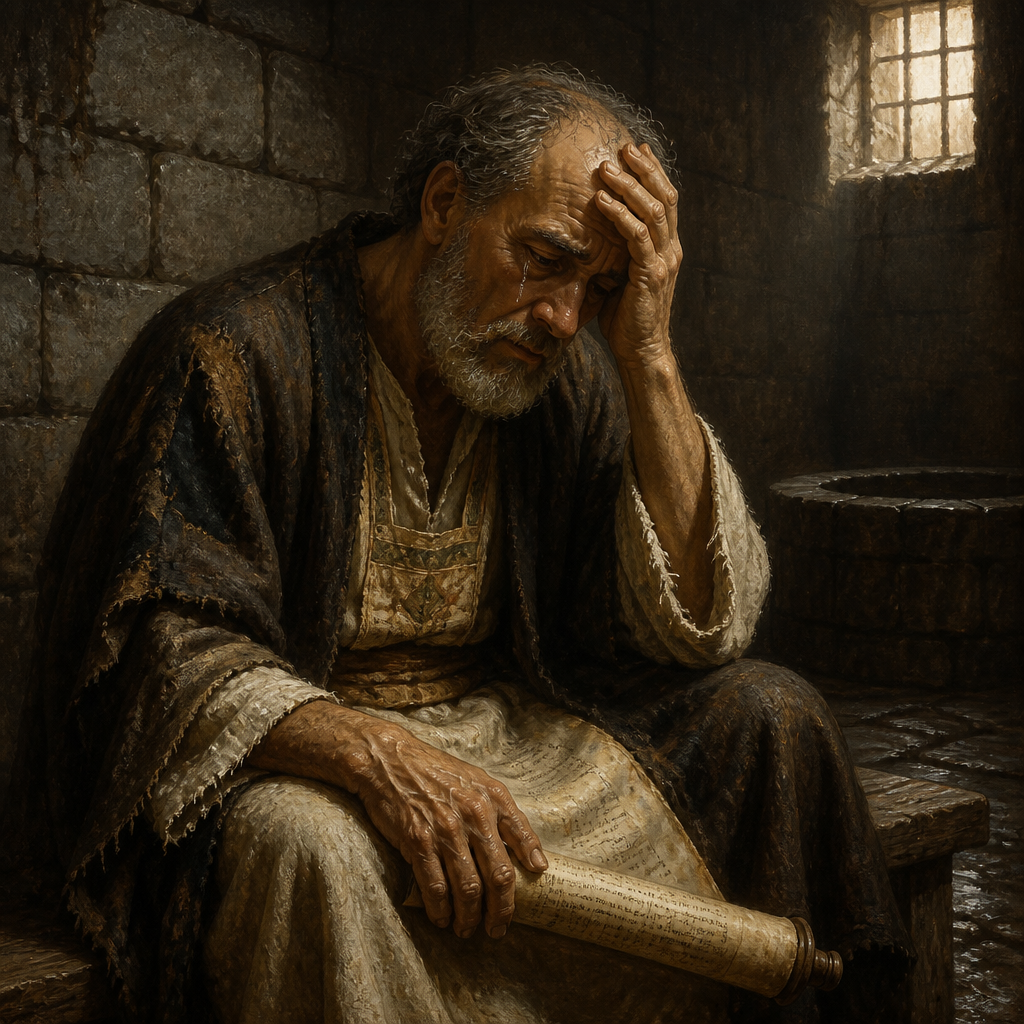
Jeremiah, Son of Hilkiah
Prophet who predicted the seventy-year Babylonian exile and the New Covenant
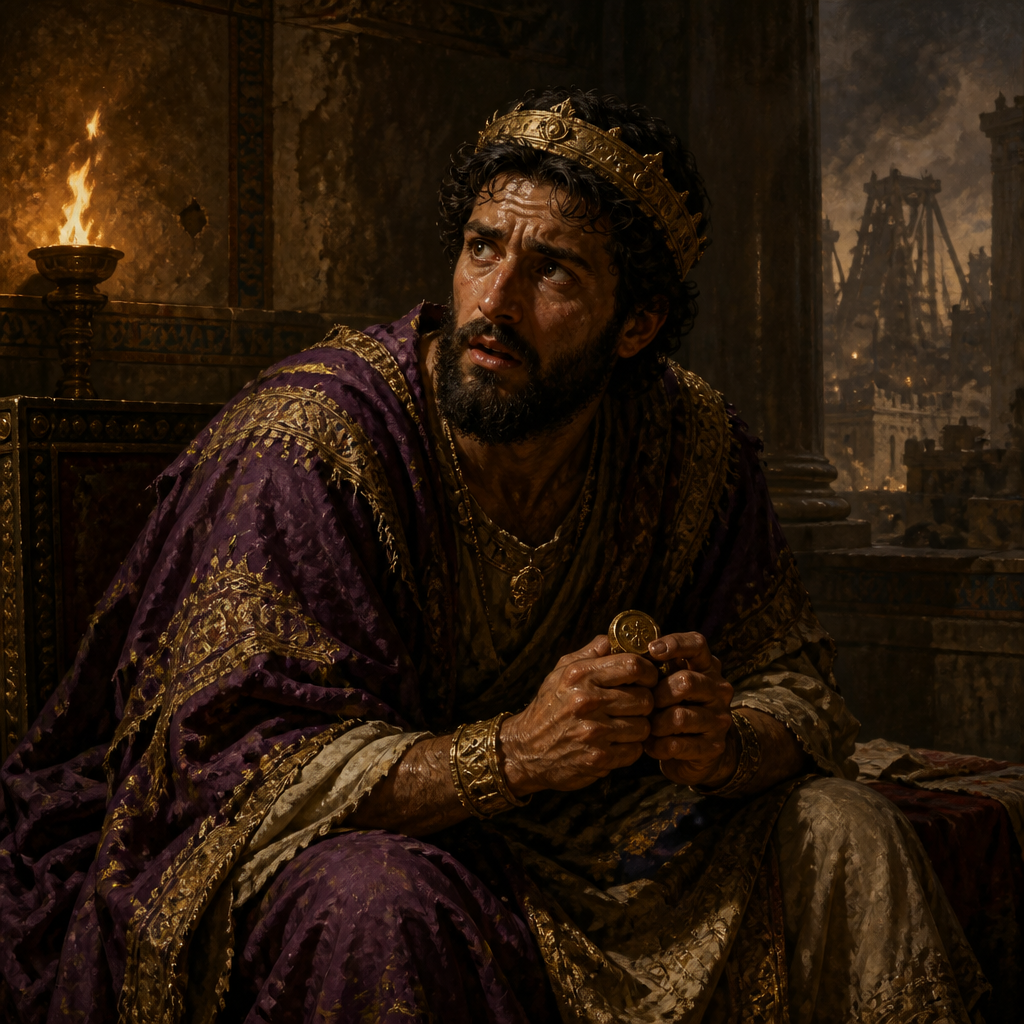
Zedekiah, Last King of Judah
Last King of Judah who was blinded at Riblah before Jerusalem and the Temple were burned
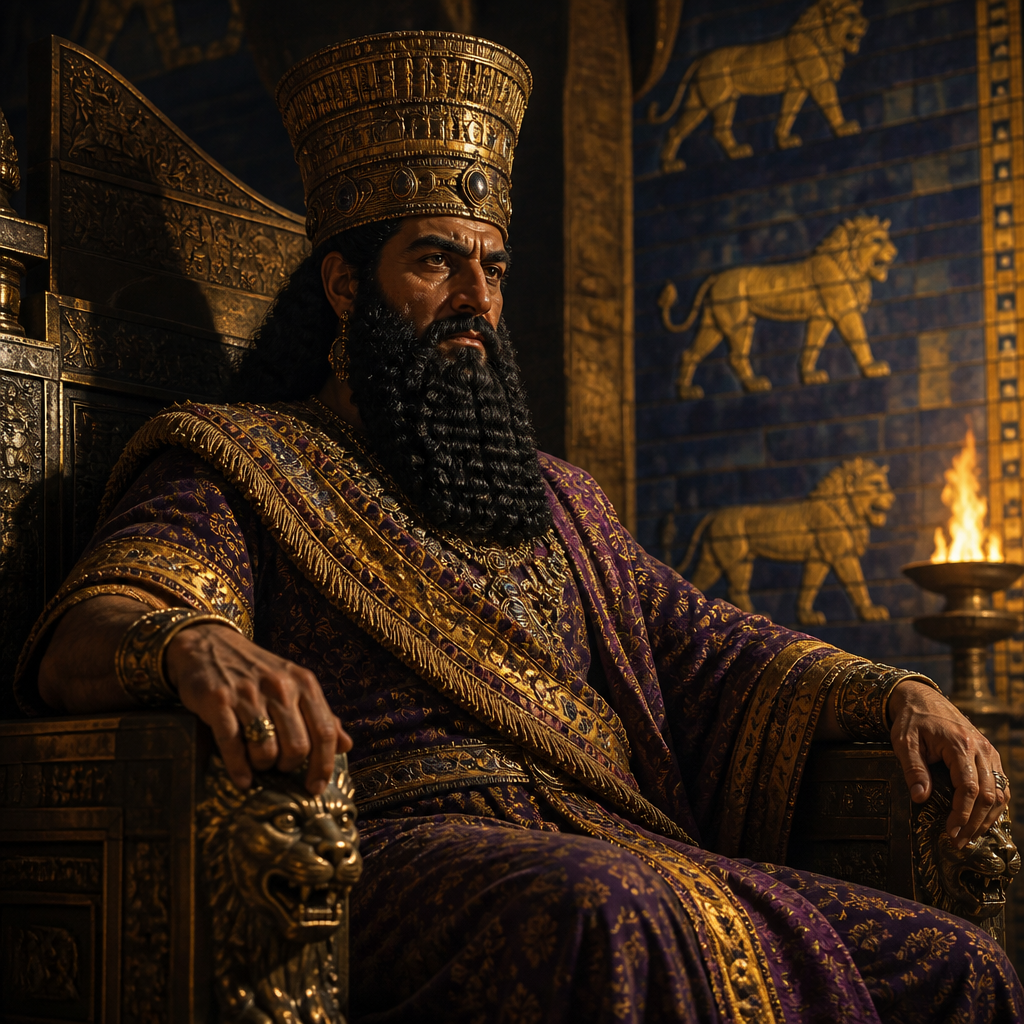
Nebuchadnezzar
King of Babylon who conquered Jerusalem and was humbled by God
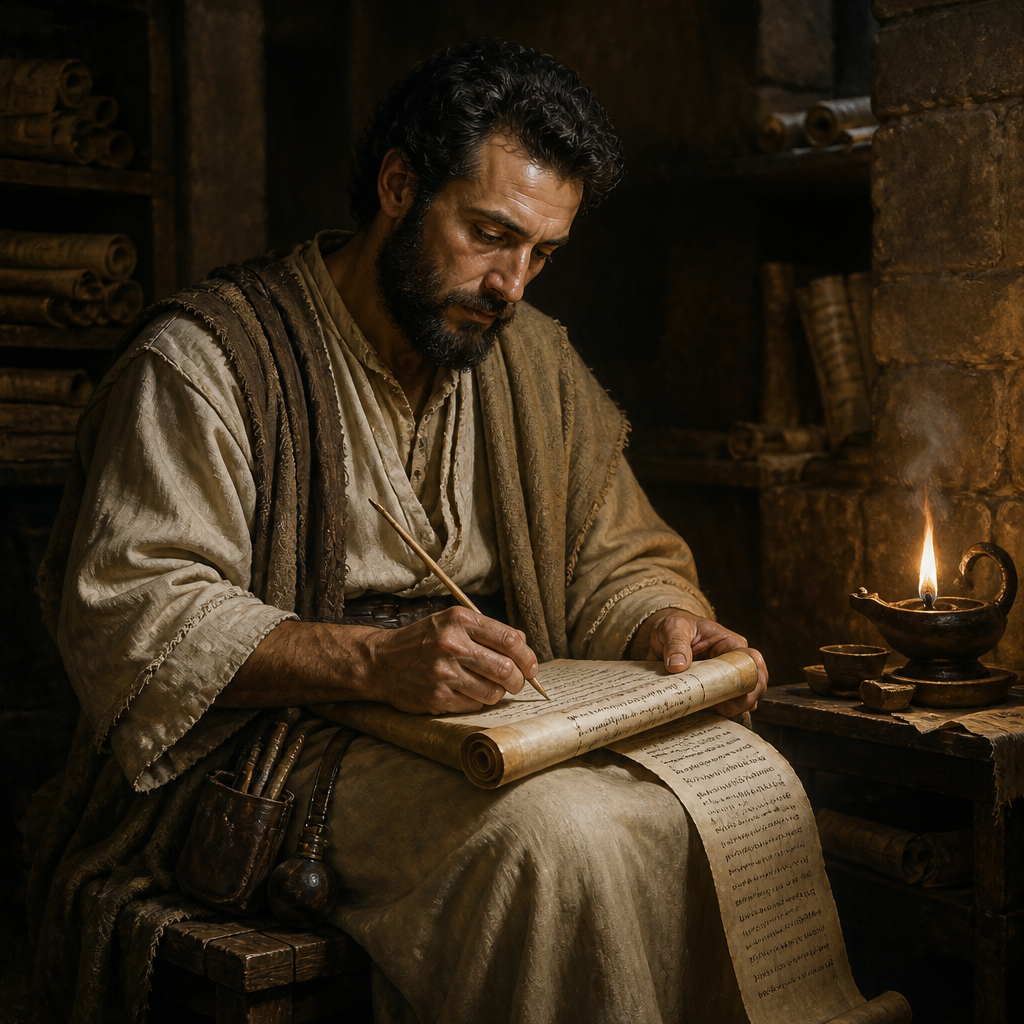
Baruch, Scribe of Jeremiah
Scribe of the prophet Jeremiah who transcribed and publicly read the prophetic scrolls
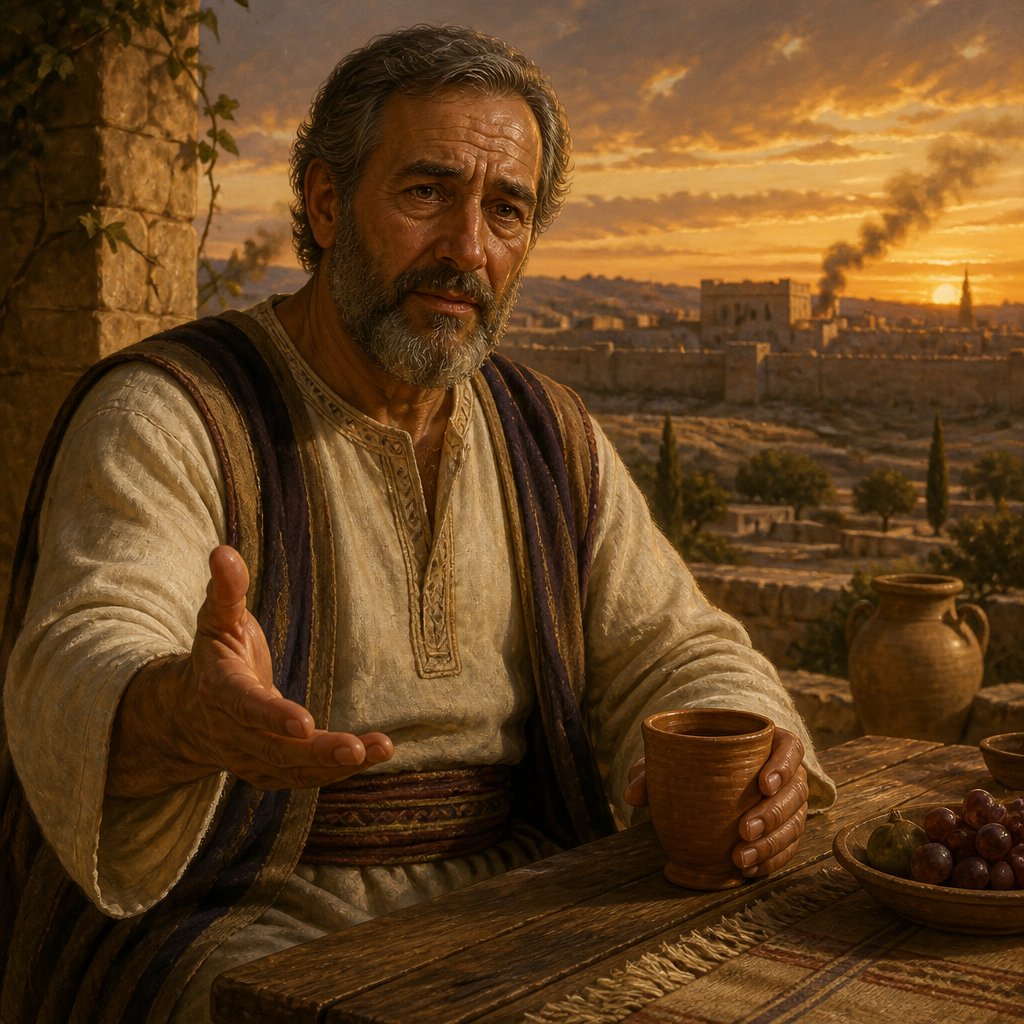
Gedaliah, Governor of Judah
Governor of Judah appointed by Babylon who was assassinated at Mizpah
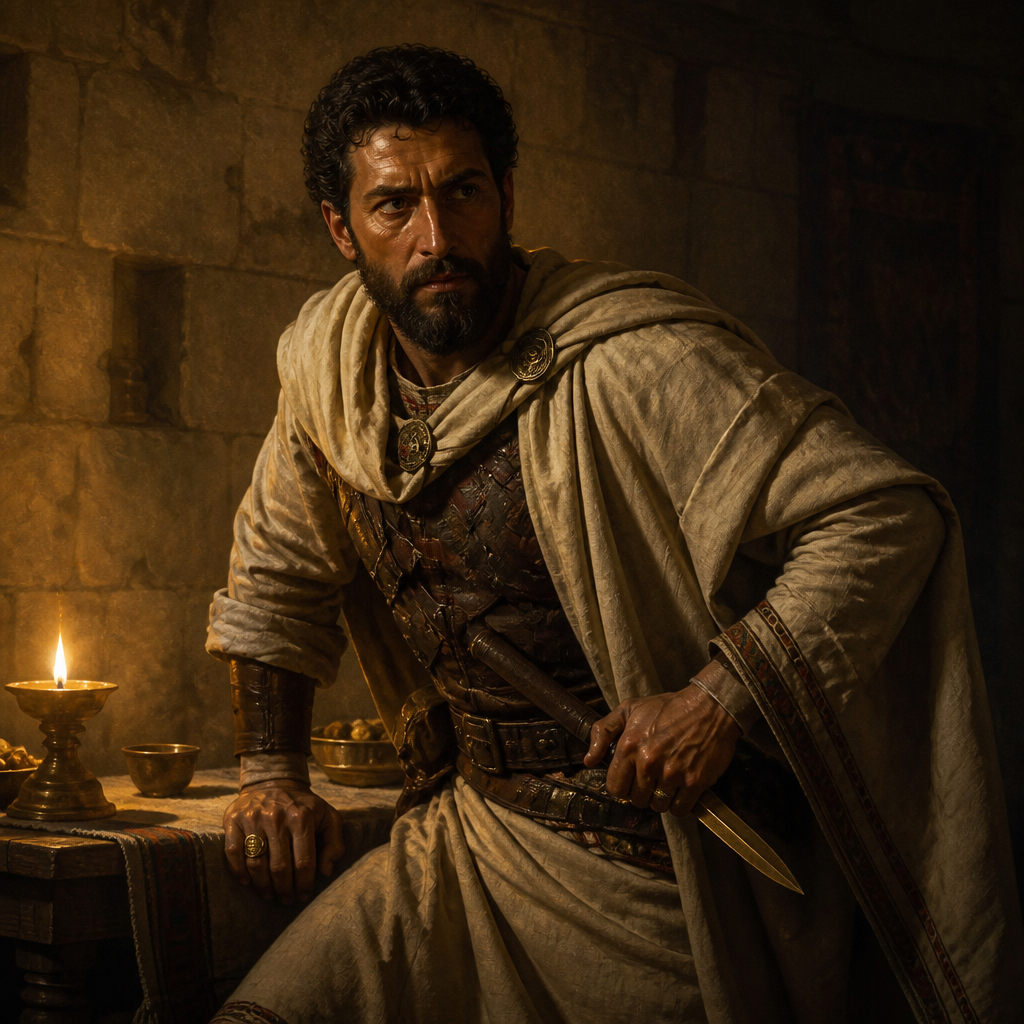
Ishmael son of Nethaniah
Royal descendant who assassinated Gedaliah and massacred pilgrims at Mizpah
Johanan son of Kareah
Military commander who rescued the captives of Ishmael but later led the Judean remnant into Egypt against the command of God
Josiah, King of Judah
King of Judah who instituted religious reforms after finding the Book of the Law
David
King of Israel who defeated Goliath and established the Davidic dynasty
Nethaniah, Father of Ishmael
Royal descendant whose son Ishmael assassinated Governor Gedaliah
Kareah
Father of Johanan and Jonathan who were military commanders of the Judean remnant
Nebuzaradan
Babylonian commander who oversaw the destruction of Jerusalem and the Temple
Shaphan, Scribe of the Divided Monarchy
Royal scribe who read the rediscovered Book of the Law to King Josiah
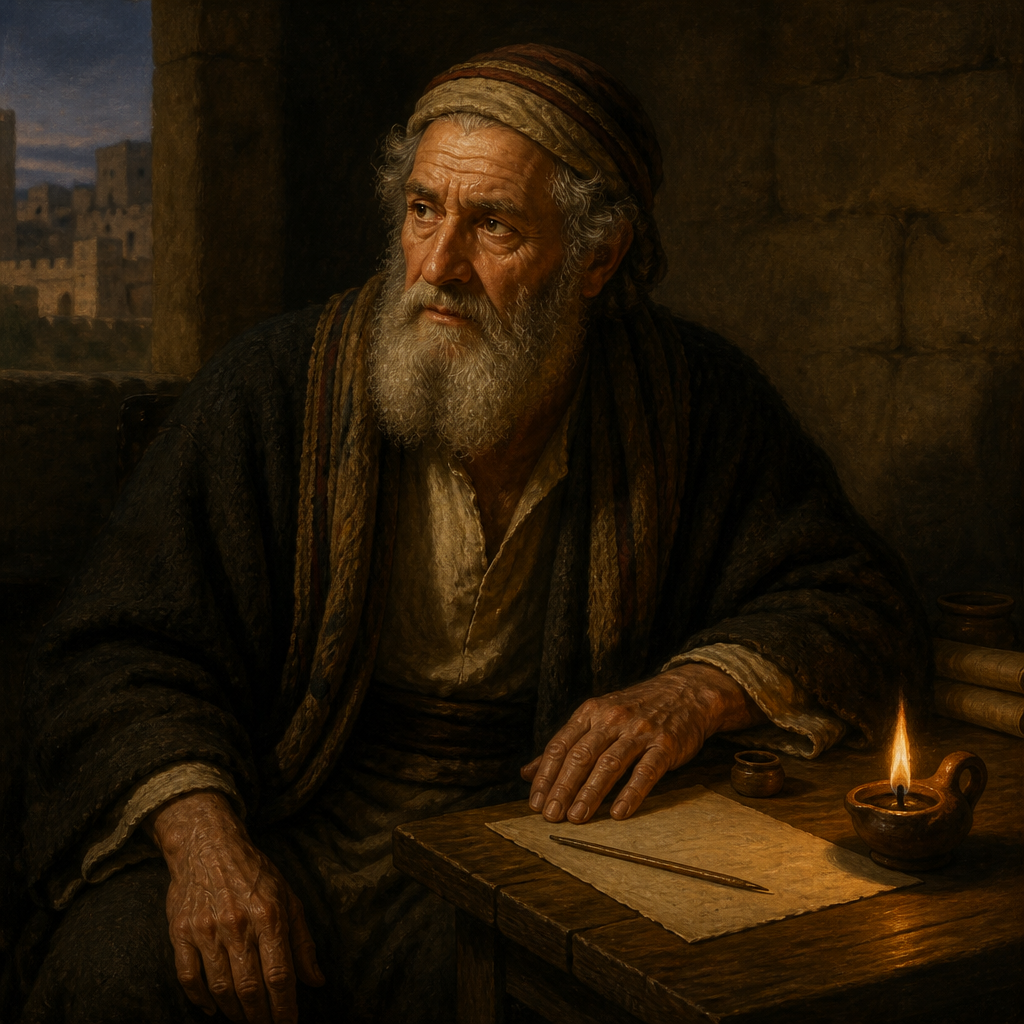
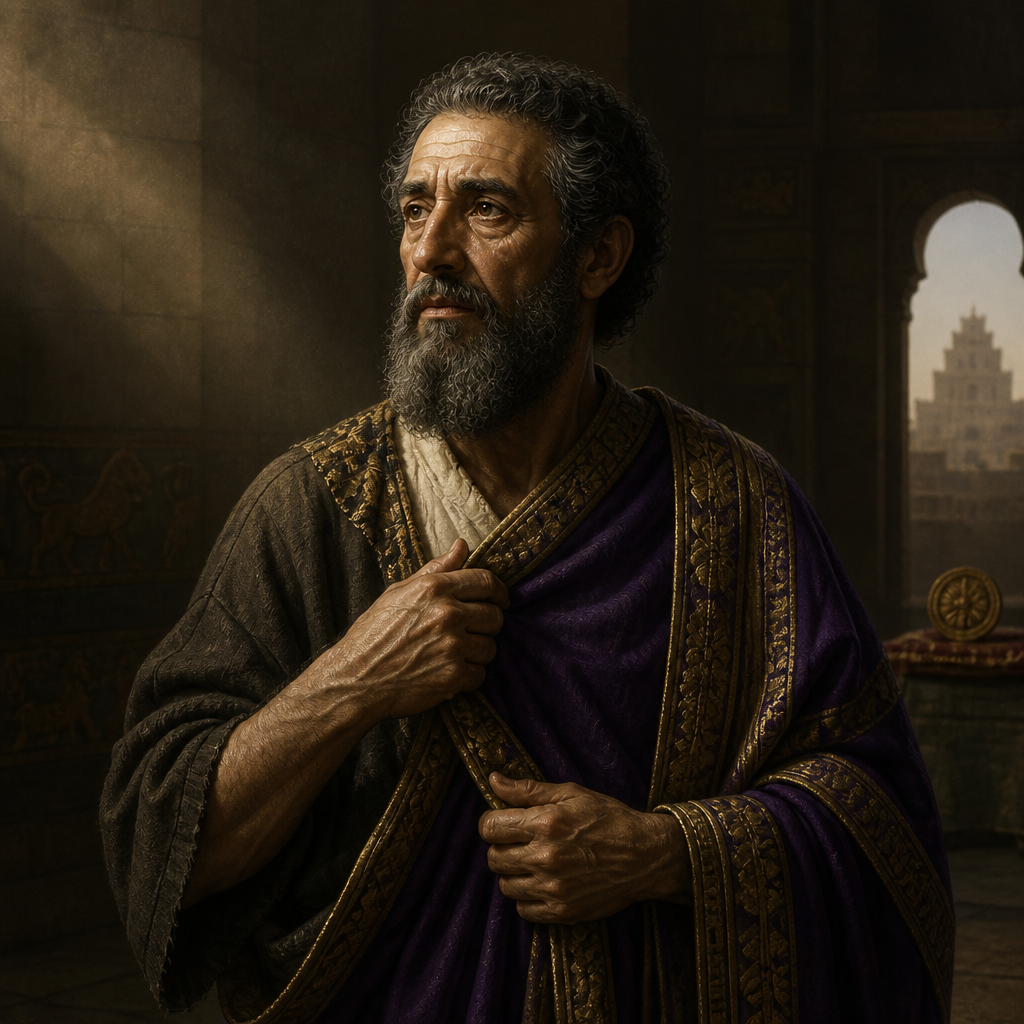
Jehoiachin
King of Judah who was taken captive to Babylon and later released from prison
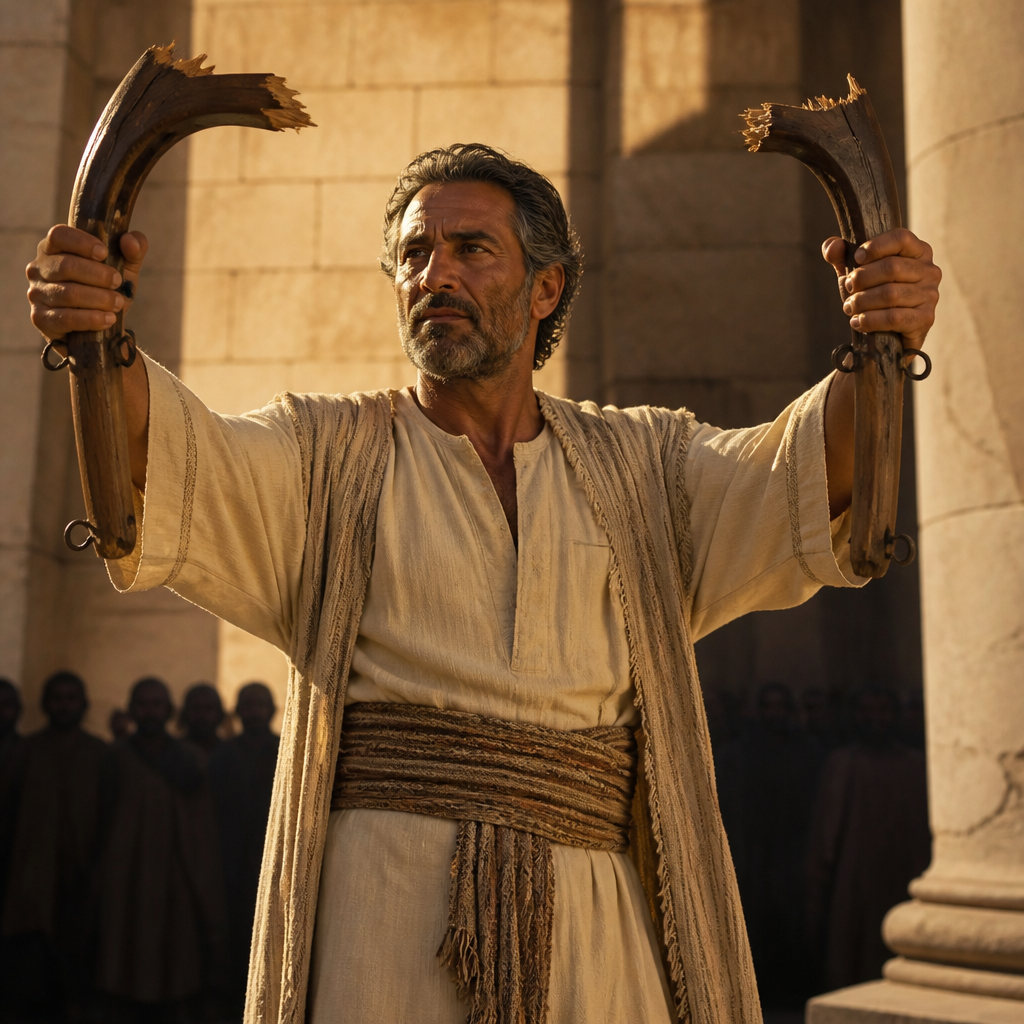
Hananiah, Prophet of Gibeon
Prophet who falsely predicted the end of the Babylonian exile and died for his lie
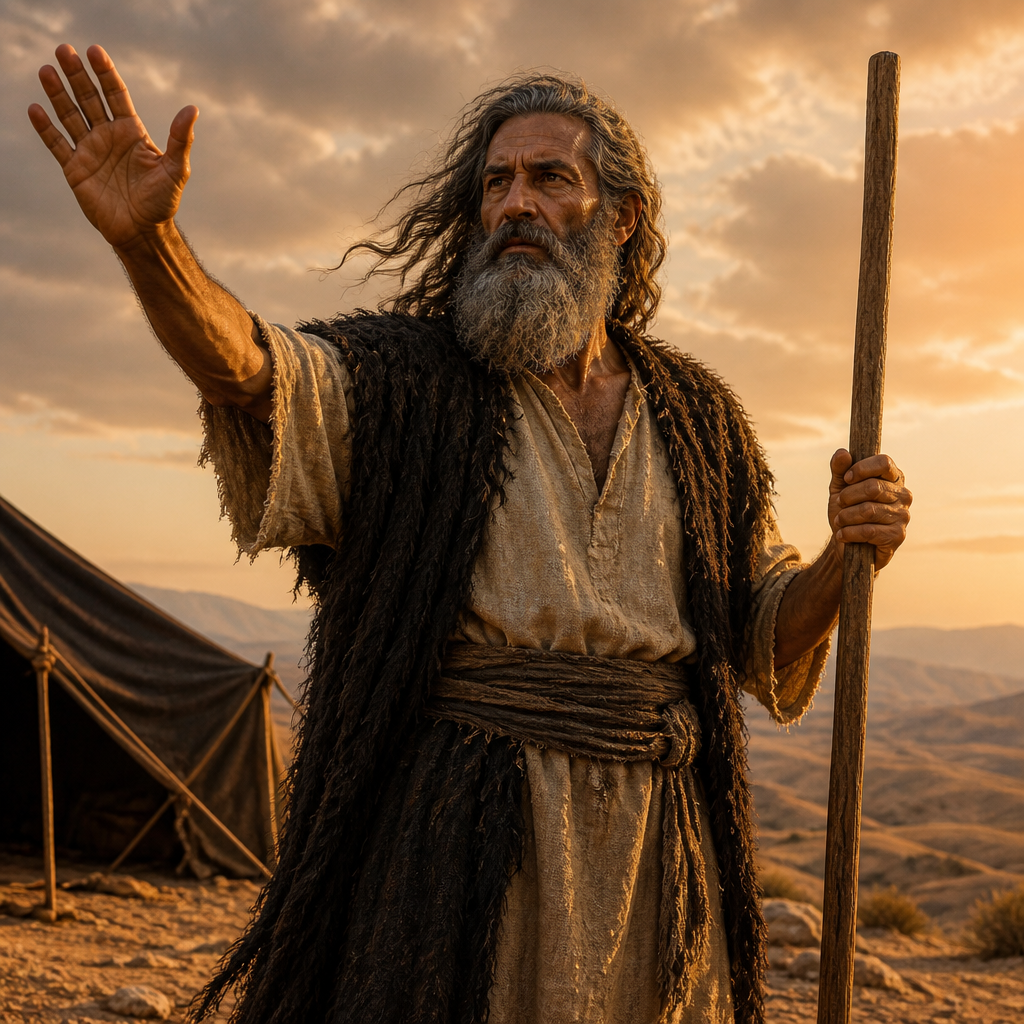
Jonadab, Son of Rechab
Patriarch of the Rechabites who prohibited wine and commanded a nomadic lifestyle to ensure faithfulness to Yahweh
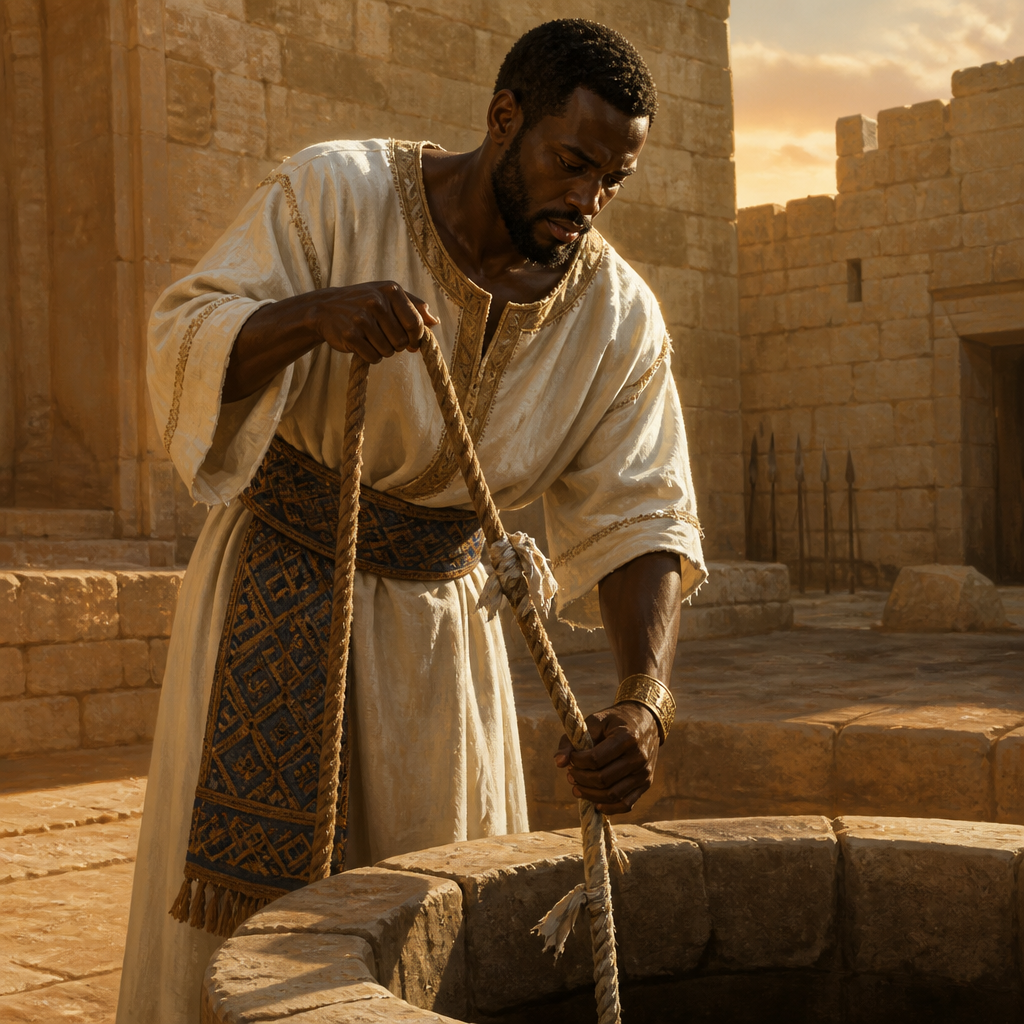
Ebed-melech
Cushite official who rescued the prophet Jeremiah from a muddy cistern
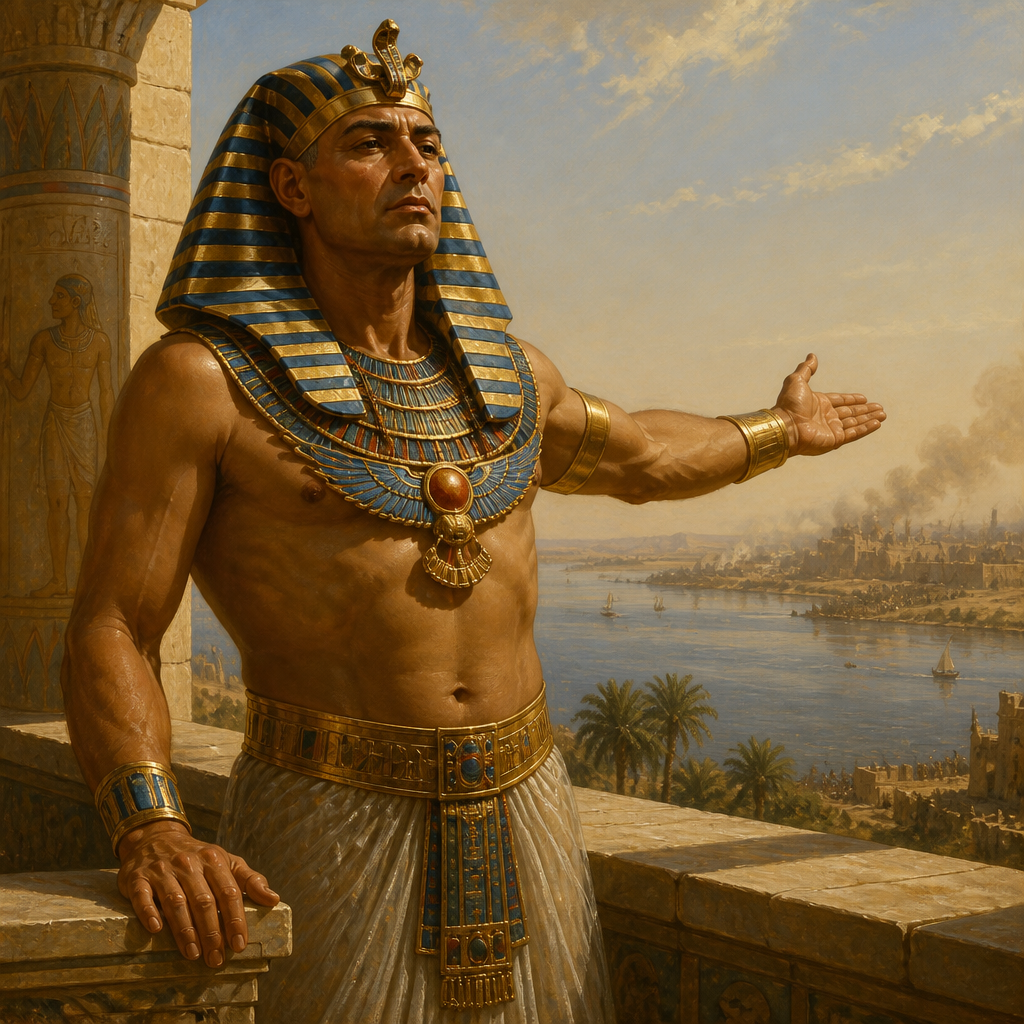
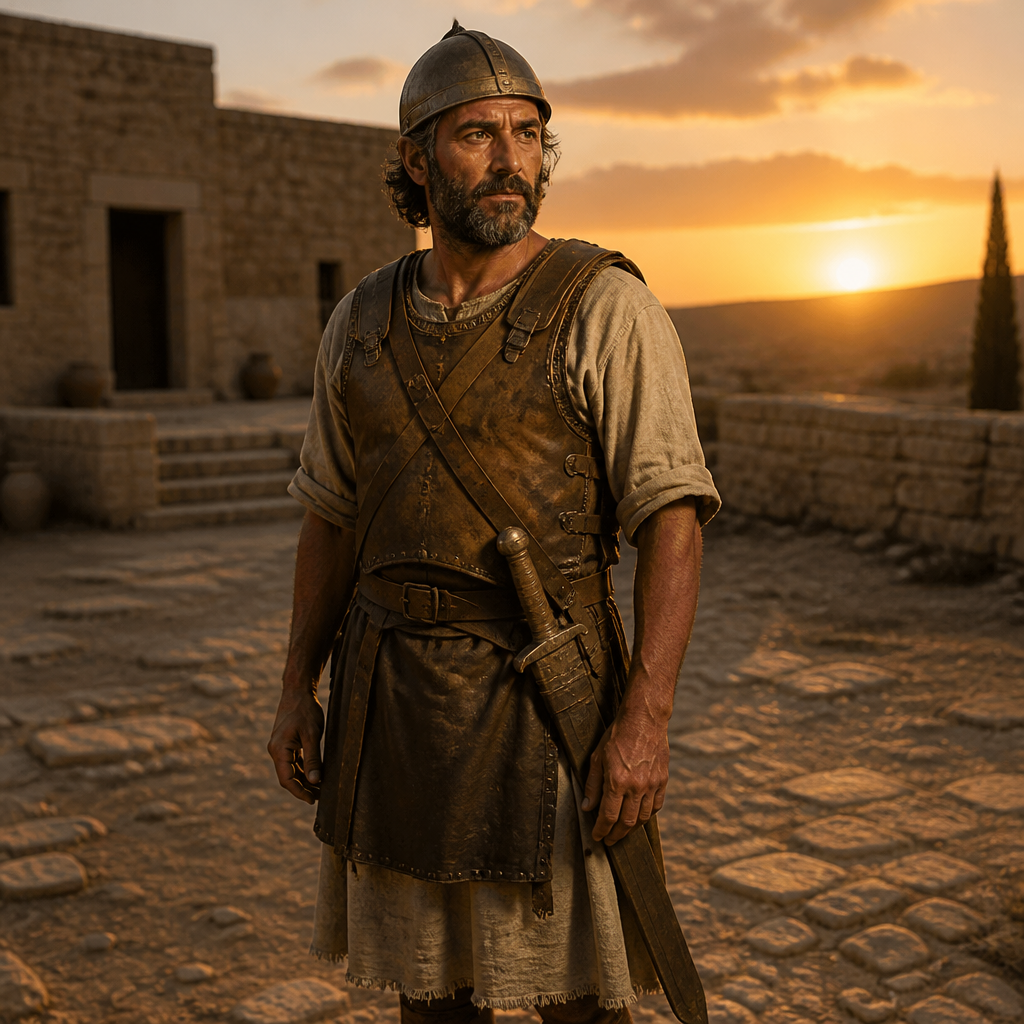
Jonathan, Son of Kareah
Judean military commander who joined Gedaliah at Mizpah after Jerusalem's fall
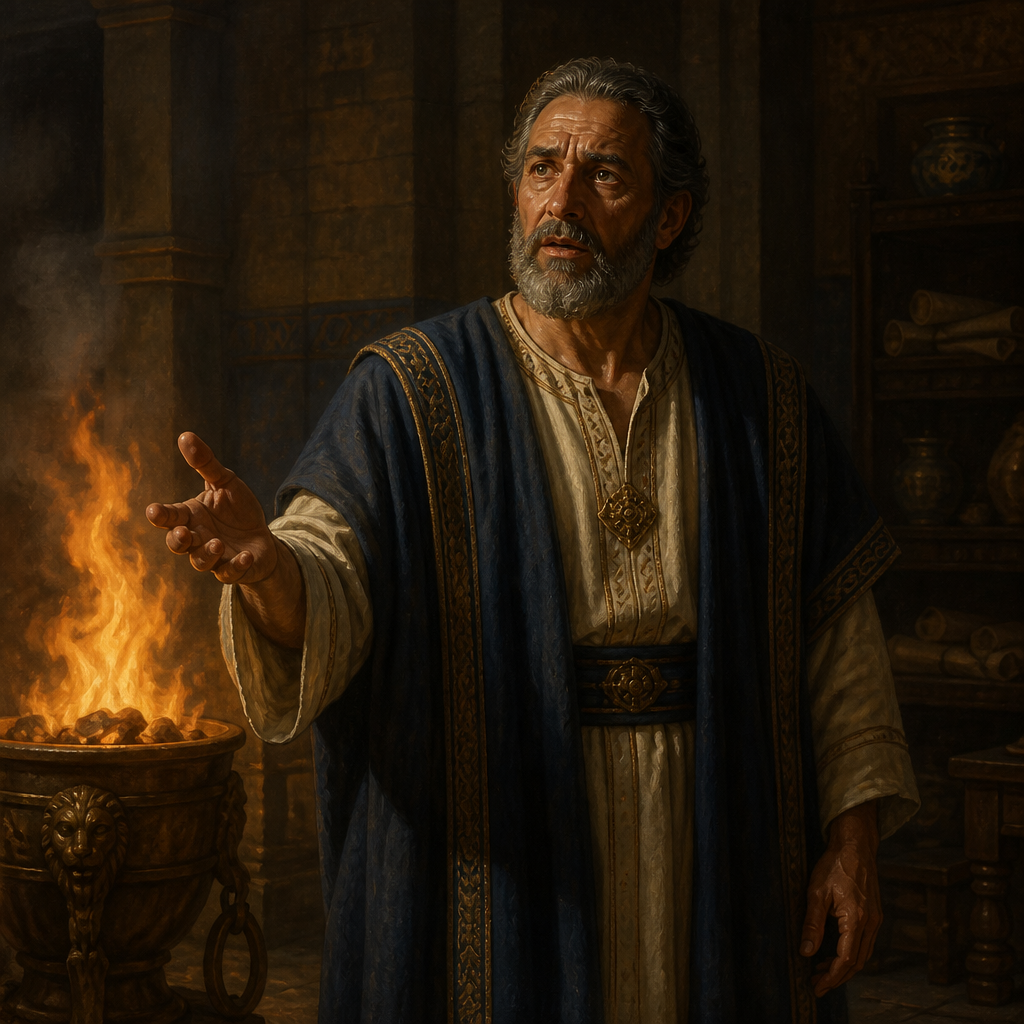
Gemariah, Son of Shaphan
Official who pleaded with King Jehoiakim not to burn Jeremiah's scroll
Rechab, Patriarch of the Rechabites
Patriarch whose descendants practiced strict asceticism and remained faithful to God
Zephaniah, Priest of the Divided Monarchy
Priest of the second rank who served as King Zedekiah's messenger to Jeremiah and was later executed by the Babylonians
Hanamel
Cousin of Jeremiah who sold him a field in Anathoth during the Babylonian siege
Seraiah, Quartermaster of Judah
Quartermaster of King Zedekiah who cast Jeremiah's scroll into the Euphrates River
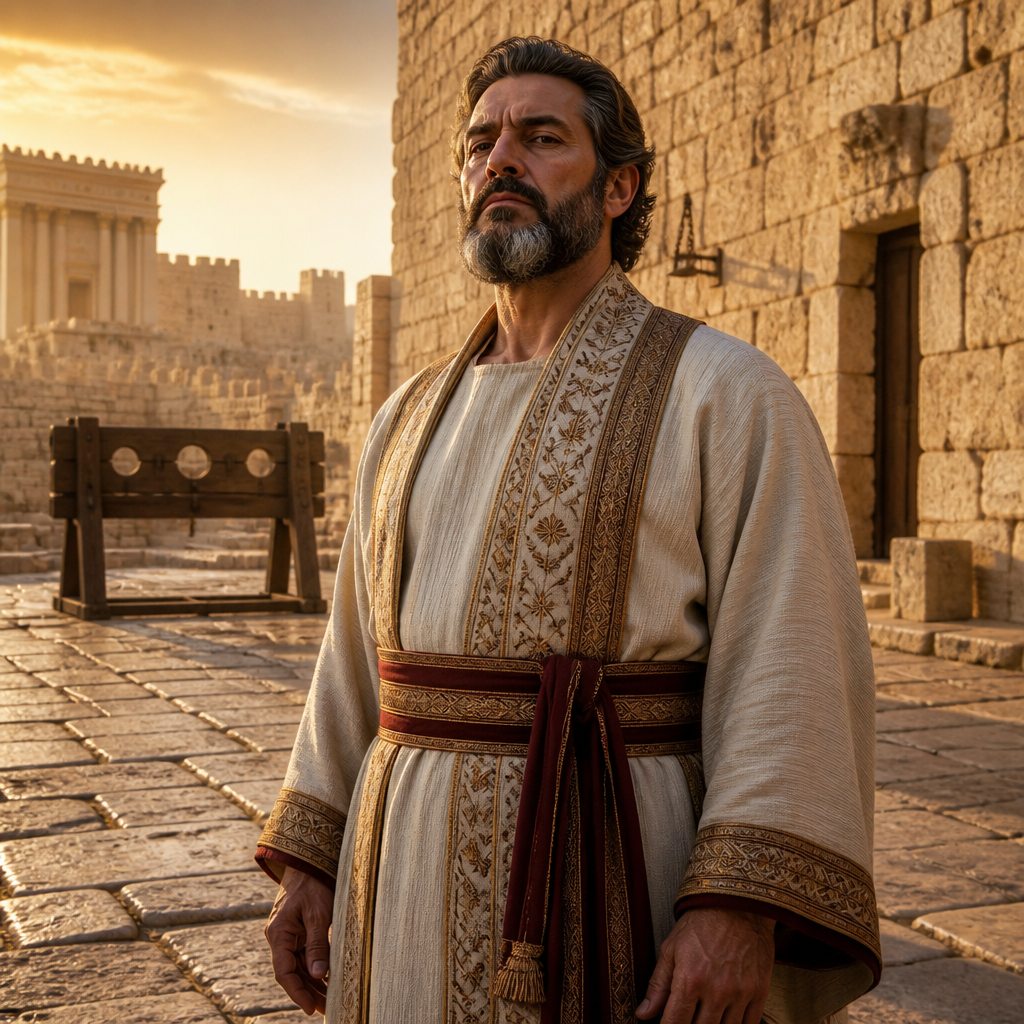
Pashhur, Son of Immer
Priest who beat the prophet Jeremiah and put him in the stocks
Elishama, Scribe of the Divided Monarchy
Royal scribe whose palace chamber was used to store Jeremiah's prophetic scroll
Maaseiah, Father of Zephaniah
Father of Zephaniah the priest during the reign of King Zedekiah
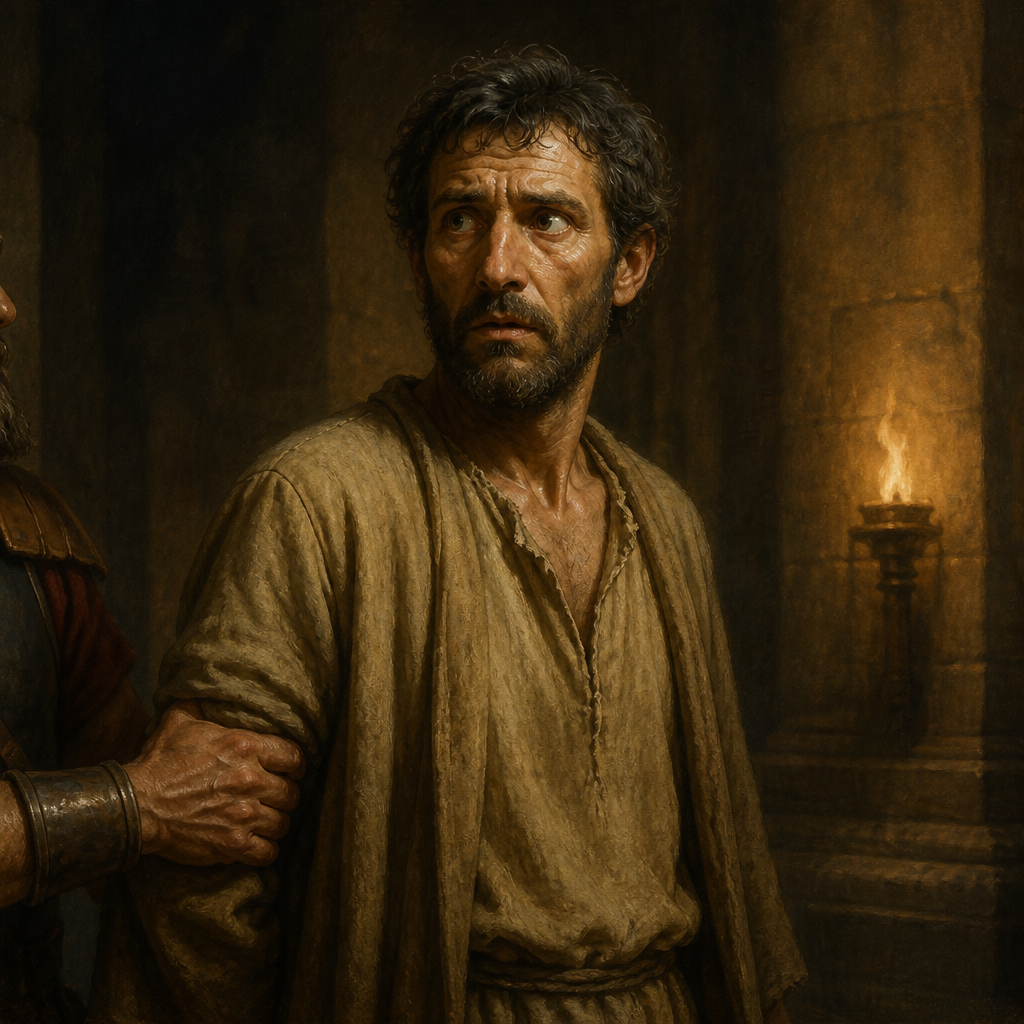
Uriah, son of Shemaiah
Prophet who was extradited from Egypt and executed by King Jehoiakim
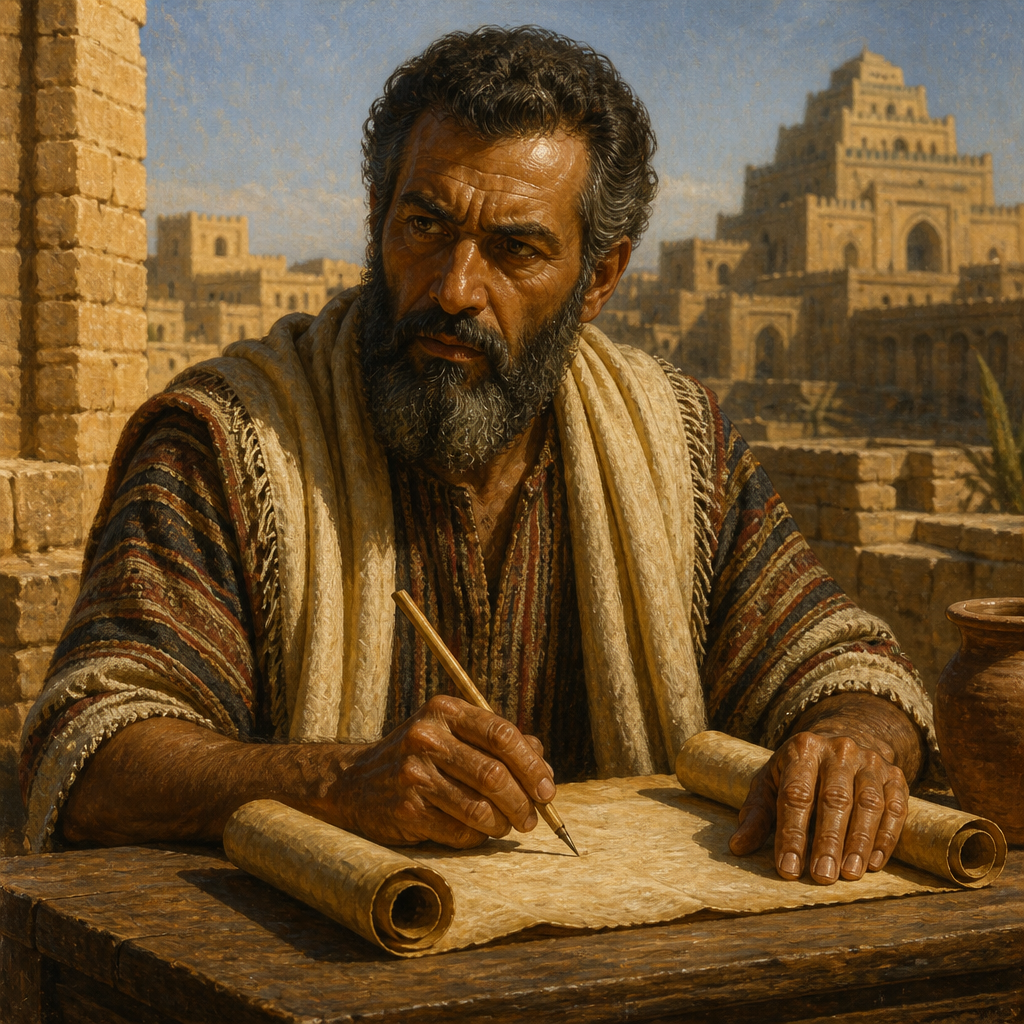
Shemaiah the Nehelamite
Prophet who opposed Jeremiah by writing letters from Babylon. Called a Nehelamite, a designation of origin rather than a people group
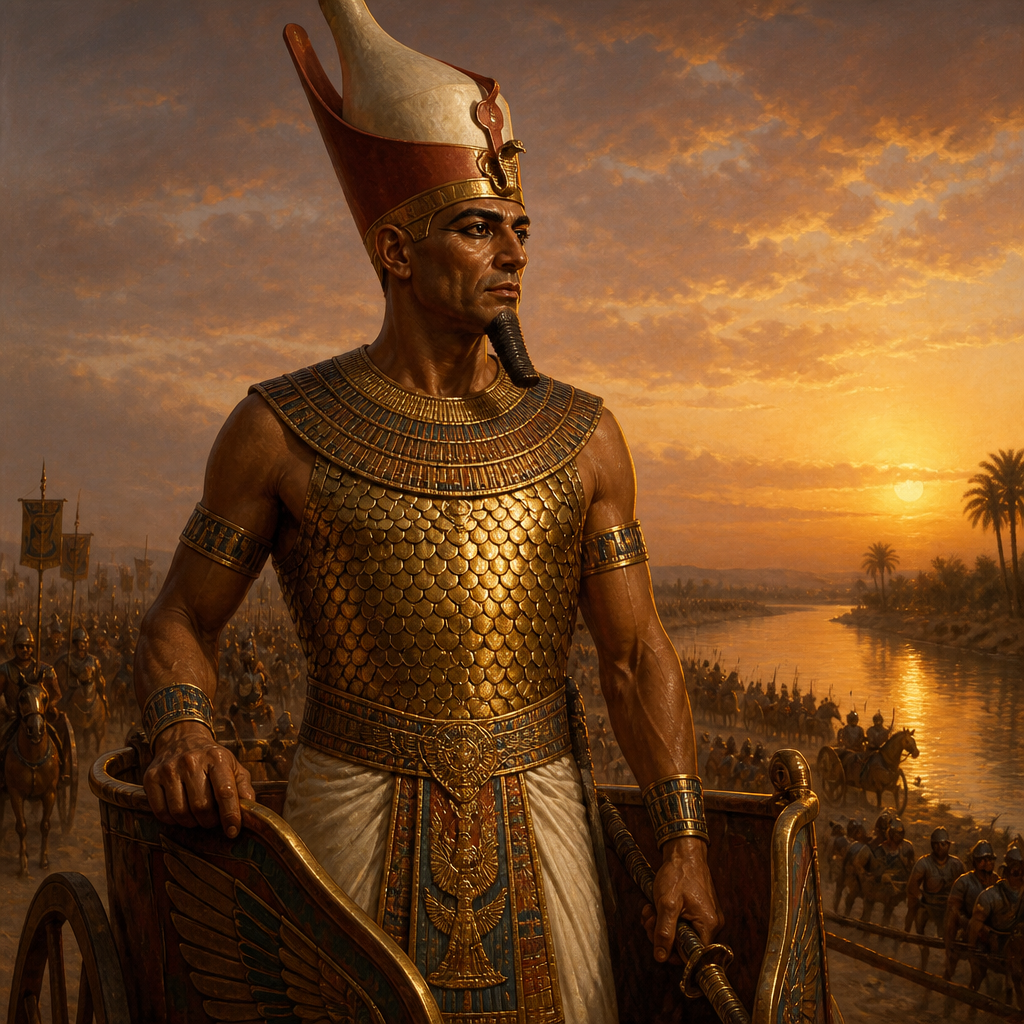
Neco
Pharaoh who killed King Josiah and conquered Judah before being defeated by Babylon
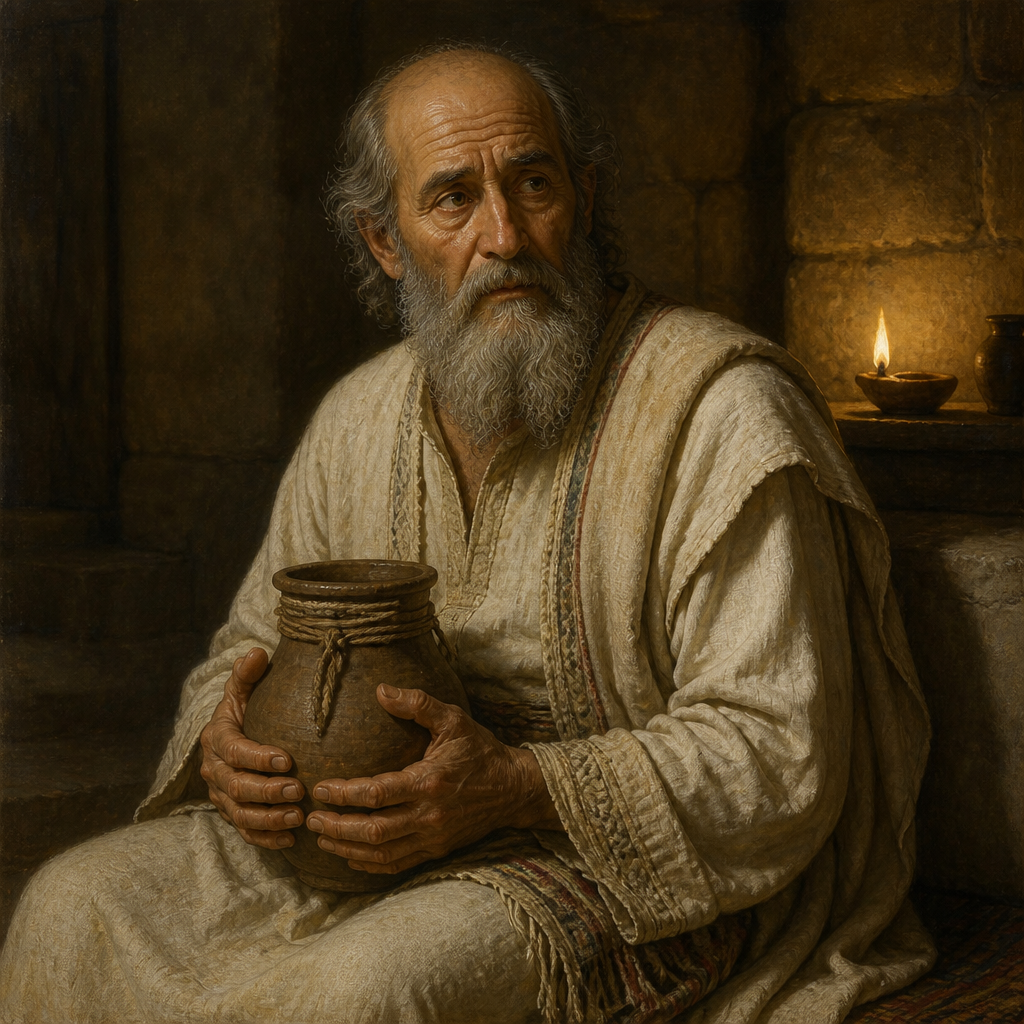
Shallum, Uncle of Jeremiah
Uncle of the prophet Jeremiah and father of Hanamel who facilitated the redemption of ancestral land in Anathoth
Elnathan, son of Achbor
Official of King Jehoiakim who captured the prophet Uriah and later pleaded for the preservation of Jeremiah's scroll
Jaazaniah, Son of Jeremiah
Rechabite leader who refused to drink wine in the Temple to honor his ancestral vows
Jezaniah
Military commander who consulted Jeremiah but later rejected his prophecy to stay in Judah
Malchiah
Royal official and son of the king whose cistern was used to imprison the prophet Jeremiah
Jonathan the Scribe
Scribe whose house was converted into a prison for the prophet Jeremiah
Pashhur, Official Son of Malchijah
Official under King Zedekiah who petitioned for Jeremiah's execution
Hezekiah, King of Judah
King of Judah who reformed the Temple and survived the Assyrian siege of Jerusalem
Hoshaiah, Father of Jezaniah
father of the military commanders who defied Jeremiah's warning not to go to Egypt
Mahseiah
Grandfather of Baruch the scribe and Seraiah the quartermaster
Irijah
Captain of the guard who arrested Jeremiah at the Gate of Benjamin
Nergal-sharezer the Rabmag
Babylonian official present at the fall of Jerusalem in 586 BC
Jehucal
Royal official under King Zedekiah who opposed the prophet Jeremiah

Azariah, Son of Hoshaiah
Leader of the Judean remnant who accused Jeremiah of lying and fled to Egypt
Achbor, Official of King Josiah
Official sent by King Josiah to consult the prophetess Huldah
Shelemiah, Father of Jehucal
father of the royal official Jehucal who served King Zedekiah
Delaiah, Official of King Jehoiakim
official who pleaded with King Jehoiakim not to burn Jeremiah's scroll
Elasah, Son of Shaphan
Royal envoy who delivered Jeremiah's letter to the exiles in Babylon
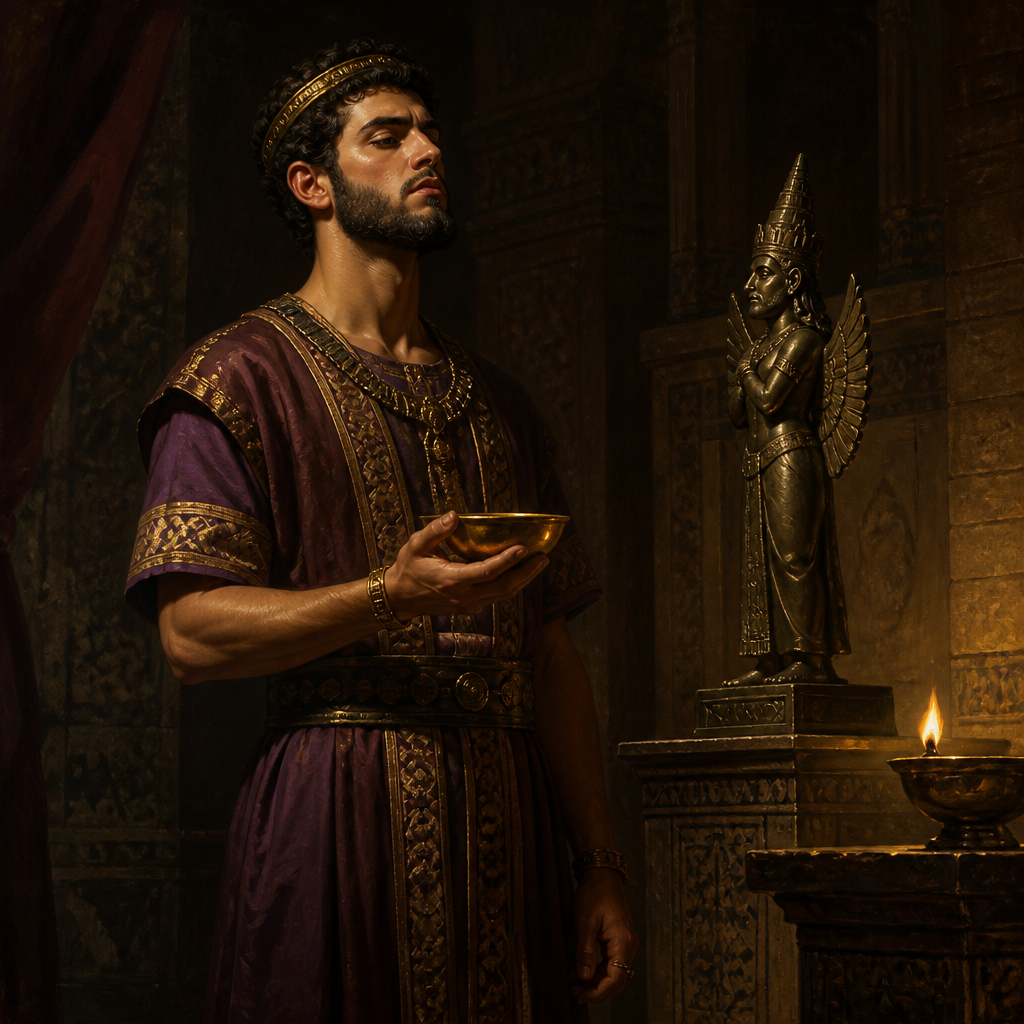
Amon, King of Judah
King of Judah who was assassinated by his servants after a two-year reign of idolatry
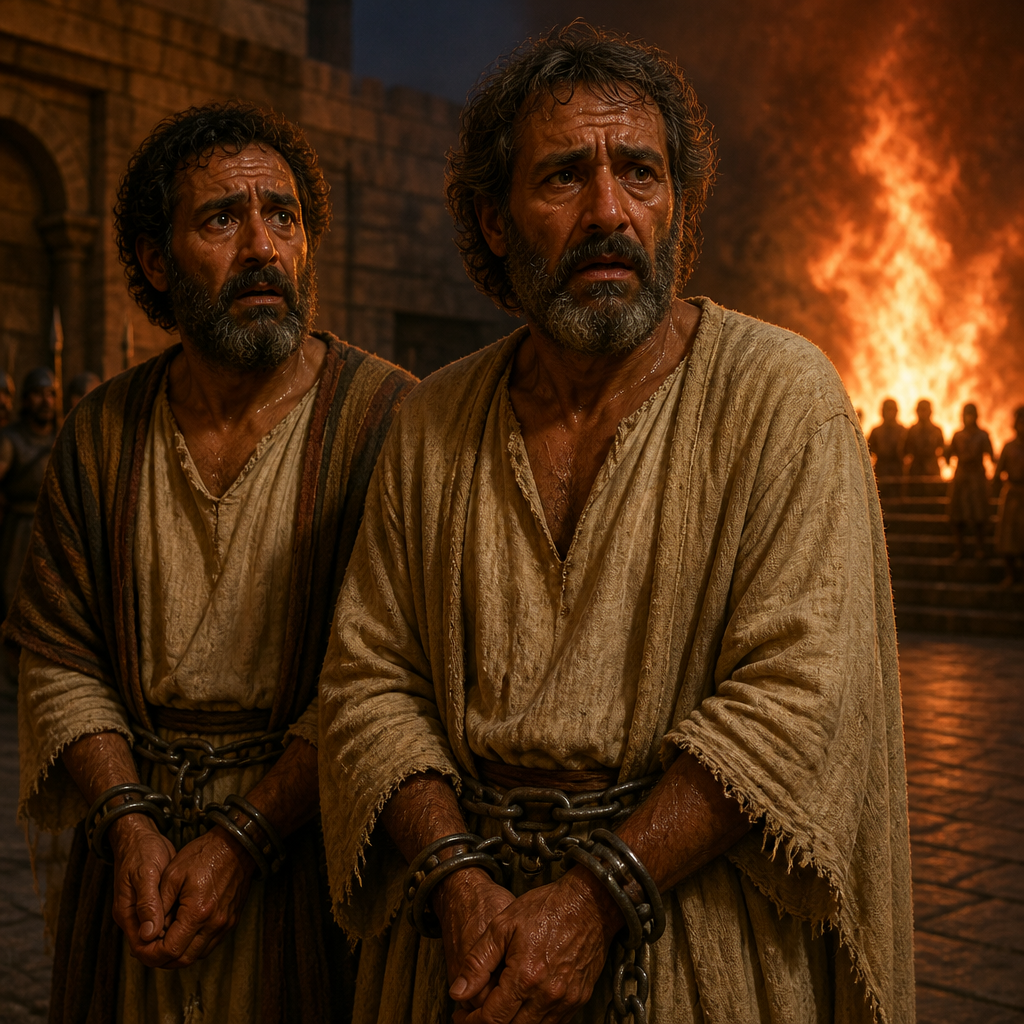
Zedekiah son of Maaseiah
False prophet who was roasted in the fire by King Nebuchadnezzar
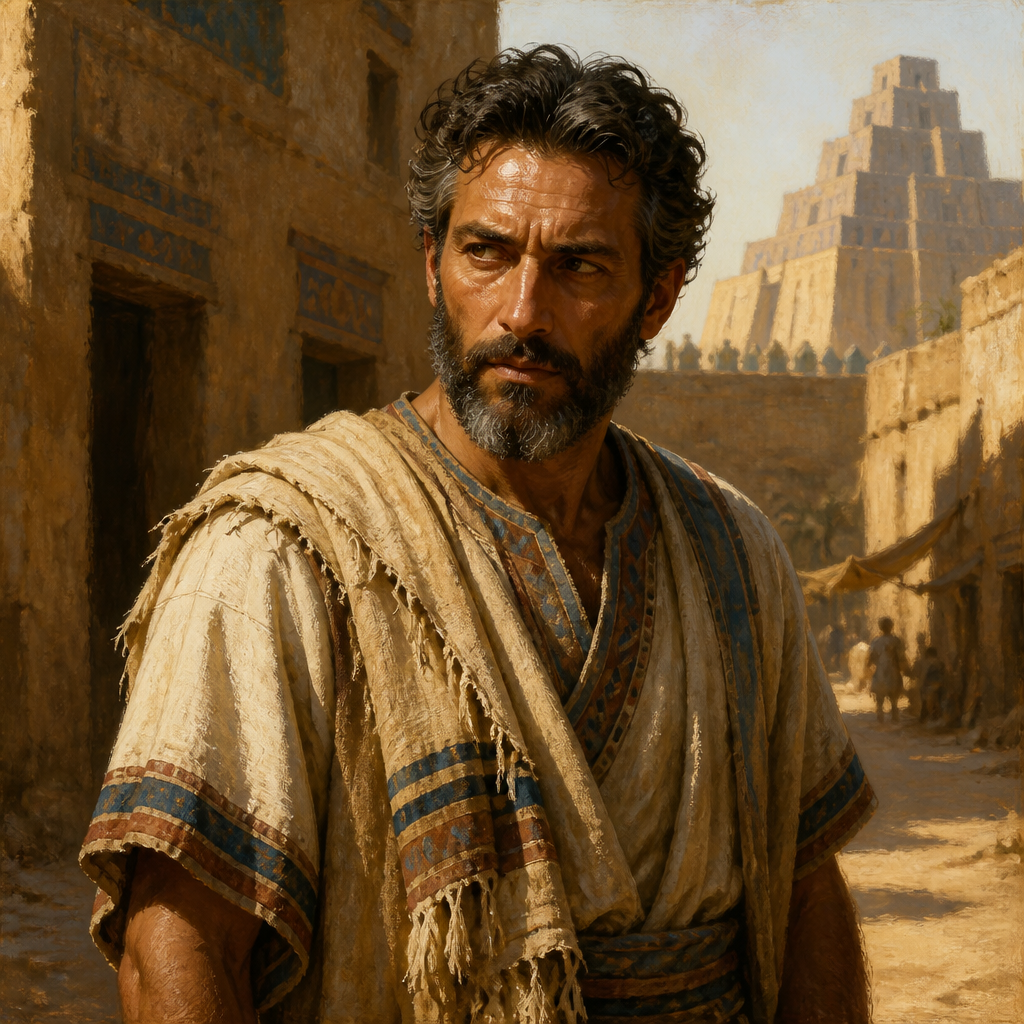
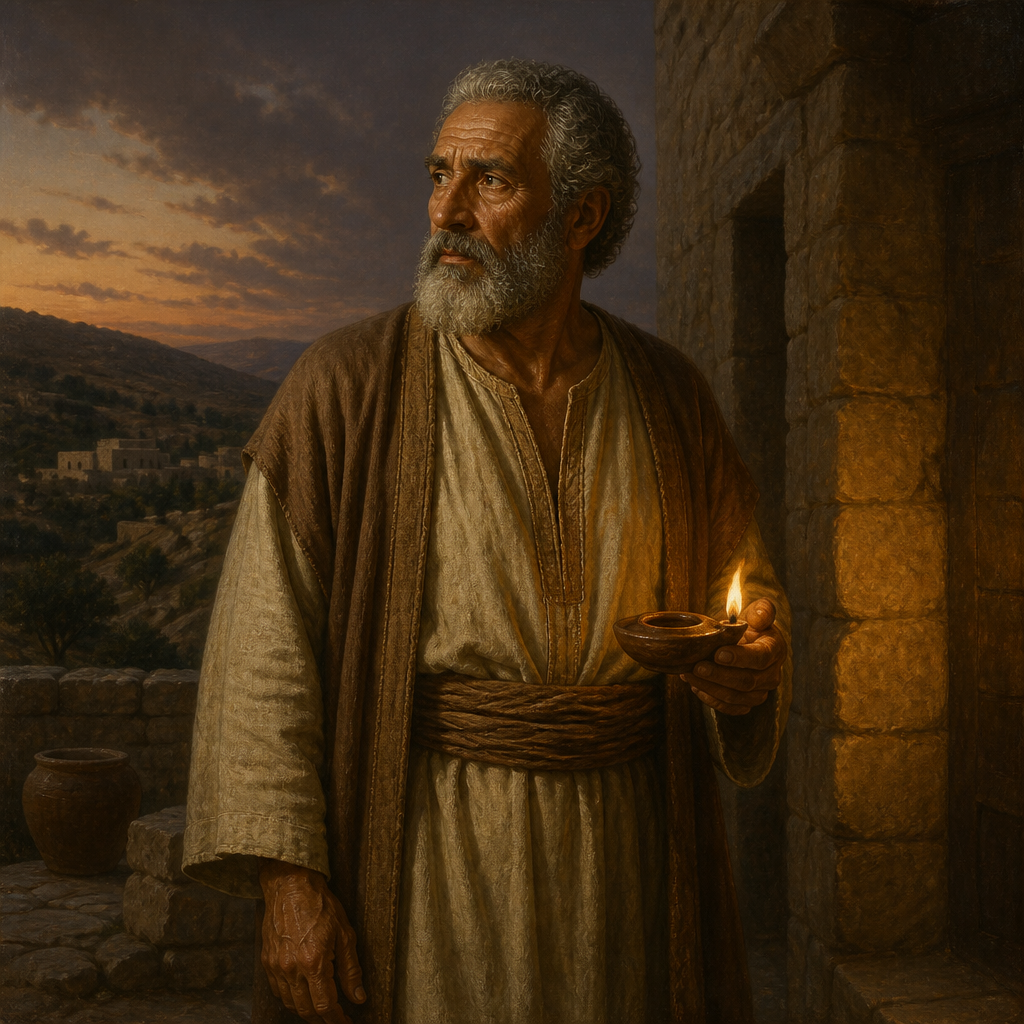
Hilkiah, Father of Jeremiah
Priest of Anathoth and the father of the prophet Jeremiah
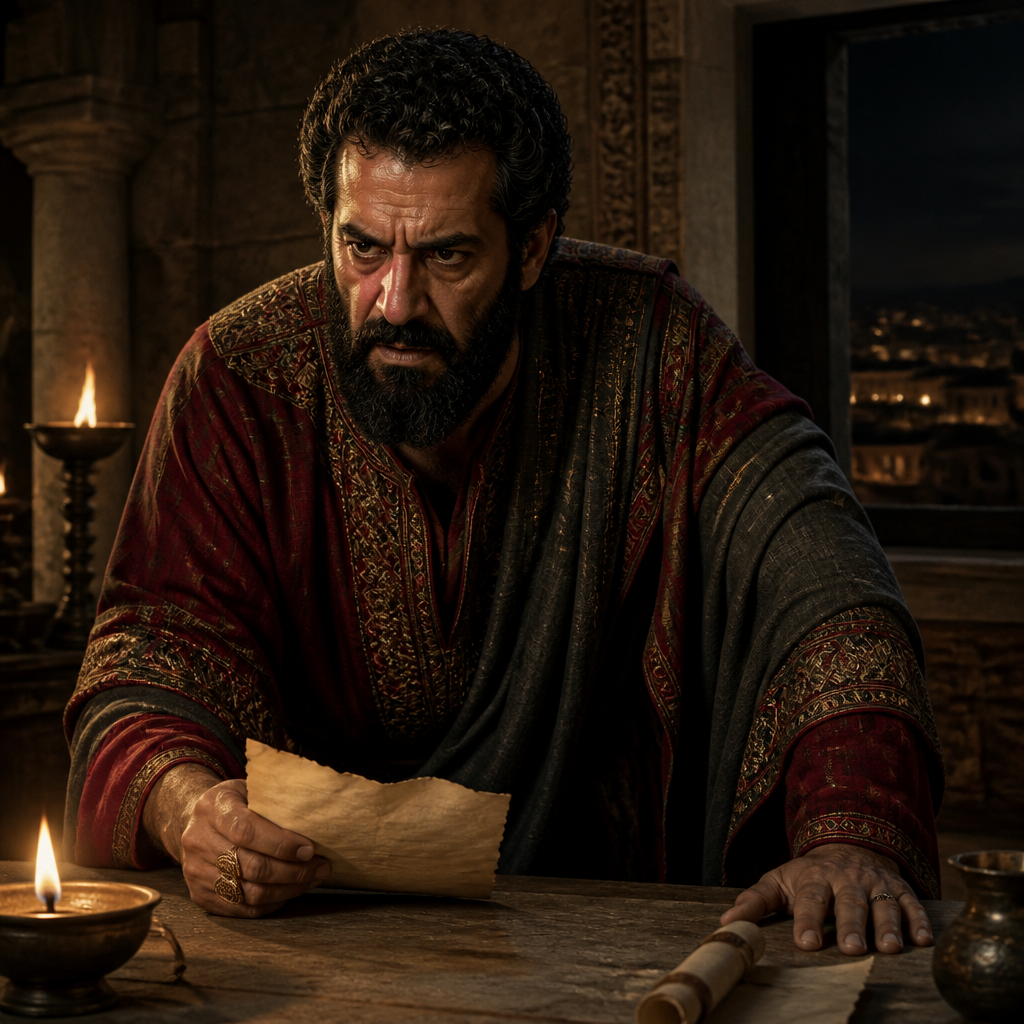
Shephatiah, Son of Mattan
Official who sought the death of the prophet Jeremiah during the siege of Jerusalem
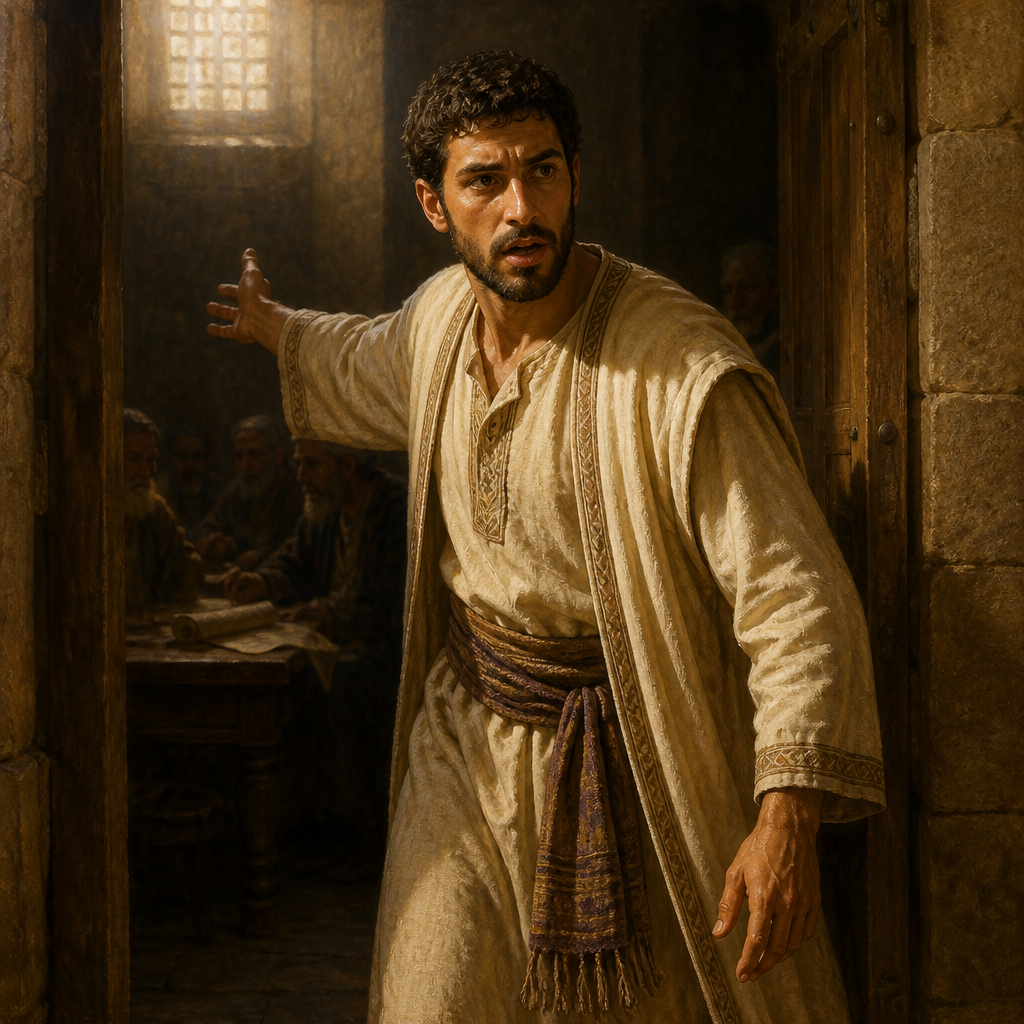
Micaiah, Son of Gemariah
official who reported the reading of Jeremiah's scroll to the royal court
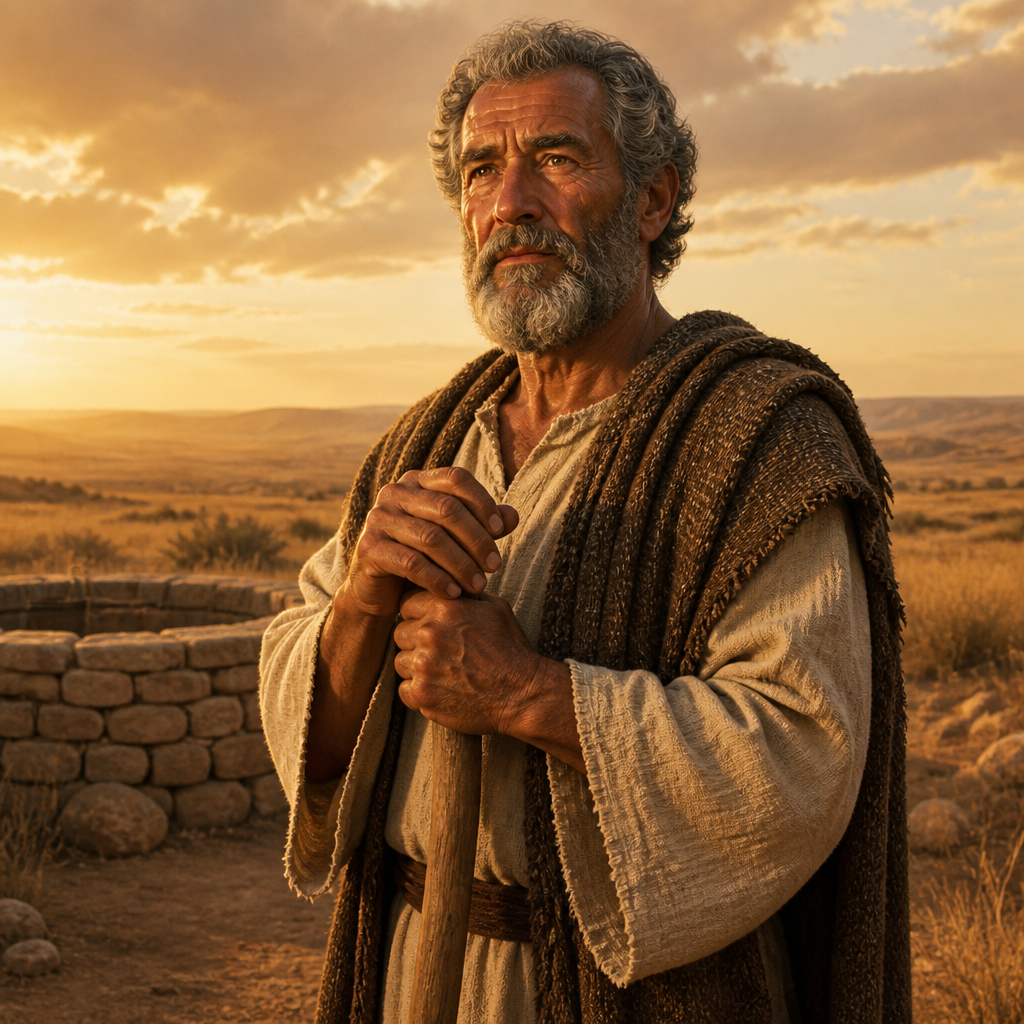
Isaac
Patriarch who was the son of Abraham and the father of Jacob and Esau
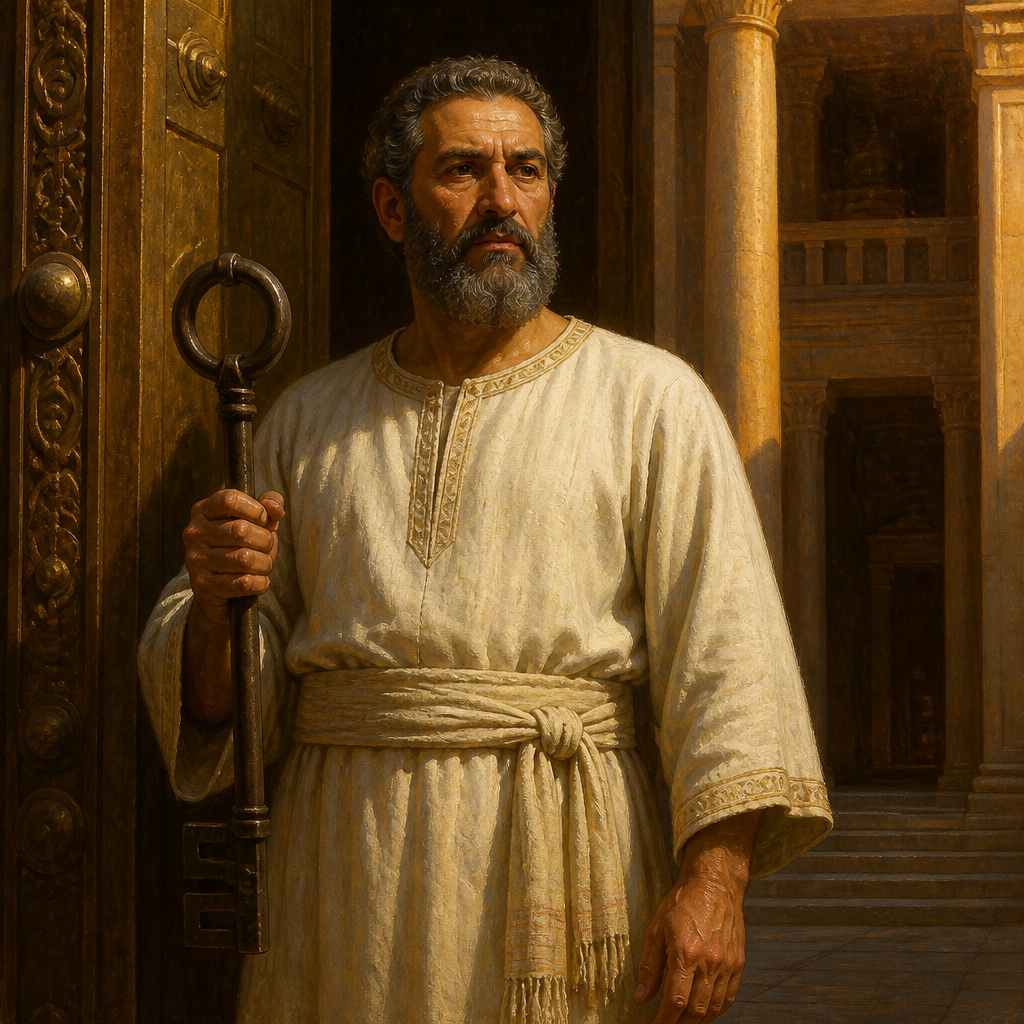
Maaseiah son of Shallum, Doorkeeper
Temple doorkeeper whose chamber served as a landmark in the Book of Jeremiah
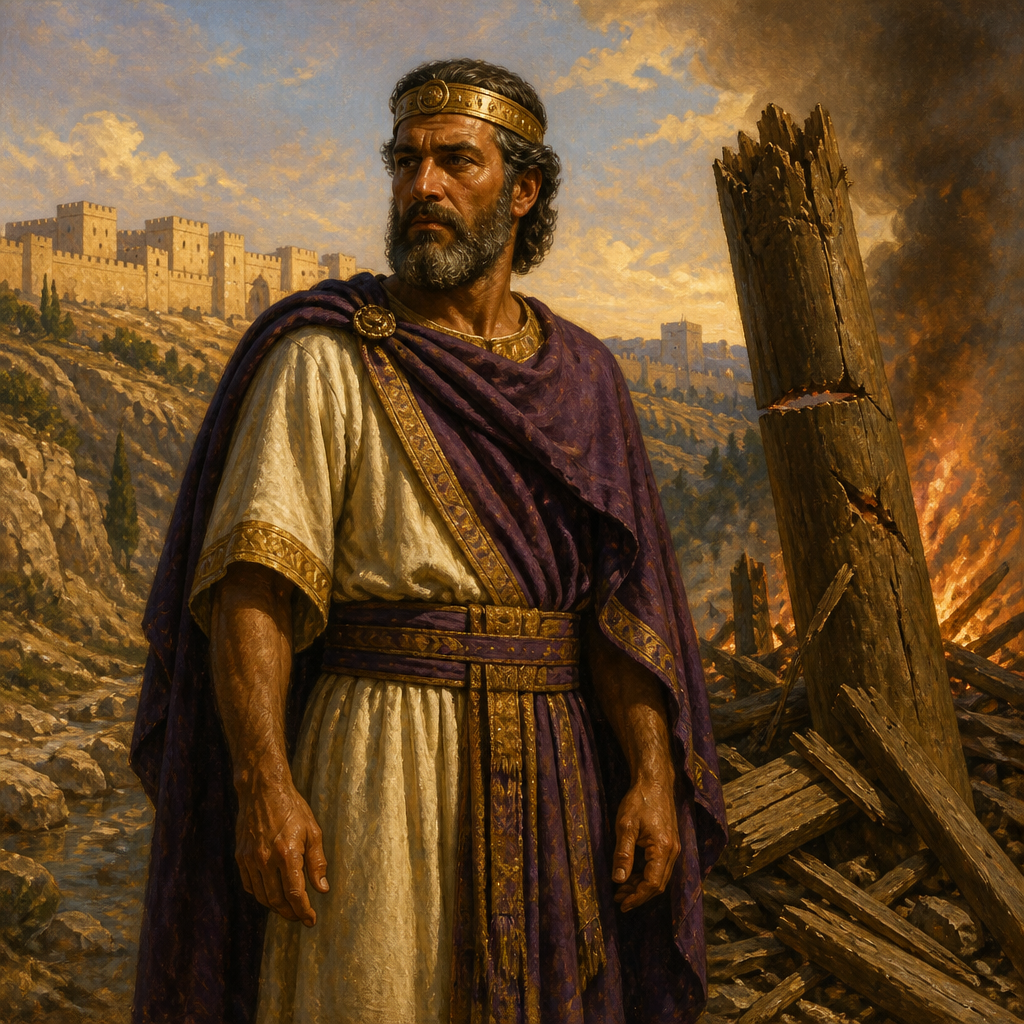
Asa, King of Judah
King of Judah who removed idols and defeated the million-man Cushite army
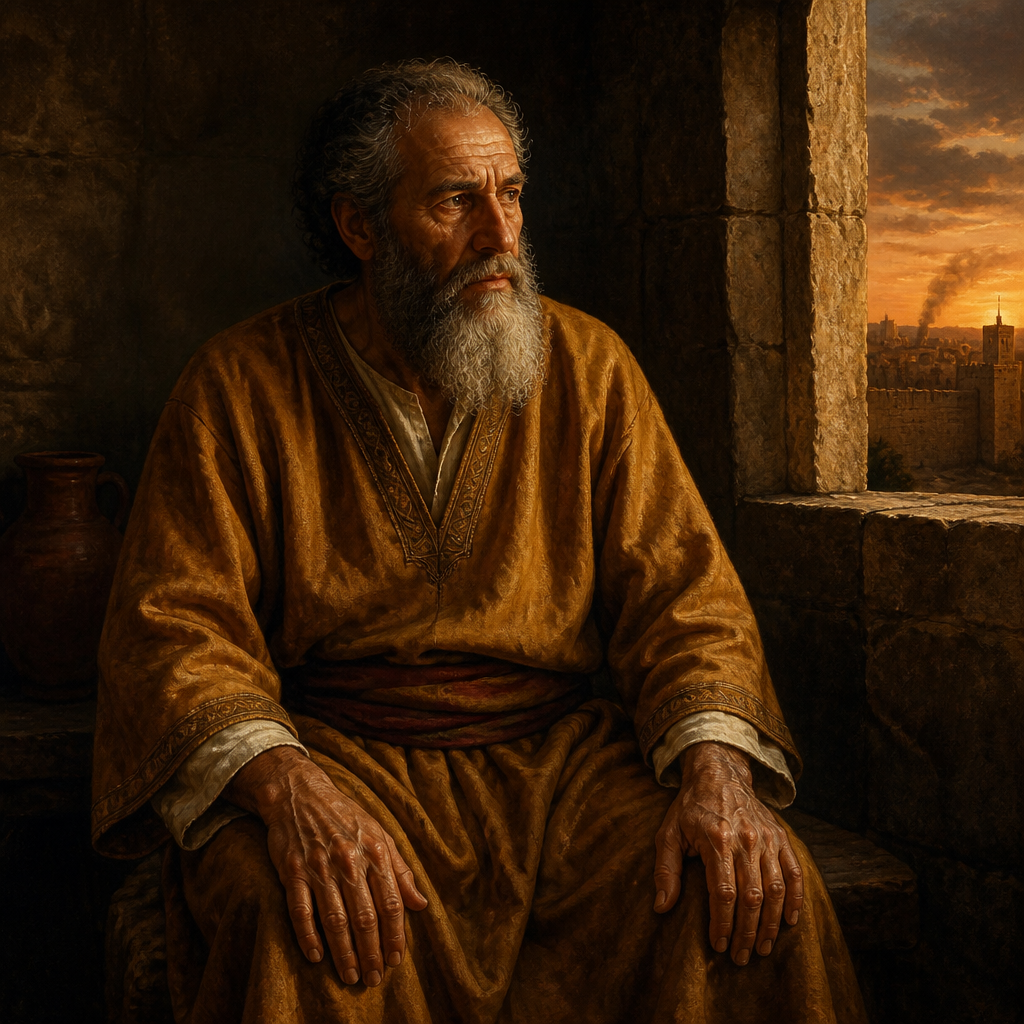
Shelemiah, Father of Irijah
father of Irijah, the captain who arrested the prophet Jeremiah
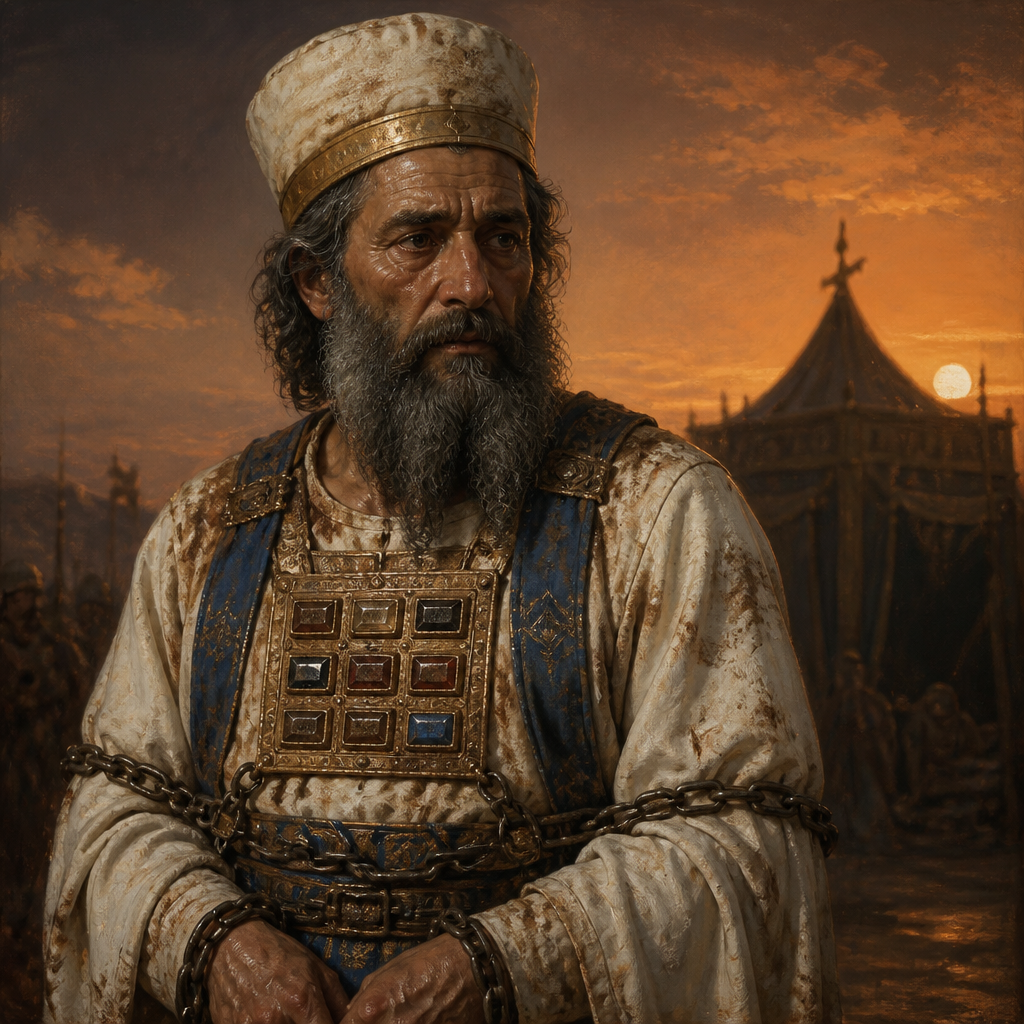
Seraiah the Chief Priest
Chief Priest of Jerusalem who was executed by Nebuchadnezzar after the fall of the Temple
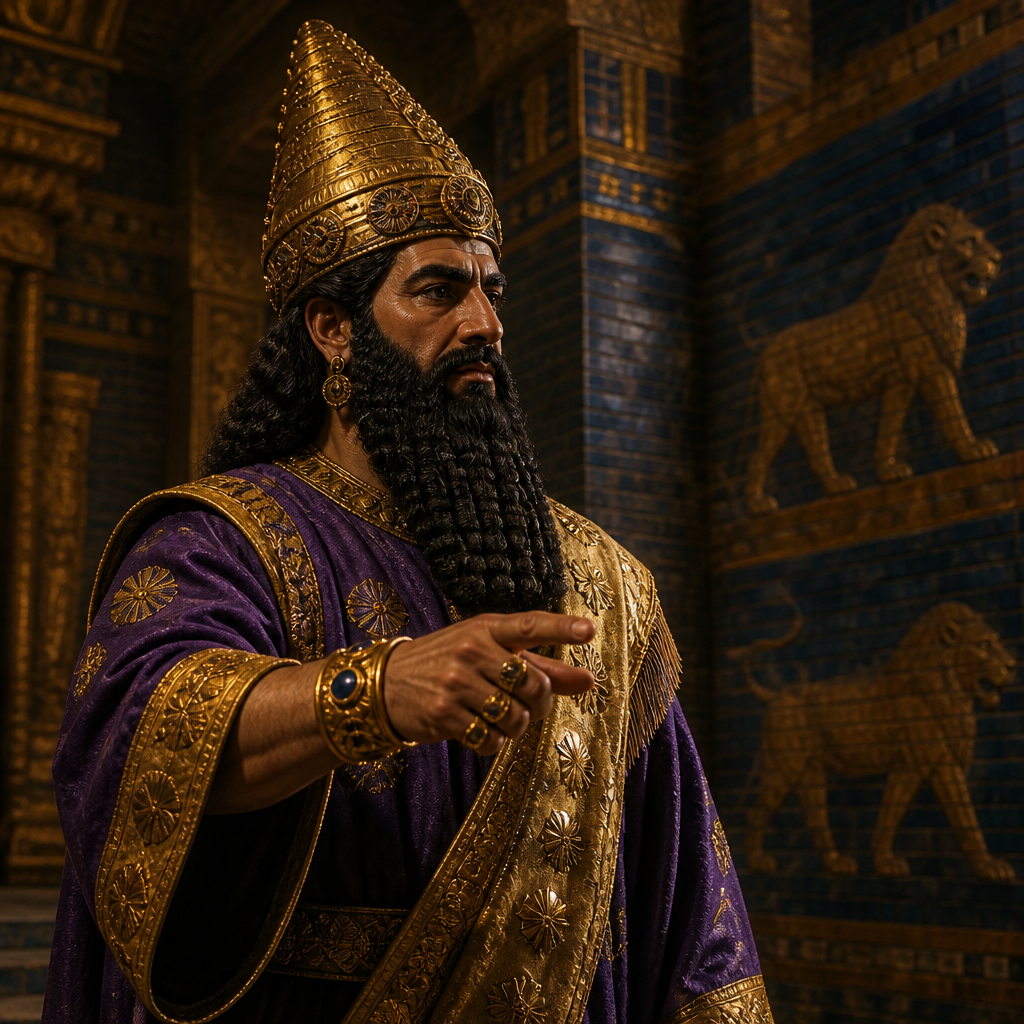
Maaseiah, Father of Zedekiah the False Prophet
Father of the false prophet Zedekiah who was executed by Nebuchadnezzar
Kolaiah, Father of the False Prophet Ahab
father of the false prophet Ahab who was executed in Babylon
Cushi, Great-Grandfather of Jehudi
Patriarch of a family of Judean officials mentioned in the book of Jeremiah
Hanan, son of Igdaliah
Man of God whose sons held a prominent chamber in the Temple during the time of Jeremiah
Jeremiah, Father of Jaazaniah
Rechabite patriarch and father of Jaazaniah who stood as a witness to the clan's faithfulness
Tanhumeth
Father of Seraiah the Netophathite who served under Governor Gedaliah
Shemaiah, Father of Uriah the Prophet
Father of the prophet Uriah of Kiriath-jearim
Pharaoh, Subject of Divine Judgment
Egyptian monarch listed among the nations destined to drink the cup of God's wrath in Jeremiah's prophecy
Immer, Priest of the United Monarchy
A high-ranking priest during the United Monarchy whose house served as the sixteenth division of the sanctuary and produced descendants who returned from the Babylonian Exile.
Habazziniah
Patriarch of the Rechabite family mentioned in the book of Jeremiah
Sihon
King of the Amorites who was defeated by Moses at the Battle of Jahaz
Igdaliah
Man of God whose descendants held a prestigious chamber in the Temple of Jerusalem
Ben-hadad, Son of Tabrimmon
Aramean king who besieged Samaria and was defeated at Aphek
Jerahmeel, Son of the King
Royal official who was commanded by King Jehoiakim to arrest Jeremiah and Baruch
Solomon
King of Israel who built the first Temple and was famous for his wisdom
Seraiah son of Tanhumeth
Military commander of Judah who joined the remnant at Mizpah under Governor Gedaliah
Ephai
Patriarch whose sons were military captains under Governor Gedaliah
Nebo-sarsekim the Rabsaris
Babylonian official present at the fall of Jerusalem in 586 BC
Mattan, Father of Shephatiah
Judean man identified as the father of Shephatiah in the Book of Jeremiah
Elishama, Ancestor of Ishmael
Royal ancestor of Ishmael who assassinated the governor Gedaliah
Abdeel
father of Shelemiah who was ordered to arrest the prophet Jeremiah
Micah the Moreshite
Prophet who predicted the destruction of Jerusalem and the Temple during the reign of Hezekiah
Jeremiah of Libnah
father of Queen Hamutal and grandfather of King Zedekiah
Shallum, Father of Maaseiah
Temple doorkeeper whose son Maaseiah had a chamber in the Temple of Jerusalem
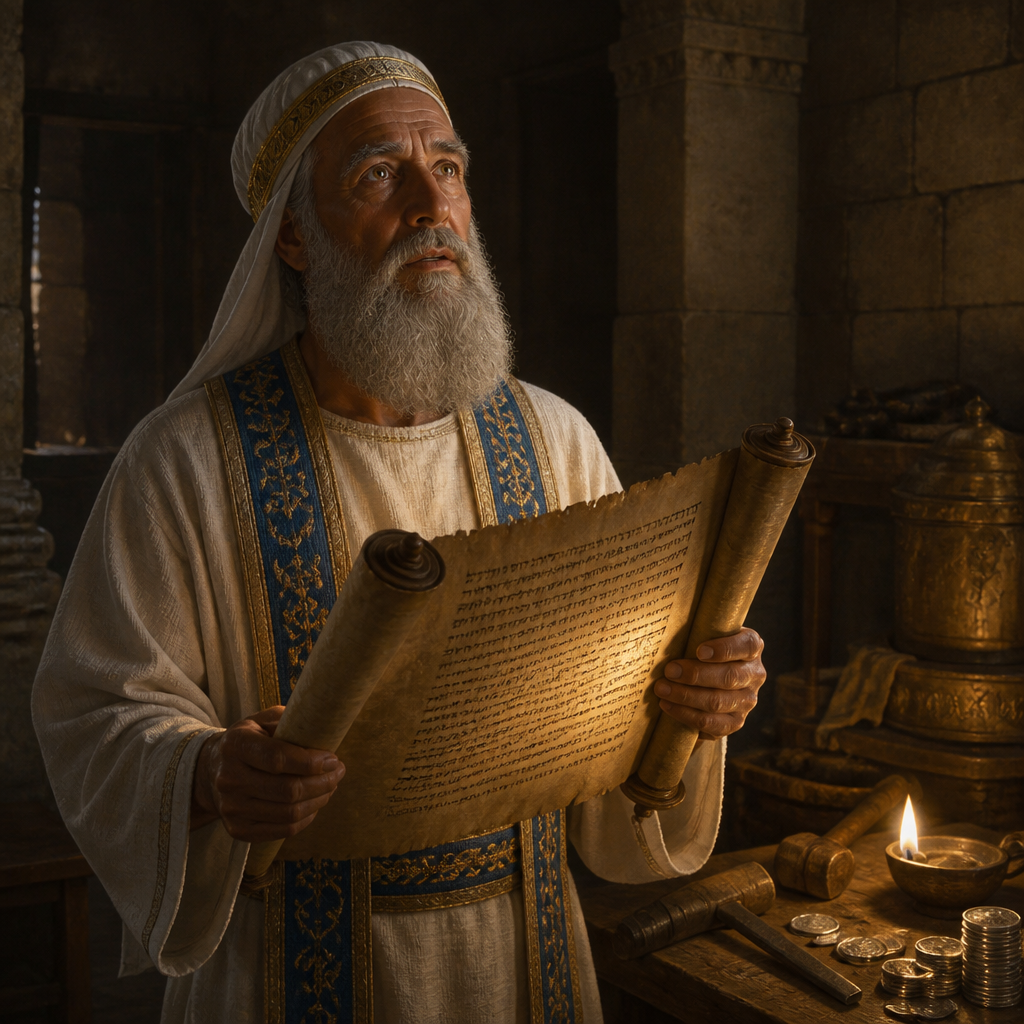
Hilkiah the High Priest
High Priest who found the Book of the Law in the Temple during the reign of King Josiah
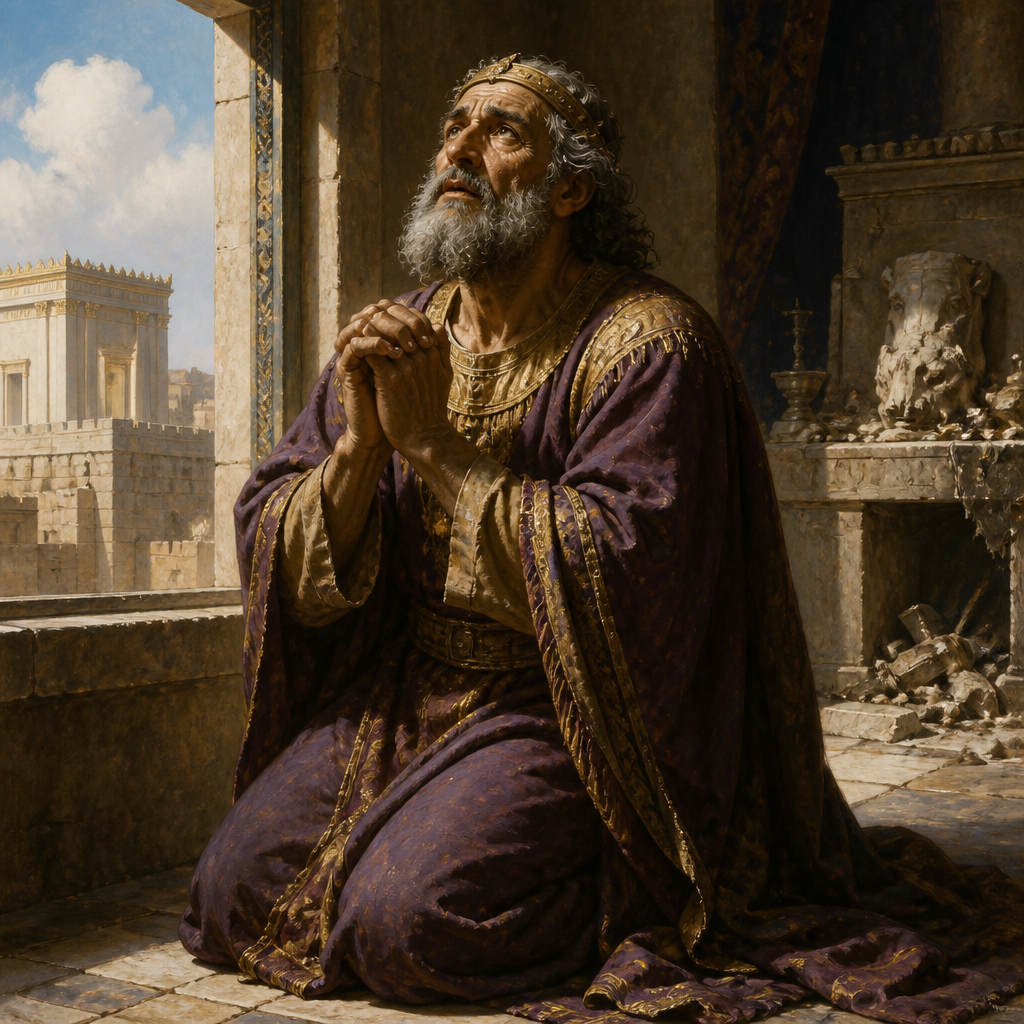
Manasseh, King of Judah
King of Judah who reigned 55 years and was notorious for his idolatry and late-life repentance
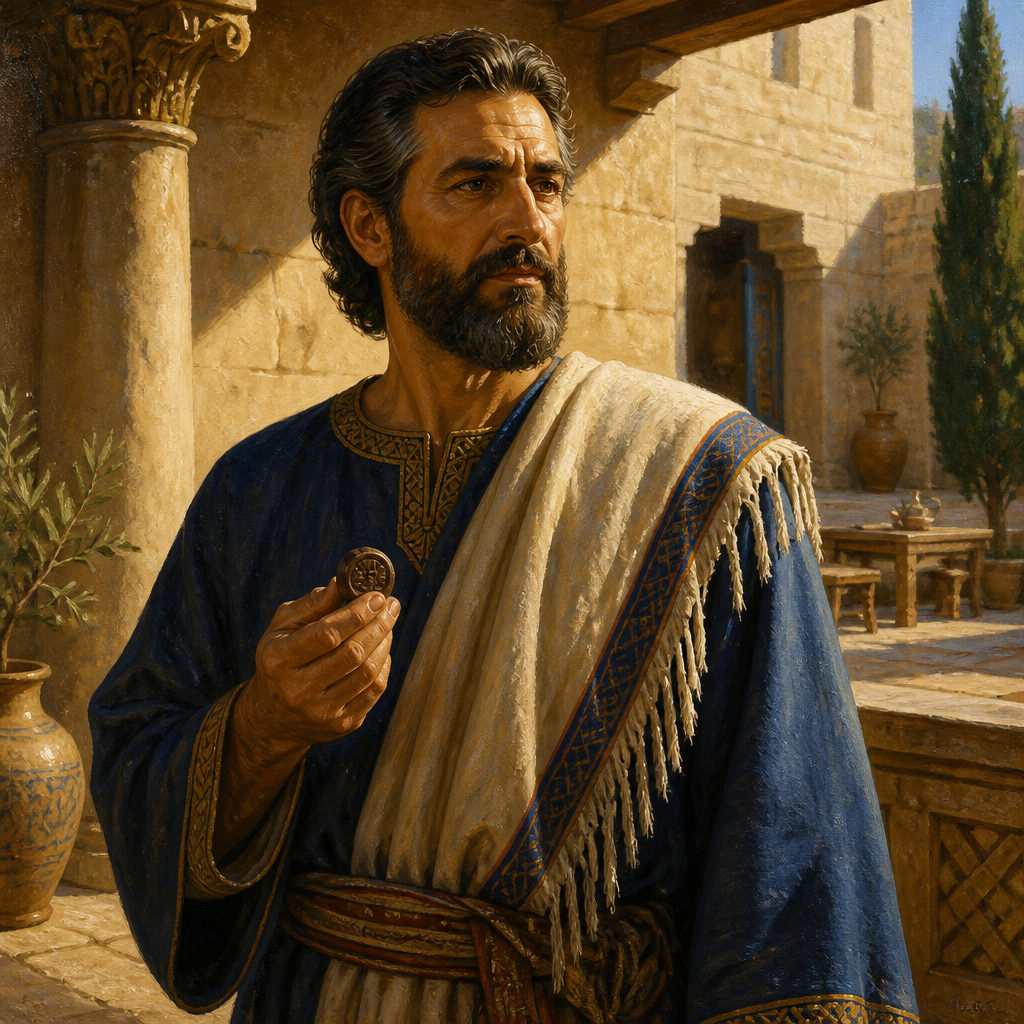
Nethaniah, Son of Shelemiah
father of Jehudi who summoned Baruch the scribe
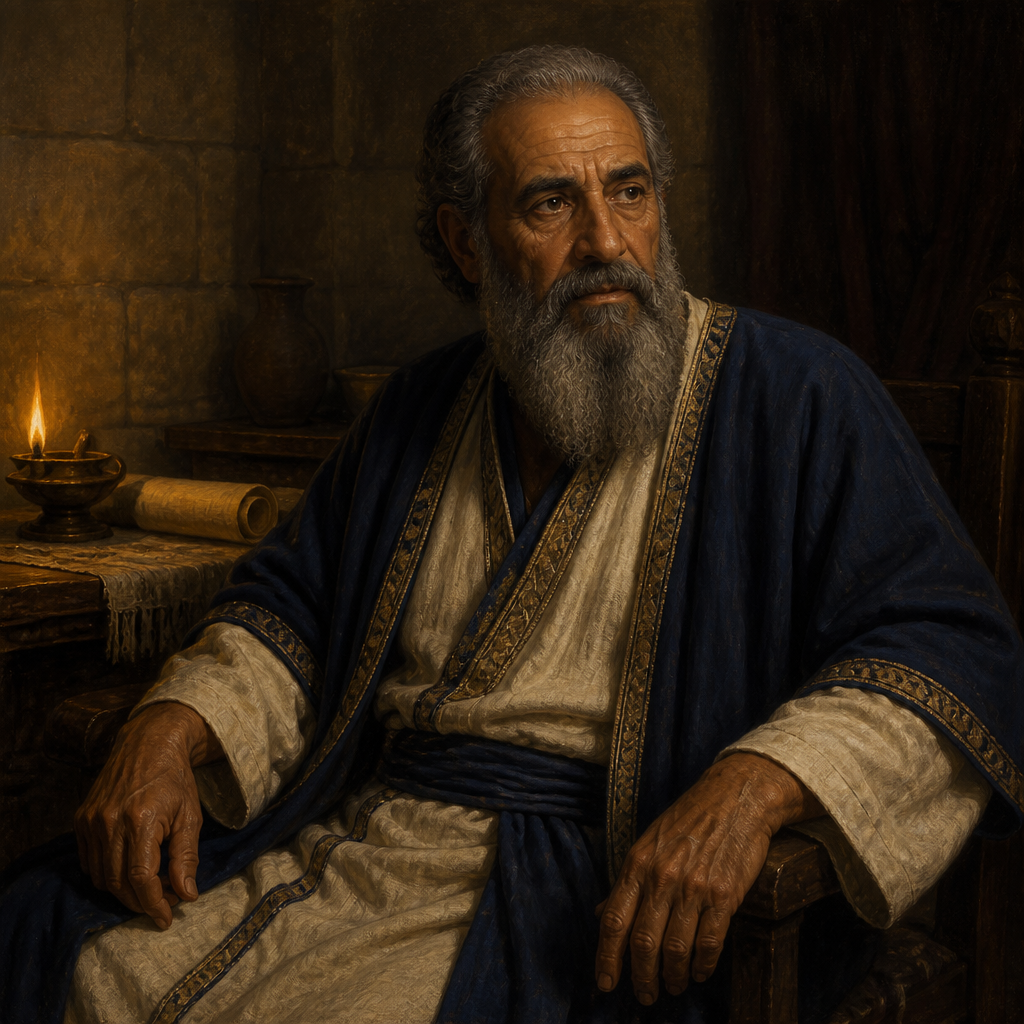
Azriel, Father of Seraiah
Father of Seraiah, an officer ordered by King Jehoiakim to arrest the prophet Jeremiah
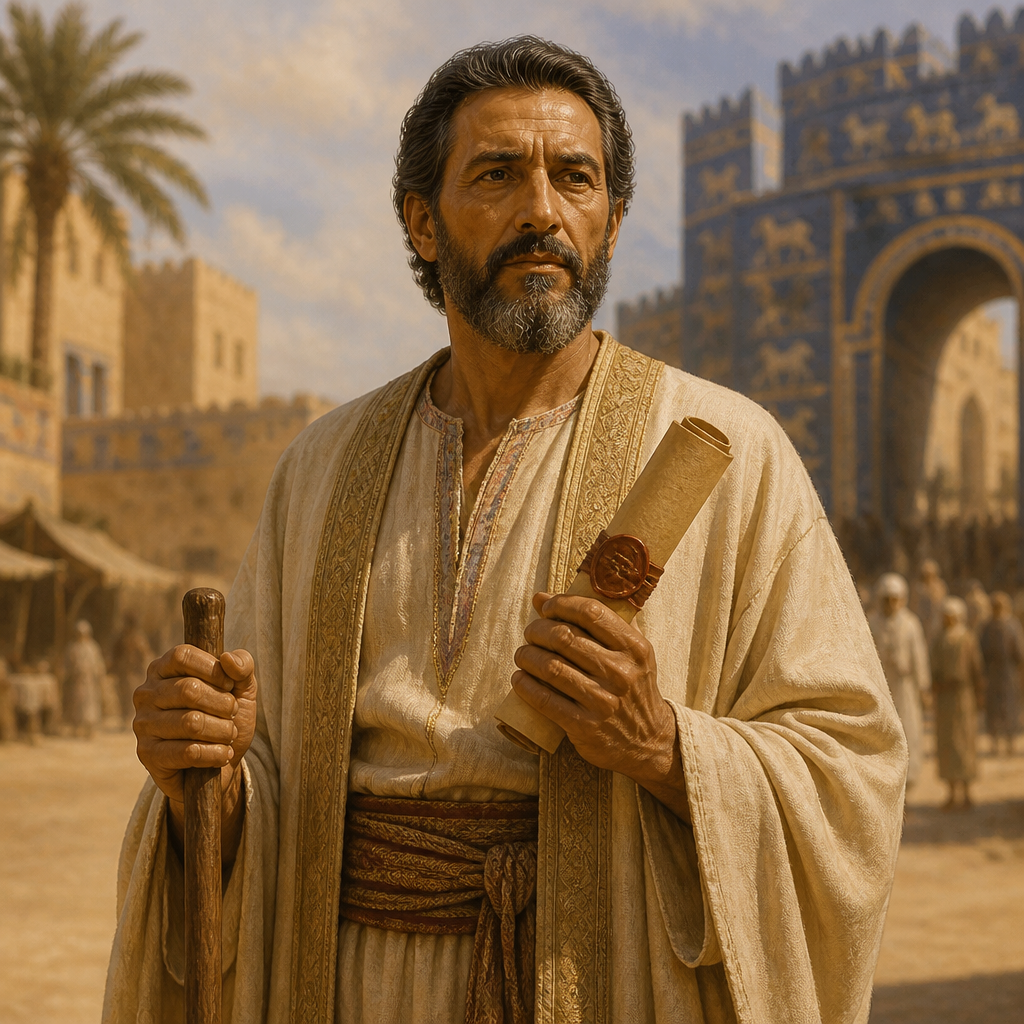
Gemariah, Son of Hilkiah
Envoy of King Zedekiah who carried Jeremiah's letter to the exiles in Babylon
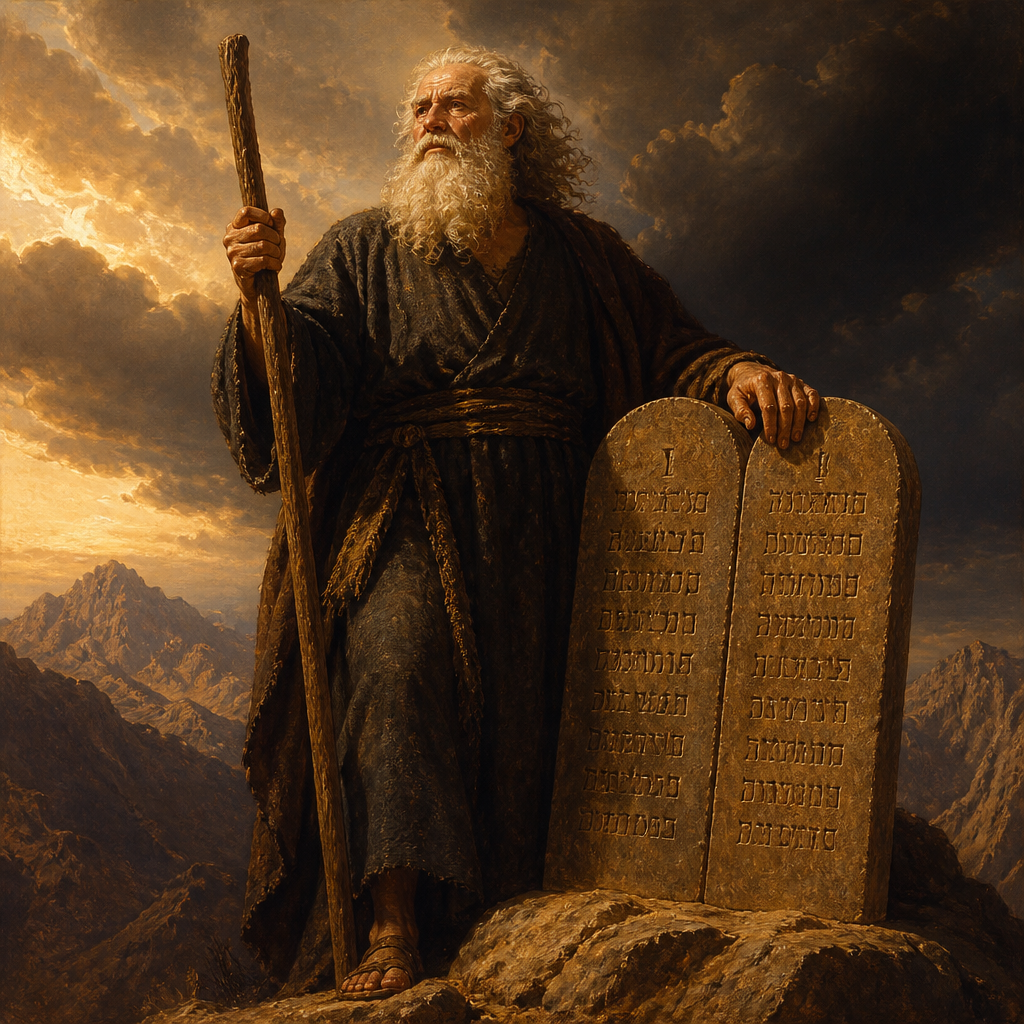
Moses
Prophet who led the Israelites out of Egypt and received the Ten Commandments
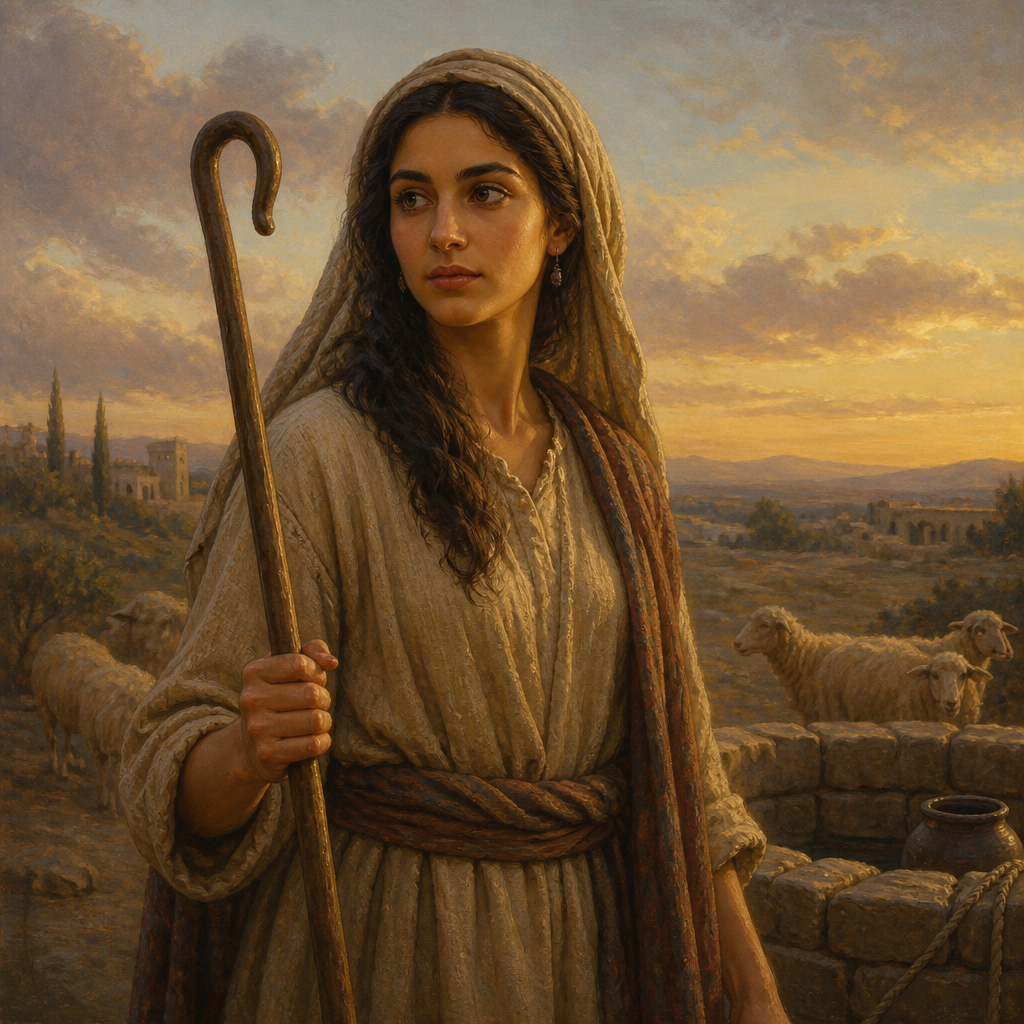
Rachel
Matriarch of Israel and the beloved wife of Jacob who died giving birth to Benjamin
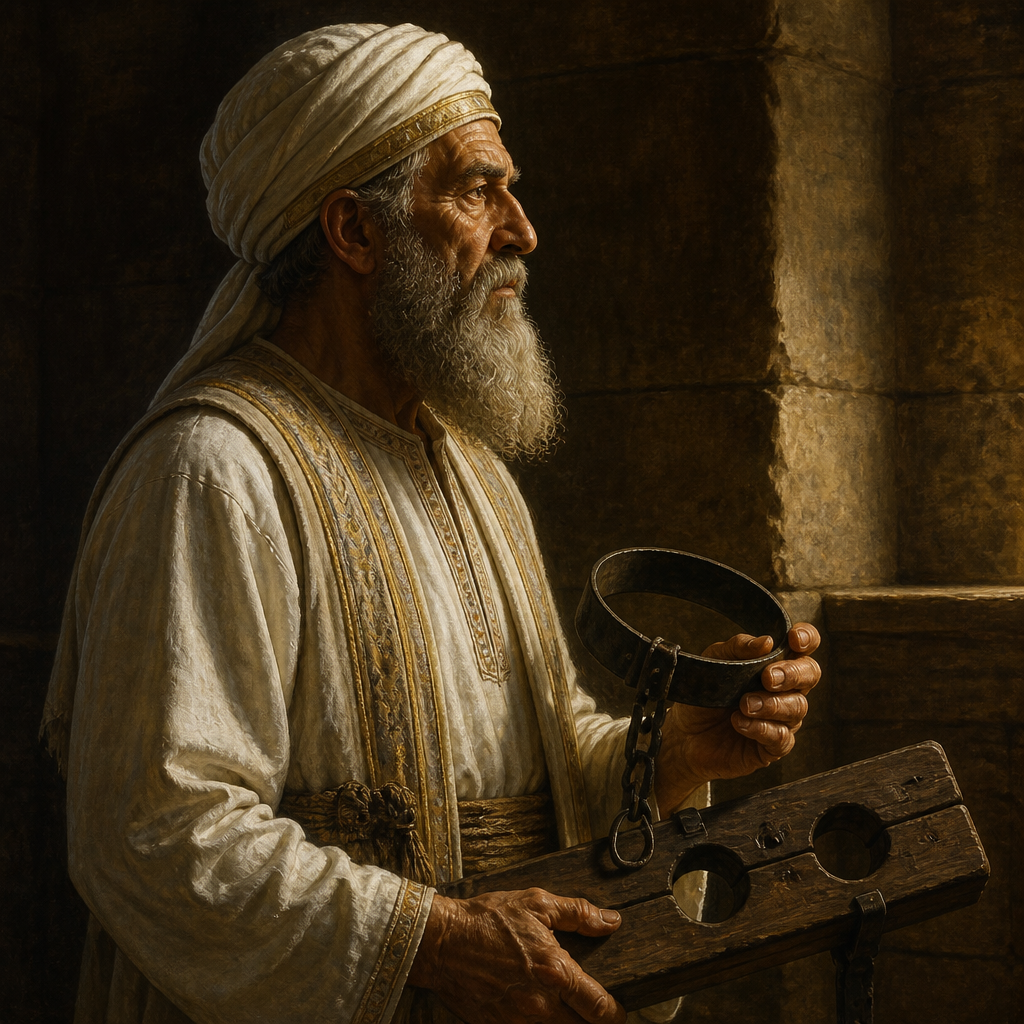
Jehoiada, Priest Succeeded by Zephaniah
Priest whose office as chief temple officer was taken by Zephaniah
Hananiah, Grandfather of Irijah
Grandfather of Irijah the captain of the guard
Shelemiah son of Abdeel
Official commissioned by King Jehoiakim to arrest Jeremiah and Baruch
Elnathan, Father of Nehushta
father of Nehushta and maternal grandfather of King Jehoiachin
Malchijah, Ancestor of Priests
Levite ancestor of a major priestly family that served in the Second Temple after the exile
Abraham
Patriarch who is the father of the nation of Israel and an exemplar of faith
Shemaiah, Father of Delaiah
father of Delaiah, an official under King Jehoiakim
Nebushazban
Babylonian official present at the destruction of Jerusalem in 586 BC
Shelemiah, Ancestor of Jehudi
Grandfather of Jehudi and descendant of Cushi mentioned in the Book of Jeremiah
Pashhur, Father of Gedaliah
father of the Judean official Gedaliah who opposed Jeremiah
Seraiah son of Azriel
Royal official commanded by King Jehoiakim to arrest Jeremiah the prophet
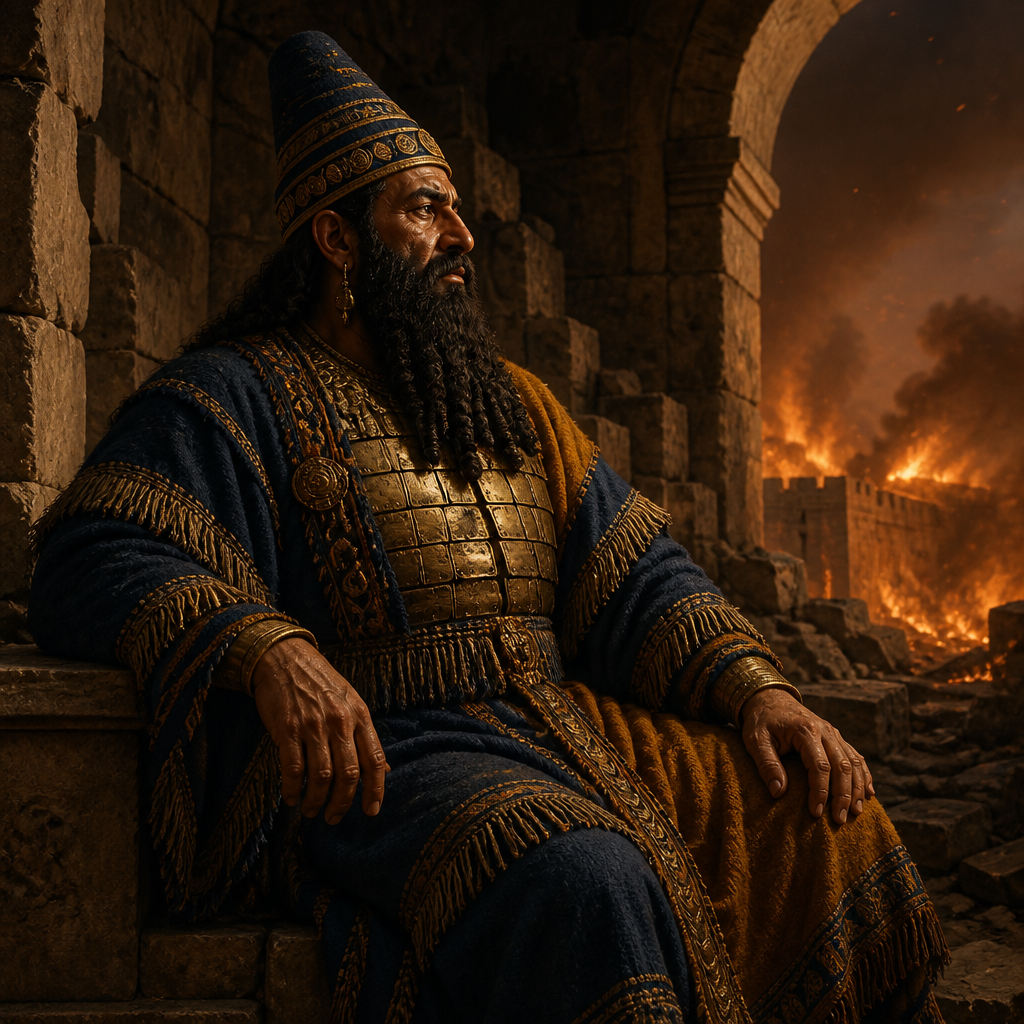
Nergal-sharezer of Samgar
Babylonian official who sat at the Middle Gate during the fall of Jerusalem in 586 BC
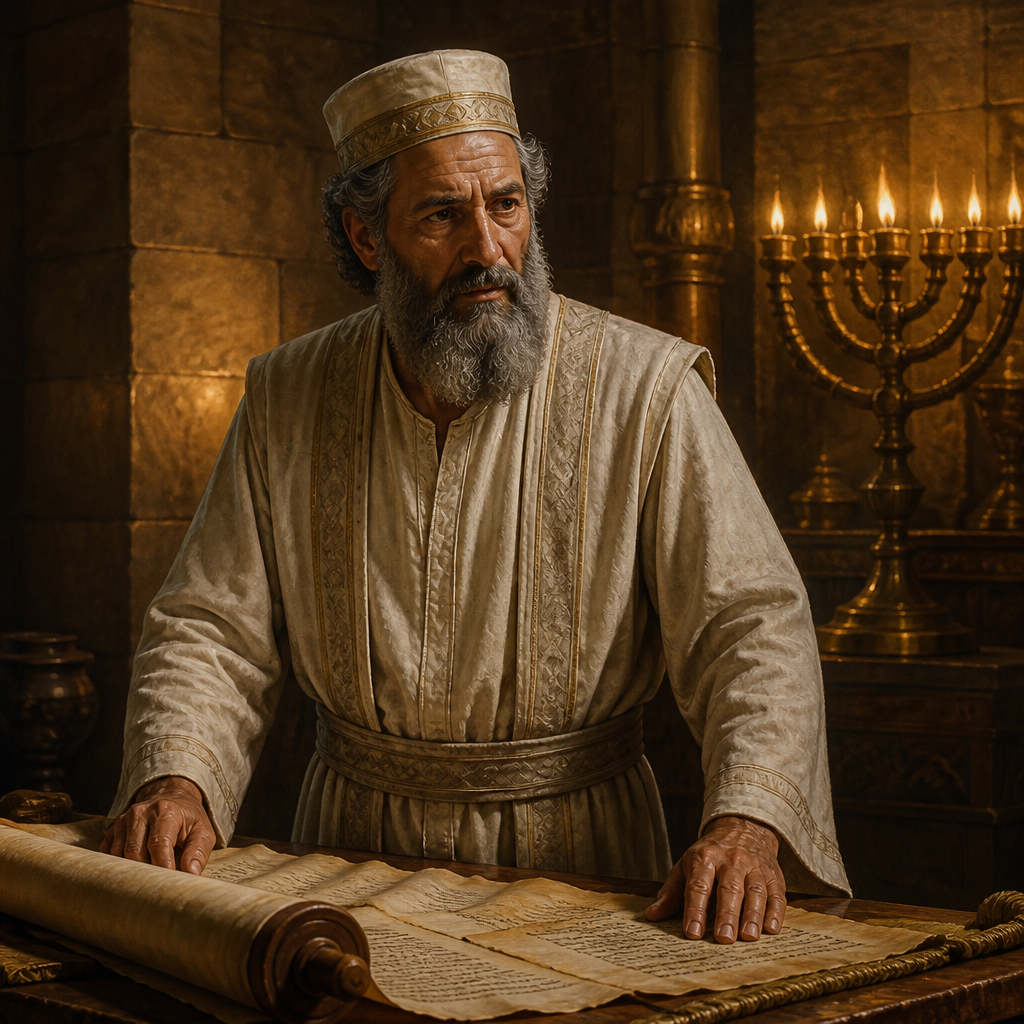
Azariah, High Priest of the Divided Monarchy
Chief official of God's temple and father of the Chief Priest Seraiah
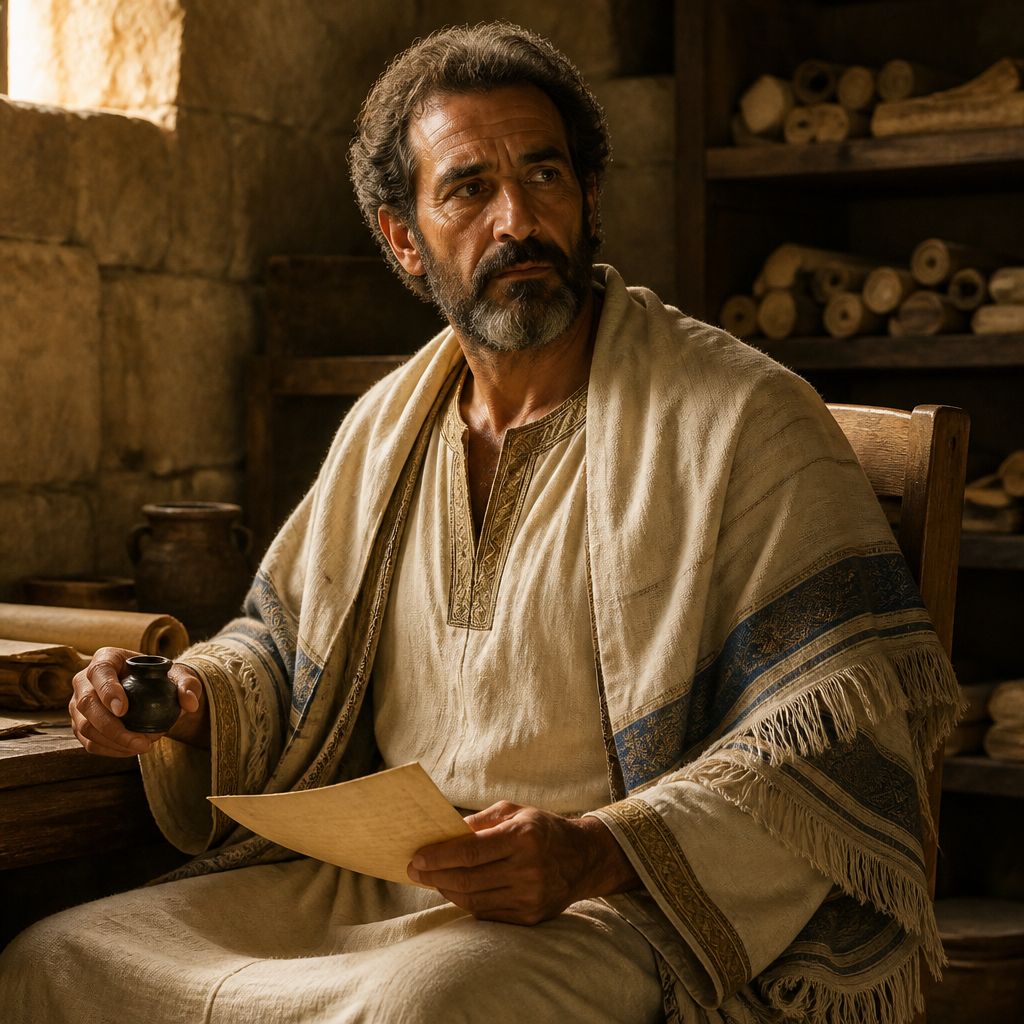
Zedekiah son of Hananiah
Official in King Jehoiakim's court who heard the reading of Jeremiah's scroll
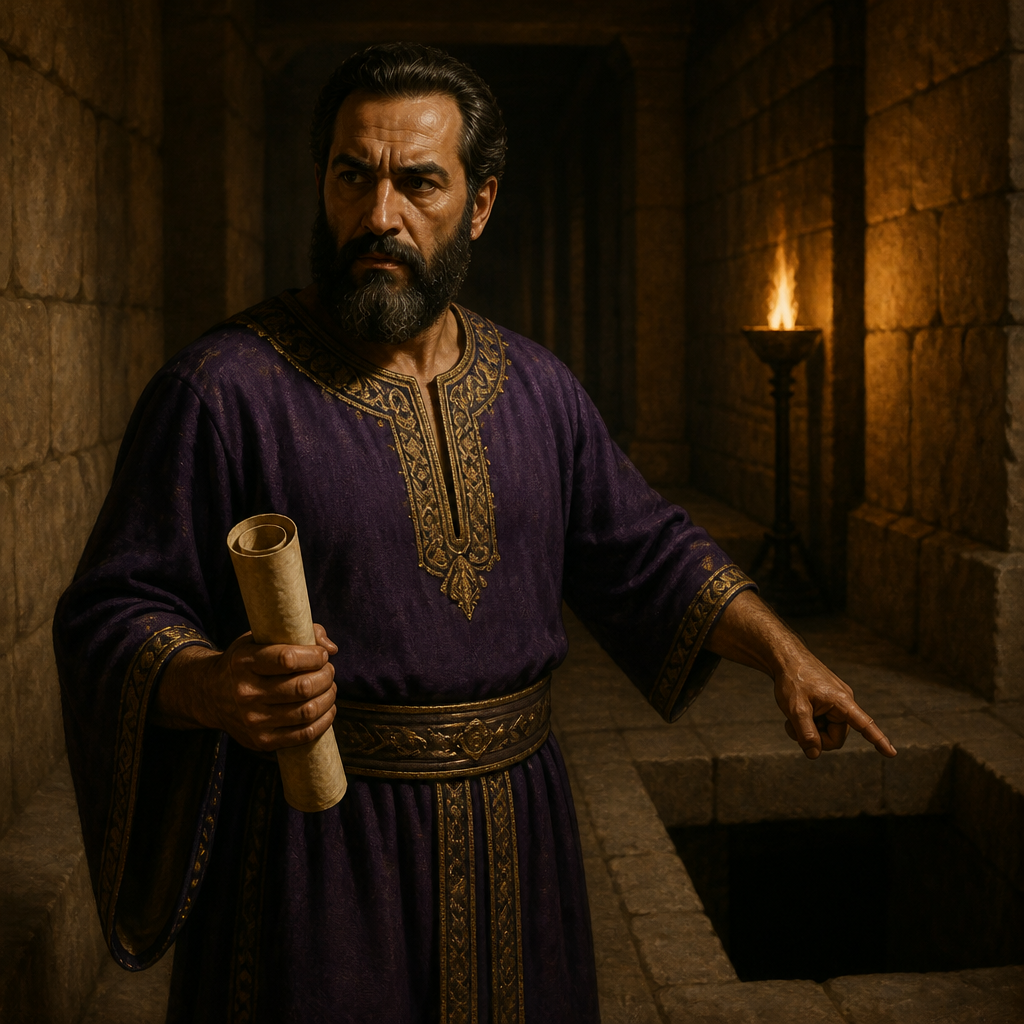
Gedaliah, son of Pashhur
Official who sought the death of the prophet Jeremiah during the siege of Jerusalem
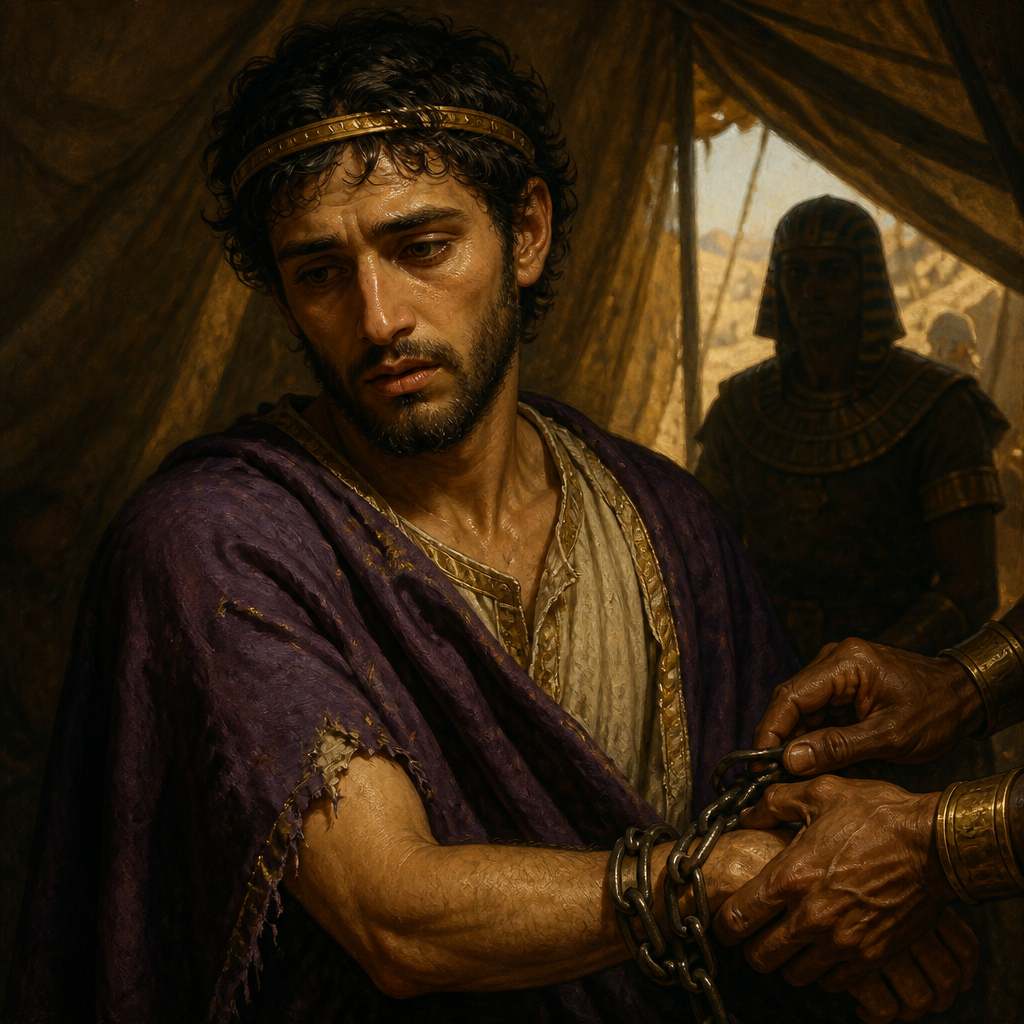
Jehoahaz, Son of Josiah
King of Judah who reigned for only three months before being imprisoned in Egypt