Shemaiah, Father of Delaiah
Who was Shemaiah, Father of Delaiah, in the Bible?
A prominent man of the late Divided Monarchy whose son served as a high-ranking official in the court of King Jehoiakim of Judah.
This is one of 26 people named Shemaiah in the Bible. See all 26 →
Shemaiah, the father of Delaiah, was a figure of social or political significance during the final years of the Kingdom of Judah. His life coincided with the reign of King Jehoiakim (r. 609–598 BC), a turbulent period marked by the rising power of Babylon and the prophetic ministry of Jeremiah. Although Shemaiah himself is not recorded as holding a specific office, his status is inferred by the high-ranking position held by his son, Delaiah.
He is mentioned in the context of the Judean administrative elite. While many individuals named Shemaiah appear throughout the Old Testament, this specific figure is identified solely by his paternal relationship to one of the officials who attended the reading of Jeremiah’s scrolls in the royal palace.
Background and Family
Shemaiah lived during the Divided Monarchy, specifically during the waning years of the southern kingdom of Judah. While the biblical text does not explicitly list his tribe or his specific residence, he is placed within the socio-political context of Jerusalem’s ruling class. His primary identification in the Book of Jeremiah is as the father of Delaiah, one of the royal officials (sarim) serving under King Jehoiakim (Jeremiah 36:12).
The naming of a father in such a context usually suggests that the father was a man of some reputation or lineage within the community. In the ancient Near Eastern administrative structure, many high-level governmental roles were hereditary or confined to specific influential families. Therefore, Shemaiah likely belonged to the upper echelon of Judean society, providing his son with the necessary standing to serve in the inner circle of the king.
Major Life Events
Shemaiah’s name appears in the biblical record during the fourth or fifth year of Jehoiakim’s reign (c. 605–604 BC). This was a moment of high political tension; the prophet Jeremiah had been barred from the temple and had instructed his scribe, Baruch, to read a scroll of prophecies aloud to the people of Jerusalem.
When Micaiah son of Gemariah heard the words of the scroll, he went down to the scribe’s chamber in the king’s palace to report the matter to the assembled officials. Shemaiah’s son, Delaiah, was among this elite group of leaders, which included Elishama the scribe and Elnathan son of Achbor. Although Shemaiah is not present at this meeting, his name is preserved in the official list of those whose families governed Judah during this spiritual and political crisis.
Relationship to Other Biblical Figures
Shemaiah’s most significant relationship is with his son, Delaiah. Delaiah is portrayed as a relatively moderate or conscientious official. When King Jehoiakim eventually heard the words of Jeremiah’s scroll and began to burn it piece by piece, Delaiah—along with Elnathan and Gemariah—pleaded with the king not to destroy the scroll (Jeremiah 36:25). This suggests that Shemaiah raised a son who, despite being a royal official, maintained a degree of respect for the prophetic word, distinguishing him from the more antagonistic members of Jehoiakim’s court.
Spiritual Significance
The mention of Shemaiah, though brief, serves a genealogical and historical purpose. It grounds the narrative of Jeremiah 36 in a specific historical reality, providing the lineage of the men who witnessed the king’s defiance of God. By recording the name of Shemaiah, the biblical text offers a glimpse into the specific families that remained influential in Jerusalem just prior to the Babylonian Captivity. His legacy is carried forward through the actions of his son, who stood as a witness to the divine warnings issued to the house of David.
Shemaiah represents the generational continuity of the Judean elite during the late Divided Monarchy. His significance lies in his role as a progenitor of the administrative class that interacted directly with the prophetic ministry of Jeremiah. The presence of his name in the official records of Jeremiah 36 underscores the historical authenticity of the narrative, identifying the specific families involved in the royal response to divine revelation.
Theologically, Shemaiah’s mention highlights the importance of lineage in the biblical record. Even figures who do not perform recorded miracles or give prophecies are preserved to provide a clear picture of the social fabric of Israel. Through his son Delaiah, Shemaiah is linked to the small group of officials who dared to protest the king's rejection of God's word, suggesting a family background that was not entirely hardened against the prophets.
Frequently Asked Questions
Who was Shemaiah’s son?
Shemaiah's son was Delaiah, a high-ranking official and counselor to King Jehoiakim of Judah.
When did Shemaiah live?
Shemaiah lived during the late Divided Monarchy, specifically during the reign of King Jehoiakim in the late 7th or early 6th century BC.
What office did Shemaiah hold?
The Bible does not specify an office for Shemaiah himself, though his son was an official in the royal court.
Is Shemaiah mentioned in books other than Jeremiah?
No, this specific Shemaiah is mentioned only in Jeremiah 36:12.
Family & Relationships
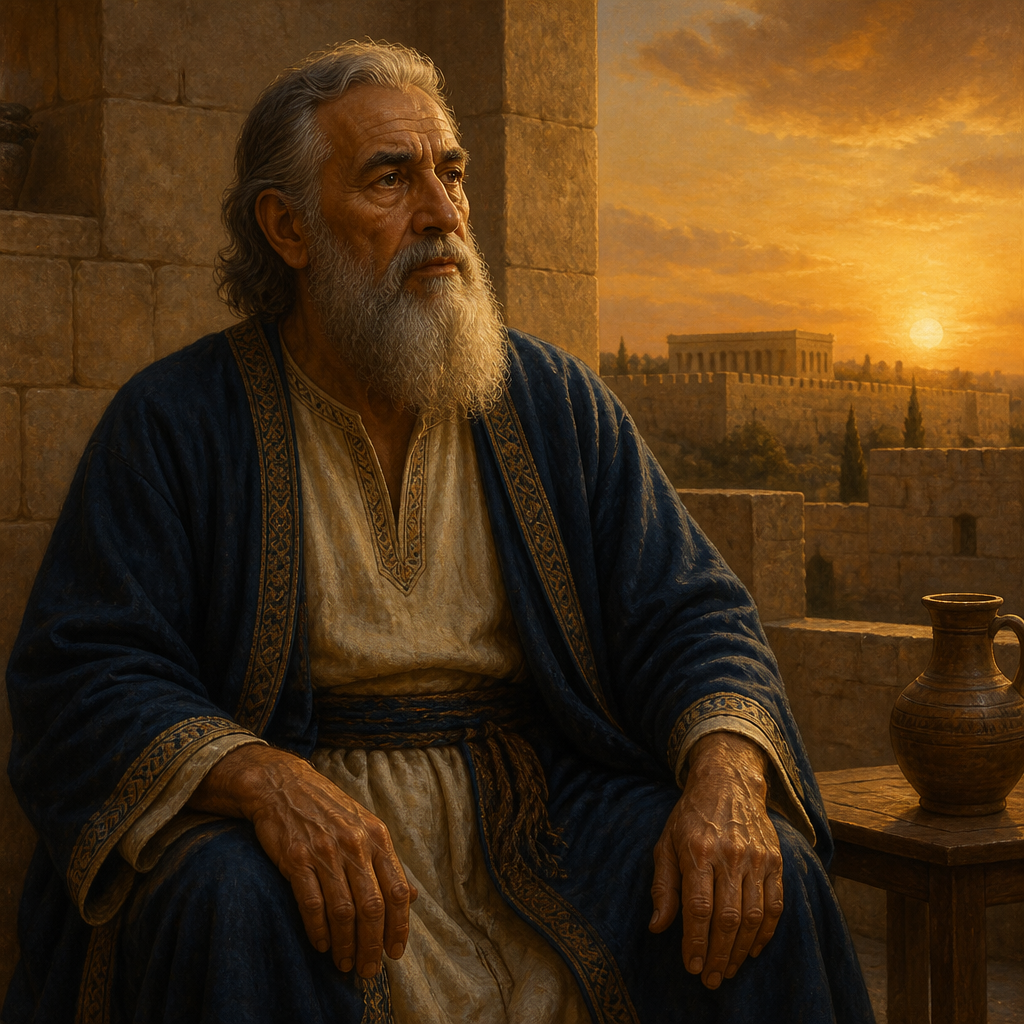 Shemaiah, Father of DelaiahThis page
Children
 Delaiah, Official of King JehoiakimSonJeremiah 36:12Stated
Connected Figures
Family
Son · Jeremiah 36:12
A high-ranking official in the court of King Jehoiakim who pleaded with the king not to burn the prophetic scroll of Jeremiah.
Divided MonarchyFirst: Jeremiah 36:122 versesRoyal Official / Prince
Categories
Mentions by Book
- Jeremiah1
Scripture References
All 1 indexed verse, in canonical order, from the Berean Standard Bible.
Jeremiah · 1
- Jeremiah 36:12
he went down to the scribe’s chamber in the king’s palace, where all the officials were sitting: Elishama the scribe, Delaiah son of Shemaiah, Elnathan son of Achbor, Gemariah son of Shaphan, Zedekiah son of Hananiah, and all the other officials.
Others Named Shemaiah
Compare all 26 bearers →Shemaiah, Priest of the House of HarimEzra 10:21
A descendant of Harim who was among those recorded during the post-exilic reforms led by Ezra.
Shemaiah, Levite of the Post-Exilic Period1 Chronicles 9:14
A descendant of Merari and son of Hasshub, Shemaiah was a prominent Levite who resettled in Jerusalem during the post-exilic restoration.
Shemaiah, Levite of the Josiah Passover2 Chronicles 35:9
A prominent Levite officer during the Divided Monarchy who provided thousands of livestock for King Josiah’s historic Passover celebration.
Shemaiah, Leader of the ReturnEzra 8:16
A Jewish leader summoned by Ezra during the journey from Babylon to Jerusalem to help secure ministers for the house of God.
Shemaiah, Son of DelaiahNehemiah 6:10
A false prophet and conspirator who attempted to intimidate Nehemiah into violating the sanctity of the Temple during the restoration of Jerusalem.
Shemaiah, Chief of the Elizaphanites1 Chronicles 15:8
A Levite leader and chief of the Elizaphanites who assisted King David in transporting the Ark of the Covenant to Jerusalem.
Shemaiah, Layman of the House of HarimEzra 10:31
Shemaiah was a Judean returnee from the Babylonian exile who is listed among the descendants of Harim in the genealogical records of Ezra 10.
Shemaiah, Descendant of Joel1 Chronicles 5:4
A member of the tribe of Reuben and a descendant of Joel, Shemaiah was the father of Gog in the line of Reubenite tribal leadership.
Shemaiah, Descendant of Jeduthun1 Chronicles 9:16
A Levite of the post-exilic period and a descendant of Jeduthun, recognized as the father of Obadiah (also known as Abda) who returned to Jerusalem.
Shemaiah, Guard of the East GateNehemiah 3:29
A faithful Levite or official who served as the guard of the East Gate and assisted in repairing the walls of Jerusalem under Nehemiah.
Shemaiah, Father of Uriah the ProphetJeremiah 26:20
A resident of Kiriath-jearim during the Divided Monarchy and the father of the martyr-prophet Uriah.
Shemaiah the NehelamiteJeremiah 29:24
A false prophet among the Judean exiles in Babylon who opposed Jeremiah and was condemned by God for preaching rebellion.
Shemaiah, Levite of the Hezekian Reforms2 Chronicles 31:15
A faithful Levite assistant who managed the distribution of consecrated offerings to priestly families during the religious reforms of King Hezekiah.
Shemaiah, Simeonite of the Divided Monarchy1 Chronicles 4:37
A member of the tribe of Simeon and the father of Shimri, identified in the post-conquest genealogical records of 1 Chronicles.
Shemaiah, Son of Obed-edom1 Chronicles 26:4
The firstborn son of Obed-edom and a Levite gatekeeper known for his great strength and the leadership of his capable family during the United Monarchy.
Shemaiah, Priest of the ReturnNehemiah 10:8
A prominent priest who returned from the Babylonian exile and signed the renewed covenant under Nehemiah.
Shemaiah, Descendant of David1 Chronicles 3:22
A member of the Davidic royal line and the father of six sons listed in the post-exilic genealogies of Judah.
Shemaiah, Levite of the Jeduthunites2 Chronicles 29:14
A Levite descendant of Jeduthun who participated in the sanctification of the temple during the reforms of King Hezekiah.
Shemaiah, Father of Jonathan the PriestNehemiah 12:35
A Levite priest of the post-exilic period and the father of Jonathan, serving as a vital link in the lineage of the Asaphite singers during the restoration of Jerusalem.
Shemaiah, Musician at the Wall DedicationNehemiah 12:36
A Levite musician and associate of Ezra who participated in the joyful dedication of the rebuilt walls of Jerusalem.
Shemaiah, Post-Exilic SingerNehemiah 12:42
A singer and member of the musical ensembles that participated in the formal dedication of the rebuilt walls of Jerusalem during the time of Nehemiah.
Shemaiah, Levite of the Teaching Mission2 Chronicles 17:8
A Levite commissioned by King Jehoshaphat to travel throughout the cities of Judah and teach the Book of the Law to the people.
Shemaiah, Levite Scribe of the United Monarchy1 Chronicles 24:6
A Levite scribe during the United Monarchy responsible for recording the official divisions and assignments of the priesthood under the administration of King David.
Shemaiah, Descendant of AdonikamEzra 8:13
A descendant of Adonikam who was among the third group of his family to return from the Babylonian exile under the leadership of Ezra.
Shemaiah the Prophet of the United Monarchy1 Kings 12:22
A prophet during the reign of Rehoboam who prevented a civil war and later prophesied during the invasion of Pharaoh Shishak.