Shemaiah, Son of Obed-edom
Who was Shemaiah, Son of Obed-edom, in the Bible?
The firstborn son of Obed-edom and a Levite gatekeeper known for his great strength and the leadership of his capable family during the United Monarchy.
This is one of 26 people named Shemaiah in the Bible. See all 26 →
Shemaiah was a prominent member of the tribe of Levi during the United Monarchy, specifically associated with the reign of King David as he organized the tabernacle and future temple services. As the firstborn son of Obed-edom, Shemaiah inherited a position of significant responsibility within the Korahite gatekeepers. The biblical record highlights Shemaiah not just as a name in a genealogy, but as a progenitor of a highly respected line of 'strong, capable men' who served the house of God.
His life is documented within the administrative lists of 1 Chronicles, reflecting the transition of Israel into a highly structured kingdom with specialized liturgical and security roles for the Levites. Shemaiah’s household was characterized by authority and physical prowess, qualities that were essential for the gatekeepers who protected the sanctity of the sanctuary.
Background and Family
Shemaiah was born into the Levitical line of the Korahites, specifically the household of Obed-edom. The biblical text in 1 Chronicles 26:4 identifies him as the "firstborn" among eight brothers. His siblings included Jehozabad, Joah, Sachar, Nethanel, Ammiel, Issachar, and Peullethai. The chronicler notes that God had blessed Obed-edom, a blessing that manifested in the strength and large number of his descendants, including Shemaiah.
Shemaiah himself became the father of several sons: Othni, Rephael, Obed, and Elzabad. The text also mentions two additional kinsmen, Elihu and Semachiah, within the context of his immediate family strength. These individuals are described as "strong, capable men," a recurring theme in the description of Shemaiah’s lineage.
Major Life Events
The primary mention of Shemaiah occurs during the organization of the gatekeepers for the sanctuary. While the biblical narrative does not record specific battles or speeches by Shemaiah, it emphasizes his role as a leader of a ruling family. According to 1 Chronicles 26:6, Shemaiah’s sons "ruled over their families because they were strong, capable men."
In the context of the United Monarchy under King David, the gatekeepers were not merely doormen but were high-ranking officials responsible for the security, administration, and integrity of the sacred precincts. Shemaiah’s position as the head of a major division of these guards indicates a life spent in dedicated service to the cultic life of Israel, ensuring that the Tabernacle was properly guarded against unauthorized entry and that the flow of worshipers was managed according to the Law.
Relationship to Other Biblical Figures
Shemaiah’s most significant relationship is his status as the firstborn of Obed-edom. Obed-edom is a notable figure in the United Monarchy, famous for housing the Ark of the Covenant after the death of Uzzah. The blessing God poured out on Obed-edom’s house during the three months the Ark remained there is directly linked by the Chronicler to the emergence of Shemaiah and his powerful brothers.
Furthermore, Shemaiah’s sons and brothers (Elihu and Semachiah) formed a cohesive unit of service. The text presents them as a collective of "valiant men with the strength to do the work" (1 Chronicles 26:8). This familial bond was the foundation of their service to the King and to the God of Israel.
Spiritual Significance
The spiritual significance of Shemaiah lies in the concept of inherited blessing and the dignity of service. The Chronicler makes a point to connect the capability of Shemaiah and his sons to the divine favor shown to his father. Shemaiah represents the faithful execution of duty; though his role was not that of a priest offering sacrifices or a prophet delivering oracles, his role as a gatekeeper was essential for the order of God’s house.
His legacy, as recorded in the Bible, is defined by "strength" and "capability." These were not merely physical attributes but were regarded as spiritual qualifications for those tasked with protecting the holiness of the sanctuary. In the theology of the United Monarchy, the strength of men like Shemaiah was a gift from God to be used for the stability of the nation's spiritual heart.
Shemaiah serves as a prime example of the 'blessing of the firstborn' and the fruitfulness associated with those who honored the Ark of the Covenant. His family’s inclusion in the permanent record of 1 Chronicles underscores the importance of the gatekeepers in Israel's religious infrastructure. The description of his sons as 'strong, capable men' who 'ruled over their families' highlights a biblical ideal where physical strength and leadership ability are surrendered to the service of God's sanctuary.
Frequently Asked Questions
Who was Shemaiah's father?
Shemaiah was the firstborn son of Obed-edom, a Levite who famously housed the Ark of the Covenant.
What was Shemaiah's role in the Bible?
He was a leader among the Levite gatekeepers during the United Monarchy, specifically identified as a head of a family of strong and capable men.
How many sons did Shemaiah have?
The Bible explicitly names four sons: Othni, Rephael, Obed, and Elzabad.
What quality were Shemaiah and his sons known for?
They were known for being strong, capable, and valiant men who were fit for the work of serving in the house of God.
Which tribe did Shemaiah belong to?
Shemaiah belonged to the Tribe of Levi, specifically the Korahite division.
Family & Relationships
Parents
 Obed-edomFather1 Chronicles 26:4Stated
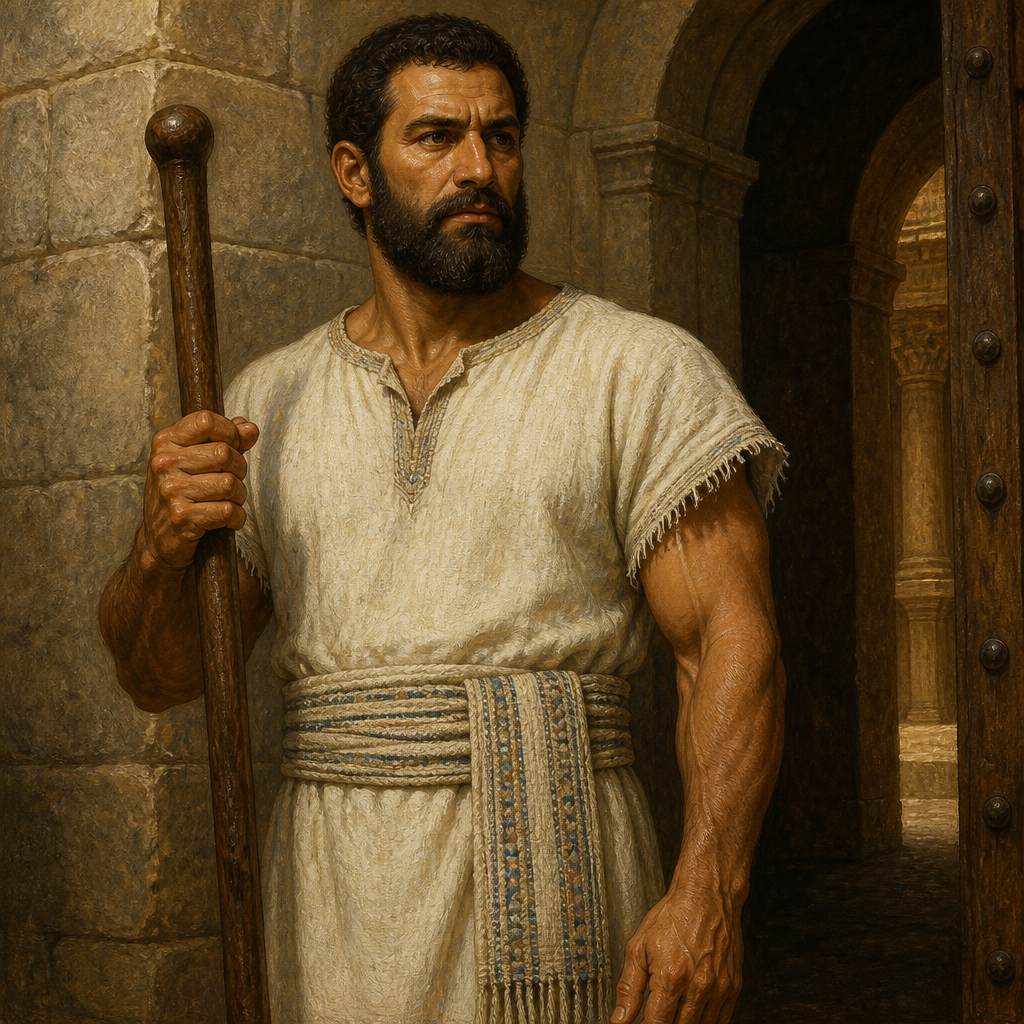 Shemaiah, Son of Obed-edomThis page
 Ammiel, Son of Obed-edomBrother1 Chronicles 26:4–5Stated
 Issachar, Son of Obed-edomBrother1 Chronicles 26:4–5Stated
 Jehozabad, Son of Obed-edomBrother1 Chronicles 26:4Stated
 Joah, Son of Obed-edomBrother1 Chronicles 26:4Stated
 Nethanel, Son of Obed-edomBrother1 Chronicles 26:4Stated
 PeullethaiBrother1 Chronicles 26:4–5Stated
 SacharBrother1 Chronicles 26:4Stated
Children
 Elihu, Levite of the United MonarchySon1 Chronicles 26:7
Inferred
1 Chronicles 26:7 names Elihu and Shemaiah in the same verse but does not state a father tie between them; the link rests on the surrounding narrative.Evidence: 1 Chronicles 26:7
 Elzabad, Levite of the United MonarchySon1 Chronicles 26:7
Inferred
1 Chronicles 26:7 names Elzabad and Shemaiah in the same verse but does not state a father tie between them; the link rests on the surrounding narrative.Evidence: 1 Chronicles 26:7
 Obed, Son of ShemaiahSon1 Chronicles 26:4
Inferred
1 Chronicles 26:4 names Shemaiah and Obed in the same verse but does not state a son tie between them; the link rests on the surrounding narrative.Evidence: 1 Chronicles 26:4
 OthniSon1 Chronicles 26:7
Inferred
1 Chronicles 26:7 names Othni and Shemaiah in the same verse but does not state a father tie between them; the link rests on the surrounding narrative.Evidence: 1 Chronicles 26:7
 RephaelSon1 Chronicles 26:7
Inferred
1 Chronicles 26:7 names Rephael and Shemaiah in the same verse but does not state a father tie between them; the link rests on the surrounding narrative.Evidence: 1 Chronicles 26:7
 SemachiahSon1 Chronicles 26:7
Inferred
1 Chronicles 26:7 names Shemaiah and Semachiah in the same verse but does not state a son tie between them; the link rests on the surrounding narrative.Evidence: 1 Chronicles 26:7
Connected Figures
Family
Father · 1 Chronicles 26:4
A Levite during the United Monarchy who hosted the Ark of the Covenant and served as a musician and gatekeeper in the Tabernacle.
United MonarchyFirst: 2 Samuel 6:1019 versesGatekeeper, Musician, and Guardian of the ArkLevi
Son · 1 Chronicles 26:7
A Levite gatekeeper and son of Shemaiah, noted for his capability and strength in the service of the Tabernacle during the United Monarchy.
United MonarchyFirst: 1 Chronicles 26:72 versesGatekeeperLevi
Son · 1 Chronicles 26:7
A Levite gatekeeper and son of Shemaiah, noted for his capability and service in the Tabernacle or Temple administration during the United Monarchy.
United MonarchyFirst: 1 Chronicles 26:72 versesGatekeeper of the SanctuaryLevi
Son · 1 Chronicles 26:4
Obed was a Levite gatekeeper of the United Monarchy, noted for his capability and service within the Korahite division of the temple guard.
United MonarchyFirst: 1 Chronicles 26:72 versesGatekeeperLevi
Son · 1 Chronicles 26:7
Othni was a Levite gatekeeper of the Korahite family during the United Monarchy, noted for his capability and service in the house of the Lord.
United MonarchyFirst: 1 Chronicles 26:72 versesGatekeeperLevi
Son · 1 Chronicles 26:7
Rephael was a Levite gatekeeper and the son of Shemaiah.
United MonarchyFirst: 1 Chronicles 26:72 versesTemple GatekeeperLevi
Son · 1 Chronicles 26:7
A Levite during the United Monarchy and son of Shemaiah, noted for his capability as a gatekeeper in the Tabernacle or Temple administration.
United MonarchyFirst: 1 Chronicles 26:72 versesGatekeeper / LeviteLevi
Brother · 1 Chronicles 26:4–5
Ammiel was a Levite gatekeeper during the United Monarchy, serving as the sixth son of Obed-edom within the temple ministry.
United MonarchyFirst: 1 Chronicles 26:52 versesGatekeeperLevi
Brother · 1 Chronicles 26:4–5
Issachar was a Levite gatekeeper of the Korahite clan who served in the tabernacle during the reign of King David.
United MonarchyFirst: 1 Chronicles 26:52 versesGatekeeper of the TabernacleLevi
Brother · 1 Chronicles 26:4
A Levite gatekeeper and the second son of Obed-edom, appointed to service at the Tabernacle during the reign of King David.
United MonarchyFirst: 1 Chronicles 26:42 versesLevitical GatekeeperLevi
Brother · 1 Chronicles 26:4
A Levite gatekeeper and the third son of Obed-edom, appointed to service during the United Monarchy under King David.
United MonarchyFirst: 1 Chronicles 26:42 versesGatekeeperLevi
Brother · 1 Chronicles 26:4
Nethanel was a Levite and the fifth son of Obed-edom, serving as a gatekeeper for the Tabernacle during the reign of King David.
United MonarchyFirst: 1 Chronicles 26:42 versesLevitical GatekeeperLevi
Categories
Mentions by Book
- 1 Chronicles4
Scripture References
All 4 indexed verses, in canonical order, from the Berean Standard Bible.
1 Chronicles · 4
- 1 Chronicles 26:4
And Obed-edom also had sons: Shemaiah the firstborn, Jehozabad the second, Joah the third, Sachar the fourth, Nethanel the fifth,
- 1 Chronicles 26:5Partial
Ammiel the sixth, Issachar the seventh, and Peullethai the eighth. For God had blessed Obed-edom.
Cited as evidence on a family card; added so References, Key Verses and Mentions by Book share one index.
- 1 Chronicles 26:6
Also to his son Shemaiah were born sons who ruled over their families because they were strong, capable men.
- 1 Chronicles 26:7
Shemaiah’s sons were Othni, Rephael, Obed, and Elzabad; his brothers were Elihu and Semachiah, also capable men.
Others Named Shemaiah
Compare all 26 bearers →Shemaiah, Priest of the House of HarimEzra 10:21
A descendant of Harim who was among those recorded during the post-exilic reforms led by Ezra.
Shemaiah, Levite of the Post-Exilic Period1 Chronicles 9:14
A descendant of Merari and son of Hasshub, Shemaiah was a prominent Levite who resettled in Jerusalem during the post-exilic restoration.
Shemaiah, Levite of the Josiah Passover2 Chronicles 35:9
A prominent Levite officer during the Divided Monarchy who provided thousands of livestock for King Josiah’s historic Passover celebration.
Shemaiah, Leader of the ReturnEzra 8:16
A Jewish leader summoned by Ezra during the journey from Babylon to Jerusalem to help secure ministers for the house of God.
Shemaiah, Son of DelaiahNehemiah 6:10
A false prophet and conspirator who attempted to intimidate Nehemiah into violating the sanctity of the Temple during the restoration of Jerusalem.
Shemaiah, Chief of the Elizaphanites1 Chronicles 15:8
A Levite leader and chief of the Elizaphanites who assisted King David in transporting the Ark of the Covenant to Jerusalem.
Shemaiah, Layman of the House of HarimEzra 10:31
Shemaiah was a Judean returnee from the Babylonian exile who is listed among the descendants of Harim in the genealogical records of Ezra 10.
Shemaiah, Descendant of Joel1 Chronicles 5:4
A member of the tribe of Reuben and a descendant of Joel, Shemaiah was the father of Gog in the line of Reubenite tribal leadership.
Shemaiah, Descendant of Jeduthun1 Chronicles 9:16
A Levite of the post-exilic period and a descendant of Jeduthun, recognized as the father of Obadiah (also known as Abda) who returned to Jerusalem.
Shemaiah, Guard of the East GateNehemiah 3:29
A faithful Levite or official who served as the guard of the East Gate and assisted in repairing the walls of Jerusalem under Nehemiah.
Shemaiah, Father of Uriah the ProphetJeremiah 26:20
A resident of Kiriath-jearim during the Divided Monarchy and the father of the martyr-prophet Uriah.
Shemaiah the NehelamiteJeremiah 29:24
A false prophet among the Judean exiles in Babylon who opposed Jeremiah and was condemned by God for preaching rebellion.
Shemaiah, Levite of the Hezekian Reforms2 Chronicles 31:15
A faithful Levite assistant who managed the distribution of consecrated offerings to priestly families during the religious reforms of King Hezekiah.
Shemaiah, Simeonite of the Divided Monarchy1 Chronicles 4:37
A member of the tribe of Simeon and the father of Shimri, identified in the post-conquest genealogical records of 1 Chronicles.
Shemaiah, Priest of the ReturnNehemiah 10:8
A prominent priest who returned from the Babylonian exile and signed the renewed covenant under Nehemiah.
Shemaiah, Descendant of David1 Chronicles 3:22
A member of the Davidic royal line and the father of six sons listed in the post-exilic genealogies of Judah.
Shemaiah, Levite of the Jeduthunites2 Chronicles 29:14
A Levite descendant of Jeduthun who participated in the sanctification of the temple during the reforms of King Hezekiah.
Shemaiah, Father of DelaiahJeremiah 36:12
A prominent man of the late Divided Monarchy whose son served as a high-ranking official in the court of King Jehoiakim of Judah.
Shemaiah, Father of Jonathan the PriestNehemiah 12:35
A Levite priest of the post-exilic period and the father of Jonathan, serving as a vital link in the lineage of the Asaphite singers during the restoration of Jerusalem.
Shemaiah, Musician at the Wall DedicationNehemiah 12:36
A Levite musician and associate of Ezra who participated in the joyful dedication of the rebuilt walls of Jerusalem.
Shemaiah, Post-Exilic SingerNehemiah 12:42
A singer and member of the musical ensembles that participated in the formal dedication of the rebuilt walls of Jerusalem during the time of Nehemiah.
Shemaiah, Levite of the Teaching Mission2 Chronicles 17:8
A Levite commissioned by King Jehoshaphat to travel throughout the cities of Judah and teach the Book of the Law to the people.
Shemaiah, Levite Scribe of the United Monarchy1 Chronicles 24:6
A Levite scribe during the United Monarchy responsible for recording the official divisions and assignments of the priesthood under the administration of King David.
Shemaiah, Descendant of AdonikamEzra 8:13
A descendant of Adonikam who was among the third group of his family to return from the Babylonian exile under the leadership of Ezra.
Shemaiah the Prophet of the United Monarchy1 Kings 12:22
A prophet during the reign of Rehoboam who prevented a civil war and later prophesied during the invasion of Pharaoh Shishak.