Issachar, Son of Obed-edom
Who was Issachar, Son of Obed-edom, in the Bible?
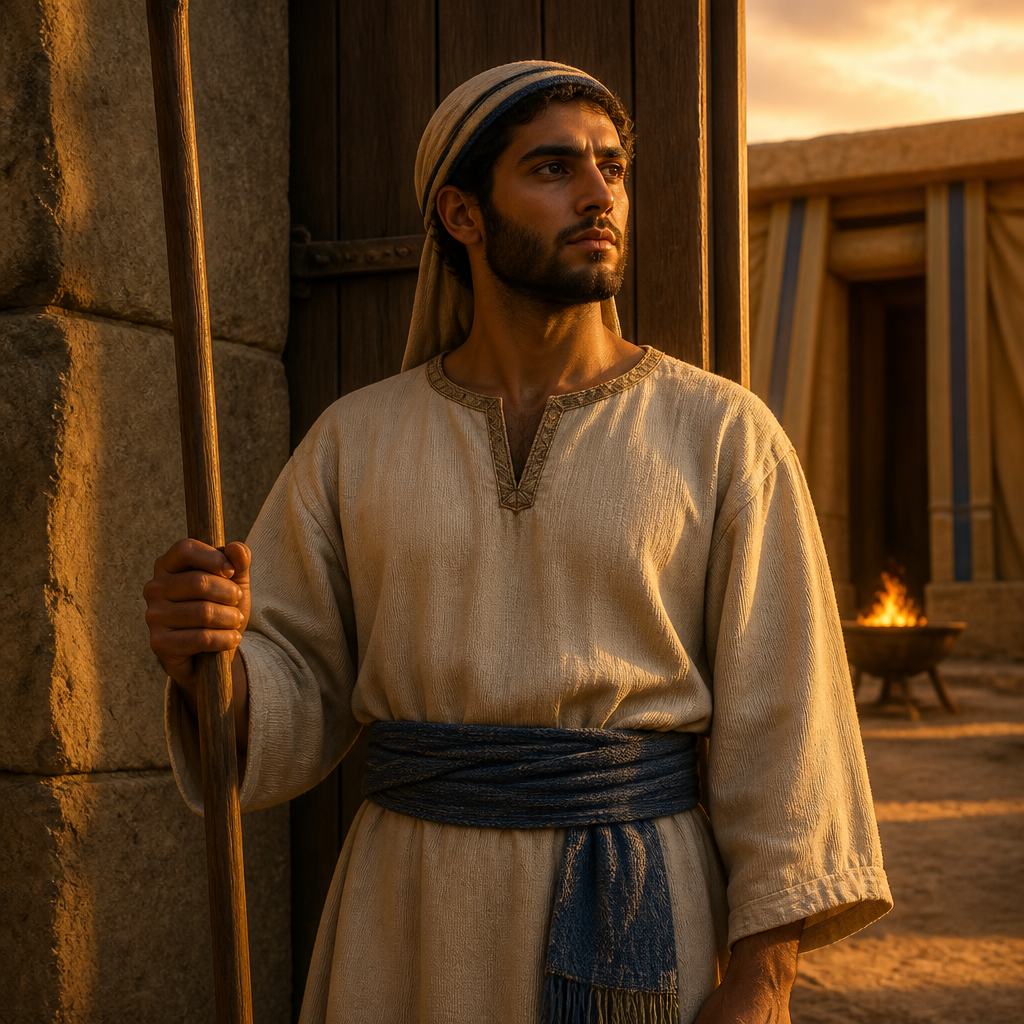
Issachar was a Levite gatekeeper of the Korahite clan who served in the tabernacle during the reign of King David.
This is one of 2 people named Issachar in the Bible. See all 2 →
Issachar was a member of the tribe of Levi during the era of the United Monarchy. He is specifically identified as the seventh son of Obed-edom, a man whose household was famously blessed by God for housing the Ark of the Covenant. As a Levite of the Korahite family, Issachar was part of the specialized class of temple servants assigned to maintain the sanctity and security of the sanctuary.
His life and service are recorded within the genealogical and administrative records of 1 Chronicles. These records document the reorganization of the Levites under King David, who systematized the religious duties of the nation as he prepared for the eventual construction of the Temple in Jerusalem. Issachar’s inclusion in this registry highlights his status as a man of spiritual and communal responsibility.
Background and Family
Issachar was born into the Tribe of Levi, the priestly tribe set apart for the service of Yahweh. Specifically, he was a descendant of Korah. His father was Obed-edom, a figure of significant note during the reign of King David. Obed-edom is best known for caring for the Ark of the Covenant for three months after the death of Uzzah, during which time the Lord blessed his entire household (2 Samuel 6:11).
Issachar was the seventh of eight brothers. His siblings included Shemaiah (the firstborn), Jehozabad, Joah, Sachar, Nethanel, Ammiel, and Peullethai. The biblical text emphasizes that this large and capable brotherhood was a direct result of divine favor: "For God had blessed Obed-edom" (1 Chronicles 26:5). Within the Levite structure, Issachar’s family was associated with the gatekeepers, a role that required physical strength, alertness, and ritual purity.
Major Life Events
While the biblical record does not provide a narrative account of Issachar’s individual actions, his primary "event" is his appointment and registration during David's census and organization of the Levites. As the United Monarchy reached its administrative peak, David divided the Levites into divisions to ensure orderly worship. Issachar was recorded as a gatekeeper (Hebrew: shoer).
In this capacity, Issachar would have been responsible for guarding the entrances to the tabernacle (and later the proposed site of the Temple). This was not merely a security job but a religious office. Gatekeepers were responsible for preventing the ritually unclean from entering the sacred precincts and for guarding the treasury and the dedicated vessels used in worship.
Relationship to Other Biblical Figures
Issachar’s identity is defined largely by his relationship to his father, Obed-edom, and his seven brothers. The chronicler notes that the sons of Obed-edom were "capable men with strength for the service" (1 Chronicles 26:8). This suggests that Issachar worked in close coordination with his siblings, particularly his eldest brother Shemaiah, who is described as a leader in their father’s house. Their collective service ensured that the gates of the Lord’s house were never left unattended, maintaining the order established by King David.
Spiritual Significance
Issachar represents the fulfillment of God’s blessing upon a faithful household. The Chronicler makes a point to link the existence of Issachar and his brothers directly to the blessing Obed-edom received for his reverence toward the Ark of the Covenant. In the context of the United Monarchy, Issachar serves as a testament to the transition from the nomadic worship of the wilderness to the institutionalized, organized worship of the kingdom.
His role as a gatekeeper signifies the importance of the "minor" roles in the house of God. Though not a High Priest, Issachar’s presence in the sacred text affirms that those who stand at the threshold of the sanctuary are vital to the spiritual integrity of the nation. His life reflects the principle that service to God is a multi-generational legacy, passed from father to son as a badge of honor.
Issachar’s significance lies in his role as a living witness to the blessings of God upon the house of Obed-edom. His inclusion in the lists of 1 Chronicles demonstrates the meticulous care King David took in organizing the sanctuary service, ensuring that every gate and vessel was overseen by men of proven lineage and capability. Issachar represents the stability and order of the Levite ministry during Israel's golden age.
Theologically, he embodies the concept that the 'small' duties—such as gatekeeping—are divinely ordained and recorded. His existence is framed not by personal ambition, but by his place within a family dedicated to the protection of God's presence.
Frequently Asked Questions
Who was Issachar's father?
Issachar was the son of Obed-edom, a Levite who famously hosted the Ark of the Covenant.
What was Issachar's role in the Bible?
He served as a gatekeeper for the sanctuary during the reign of King David.
To which tribe did Issachar belong?
He belonged to the Tribe of Levi, specifically the Korahite branch.
How many brothers did Issachar have?
He had seven brothers: Shemaiah, Jehozabad, Joah, Sachar, Nethanel, Ammiel, and Peullethai.
Why is Issachar mentioned in 1 Chronicles 26?
He is mentioned to document the official organization of the Levite gatekeepers and to show how God blessed the family of Obed-edom.
Family & Relationships
Parents
 Obed-edomFather1 Chronicles 26:5Stated
 Issachar, Son of Obed-edomThis page
 Ammiel, Son of Obed-edomBrother1 Chronicles 26:5Stated
 Jehozabad, Son of Obed-edomBrother1 Chronicles 26:4–5Stated
 Joah, Son of Obed-edomBrother1 Chronicles 26:4–5Stated
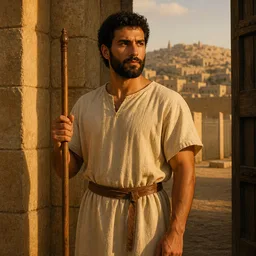 Nethanel, Son of Obed-edomBrother1 Chronicles 26:4–5Stated
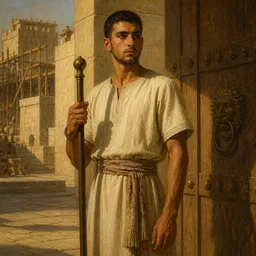 PeullethaiBrother1 Chronicles 26:5Stated
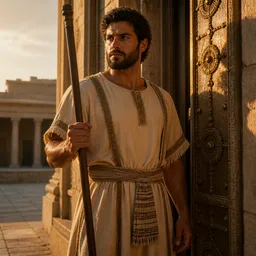 SacharBrother1 Chronicles 26:4–5Stated
 Shemaiah, Son of Obed-edomBrother1 Chronicles 26:4–5Stated
Connected Figures
Family
Father · 1 Chronicles 26:5
A Levite during the United Monarchy who hosted the Ark of the Covenant and served as a musician and gatekeeper in the Tabernacle.
United MonarchyFirst: 2 Samuel 6:1019 versesGatekeeper, Musician, and Guardian of the ArkLevi
Brother · 1 Chronicles 26:5
Ammiel was a Levite gatekeeper during the United Monarchy, serving as the sixth son of Obed-edom within the temple ministry.
United MonarchyFirst: 1 Chronicles 26:52 versesGatekeeperLevi
Brother · 1 Chronicles 26:4–5
A Levite gatekeeper and the second son of Obed-edom, appointed to service at the Tabernacle during the reign of King David.
United MonarchyFirst: 1 Chronicles 26:42 versesLevitical GatekeeperLevi
Brother · 1 Chronicles 26:4–5
A Levite gatekeeper and the third son of Obed-edom, appointed to service during the United Monarchy under King David.
United MonarchyFirst: 1 Chronicles 26:42 versesGatekeeperLevi
Brother · 1 Chronicles 26:4–5
Nethanel was a Levite and the fifth son of Obed-edom, serving as a gatekeeper for the Tabernacle during the reign of King David.
United MonarchyFirst: 1 Chronicles 26:42 versesLevitical GatekeeperLevi
Brother · 1 Chronicles 26:5
The eighth son of Obed-edom and a Levite gatekeeper assigned to the sanctuary during the reign of King David.
United MonarchyFirst: 1 Chronicles 26:52 versesLevite gatekeeperLevi
Brother · 1 Chronicles 26:4–5
Sachar was a Levite gatekeeper during the United Monarchy, identified as the fourth son of Obed-edom.
United MonarchyFirst: 1 Chronicles 26:42 versesGatekeeperLevi
Brother · 1 Chronicles 26:4–5
The firstborn son of Obed-edom and a Levite gatekeeper known for his great strength and the leadership of his capable family during the United Monarchy.
United MonarchyFirst: 1 Chronicles 26:44 versesGatekeeper and Levitical LeaderLevi
Categories
Mentions by Book
- 1 Chronicles2
Scripture References
All 2 indexed verses, in canonical order, from the Berean Standard Bible.
1 Chronicles · 2
- 1 Chronicles 26:4Partial
And Obed-edom also had sons: Shemaiah the firstborn, Jehozabad the second, Joah the third, Sachar the fourth, Nethanel the fifth,
Cited as evidence on a family card; added so References, Key Verses and Mentions by Book share one index.
- 1 Chronicles 26:5
Ammiel the sixth, Issachar the seventh, and Peullethai the eighth. For God had blessed Obed-edom.
Others Named Issachar
Compare all 2 bearers →Issachar, Ninth Son of JacobGenesis 30:18
The ninth son of Jacob and the fifth born to Leah, Issachar was a patriarch whose descendants formed one of the prominent twelve tribes of Israel.