
People of 2 Chronicles
Every person who appears in the book of 2 Chronicles, ordered by how often they are mentioned there.
The People of 2 Chronicles are presented through a historical narrative that begins with the height of the united monarchy and follows the lineage of the southern kingdom until the Babylonian exile. The book opens with Solomon, who establishes his reign by seeking wisdom and completing the construction of the temple in Jerusalem (2 Chronicles 1:7–12, 5:1). During this era of prosperity, the Queen of Sheba visits to test the king’s reputation with difficult questions and observes the wealth of his court (2 Chronicles 9:1–12). The text frequently looks back to the standards set by David, whose administrative and musical arrangements for the sanctuary remain the template for future generations (2 Chronicles 7:6, 8:14).
The unity of the nation fractures under Rehoboam, who rejects the counsel of his elders and causes the northern tribes to follow Jeroboam son of Nebat (2 Chronicles 10:1–19). From this point, the narrative focuses on the rulers of Judah such as Asa, who removes foreign altars and relies on divine help to defeat a massive Cushite army (2 Chronicles 14:2–12). Later, Jehoshaphat strengthens the land by sending officials to teach the law and organizes a choir to lead his army into battle (2 Chronicles 17:7–9, 20:21–22). The text also highlights the influence of the priesthood, specifically Jehoiada, who hides the young heir to the throne and leads a revolt against the usurper Athaliah (2 Chronicles 22:10–12, 23:1–15).
As the kingdom fluctuates between faithfulness and apostasy, various figures emerge to call for reform or lead the nation into ruin. Hezekiah reopens the temple doors and invites all the tribes to celebrate the Passover, resulting in a spiritual renewal not seen since the days of the united kingdom (2 Chronicles 29:3, 30:1–5). His descendant Josiah continues this legacy by purging the land of idols after Hilkiah the High Priest finds the Book of the Law during temple repairs (2 Chronicles 34:1–15). However, the narrative also records the failures of kings like Ahaz, who shuts the temple doors and offers sacrifices to the gods of Damascus (2 Chronicles 28:22–25).
The book concludes by tracing the final decline of the Davidic line, ending with the destruction of Jerusalem and the deportation of its people. This cycle of history emphasizes the consequences of adhering to or abandoning the statutes given to Moses (2 Chronicles 8:13, 33:8). The text does not say why certain kings chose to ignore the warnings of the prophets, but it records that the exile lasted until the land had enjoyed its sabbath rests (2 Chronicles 36:21). The final verses mention the decree of Cyrus of Persia, which allows the people to return and rebuild the house of the LORD in Jerusalem (2 Chronicles 36:22–23).
Everyone in this list
Solomon
King of Israel who built the first Temple and was famous for his wisdom
David
King of Israel who defeated Goliath and established the Davidic dynasty
Jehoshaphat, King of Judah
King of Judah who instituted judicial reforms and defeated a massive invasion through prayer and song
Hezekiah, King of Judah
King of Judah who reformed the Temple and survived the Assyrian siege of Jerusalem
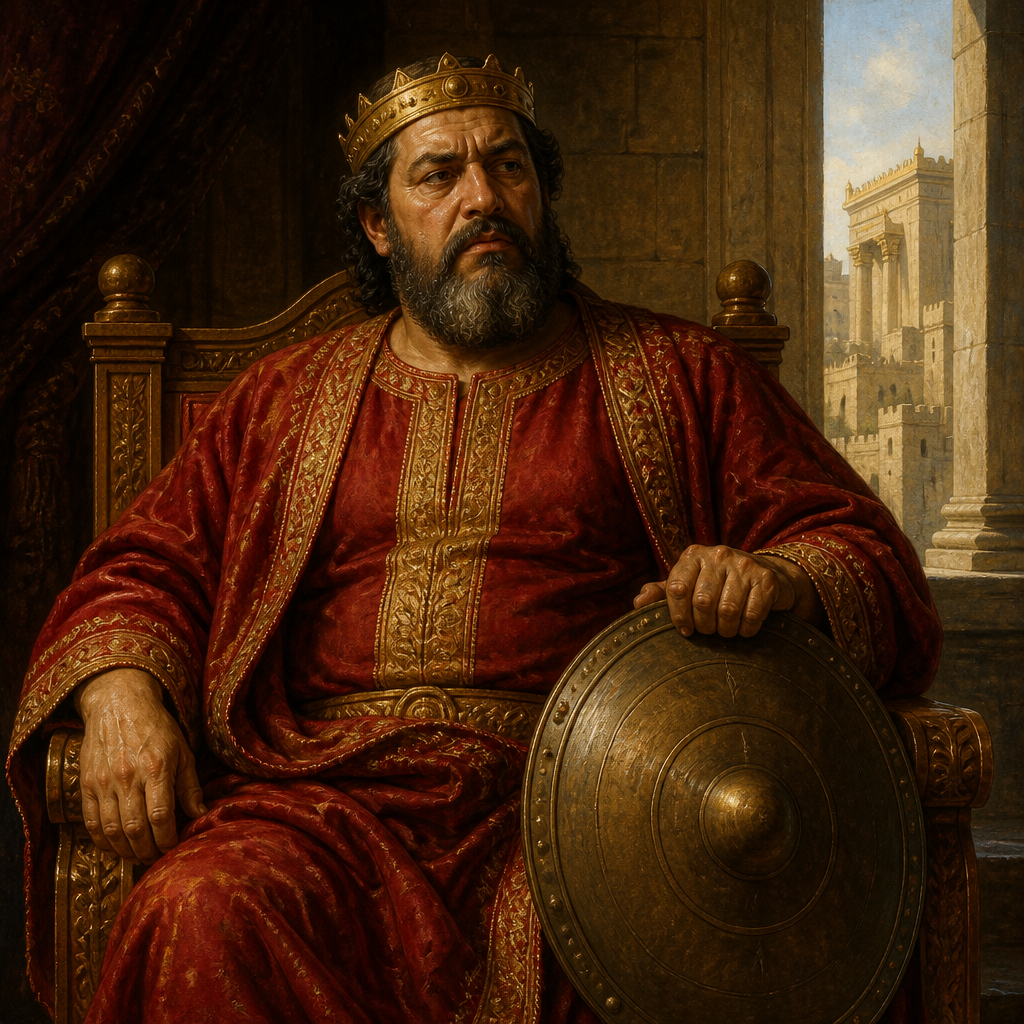
Rehoboam
King of Judah who presided over the division of the United Monarchy
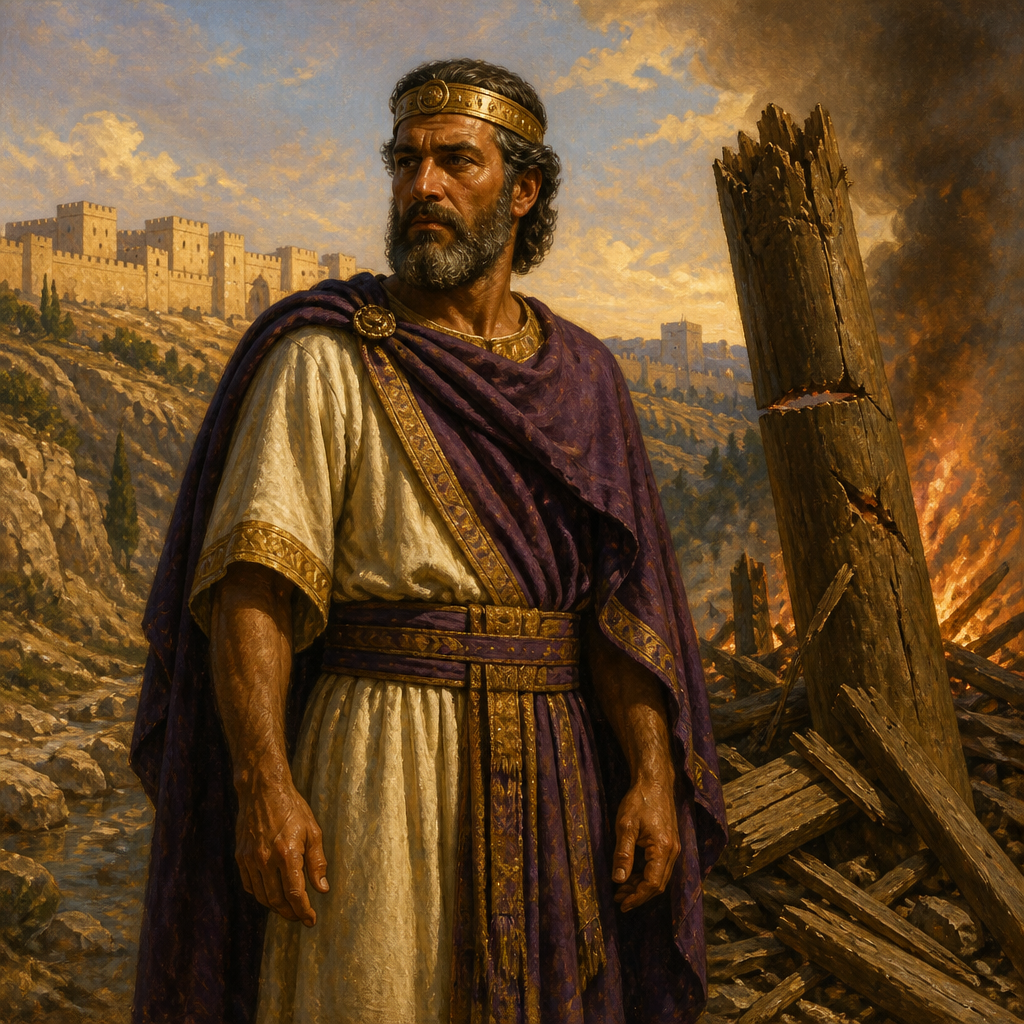
Asa, King of Judah
King of Judah who removed idols and defeated the million-man Cushite army
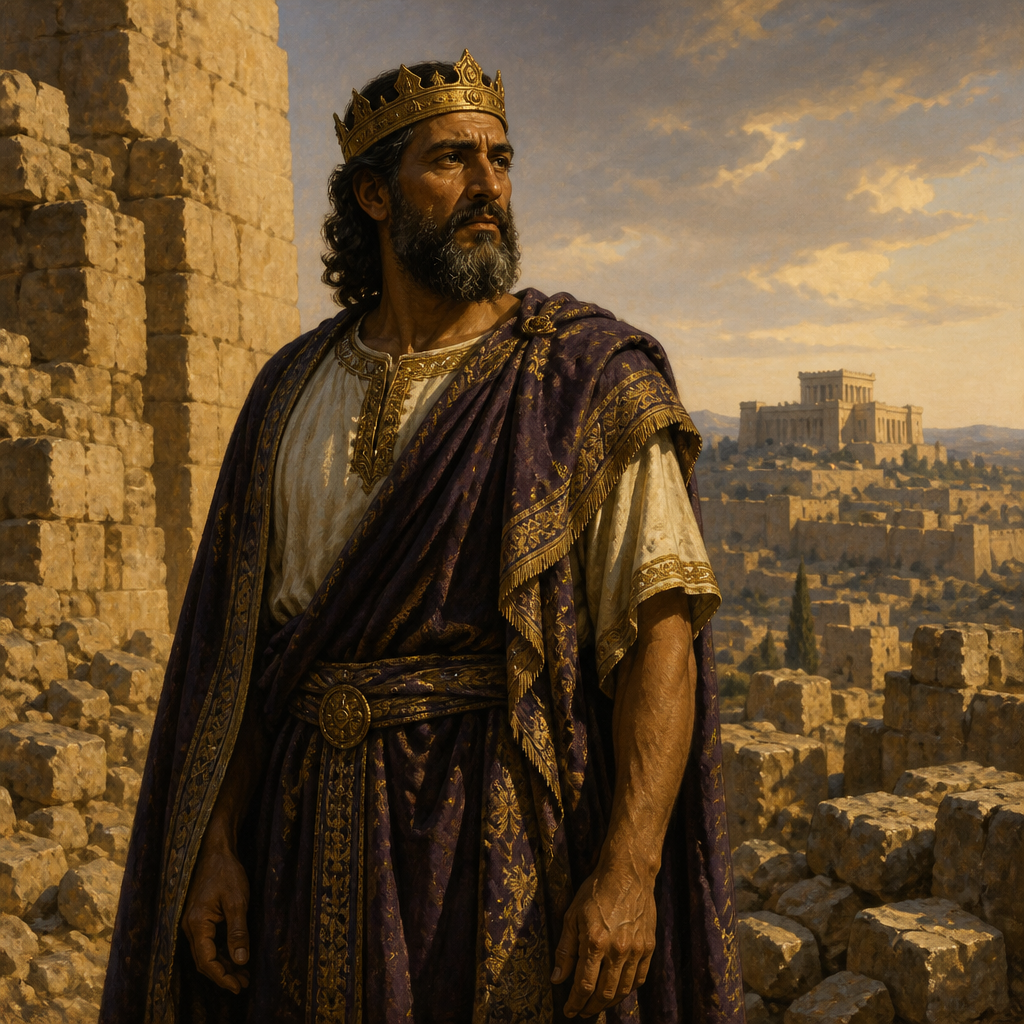
Amaziah, King of Judah
King of Judah who defeated Edom but lost to Israel after turning to idolatry
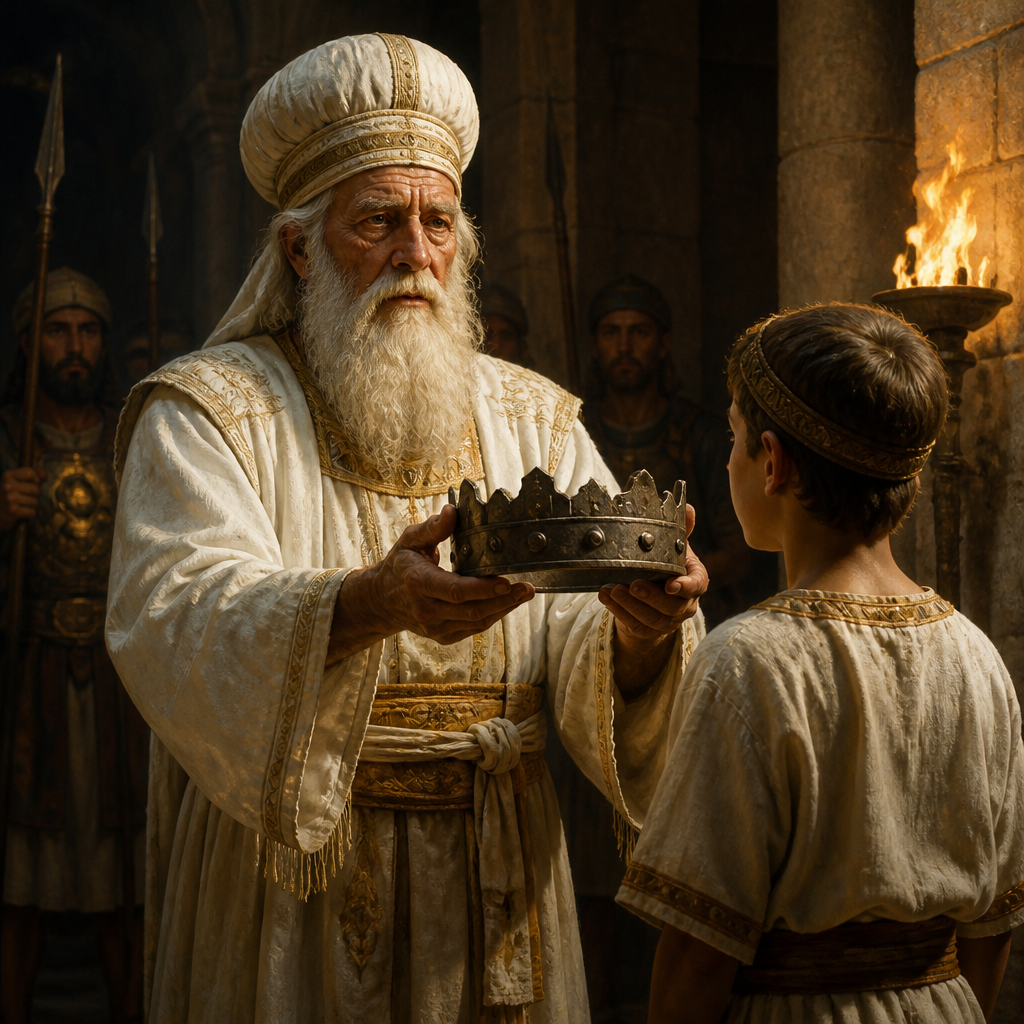
Jehoiada, High Priest of the Divided Monarchy
High Priest who saved the infant Joash and restored the Davidic throne
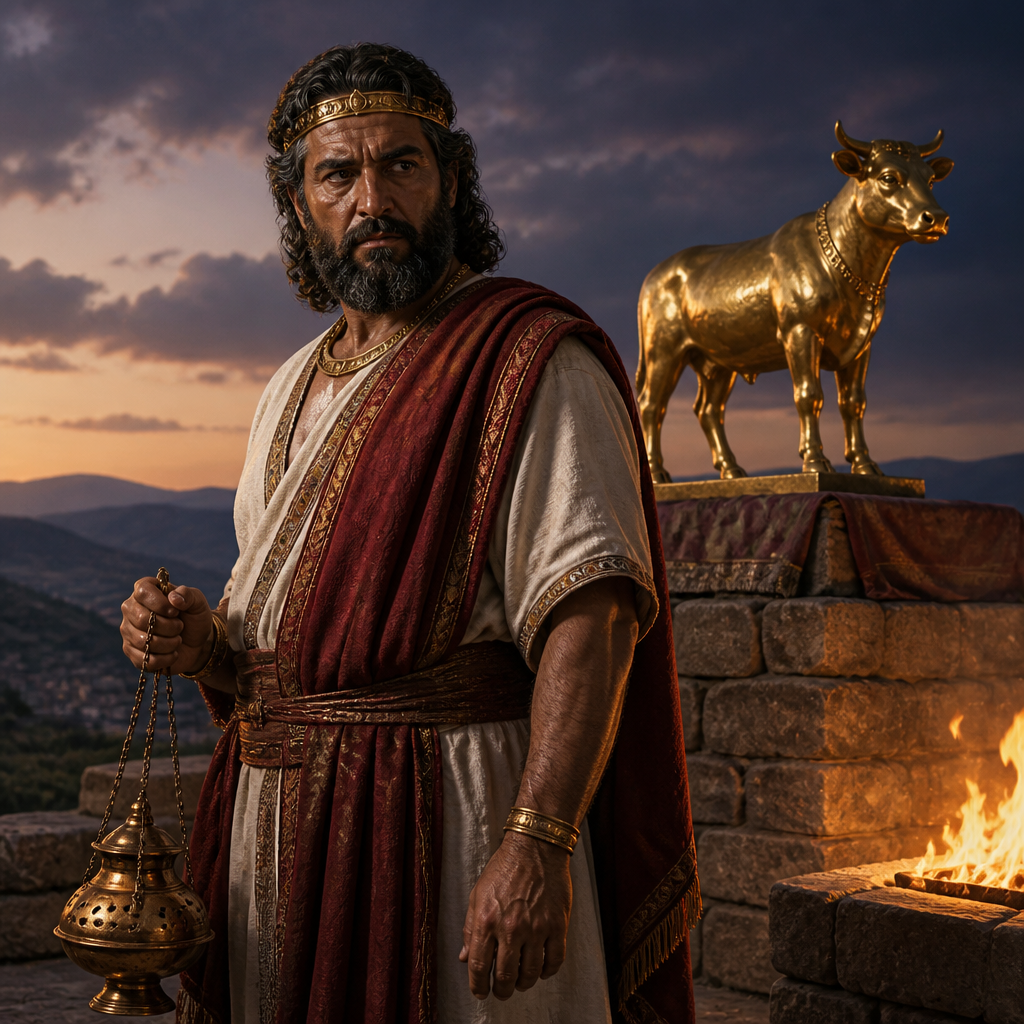
Jeroboam son of Nebat
King of Israel who established the golden calf worship at Bethel and Dan
Abijah, King of Judah
King of Judah who defeated Jeroboam I and defended the Davidic covenant
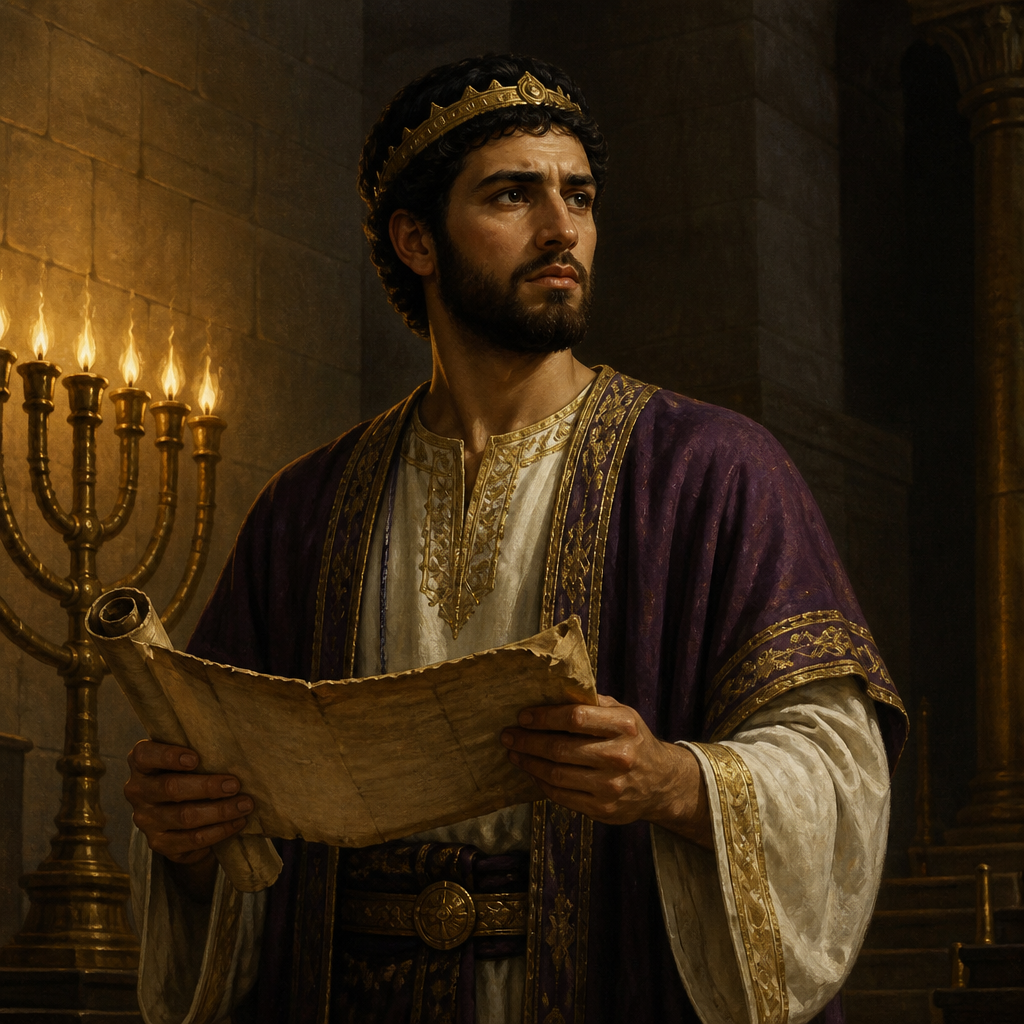
Josiah, King of Judah
King of Judah who instituted religious reforms after finding the Book of the Law
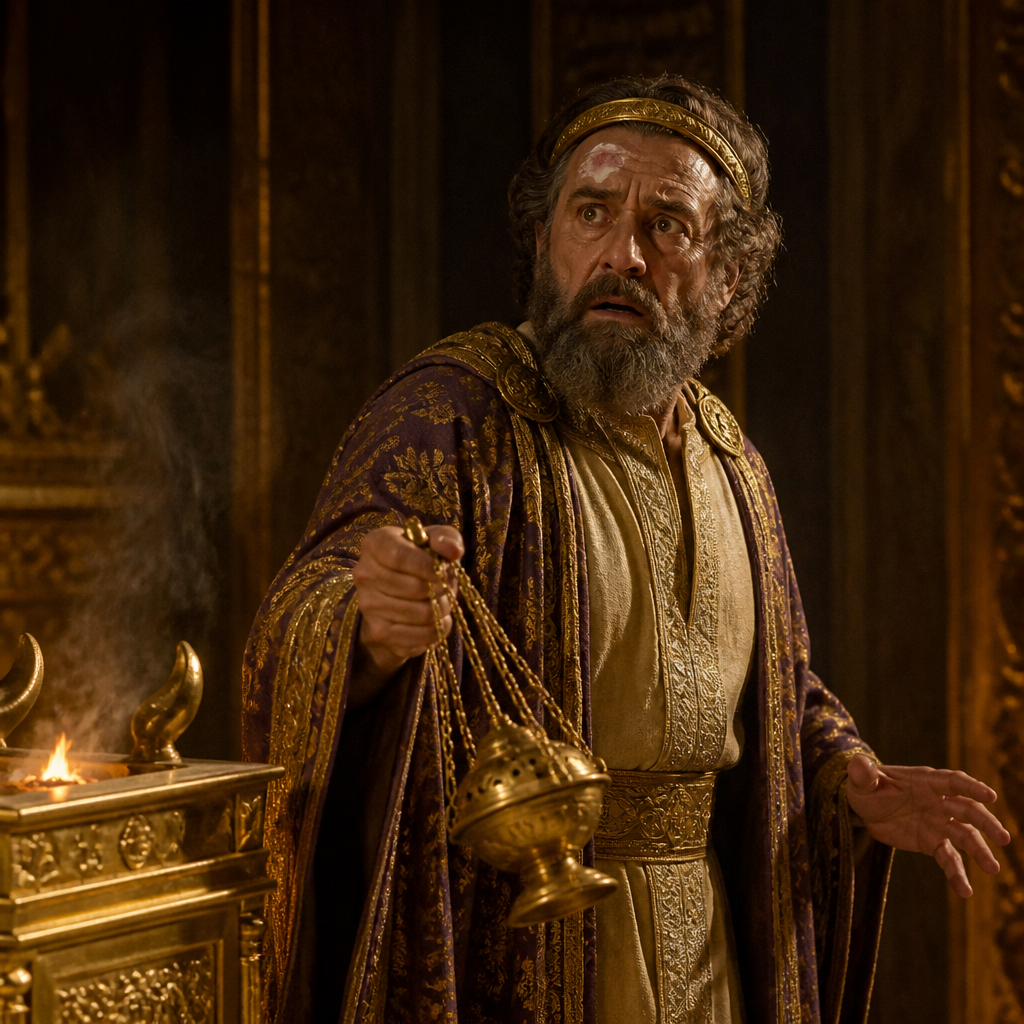
Uzziah, King of Judah
King of Judah struck with leprosy for attempting to burn incense in the Temple
Ahab, King of Israel
King of Israel who married Jezebel and promoted the worship of Baal
Jehoram, King of Judah
King of Judah who murdered his brothers and died of an intestinal disease
Moses
Prophet who led the Israelites out of Egypt and received the Ten Commandments
Manasseh, King of Judah
King of Judah who reigned 55 years and was notorious for his idolatry and late-life repentance
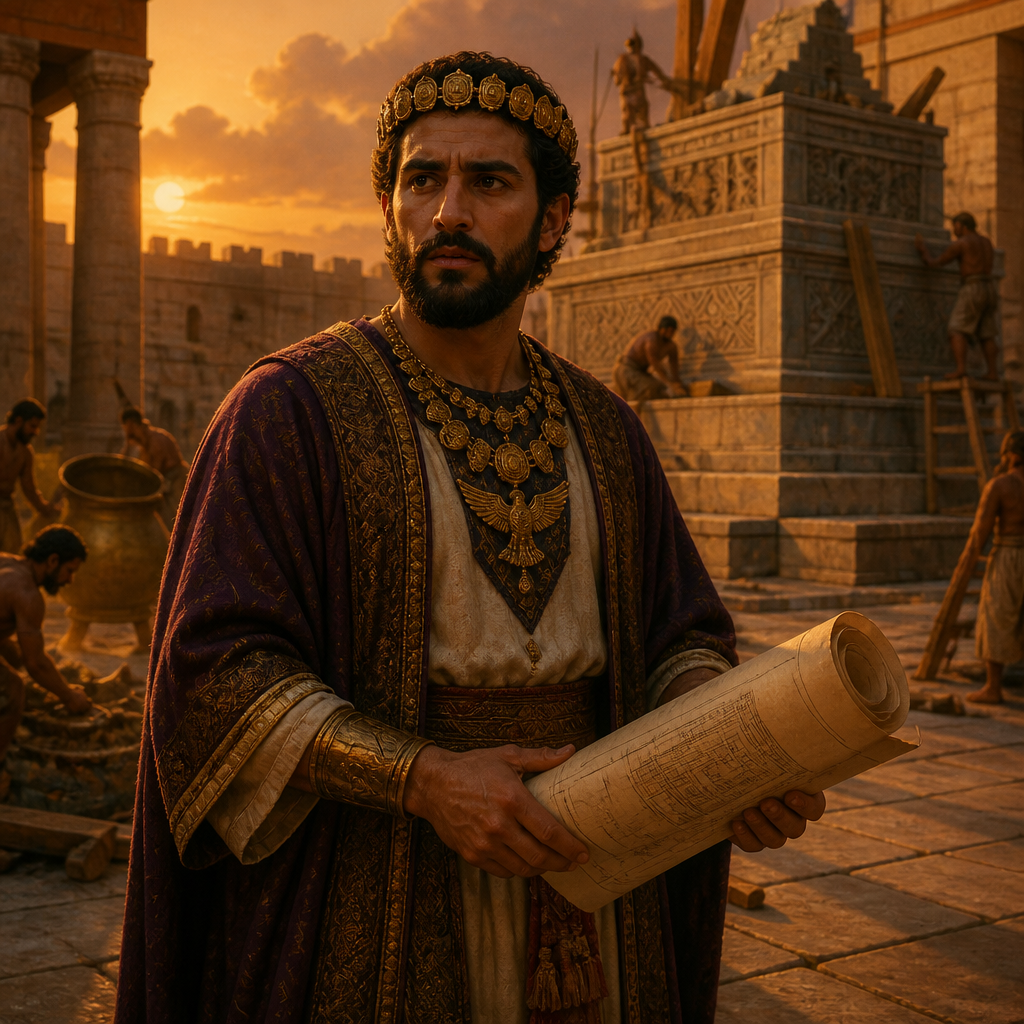
Ahaz, King of Judah
King of Judah who practiced child sacrifice and replaced the Temple altar with a pagan design
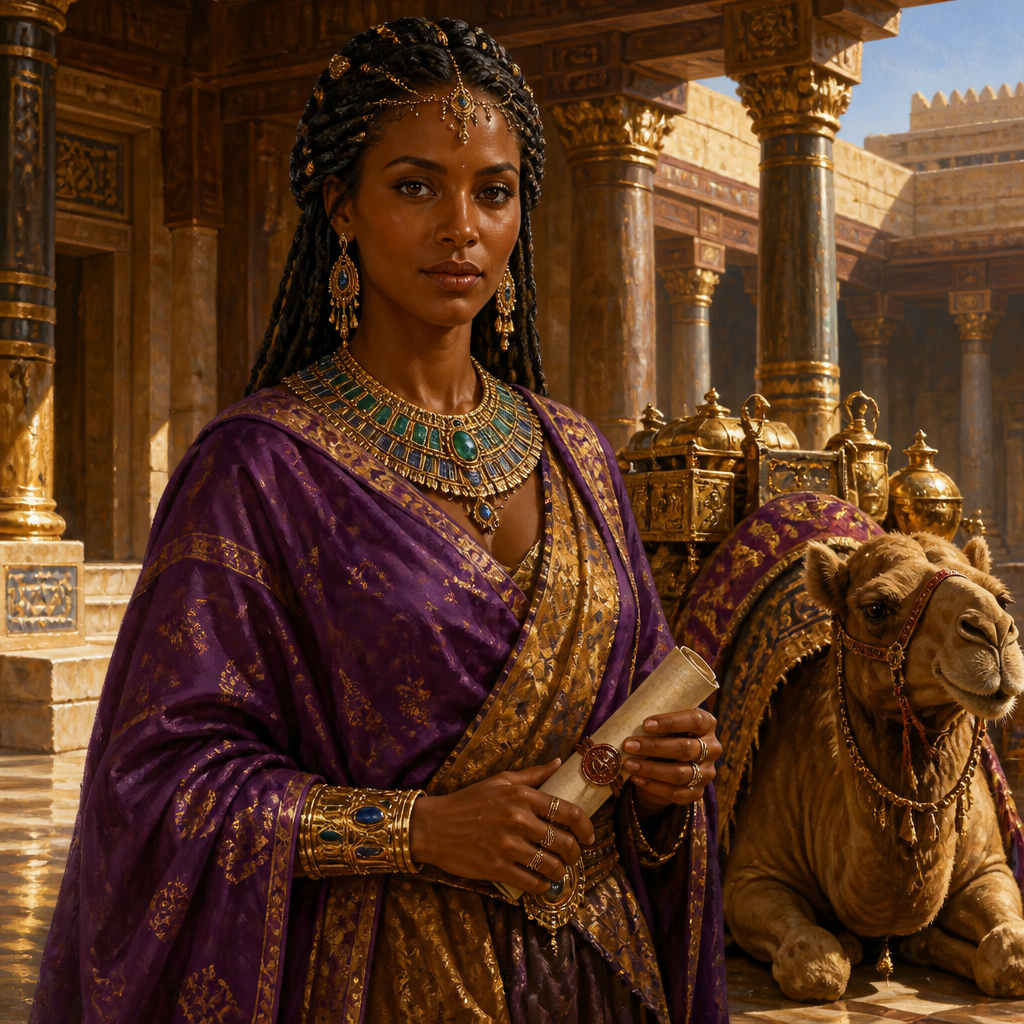
The Queen of Sheba
Queen who visited Solomon to test his wisdom with hard questions
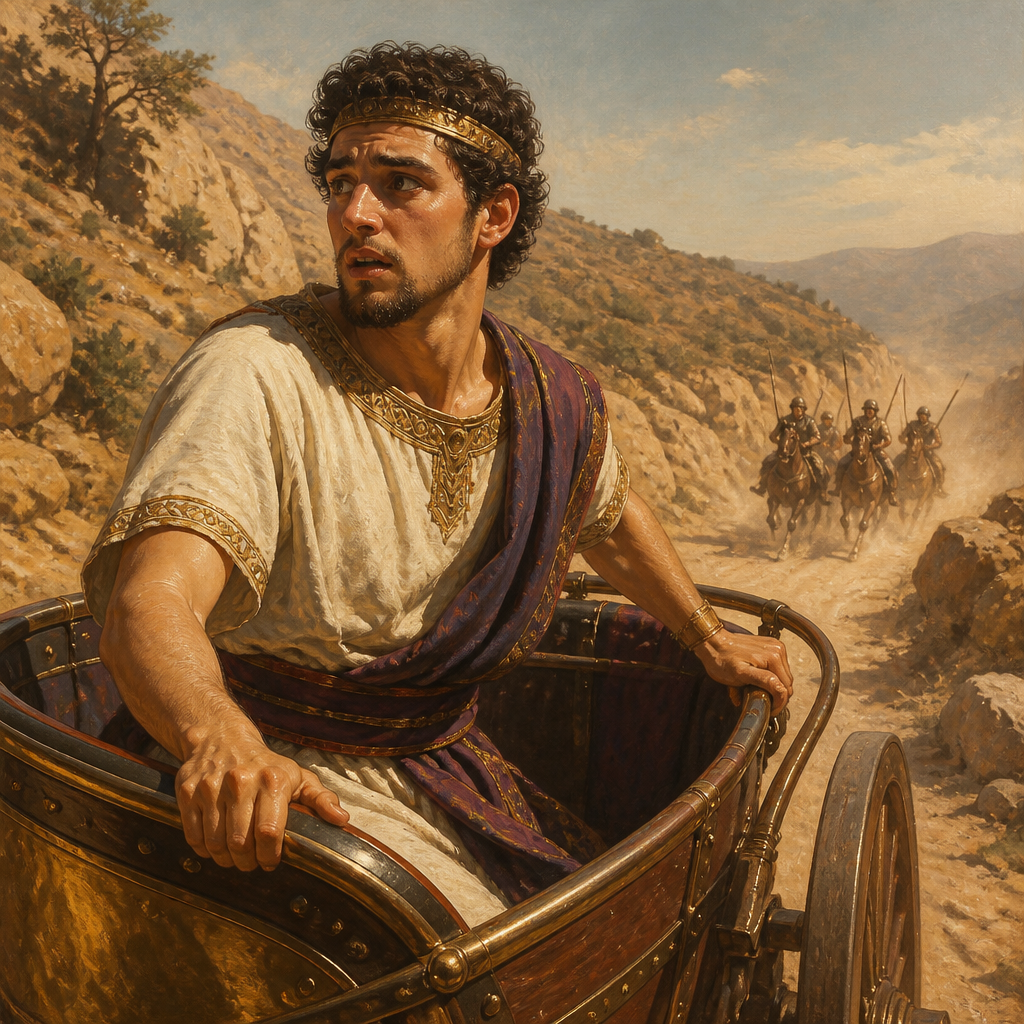
Ahaziah, King of Judah
King of Judah who was killed by Jehu during the purge of the house of Ahab
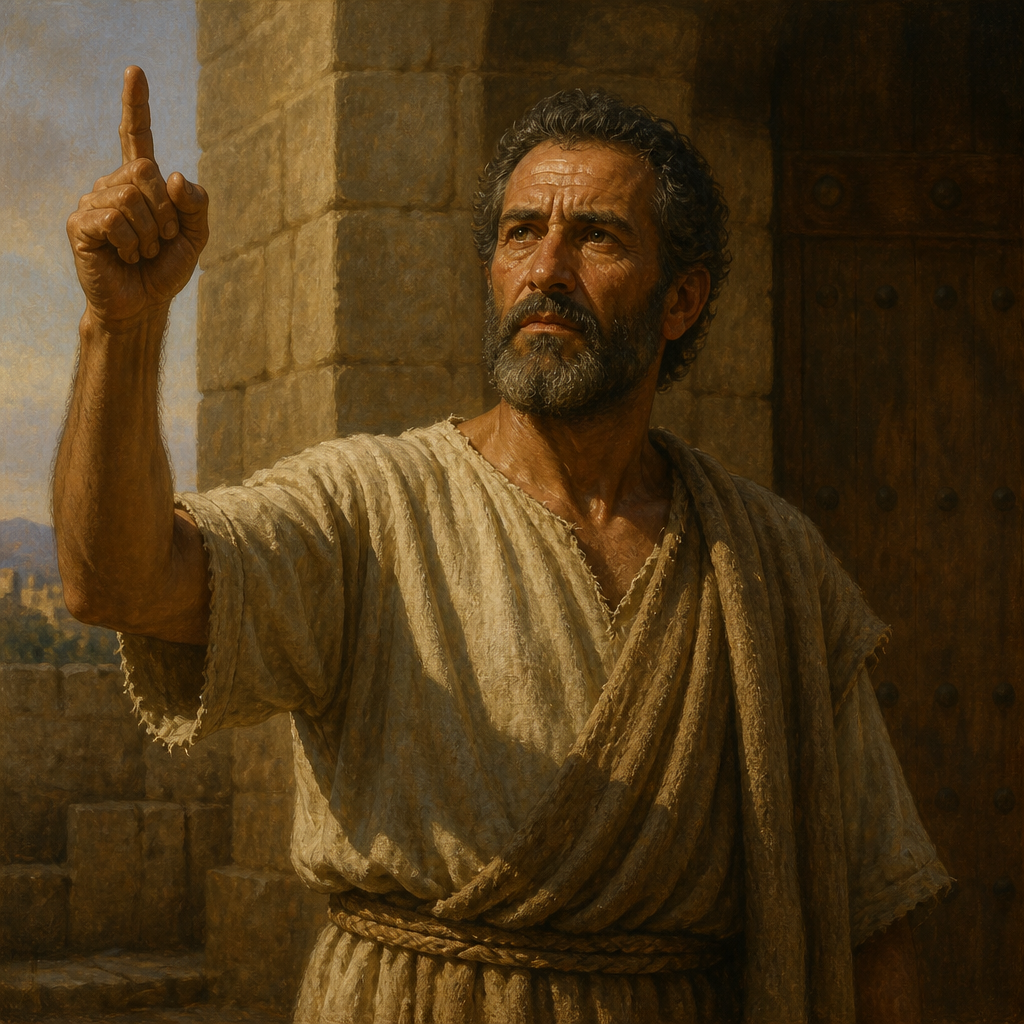
Micaiah, Son of Imlah
Prophet who predicted the death of King Ahab in battle
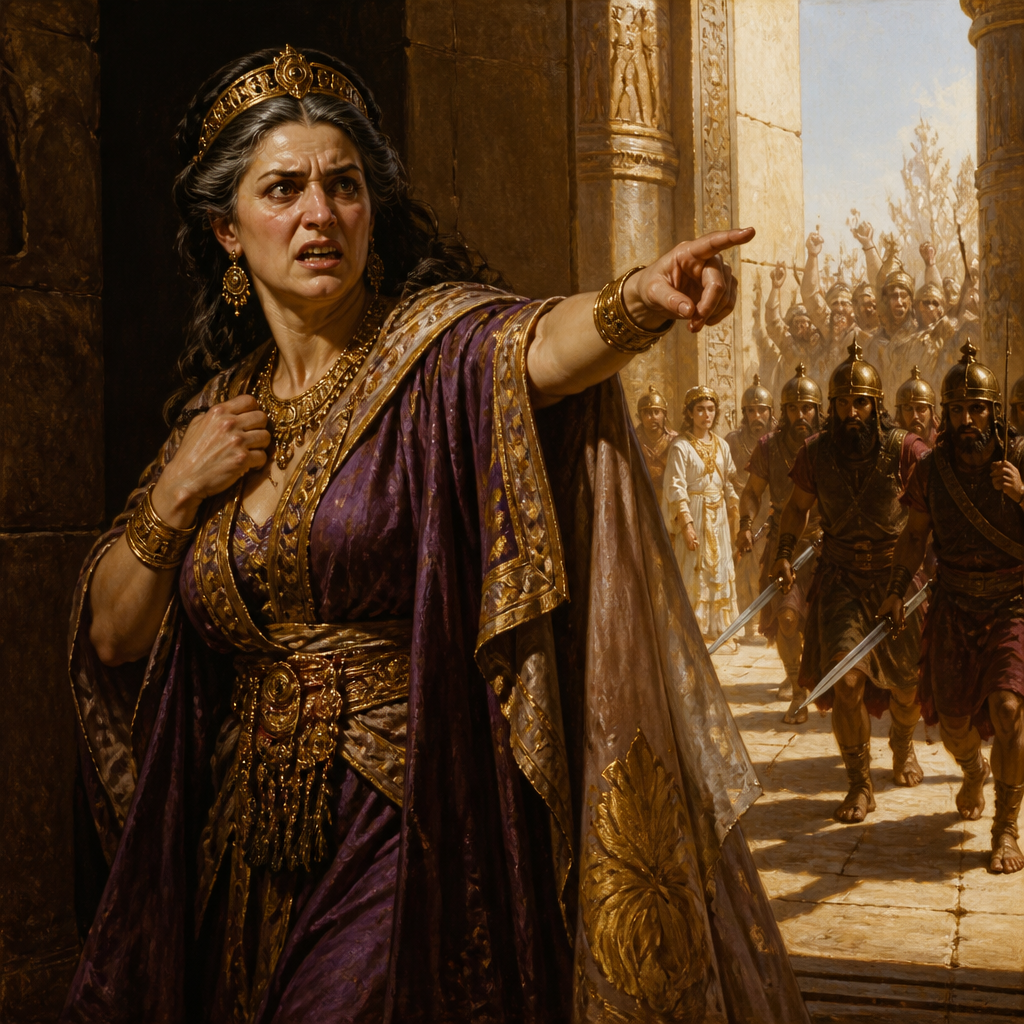
Athaliah, Queen of Judah
Queen of Judah who attempted to destroy the Davidic line
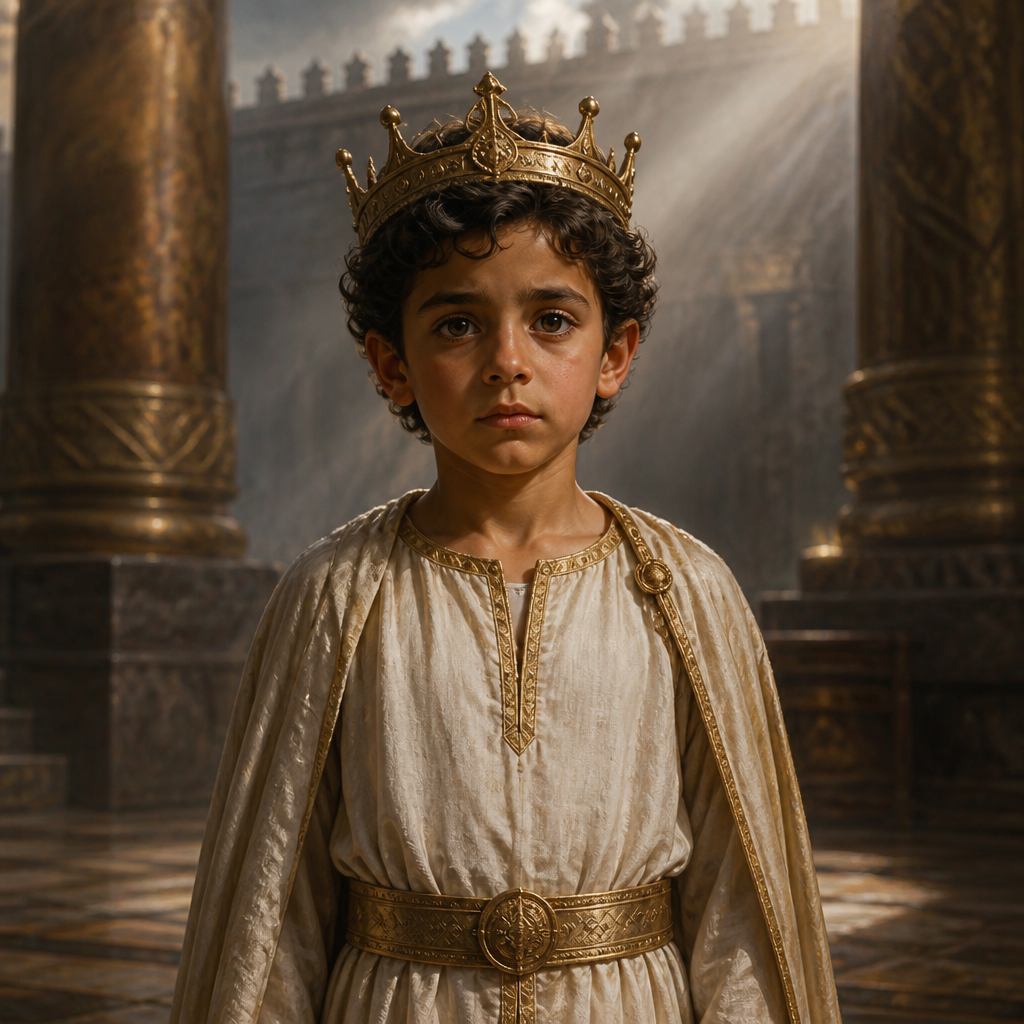
Joash, King of Judah
King of Judah who survived an infancy massacre and later repaired the Temple
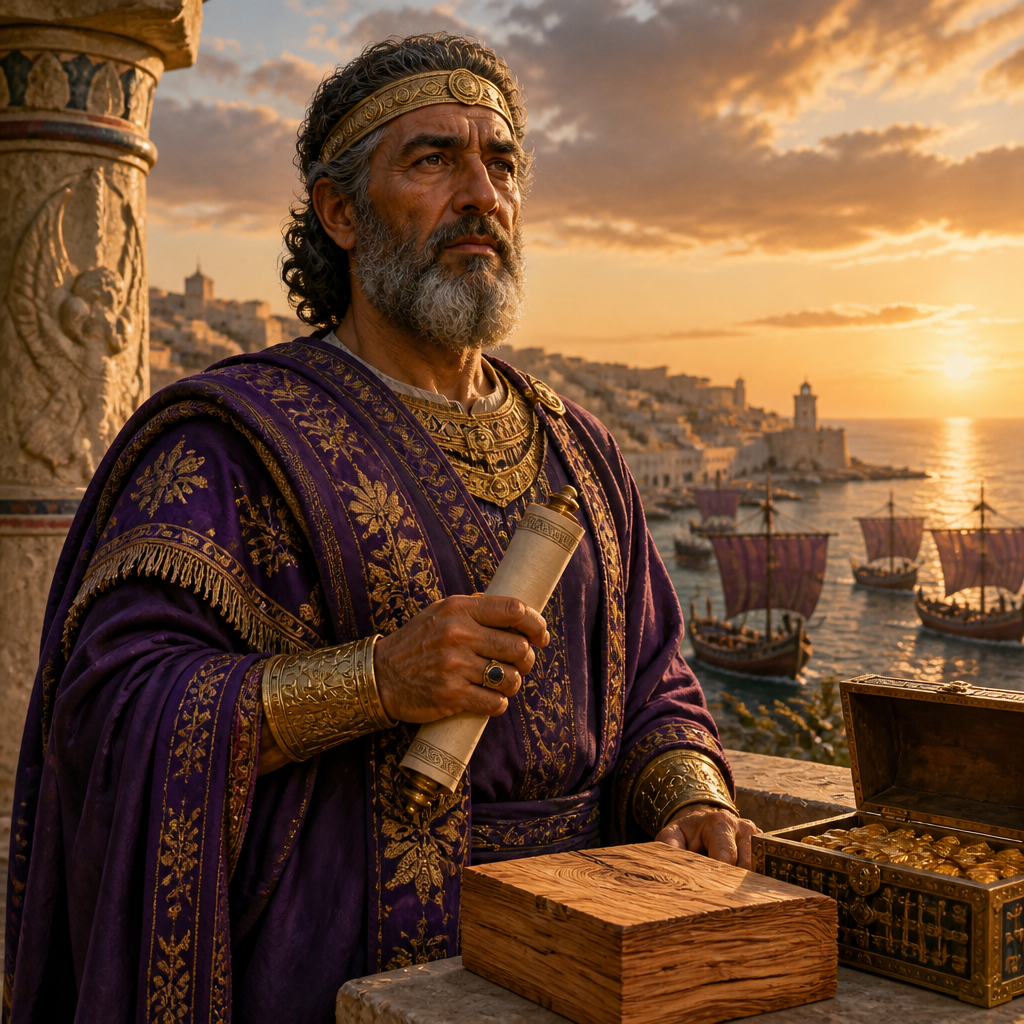
Hiram, King of Tyre
King of Tyre who provided the timber and labor for Solomon's Temple
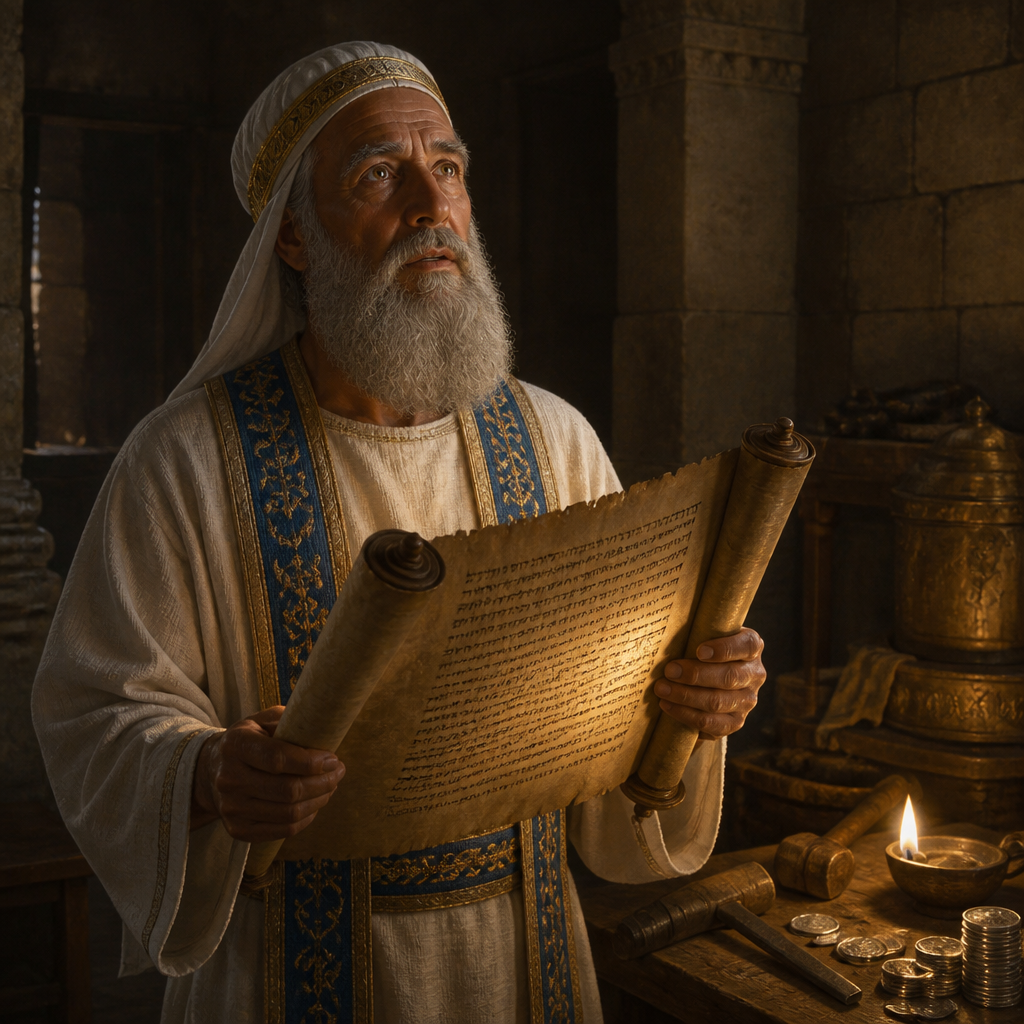
Hilkiah the High Priest
High Priest who found the Book of the Law in the Temple during the reign of King Josiah
Jotham, King of Judah
King of Judah who grew powerful by ordering his ways before the LORD
Aaron
First High Priest of Israel who served as the spokesman for Moses during the Exodus
Shaphan, Scribe of the Divided Monarchy
Royal scribe who read the rediscovered Book of the Law to King Josiah
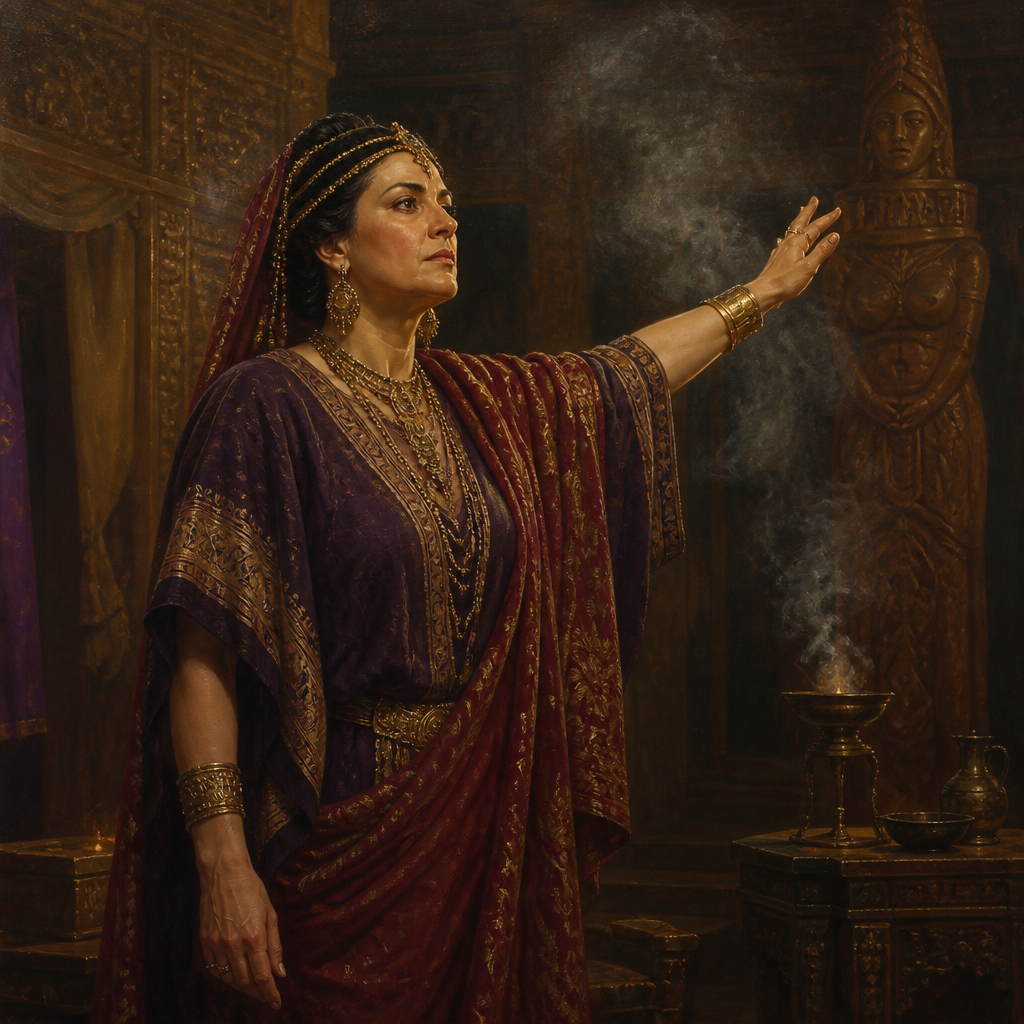
Maacah, Queen Mother of Judah
Queen mother who was deposed for making an Asherah pole
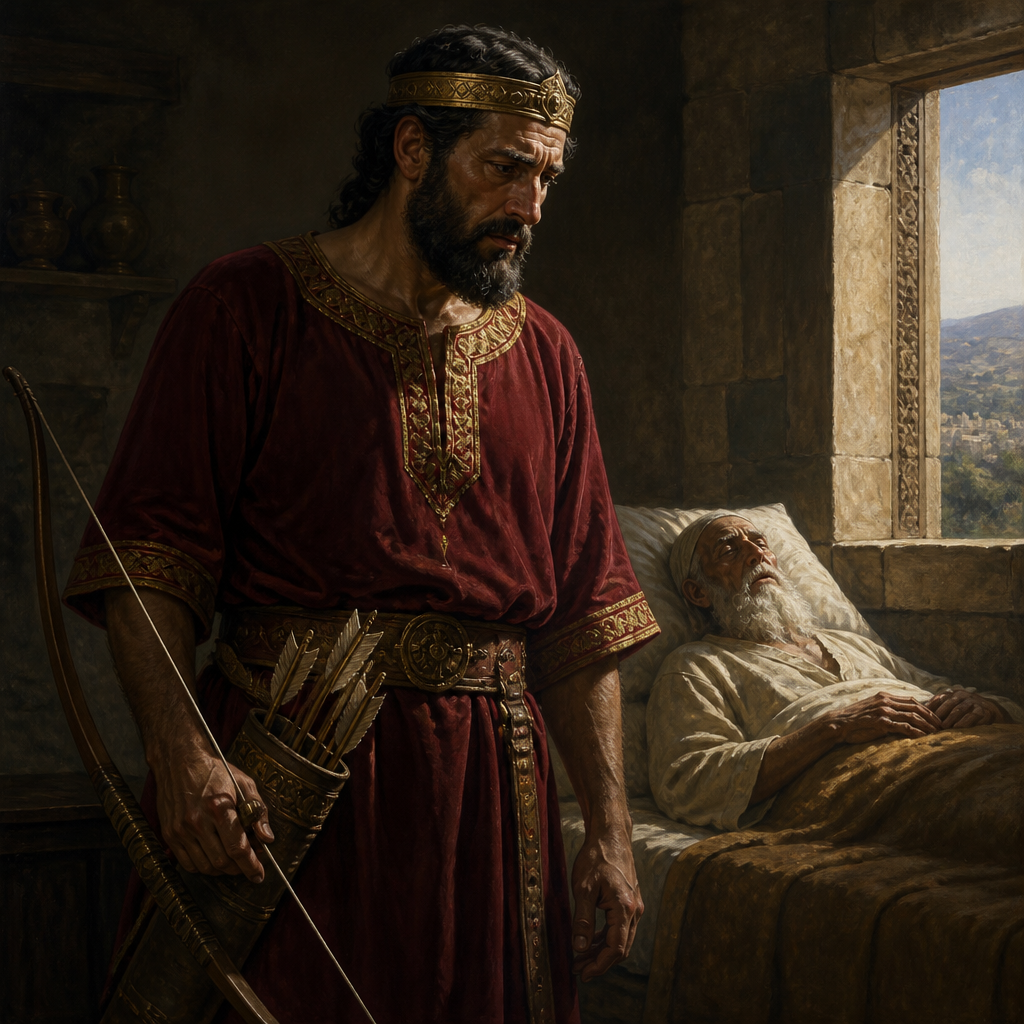
Joash, King of Israel
King of Israel who defeated the Arameans three times and sacked Jerusalem
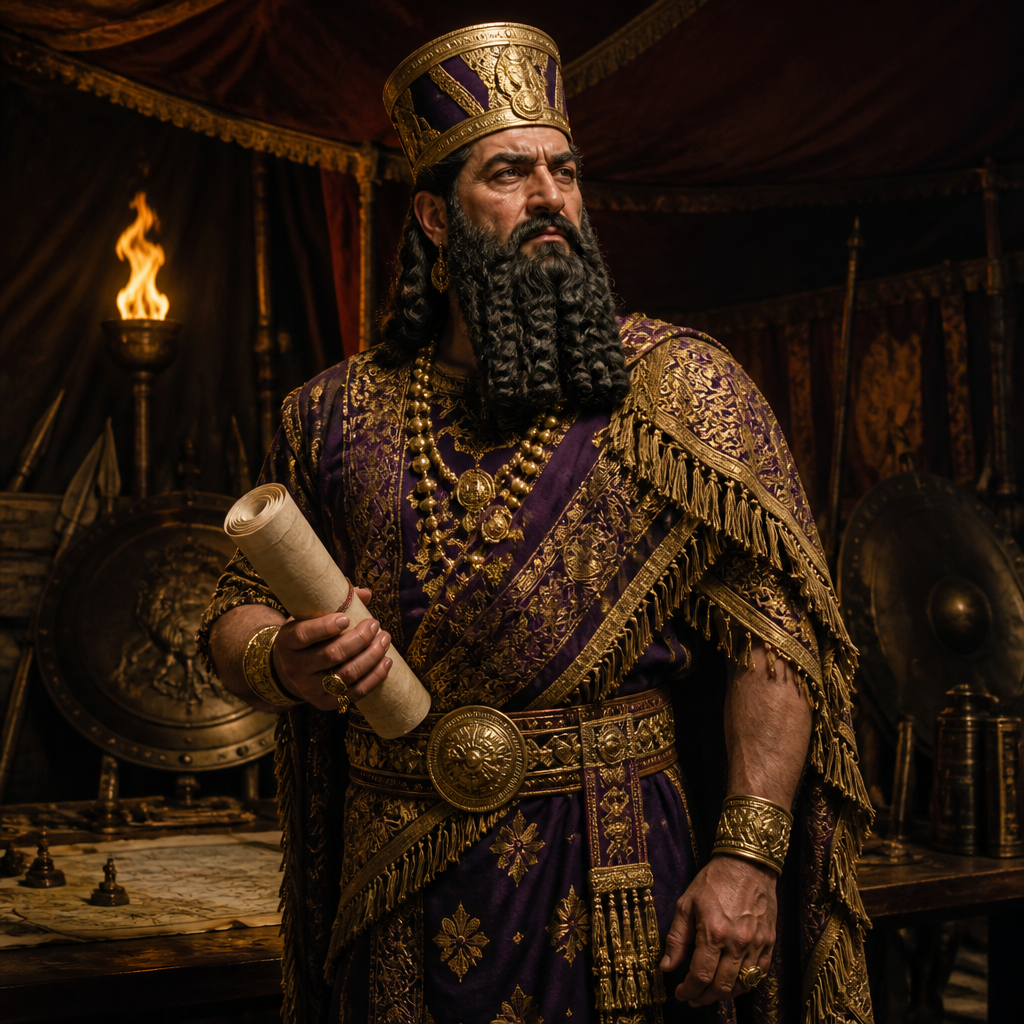
Sennacherib
King of Assyria who invaded Judah and was defeated by divine intervention before Jerusalem
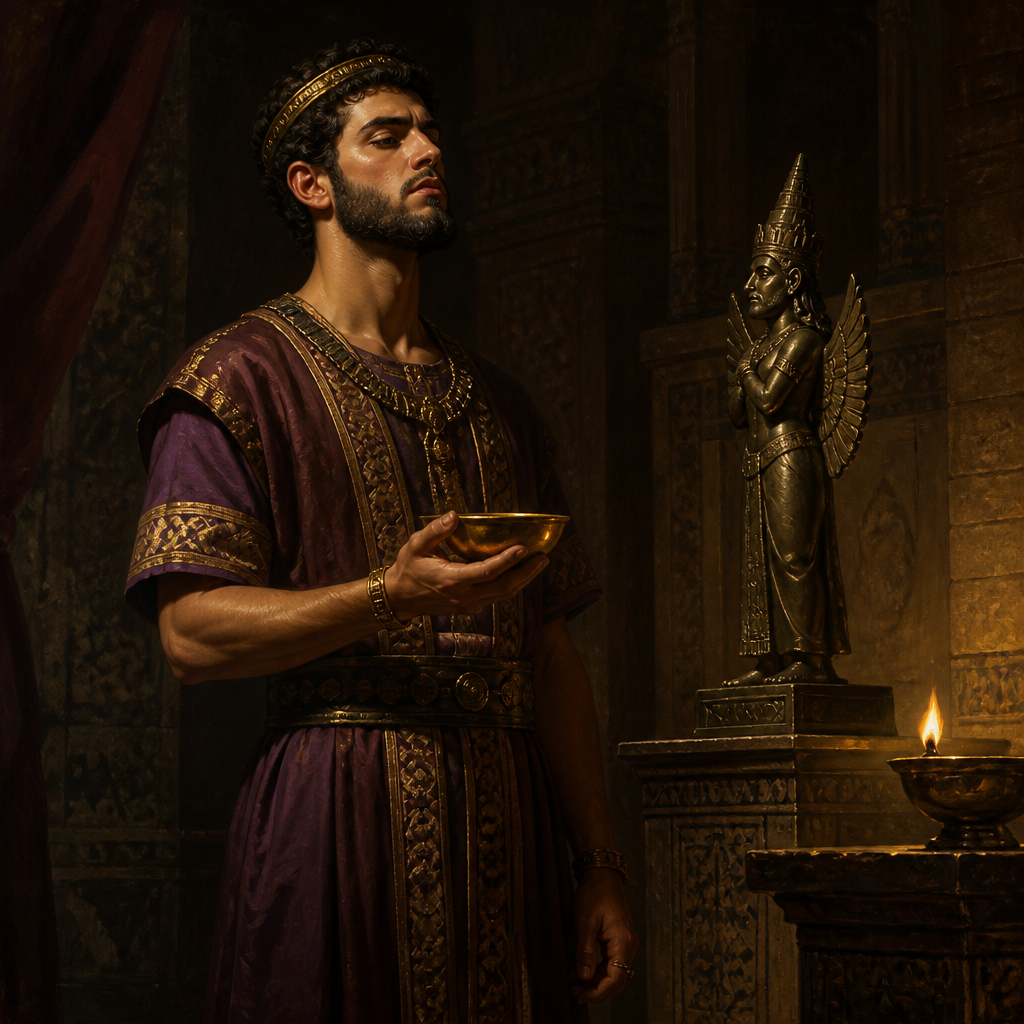
Amon, King of Judah
King of Judah who was assassinated by his servants after a two-year reign of idolatry
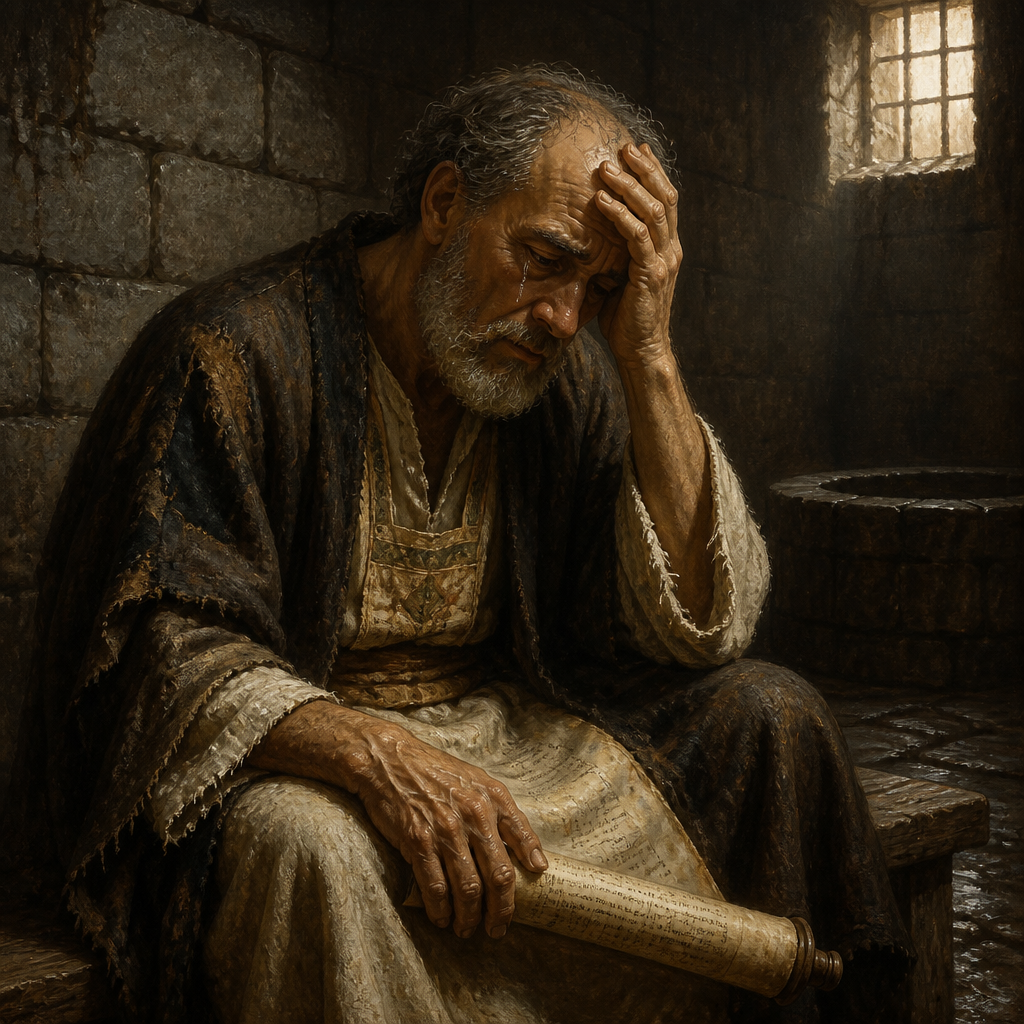
Jeremiah, Son of Hilkiah
Prophet who predicted the seventy-year Babylonian exile and the New Covenant
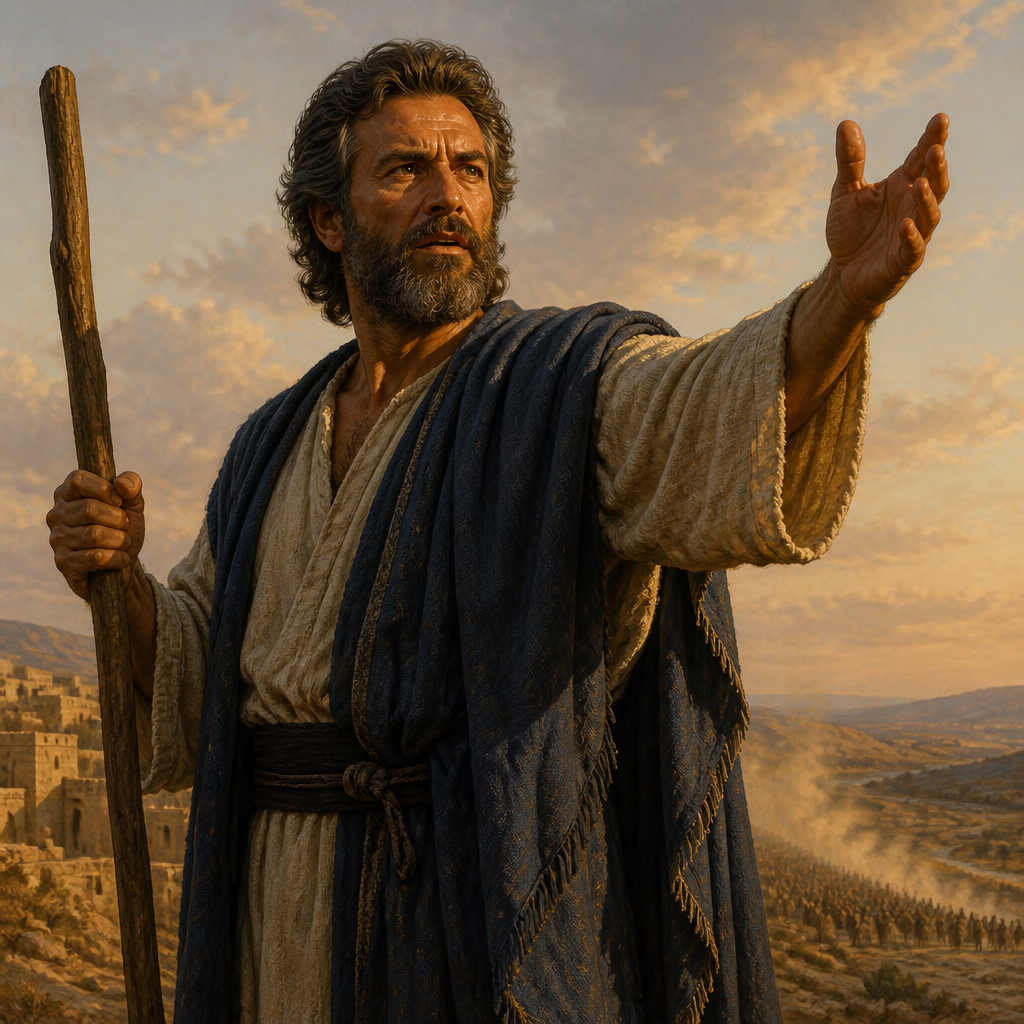
Azariah, Prophet and Son of Oded
Prophet who encouraged King Asa to reform Judah and seek the LORD
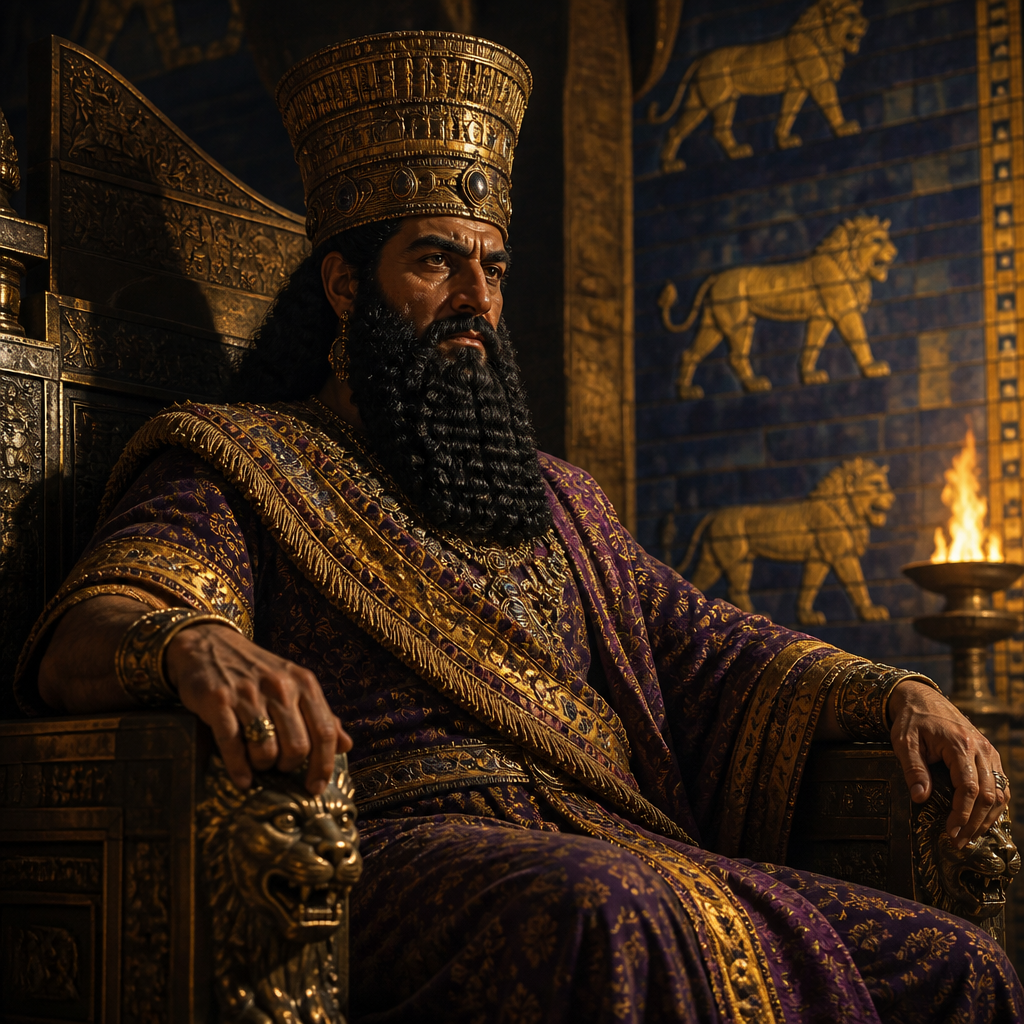
Nebuchadnezzar
King of Babylon who conquered Jerusalem and was humbled by God
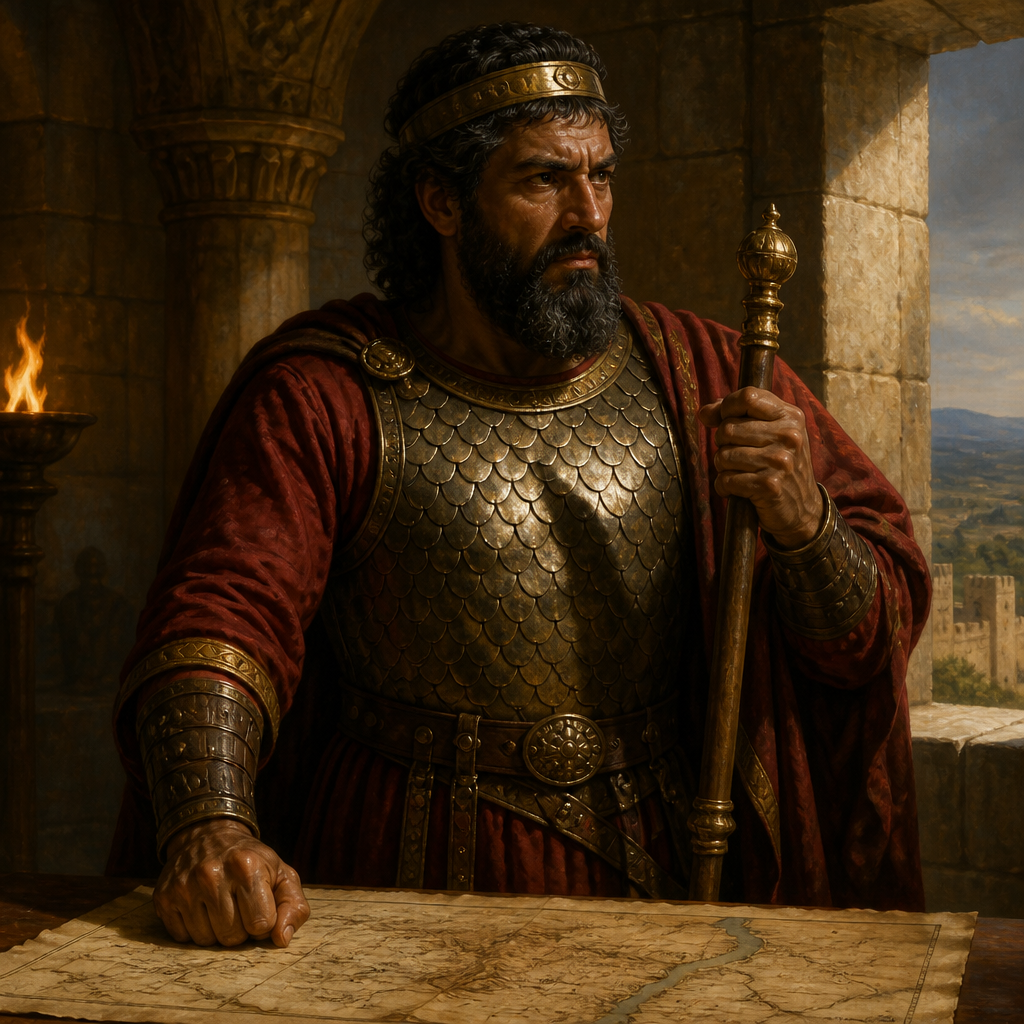
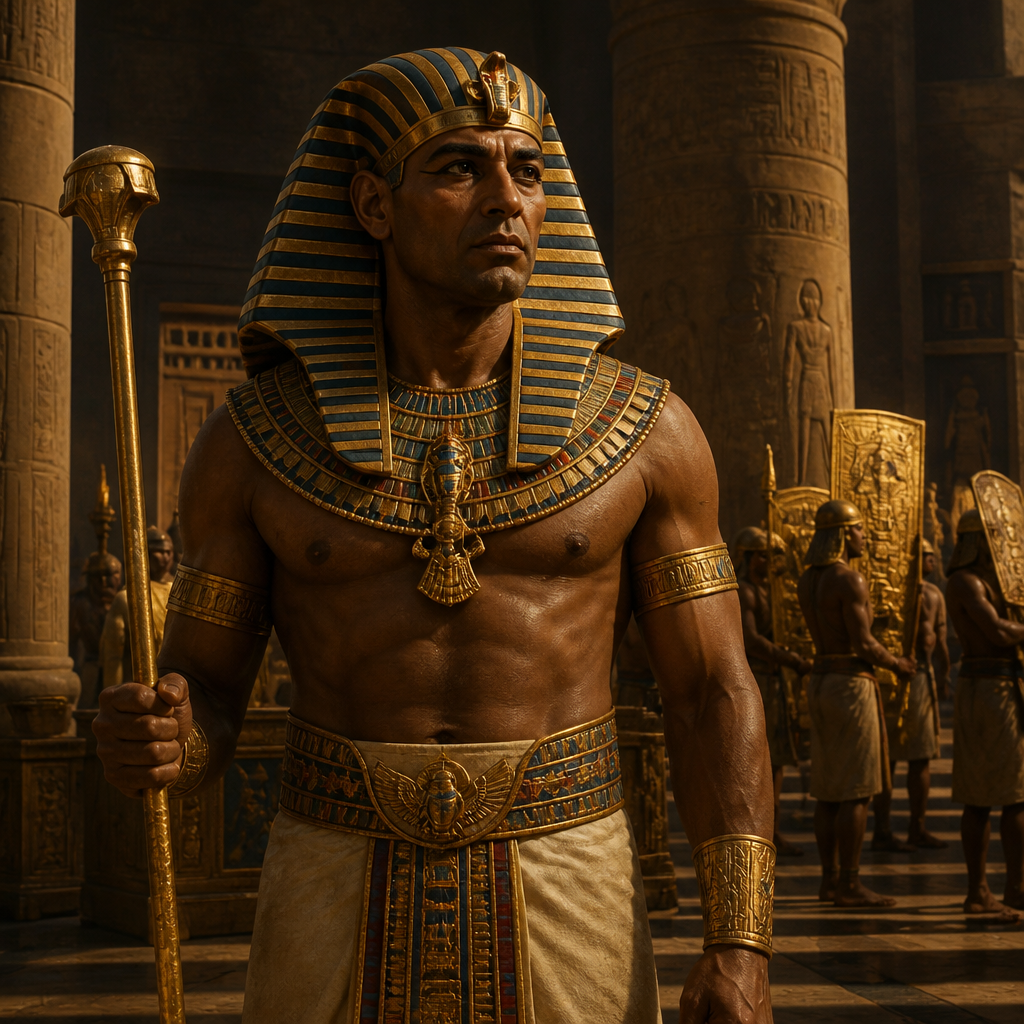
Shishak
King of Egypt who plundered the Temple of Jerusalem and gave refuge to Jeroboam
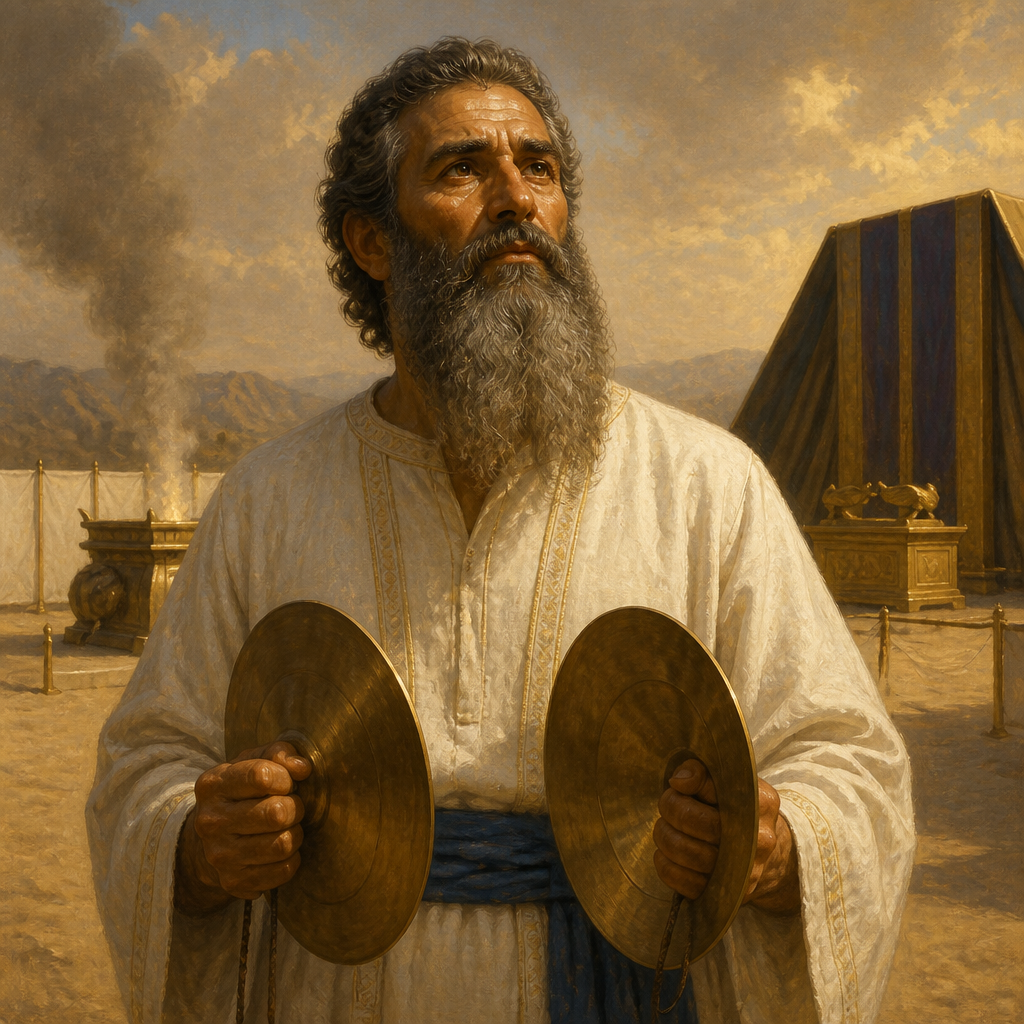
Asaph, Levite Musician and Seer
Levite musician and composer of twelve Psalms who served as King David's chief singer
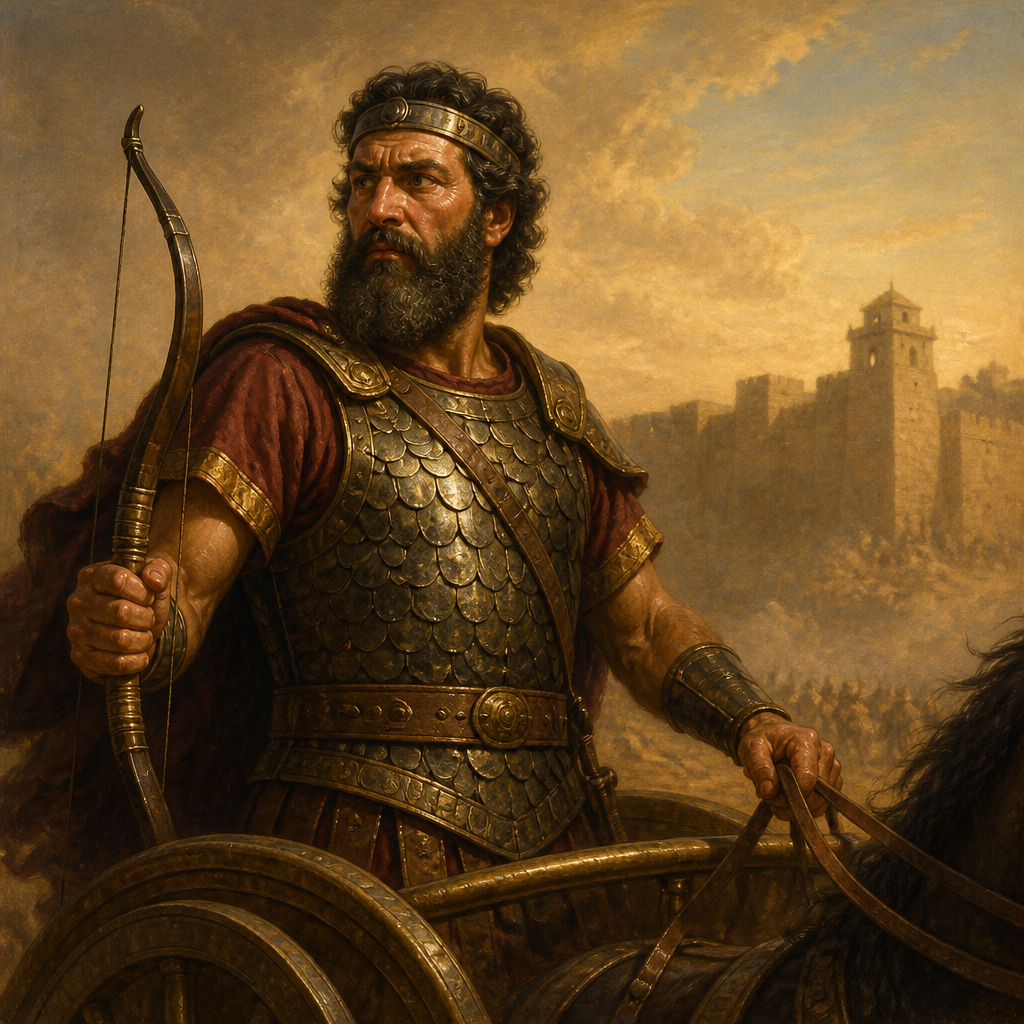
Jehu, King of Israel
King of Israel who executed the house of Ahab and destroyed the temple of Baal
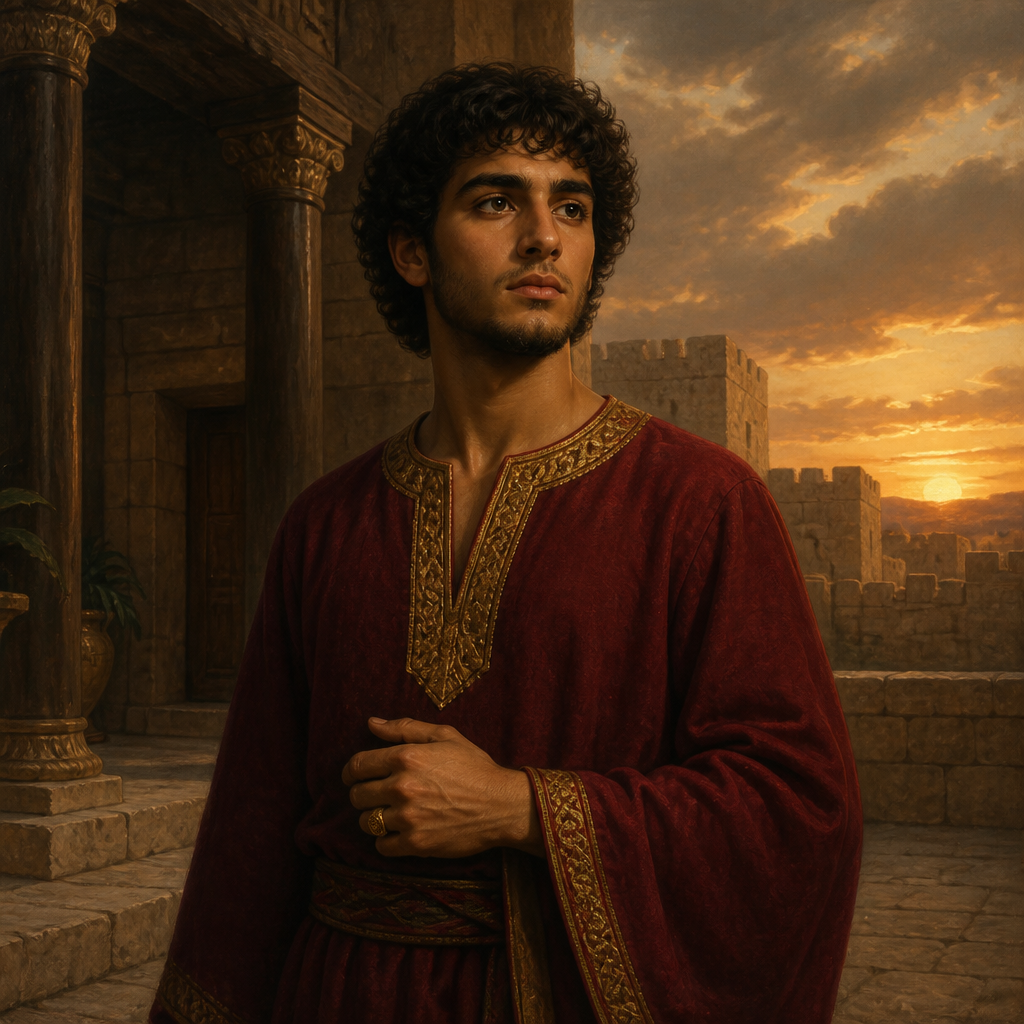
Attai, Son of Rehoboam
Prince of Judah and son of King Rehoboam and Maacah
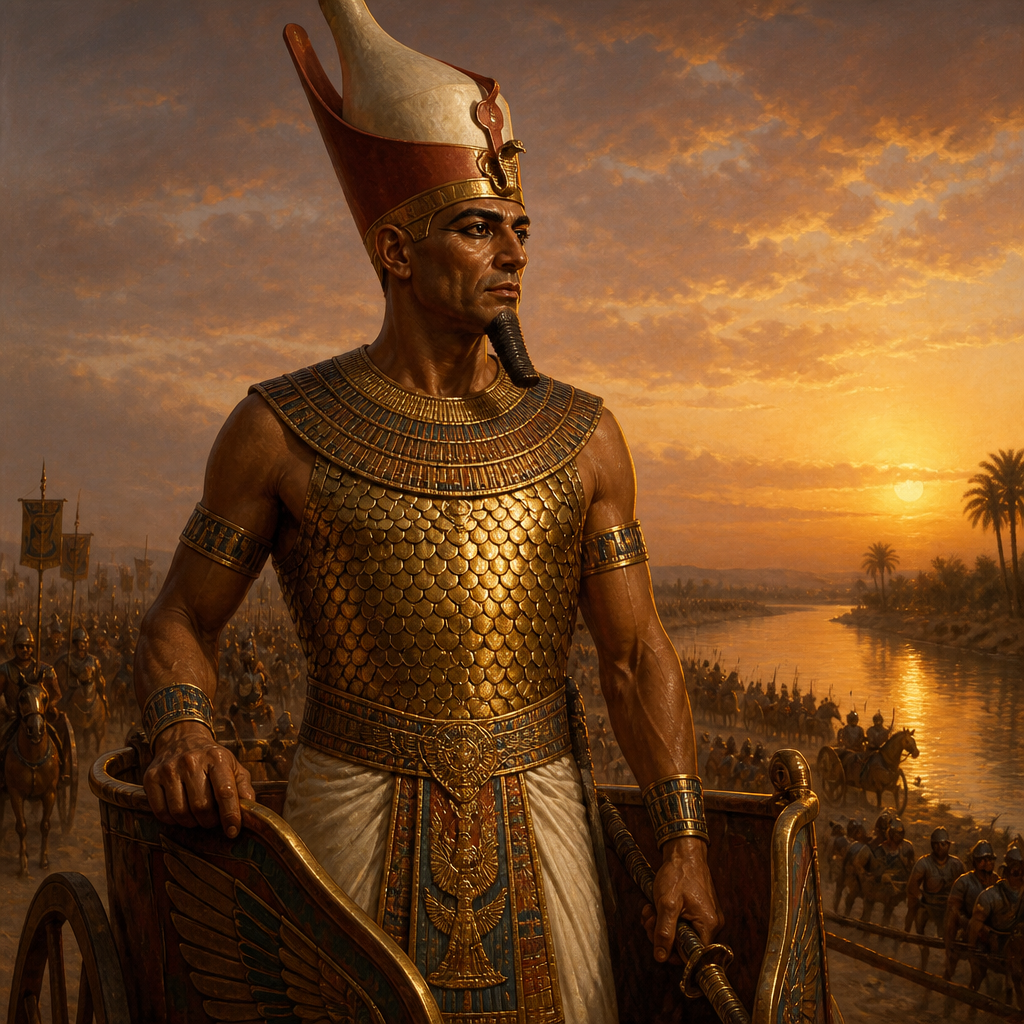
Neco
Pharaoh who killed King Josiah and conquered Judah before being defeated by Babylon
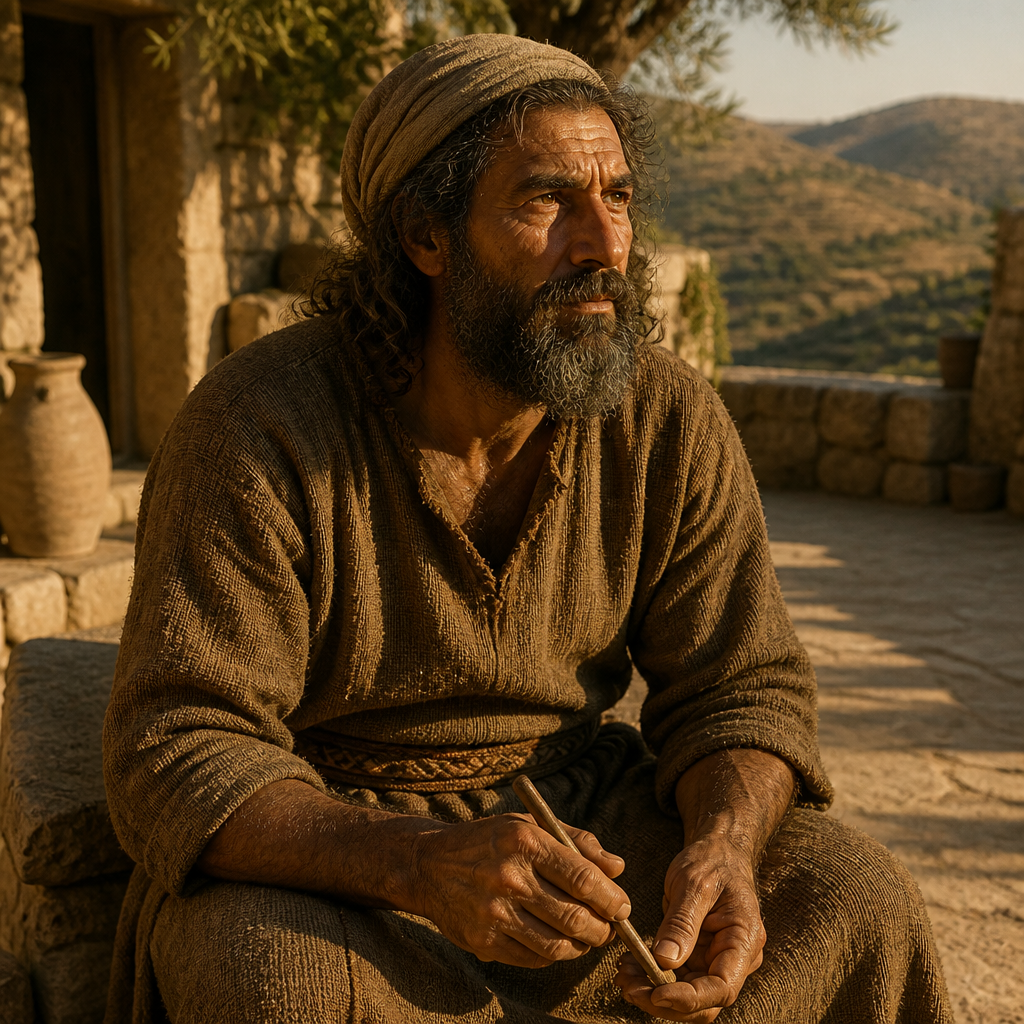
Nebat
Father of Jeroboam I, the first king of the northern kingdom of Israel
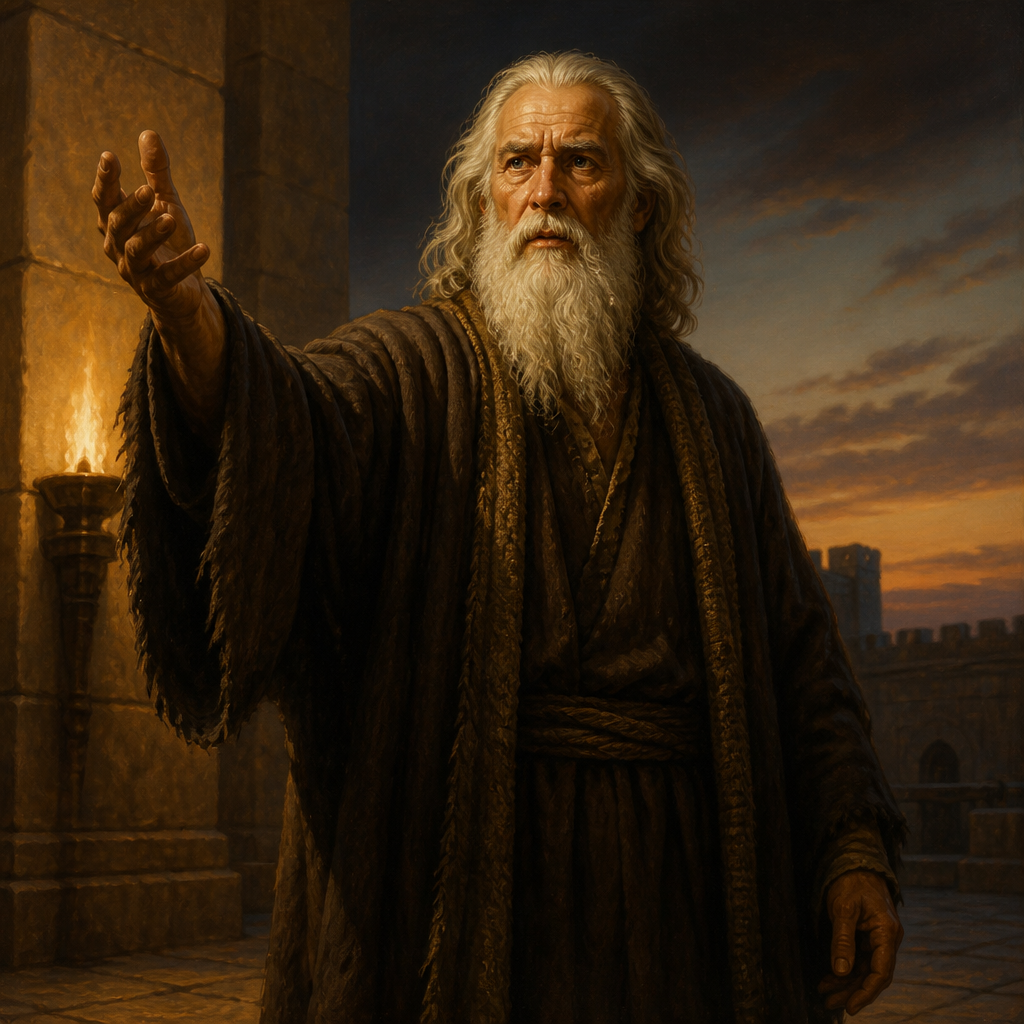
Hanani, Seer of the Divided Monarchy
Prophet who rebuked King Asa for his alliance with Aram
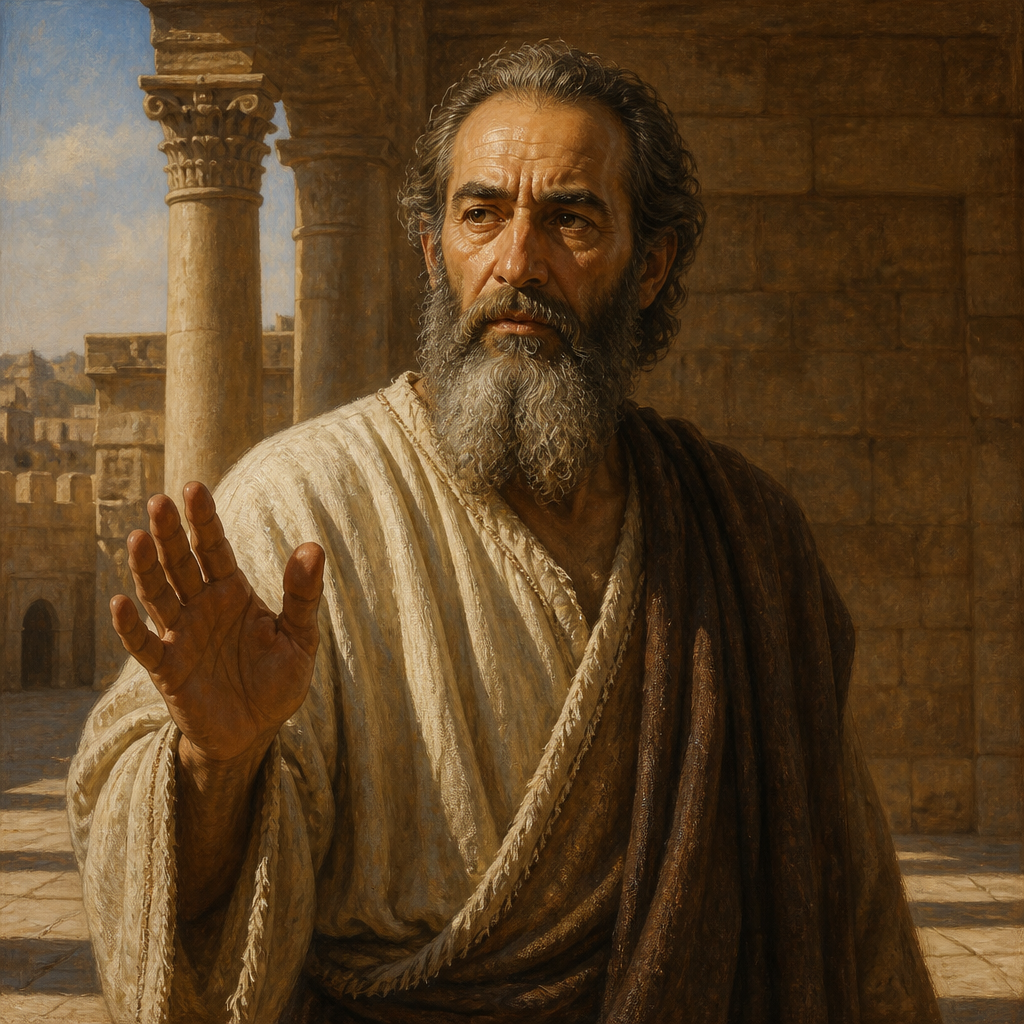
Shemaiah the Prophet of the United Monarchy
Prophet who stopped Rehoboam from going to war against Israel
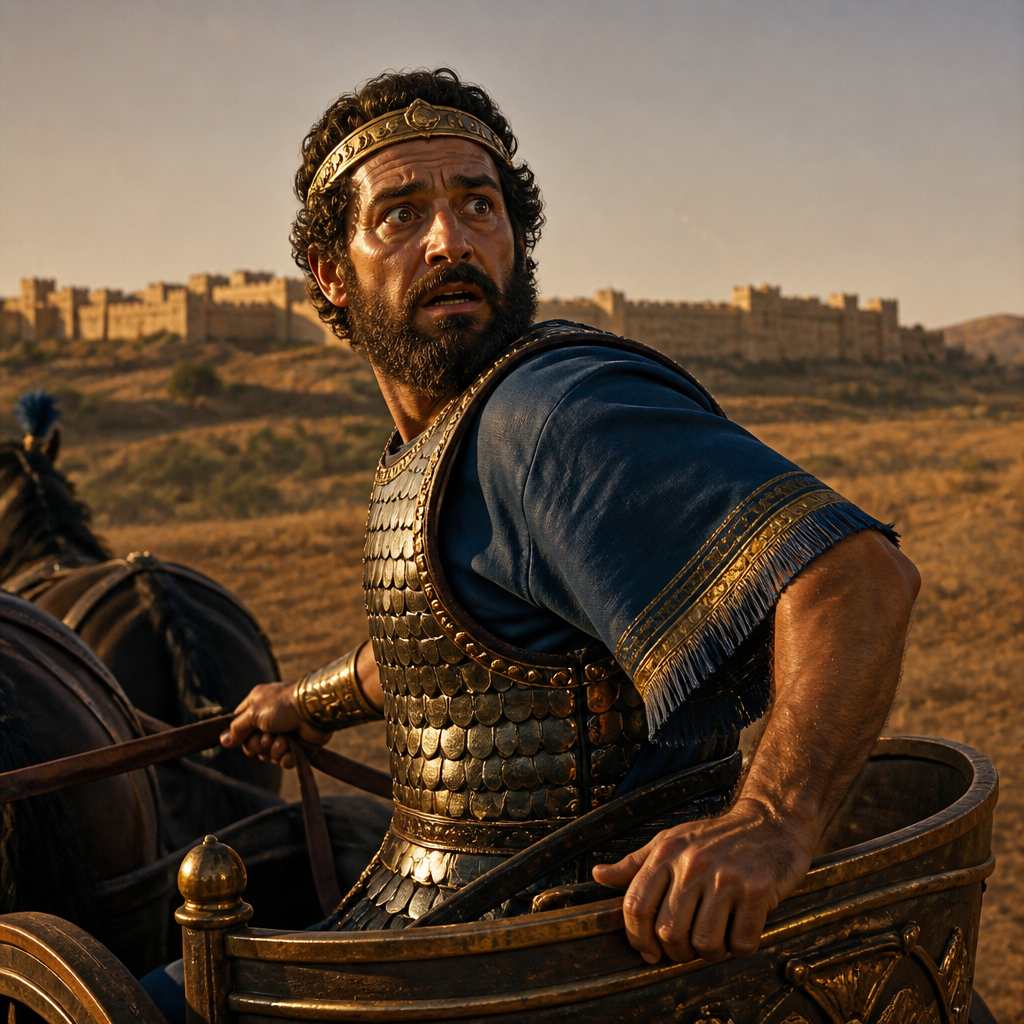
Joram, Son of Ahab and King of Israel
King of Israel who was killed by Jehu at Naboth's vineyard

Zaham
Prince of Judah and son of King Rehoboam who is listed in the royal genealogies of 2 Chronicles

Shemariah, Son of Rehoboam
son of King Rehoboam and grandson of Solomon who was part of the Davidic royal line
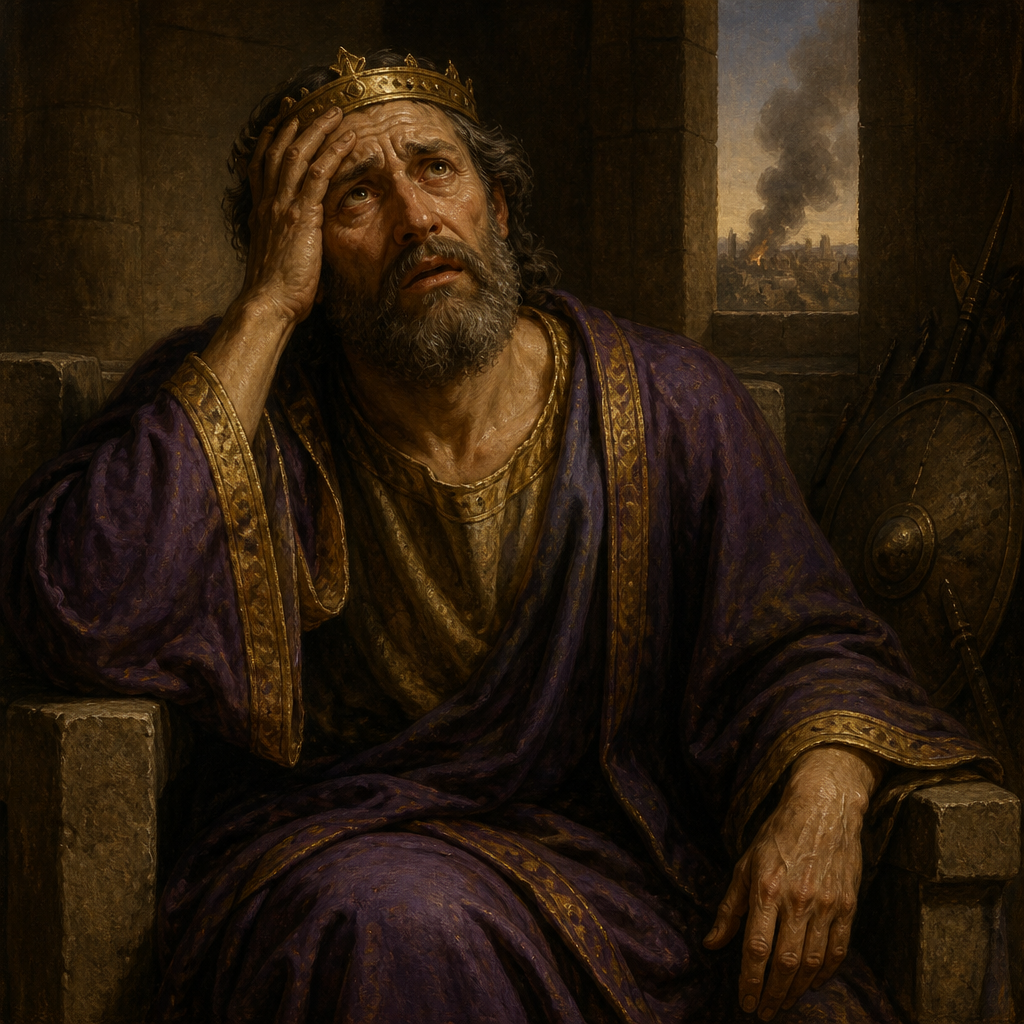
Jehoahaz, Son of Jehu
King of Israel whose army was decimated by the Arameans before he sought God's help
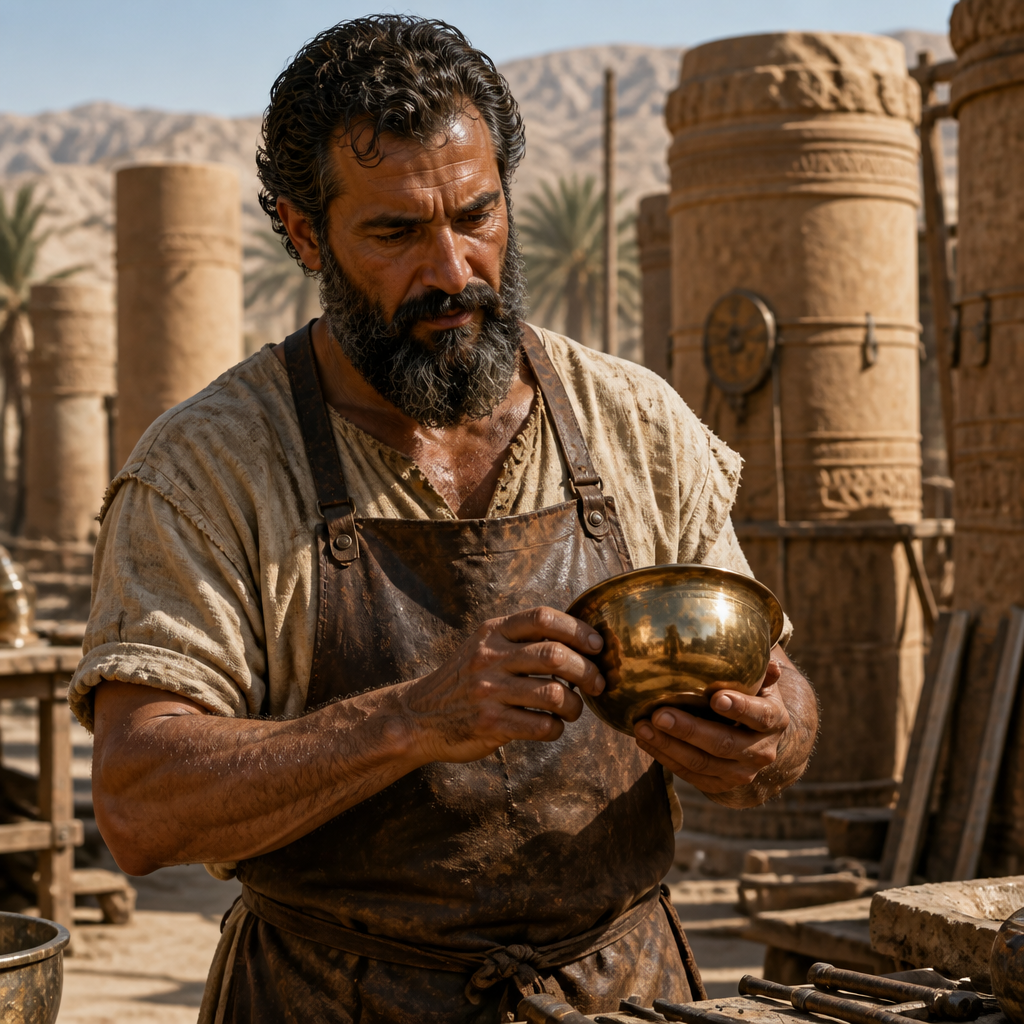
Huram, Artisan of the Temple
Master artisan who crafted the bronze pillars and vessels for Solomon's Temple
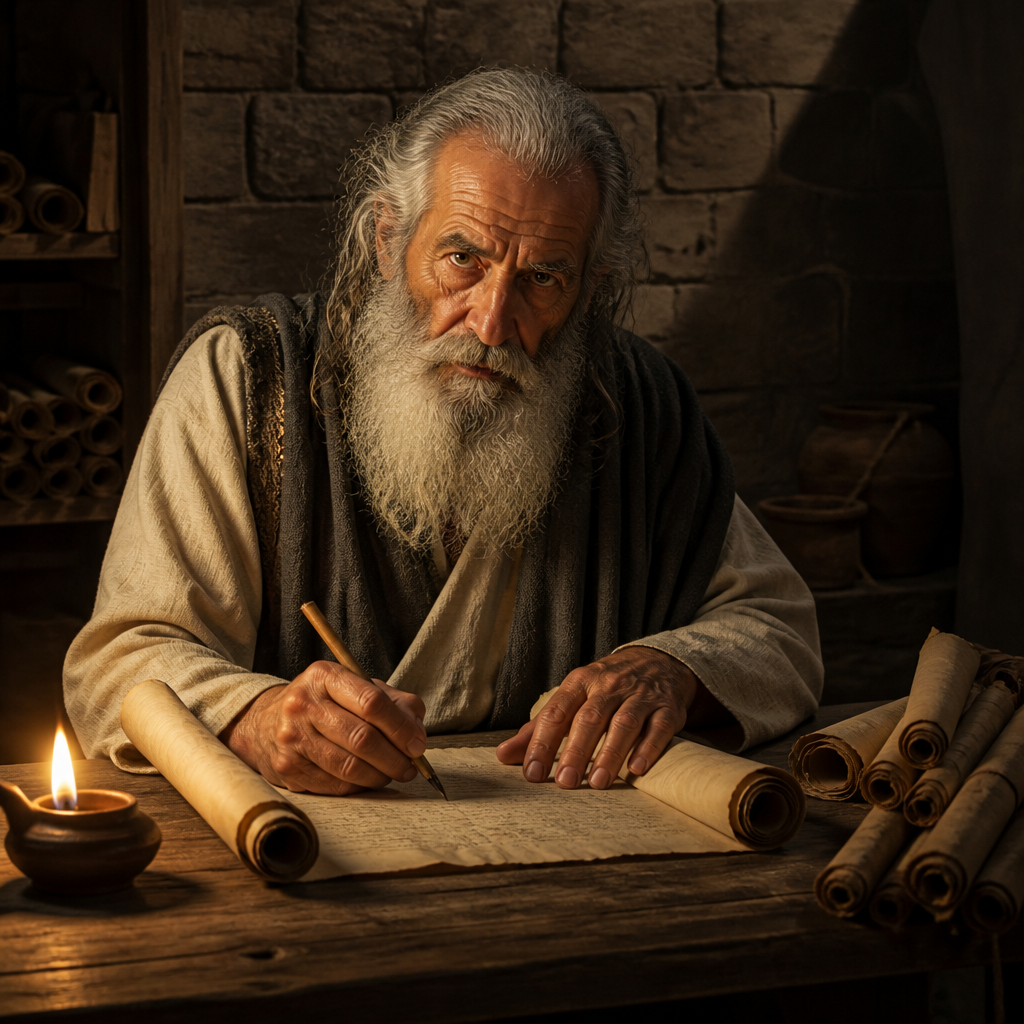
Iddo the Seer
Prophet and seer who wrote historical records and visions during the early Divided Monarchy
Shelomith, Child of Rehoboam
child of King Rehoboam and Maacah mentioned in the Judean royal genealogy
Conaniah
Levite officer who managed temple tithes under Hezekiah and donated livestock for Josiah’s Passover
Jeush, Son of Rehoboam
Prince of Judah and son of King Rehoboam mentioned in the royal genealogies
Isaiah
Prophet who advised King Hezekiah and foretold the coming of the Messiah
Absalom
Prince of Israel who led a major rebellion against his father King David
Ziza, Son of Rehoboam
Prince of Judah and son of King Rehoboam who is listed in the genealogies of 2 Chronicles
Jehoahaz, Son of Josiah
King of Judah who reigned for only three months before being imprisoned in Egypt
Shimei, Overseer of Hezekiah
Levite officer who served as second-in-command over the Temple tithes under King Hezekiah

Zechariah, Son of Jehoshaphat
son of King Jehoshaphat who was murdered by his brother Jehoram
Nathan the Prophet
Prophet who confronted King David about Bathsheba and delivered the Davidic Covenant
Azariah, Chief Priest of the Divided Monarchy
Chief priest who confronted King Uzziah for attempting to burn incense in the Temple
Jehu, son of Hanani
Prophet who rebuked King Baasha and King Jehoshaphat and recorded the history of the kings

Jahaziel, Son of Zechariah
Prophet who told King Jehoshaphat that the battle belonged to God
Shephatiah, Son of Jehoshaphat
Prince of Judah who was murdered by his brother King Jehoram
Ahaziah, Son of Ahab
King of Israel who died after falling through a lattice and seeking counsel from Baal-Zebub
Michael, Son of Jehoshaphat
Prince of Judah and son of Jehoshaphat who was murdered by his brother King Jehoram
Chenaanah, Father of Zedekiah
father of the false prophet Zedekiah who opposed Micaiah
Ben-hadad, Son of Tabrimmon
Aramean king who besieged Samaria and was defeated at Aphek
Oded, Father of Azariah
Prophet whose words inspired King Asa to remove idols from Judah
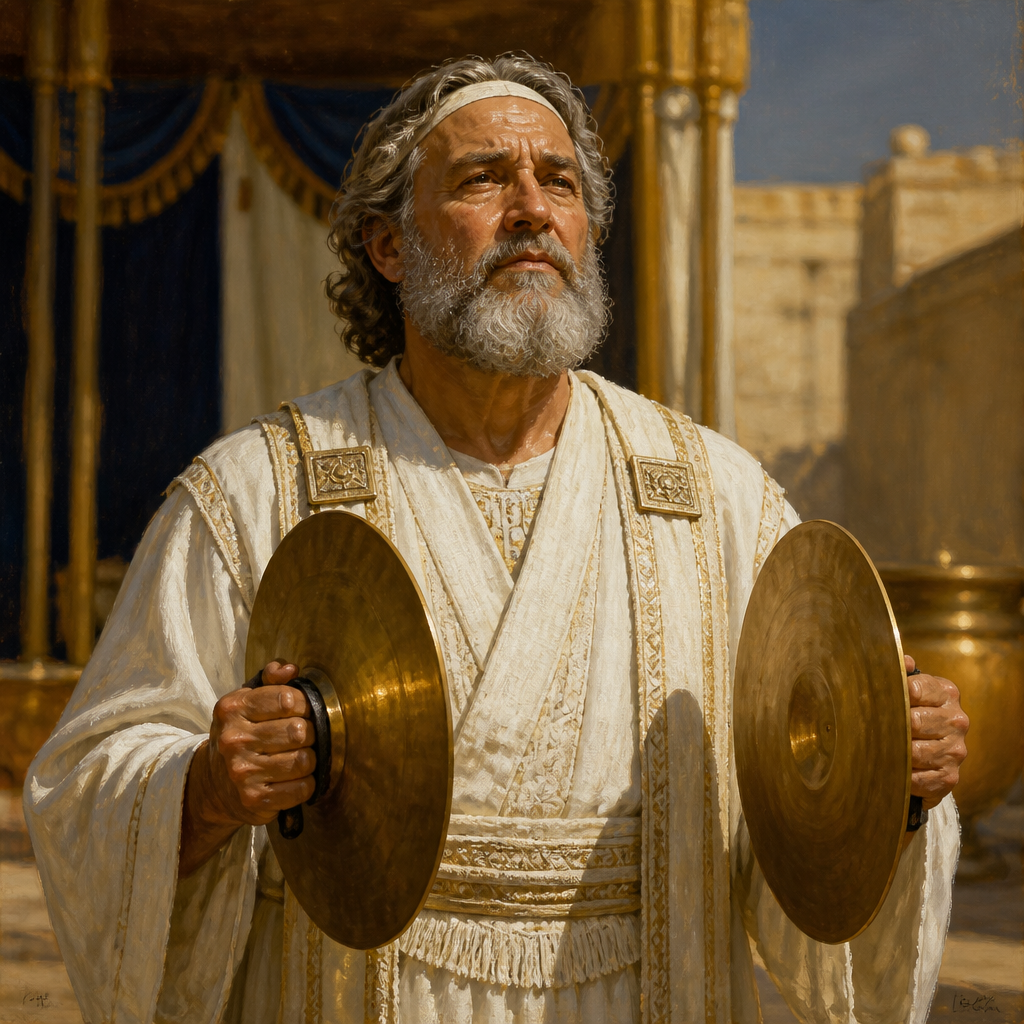
Heman the Singer
Levite singer and king's seer who led the Temple music under King David
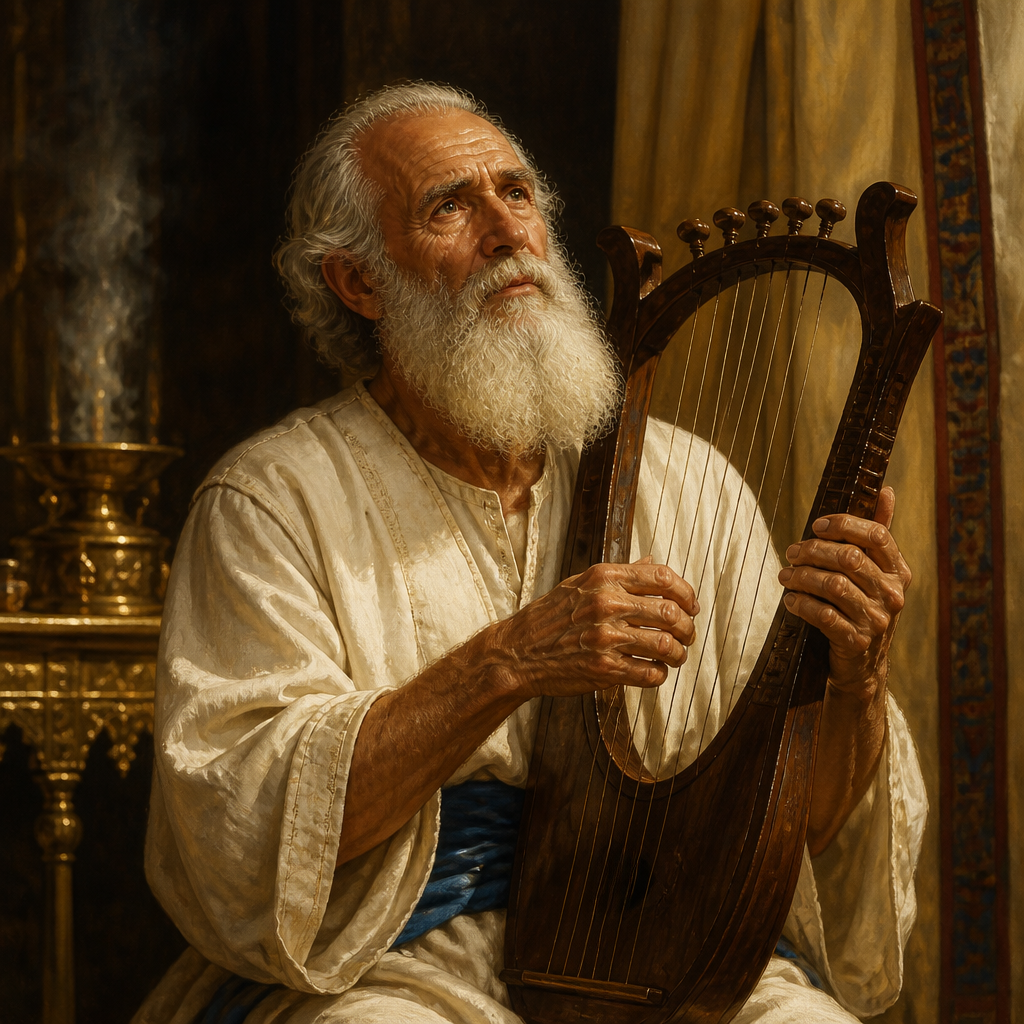
Jeduthun, Chief Musician of David
Chief musician of King David who prophesied with the harp and founded a guild of Temple singers
Ahijah the Shilonite
Prophet who tore his cloak into twelve pieces to symbolize the division of Israel
Azariah, Son of Jehoshaphat
Prince of Judah and son of Jehoshaphat who was murdered by his brother King Jehoram
Jehoiachin
King of Judah who was taken captive to Babylon and later released from prison
Eden, Assistant of Kore
Levite official who faithfully distributed portions to priests during King Hezekiah's reign
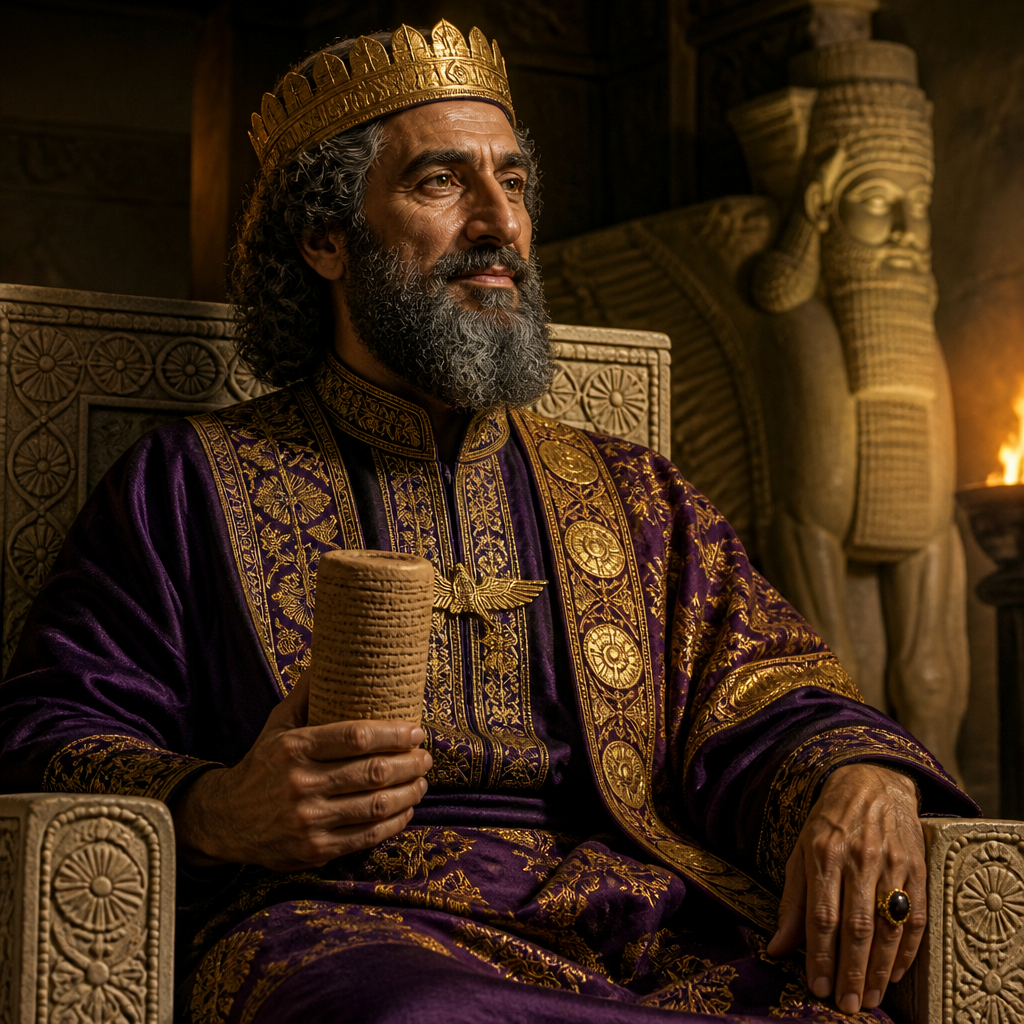
Cyrus
Persian king who issued the decree allowing the Jews to return from exile and rebuild the Temple
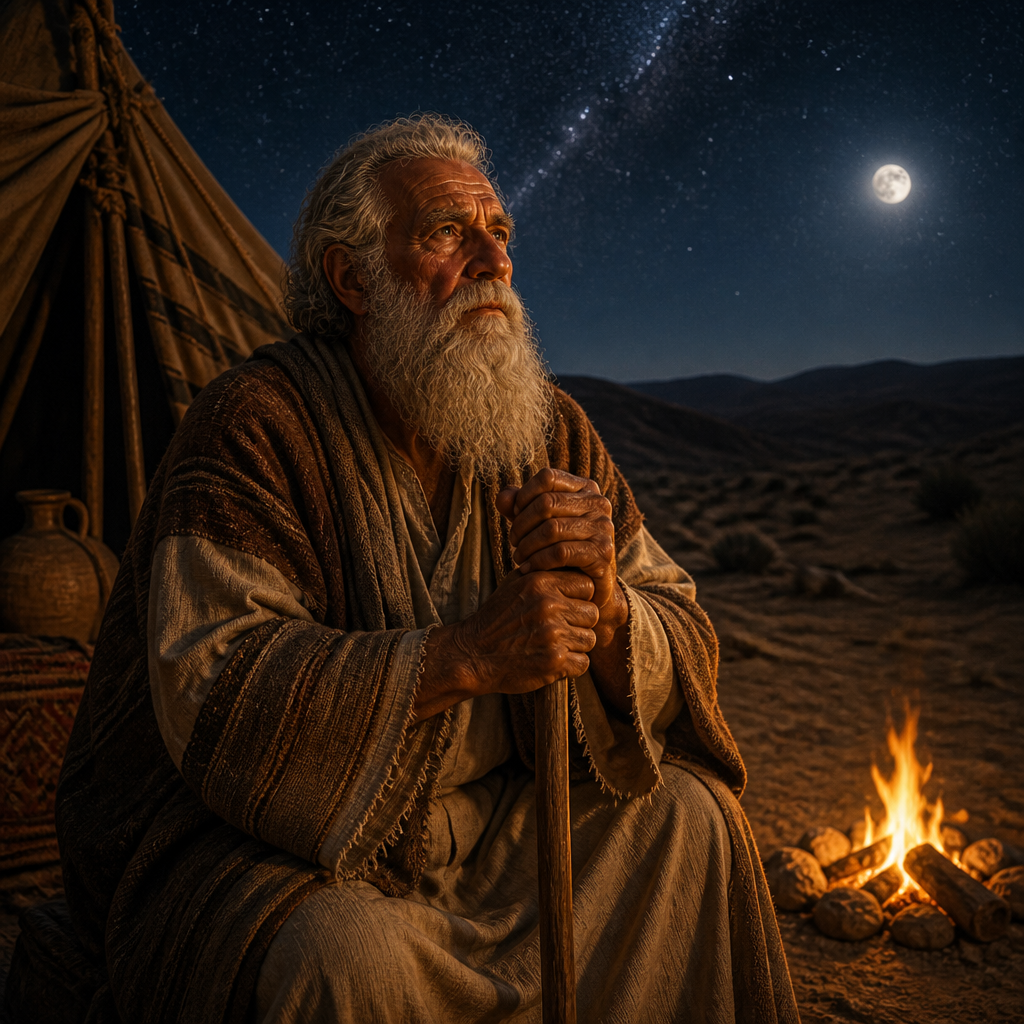
Abraham
Patriarch who is the father of the nation of Israel and an exemplar of faith
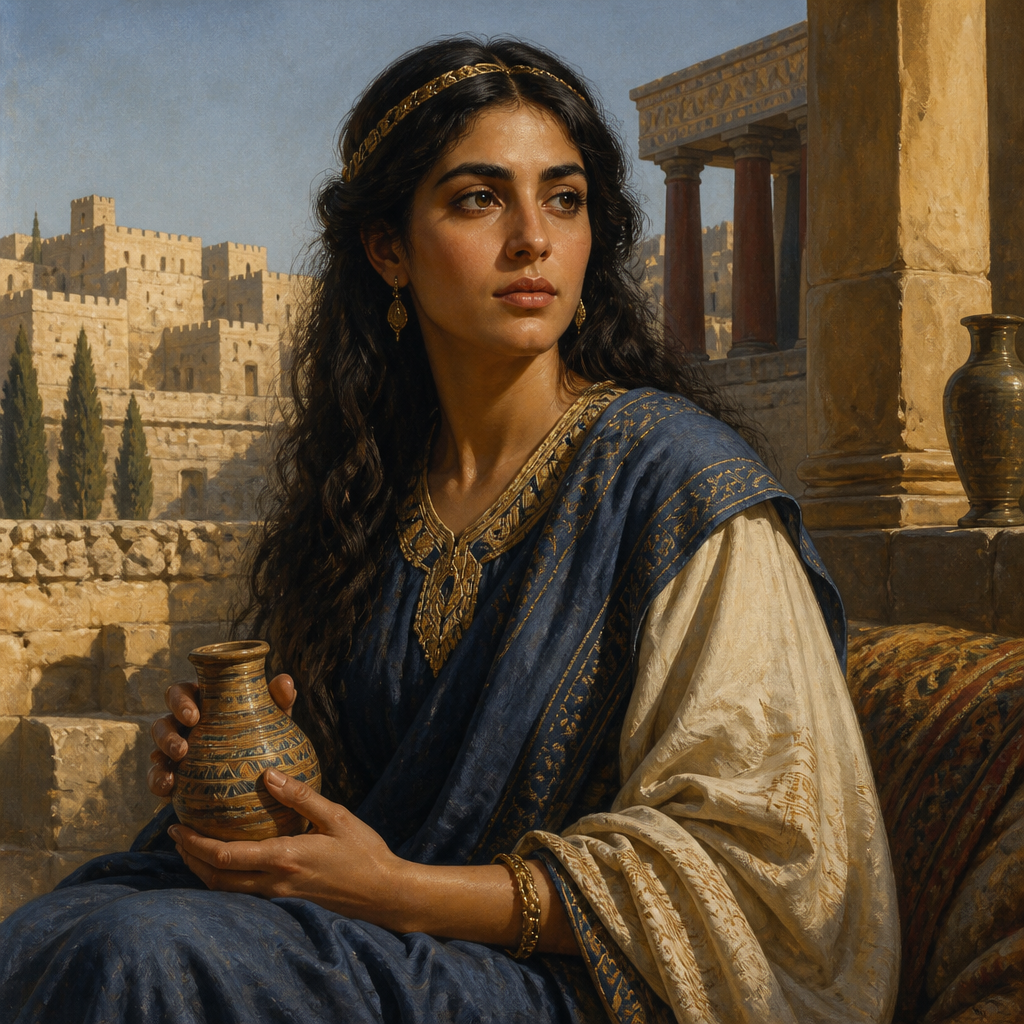
Mahalath, Wife of Rehoboam
Granddaughter of King David and wife of King Rehoboam
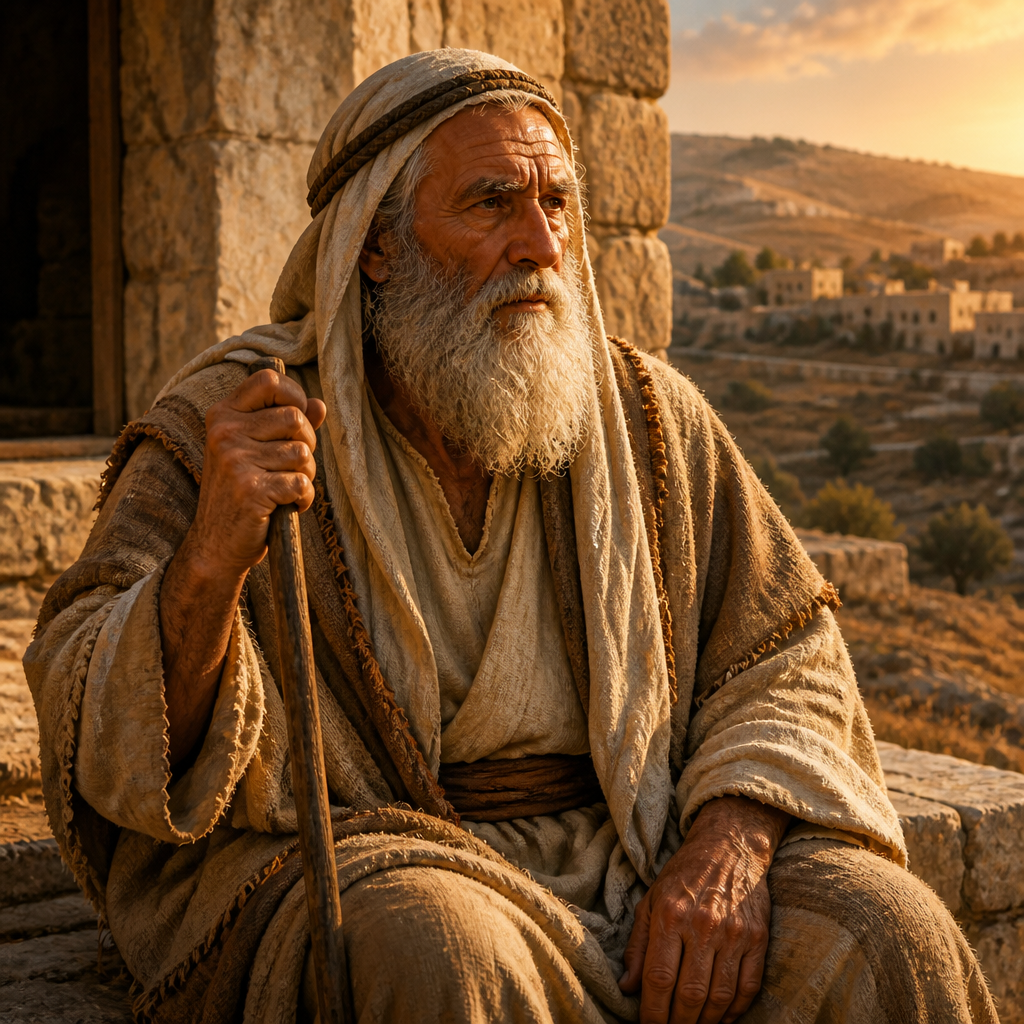
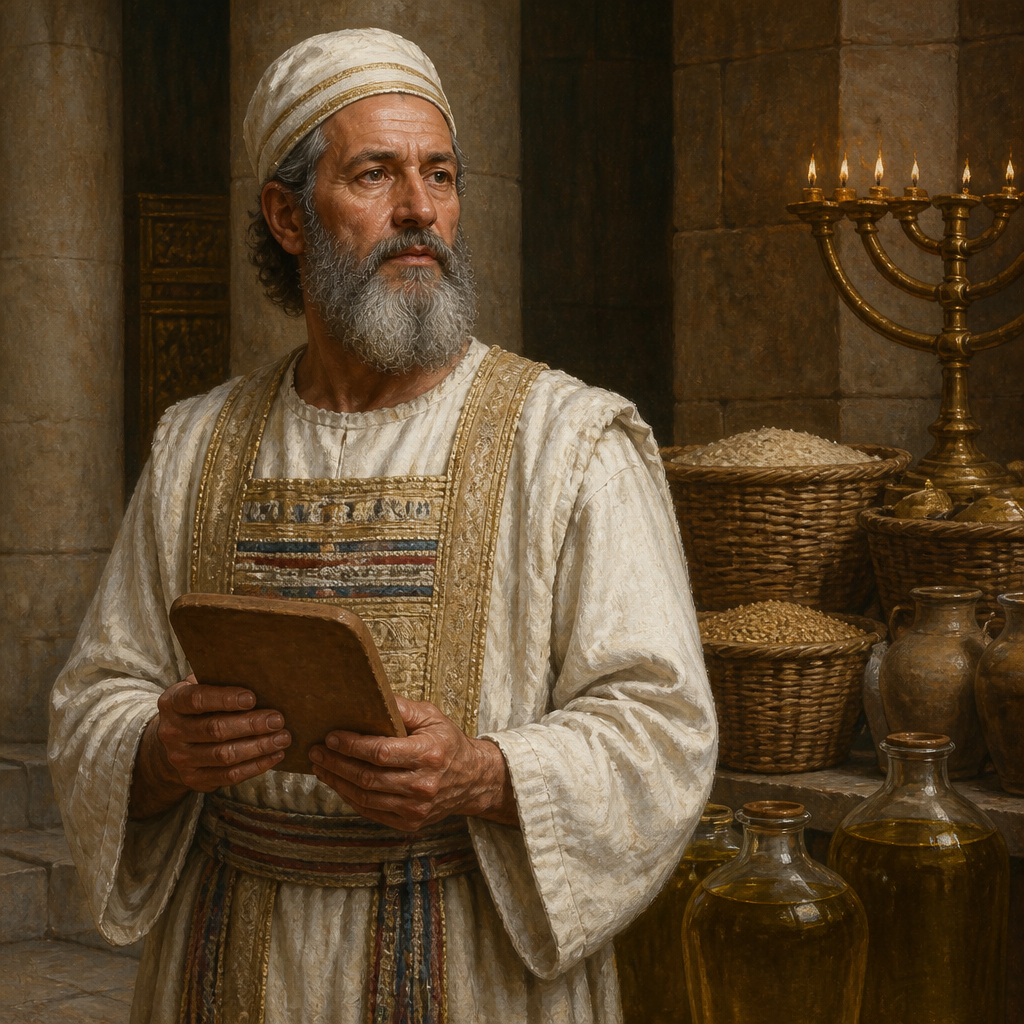
Azariah, Chief Priest of the Zadokite Lineage
Chief priest of the Zadokite line who oversaw the Temple storehouses during King Hezekiah's reforms
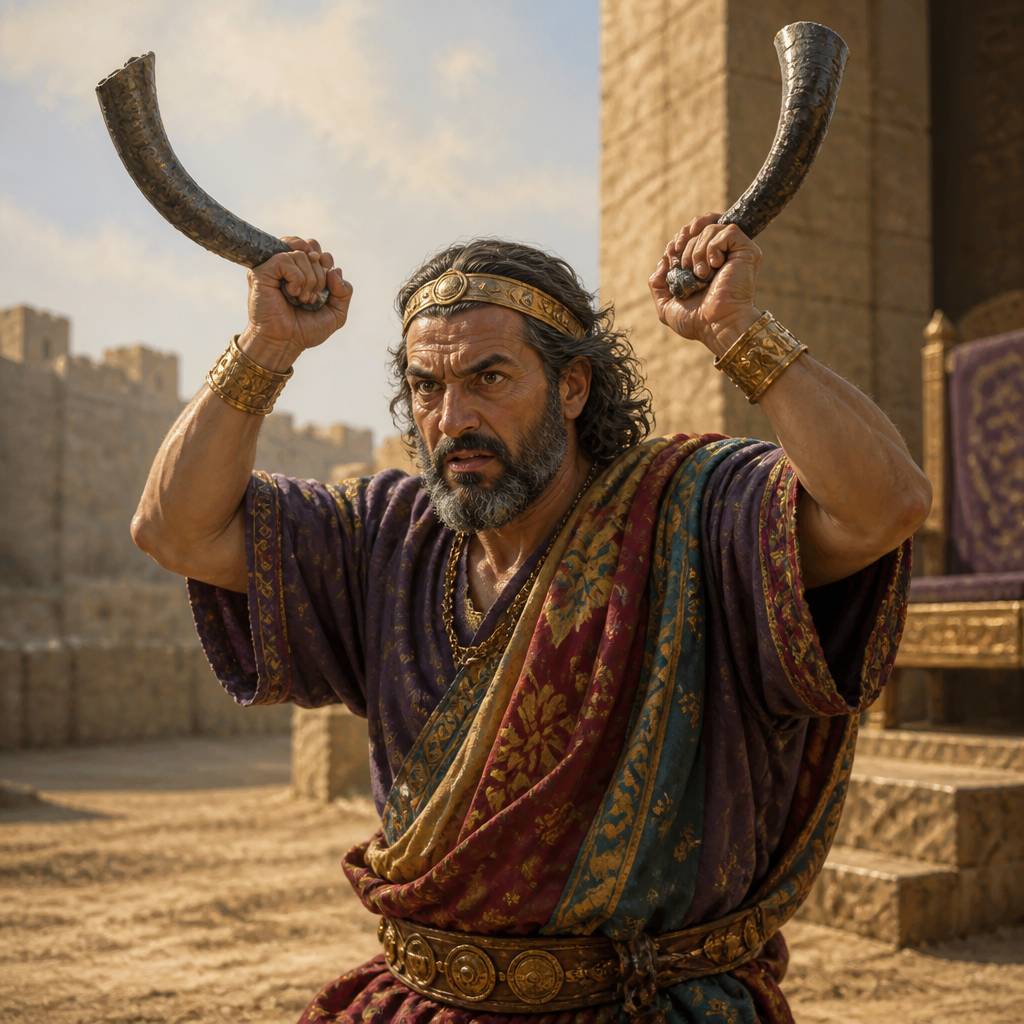
Zedekiah son of Chenaanah
Prophet who used iron horns to predict Ahab's victory and struck Micaiah in the face
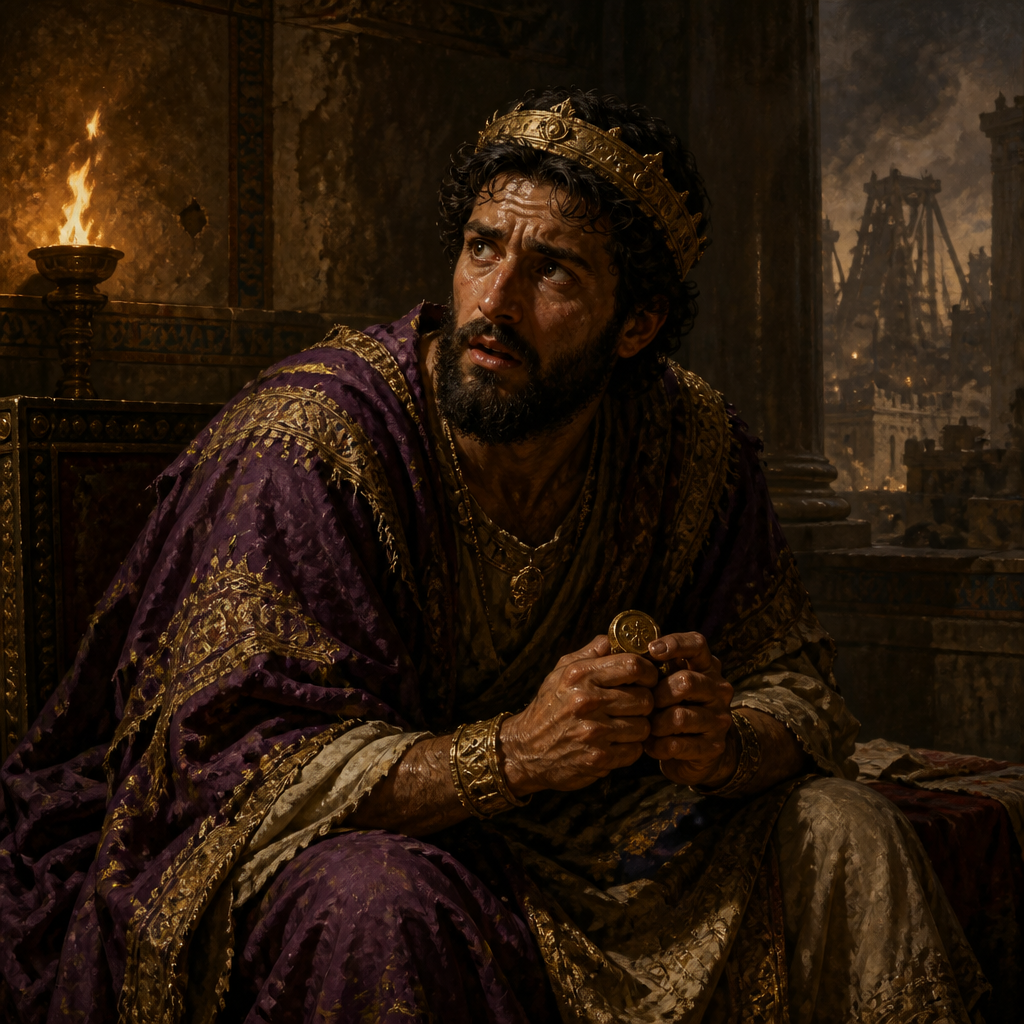
Zedekiah, Last King of Judah
Last King of Judah who was blinded at Riblah before Jerusalem and the Temple were burned
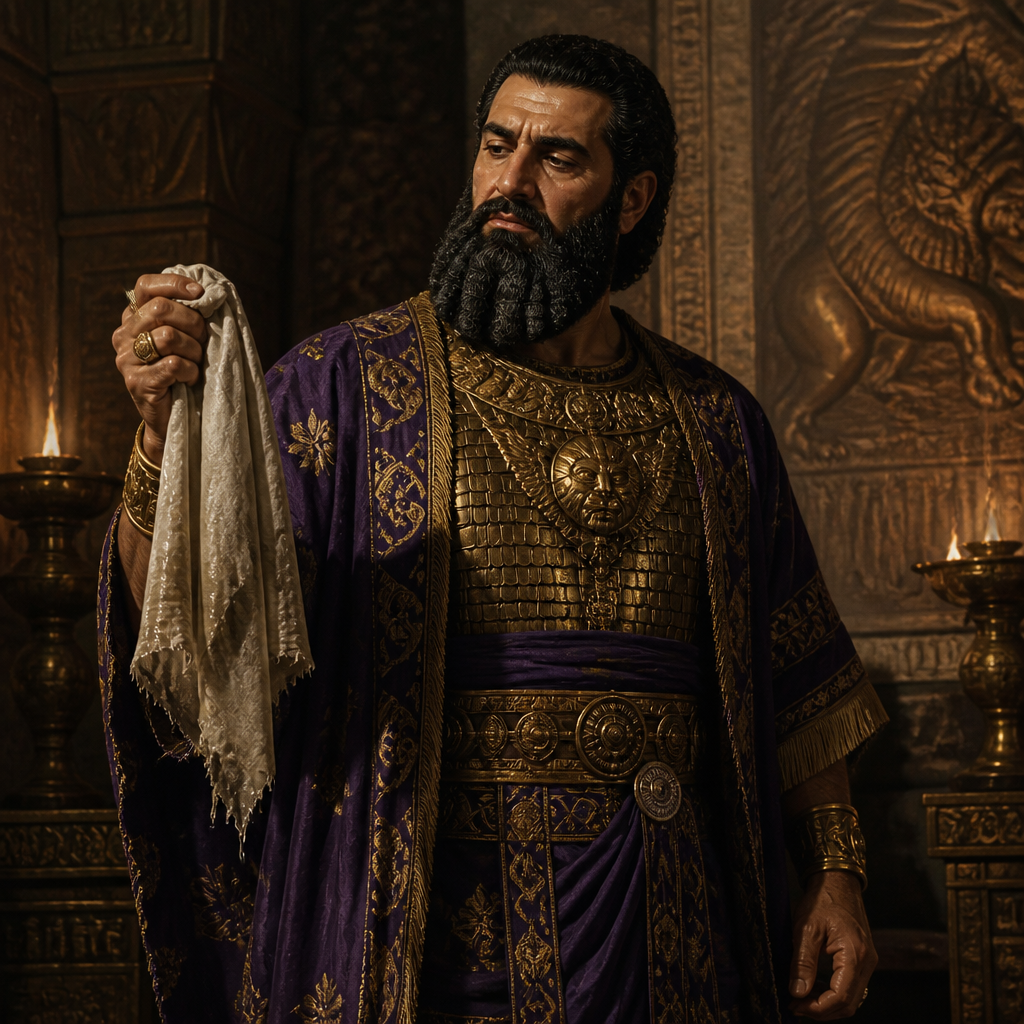
Hazael
King of Aram who oppressed Israel and was anointed at the command of God to Elijah
Jeuel, Levite of the Divided Monarchy
Levite who helped purify the Temple under King Hezekiah
Uriel of Gibeah
father of Queen Mother Micaiah and grandfather of King Abijah of Judah
Isaac
Patriarch who was the son of Abraham and the father of Jacob and Esau

Maaseiah the Officer
Military officer under King Uzziah who organized the army into battle divisions
Joah, Recorder to King Josiah
Royal recorder who helped oversee the Temple repairs under King Josiah

Miniamin, Levite of the Divided Monarchy
Levite official who faithfully distributed portions to the priests under King Hezekiah
Zadok, Grandfather of King Jotham
Grandfather of King Jotham and father of Queen Jerusha

Shemaiah, Levite of the Josiah Passover
Levitical officer who donated livestock for King Josiah's Passover
Eliab, Brother of David
Eldest brother of King David who was passed over for the kingship despite his height and appearance

Mahath, Overseer of the Temple
Temple overseer who managed tithes and offerings under King Hezekiah

Mattaniah, Asaphite of Hezekiah’s Reform
Levite who helped King Hezekiah cleanse the Temple during his religious reforms

Zerah the Cushite
Cushite commander who invaded Judah with a million-man army
Jehizkiah
Ephraimite leader who prevented the enslavement of Judean captives

Obadiah, Levite Overseer of Josiah
Levite overseer who faithfully supervised the repairs of the Temple during the reforms of King Josiah
Pharaoh's Daughter, Wife of Solomon
Egyptian princess whose marriage to King Solomon formed a major political alliance
Judah, Son of Jacob
Patriarch who received the blessing of the scepter and whose lineage produced King David and Jesus Christ

Zechariah, Levite of the Divided Monarchy
Levite who faithfully oversaw the repair of the Temple under King Josiah
Jahath, Merarite Overseer
Levite who faithfully oversaw the Temple repairs under King Josiah
Shomer, Mother of Jehozabad
Moabite mother of Jehozabad who conspired against King Joash
Azariah son of Obed
Commander of hundreds who helped restore King Joash to the throne
Eden son of Joah
Levite of the Gershonite clan who assisted in cleansing the Temple under King Hezekiah
Pharaoh, Father-in-law of Solomon
Egyptian monarch who formed a marriage alliance with Solomon and gifted him the city of Gezer

Tobijah, Levite of the Divided Monarchy
Levite commissioned by King Jehoshaphat to teach the Law throughout the cities of Judah

Mattaniah, Ancestor of Jahaziel
Levite ancestor of the prophet Jahaziel in the line of Asaph
Japhia, Son of David
Son of King David born in Jerusalem during the United Monarchy
Benaiah, Overseer under Hezekiah
Overseer of tithes and offerings under King Hezekiah
Jerimoth, Son of David
Son of David and father of Mahalath, the wife of King Rehoboam
Eliezer, Son of Dodavahu
Prophet who condemned King Jehoshaphat's alliance with King Ahaziah