Imlah
Who was Imlah in the Bible?
A man of the Divided Monarchy period known solely as the father of the prophet Micaiah, who stood against the false prophets of King Ahab.
Imlah was a resident of the Northern Kingdom of Israel during the 9th century BC, specifically during the reign of King Ahab. Though Imlah does not appear personally within the narrative of the Hebrew Bible, his name is preserved as a patronymic identifier for one of the most significant minor prophets of the Divided Monarchy: Micaiah. In the biblical text, the identification 'Micaiah son of Imlah' serves to distinguish this prophet from others of the same name and to establish his lineage within the social fabric of Israel.
Imlah's historical footprint is found exclusively in the accounts of the disastrous military alliance between King Ahab of Israel and King Jehoshaphat of Judah. When the two kings sought a divine word regarding their campaign against Ramoth-gilead, Micaiah was summoned. The repeated mention of Imlah in this context suggests that he may have been a man of some standing, or that the association with his name was necessary to locate Micaiah when the king's officials were dispatched to find him.
Background and Family
Imlah lived during the mid-9th century BC, an era defined by the spiritual and political volatility of the Divided Monarchy. He is identified in the Masoretic Text by the Hebrew name Yimlah, which carries the meaning 'He will fill' or 'plentiful.' While the biblical record does not explicitly state Imlah’s tribe or specific hometown, he is firmly situated within the Northern Kingdom of Israel.
His primary significance in the biblical canon is his role as the father of Micaiah. In ancient Israelite culture, the use of a father’s name was the standard method of identification, yet the consistent inclusion of 'son of Imlah' in both the Books of Kings and Chronicles suggests that Imlah was well-known to the royal court of Samaria. Whether Imlah himself was a prophet or a member of the prophetic schools is not stated; however, he raised a son who demonstrated remarkable spiritual fortitude and uncompromising loyalty to Yahweh.
Major Life Events
Because Imlah is mentioned only in relation to his son’s summons to the court of Ahab, there are no recorded personal actions attributed to him. However, he is inextricably linked to the events of 1 Kings 22 and 2 Chronicles 18. During this time (c. 853 BC), King Ahab was surrounded by four hundred court prophets who provided favorable, albeit false, predictions regarding a war with Syria.
When King Jehoshaphat of Judah requested a 'prophet of the LORD' (Yahweh) to consult, Ahab reluctantly identified Micaiah son of Imlah. The king’s immediate recognition of Micaiah by his father’s name indicates that the house of Imlah was likely established in the vicinity of Samaria or was otherwise prominent enough to be under constant royal surveillance.
Relationship to Other Biblical Figures
Imlah's most significant relationship is with his son, Micaiah. The text presents Micaiah as a solitary figure of truth in a sea of deception. The fact that the royal officials were ordered to 'Bring Micaiah son of Imlah at once' (1 Kings 22:9) highlights that the family name was the key identifier used by the crown to locate the prophet.
Imlah is also indirectly positioned in opposition to the house of Ahab. While Ahab 'hated' Micaiah because of his dire prophecies, the name Imlah remained a constant descriptor for the man who eventually predicted Ahab’s death in battle.
Spiritual Significance
While Imlah remains a silent figure in history, his legacy is felt through the character of his son. In the theological framework of the Old Testament, the naming of a father often reflects the transmission of values or the standing of a household before God. Micaiah’s refusal to speak anything other than what the Lord told him suggests a heritage of faith that may have originated with Imlah. In a time when the Northern Kingdom was heavily influenced by Ba'al worship under Jezebel and Ahab, the house of Imlah remained a source of true Yahwistic prophecy. Consequently, Imlah represents the many largely unknown individuals during the Divided Monarchy who maintained their identity and lineage amidst the spiritual apostasy of the nation.
Imlah serves as a vital genealogical marker in the narrative of the Northern Kingdom. His significance lies in his paternity of Micaiah, a prophet who represents the 'remnant' of faithful Yahweh-worshipers during the reign of Ahab. By providing the name Imlah, the biblical authors ensure that Micaiah is recognized as a specific historical individual with a clear lineage, rather than an anonymous or legendary figure.
Theologically, the mention of Imlah underscores the importance of the family unit in the prophetic tradition. Even in a period of intense religious corruption, the name of a father like Imlah is preserved because his son remained a faithful witness to the truth of God's word against the political powers of the day.
Frequently Asked Questions
Who was Imlah's son?
Imlah was the father of the prophet Micaiah, who famously prophesied the defeat and death of King Ahab.
What does the name Imlah mean?
The Hebrew name Imlah (יִמְלָה) is generally translated as 'He will fill' or 'plentiful.'
When did Imlah live?
Imlah lived during the Divided Monarchy, specifically during the 9th century BC during the reign of King Ahab of Israel.
Was Imlah a prophet?
The Bible does not explicitly state that Imlah was a prophet; he is only identified as the father of the prophet Micaiah.
In which books of the Bible is Imlah mentioned?
Imlah is mentioned in 1 Kings and 2 Chronicles.
Family & Relationships
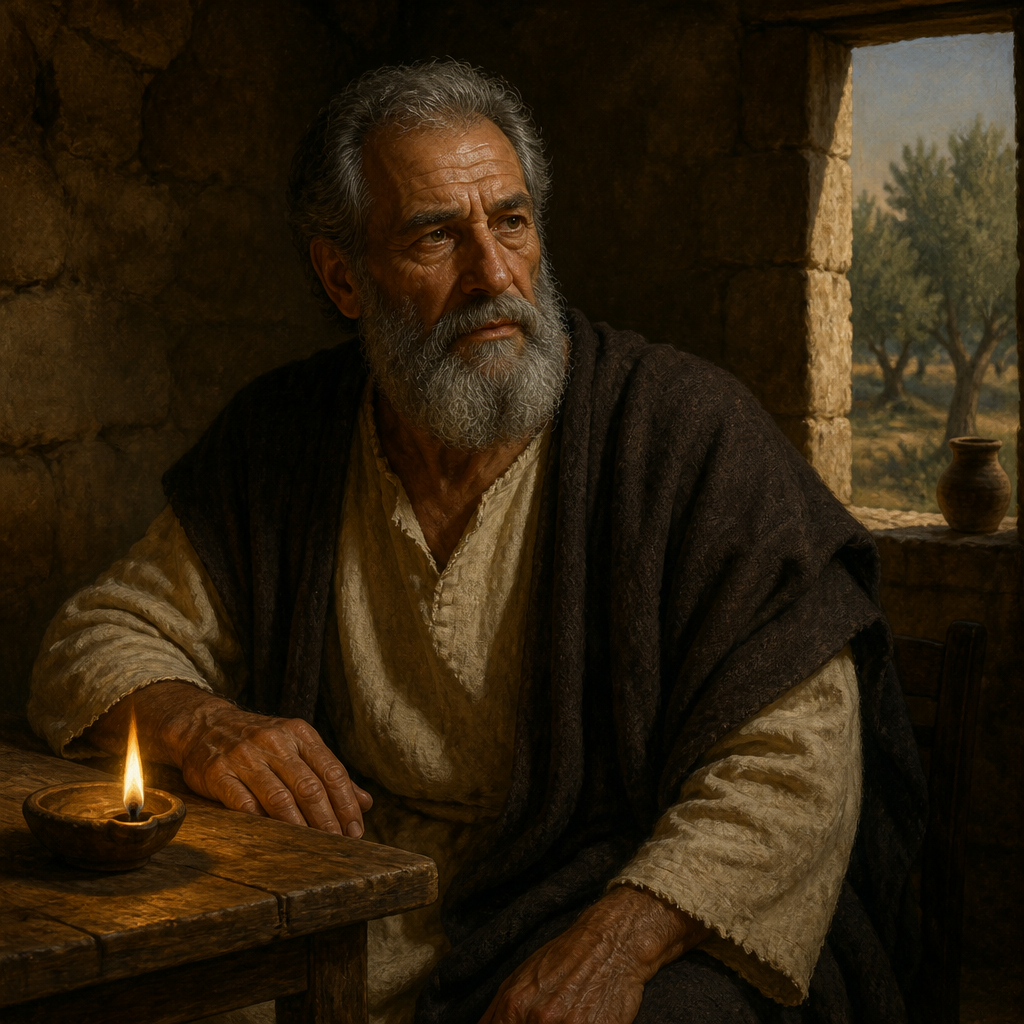 ImlahThis page
Children
 Micaiah, Son of ImlahSon1 Kings 22:8Stated
Connected Figures
Family
Son · 1 Kings 22:8
A prophet of the Northern Kingdom of Israel during the Divided Monarchy who courageously predicted the death of King Ahab in battle despite facing intense royal opposition.
Categories
Mentions by Book
- 1 Kings2
- 2 Chronicles2
Scripture References
All 4 indexed verses, in canonical order, from the Berean Standard Bible.
1 Kings · 2
- 1 Kings 22:8
The king of Israel answered, “There is still one man through whom we can inquire of the LORD, but I hate him because he never prophesies anything good for me, but only bad. He is Micaiah son of Imlah.” “The king should not say that!” Jehoshaphat replied.
- 1 Kings 22:9
So the king of Israel called one of his officials and said, “Bring Micaiah son of Imlah at once.”
2 Chronicles · 2
- 2 Chronicles 18:7
The king of Israel answered, “There is still one man through whom we can inquire of the LORD, but I hate him because he never prophesies anything good for me, but only bad. He is Micaiah son of Imlah.” “The king should not say that!” Jehoshaphat replied.
- 2 Chronicles 18:8
So the king of Israel called one of his officials and said, “Bring Micaiah son of Imlah at once.”