Joab, Commander of the Army
Joab was the nephew of King David and the supreme commander of Israel's military during the United Monarchy, known for his tactical brilliance and ruthless pragmatism.
Joab, the son of Zeruiah, stands as one of the most complex and influential figures in the history of the United Monarchy of Israel. As the nephew of King David, he rose to prominence during the king's early struggles against the house of Saul and eventually secured his position as commander-in-chief of the national army. Joab was a man of fierce loyalty to the Davidic throne, yet he often operated according to his own moral and political code, frequently clashing with David's more merciful impulses.
Throughout his long career, Joab was instrumental in expanding Israel's borders, securing the capital city of Jerusalem, and suppressing numerous internal rebellions. However, his legacy is deeply stained by acts of calculated violence, including the assassinations of rival generals Abner and Amasa, and the execution of David’s son, Absalom. His life serves as a study in the tension between necessary military strength and the corruptive nature of unchecked political power.
Background and Family
Joab was a member of the tribe of Judah and the son of Zeruiah, who was a sister of King David (1 Chronicles 2:16). This familial tie placed Joab and his brothers, Abishai and Asahel, in the inner circle of David's burgeoning movement during the reign of Saul. While the Bible identifies his mother, Zeruiah, the identity of his father is not explicitly detailed, though 2 Samuel 2:32 mentions a family tomb in Bethlehem. Joab’s brothers were also notable warriors; Abishai was a frequent companion in David’s exploits, and Asahel was famously "fleet of foot like a wild gazelle" (2 Samuel 2:18).
Joab’s rise to the supreme command of Israel's forces was not merely a result of nepotism but of military achievement. According to 1 Chronicles 11:6, David promised the position of chief commander to whoever first struck the Jebusites during the conquest of Jerusalem. Joab successfully led the assault and subsequently oversaw the restoration and fortification of the city, securing his place as the king's right hand.
Major Life Events
The Rivalry with Abner
The early years of Joab's career were defined by the civil war between David (king of Judah) and Ish-bosheth (son of Saul, king of Israel). During a skirmish at the pool of Gibeon, the commander of Ish-bosheth's forces, Abner, killed Joab's brother Asahel in self-defense. Although David later negotiated a peace treaty with Abner to unite the kingdoms, Joab refused to accept the reconciliation. Driven by both personal vengeance and political suspicion, Joab deceived Abner, luring him into a private meeting in Hebron where he stabbed him to death. David publicly condemned the act, yet he felt unable to fully restrain the sons of Zeruiah (2 Samuel 3:39).
Military Conquests and Uriah the Hittite
Joab was the architect of many of David’s greatest military victories. He led campaigns against the Arameans, Edomites, and Ammonites. During the siege of Rabbah, Joab proved his absolute—albeit dark—loyalty to David by carrying out the king's secret order to ensure the death of Uriah the Hittite. Joab placed Uriah at the forefront of the heaviest fighting and then withdrew support, effectively executing the man to cover David’s adultery with Bathsheba (2 Samuel 11).
The Rebellion of Absalom
Joab’s relationship with David reached a breaking point during the rebellion of the king’s son, Absalom. Initially, Joab acted as a mediator, using a wise woman from Tekoa to convince David to allow Absalom to return to Jerusalem (2 Samuel 14). However, when Absalom eventually led an open revolt, Joab took command of the loyalist forces. Despite David’s explicit command to "treat the young man Absalom gently," Joab personally killed Absalom while the prince was trapped in a tree. Joab later rebuked a grieving David, forcing the king to acknowledge the troops who had saved his throne (2 Samuel 19:5-7).
The Census and Downfall
In David’s later years, Joab showed a rare moment of spiritual discernment by opposing David’s sinful census of the people, though he was ultimately overruled (2 Samuel 24). As David’s death approached, Joab’s political instincts finally failed him. He backed Adonijah as the successor to the throne instead of Solomon. Following Solomon's coronation, and acting on David's deathbed instructions to settle the account of Joab’s past murders, Solomon ordered Joab's execution. Joab fled to the Tabernacle and took hold of the horns of the altar, but he was struck down there by Benaiah (1 Kings 2:28-34).
Relationship to Other Biblical Figures
Joab’s most significant relationship was with King David. He was the king’s enforcer—the man who did the "dirty work" that David’s conscience or public image would not allow. While David relied on Joab’s competence, he often lamented Joab's ruthlessness.
Joab also had a competitive and lethal relationship with his rivals, Abner and Amasa. In both cases, Joab viewed these men as threats to his position and the stability of David’s reign. His brothers Abishai and Asahel were his closest allies, forming a formidable military triumvirate that defined the early years of the United Monarchy.
Spiritual Significance
Joab serves as a cautionary figure in the biblical narrative. He represents a form of "secular" devotion to the kingdom of God—he fought for God's anointed king and defended the nation, yet he lacked the heart for God that characterized David. Joab’s reliance on the sword, his willingness to shed innocent blood in peacetime, and his eventual death by the sword illustrate the biblical principle that those who live by violence will be judged by it. His life highlights the danger of placing political and military expediency above divine law and human mercy.
Spiritual Significance
Theologically, Joab represents the 'sons of Zeruiah' who are too difficult for David to manage, illustrating the limits of the king's power and the messy reality of the early Israelite state. He is a man who understands the logistics of the kingdom but fails to grasp the ethics of the covenant. His opposition to the census in 2 Samuel 24 shows that even a hardened warrior could recognize when the king was overstepping his bounds before God, yet his long history of bloodguilt eventually necessitated his removal to ensure the 'peace' of Solomon’s reign.
His death at the horns of the altar is deeply symbolic. While the altar was a place of refuge, the Law of Moses provided no sanctuary for a premeditated murderer (Exodus 21:14). Joab’s end reinforces the theme that justice eventually reaches even the most powerful and well-connected individuals, as Solomon purges the 'blood of war shed in peacetime' to establish a stable and righteous kingdom.
Frequently Asked Questions
Why did Joab kill Abner?
Joab killed Abner primarily to avenge the death of his brother, Asahel, whom Abner had killed in battle. Additionally, Joab likely viewed Abner as a political threat to his own position as commander of the army.
Did Joab help David kill Uriah?
Yes. When David sent Joab a letter instructing him to place Uriah the Hittite in the heat of the battle and then retreat, Joab obeyed. He assigned Uriah to a dangerous position where he was sure to be killed by the Ammonites.
Why did David order Solomon to kill Joab?
On his deathbed, David instructed Solomon to execute Joab because Joab had murdered two innocent commanders, Abner and Amasa, during times of peace. David wanted to remove the stain of this bloodguilt from his royal house.
How did Joab die?
After Solomon became king, Joab fled to the tent of the Lord and took hold of the horns of the altar for sanctuary. However, by the king's command, Benaiah son of Jehoiada struck him down and killed him there.
Why did Joab kill Absalom against David's orders?
Joab prioritized the stability of the kingdom over David's personal feelings. He believed that as long as Absalom lived, he would remain a threat to David’s throne and the safety of the nation.
Connected Figures
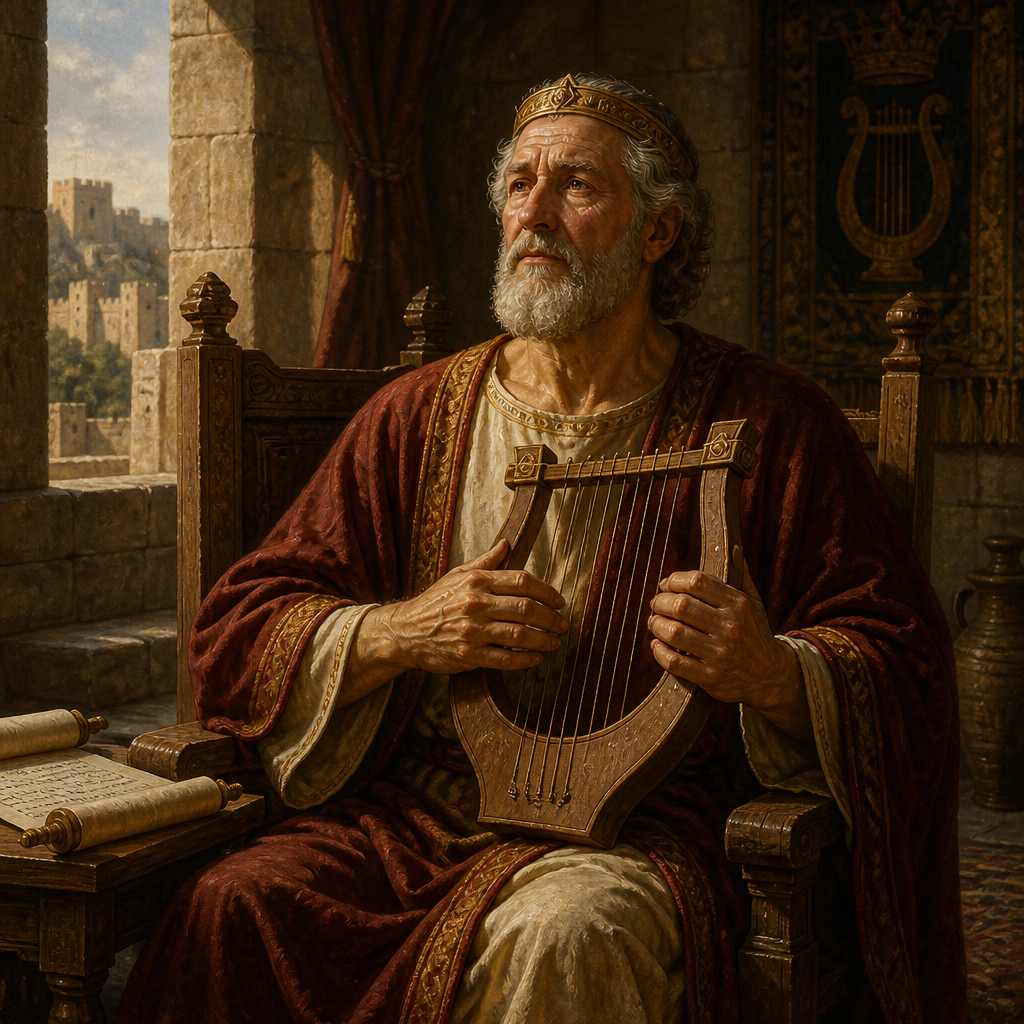
David
Uncle and King
Abishai
Brother
Asahel
Brother
Zeruiah
Mother
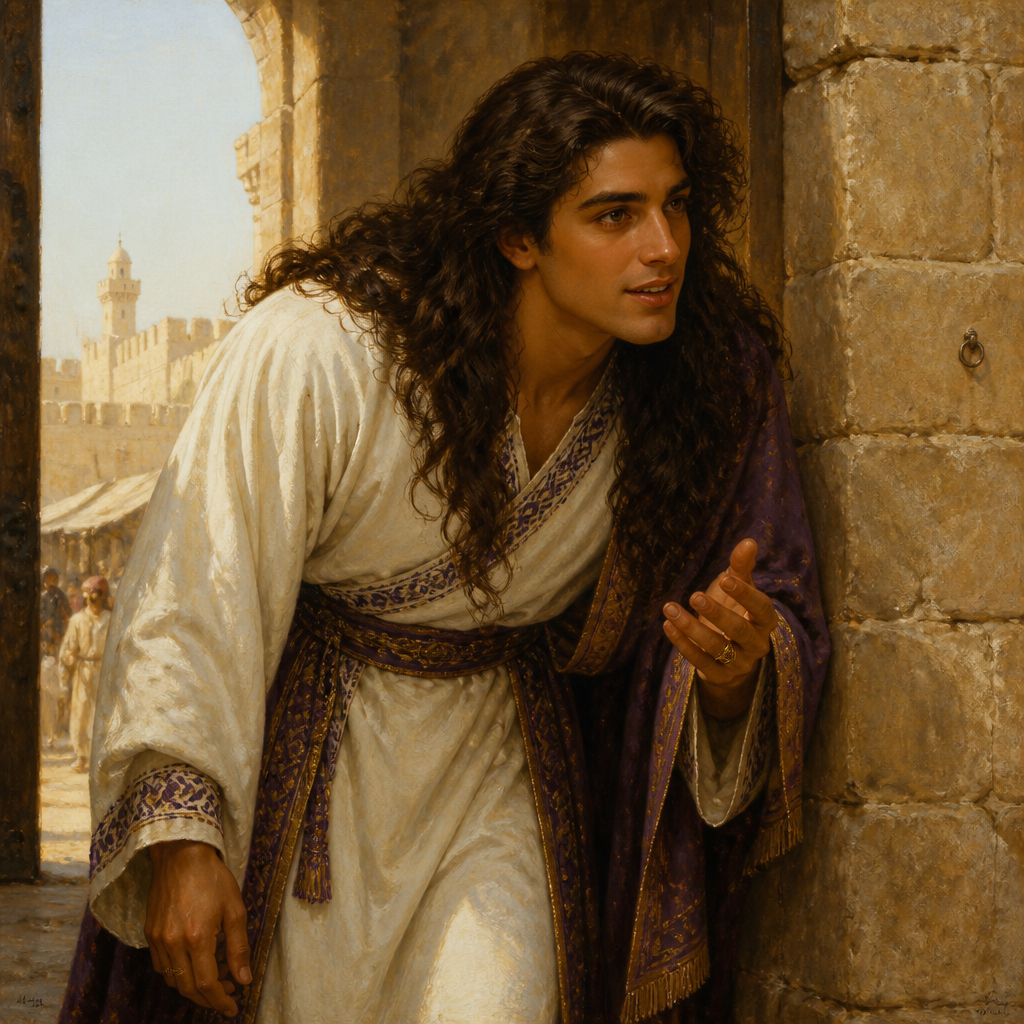
Absalom
Cousin (whom he killed)
Benaiah
Successor and Executioner
Categories
Mentions by Book
- 2 Samuel84
- 1 Chronicles21
- 1 Kings13
- 1 Samuel1
- Psalms1