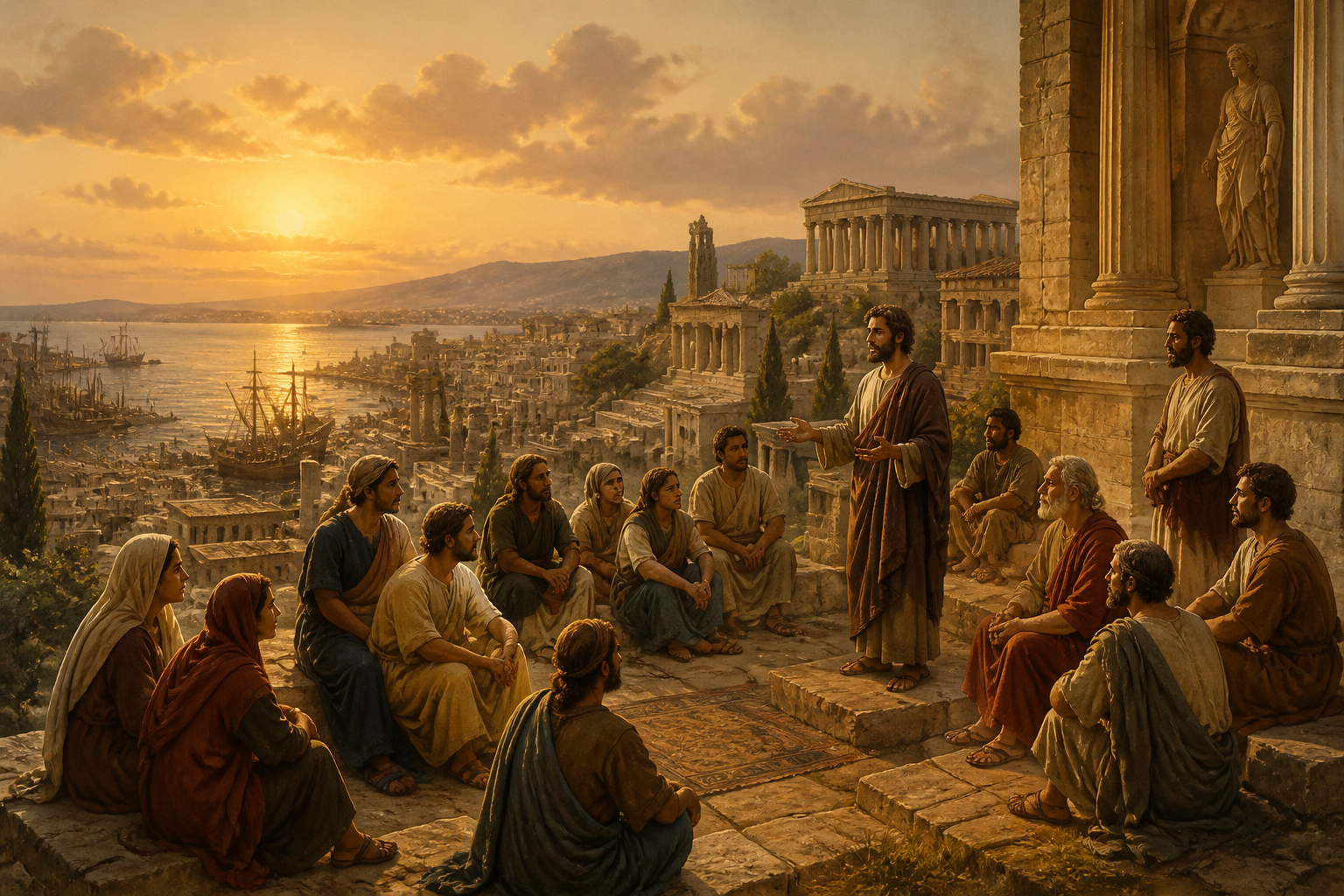
The Church at Ephesus
A central hub of early Christianity in Asia Minor, the Ephesian believers were known for their theological rigor and transformation from paganism.
“And a number of those who had practiced magic arts brought their books together and burned them in the sight of all. And they counted the value of them and found it came to fifty thousand pieces of silver.” — Acts 19:19
The Church at Ephesus represents one of the most significant urban centers of the early Christian movement. Located on the coast of Ionia in modern-day Turkey, Ephesus was the site of the Temple of Artemis, one of the Seven Wonders of the Ancient World. This cultural backdrop created a stark contrast for the emerging Christian community, which was established primarily through the missionary work of the Apostle Paul during the mid-1st century AD. The community served as a strategic base for operations, fostering a diverse group of believers ranging from former practitioners of the occult to dedicated traveling companions of the apostles.
Biblically, the Ephesian church is distinguished by its direct association with major New Testament figures including Paul, Timothy, and tradition suggests, the Apostle John. The Book of Acts records that Paul spent three years in the city, the longest time he invested in any single mission, emphasizing its importance as a regional headquarters for the Gospel's spread into the province of Asia. The members of this church were noted for their profound transformation, illustrated by the public burning of expensive sorcery scrolls, signaling a decisive break from the prevailing Greco-Roman religious and magical traditions.
Beyond its early successes, the Church at Ephesus serves as a case study in the challenges of the late 1st-century AD church. While praised for their endurance and discernment against false teachers, they were later critiqued in the Book of Revelation for losing their 'first love.' The community produced several notable individuals who assisted in the broader Pauline mission, acting as couriers and delegates. Their story captures the transition from a Jewish-sectarian identity to a globalized faith navigating the complexities of Roman imperial life, urban commerce, and diverse religious pluralism.
The group
The Church at Ephesus
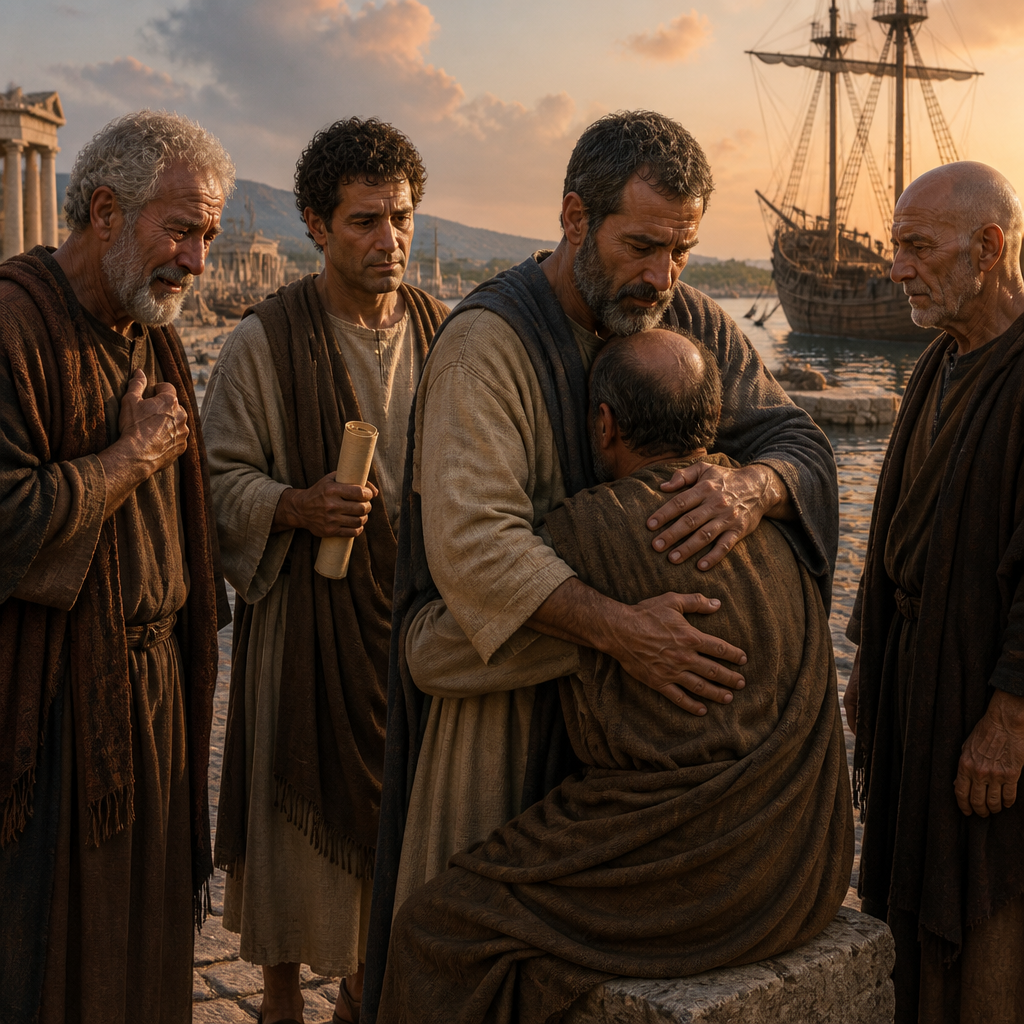
The Ephesian Elders at Miletus
Group of church leaders who wept as they said a final goodbye to the Apostle Paul at the port of Miletus
A collective leadership group of the Ephesian church who received Paul's final farewell discourse and charge to protect the flock from false teachers.
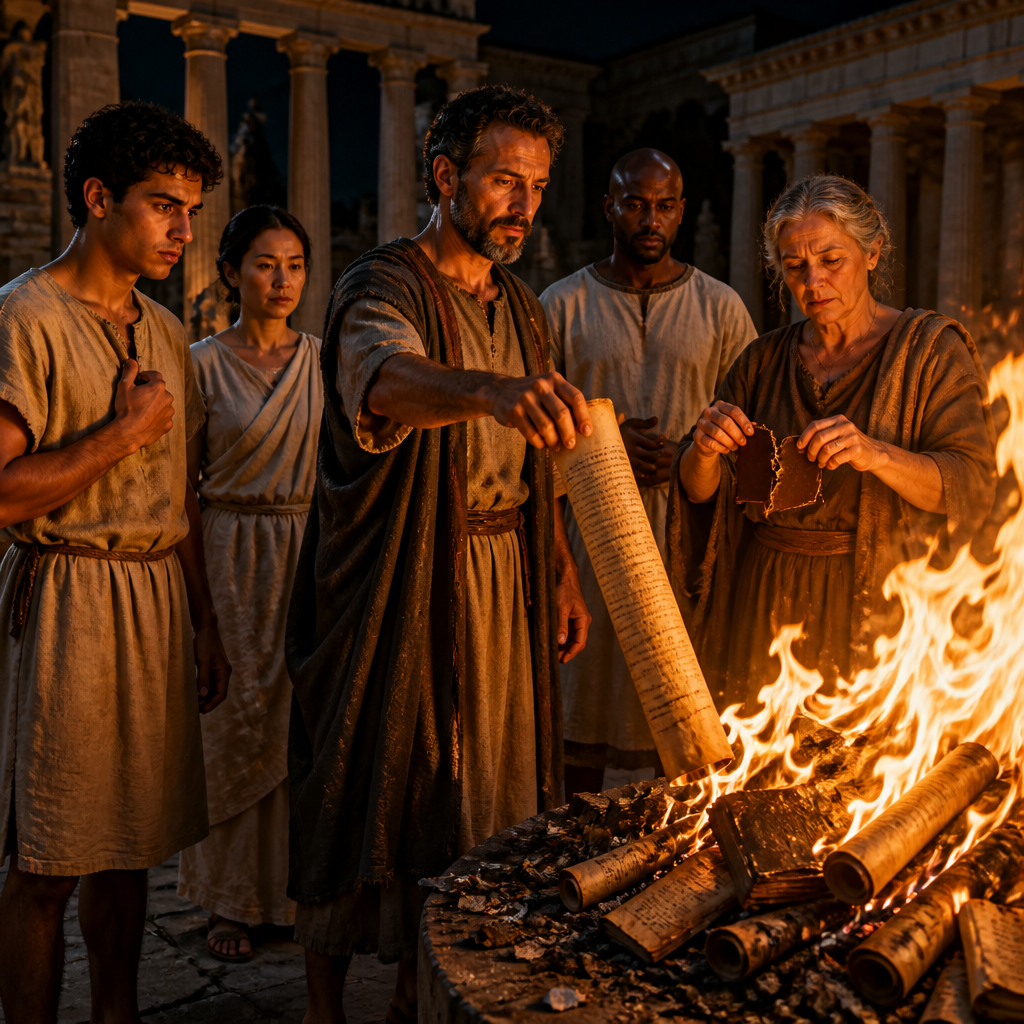
The Ephesians Who Burned Their Magic Books
Former sorcerers who publically burned their expensive occult scrolls worth 50,000 silver pieces
A group of former occultists in Ephesus who publicly renounced sorcery by burning their expensive scrolls after witnessing the power of the name of Jesus.
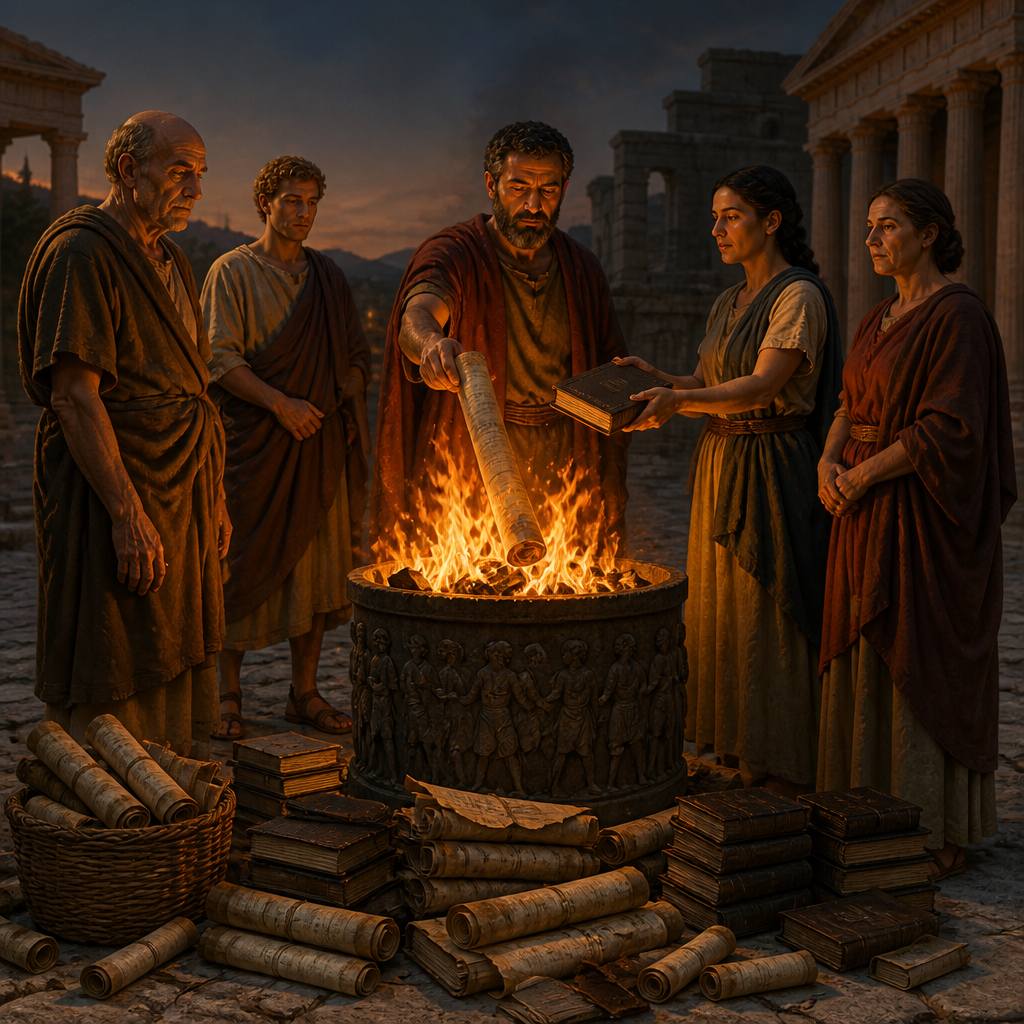
The Ephesians Who Confessed Their Practices
Group of converts who burned their expensive magic books
A group of early Christian converts in Ephesus who publicly renounced their involvement in the occult by burning high-value magical scrolls.
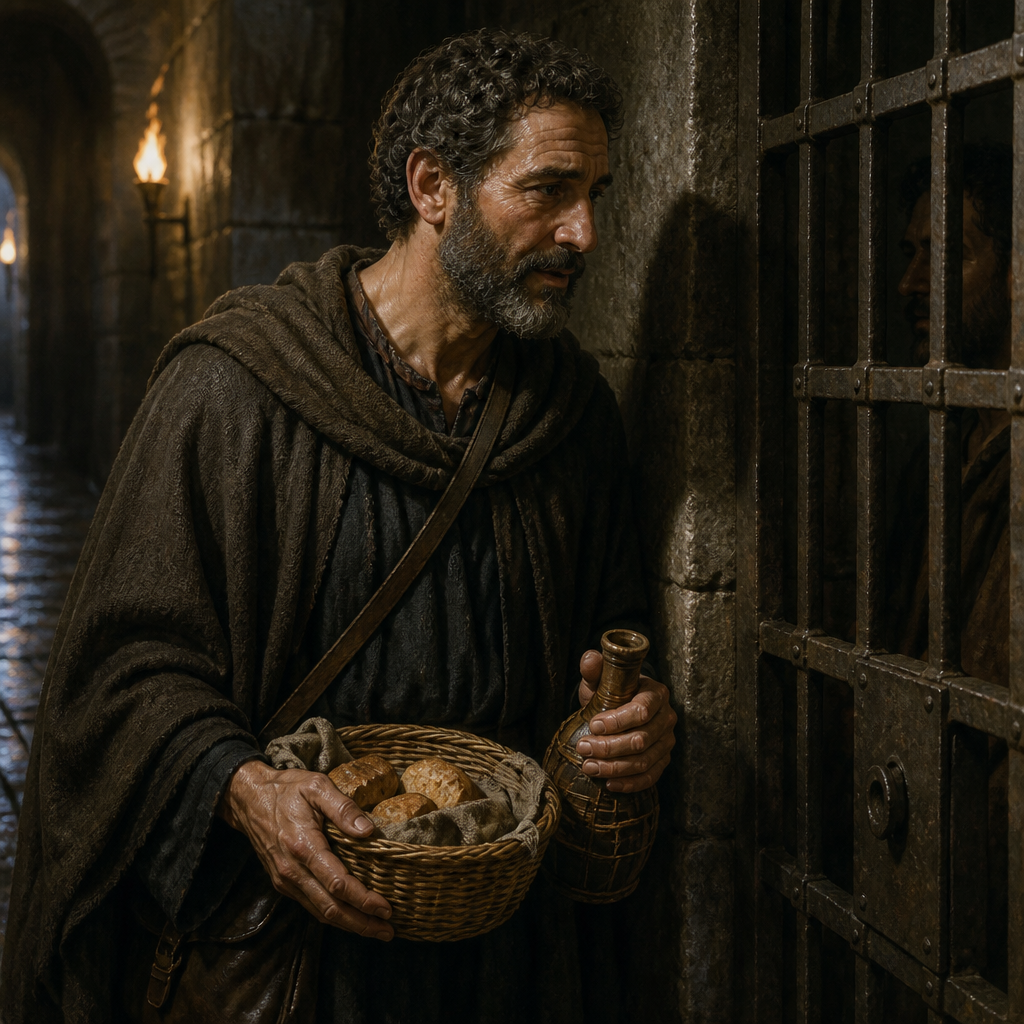
Onesiphorus
Ephesian believer who diligently searched for and refreshed the Apostle Paul during his final Roman imprisonment
A devoted Christian from Ephesus known for his courageous hospitality and unwavering support of the Apostle Paul during his final Roman imprisonment.
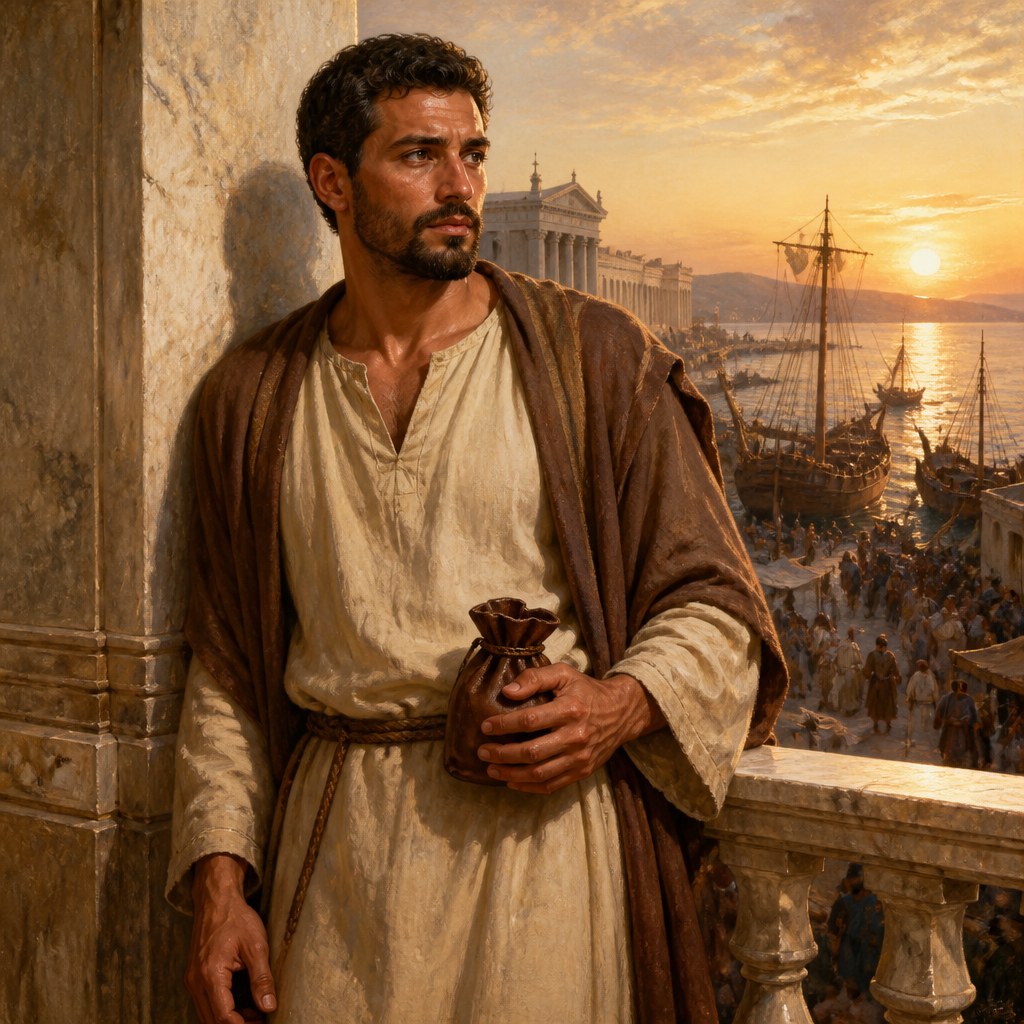
Trophimus
Ephesian companion of Paul whose presence sparked the Jerusalem riot
A Gentile Christian from Ephesus and loyal companion of the Apostle Paul, whose presence in Jerusalem inadvertently sparked the riot leading to Paul's multi-year imprisonment.
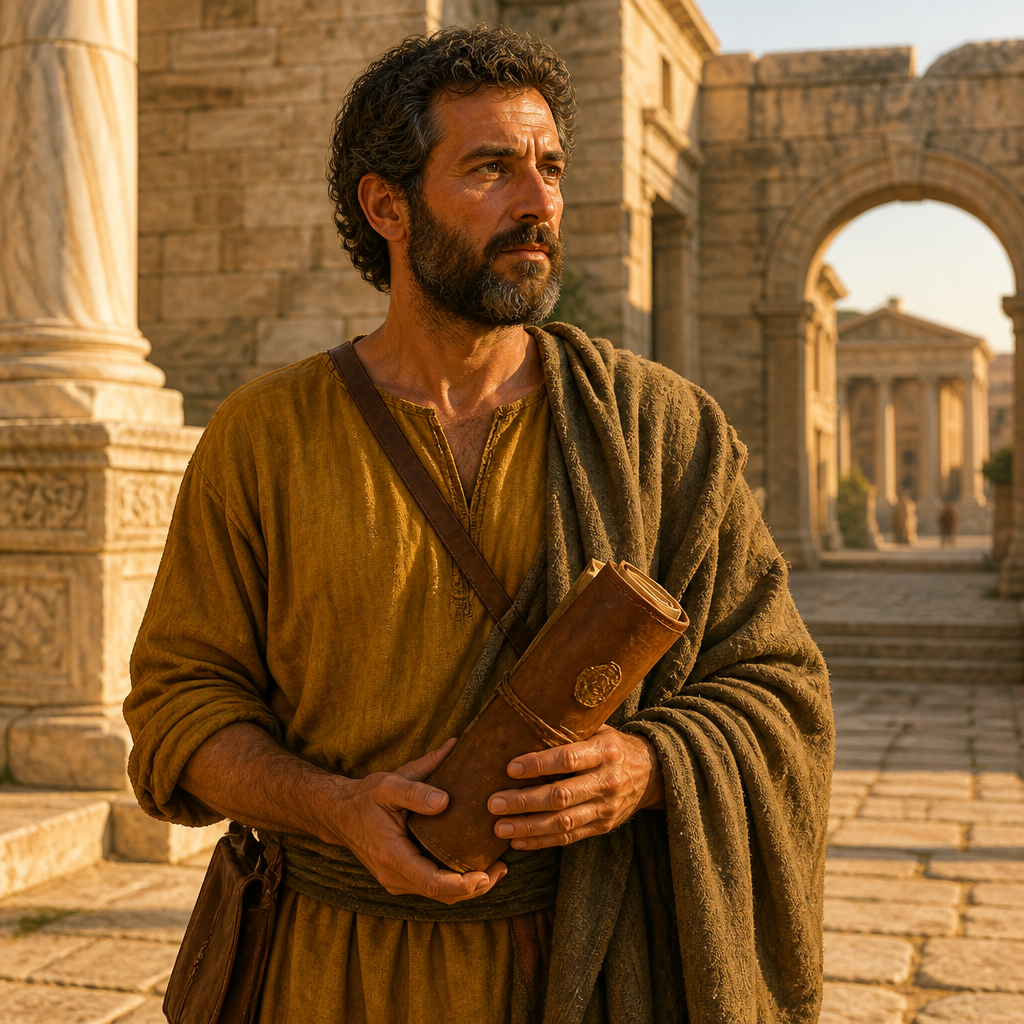
Tychicus
Minister from Asia who delivered Paul's letters to the Ephesians and Colossians
A faithful companion of the Apostle Paul and a prominent leader within the early Asian church, specifically known for his mission to and ministry within Ephesus.