Tychicus
A faithful companion of the Apostle Paul and a prominent leader within the early Asian church, specifically known for his mission to and ministry within Ephesus.
Tychicus was a pivotal figure in the first-century Christian movement, serving as a trusted envoy, aide, and messenger for the Apostle Paul. Emerging from the province of Asia, he became a constant fixture in Paul’s inner circle during the apostle’s later missionary journeys and Roman imprisonments. His reliability and character made him the primary link between the apostolic leadership and the burgeoning churches of Asia Minor.
He is most distinctly associated with the church at Ephesus, where he served not only as the bearer of the Epistle to the Ephesians but also as a surrogate leader sent by Paul to provide pastoral care. In the narrative of the New Testament, Tychicus represents the 'second generation' of early Christian leaders who facilitated the transition of the faith from its initial apostolic founding to established local congregations.
Background and Family
Tychicus was a native of the Roman province of Asia, a region encompassing much of modern-day western Turkey. While his specific city of birth is not named, he is identified alongside Trophimus as being 'of Asia' (Acts 20:4). His name, derived from the Greek word tyche (meaning 'chance' or 'fortune'), was common in the Hellenistic world, particularly among the working classes and those of Greek descent.
Nothing is known of his biological family or his life prior to his conversion. However, his inclusion in Paul’s traveling party indicates that he was likely a convert resulting from Paul’s three-year ministry in Ephesus. Over time, Tychicus’s 'spiritual family' became the Pauline circle, where he was recognized as a 'dear brother' and 'faithful servant.' His background as an Asian Christian made him an ideal representative for the churches of that region when interacting with the leadership in Jerusalem and Rome.
Major Life Events
The ministry of Tychicus is characterized by movement and high-stakes diplomacy. He first appears in the biblical record toward the end of Paul’s third missionary journey (c. AD 57). He was one of the delegates chosen to accompany Paul to Jerusalem, carrying the collection of funds gathered from the Gentile churches for the impoverished believers in Judea. This assignment required a man of impeccable integrity, as the handling of large sums of money was a point of potential scandal.
During Paul’s first Roman imprisonment (c. AD 60–62), Tychicus served as Paul’s right-hand man. Paul entrusted him with two of the most significant documents in Christian history: the Epistle to the Ephesians and the Epistle to the Colossians. Tychicus traveled from Rome to Asia Minor, navigating the dangerous Mediterranean routes to deliver these letters by hand.
"Tychicus, the dear brother and faithful servant in the Lord, will tell you everything, so that you also may know how I am and what I am doing. I am sending him to you for this very purpose, that you may know how we are, and that he may encourage you." (Ephesians 6:21–22)
In his final years, Paul continued to rely on Tychicus for sensitive pastoral placements. In the letter to Titus, Paul mentions his intention to send either Artemas or Tychicus to Crete to relieve Titus. Finally, in Paul’s last recorded letter before his execution (2 Timothy), he notes, "I sent Tychicus to Ephesus" (2 Timothy 4:12). This final mission highlights Tychicus’s enduring role as a stabilizer for the Ephesian church during a period of intense persecution and internal theological strife.
Relationship to Other Biblical Figures
Tychicus maintained a symbiotic relationship with the Apostle Paul, characterized by the latter’s absolute trust. Paul refers to him using three distinct titles: agapetos adelphos (beloved brother), pistos diakonos (faithful minister), and syndoulos (fellow servant). These terms suggest that Tychicus was not merely an errand boy but a peer in ministry who shared Paul's burdens and theological convictions.
He worked closely with Trophimus, another Ephesian, and Onesimus, the runaway slave whom he escorted back to Colossae. Tychicus also interacted with Timothy; by being sent to Ephesus in 2 Timothy 4:12, it is widely believed Tychicus was sent specifically to replace Timothy so that Timothy could travel to Rome to see Paul one last time. This positions Tychicus as a highly capable leader able to step into the shoes of Paul’s most prominent proteges.
Spiritual Significance
The spiritual legacy of Tychicus is one of reliability and 'ministry behind the scenes.' While he did not write any books of the Bible or perform recorded miracles, the preservation and delivery of the New Testament canon depended on his physical presence and his faithfulness.
In the context of the Church at Ephesus, Tychicus represents the essential role of the apostolic envoy—someone who carries the 'spirit' and instructions of the apostles to local bodies. His life demonstrates that the health of the early church relied as much on the 'faithful messenger' as it did on the 'inspired author.' He is often cited in homiletics as the model of a servant who is content to be the bearer of an Important Word rather than the author of it, ensuring that the 'encouragement' Paul intended actually reached the hearts of the Ephesian believers.
Spiritual Significance
Theological study of Tychicus focuses on the concept of 'faithful stewardship' (diakonia). Paul’s description of Tychicus as a 'fellow servant' emphasizes the egalitarian nature of labor in the early church, where the apostle and the messenger shared equal standing in their submission to Christ. Tychicus’s role as the bearer of the Ephesian and Colossian letters is also significant for the doctrine of biblical transmission; his integrity ensured that the original apostolic teachings arrived uncorrupted to their destinations.
Furthermore, Tychicus’s specific mission to Ephesus during Paul's final days underscores the importance of pastoral continuity. By sending a man of Tychicus's stature to Ephesus, Paul ensured that one of the most intellectually and spiritually vibrant centers of the early church remained under the guidance of someone who had been personally trained in the Pauline tradition. This provides an early example of the transition from apostolic oversight to local congregational leadership.
Frequently Asked Questions
What letters did Tychicus deliver for Paul?
Tychicus is credited with delivering the Epistle to the Ephesians and the Epistle to the Colossians. He likely also carried the letter to Philemon, as he traveled with Onesimus.
Where was Tychicus from?
He was from the Roman province of Asia, which is located in modern-day Turkey. He was likely a resident of the city of Ephesus.
What titles did Paul use to describe Tychicus?
Paul called him a 'dear brother,' a 'faithful servant (minister),' and a 'fellow servant' in the Lord.
Why did Paul send Tychicus to Ephesus at the end of his life?
Paul sent him to Ephesus possibly to relieve Timothy or to provide stable leadership and encouragement to the church while Paul faced execution in Rome.
Is Tychicus mentioned in the Book of Acts?
Yes, he appears in Acts 20:4 as one of the men who accompanied Paul through the province of Asia on his way to Jerusalem.
Connected Figures
Paul the Apostle
Mentor and Leader
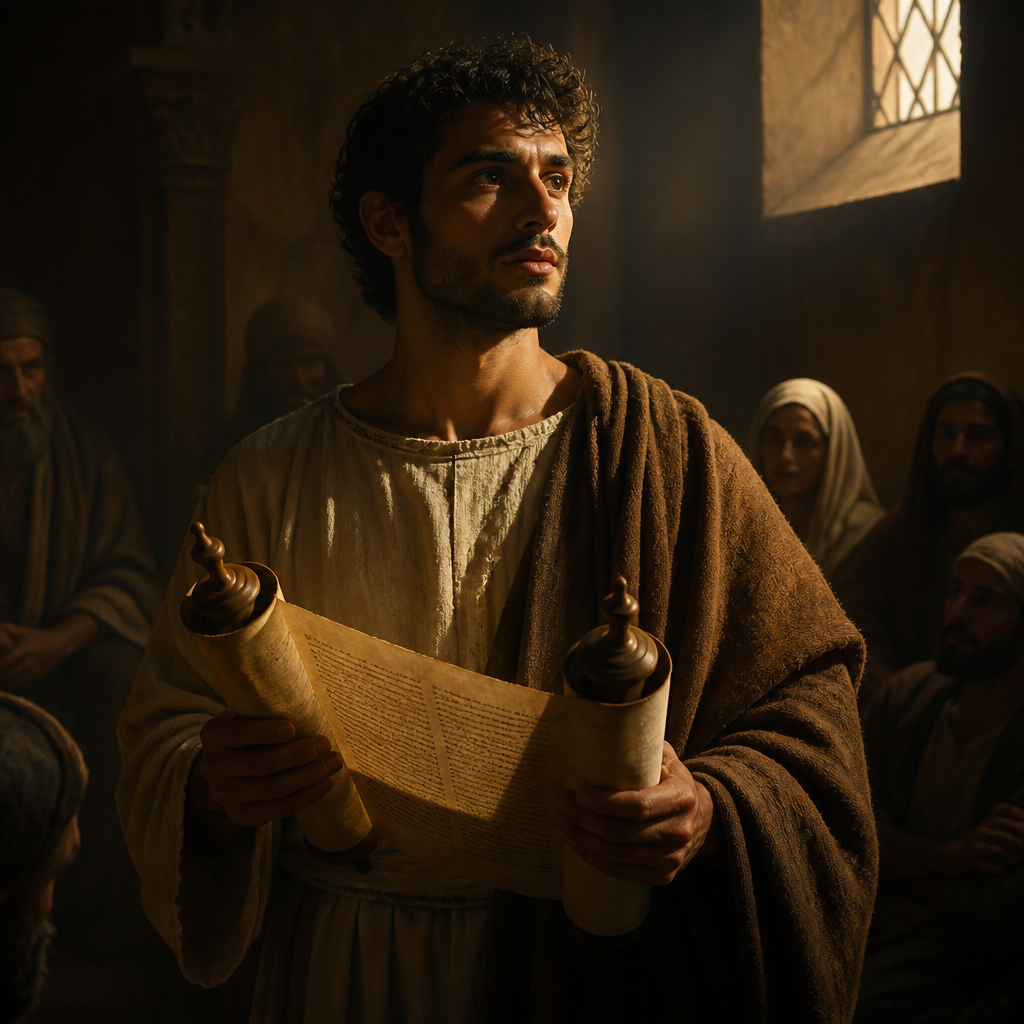
Timothy
Fellow Worker and Associate at Ephesus
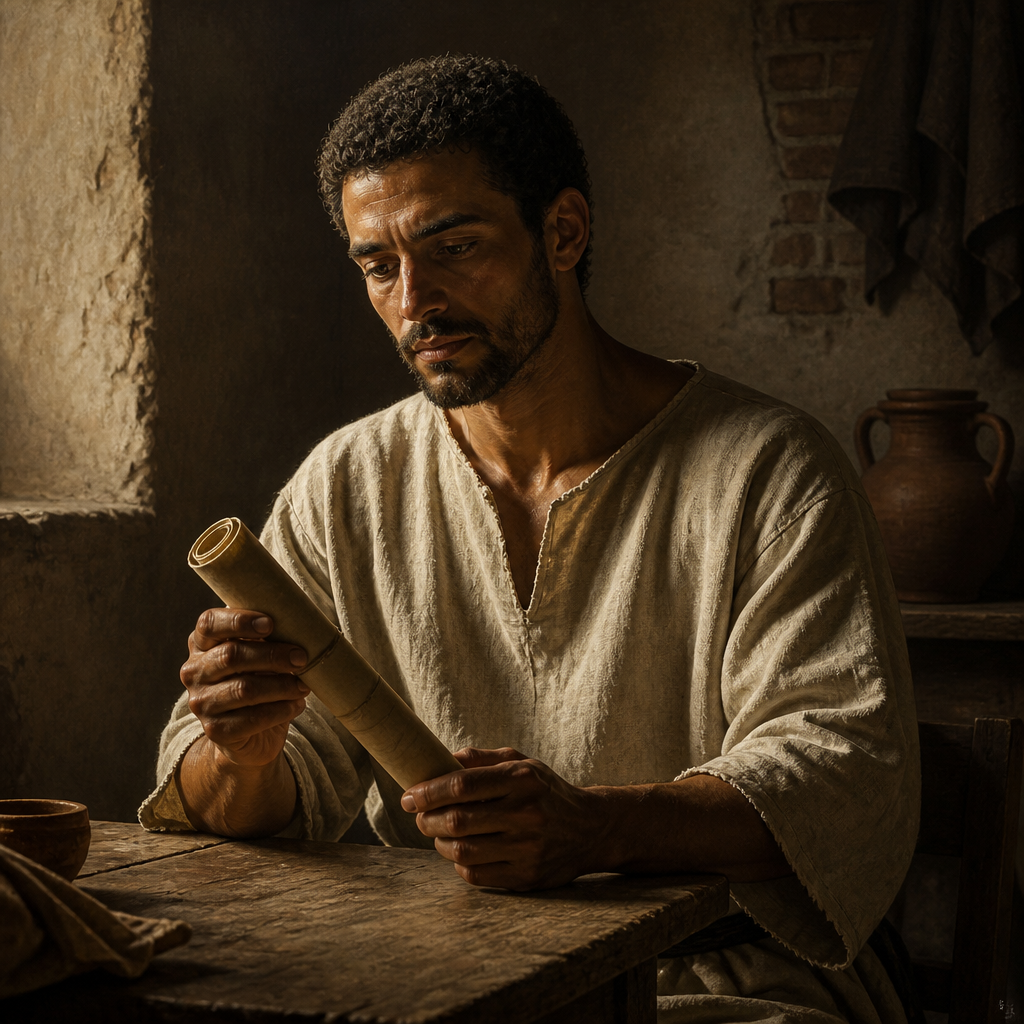
Onesimus
Travel companion to Colossae
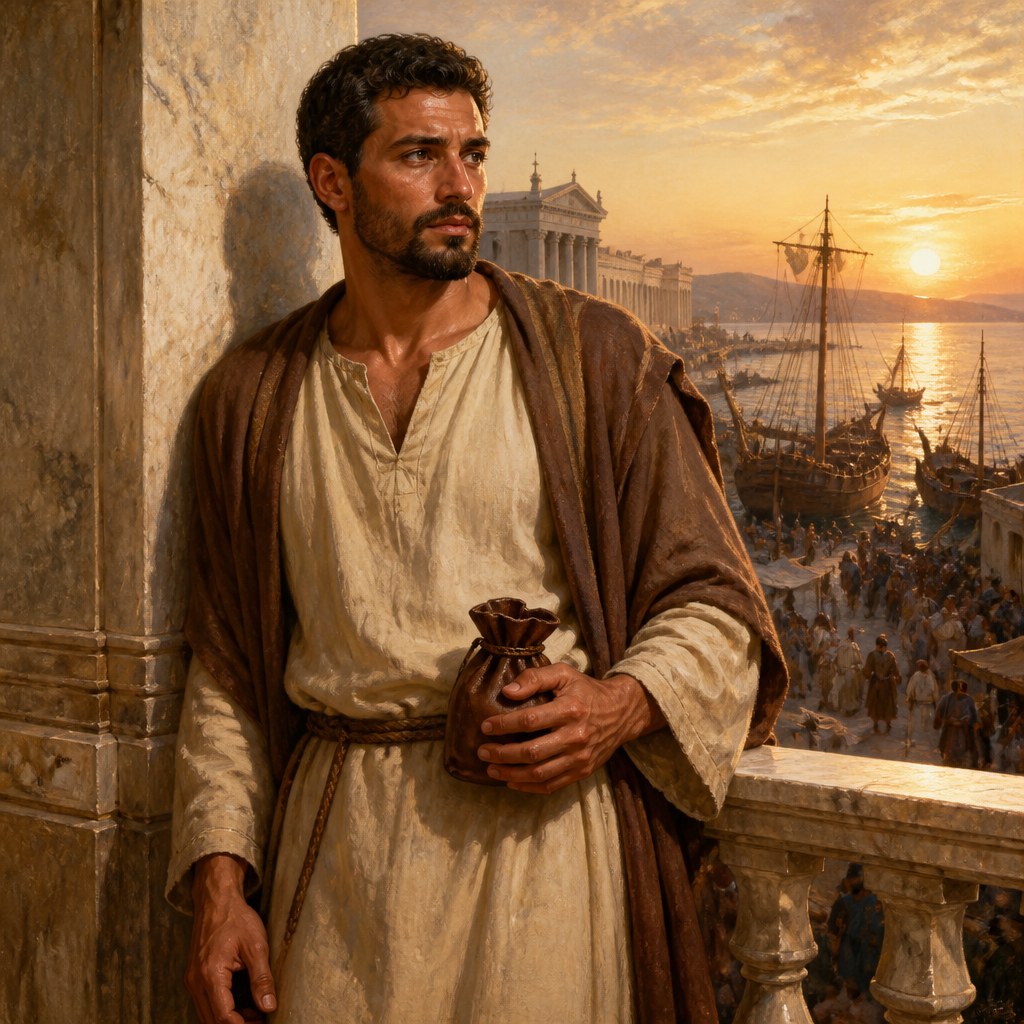
Trophimus
Fellow Asian companion