The Ephesian Elders at Miletus
A collective leadership group of the Ephesian church who received Paul's final farewell discourse and charge to protect the flock from false teachers.
The Ephesian Elders at Miletus represent a critical group of early Christian leaders who served the church in Ephesus during the mid-1st century AD. They are known primarily for their emotional and theological encounter with the Apostle Paul at the port city of Miletus. As the overseers of one of the most significant urban centers in the Roman Empire, these men were responsible for the spiritual well-being of a diverse congregation in a city dominated by the cult of Artemis.
Their interaction with Paul in Acts 20 provides the New Testament's most comprehensive example of a 'farewell discourse' delivered to church leaders. The meeting is characterized by deep personal affection, sobering warnings about future apostasy, and a clear articulation of the duties of the pastoral office. These elders serve as the biblical archetype for local church government and the continuity of apostolic teaching after the departure of the apostles themselves.
Background and Context
The city of Ephesus was the capital of the Roman province of Asia and a hub of commerce, Hellenistic culture, and pagan worship. During his second and third missionary journeys, the Apostle Paul spent considerable time there—roughly three years in total (Acts 20:31). During this tenure, a robust church was established, rooted in the 'whole counsel of God.' The elders whom Paul summoned to Miletus were the products of this intensive period of discipleship.
In approximately 57 AD, while traveling from Macedonia toward Jerusalem for Pentecost, Paul decided to bypass Ephesus to save time. However, desiring one last meeting with the leadership, he sent word from Miletus (about 30 miles south of Ephesus) requesting the elders of the Ephesian church to meet him there. These men were the presbyteroi (elders) who also functioned as episkopoi (overseers or bishops), demonstrating that in the early Pauline church, these titles often referred to the same office.
The Farewell at Miletus
The encounter recorded in Acts 20:17-38 is the only speech in the Book of Acts addressed specifically to a Christian audience rather than to Jews or pagans. Paul begins by reviewing his own conduct among them, citing his humility, tears, and trials. This was not self-exaltation but rather the establishment of a pattern for the elders to imitate.
Paul’s address takes on an ominous tone as he reveals his conviction by the Holy Spirit that 'imprisonment and afflictions' await him in Jerusalem. Most significantly, he informs the elders that they will never see his face again. This announcement shifts the focus of the meeting from a reunion to a formal handing over of spiritual responsibility.
The Charge to the Elders
The heart of the interaction is Paul’s specific command in Acts 20:28:
"Pay careful attention to yourselves and to all the flock, in which the Holy Spirit has made you overseers, to care for the church of God, which he obtained with his own blood."
Paul warns that after his departure, 'fierce wolves' will enter the congregation from the outside, and even from within their own ranks, men will arise speaking 'twisted things' to draw away disciples. The elders were tasked with being the primary defense against these internal and external threats, using the word of God as their ultimate weapon and resource.
Relationship to Other Biblical Figures
The Ephesian elders shared a profound bond with the Apostle Paul, described in terms of deep familial love. Upon the conclusion of Paul's speech, the text records that they 'knelt down and prayed with them all,' and there was 'much weeping on the part of all; they embraced Paul and kissed him.'
Beyond Paul, these elders likely had significant interaction with Timothy, whom Paul later stationed in Ephesus to continue the work of correcting false doctrine (1 Timothy 1:3). The presence of these elders suggests a plurality of leadership that worked alongside apostolic delegates. Furthermore, church tradition and the Book of Revelation suggest that the Apostle John eventually resided in Ephesus, meaning these elders (or their immediate successors) would have also come under the influence of the 'Beloved Disciple.'
Spiritual Significance
The Ephesian elders at Miletus are bibliographical proof of the transition from apostolic oversight to local elder-led governance. Their meeting defines the 'pastoral' role not merely as one of administration, but as 'shepherding'—a term rich with imagery of protection, feeding, and sacrifice. The theological core of their significance lies in Paul's reminder that the church belongs to God, purchased by the blood of Christ; therefore, the elders are stewards, not owners.
Their story also highlights the reality of spiritual warfare within the church. The warning about 'wolves' serves as a perpetual reminder for church leaders throughout history to prioritize doctrinal purity and vigilance. The emotional climax of their departure underscores the communal and relational nature of the early church, where theological conviction and personal affection were deeply intertwined.
Spiritual Significance
The Ephesian elders are central to the New Testament's theology of church leadership. The discourse at Miletus establishes the requirements for the office: vigilance over one's own character, commitment to the full counsel of Scripture, and a sacrificial devotion to the congregation. They represent the bridge between the foundational era of the apostles and the ongoing life of the local church, emphasizing that the Holy Spirit is the one who ultimately appoints leaders to guard the 'deposit of faith.'
Furthermore, their interaction provides a blueprint for how the church should respond to the departure of leaders. By commending them to 'God and to the word of his grace,' Paul teaches that the church's stability does not rest on a single personality, but on the enduring grace of God and the sufficiency of His Word. The elders of Ephesus thus stand as a model for every generation of Christian leaders tasked with navigating the transition of authority while maintaining apostolic truth.
Frequently Asked Questions
Why did Paul meet the elders at Miletus instead of Ephesus?
Paul was in a hurry to reach Jerusalem by Pentecost. He chose Miletus, a nearby port city, to avoid the potential delays of visiting the large Ephesian congregation while still securing a meeting with the church's leadership.
What is the difference between an 'elder' and an 'overseer' in this context?
In Acts 20, the terms are practically synonymous. Paul calls for the 'elders' (presbyteroi) in verse 17 and tells them in verse 28 that the Holy Spirit has made them 'overseers' (episkopoi), indicating two aspects of the same ministry.
What 'wolves' was Paul warning them about?
Paul was warning against false teachers who would distort the Gospel. These could include Gnostics, Judaizers, or others who would lead the church away from the truth of Christ for personal gain or influence.
How long did Paul work with these elders originally?
Paul spent approximately three years in Ephesus during his third missionary journey, teaching publicly and from house to house, which is why he had such a close relationship with the elders.
Did the elders' meeting result in any changes to the church?
The text does not record immediate changes, but the later books of 1 Timothy and Revelation 2 show that the Ephesian church did struggle with the very false doctrines and loss of 'first love' that Paul hinted at during this meeting.
Connected Figures
Apostle Paul
Spiritual father and apostle who trained and charged them
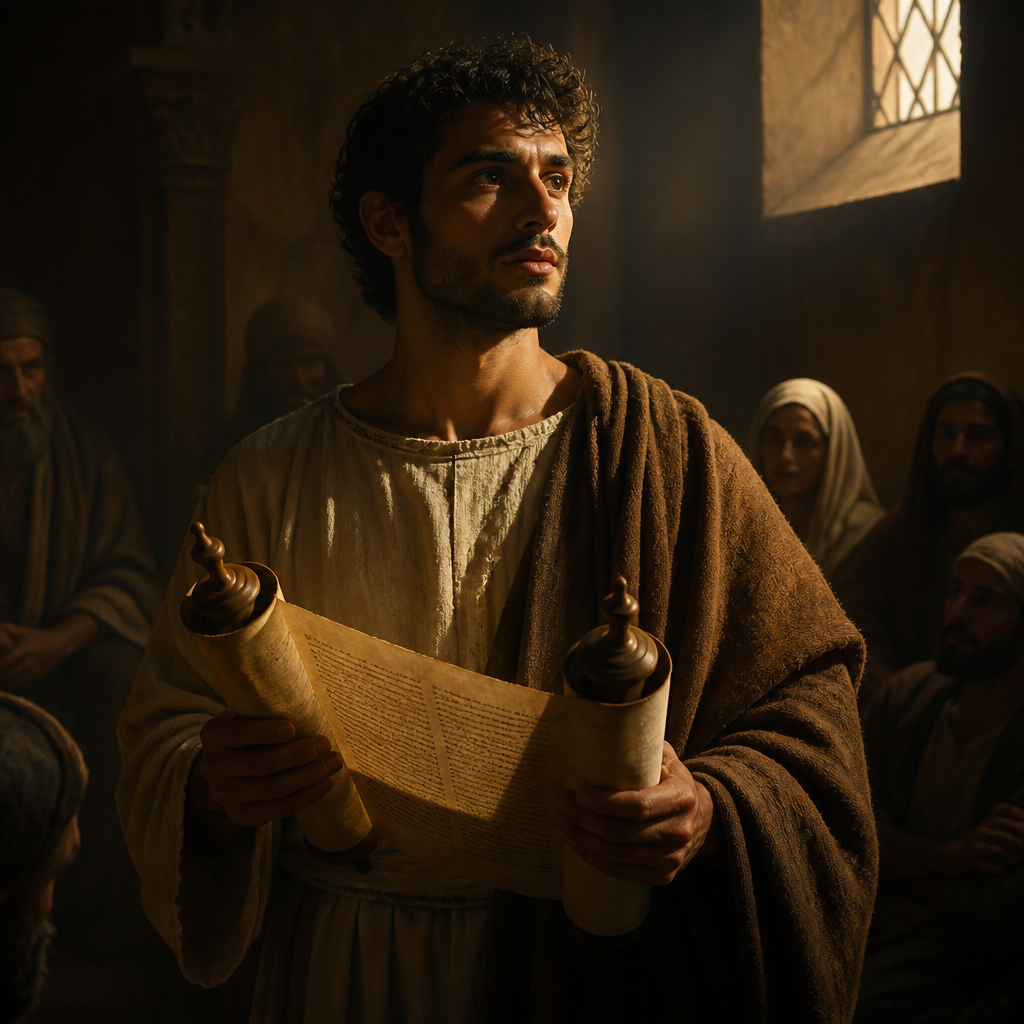
Timothy
Apostolic representative later sent to Ephesus to work with the elders
Luke
Companions of Paul who witnessed and recorded the meeting at Miletus

Alexander the Coppersmith
Potential example of the 'wolves' or opponents faced in Ephesus