Crucifixion Helpers
An ad-hoc collection of individuals whose diverse interventions provided relief, mercy, or a proper burial during the death of Jesus.
“…many women were there, looking on from a distance, who had followed Jesus from Galilee, ministering to him…” — Matthew 27:55
The narrative of the crucifixion in the New Testament is populated by a diverse array of figures who provided direct or indirect assistance to Jesus during his passion. These individuals, often referred to as 'helpers' or 'intercessors,' represent a cross-section of First-Century Judean and Roman society, ranging from high-ranking officials and social elites to anonymous bystanders. Their actions served to humanize the execution process, offering brief moments of reprieve, legal advocacy, or physical care amidst the intense suffering of the Roman penal system.
Historically, these figures operate within the complex socio-political landscape of AD 33 Jerusalem. The group includes those who attempted to prevent the execution through legal or supernatural omens, such as the wife of the Roman governor, and those who provided palliative care in the form of fluids during the final stages of dehydration. This group is also defined by the aristocrats who risked their social standing to ensure that the body of the condemned was handled with dignity and according to Jewish burial customs, rather than being discarded in a common criminal's grave.
From a scholarly perspective, these helpers are essential to the literary and theological structure of the Gospels. They provide a narrative counterpoint to the hostility of the religious leaders and the Roman soldiers. By documenting the specific acts of Pilate's wife, the wine-bearer, and Joseph of Arimathea, the Gospel writers emphasize that even within a state-sanctioned execution, there were individuals who recognized Jesus' innocence or responded to his physical vulnerability with basic human compassion. Their involvement ensures the transition from the public shame of the cross to the private sanctity of the tomb.
The group
Crucifixion Helpers
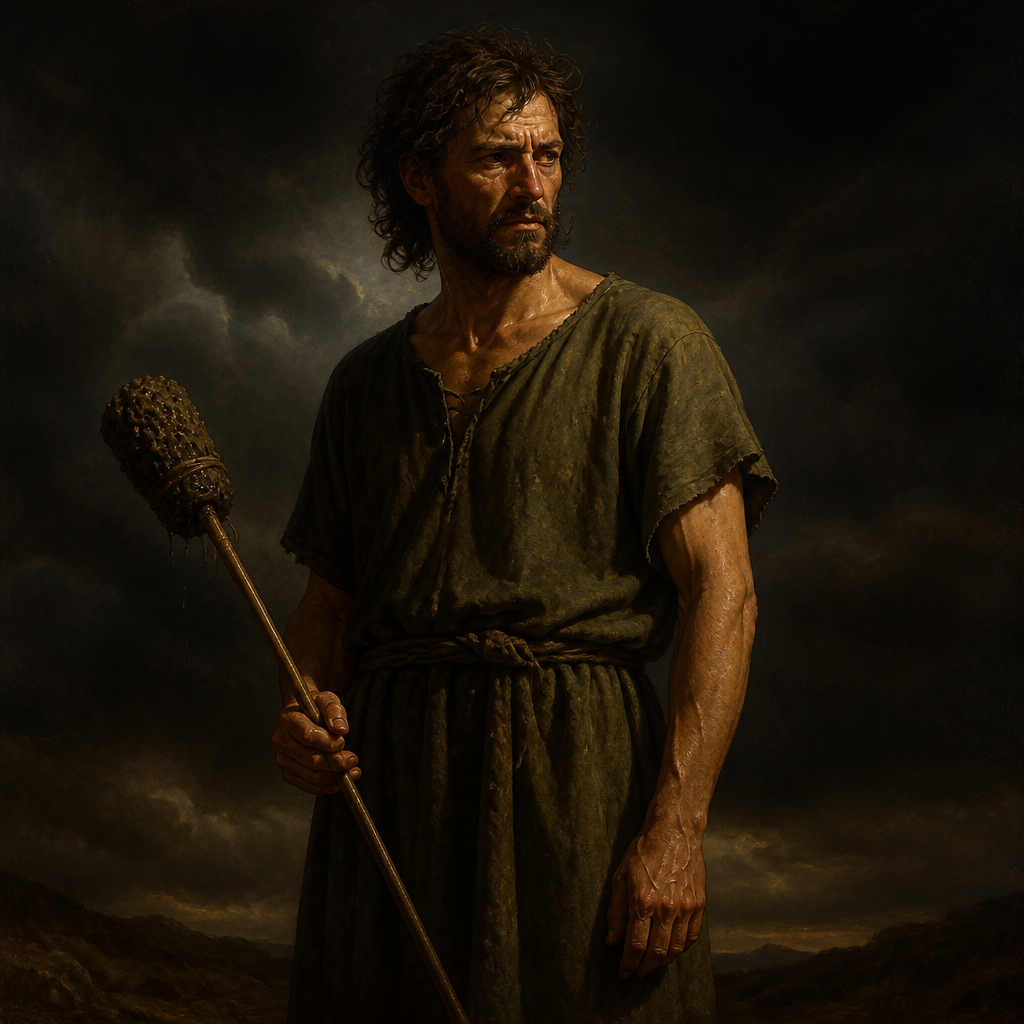
The Bystander Who Gave Jesus Sour Wine
Bystander at the crucifixion who offered a sponge of sour wine to Jesus
An unnamed participant at the Crucifixion of Jesus Christ who offered Him a sponge soaked in sour wine to alleviate His thirst after His final cry.
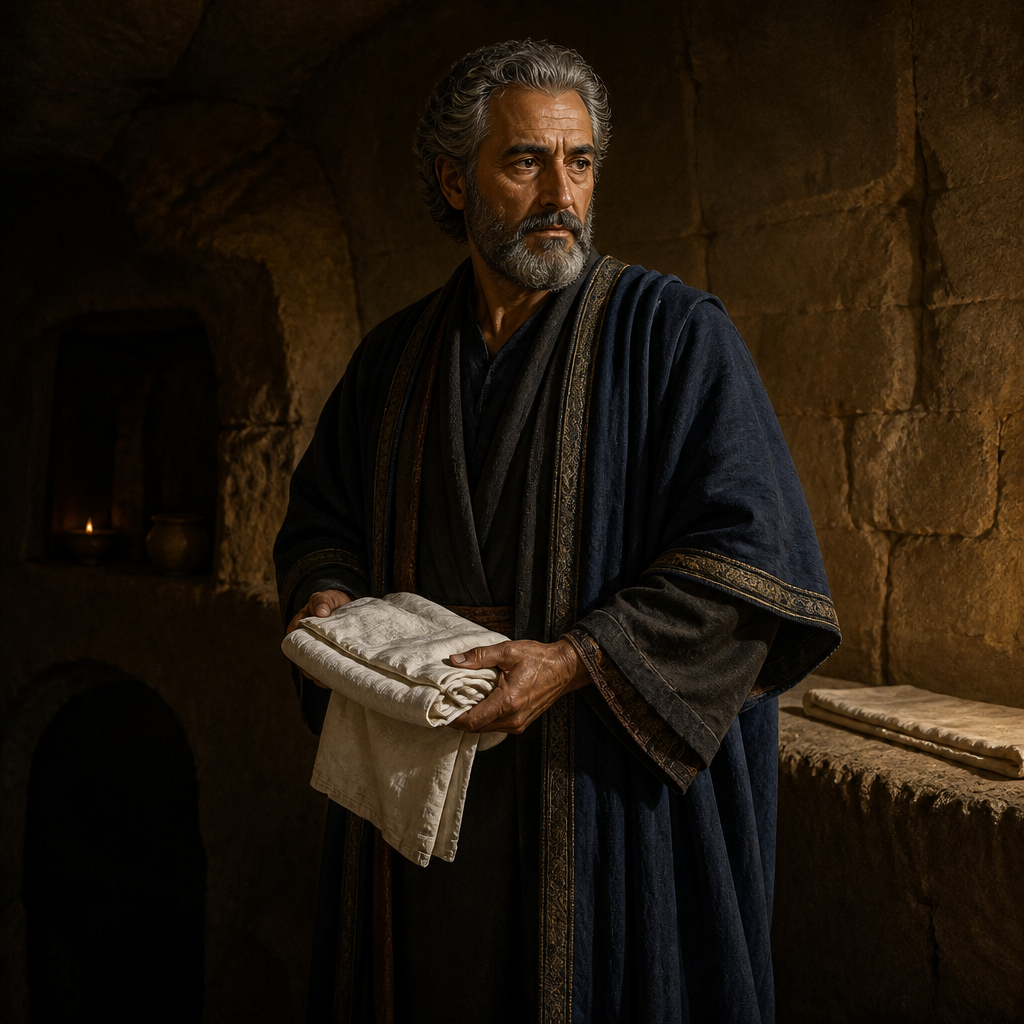
Joseph of Arimathea
Sanhedrin member who provided the tomb for Jesus' burial
A wealthy member of the Sanhedrin and secret disciple of Jesus who provided his own new tomb for the burial of Christ after the crucifixion.
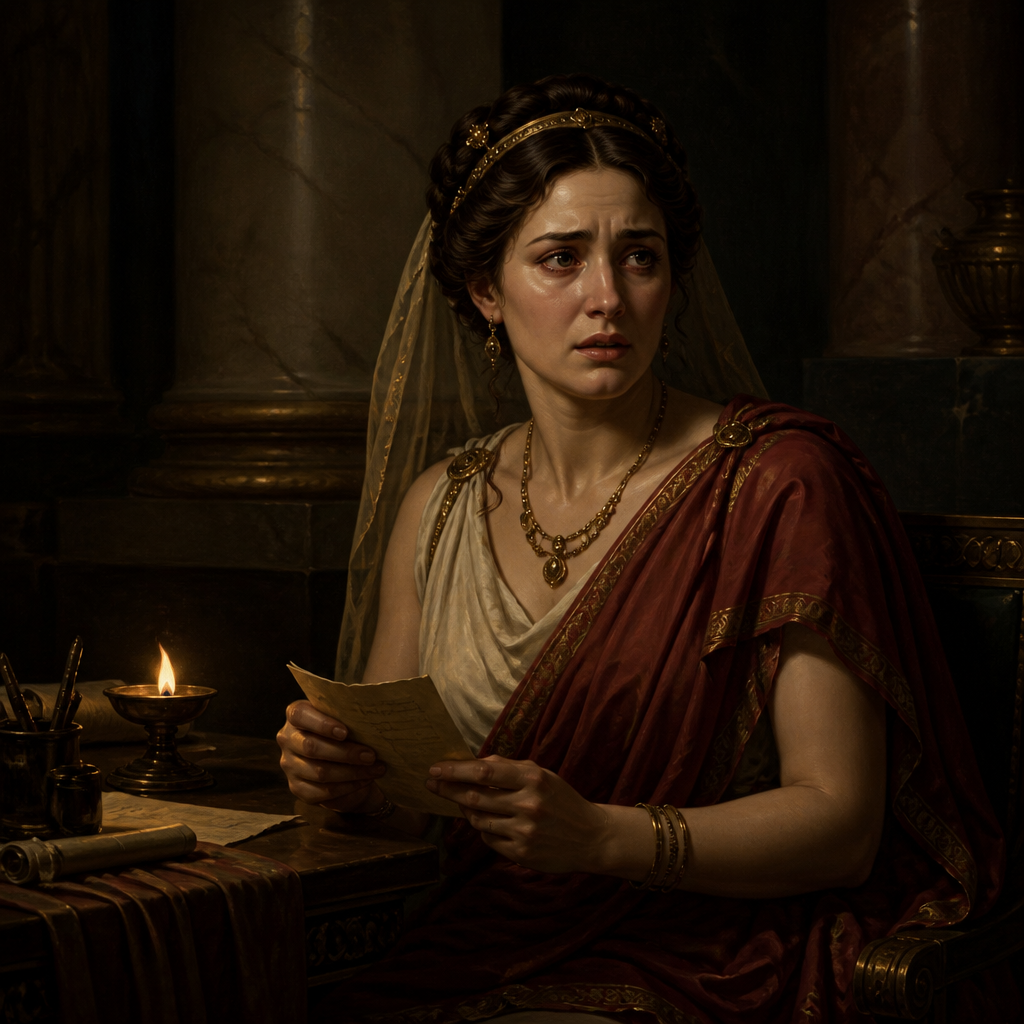
Pontius Pilate's Wife
Roman woman who warned her husband to protect Jesus because of a dream
The anonymous Roman noblewoman who, during the trial of Jesus, sent a message to her husband warning him to have nothing to do with that 'innocent man' due to a disturbing dream.
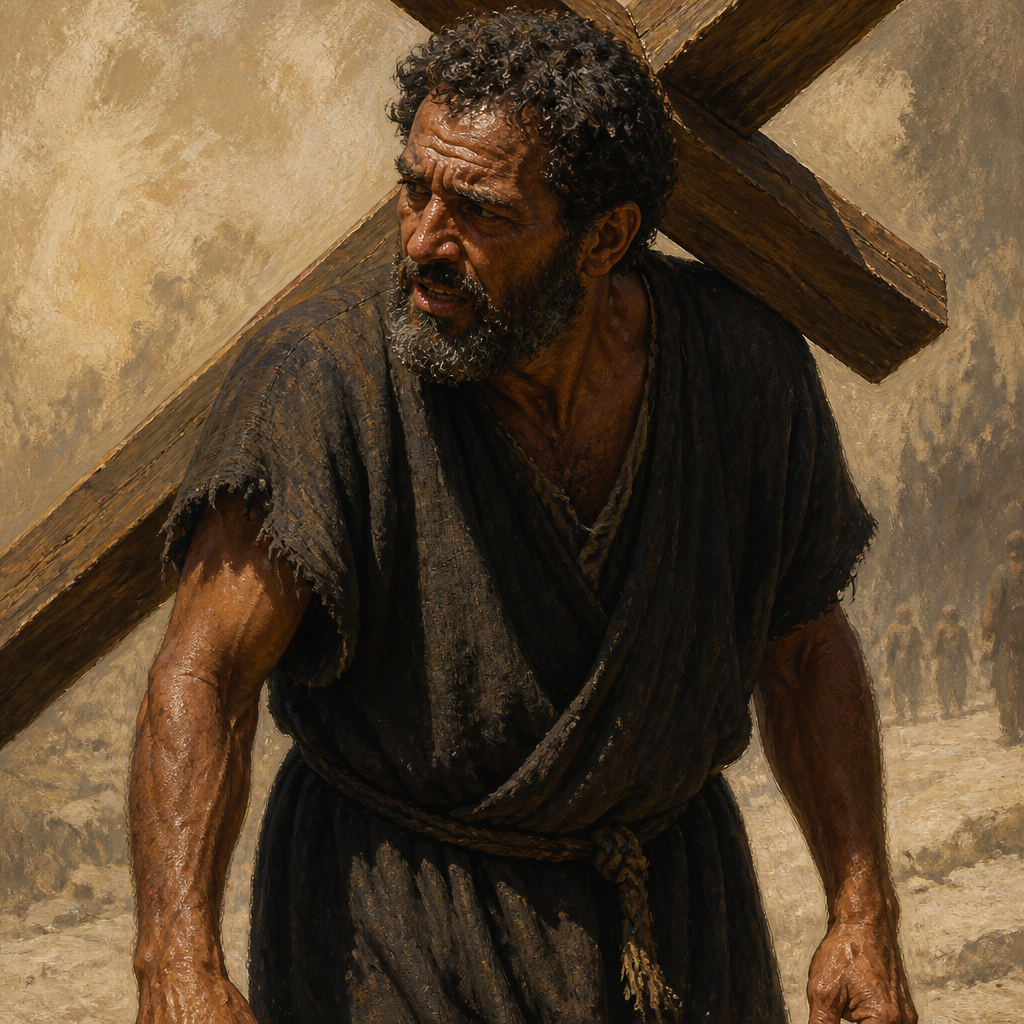
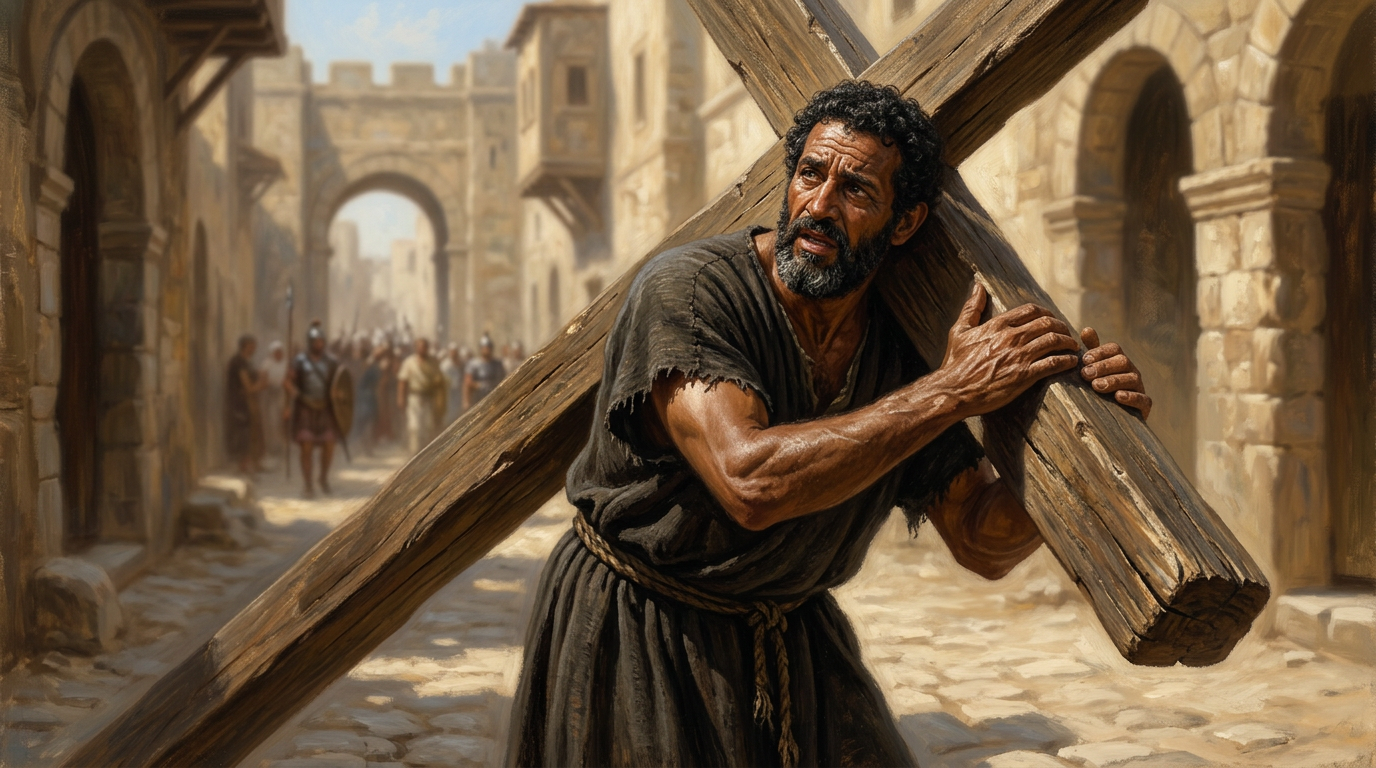
Simon of Cyrene
Man compelled by Roman soldiers to carry the cross of Jesus
A man from North Africa who was compelled by Roman soldiers to carry the cross of Jesus Christ during the procession to Golgotha.