Joseph of Arimathea
A wealthy member of the Sanhedrin and secret disciple of Jesus who provided his own new tomb for the burial of Christ after the crucifixion.
Joseph of Arimathea is a pivotal figure in the New Testament narratives surrounding the death and burial of Jesus Christ. Identified as a wealthy man and a respected member of the Jewish Council (the Sanhedrin), Joseph initially kept his devotion to Jesus hidden due to the political and social pressures of his position. However, his actions immediately following the crucifixion demonstrate an extraordinary transformation from secret follower to courageous public advocate.
While all four canonical Gospels mention Joseph of Arimathea, they collectively provide a nuanced portrait of his character. He is described as a 'good and upright man' who had not consented to the Council's decision to condemn Jesus. His primary legacy rests on his successful petition to the Roman governor Pontius Pilate for the body of Jesus, ensuring that the Messiah received a dignified burial rather than being cast into a common grave for criminals.
Background and Family
Joseph hailed from Arimathea, a town often identified with the Old Testament Ramathaim-zophim in the hill country of Ephraim (the birthplace of the prophet Samuel). As a member of the Sanhedrin, Joseph occupied a high social and judicial standing in Judean society. The Gospels describe him as 'wealthy' (Matthew 27:57) and an 'honorable counselor' (Mark 15:43), indicating he was part of the Judean aristocracy.
Though his familial lineage is not explicitly detailed in the biblical text, his status suggests a man of significant education and influence. Unlike many of his peers in the religious leadership who viewed Jesus as a threat to the Mosaic Law and Roman stability, Joseph is characterized as one who was 'waiting for the kingdom of God.' This suggests he belonged to a devout remnant within the leadership that recognized the spiritual bankruptcy of the current age and looked for the Messianic fulfillment promised by the prophets.
Major Life Events
The defining moment of Joseph’s life occurred on the evening of the Preparation Day, following the crucifixion of Jesus. Under Jewish law and Roman custom, the bodies of executed criminals were often left to the elements or tossed into common pits. Fearing the desecration of the Sabbath and moved by his devotion to Christ, Joseph 'went boldly to Pilate' (Mark 15:43) to request the body. This was a high-risk move; it signaled a public break with the Sanhedrin and a direct association with a man executed for sedition against Rome.
After receiving permission from Pilate, who was surprised that Jesus had died so quickly, Joseph purchased fine linen (sindon). Along with Nicodemus, another secret disciple, he took the body down from the cross. The two men performed a hasty but royal burial, binding the body with spices—myrrh and aloes—according to Jewish burial customs. Joseph placed Jesus in his own 'new tomb,' which had been hewn out of rock in a garden near the site of the crucifixion. He then rolled a large stone against the entrance of the sepulcher.
Relationship to Other Biblical Figures
Joseph’s most significant interactions were with Pontius Pilate and Nicodemus. His relationship with Pilate was likely one of professional acquaintance, as a member of the local ruling council would have had occasional dealings with the Roman governor. His partnership with Nicodemus (John 19:39) is particularly noteworthy, as both men represented a minority faction within the Sanhedrin who believed in Jesus’s mission but feared public exposure until the moment of His death.
Furthermore, Joseph’s actions served as a bridge between the despairing disciples and the resurrection. While the eleven apostles had largely fled or were in hiding, Joseph and a group of women (including Mary Magdalene and Mary the mother of Joses) remained to ensure the proper treatment of the body. His provision of the tomb allowed the women to know exactly where to return on the first day of the week, setting the stage for the discovery of the empty tomb.
Spiritual Significance
Theologically, Joseph of Arimathea serves as a fulfillment of Messianic prophecy. Isaiah 53:9 states that the Suffering Servant would be 'with the rich in his death.' By placing Jesus in a private, wealthy man's tomb, Joseph unintentionally validated the ancient prophetic credentials of Jesus.
Moreover, Joseph represents the concept of late-blooming courage. His story offers a powerful narrative of a man who moved from the shadows of 'secret discipleship' to the light of public confession at the moment when the cause seemed most lost. From a historical-critical perspective, the inclusion of a specific, named Sanhedrin member in the burial account adds immense credibility to the Gospel narrative, as early critics of Christianity could have easily debunked the claim if it were false, given Joseph's prominent social standing.
Spiritual Significance
Joseph of Arimathea is crucial for the historical and theological verification of the burial of Jesus. His wealthy status and membership in the Sanhedrin fulfilled the prophecy of Isaiah 53:9, ensuring that Jesus, though executed as a criminal, was buried with the rich. His presence in all four Gospels underscores the reality of Christ's physical death, providing the necessary precursor to the bodily resurrection.
Spiritually, Joseph exemplifies the 'boldness' required of a disciple. By asking Pilate for the body, he risked his reputation, his position on the Council, and his personal safety. He serves as a model for those in positions of power who must navigate the tension between worldly responsibilities and the demands of the Kingdom of God, proving that even within the most resistant institutions, God preserves a faithful remnant.
Frequently Asked Questions
Was Joseph of Arimathea a disciple of Jesus?
Yes, Matthew 27:57 explicitly states he had become a disciple of Jesus, though John 19:38 notes he was a disciple 'secretly for fear of the Jews' until the time of the burial.
What rank did Joseph hold in Jewish society?
He was a prominent member of the Council, or Sanhedrin, which was the supreme judicial and religious body in Judea.
Did Joseph of Arimathea agree with the execution of Jesus?
No, Luke 23:50-51 records that Joseph 'had not consented to their decision and action' when the Sanhedrin moved to have Jesus condemned.
Why did Joseph need to ask Pilate for the body?
Under Roman law, the body of an executed person belonged to the state. Permission from the Roman governor was legally required to remove a body from a cross for private burial.
What happened to Joseph after the resurrection?
The Bible does not record Joseph's life after the burial of Jesus. Later legends, such as his travel to Britain with the Holy Grail, are apocryphal and lack biblical or early historical evidence.
Connected Figures
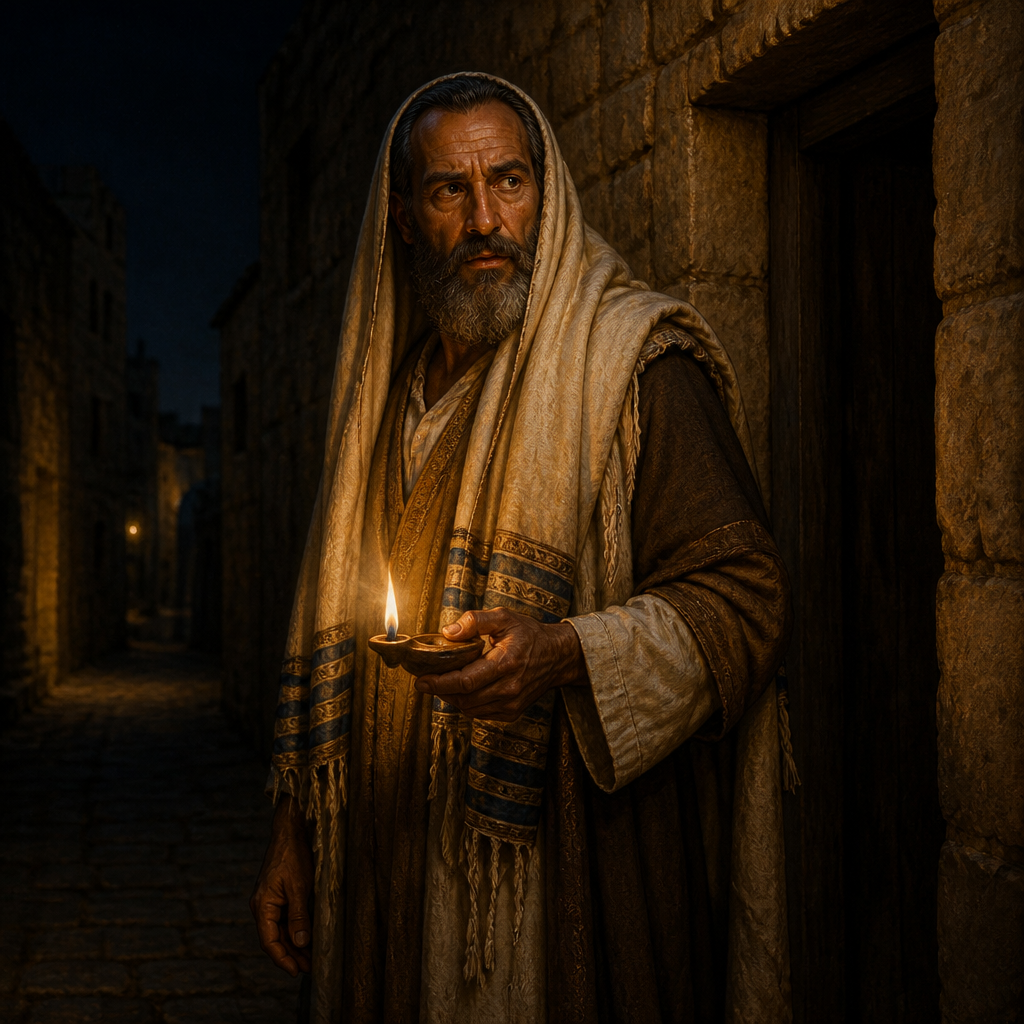
Nicodemus
Peer / Co-laborer in the burial of Jesus
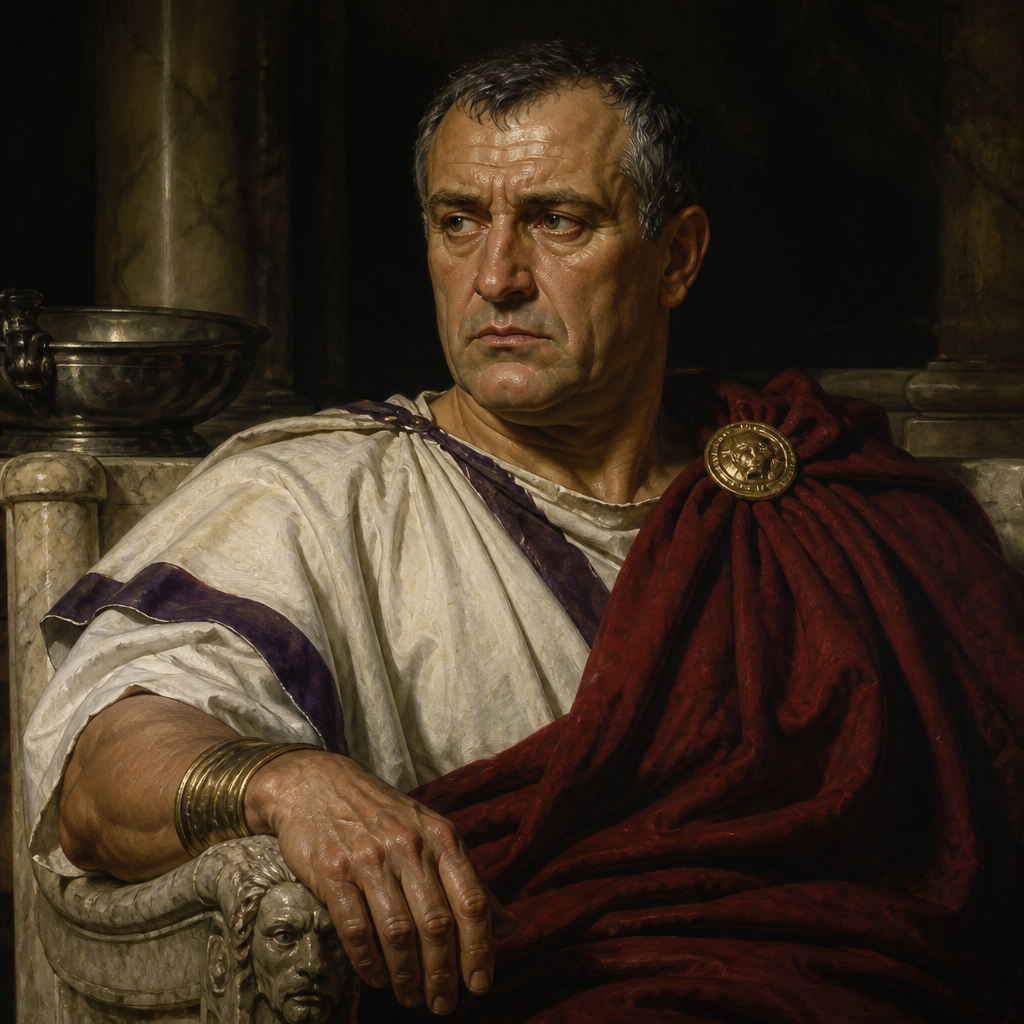
Pontius Pilate
Roman Governor who granted him the body of Jesus
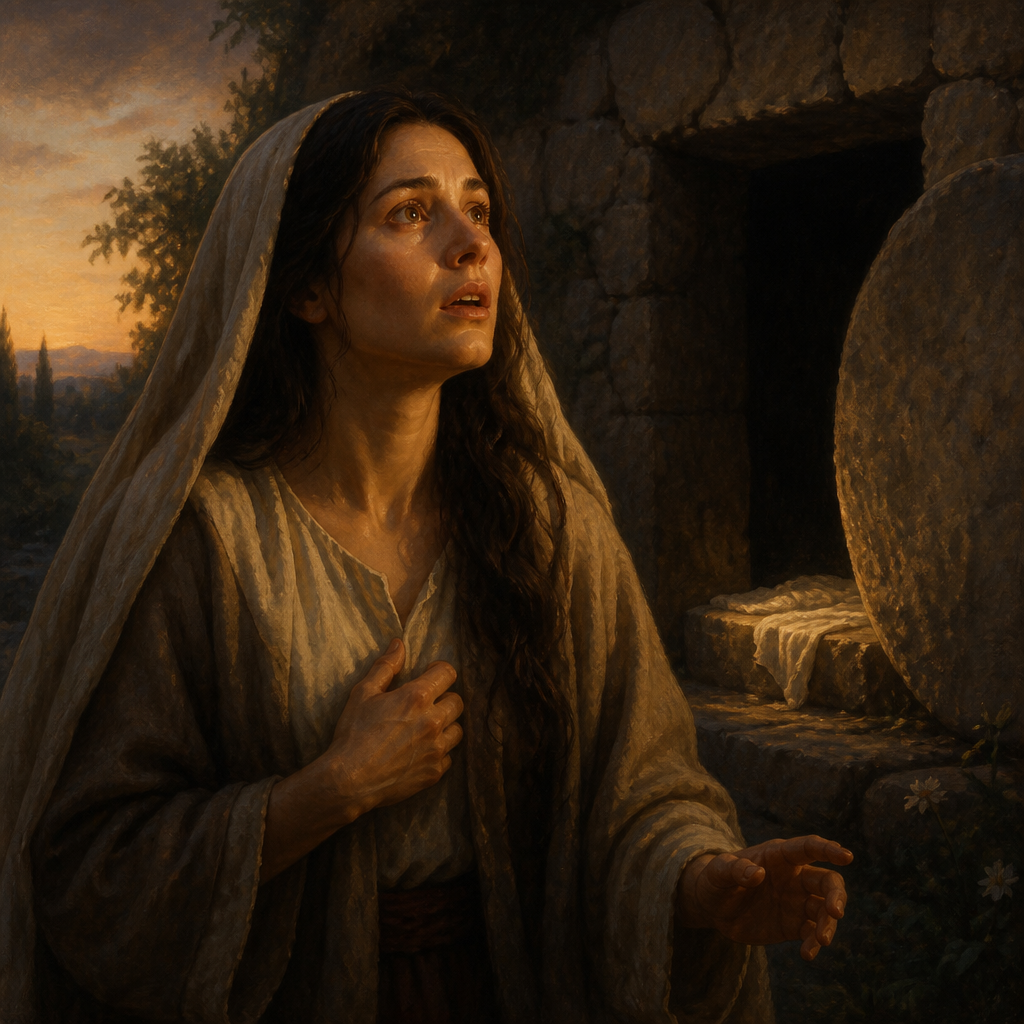
Mary Magdalene
Witness to his burial of Jesus
Jesus Christ
Master / Recipient of his tomb